
Introduction
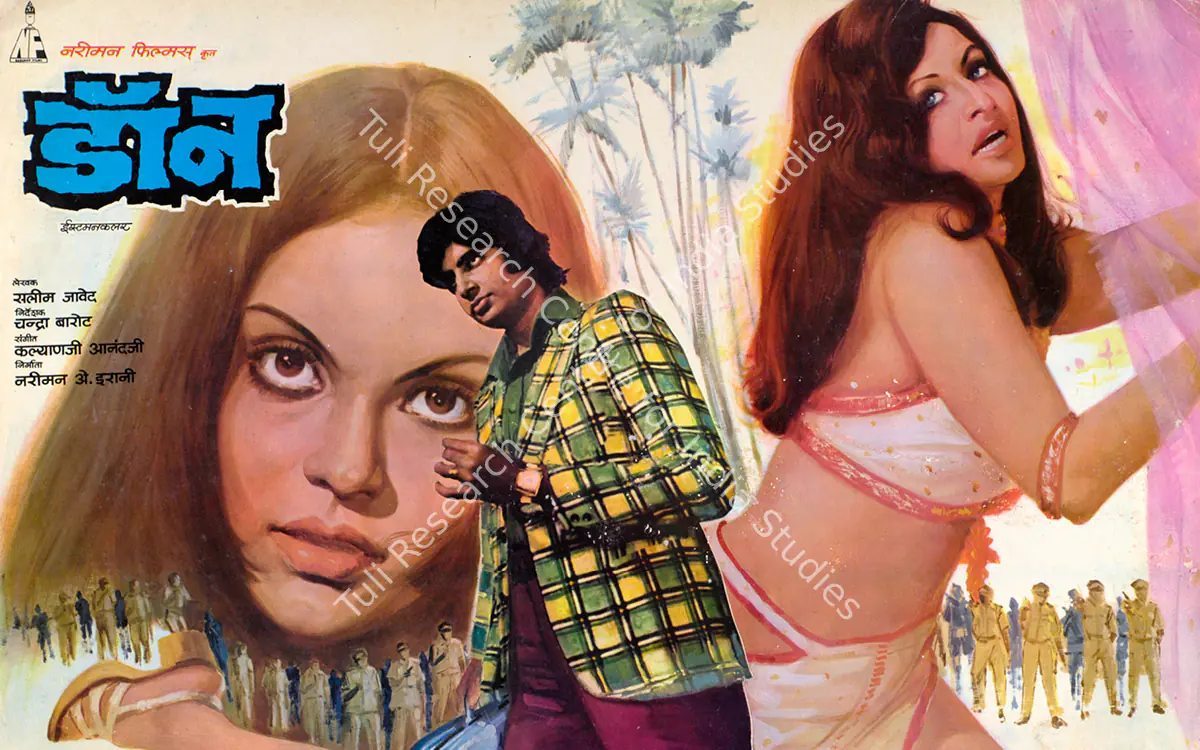
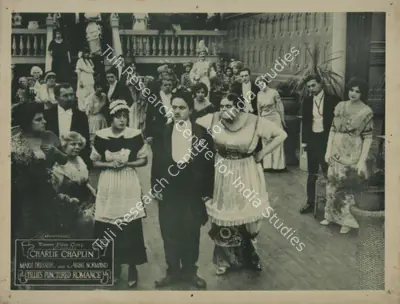
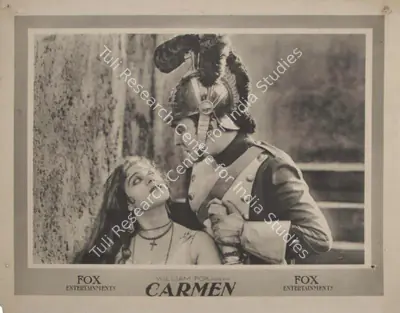
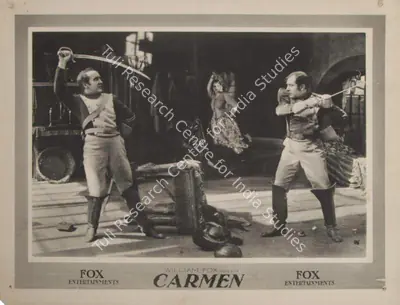
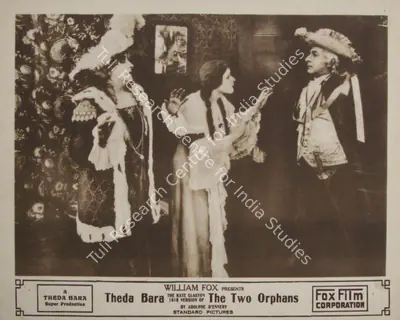
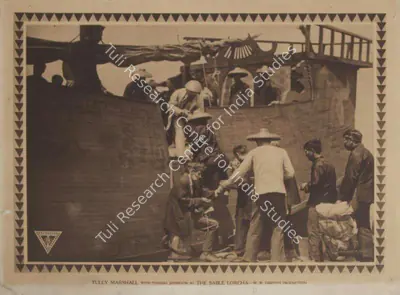
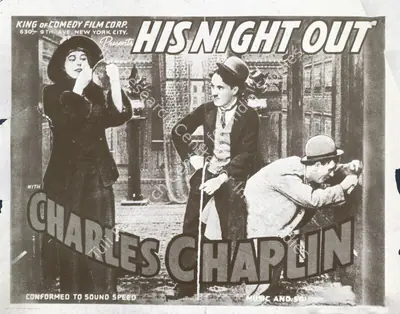
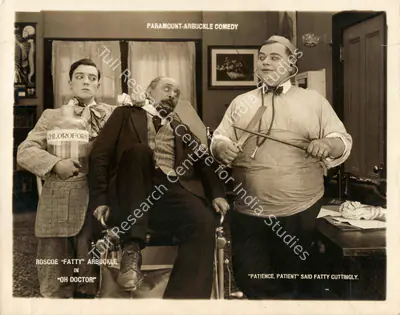
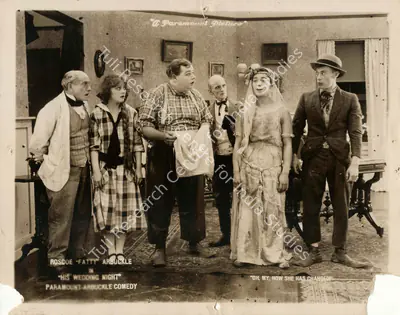
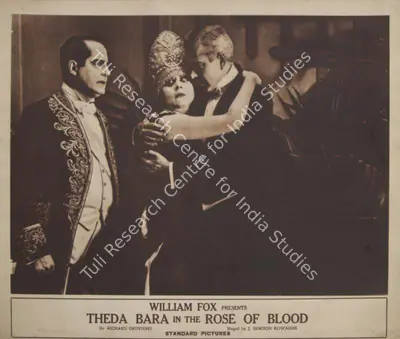
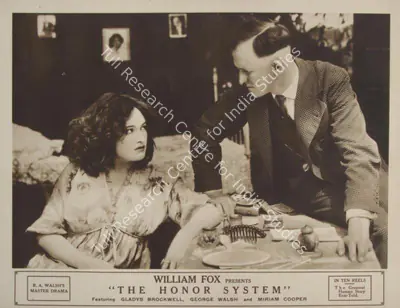
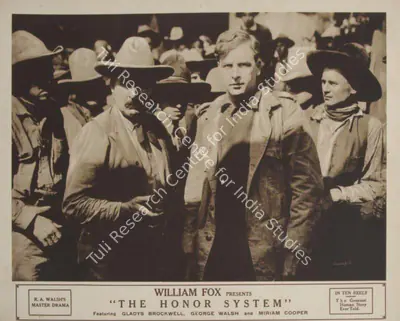
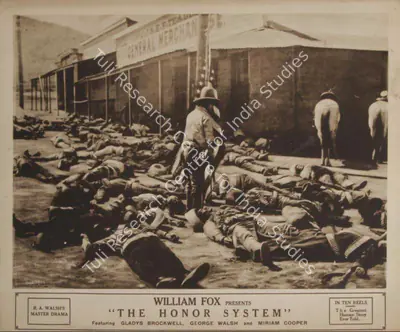
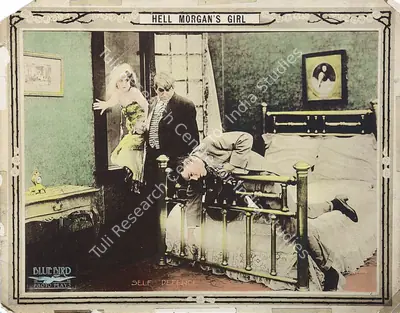
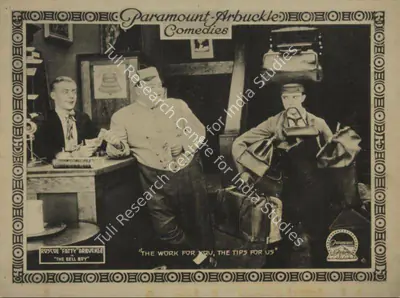
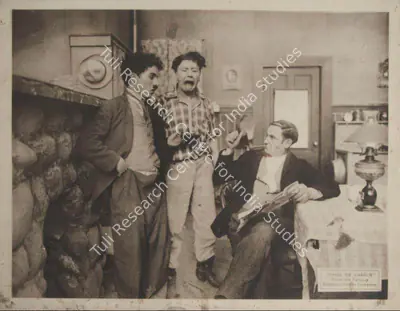
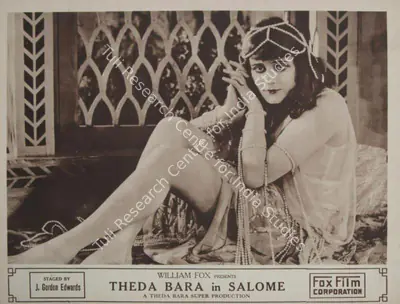
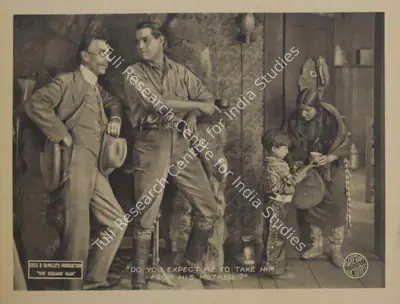
Lobby Cards or Front of House Cards, as the names suggest, were designed for
displays that advertised upcoming films to customers at cinema halls. Before the first
mini promotional montage or trailer was produced in 1913, and for much longer till
they became widely available, the photographic still mounted on the Lobby Card was
a staple mode of advertisement, exhibited on easels beside ticketing counters or
inside theater lobbies. Printed on thick card stock, these were produced in a set of
4,8,12,16 or 20 cards with a title card and the rest of the cards forefronting
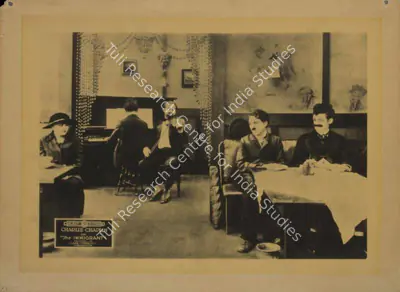
stars or a speculative story-line that created an allure for the film. Earlier made in
monochrome and sepia, colour was introduced through hand tinting and
later mass produced in the rotogravure printing machine for bold and attractive
colour patterns and lettering.
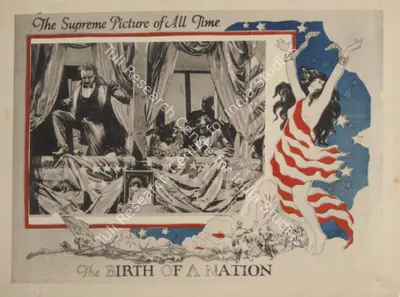
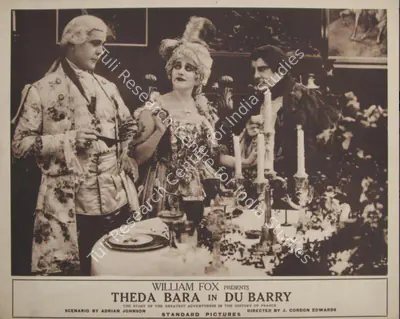
As advertisement became more lavish, the borders around the stills came to be more diverse and often had more flair than the stills they framed. The creative amalgamation of poster art and collaging with the still, aimed
to convey the mood of the film - take for instance the silver and gold tinted miniatures
in the lobby cards of Douglas Fairbank's Thief of Baghdad that projects the erstwhile
riches of Persia. The golden age of Lobby Cards began to slip as advertisement
models changed with newer technology until trailers began to dominate the promotional
market.
displays that advertised upcoming films to customers at cinema halls. Before the first
mini promotional montage or trailer was produced in 1913, and for much longer till
they became widely available, the photographic still mounted on the Lobby Card was
a staple mode of advertisement, exhibited on easels beside ticketing counters or
inside theater lobbies. Printed on thick card stock, these were produced in a set of
4,8,12,16 or 20 cards with a title card and the rest of the cards forefronting
stars or a speculative story-line that created an allure for the film. Earlier made in
monochrome and sepia, colour was introduced through hand tinting and
later mass produced in the rotogravure printing machine for bold and attractive
colour patterns and lettering.
As advertisement became more lavish, the borders around the stills came to be more diverse and often had more flair than the stills they framed. The creative amalgamation of poster art and collaging with the still, aimed
to convey the mood of the film - take for instance the silver and gold tinted miniatures
in the lobby cards of Douglas Fairbank's Thief of Baghdad that projects the erstwhile
riches of Persia. The golden age of Lobby Cards began to slip as advertisement
models changed with newer technology until trailers began to dominate the promotional
market.
Research Centre
20 of 15,443
20 of 15,443