Introduction
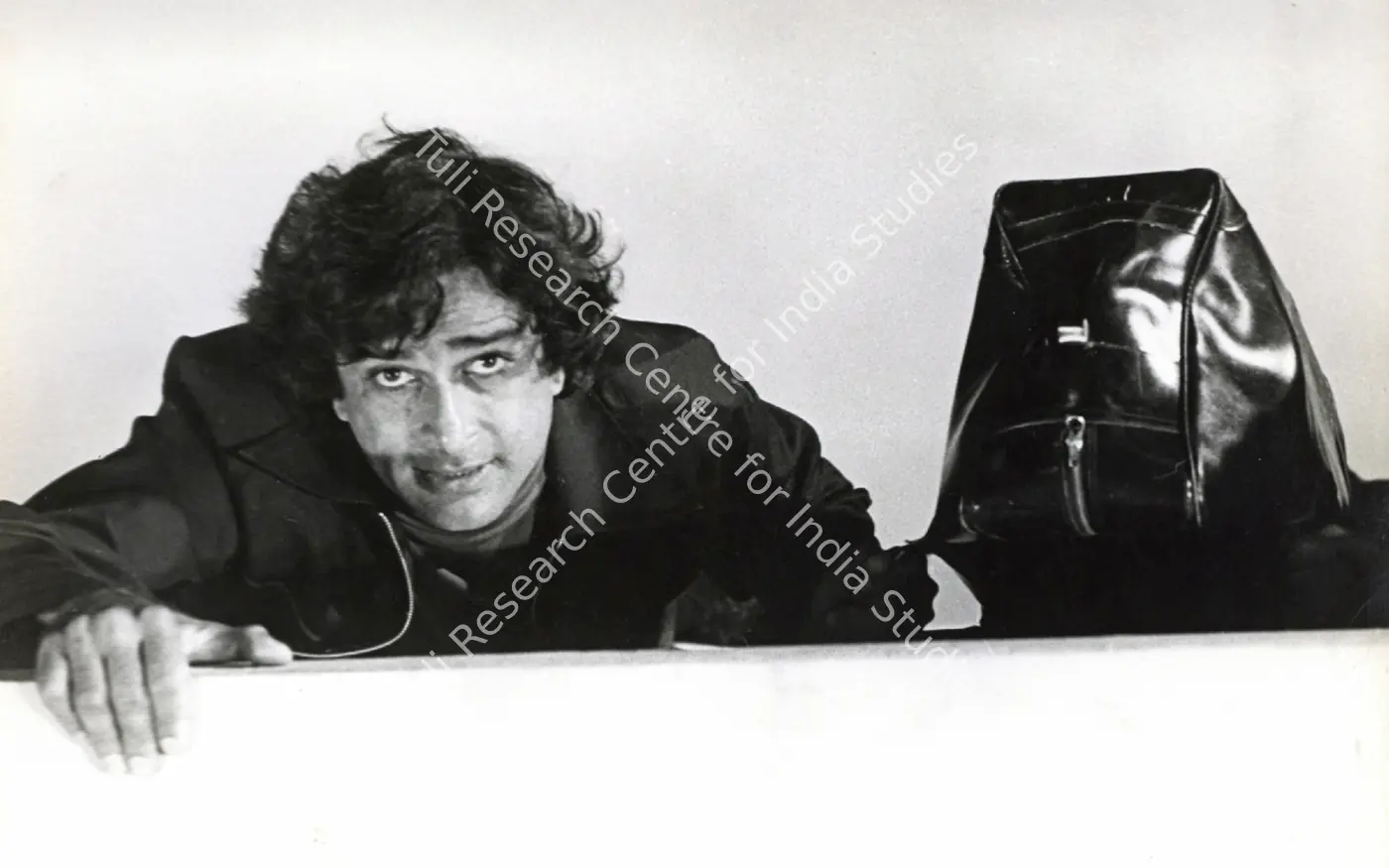
Shashi Kapoor (born Balbir Raj Kapoor; 18 March 1938 – 4 December 2017) was an eminent Indian actor and producer whose contributions to Hindi cinema secured his place among its most influential figures. Over a career spanning five decades, he earned four National Film Awards and two Filmfare Awards, and was honoured with the Padma Bhushan in 2011 and the Dadasaheb Phalke Award in 2014 for his enduring impact on Indian film.
Born in Calcutta to theatre legend Prithviraj Kapoor, he was the youngest of the celebrated Kapoor brothers—Raj and Shammi—whose artistic legacy shaped the course of Indian performing arts. Kapoor's initiation into acting came early as he travelled with Prithvi Theatres, performing in plays directed and produced by his father. As a child artiste, working under the name “Shashiraj,” he appeared in notable films such as Aag (1948), Sangram (1950), Awaara (1951), and Dana Paani (1953), often portraying younger versions of leading men.
Kapoor made his debut as an adult in 1961 with Yash Chopra's Dharmputra (1961), followed by Char Diwari (1961) the same year. While neither film achieved commercial success, his career soon gathered momentum. Minor hits such as Prem Patra (1962) and Yeh Dil Kisko Doon (1963) preceded his English-language debut in James Ivory's acclaimed The Householder (1963).
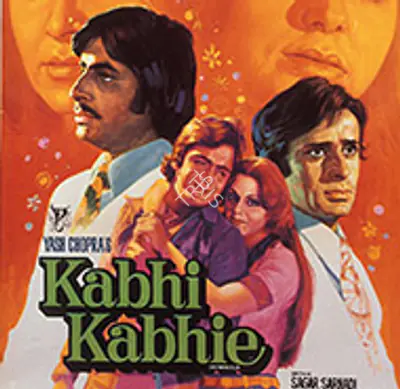
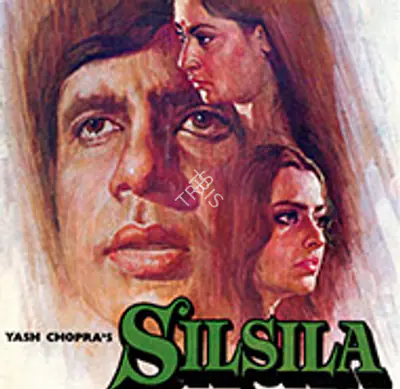
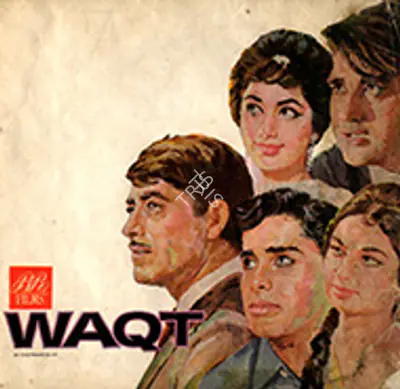
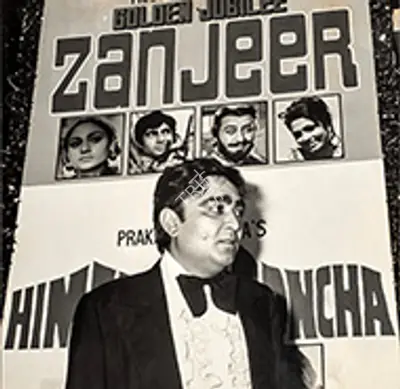
His breakthrough arrived in 1965 with the blockbusters Waqt and Jab Jab Phool Khile, establishing him as a bankable star. The late 1960s and early 1970s brought steady success, culminating in 1974 with Chor Machaye Shor, which decisively elevated his box-office stature. Kapoor went on to headline several major hits, including Roti Kapada Aur Makaan (1974), Deewaar (1975) , Kabhi Kabhie (1976), Trishul (1978), Suhaag (1979), and Namak Halaal (1982). His celebrated on-screen partnership with Amitabh Bachchan became one of the era's defining cinematic pairings.
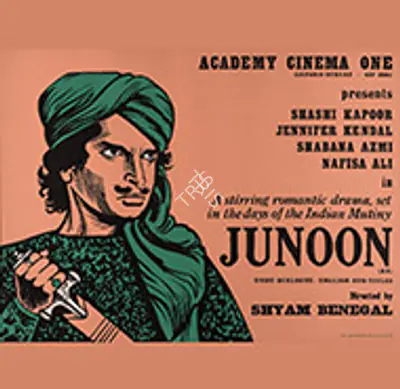
Parallel to his mainstream success, Kapoor championed art-house cinema as both actor and producer. His productions—Shyam Benegal's Junoon (1979), Aparna Sen's 36 Chowringhee Lane (1981), Kalyug (1981), Vijeta (1982), and Girish Karnad's Utsav (1984)—earned critical acclaim, national honours, and enduring cultural relevance. His performance in New Delhi Times (1986) won him the National Award for Best Actor.
Kapoor retired from acting after Jinnah (1998) and Side Streets (1998), though he remained a revered presence in public memory. Celebrated at festivals and award ceremonies in his later years, he remained an enduring symbol of cinematic elegance, versatility, and artistic courage until his passing in 2017.
Born in Calcutta to theatre legend Prithviraj Kapoor, he was the youngest of the celebrated Kapoor brothers—Raj and Shammi—whose artistic legacy shaped the course of Indian performing arts. Kapoor's initiation into acting came early as he travelled with Prithvi Theatres, performing in plays directed and produced by his father. As a child artiste, working under the name “Shashiraj,” he appeared in notable films such as Aag (1948), Sangram (1950), Awaara (1951), and Dana Paani (1953), often portraying younger versions of leading men.
Kapoor made his debut as an adult in 1961 with Yash Chopra's Dharmputra (1961), followed by Char Diwari (1961) the same year. While neither film achieved commercial success, his career soon gathered momentum. Minor hits such as Prem Patra (1962) and Yeh Dil Kisko Doon (1963) preceded his English-language debut in James Ivory's acclaimed The Householder (1963).
His breakthrough arrived in 1965 with the blockbusters Waqt and Jab Jab Phool Khile, establishing him as a bankable star. The late 1960s and early 1970s brought steady success, culminating in 1974 with Chor Machaye Shor, which decisively elevated his box-office stature. Kapoor went on to headline several major hits, including Roti Kapada Aur Makaan (1974), Deewaar (1975) , Kabhi Kabhie (1976), Trishul (1978), Suhaag (1979), and Namak Halaal (1982). His celebrated on-screen partnership with Amitabh Bachchan became one of the era's defining cinematic pairings.
Parallel to his mainstream success, Kapoor championed art-house cinema as both actor and producer. His productions—Shyam Benegal's Junoon (1979), Aparna Sen's 36 Chowringhee Lane (1981), Kalyug (1981), Vijeta (1982), and Girish Karnad's Utsav (1984)—earned critical acclaim, national honours, and enduring cultural relevance. His performance in New Delhi Times (1986) won him the National Award for Best Actor.
Kapoor retired from acting after Jinnah (1998) and Side Streets (1998), though he remained a revered presence in public memory. Celebrated at festivals and award ceremonies in his later years, he remained an enduring symbol of cinematic elegance, versatility, and artistic courage until his passing in 2017.
शशि कपूर (जन्म बलबीर राज कपूर; 18 मार्च 1938 - 4 दिसंबर 2017) एक प्रख्यात भारतीय अभिनेता और निर्माता थे। हिंदी सिनेमा में उनके योगदान ने उन्हें प्रभावशाली हस्तियों में स्थान दिलाया। पांच दशकों के अपने करियर में उन्होंने चार राष्ट्रीय फ़िल्म पुरस्कार और दो फ़िल्मफेयर पुरस्कार जीते, और भारतीय सिनेमा पर उनके महत्वपूर्ण प्रभाव के लिए उन्हें 2011 में पद्म भूषण और 2014 में दादासाहेब फाल्के पुरस्कार से सम्मानित किया गया।
कलकत्ता में रंगमंच के दिग्गज पृथ्वीराज कपूर के घर जन्मे, वे प्रसिद्ध कपूर बंधुओं राज और शम्मी में सबसे छोटे थे, जिनकी कलात्मक विरासत ने भारतीय प्रदर्शन कलाओं की दिशा तय की। कपूर ने बचपन में ही अभिनय की शुरुआत कर दी थी, जब वे पृथ्वी थिएटर के साथ यात्रा करते हुए अपने पिता द्वारा निर्देशित और निर्मित नाटकों में अभिनय करते थे। बाल कलाकार के रूप में, "शशिराज" नाम से काम करते हुए, उन्होंने आग (1948), संग्राम (1950), आवारा (1951) और दाना पानी (1953) जैसी उल्लेखनीय फ़िल्मों में अभिनय किया, जिनमें वे अक्सर मुख्य अभिनेताओं के युवा किरदारों को निभाते थे।
कपूर ने 1961 में यश चोपड़ा की फ़िल्म धर्मपुत्र (1961) से एक वयस्क अभिनेता के रूप में अपने अभिनय करियर की शुरुआत की, जिसके बाद उसी वर्ष चार दीवारी (1961) आई। हालांकि दोनों ही फ़िल्में व्यावसायिक रूप से सफल नहीं रहीं, लेकिन उनके करियर ने जल्द ही रफ़्तार पकड़ ली। प्रेम पत्र (1962) और ये दिल किसको दूं (1963) जैसी छोटी हिट फ़िल्मों के बाद जेम्स आइवरी की प्रशंसित फ़िल्म द हाउसहोल्डर (1963) से उन्होंने अंग्रेजी भाषा की फ़िल्मों में पदार्पण किया।
उन्हें सफलता 1965 में ब्लॉकबस्टर फ़िल्मों वक्त और जब जब फूल खिले से मिली, जिसने उन्हें एक भरोसेमंद स्टार के रूप में स्थापित किया। 1960 के दशक के अंत और 1970 के दशक के शुरू में उन्हें लगातार सफलता मिली, जो फ़िल्म चोर मचाए शोर (1974) के साथ चरम पर पहुँच गई, जिसने बॉक्स ऑफ़िस पर उनकी लोकप्रियता को निर्णायक रूप से बढ़ा दिया। कपूर ने रोटी कपड़ा और मकान (1974), दीवार (1975), कभी कभी (1976), त्रिशूल (1978), सुहाग (1979) और नमक हलाल (1982) सहित कई बड़ी हिट फ़िल्मों में मुख्य भूमिका निभाई। अमिताभ बच्चन के साथ उनकी मशहूर जोड़ी उस दौर की सबसे यादगार फ़िल्मी जोड़ियों में से एक बन गई।
मुख्यधारा की फ़िल्मों में सफलता के साथ-साथ, कपूर ने अभिनेता और निर्माता दोनों रूप में आर्ट-हाउस सिनेमा को भी बढ़ावा दिया। श्याम बेनेगल की 'जुनून' (1979), अपर्णा सेन की '36 चौरंगी लेन' (1981), 'कलयुग' (1981), 'विजेता' (1982) और गिरीश कर्नाड की 'उत्सव' (1984) जैसी उनके द्वारा निर्मित फ़िल्मों को समीक्षकों की प्रशंसा, राष्ट्रीय सम्मान और स्थायी सांस्कृतिक महत्व मिला। 'न्यू दिल्ली टाइम्स' (1986) में उनके अभिनय के लिए उन्हें सर्वश्रेष्ठ अभिनेता का राष्ट्रीय पुरस्कार मिला।
कपूर ने जिन्ना (1998) और साइड स्ट्रीट्स (1998) के बाद अभिनय से संन्यास ले लिया, हालांकि वे जनता की यादों में सम्मान से बने रहे। उनके जीवन के अंतिम वर्षों में उन्हें कई समारोहों और पुरस्कारों में सम्मानित किया गया, और 2017 में उनके निधन तक वे सिनेमाई भव्यता, बहुमुखी प्रतिभा और कलात्मक साहस के प्रतीक बने रहे।
कलकत्ता में रंगमंच के दिग्गज पृथ्वीराज कपूर के घर जन्मे, वे प्रसिद्ध कपूर बंधुओं राज और शम्मी में सबसे छोटे थे, जिनकी कलात्मक विरासत ने भारतीय प्रदर्शन कलाओं की दिशा तय की। कपूर ने बचपन में ही अभिनय की शुरुआत कर दी थी, जब वे पृथ्वी थिएटर के साथ यात्रा करते हुए अपने पिता द्वारा निर्देशित और निर्मित नाटकों में अभिनय करते थे। बाल कलाकार के रूप में, "शशिराज" नाम से काम करते हुए, उन्होंने आग (1948), संग्राम (1950), आवारा (1951) और दाना पानी (1953) जैसी उल्लेखनीय फ़िल्मों में अभिनय किया, जिनमें वे अक्सर मुख्य अभिनेताओं के युवा किरदारों को निभाते थे।
कपूर ने 1961 में यश चोपड़ा की फ़िल्म धर्मपुत्र (1961) से एक वयस्क अभिनेता के रूप में अपने अभिनय करियर की शुरुआत की, जिसके बाद उसी वर्ष चार दीवारी (1961) आई। हालांकि दोनों ही फ़िल्में व्यावसायिक रूप से सफल नहीं रहीं, लेकिन उनके करियर ने जल्द ही रफ़्तार पकड़ ली। प्रेम पत्र (1962) और ये दिल किसको दूं (1963) जैसी छोटी हिट फ़िल्मों के बाद जेम्स आइवरी की प्रशंसित फ़िल्म द हाउसहोल्डर (1963) से उन्होंने अंग्रेजी भाषा की फ़िल्मों में पदार्पण किया।
उन्हें सफलता 1965 में ब्लॉकबस्टर फ़िल्मों वक्त और जब जब फूल खिले से मिली, जिसने उन्हें एक भरोसेमंद स्टार के रूप में स्थापित किया। 1960 के दशक के अंत और 1970 के दशक के शुरू में उन्हें लगातार सफलता मिली, जो फ़िल्म चोर मचाए शोर (1974) के साथ चरम पर पहुँच गई, जिसने बॉक्स ऑफ़िस पर उनकी लोकप्रियता को निर्णायक रूप से बढ़ा दिया। कपूर ने रोटी कपड़ा और मकान (1974), दीवार (1975), कभी कभी (1976), त्रिशूल (1978), सुहाग (1979) और नमक हलाल (1982) सहित कई बड़ी हिट फ़िल्मों में मुख्य भूमिका निभाई। अमिताभ बच्चन के साथ उनकी मशहूर जोड़ी उस दौर की सबसे यादगार फ़िल्मी जोड़ियों में से एक बन गई।
मुख्यधारा की फ़िल्मों में सफलता के साथ-साथ, कपूर ने अभिनेता और निर्माता दोनों रूप में आर्ट-हाउस सिनेमा को भी बढ़ावा दिया। श्याम बेनेगल की 'जुनून' (1979), अपर्णा सेन की '36 चौरंगी लेन' (1981), 'कलयुग' (1981), 'विजेता' (1982) और गिरीश कर्नाड की 'उत्सव' (1984) जैसी उनके द्वारा निर्मित फ़िल्मों को समीक्षकों की प्रशंसा, राष्ट्रीय सम्मान और स्थायी सांस्कृतिक महत्व मिला। 'न्यू दिल्ली टाइम्स' (1986) में उनके अभिनय के लिए उन्हें सर्वश्रेष्ठ अभिनेता का राष्ट्रीय पुरस्कार मिला।
कपूर ने जिन्ना (1998) और साइड स्ट्रीट्स (1998) के बाद अभिनय से संन्यास ले लिया, हालांकि वे जनता की यादों में सम्मान से बने रहे। उनके जीवन के अंतिम वर्षों में उन्हें कई समारोहों और पुरस्कारों में सम्मानित किया गया, और 2017 में उनके निधन तक वे सिनेमाई भव्यता, बहुमुखी प्रतिभा और कलात्मक साहस के प्रतीक बने रहे।
- Date of Birth
- 18 Mar 1938
- Date of Death
- 04 Dec 2017
- Age
- 79
Filmography
Research Centre
Calendar 1
- ArchivedExhibitionProject 14Exhibition | The Cinema of Raj Kapoor | T.R.I.S. in Collaboration with 17th Habitat Film Festival14th - 19th May 2025T.R.I.S. in Collaboration with 17th Habitat Film Festival will be commemorating the life and work of two pioneering individuals of the Indian film industry, who shaped Indian cinema in their unique ways. One exhibition celebrates the birth centenary of Raj Kapoor, while the other remembers Shyam Benegal. The Cinema of Raj Kapoor – 15 to 20 May 2025 The Cinema of Shyam Benegal - 21 to 25 May 2025 10:00 am to 8:00 pm daily at the Convention Centre Foyer GalleryRead More →
Related
58
Personalities
39


Films
18