
Introduction
Mohammed Rafi (24 December 1924 – 31 July 19) ranks among the most influential playback singers in the Indian subcontinent's history. Renowned for his extraordinary vocal range and stylistic versatility, he traversed a vast musical landscape—from light popular tunes and ghazals to patriotic anthems, devotional bhajans, and classical renditions. Rafi's uncanny ability to tailor his voice to actors' personas infused Hindi cinema with emotional depth, shaping its signature sound. His career yielded six Filmfare Awards, one National Film Award, and the Padma Shri in 1967. Posthumous honours, such as the 2001 Best Singer of the Millennium title and a 2013 poll naming him Hindi cinema's greatest voice, affirm his lasting legacy, evident in successors like Sonu Nigam and Udit Narayan.
Born in Kotla Sultan Singh near Amritsar to a Punjabi Muslim family, Rafi was the second of six sons of Allah Rakhi and Haji Ali Mohammad. His musical spark ignited imitating a wandering fakir's chants. The family relocated to Lahore, where his father ran a barbershop. Formal training under Ustad Abdul Wahid Khan honed his classical technique, enabling lifelong adaptability. By thirteen, Rafi performed publicly, sharing stages with K. L. Saigal. His debut playback was the Punjabi duet Goriye Nee, Heeriye Nee in Gul Baloch (1944), followed by All India Radio Lahore broadcasts.
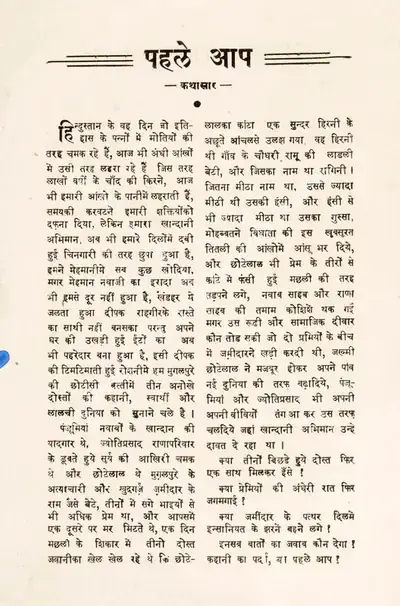
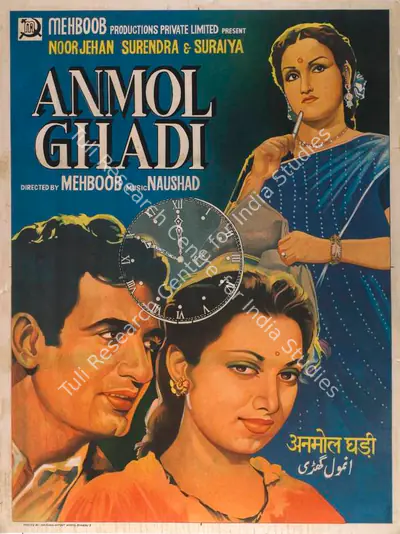
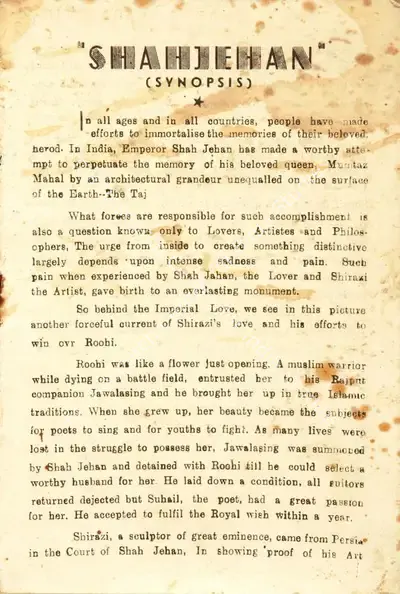
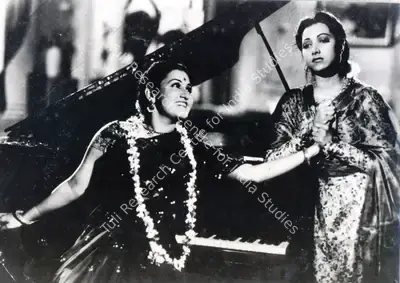
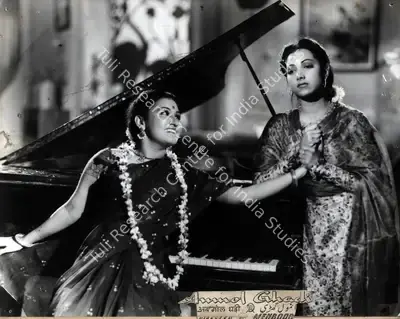
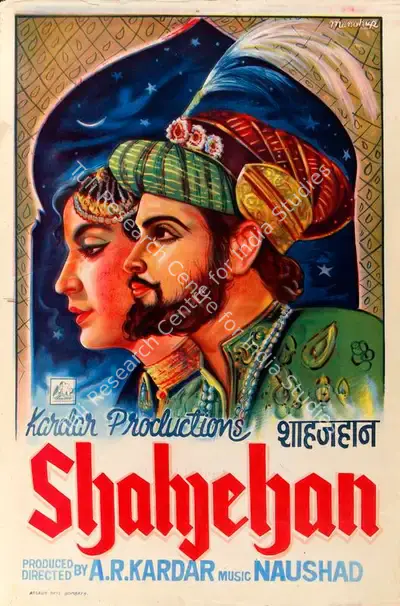
In 1944, Rafi migrated to Bombay, embedding himself in the burgeoning Hindi film industry. Naushad's mentorship proved pivotal. Early Hindi credits included Pehle Aap (1944) and Anmol Ghadi (1946)'s poignant Tera Khilona Toota Balak. Onscreen cameos featured Laila Majnu (1945)'s Tera Jalwa Jis Ne Dekha and Jugnu (1947)'s Woh Apni Yaad Dilane Ko. Standouts encompassed the Noor Jehan duet Yahan Badla Wafa Ka (1947) and the chorus Mere Sapnon Ki Rani in Shahjahan (1946) with Saigal.
The 1950s–1960s marked Rafi's zenith. He partnered with titans like S. D. Burman, O. P. Nayyar, and Shankar–Jaikishan across over 1,000 Hindi films, amassing some 7,000 songs in languages including Bengali, Marathi, Gujarati, Telugu, and beyond. Drawing from K. L. Saigal and G. M. Durrani—in duets like Humko Hanste Dekh Zamana Jalta Hai (1950) and Beqasoor (1950)'s Khabar Kisi Ko Nahin—Rafi forged a singular style.
Post-Partition, Rafi stayed in India as family joined him in Bombay. His post-independence surge included the Gandhi tribute Suno Suno Ae Duniyawalon, Bapuji Ki Amar Kahani (1948), earning Jawaharlal Nehru's silver medal on Independence's first anniversary.
Health challenges curbed 1970s output, yet gems endured: Yeh Duniya Yeh Mehfil and Gulabi Aankhen from Heer Raanjha and The Train (both 1970), Tum Mujhe Yun Bhula Na Paaoge from Pagla Kahin Ka (1970), Chura Liya Hai Tumne from Yaadon Ki Baaraat (1973), and Filmfare-winning Kya Hua Tera Wada from Hum Kisise Kum Naheen (1977).
Accolades abounded: National Film Award for Baabul Ki Duaen Leti Jaa from Neel Kamal (1968, awarded 1977); Filmfare wins for Chaudhvin Ka Chand Ho (Chaudhvin Ka Chand, 1960), Teri Pyaari Pyaari Surat Ko (Sasural, 1961), Chahunga Main Tujhe (Dosti, 1964), Baharo Phool Barsao (Suraj, 1966), Dil Ke Jharoke Mein (Brahmachari, 1968), and Kya Hua Tera Wada; plus Film World's Best Singer (1974). A Guinness records debate with Lata Mangeshkar spotlighted his prolificacy.
Rafi died of a heart attack in Bombay at 55. Final tracks for Aas Paas (1981)—Shaam Phir Kyun Udaas Hai Dost and Shehar Mein Charcha Hai—closed a golden era. His voice endures, echoing across generations.
Filmography 409

Research Centre
Posts 1
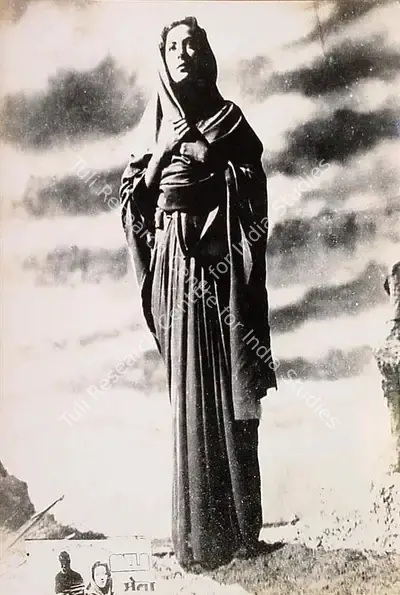
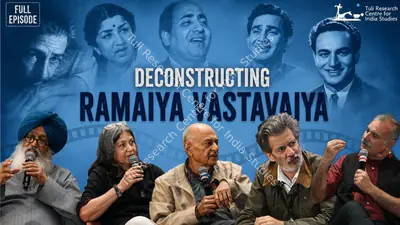
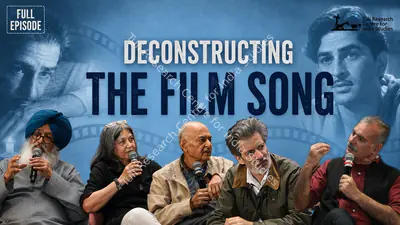
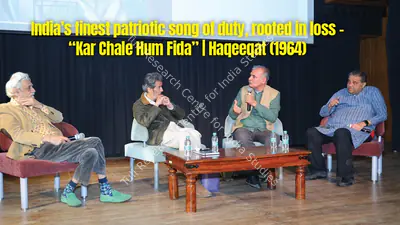
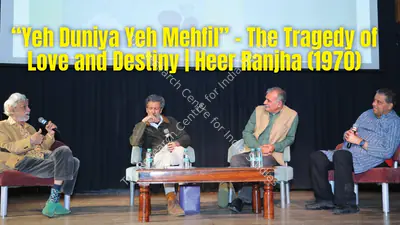
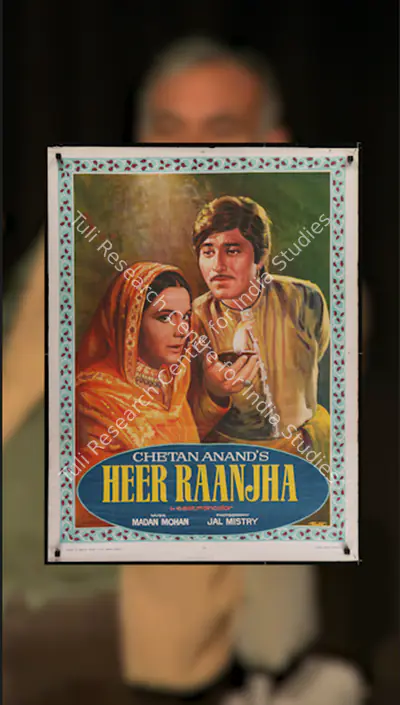
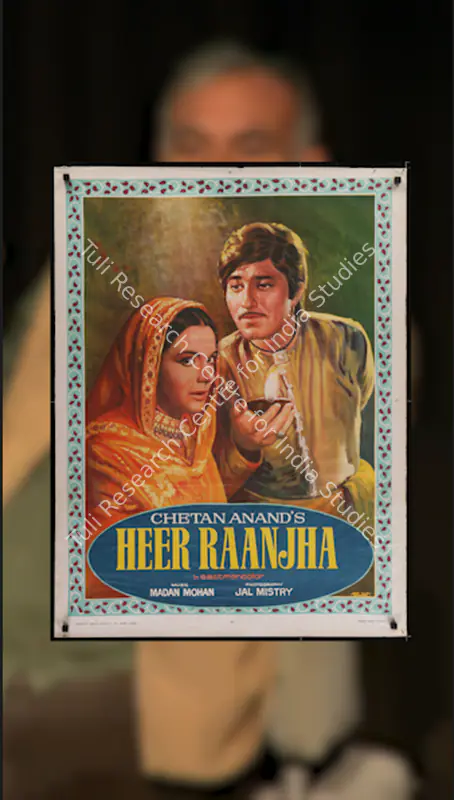
- Chetan Anand shot heartbreak the way other directors shot war, against a landscape vast enough to hold it. "Yeh Duniya Yeh Mehfil Mere Kaam Ki Nahi" from Heer Raanjha (1970) is a song of heartbreak staged against stunning visuals. Sung by Mohammed Rafi, with music by Madan Mohan and lyrics by Kaifi Azmi, it turns separation into philosophy. In this clip, Ravikant, Professor, CSDS (Centre for the Study of Developing Societies), calls the song one of the best statements on loss and the ambition to win it back. What makes the song unforgettable is the way voice, music and visuals come together, and Chetan Anand's use of landscape gives it a vast, almost mythical quality, creating a fantasy space where pain can be larger than life, where the song can say what the narrative cannot. The result is a beautiful moment in Indian cinema, where heartbreak, spirituality and landscape fuse into a deeply moving, visually rich film song that has become a timeless expression of love. This video is from 'A Musical Glue for Nation-Building: Deconstructing the Film Song', presented by the Tuli Research Centre for India Studies (T.R.I.S.) at the 7th Self-Discovery via Rediscovering India Festival.
Related
41
Films
21
Personalities
19