
TRIS logo image
Search275,000+ actors, artists, objects, artworks, films, exhibitions, archives

EN

EN

English

HI

Hindi

EN

EN

English

HI

Hindi

Tuli Research Centre for India Studies

Tuli Research Centre for India Studies

Vision

Manifesto

Archive & Library

Vanraja Sanctuary & Hospice

Home

Research Categories

Browse All

ICore

1_CinemaEducation_Cinema as a Critical Educational Resource

2_FineArts_Modern and Contemporary Indian Fine Arts

3_Photography_Photography in India

4_PopCulture_The Printed Image, Popular Arts, and Crafts

IIMaterial

5_ArcHeritage_India's Architectural Heritage as Inspiration

6_EconomicsArt_Economics of Art & Cultural Industry

7_Travel_Automobile, Transport and Travel Heritage

8_Uncertainty_Uncertainty

IIICritical

9_SocialDuty_Social Responsibility of the Creative Mind

10_Childhood_The Changing Smile of Childhood & Its Second Coming

11_Sensuality_The Sensual Discipline within Creativity

12_Scholarship_The History & Historiography of Scholarship in the Arts, Humanities, and Social Sciences

IVMeaningful

13_SeekJustice_Seeking Justice and Political Integrity

14_IndoWorld_India and her Relationship with the World

15_SpiritualPoetics_The Religious-Spiritual-Poetic-Philosophical Framework

16_Continuum_The Animal-Human-Nature Continuum

Explore

All

Posts

Masterlists

Calendar

Live | Upcoming

All Events

Timetable

Search275,000+ actors, artists, objects, artworks, films, exhibitions, archives

EN

EN

English

HI

Hindi

Hanste Zakhm (1973)

Hanste Zakhm (1973)

Film.Indian Cinema
DirectorChetan Anand
LanguageHindi
On this Page
Introduction
Body of Work
Research Centre8
All8
Archive5
Videos3
Posts1
Calendar1
Home/Film/Hanste Zakhm (1973)
Hanste Zakhm (1973): title artwork
Hanste Zakhm (1973): featured artwork

Introduction

"Hanste Zakhm (1973) was produced and directed by Chetan Anand featuring Navin Nischol, Priya Rajvansh, Balraj Sahni, and Jeevan in pivotal roles. The film's music was composed by Madan Mohan, with lyrics by Kaifi Azmi, resulting in one of the most acclaimed soundtracks of Hindi cinema. The score includes several enduring classics, most notably Tum Jo Mil Gaye Ho, widely regarded as one of the finest Hindi film songs ever composed. In an Outlook magazine poll conducted by a jury of eminent musicians, the song was ranked the third greatest Hindi film song of all time. Another memorable composition, Yeh Maana Meri Jaan, a qawwali rendered by Mohammed Rafi and S. Balbir, achieved lasting popularity and inspired numerous later adaptations. Other notable songs include Aaj Socha To Aansoo Bhar Aaye and Betaab Dil Ki Tamanna, both beautifully sung by Lata Mangeshkar, Gali Gali Mein Kiya Re Badnaam by Asha Bhosle, and two distinct versions of Tum Jo Mil Gaye Ho performed separately by Mohammed Rafi and Lata Mangeshkar. Madan Mohan's work in the film is widely regarded as among the finest achievements of his career.

The narrative begins with Mahendru (Balraj Sahni), a widowed police officer, who raises his young daughter Chanda alongside her close friend Rekha, the daughter of a sex worker. After Rekha's mother accidentally kills her exploitative pimp while trying to protect her daughter from being forced into prostitution, she is imprisoned and entrusts Mahendru with Rekha's upbringing, requesting that her past remain concealed. Soon afterward, the pimp attempts to abduct Rekha but mistakenly kidnaps Chanda instead. Exploiting the situation, he demands a ransom from Mahendru, only to betray him by selling Chanda to a brothel managed by a patron.

Years later, Chanda (Priya Rajvansh), living as a courtesan, is driven to her clients by Somesh (Navin Nischol), a wealthy young man estranged from his family after refusing to marry Rekha. As Somesh and Chanda fall in love, Chanda eventually discovers her true identity as Mahendru's daughter. Believing it to be her moral obligation to restore familial harmony, she sacrifices her own happiness by attempting to persuade Somesh to marry Rekha. She deliberately adopts self-destructive habits, including alcoholism, to convince him of her supposed moral unworthiness, although he fails to understand her intentions. The narrative reaches its tragic climax when the pimp abducts Chanda once again and attempts to blackmail Mahendru. A police rescue operation follows, during which Chanda is fatally wounded. In her final moments, she entreats Somesh to marry Rekha, a wish he ultimately fulfills.

Commercially, Hanste Zakhm was a box-office success, reportedly earning a record ₹72,000 at Mumbai's Capital Cinema and securing hit status. The film was later remade in Pakistan as Aroosa (1993), starring Nadeem, Reema Khan, and Jan Rambo. While contemporary critical opinion has been divided, with some reviewers identifying weaknesses in its screenplay, the film continues to be celebrated for its emotionally compelling narrative and, above all, its extraordinary musical legacy, which remains one of the defining accomplishments of Madan Mohan and Kaifi Azmi."

हंसते ज़ख़्म' (1973) को चेतन आनंद ने प्रोड्यूस और डायरेक्ट किया था। इसमें नवीन निश्चल, प्रिया राजवंश, बलराज साहनी और जीवन ने ख़ास भूमिकाएँ निभाई थीं। फ़िल्म का संगीत मदन मोहन ने दिया था और गाने कैफ़ी आज़मी ने लिखे थे और ये गाने हिंदी सिनेमा के सबसे बेहतरीन साउंडट्रैक में से एक बना। इस फ़िल्म के गानों में कई सदाबहार क्लासिक गाने शामिल हैं, जिनमें सबसे ख़ास है 'तुम जो मिल गए हो'। इसे अब तक के सबसे बेहतरीन हिंदी फ़िल्म गानों में से एक माना जाता है। मशहूर संगीतकारों की जूरी द्वारा 'आउटलुक' मैगज़ीन के एक पोल में, इस गाने को अब तक का तीसरा बेहतरीन हिंदी फ़िल्म गाना चुना गया था। एक और यादगार गाना 'ये माना मेरी जान' था। मोहम्मद रफ़ी और एस. बलबीर की गाई यह क़व्वाली बहुत लोकप्रिय हुई और बाद में कई बार अलग-अलग तरह से पेश की गई। अन्य ख़ास गानों में शामिल हैं 'आज सोचा तो आँसू भर आए' और 'बेताब दिल की तमन्ना' (दोनों लता मंगेशकर ने बहुत ख़ूबसूरती से गाए हैं), आशा भोंसले का गाया 'गली-गली में किया रे बदनाम', और 'तुम जो मिल गए हो' के दो अलग-अलग रूप, जिन्हें मोहम्मद रफ़ी और लता मंगेशकर ने अलग-अलग गाया था। इस फ़िल्म में मदन मोहन के काम को उनके करियर की सबसे बेहतरीन उपलब्धियों में से एक माना जाता है।
कहानी की शुरुआत महेंद्रू (बलराज साहनी) से होती है, जो एक रंडवा पुलिस अधिकारी हैं। वह अपनी छोटी बेटी चंदा की परवरिश एक सेक्स वर्कर की बेटी और चंदा की क़रीबी दोस्त रेखा के साथ करते हैं। जब रेखा की माँ अपनी बेटी को जबरन वेश्यावृत्ति में धकेले जाने से बचाने की कोशिश में गलती से अपने शोषक दलाल की हत्या कर देती है, तो उसे जेल हो जाती है। वह रेखा की परवरिश की ज़िम्मेदारी महेंद्रू को सौंपती है और उनसे गुज़ारिश करती है कि उसके अतीत को छिपाकर रखा जाए। इसके कुछ समय बाद, दलाल रेखा को अगवा करने की कोशिश करता है, लेकिन गलती से चंदा को उठा ले जाता है। इस स्थिति का फ़ायदा उठाते हुए, वह महेंद्रू से फ़िरौती की मांग करता है, लेकिन बाद में धोखा देकर चंदा को एक कोठे पर बेच देता है, जिसे एक संरक्षक चलाता है।
सालों तक, चंदा (प्रिया राजवंश) एक तवायफ़ के तौर पर रहती है। सोमेश (नवीन निश्चल) उसे उसके ग्राहकों तक पहुँचाता है। सोमेश एक अमीर युवा है जो रेखा से शादी करने से इनकार करने के बाद अपने परिवार से अलग हो गया था। जब सोमेश और चंदा को प्यार हो जाता है, तो चंदा को आख़िरकार अपनी असली पहचान का पता चलता है कि वह महेंद्रू की बेटी है। परिवार में मेल-मिलाप बहाल करना अपना नैतिक कर्तव्य मानते हुए, वह सोमेश को रेखा से शादी करने के लिए मनाने की कोशिश में अपनी ख़ुशी का त्याग कर देती है। वह जानबूझकर शराब पीने जैसी ख़ुद को नुक़सान पहुँचाने वाली आदतें अपनाती है ताकि उसे अपनी कथित नैतिक अयोग्यता का यक़ीन दिला सके, हालाँकि वह उसके इरादों को समझ नहीं पाता। कहानी एक दुखद मोड़ पर पहुँचती है जब दलाल एक बार फ़िर चंदा को अगवा कर लेता है और महेंद्रू को ब्लैकमेल करने की कोशिश करता है। इसके बाद पुलिस का बचाव अभियान चलता है, जिसके दौरान चंदा बुरी तरह घायल हो जाती है। अपनी आख़िरी पलों में, वह सोमेश से रेखा से शादी करने का आग्रह करती है, और वह आख़िरकार उसकी यह इच्छा पूरी करता है।
व्यावसायिक तौर पर 'हंसते ज़ख़्म ' बॉक्स-ऑफ़िस पर सफल रही, कहा जाता है कि इसने मुंबई के कैपिटल सिनेमा में रिकॉर्ड ₹72,000 की कमाई की और 'हिट' का दर्ज़ा हासिल किया। बाद में पाकिस्तान में इस फ़िल्म का रीमेक 'अरूसा' (1993) के नाम से बना, जिसमें नदीम, रीमा ख़ान और जान रैम्बो ने काम किया। हालांकि समीक्षकों की राय बंटी हुई है और कुछ लोगों ने इसकी पटकथा में कमियां बताई हैं, फ़िर भी यह फ़िल्म अपनी दिल को छू लेने वाली कहानी और सबसे बढ़कर अपने शानदार संगीत के लिए सराही जाती है। इसका संगीत मदन मोहन और कैफ़ी आज़मी की सबसे अहम उपलब्धियों में से एक है।
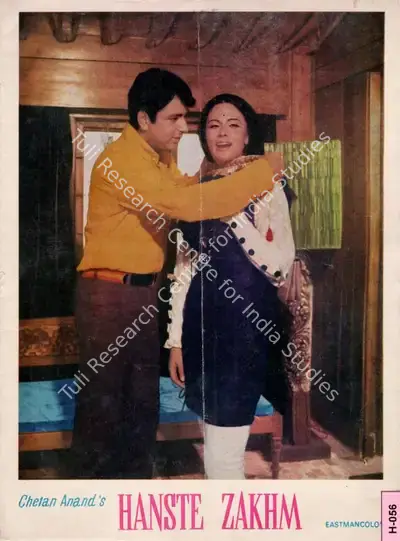
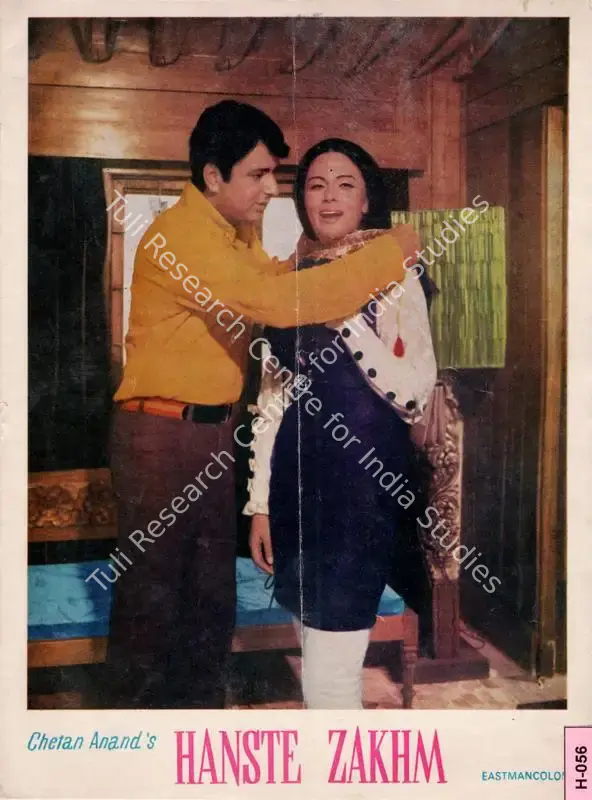
Anand, Chetan (Producer), Hanste Zakhm, 1973 | Photographic Still | CinemaEducation | 00514373
1 / 4

Body of Work

Banner
Himalaya Films
Cinematographer
Jal Mistry
Dialogue Writer
Chetan Anand
Director
Chetan Anand
Editing
M.D. Jadhav Rao
Lead Cast
Navin Nischol, Priya Rajvansh, Balraj Sahni, Jeevan
Lead Cast Rest
Uma Dhavan, Satyan Kapoo, Kamal Kapoor, Chandu Lal, Manmohan Mac, Praveen Nischol, Yunus Parveez, Ranveer Raj, Uttam Raj, Achala Sachdev, S.Malhotra Sethi, Suman Sikand, Ujagar Singh, Raj Varma, Nadira, Pardeshi, Paro, Randheer, Sapru, Sayeed, Sham, Shero
Lyricist
Kaifi Azmi
Music Director
Madan Mohan
Producer
Chetan Anand
Screenplay Writer
Chetan Anand
Story Writer
Gulshan Nanda

04:26 mins

07:42 mins

04:31 mins

04:06 mins

06:52 mins

Research Centre
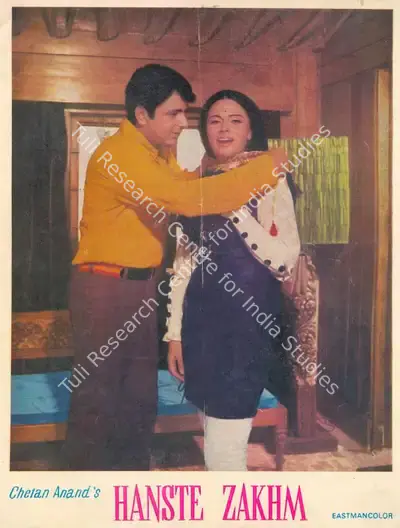
Chetan Anand (Producer), Hanste Zakhm, 1973, Song-Synopsis Booklet
Anand, Chetan (Producer), Hanste Zakhm, 1973 | Song-Synopsis Booklet
Chetan Anand (Producer), Hanste Zakhm, 1973, Song-Synopsis Booklet
Anand, Chetan (Producer), Hanste Zakhm, 1973 | Song-Synopsis Booklet
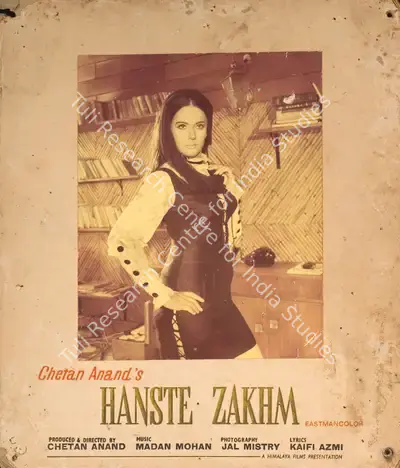
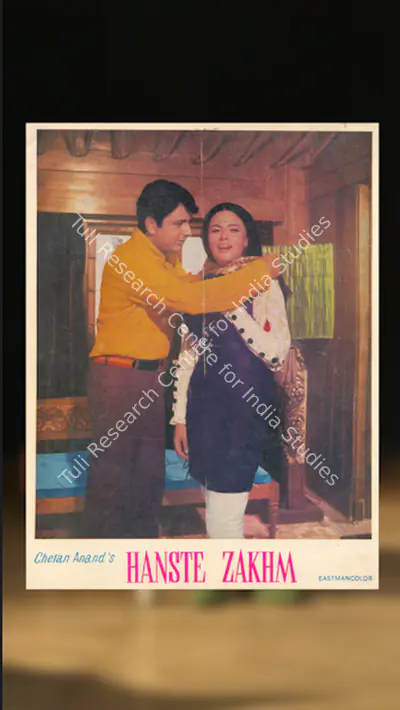
Jal Mistry (Cinematographer), Hanste Zakhm, 1973, Photographic Still Mounted on Lobby Card
Mistry, Jal (Cinematographer), Hanste Zakhm, 1973 | Photographic Still Mounted on Lobby Card
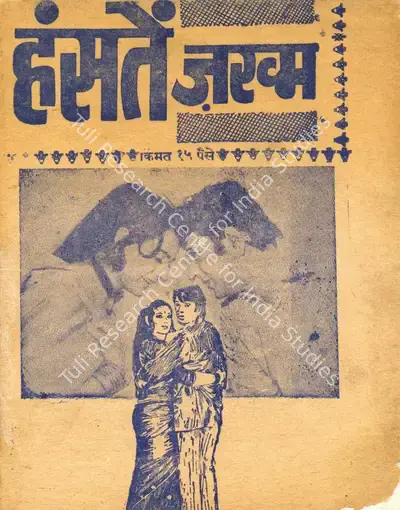
Chetan Anand (Producer), Hanste Zakhm, 1973, Cyclostyled Lyrics Leaflet
Anand, Chetan (Producer), Hanste Zakhm, 1973 | Cyclostyled Lyrics Leaflet
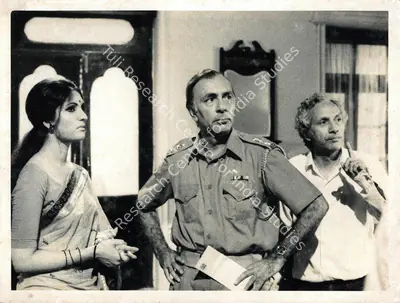
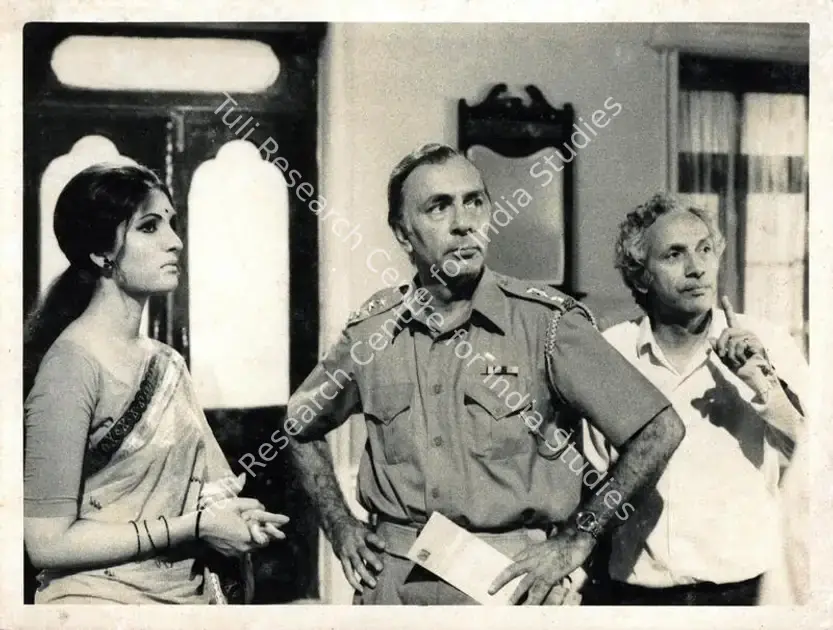
Chetan Anand (Producer), Hanste Zakhm, 1973, Photographic Still
Anand, Chetan (Producer), Hanste Zakhm, 1973 | Photographic Still
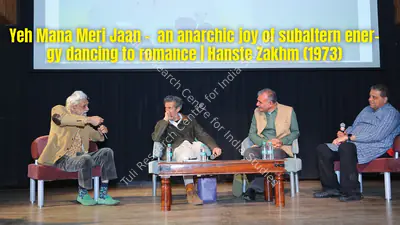
Tuli Research Centre for India Studies (Editor), Yeh Mana Meri Jaan -  an anarchic joy of subaltern energy dancing to romance | Hanste Zakhm (1973), 2026, In-house Video
Tuli Research Centre for India Studies (Editor). Yeh Mana Meri Jaan - an anarchic joy of subaltern energy dancing to romance | Hanste Zakhm (1973), 24 July 2026 | In-house Video
Tuli Research Centre for India Studies (Editor), Yeh Maana Meri Jaan, Mohabbat Saza Hai - the joyous sound of love's longing | Hanste Zakhm (1973), 2026, In-house Video
Tuli Research Centre for India Studies (Editor). Yeh Maana Meri Jaan, Mohabbat Saza Hai - the joyous sound of love's longing | Hanste Zakhm (1973), 24 July 2026 | In-house Video
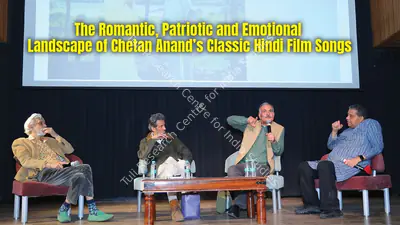
Tuli Research Centre for India Studies (Editor), The Romantic, Patriotic and Emotional Landscape of Chetan Anand’s Classic Hindi Film Songs, 2026, In-house Video
Tuli Research Centre for India Studies (Editor). The Romantic, Patriotic and Emotional Landscape of Chetan Anand’s Classic Hindi Film Songs, 21 July 2026 | In-house Video
Chetan Anand (Producer), Hanste Zakhm, 1973, Song-Synopsis Booklet
Anand, Chetan (Producer), Hanste Zakhm, 1973 | Song-Synopsis Booklet
Chetan Anand (Producer), Hanste Zakhm, 1973, Song-Synopsis Booklet
Anand, Chetan (Producer), Hanste Zakhm, 1973 | Song-Synopsis Booklet
Jal Mistry (Cinematographer), Hanste Zakhm, 1973, Photographic Still Mounted on Lobby Card
Mistry, Jal (Cinematographer), Hanste Zakhm, 1973 | Photographic Still Mounted on Lobby Card
Chetan Anand (Producer), Hanste Zakhm, 1973, Cyclostyled Lyrics Leaflet
Anand, Chetan (Producer), Hanste Zakhm, 1973 | Cyclostyled Lyrics Leaflet
Chetan Anand (Producer), Hanste Zakhm, 1973, Photographic Still
Anand, Chetan (Producer), Hanste Zakhm, 1973 | Photographic Still
Tuli Research Centre for India Studies (Editor). Yeh Mana Meri Jaan -  an anarchic joy of subaltern energy dancing to romance | Hanste Zakhm (1973), 24 July 2026 | In-house Video, 2026 · 16 min 32 sec · Long-form Video
▶
Tuli Research Centre for India Studies (Editor). Yeh Mana Meri Jaan - an anarchic joy of subaltern energy dancing to romance | Hanste Zakhm (1973), 24 July 2026 | In-house Video
2026 · 16 min 32 sec · Long-form Video
Tuli Research Centre for India Studies (Editor). Yeh Maana Meri Jaan, Mohabbat Saza Hai - the joyous sound of love's longing | Hanste Zakhm (1973), 24 July 2026 | In-house Video, 2026 · 53 sec · Vertical Video
▶
Tuli Research Centre for India Studies (Editor). Yeh Maana Meri Jaan, Mohabbat Saza Hai - the joyous sound of love's longing | Hanste Zakhm (1973), 24 July 2026 | In-house Video
2026 · 53 sec · Vertical Video
Tuli Research Centre for India Studies (Editor). The Romantic, Patriotic and Emotional Landscape of Chetan Anand’s Classic Hindi Film Songs, 21 July 2026 | In-house Video, 2026 · 1 hour 6 min · Long-form Video
▶
Tuli Research Centre for India Studies (Editor). The Romantic, Patriotic and Emotional Landscape of Chetan Anand’s Classic Hindi Film Songs, 21 July 2026 | In-house Video
2026 · 1 hour 6 min · Long-form Video

Posts 1

  1. Hanste Zakhm (1973) | How Navin Nischol Bagged The Lead Role
    Hanste Zakhm (1973) | How Navin Nischol Bagged The Lead Role
    In this clip from the workshop ""A Musical Glue for Nation-Building: Deconstructing the Film Song,"" Ketan Anand, son of legendary filmmaker Chetan Anand, recalls how he brokered the casting of Navin Nischol in the lead role of Hanste Zakhm (1973), sharing a first-hand account of the decisions that shaped the film. Featuring Ketan Anand, Ravikant, Pavan Jha, and Neville Tuli as panelists, this session was presented by the Tuli Research Centre for India Studies (T.R.I.S.) at the 7th Self-Discovery via Rediscovering India Festival.
    1_CinemaEducation
    Chetan AnandHanste ZakhmKetan AnandA Musical Glue for Nation-Building - Deconstructing the Film SongNeville Tuli
    Read Post →

Calendar 1

View All →
  1. A Musical Glue for Nation-Building
    ArchivedOffline-Online EventProject 80
    A Musical Glue for Nation-Building
    Deconstructing the Film Song
    23rd July - 22nd August 2026
    Ketan Anand | Ravikant | Pavan Jha | Madan Gopal Singh | Amit Khanna | Juhi Saklani | Antara Mondal | Shikha Jhingan | Neville Tuli
    A key section of the India Studies framework at The Tuli Research Centre for India Studies (T.R.I.S.) is “Deconstructing the Film Song”. It began with a series of four workshops during our Self-Discovery via Rediscovering India Festival Series that brought together leading scholars & academics, film practitioners & students, along with fans of the Hindi film song. The objective of these workshops was to deconstruct iconic Hindi film songs to examine their formation across music, lyrics, playback, choreography, directorial visualisation, as they fuse into sites where aesthetics, ideology, and performance intersect, so as to help clarify the nature of India and her relationship to the film song. The Hindi Film Song functions as a narrative device, conveying myriad textures of emotion through melody, voice and poetry. As cultural texts that encode memory, desire, and ideology, songs are integral to the circulation and resonance of films in the public realm. Over time they have become autonomous bundles of creative energy - the glue that binds us over time, articulating and perhaps even defining the idea of Indianness. These first Workshops were an attempt to understand the nature and power of this glue, while contemplating the ways to situate it within TRIS' academic framework for Contemporary India Studies.
    Read More →
    1_CinemaEducation·12_Scholarship
    +34 more

Related

9

Personalities

9

Achala SachdevLead Cast
Balraj SahniLead Cast
Chetan AnandScreenplay · Film Producer +3
Jal MistryCameraman · Comparable Artworks
Kaifi AzmiLyricist
Lata MangeshkarPlayback Singer
Madan MohanMusic Director
Mohammad RafiPlayback Singer
NadiraLead Cast
Tuli Research Centre for India Studies

Tuli Research Centre

for India Studies

A free and open knowledge base for the modern and contemporary Indian arts, cinema, photography and cultural heritage.

Support

Contact Us

Discover

Tuli Research Centre for India StudiesVisionManifestoArchive & LibraryVanraja Sanctuary & Hospice

Legal

Privacy PolicyTerms & Conditions

Follow us

Youtube

Youtube

Instagram

Instagram

Facebook

Facebook

© Tuli Research Centre for India Studies 2026

Tuli Research Centre for India Studies

Tuli Research Centre

for India Studies

A free and open knowledge base for the modern and contemporary Indian arts, cinema, photography and cultural heritage.

Tuli Research Centre for India StudiesVisionManifestoArchive & LibraryVanraja Sanctuary & Hospice
Contact Us
Privacy PolicyTerms & Conditions

Follow us

YoutubeInstagramFacebook

© Tuli Research Centre for India Studies 2026

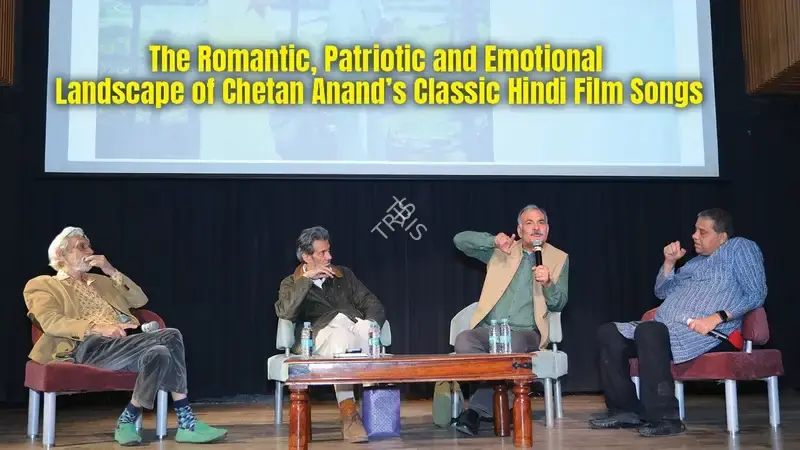
                          Tuli Research Centre for India Studies (Editor). The Romantic, Patriotic and Emotional Landscape of Chetan Anand’s Classic Hindi Film Songs, 21 July 2026 | In-house Video | CinemaEducation | 00883636
                          1 hour 6 min · Long-form Video

                          The Romantic, Patriotic and Emotional Landscape of Chetan Anand’s Classic Hindi Film Songs

                          Tuli Research Centre for India Studies (Editor)

                          Document TypeIn-house Video
                          Date21 July 2026
                          Duration1 hour 6 min
                          FormatLong-form Video
                          Description
                          Four iconic songs from Chetan Anand's cinema, deconstructed: "Kar Chale Hum Fida" (Haqeeqat, 1964), "Yeh Duniya Yeh Mehfil" (Heer Ranjha, 1970), "Milo Na Tum To Hum Ghabraye" (Heer Ranjha, 1970) and "Yeh Mana Meri Jaan" (Hanste Zakhm, 1973). Why is "Kar Chale Hum Fida" ("Ab Tumhare Hawale Watan Saathiyon") not a song of victory, but a song of responsibility? How was "Yeh Duniya Yeh Mehfil" written overnight, rejected on the eve of recording, reborn in a 2 a.m. phone call, with Kaifi Azmi writing the antaras on the spot and Mohammed Rafi in tears at the rehearsal? Why was the colour yellow banned from the screen in Heer Ranjha until spring arrives with "Milo Na Tum"? And how did "Yeh Mana Meri Jaan" fuse qawwali, bhangra and class rebellion into one of Hindi cinema's most joyous songs? Ketan Anand, who worked alongside his father, joins experts Ravikant, Pavan Jha and Neville Tuli to explore themes of sacrifice, patriotism, disillusionment, longing and desire in Chetan Anand's films, highlighting the creative legacy of Kaifi Azmi, Madan Mohan, Lata Mangeshkar and Mohammed Rafi. Anand's oeuvre is marked by a strong humanist sensibility, social realism, war and poetic romance, class conflict and duty, and rare emotional intensity. The discussion examines how film music, lyrics, performance and cinematic storytelling come together to create meaning, transcending entertainment to become part of India's collective memory and emotional landscape. Chapters: 0:00 — "Kar Chale Hum Fida" (Haqeeqat, 1964) 5:43 — Discussion: The War, the Pain, a Song of Responsibility 21:02 — "Yeh Duniya Yeh Mehfil" (Heer Ranjha, 1970) 28:03 — Discussion: the 2 a.m. story & a film written as a poem 41:02 — "Milo Na Tum To Hum Ghabraye" (Heer Ranjha, 1970) 44:33 — Discussion: The Joy of Falling in Love 50:12 — "Yeh Mana Meri Jaan" (Hanste Zakhm, 1973) 57:44 — Discussion: Qawwali, Bhangra & Rebellion This session was part of the series 'Deconstructing the Film Song: A Musical Glue for Nation-Building,' presented by the Tuli Research Centre for India Studies (TRIS) as part of the 7th Self-Discovery via Rediscovering India Festival.

                          Related Links68

                          Masterlist67
                          Chetan AnandRaj KapoorGuru DuttDigital in House VideosV ShantaramB R ChopraMadan MohanO P NayyarSachin Dev BurmanVasant DesaiBombay RaviKaifi AzmiShailendraHasrat JaipuriMajrooh SultanpuriSahir LudhianviShakeel BadayuniHasan KamalHeer Raanjha 1970Do Ankhen Barah Haath 1957Deconstructing the Film Song 2026Neville TuliShyamaJohnny WalkerJagdeepV K MurthyRaj KhoslaShamshad BegumGeeta DuttMohammad RafiDilip KumarVyjayanthimalaLeela ChitnisAsha BhosleWaheeda RehmanMala SinhaMehmoodSulochanaMeena KumariSunil DuttRaaj KumarSharmila TagoreSadhanaAchala SachdevBalraj SahniShashikalaShashi KapoorYash ChopraDharam ChopraManna DeyMahendra KapoorPrithviraj KapoorJal MistryNoor JahanDilraj KaurJagjeet KaurLata MangeshkarManoj KumarRajendra KumarDharmendraKhwaja Ahmad AbbasRadhu KarmakarNitin MukeshNadiraNargisMukeshLeela Mishra
                          Research Categories
                          01Cinema as a Critical Educational Resource