TRIS logo image
Search275,000+ actors, artists, objects, artworks, films, exhibitions, archives

EN

EN

English

HI

Hindi

EN

EN

English

HI

Hindi

Tuli Research Centre for India Studies

Tuli Research Centre for India Studies

Vision

Manifesto

Archive & Library

Vanraja Sanctuary & Hospice

Home

Research Categories

Browse All

ICore

1_CinemaEducation_Cinema as a Critical Educational Resource

2_FineArts_Modern and Contemporary Indian Fine Arts

3_Photography_Photography in India

4_PopCulture_The Printed Image, Popular Arts, and Crafts

IIMaterial

5_ArcHeritage_India's Architectural Heritage as Inspiration

6_EconomicsArt_Economics of Art & Cultural Industry

7_Travel_Automobile, Transport and Travel Heritage

8_Uncertainty_Uncertainty

IIICritical

9_SocialDuty_Social Responsibility of the Creative Mind

10_Childhood_The Changing Smile of Childhood & Its Second Coming

11_Sensuality_The Sensual Discipline within Creativity

12_Scholarship_The History & Historiography of Scholarship in the Arts, Humanities, and Social Sciences

IVMeaningful

13_SeekJustice_Seeking Justice and Political Integrity

14_IndoWorld_India and her Relationship with the World

15_SpiritualPoetics_The Religious-Spiritual-Poetic-Philosophical Framework

16_Continuum_The Animal-Human-Nature Continuum

Explore

All

Posts

Masterlists

Calendar

Live | Upcoming

All Events

Timetable

Search275,000+ actors, artists, objects, artworks, films, exhibitions, archives

EN

EN

English

HI

Hindi

Home/Shailay Shailendra

Shailay Shailendra

SHAILY SHAILENDRA (9December 1949) He occupies a distinctive place in the landscape of Indian cinema and literature as an accomplished lyricist, poet, and creative writer who has successfully extended one of the most celebrated artistic legacies in the history of Hindi film music. The son of the legendary lyricist Shailendra, whose immortal songs remain an integral part of India's cultural memory, Shaily inherited not only a rich literary tradition but also a profound understanding of poetry, melody, and human emotion. While deeply influenced by his father's artistic vision, he has carved out an independent identity through a body of work that reflects both lyrical sensitivity and popular appeal.

Beginning his professional journey in Hindi cinema during the 1970s, Shaily Shailendra steadily established himself as a versatile songwriter capable of adapting to the changing musical and cinematic trends of different decades. His lyrics have appeared in a wide range of films and musical projects, encompassing romantic ballads, devotional songs, folk-inspired compositions, and energetic commercial numbers. Throughout his career, he has collaborated with leading composers, filmmakers, singers, and actors, contributing significantly to the rich and diverse tradition of Indian film music.

Among his noteworthy cinematic contributions are Arre Meri Chhammak Chhallo, Sawan Aaya Badal Aaye, and Hum Na Rahenge from Jaan Hazir Hai (1975), songs that demonstrated his ability to combine accessibility with poetic expression. He further showcased his versatility through Do Jism Ek Jaan Hain Hum and One By One Koi Bhi Aaye in Kahan Hai Kanoon (1989). His work in Radha Ka Sangam (1992) produced memorable songs such as Prem Hai Janmon Ka Sangam, Banna Mera Aaya Hariyala, and Bichhuwa More Sajna Ka Pyar, which drew upon themes of love, tradition, and cultural rootedness. Equally popular were Bambai Se Aaya Mera Dost, Shola Re Bhola Re, and Raja Mere Tere Liye from Aap Ki Khatir (1977), as well as Le Chal Mujhe Tu Apne Sang and Hasina Hasina Main Hoon Tera Deewana from Le Chal Apne Sang (2000). His repertoire also includes Lift Band Thi Lights Off Thi from Naamcheen (1991), Salaam Seth Salaam Seth from Jeete Hain Shaan Se (1988), and Tera Dil Mere Dil Mein Fit Ho Gaya alongside Mausam Mastana Hua Dil Deewana from Pyar Ka Saudagar (1991).

Beyond songwriting, Shaily Shailendra has dedicated considerable energy to preserving and promoting the literary and cultural legacy of his father. Through literary festivals, poetry recitals, lectures, publications, archival initiatives, and film heritage programmes, he has helped introduce newer generations to the enduring significance of Shailendra's work. Widely respected in artistic and literary circles, he remains an important cultural ambassador for Hindi film music and poetry. His continuing contributions to music, literature, and cultural preservation underscore his role not only as a creative artist in his own right but also as a devoted custodian of one of Indian cinema's most treasured lyrical traditions.

शैली शैलेंद्र (9 दिसंबर 1949) भारतीय सिनेमा और साहित्य की दुनिया में एक बेहतरीन गीतकार, कवि और लेखक के तौर पर ख़ास जगह रखते हैं। उन्होंने हिंदी फ़िल्म संगीत के इतिहास की सबसे मशहूर कलात्मक विरासतों में से एक को सफलतापूर्वक आगे बढ़ाया है। मशहूर गीतकार शैलेंद्र के बेटे शैली को न सिर्फ़ एक समृद्ध साहित्यिक विरासत मिली, बल्कि कविता, धुन और मानवीय भावनाओं की गहरी समझ भी विरासत में मिली। उनके अमर गीत आज भी भारत की सांस्कृतिक यादों का अहम हिस्सा हैं। अपने पिता की कलात्मक सोच से गहरे तौर पर प्रभावित होने के बावजूद, उन्होंने अपने काम के ज़रिए एक अलग पहचान बनाई है, जिसमें गीतों की संवेदनशीलता और लोगों के बीच लोकप्रियता, दोनों ही झलकती हैं।
1970 के दशक के दौरान हिंदी सिनेमा में अपनी पेशेवर यात्रा शुरू करते हुए, शैली शैलेन्द्र ने लगातार ख़ुद को एक बहुमुखी गीतकार के रूप में स्थापित किया, जो दशकों के बदलते संगीत और सिनेमाई रुझानों को अपनाने में सक्षम थे। उनके गीत कई प्रकार की फ़िल्मों और संगीत परियोजनाओं में दिखाई दिए हैं, जिनमें रोमांटिक गाथागीत, भक्ति गीत, लोक-प्रेरित रचनाएं और ऊर्जावान व्यावसायिक गीत शामिल हैं। अपने पूरे करियर में, उन्होंने प्रमुख संगीतकारों, फ़िल्म निर्माताओं, गायकों और अभिनेताओं के साथ सहयोगी काम किया है और भारतीय फ़िल्म संगीत की समृद्ध और विविध परंपरा में महत्वपूर्ण योगदान दिया है।
उनके उल्लेखनीय सिनेमाई योगदानों में 'अरे मेरी छम्मक छल्लो', 'सावन आया बादल आए' और 'हम ना रहेंगे' 'जान हाज़िर है' (1975) के गाने शामिल हैं, जिन्होंने काव्यात्मक अभिव्यक्ति के साथ जनसुलभता की पहुंच को संयोजित करने की उनकी क्षमता का प्रदर्शन किया। उन्होंने 'कहां है कानून' (1989) में 'दो जिस्म एक जान हैं हम' और 'वन बाय वन कोई भी आए' के ​​जरिए अपनी बहुमुखी प्रतिभा का प्रदर्शन किया। राधा का संगम (1992) में उनके काम ने 'प्रेम है जन्मों का संगम', 'बन्ना मेरा आया हरियाला', और 'बिछुवा मोरे सजना का प्यार' जैसे यादगार गाने तैयार किए, जो प्रेम, परंपरा और सांस्कृतिक जड़ता के विषयों पर आधारित थे। 'आप की ख़ातिर' (1977) में 'बंबई से आया मेरा दोस्त', 'शोला रे भोला रे', और 'राजा मेरे तेरे लिए' जैसे गाने दिए। 'ले चल अपने संग' (2000) में उनके लिखे 'ले चल मुझे तू अपने संग' और 'हसीना हसीना मैं हूं तेरा दीवाना' भी उतने ही लोकप्रिय थे। उनके गीतों के खज़ाना की सूची में नामचीन (1991) से 'लिफ्ट बैंड थी लाइट्स ऑफ थी' , 'जीते हैं शान से' (1988) से 'सलाम सेठ सलाम सेठ', और प्यार का सौदागर (1991) से 'मौसम मस्ताना हुआ दिल दीवाना' के साथ 'तेरा दिल मेरे दिल में फ़िट हो गया' शामिल हैं।
गाने लिखने के अलावा शैली शैलेंद्र ने अपने पिता की साहित्यिक और सांस्कृतिक विरासत को बचाने और उसे बढ़ावा देने में काफ़ी मेहनत की है। साहित्यिक समारोहों, कविता पाठ, व्याख्यानों, प्रकाशनों, अभिलेखीय पहलों और फ़िल्म विरासत कार्यक्रमों के माध्यम से, उन्होंने नई पीढ़ियों को शैलेंद्र के काम के स्थायी महत्व से परिचित कराने में मदद की है। कलात्मक और साहित्यिक हलकों में व्यापक रूप से सम्मानित, वे हिंदी फ़िल्म संगीत और कविता के लिए एक महत्वपूर्ण सांस्कृतिक राजदूत हैं। संगीत, साहित्य और सांस्कृतिक संरक्षण में उनका निरंतर योगदान न केवल एक रचनात्मक कलाकार के रूप में उनकी भूमिका को रेखांकित करता है, बल्कि भारतीय सिनेमा की सबसे मूल्यवान गीतात्मक परंपराओं में से एक के समर्पित संरक्षक के रूप में भी उनकी भूमिका को उजागर करता है।
The whole holding
Scroll→

Research Centre

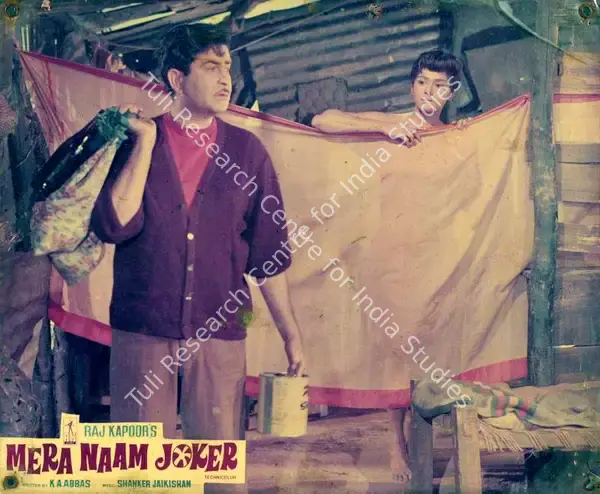
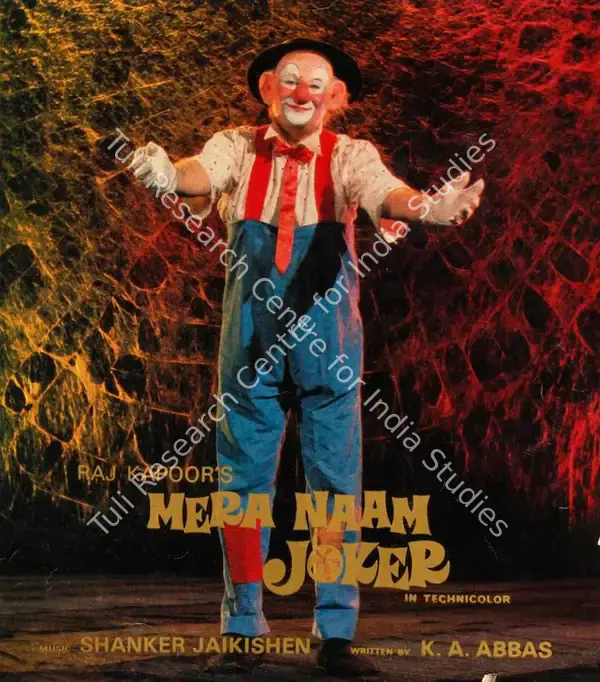
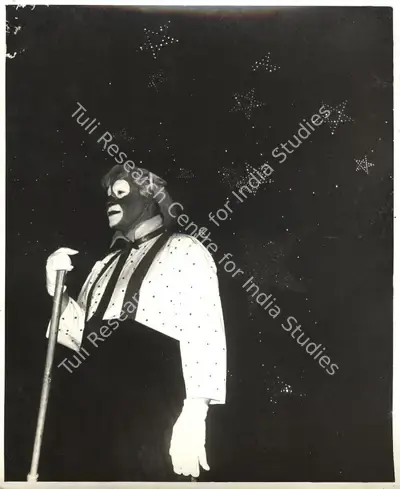
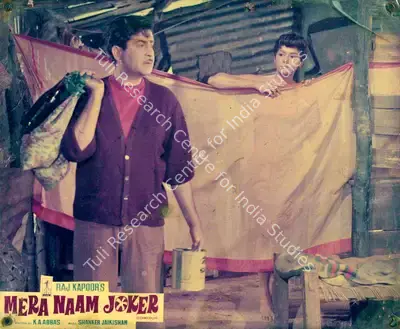
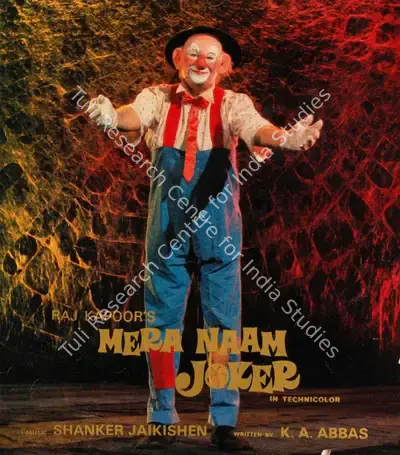
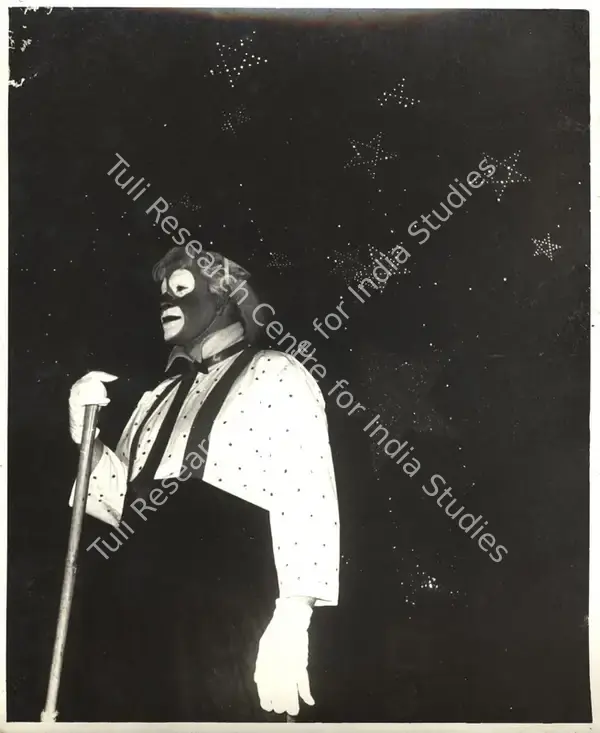
Radhu Karmakar (Cinematographer), Mera Naam Joker, 1970, Photographic Still
Karmakar, Radhu (Cinematographer), Mera Naam Joker, 1970 | Photographic Still
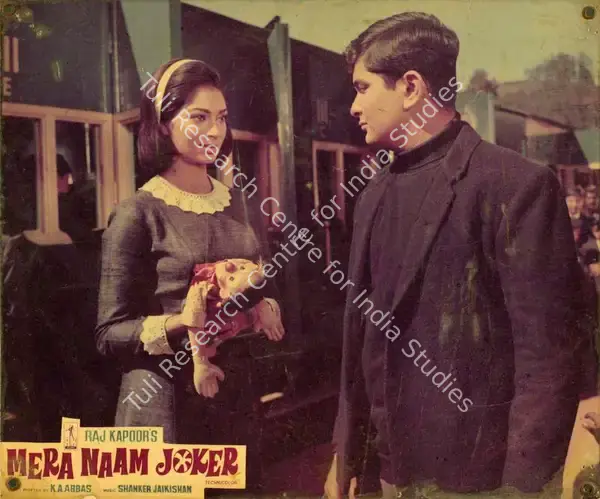
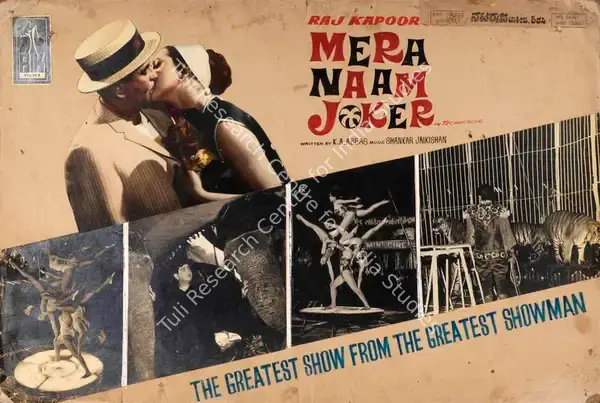
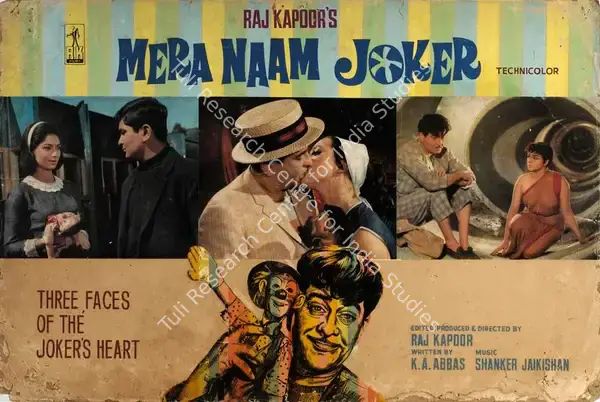
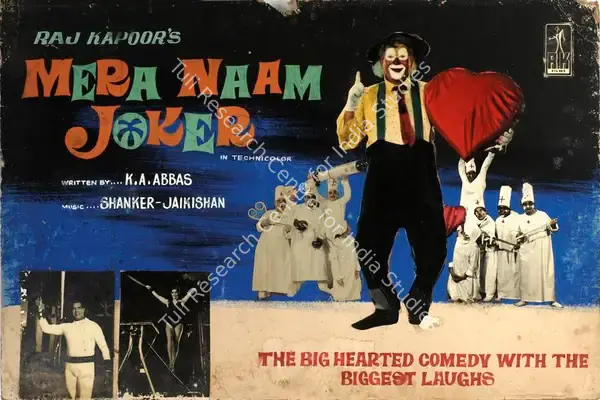
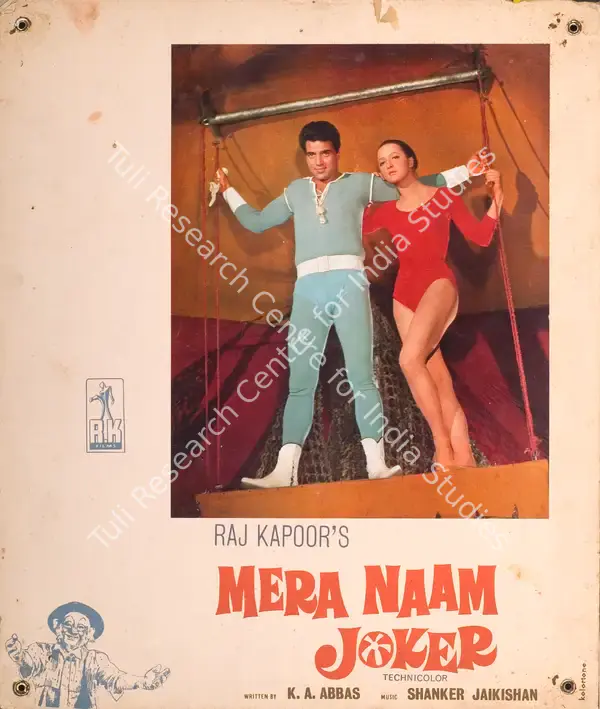
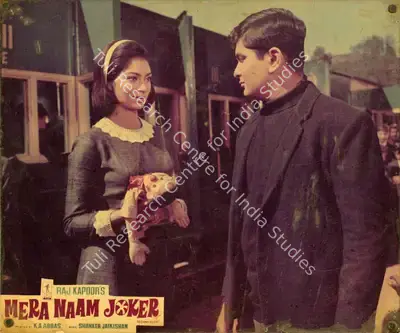
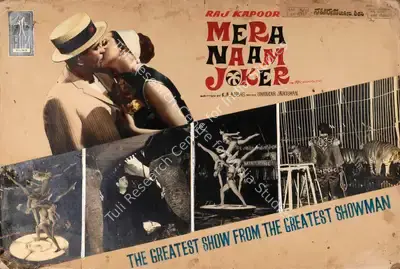
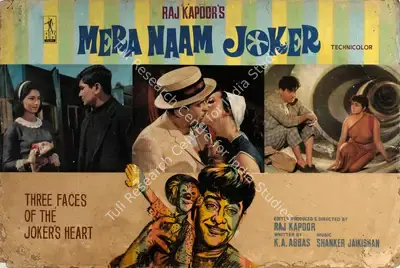
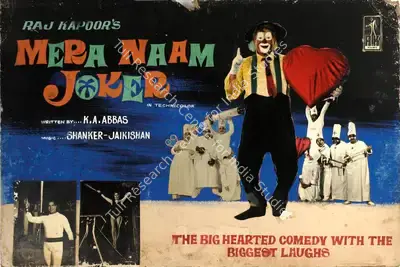
Radhu Karmakar (Cinematographer), Mera Naam Joker, 1970, Lobby Card
Karmakar, Radhu (Cinematographer), Mera Naam Joker, 1970 | Lobby Card
Radhu Karmakar (Cinematographer), Mera Naam Joker, 1970, Lobby Card
Karmakar, Radhu (Cinematographer), Mera Naam Joker, 1970 | Lobby Card
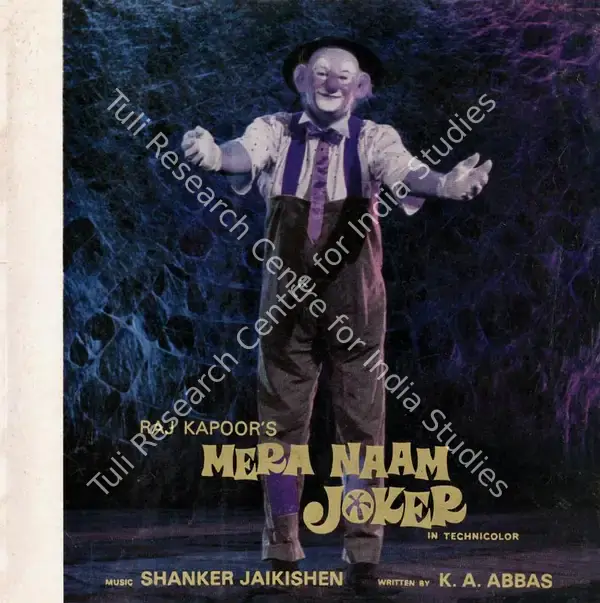
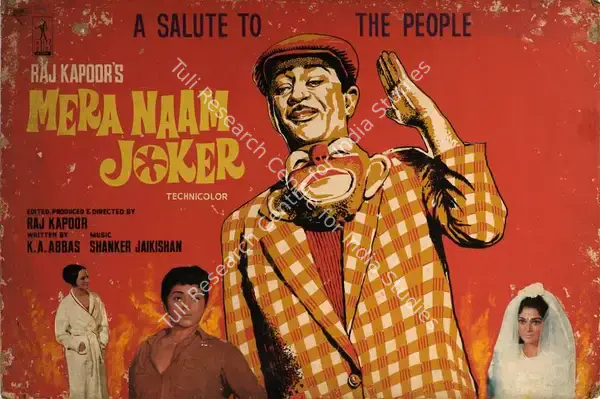
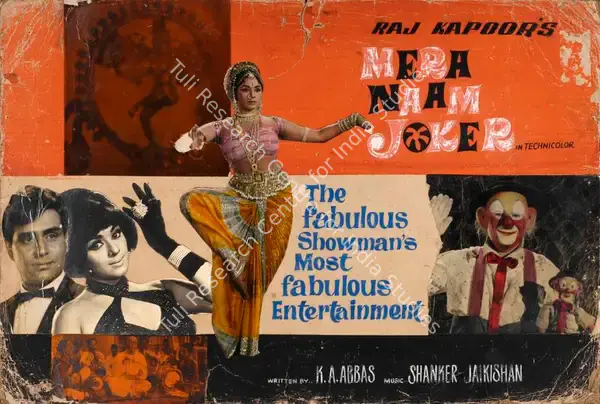
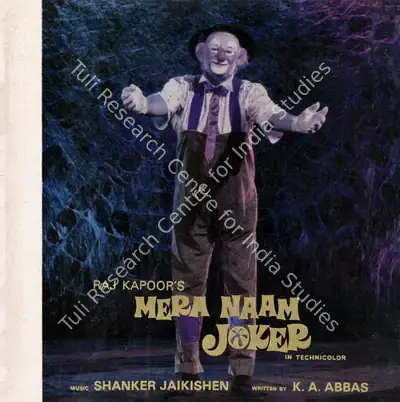
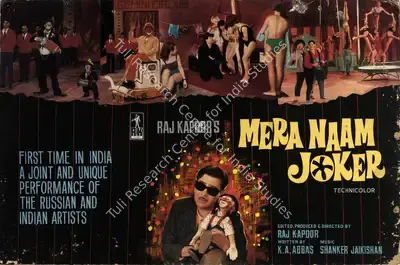
Raj Kapoor (Producer), Mera Naam Joker, 1970, Song-Synopsis Booklet
Kapoor, Raj (Producer), Mera Naam Joker, 1970 | Song-Synopsis Booklet
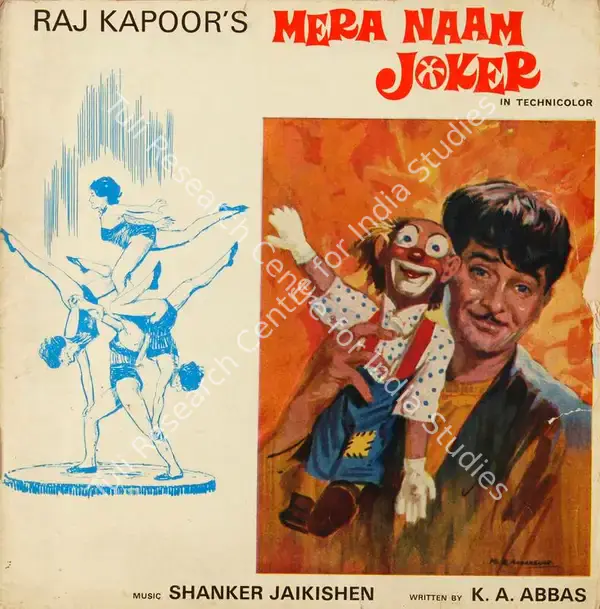
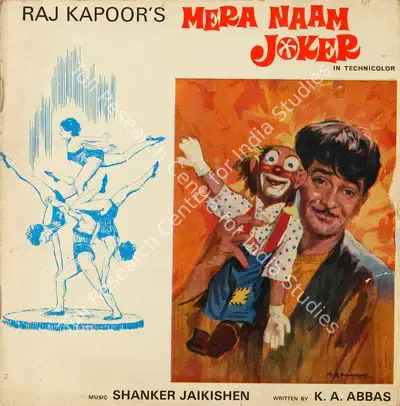
Raj Kapoor (Producer), Mera Naam Joker, 1970, Song-Synopsis Booklet
Kapoor, Raj (Producer), Mera Naam Joker, 1970 | Song-Synopsis Booklet
Raj Kapoor (Producer), Mera Naam Joker, 1970, Song-Synopsis Booklet
Kapoor, Raj (Producer), Mera Naam Joker, 1970 | Song-Synopsis Booklet
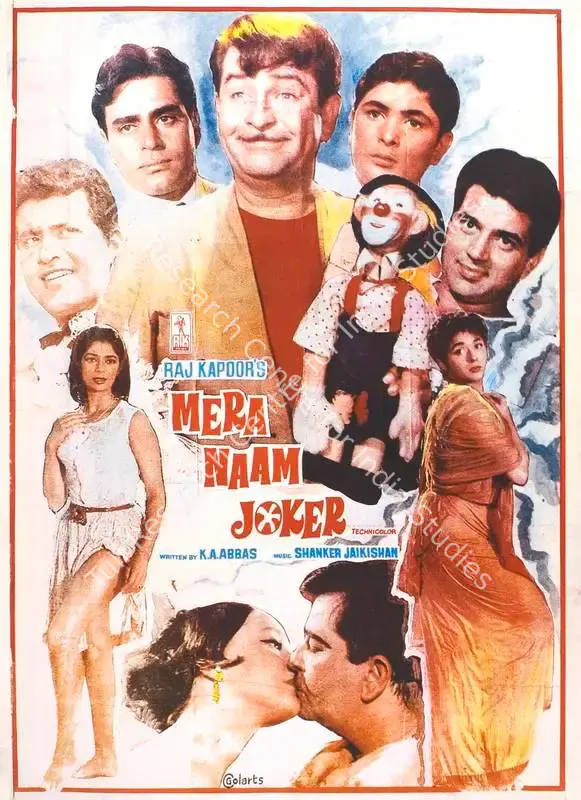
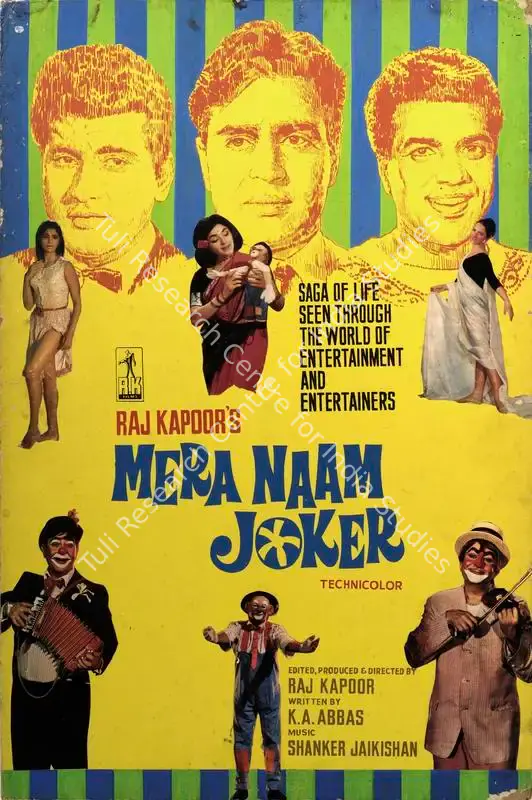
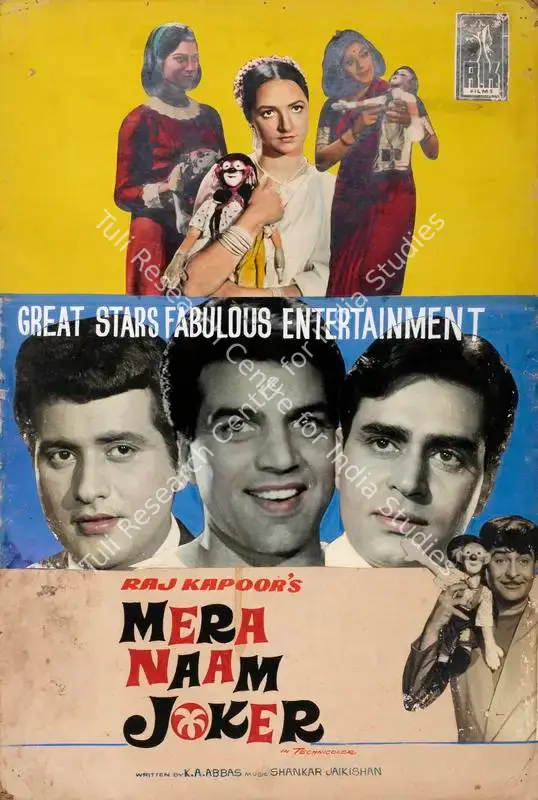
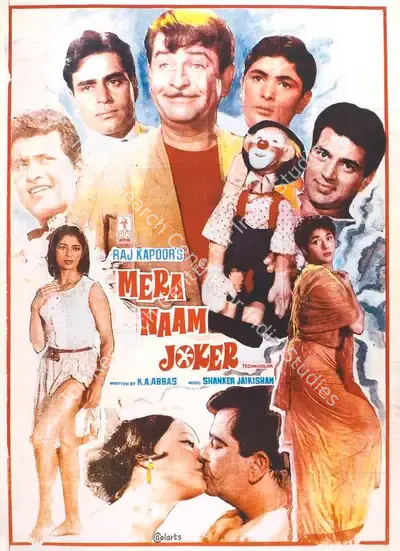
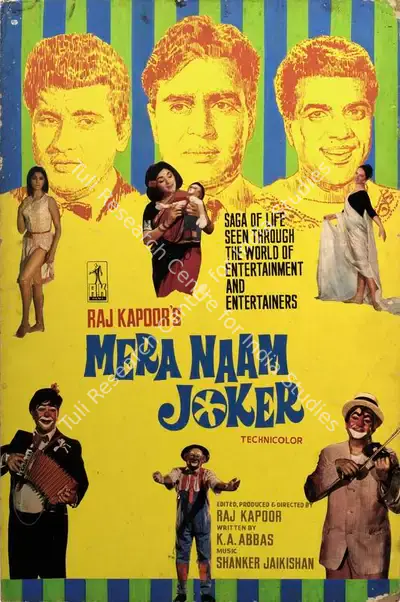
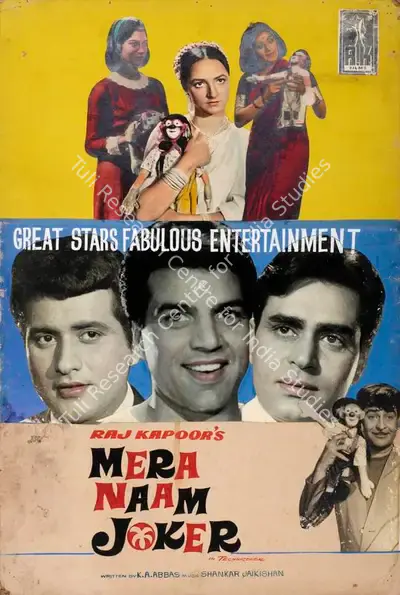
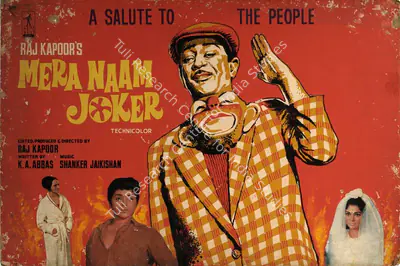
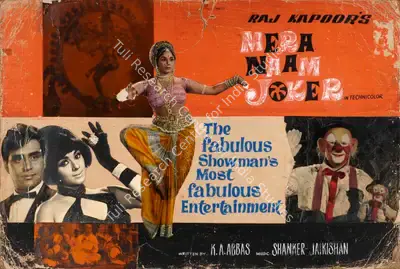
Raj Kapoor (Producer), Mera Naam Joker, 1970, Full Sheet Poster
Kapoor, Raj (Producer), Mera Naam Joker, 1970 | Full Sheet Poster
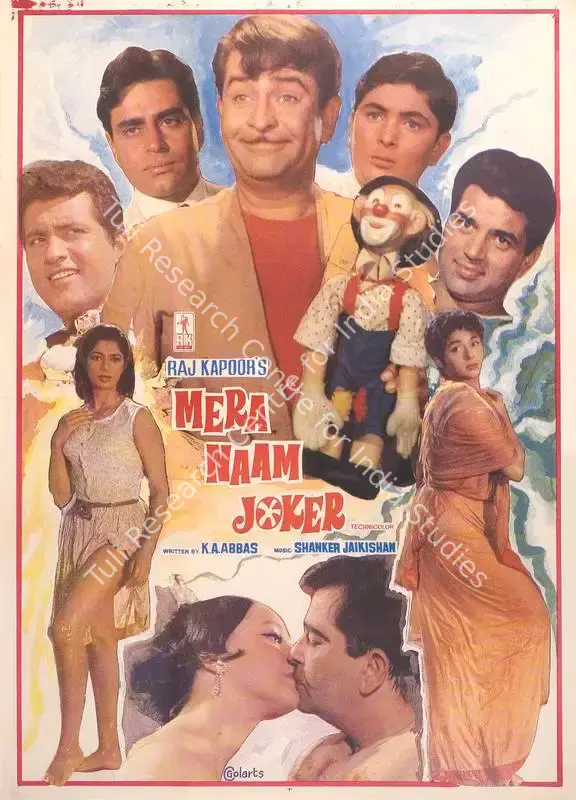
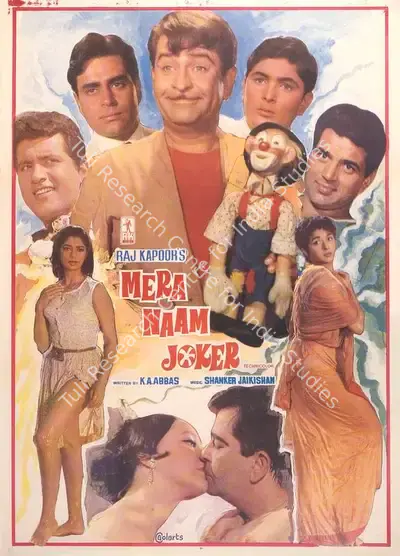
Raj Kapoor (Producer), Mera Naam Joker, 1970, Full Sheet Poster
Kapoor, Raj (Producer), Mera Naam Joker, 1970 | Full Sheet Poster
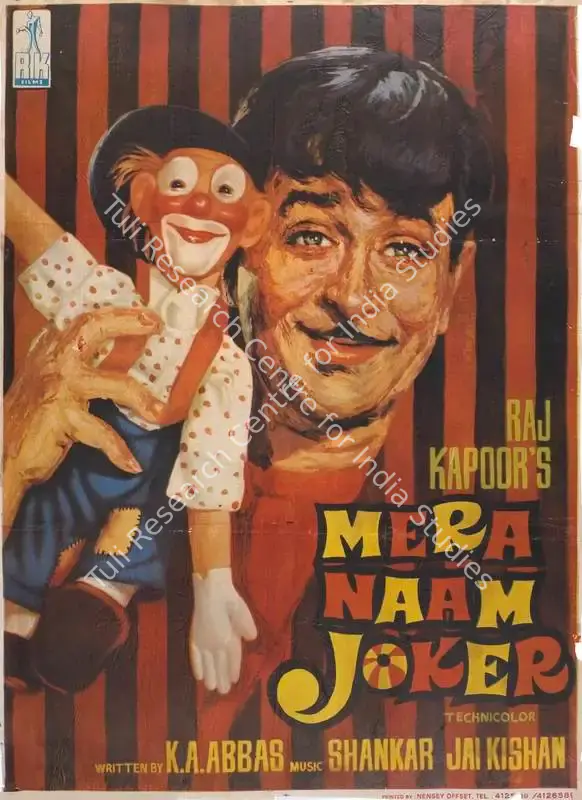
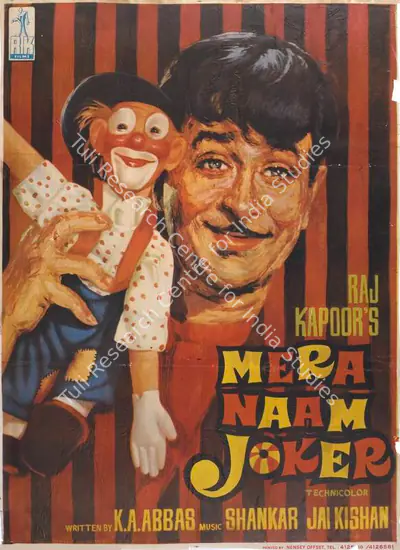
Raj Kapoor (Producer), Mera Naam Joker, 1970, Full Sheet Poster
Kapoor, Raj (Producer), Mera Naam Joker, 1970 | Full Sheet Poster
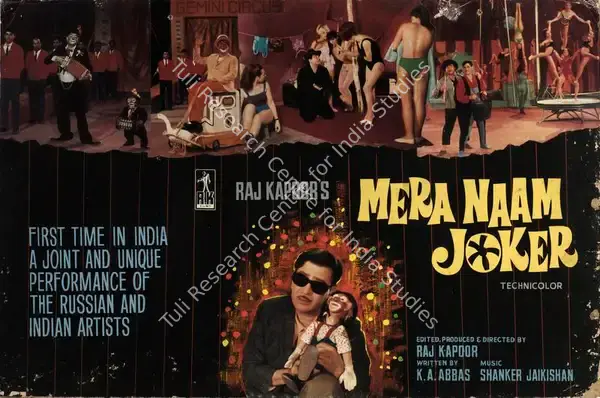
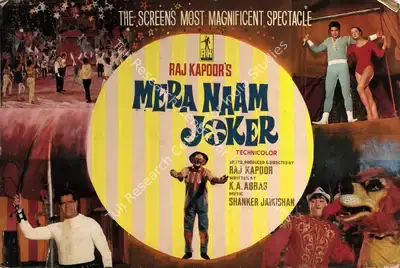
Raj Kapoor (Producer), Mera Naam Joker, 1970, Showcard
Kapoor, Raj (Producer), Mera Naam Joker, 1970 | Showcard
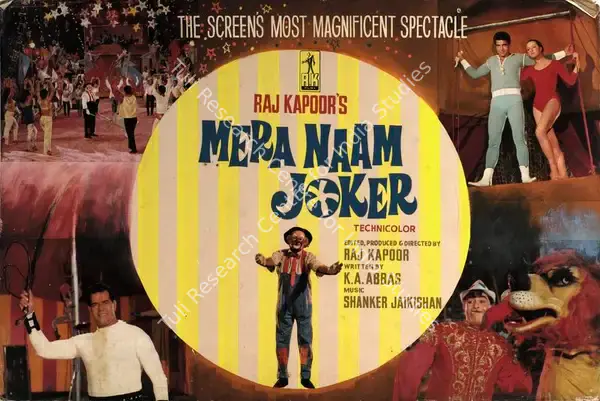
Raj Kapoor (Producer), Mera Naam Joker, 1970, Showcard
Kapoor, Raj (Producer), Mera Naam Joker, 1970 | Showcard
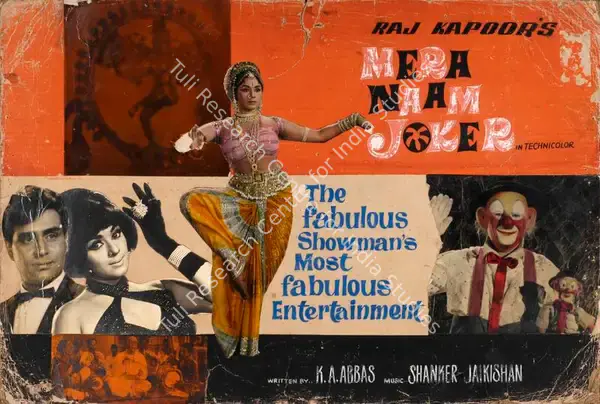
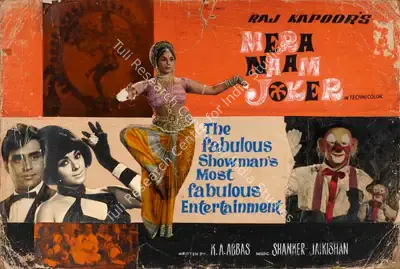
Raj Kapoor (Producer), Mera Naam Joker, 1970, Showcard
Kapoor, Raj (Producer), Mera Naam Joker, 1970 | Showcard
Raj Kapoor (Producer), Mera Naam Joker, 1970, Showcard
Kapoor, Raj (Producer), Mera Naam Joker, 1970 | Showcard
Raj Kapoor (Producer), Mera Naam Joker, 1970, Showcard
Kapoor, Raj (Producer), Mera Naam Joker, 1970 | Showcard
Raj Kapoor (Producer), Mera Naam Joker, 1970, Showcard
Kapoor, Raj (Producer), Mera Naam Joker, 1970 | Showcard
Raj Kapoor (Producer), Mera Naam Joker, 1970, Showcard
Kapoor, Raj (Producer), Mera Naam Joker, 1970 | Showcard
Raj Kapoor (Producer), Mera Naam Joker, 1970, Showcard
Kapoor, Raj (Producer), Mera Naam Joker, 1970 | Showcard
Raj Kapoor (Producer), Mera Naam Joker, 1970, Showcard
Kapoor, Raj (Producer), Mera Naam Joker, 1970 | Showcard
Raj Kapoor (Producer), Mera Naam Joker, 1970, Showcard
Kapoor, Raj (Producer), Mera Naam Joker, 1970 | Showcard
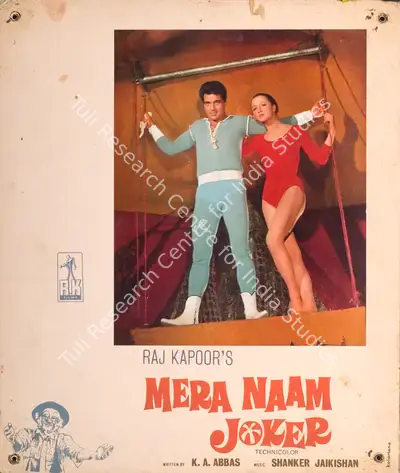
Radhu Karmakar (Cinematographer), Mera Naam Joker, 1970, Photographic Still Mounted on Lobby Card
Karmakar, Radhu (Cinematographer), Mera Naam Joker, 1970 | Photographic Still Mounted on Lobby Card
20 of 52
Radhu Karmakar (Cinematographer), Mera Naam Joker, 1970, Photographic Still
Karmakar, Radhu (Cinematographer), Mera Naam Joker, 1970 | Photographic Still
Radhu Karmakar (Cinematographer), Mera Naam Joker, 1970, Lobby Card
Karmakar, Radhu (Cinematographer), Mera Naam Joker, 1970 | Lobby Card
Radhu Karmakar (Cinematographer), Mera Naam Joker, 1970, Lobby Card
Karmakar, Radhu (Cinematographer), Mera Naam Joker, 1970 | Lobby Card
Raj Kapoor (Producer), Mera Naam Joker, 1970, Song-Synopsis Booklet
Kapoor, Raj (Producer), Mera Naam Joker, 1970 | Song-Synopsis Booklet
Raj Kapoor (Producer), Mera Naam Joker, 1970, Song-Synopsis Booklet
Kapoor, Raj (Producer), Mera Naam Joker, 1970 | Song-Synopsis Booklet
Raj Kapoor (Producer), Mera Naam Joker, 1970, Song-Synopsis Booklet
Kapoor, Raj (Producer), Mera Naam Joker, 1970 | Song-Synopsis Booklet
Raj Kapoor (Producer), Mera Naam Joker, 1970, Full Sheet Poster
Kapoor, Raj (Producer), Mera Naam Joker, 1970 | Full Sheet Poster
Raj Kapoor (Producer), Mera Naam Joker, 1970, Full Sheet Poster
Kapoor, Raj (Producer), Mera Naam Joker, 1970 | Full Sheet Poster
Raj Kapoor (Producer), Mera Naam Joker, 1970, Full Sheet Poster
Kapoor, Raj (Producer), Mera Naam Joker, 1970 | Full Sheet Poster
Raj Kapoor (Producer), Mera Naam Joker, 1970, Showcard
Kapoor, Raj (Producer), Mera Naam Joker, 1970 | Showcard
Raj Kapoor (Producer), Mera Naam Joker, 1970, Showcard
Kapoor, Raj (Producer), Mera Naam Joker, 1970 | Showcard
Raj Kapoor (Producer), Mera Naam Joker, 1970, Showcard
Kapoor, Raj (Producer), Mera Naam Joker, 1970 | Showcard
Raj Kapoor (Producer), Mera Naam Joker, 1970, Showcard
Kapoor, Raj (Producer), Mera Naam Joker, 1970 | Showcard
Raj Kapoor (Producer), Mera Naam Joker, 1970, Showcard
Kapoor, Raj (Producer), Mera Naam Joker, 1970 | Showcard
Raj Kapoor (Producer), Mera Naam Joker, 1970, Showcard
Kapoor, Raj (Producer), Mera Naam Joker, 1970 | Showcard
Raj Kapoor (Producer), Mera Naam Joker, 1970, Showcard
Kapoor, Raj (Producer), Mera Naam Joker, 1970 | Showcard
Raj Kapoor (Producer), Mera Naam Joker, 1970, Showcard
Kapoor, Raj (Producer), Mera Naam Joker, 1970 | Showcard
Raj Kapoor (Producer), Mera Naam Joker, 1970, Showcard
Kapoor, Raj (Producer), Mera Naam Joker, 1970 | Showcard
Raj Kapoor (Producer), Mera Naam Joker, 1970, Showcard
Kapoor, Raj (Producer), Mera Naam Joker, 1970 | Showcard
Radhu Karmakar (Cinematographer), Mera Naam Joker, 1970, Photographic Still Mounted on Lobby Card
Karmakar, Radhu (Cinematographer), Mera Naam Joker, 1970 | Photographic Still Mounted on Lobby Card
20 of 51
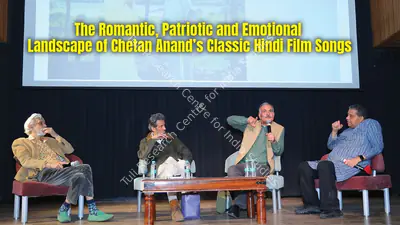
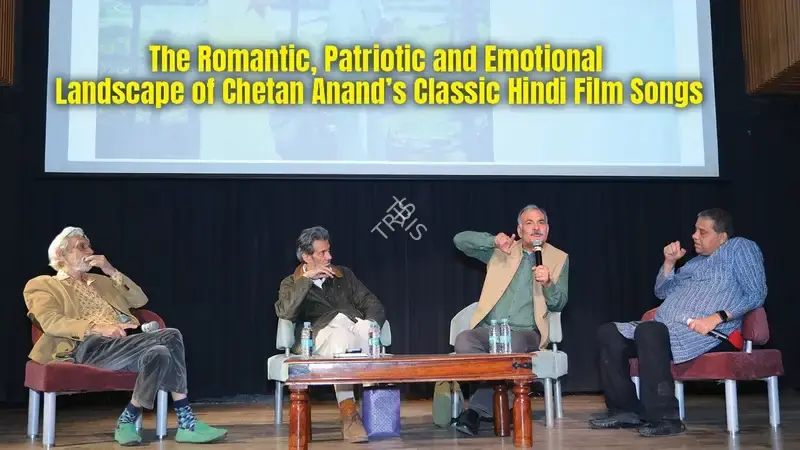
Tuli Research Centre for India Studies (Editor). The Romantic, Patriotic and Emotional Landscape of Chetan Anand’s Classic Hindi Film Songs, 21 July 2026 | In-house Video, 2026 · 1 hour 6 min · Long-form Video
▶
Tuli Research Centre for India Studies (Editor). The Romantic, Patriotic and Emotional Landscape of Chetan Anand’s Classic Hindi Film Songs, 21 July 2026 | In-house Video
2026 · 1 hour 6 min · Long-form Video
Tuli Research Centre for India Studies

Tuli Research Centre

for India Studies

A free and open knowledge base for the modern and contemporary Indian arts, cinema, photography and cultural heritage.

Support

Contact Us

Discover

Tuli Research Centre for India StudiesVisionManifestoArchive & LibraryVanraja Sanctuary & Hospice

Legal

Privacy PolicyTerms & Conditions

Follow us

Youtube

Youtube

Instagram

Instagram

Facebook

Facebook

© Tuli Research Centre for India Studies 2026

Tuli Research Centre for India Studies

Tuli Research Centre

for India Studies

A free and open knowledge base for the modern and contemporary Indian arts, cinema, photography and cultural heritage.

Tuli Research Centre for India StudiesVisionManifestoArchive & LibraryVanraja Sanctuary & Hospice
Contact Us
Privacy PolicyTerms & Conditions

Follow us

YoutubeInstagramFacebook

© Tuli Research Centre for India Studies 2026

              Tuli Research Centre for India Studies (Editor). The Romantic, Patriotic and Emotional Landscape of Chetan Anand’s Classic Hindi Film Songs, 21 July 2026 | In-house Video | CinemaEducation | 00883636
              1 hour 6 min · Long-form Video

              The Romantic, Patriotic and Emotional Landscape of Chetan Anand’s Classic Hindi Film Songs

              Tuli Research Centre for India Studies (Editor)

              Document TypeIn-house Video
              Date21 July 2026
              Duration1 hour 6 min
              FormatLong-form Video
              Description
              Four iconic songs from Chetan Anand's cinema, deconstructed: "Kar Chale Hum Fida" (Haqeeqat, 1964), "Yeh Duniya Yeh Mehfil" (Heer Ranjha, 1970), "Milo Na Tum To Hum Ghabraye" (Heer Ranjha, 1970) and "Yeh Mana Meri Jaan" (Hanste Zakhm, 1973). Why is "Kar Chale Hum Fida" ("Ab Tumhare Hawale Watan Saathiyon") not a song of victory, but a song of responsibility? How was "Yeh Duniya Yeh Mehfil" written overnight, rejected on the eve of recording, reborn in a 2 a.m. phone call, with Kaifi Azmi writing the antaras on the spot and Mohammed Rafi in tears at the rehearsal? Why was the colour yellow banned from the screen in Heer Ranjha until spring arrives with "Milo Na Tum"? And how did "Yeh Mana Meri Jaan" fuse qawwali, bhangra and class rebellion into one of Hindi cinema's most joyous songs? Ketan Anand, who worked alongside his father, joins experts Ravikant, Pavan Jha and Neville Tuli to explore themes of sacrifice, patriotism, disillusionment, longing and desire in Chetan Anand's films, highlighting the creative legacy of Kaifi Azmi, Madan Mohan, Lata Mangeshkar and Mohammed Rafi. Anand's oeuvre is marked by a strong humanist sensibility, social realism, war and poetic romance, class conflict and duty, and rare emotional intensity. The discussion examines how film music, lyrics, performance and cinematic storytelling come together to create meaning, transcending entertainment to become part of India's collective memory and emotional landscape. Chapters: 0:00 — "Kar Chale Hum Fida" (Haqeeqat, 1964) 5:43 — Discussion: The War, the Pain, a Song of Responsibility 21:02 — "Yeh Duniya Yeh Mehfil" (Heer Ranjha, 1970) 28:03 — Discussion: the 2 a.m. story & a film written as a poem 41:02 — "Milo Na Tum To Hum Ghabraye" (Heer Ranjha, 1970) 44:33 — Discussion: The Joy of Falling in Love 50:12 — "Yeh Mana Meri Jaan" (Hanste Zakhm, 1973) 57:44 — Discussion: Qawwali, Bhangra & Rebellion This session was part of the series 'Deconstructing the Film Song: A Musical Glue for Nation-Building,' presented by the Tuli Research Centre for India Studies (TRIS) as part of the 7th Self-Discovery via Rediscovering India Festival.

              Related Links68

              Masterlist67
              Chetan AnandRaj KapoorGuru DuttDigital in House VideosV ShantaramB R ChopraMadan MohanO P NayyarSachin Dev BurmanVasant DesaiBombay RaviKaifi AzmiShailendraHasrat JaipuriMajrooh SultanpuriSahir LudhianviShakeel BadayuniHasan KamalHeer Raanjha 1970Do Ankhen Barah Haath 1957Deconstructing the Film Song 2026Neville TuliShyamaJohnny WalkerJagdeepV K MurthyRaj KhoslaShamshad BegumGeeta DuttMohammad RafiDilip KumarVyjayanthimalaLeela ChitnisAsha BhosleWaheeda RehmanMala SinhaMehmoodSulochanaMeena KumariSunil DuttRaaj KumarSharmila TagoreSadhanaAchala SachdevBalraj SahniShashikalaShashi KapoorYash ChopraDharam ChopraManna DeyMahendra KapoorPrithviraj KapoorJal MistryNoor JahanDilraj KaurJagjeet KaurLata MangeshkarManoj KumarRajendra KumarDharmendraKhwaja Ahmad AbbasRadhu KarmakarNitin MukeshNadiraNargisMukeshLeela Mishra
              Research Categories
              01Cinema as a Critical Educational Resource