TRIS logo image
Search names, films, exhibitions

EN

EN

English

HI

Hindi

EN

EN

English

HI

Hindi

Tuli Research Centre for India Studies

Home

Tuli Research Centre for India Studies

Vision

Manifesto

Archive & Library

Vanraja Sanctuary & Hospice

Research Categories

Browse All

ICore

1_CinemaEducation_Cinema as a Critical Educational Resource

2_FineArts_Modern and Contemporary Indian Fine Arts

3_Photography_Photography in India

4_PopCulture_The Printed Image, Popular Arts, and Crafts

IIMaterial

5_ArcHeritage_India's Architectural Heritage as Inspiration

6_EconomicsArt_Economics of Art & Cultural Industry

7_Travel_Automobile, Transport and Travel Heritage

8_Uncertainty_Uncertainty

IIICritical

9_SocialDuty_Social Responsibility of the Creative Mind

10_Childhood_The Changing Smile of Childhood & Its Second Coming

11_Sensuality_The Sensual Discipline within Creativity

12_Scholarship_The History & Historiography of Scholarship in the Arts, Humanities, and Social Sciences

IVMeaningful

13_SeekJustice_Seeking Justice and Political Integrity

14_IndoWorld_India and her Relationship with the World

15_SpiritualPoetics_The Religious-Spiritual-Poetic-Philosophical Framework

16_Continuum_The Animal-Human-Nature Continuum

Explore

All

Posts

Masterlists

Calendar

Live | Upcoming

All Events

Timetable

Search names, films, exhibitions

EN

EN

English

HI

Hindi

Home/Shailay Shailendra

Shailay Shailendra

SHAILY SHAILENDRA (9December 1949) He occupies a distinctive place in the landscape of Indian cinema and literature as an accomplished lyricist, poet, and creative writer who has successfully extended one of the most celebrated artistic legacies in the history of Hindi film music. The son of the legendary lyricist Shailendra, whose immortal songs remain an integral part of India's cultural memory, Shaily inherited not only a rich literary tradition but also a profound understanding of poetry, melody, and human emotion. While deeply influenced by his father's artistic vision, he has carved out an independent identity through a body of work that reflects both lyrical sensitivity and popular appeal.

Beginning his professional journey in Hindi cinema during the 1970s, Shaily Shailendra steadily established himself as a versatile songwriter capable of adapting to the changing musical and cinematic trends of different decades. His lyrics have appeared in a wide range of films and musical projects, encompassing romantic ballads, devotional songs, folk-inspired compositions, and energetic commercial numbers. Throughout his career, he has collaborated with leading composers, filmmakers, singers, and actors, contributing significantly to the rich and diverse tradition of Indian film music.

Among his noteworthy cinematic contributions are Arre Meri Chhammak Chhallo, Sawan Aaya Badal Aaye, and Hum Na Rahenge from Jaan Hazir Hai (1975), songs that demonstrated his ability to combine accessibility with poetic expression. He further showcased his versatility through Do Jism Ek Jaan Hain Hum and One By One Koi Bhi Aaye in Kahan Hai Kanoon (1989). His work in Radha Ka Sangam (1992) produced memorable songs such as Prem Hai Janmon Ka Sangam, Banna Mera Aaya Hariyala, and Bichhuwa More Sajna Ka Pyar, which drew upon themes of love, tradition, and cultural rootedness. Equally popular were Bambai Se Aaya Mera Dost, Shola Re Bhola Re, and Raja Mere Tere Liye from Aap Ki Khatir (1977), as well as Le Chal Mujhe Tu Apne Sang and Hasina Hasina Main Hoon Tera Deewana from Le Chal Apne Sang (2000). His repertoire also includes Lift Band Thi Lights Off Thi from Naamcheen (1991), Salaam Seth Salaam Seth from Jeete Hain Shaan Se (1988), and Tera Dil Mere Dil Mein Fit Ho Gaya alongside Mausam Mastana Hua Dil Deewana from Pyar Ka Saudagar (1991).

Beyond songwriting, Shaily Shailendra has dedicated considerable energy to preserving and promoting the literary and cultural legacy of his father. Through literary festivals, poetry recitals, lectures, publications, archival initiatives, and film heritage programmes, he has helped introduce newer generations to the enduring significance of Shailendra's work. Widely respected in artistic and literary circles, he remains an important cultural ambassador for Hindi film music and poetry. His continuing contributions to music, literature, and cultural preservation underscore his role not only as a creative artist in his own right but also as a devoted custodian of one of Indian cinema's most treasured lyrical traditions.

शैली शैलेंद्र (9 दिसंबर 1949) भारतीय सिनेमा और साहित्य की दुनिया में एक बेहतरीन गीतकार, कवि और लेखक के तौर पर ख़ास जगह रखते हैं। उन्होंने हिंदी फ़िल्म संगीत के इतिहास की सबसे मशहूर कलात्मक विरासतों में से एक को सफलतापूर्वक आगे बढ़ाया है। मशहूर गीतकार शैलेंद्र के बेटे शैली को न सिर्फ़ एक समृद्ध साहित्यिक विरासत मिली, बल्कि कविता, धुन और मानवीय भावनाओं की गहरी समझ भी विरासत में मिली। उनके अमर गीत आज भी भारत की सांस्कृतिक यादों का अहम हिस्सा हैं। अपने पिता की कलात्मक सोच से गहरे तौर पर प्रभावित होने के बावजूद, उन्होंने अपने काम के ज़रिए एक अलग पहचान बनाई है, जिसमें गीतों की संवेदनशीलता और लोगों के बीच लोकप्रियता, दोनों ही झलकती हैं।
1970 के दशक के दौरान हिंदी सिनेमा में अपनी पेशेवर यात्रा शुरू करते हुए, शैली शैलेन्द्र ने लगातार ख़ुद को एक बहुमुखी गीतकार के रूप में स्थापित किया, जो दशकों के बदलते संगीत और सिनेमाई रुझानों को अपनाने में सक्षम थे। उनके गीत कई प्रकार की फ़िल्मों और संगीत परियोजनाओं में दिखाई दिए हैं, जिनमें रोमांटिक गाथागीत, भक्ति गीत, लोक-प्रेरित रचनाएं और ऊर्जावान व्यावसायिक गीत शामिल हैं। अपने पूरे करियर में, उन्होंने प्रमुख संगीतकारों, फ़िल्म निर्माताओं, गायकों और अभिनेताओं के साथ सहयोगी काम किया है और भारतीय फ़िल्म संगीत की समृद्ध और विविध परंपरा में महत्वपूर्ण योगदान दिया है।
उनके उल्लेखनीय सिनेमाई योगदानों में 'अरे मेरी छम्मक छल्लो', 'सावन आया बादल आए' और 'हम ना रहेंगे' 'जान हाज़िर है' (1975) के गाने शामिल हैं, जिन्होंने काव्यात्मक अभिव्यक्ति के साथ जनसुलभता की पहुंच को संयोजित करने की उनकी क्षमता का प्रदर्शन किया। उन्होंने 'कहां है कानून' (1989) में 'दो जिस्म एक जान हैं हम' और 'वन बाय वन कोई भी आए' के ​​जरिए अपनी बहुमुखी प्रतिभा का प्रदर्शन किया। राधा का संगम (1992) में उनके काम ने 'प्रेम है जन्मों का संगम', 'बन्ना मेरा आया हरियाला', और 'बिछुवा मोरे सजना का प्यार' जैसे यादगार गाने तैयार किए, जो प्रेम, परंपरा और सांस्कृतिक जड़ता के विषयों पर आधारित थे। 'आप की ख़ातिर' (1977) में 'बंबई से आया मेरा दोस्त', 'शोला रे भोला रे', और 'राजा मेरे तेरे लिए' जैसे गाने दिए। 'ले चल अपने संग' (2000) में उनके लिखे 'ले चल मुझे तू अपने संग' और 'हसीना हसीना मैं हूं तेरा दीवाना' भी उतने ही लोकप्रिय थे। उनके गीतों के खज़ाना की सूची में नामचीन (1991) से 'लिफ्ट बैंड थी लाइट्स ऑफ थी' , 'जीते हैं शान से' (1988) से 'सलाम सेठ सलाम सेठ', और प्यार का सौदागर (1991) से 'मौसम मस्ताना हुआ दिल दीवाना' के साथ 'तेरा दिल मेरे दिल में फ़िट हो गया' शामिल हैं।
गाने लिखने के अलावा शैली शैलेंद्र ने अपने पिता की साहित्यिक और सांस्कृतिक विरासत को बचाने और उसे बढ़ावा देने में काफ़ी मेहनत की है। साहित्यिक समारोहों, कविता पाठ, व्याख्यानों, प्रकाशनों, अभिलेखीय पहलों और फ़िल्म विरासत कार्यक्रमों के माध्यम से, उन्होंने नई पीढ़ियों को शैलेंद्र के काम के स्थायी महत्व से परिचित कराने में मदद की है। कलात्मक और साहित्यिक हलकों में व्यापक रूप से सम्मानित, वे हिंदी फ़िल्म संगीत और कविता के लिए एक महत्वपूर्ण सांस्कृतिक राजदूत हैं। संगीत, साहित्य और सांस्कृतिक संरक्षण में उनका निरंतर योगदान न केवल एक रचनात्मक कलाकार के रूप में उनकी भूमिका को रेखांकित करता है, बल्कि भारतीय सिनेमा की सबसे मूल्यवान गीतात्मक परंपराओं में से एक के समर्पित संरक्षक के रूप में भी उनकी भूमिका को उजागर करता है।
The whole holding
Scroll→

Research Centre

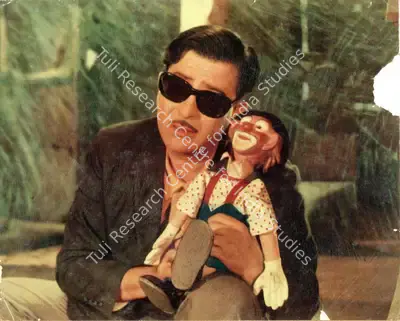
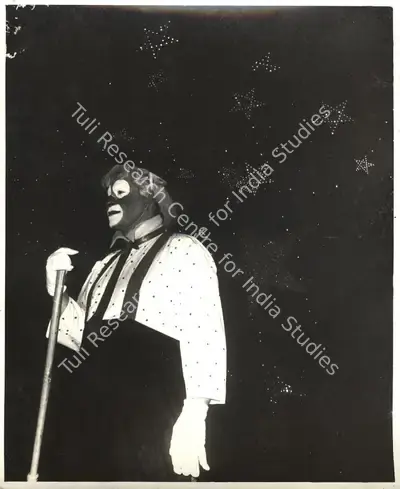
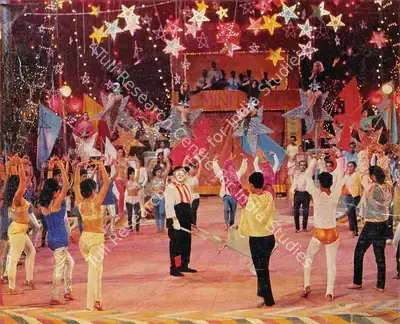
Radhu Karmakar (Cinematographer), Mera Naam Joker, 1970, Photographic Still
Karmakar, Radhu (Cinematographer), Mera Naam Joker, 1970 | Photographic Still
View full record
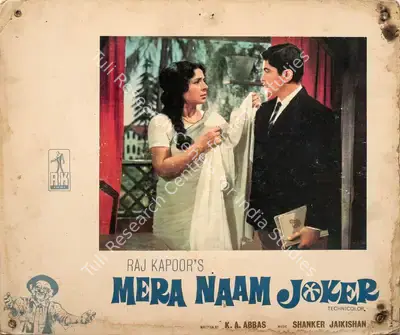
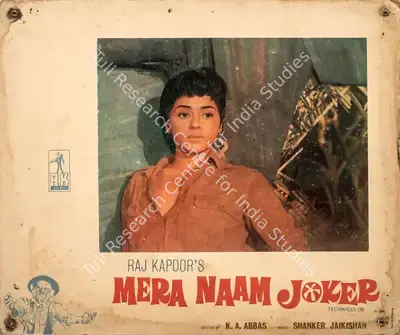
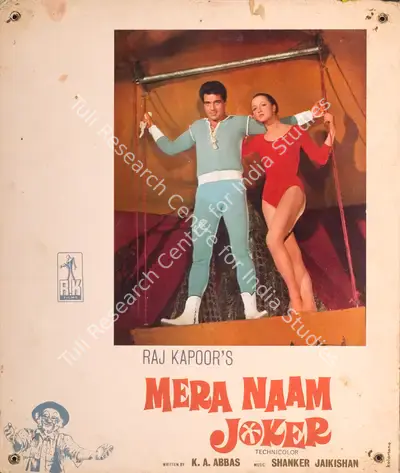
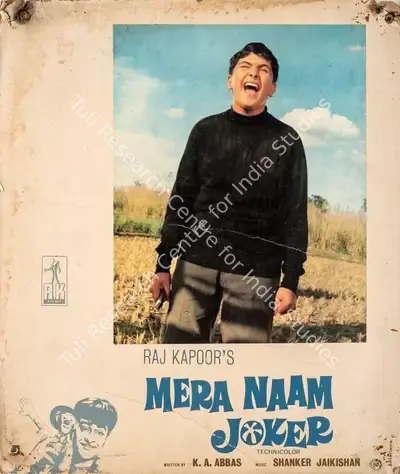
Radhu Karmakar (Cinematographer), Mera Naam Joker, 1970, Lobby Card
Karmakar, Radhu (Cinematographer), Mera Naam Joker, 1970 | Lobby Card
View full record
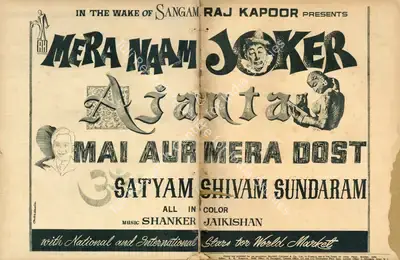
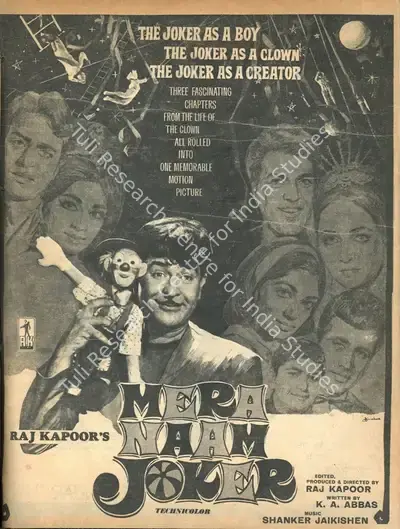
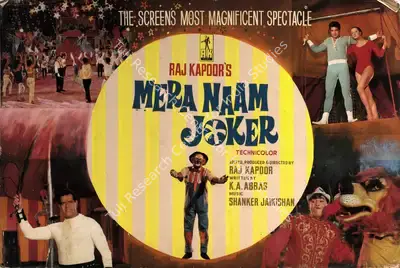
Raj Kapoor (Producer), Mera Naam Joker, 1970, Advertisement
Kapoor, Raj (Producer), Mera Naam Joker, 1970 | Advertisement
View full record
Radhu Karmakar (Cinematographer), Mera Naam Joker, 1970, Photographic Still
Karmakar, Radhu (Cinematographer), Mera Naam Joker, 1970 | Photographic Still
View full record
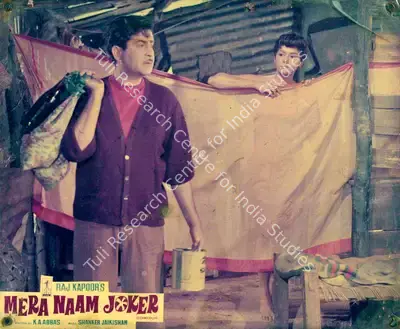
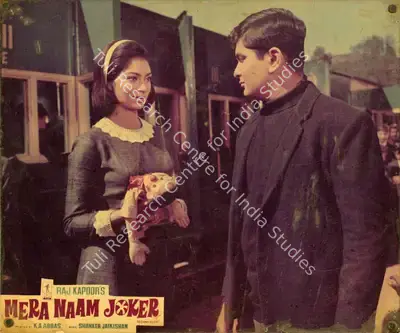
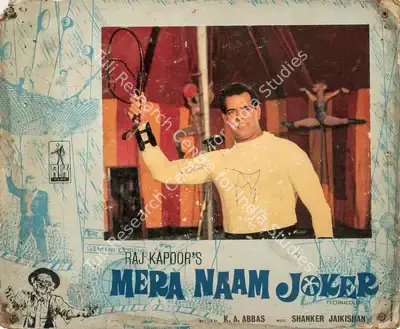
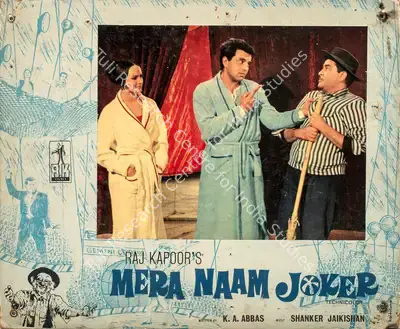
Radhu Karmakar (Cinematographer), Mera Naam Joker, 1970, Lobby Card
Karmakar, Radhu (Cinematographer), Mera Naam Joker, 1970 | Lobby Card
View full record
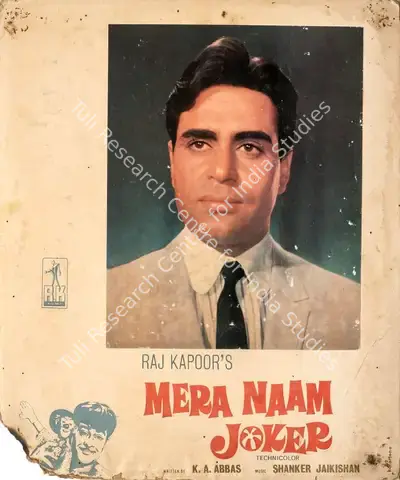
Radhu Karmakar (Cinematographer), Mera Naam Joker, 1970, Lobby Card
Karmakar, Radhu (Cinematographer), Mera Naam Joker, 1970 | Lobby Card
View full record
Radhu Karmakar (Cinematographer), Mera Naam Joker, 1970, Photographic Still
Karmakar, Radhu (Cinematographer), Mera Naam Joker, 1970 | Photographic Still
View full record
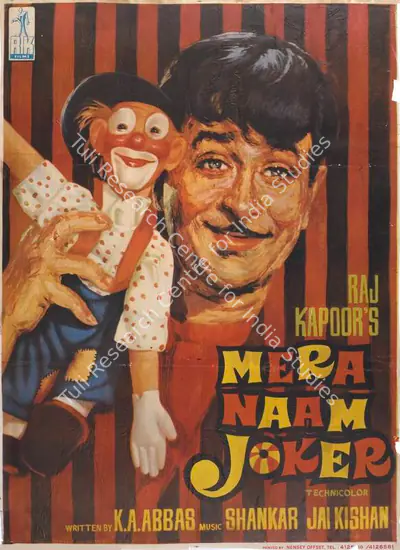
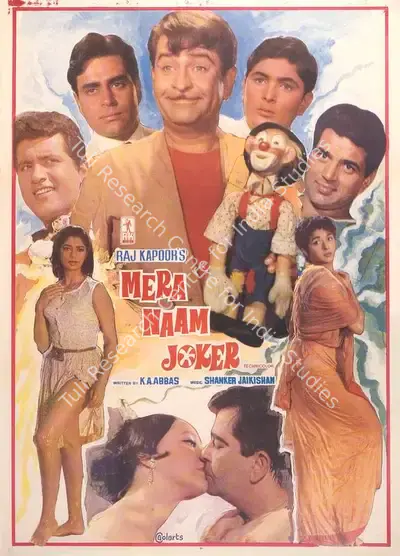
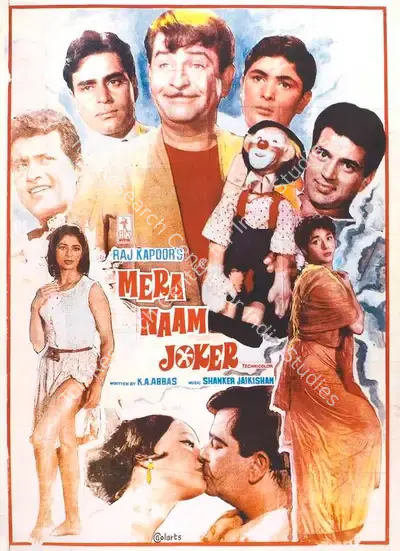
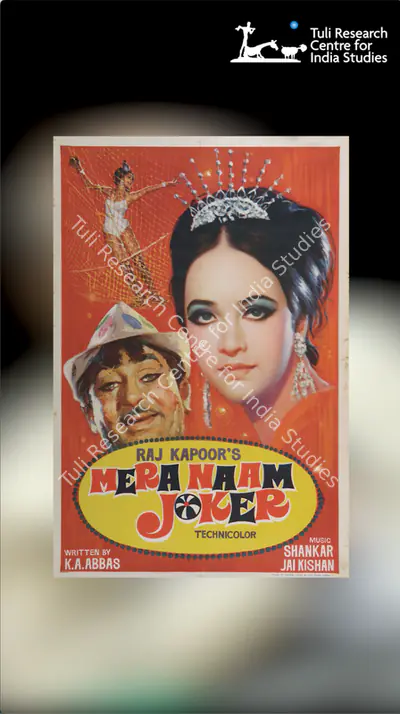
Raj Kapoor (Producer), Mera Naam Joker, 1970, Full Sheet Poster
Kapoor, Raj (Producer), Mera Naam Joker, 1970 | Full Sheet Poster
View full record
Radhu Karmakar (Cinematographer), Mera Naam Joker, 1970, Lobby Card
Karmakar, Radhu (Cinematographer), Mera Naam Joker, 1970 | Lobby Card
View full record
Raj Kapoor (Producer), Mera Naam Joker, 1970, Advertisement
Kapoor, Raj (Producer), Mera Naam Joker, 1970 | Advertisement
View full record
Radhu Karmakar (Cinematographer), Mera Naam Joker, 1970, Photographic Still Mounted on Lobby Card
Karmakar, Radhu (Cinematographer), Mera Naam Joker, 1970 | Photographic Still Mounted on Lobby Card
View full record
Raj Kapoor (Producer), Mera Naam Joker, 1970, Photographic Still mounted on Lobby Card
Kapoor, Raj (Producer), Mera Naam Joker, 1970 | Photographic Still mounted on Lobby Card
View full record
Radhu Karmakar (Cinematographer), Mera Naam Joker, 1970, Lobby Card
Karmakar, Radhu (Cinematographer), Mera Naam Joker, 1970 | Lobby Card
View full record
Radhu Karmakar (Cinematographer), Mera Naam Joker, 1970, Photographic Still
Karmakar, Radhu (Cinematographer), Mera Naam Joker, 1970 | Photographic Still
View full record
Radhu Karmakar (Cinematographer), Mera Naam Joker, 1970, Lobby Card
Karmakar, Radhu (Cinematographer), Mera Naam Joker, 1970 | Lobby Card
View full record
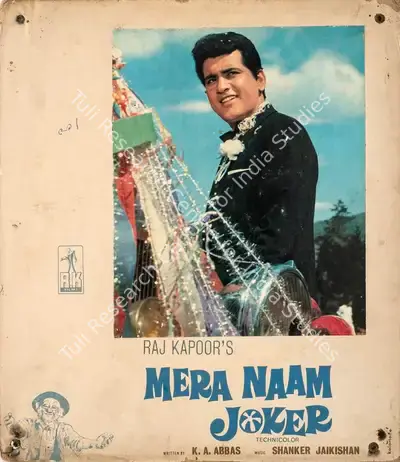
Raj Kapoor (Producer), Mera Naam Joker, 1970, Showcard
Kapoor, Raj (Producer), Mera Naam Joker, 1970 | Showcard
View full record
Raj Kapoor (Producer), Mera Naam Joker, 1970, Full Sheet Poster
Kapoor, Raj (Producer), Mera Naam Joker, 1970 | Full Sheet Poster
View full record
Raj Kapoor (Producer), Mera Naam Joker, 1970, Full Sheet Poster
Kapoor, Raj (Producer), Mera Naam Joker, 1970 | Full Sheet Poster
View full record
Radhu Karmakar (Cinematographer), Mera Naam Joker, 1970, Lobby Card
Karmakar, Radhu (Cinematographer), Mera Naam Joker, 1970 | Lobby Card
View full record
Raj Kapoor (Producer), Mera Naam Joker, 1970, Photographic Still mounted on Lobby Card
Kapoor, Raj (Producer), Mera Naam Joker, 1970 | Photographic Still mounted on Lobby Card
View full record
20 of 58
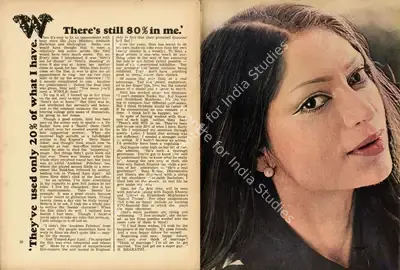
N. Bharathi (Interviewer), They've used only 20% of what I have. There's still 80% in me', 1973, Conversation
Bharathi, N. (Interviewer). They've used only 20% of what I have. There's still 80% in me'. In Sunday. 08 July 1973 | Conversation | 00802278
View full record
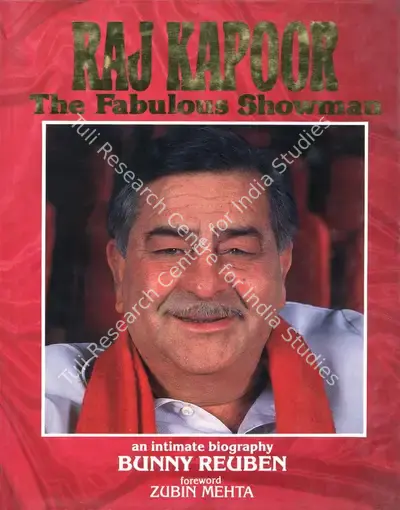
Bunny Reuben (Author), Raj Kapoor, 1988, Authored Book
Reuben, Bunny (Author). Raj Kapoor, 1988 | Authored Book | 00168050
View full record
Raj Kapoor (Producer), Mera Naam Joker, 1970, Advertisement
Kapoor, Raj (Producer), Mera Naam Joker, 1970 | Advertisement
View full record
Raj Kapoor (Producer), Mera Naam Joker, 1970, Advertisement
Kapoor, Raj (Producer), Mera Naam Joker, 1970 | Advertisement
View full record
Radhu Karmakar (Cinematographer), Mera Naam Joker, 1970, Lobby Card
Karmakar, Radhu (Cinematographer), Mera Naam Joker, 1970 | Lobby Card
View full record
Radhu Karmakar (Cinematographer), Mera Naam Joker, 1970, Lobby Card
Karmakar, Radhu (Cinematographer), Mera Naam Joker, 1970 | Lobby Card
View full record
Radhu Karmakar (Cinematographer), Mera Naam Joker, 1970, Lobby Card
Karmakar, Radhu (Cinematographer), Mera Naam Joker, 1970 | Lobby Card
View full record
Radhu Karmakar (Cinematographer), Mera Naam Joker, 1970, Lobby Card
Karmakar, Radhu (Cinematographer), Mera Naam Joker, 1970 | Lobby Card
View full record
Radhu Karmakar (Cinematographer), Mera Naam Joker, 1970, Lobby Card
Karmakar, Radhu (Cinematographer), Mera Naam Joker, 1970 | Lobby Card
View full record
Radhu Karmakar (Cinematographer), Mera Naam Joker, 1970, Lobby Card
Karmakar, Radhu (Cinematographer), Mera Naam Joker, 1970 | Lobby Card
View full record
Radhu Karmakar (Cinematographer), Mera Naam Joker, 1970, Lobby Card
Karmakar, Radhu (Cinematographer), Mera Naam Joker, 1970 | Lobby Card
View full record
Raj Kapoor (Producer), Mera Naam Joker, 1970, Photographic Still mounted on Lobby Card
Kapoor, Raj (Producer), Mera Naam Joker, 1970 | Photographic Still mounted on Lobby Card
View full record
Raj Kapoor (Producer), Mera Naam Joker, 1970, Photographic Still mounted on Lobby Card
Kapoor, Raj (Producer), Mera Naam Joker, 1970 | Photographic Still mounted on Lobby Card
View full record
Radhu Karmakar (Cinematographer), Mera Naam Joker, 1970, Photographic Still Mounted on Lobby Card
Karmakar, Radhu (Cinematographer), Mera Naam Joker, 1970 | Photographic Still Mounted on Lobby Card
View full record
Radhu Karmakar (Cinematographer), Mera Naam Joker, 1970, Photographic Still
Karmakar, Radhu (Cinematographer), Mera Naam Joker, 1970 | Photographic Still
View full record
Radhu Karmakar (Cinematographer), Mera Naam Joker, 1970, Photographic Still
Karmakar, Radhu (Cinematographer), Mera Naam Joker, 1970 | Photographic Still
View full record
Radhu Karmakar (Cinematographer), Mera Naam Joker, 1970, Photographic Still
Karmakar, Radhu (Cinematographer), Mera Naam Joker, 1970 | Photographic Still
View full record
Radhu Karmakar (Cinematographer), Mera Naam Joker, 1970, Photographic Still
Karmakar, Radhu (Cinematographer), Mera Naam Joker, 1970 | Photographic Still
View full record
Raj Kapoor (Producer), Mera Naam Joker, 1970, Full Sheet Poster
Kapoor, Raj (Producer), Mera Naam Joker, 1970 | Full Sheet Poster
View full record
Raj Kapoor (Producer), Mera Naam Joker, 1970, Full Sheet Poster
Kapoor, Raj (Producer), Mera Naam Joker, 1970 | Full Sheet Poster
View full record
Raj Kapoor (Producer), Mera Naam Joker, 1970, Full Sheet Poster
Kapoor, Raj (Producer), Mera Naam Joker, 1970 | Full Sheet Poster
View full record
Raj Kapoor (Producer), Mera Naam Joker, 1970, Showcard
Kapoor, Raj (Producer), Mera Naam Joker, 1970 | Showcard
View full record
20 of 52
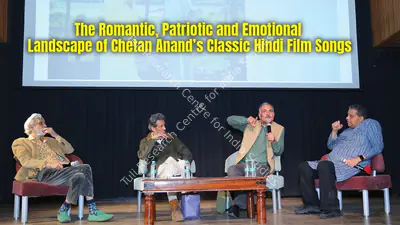
Tuli Research Centre for India Studies (Editor). The Romantic, Patriotic and Emotional Landscape of Chetan Anand’s Classic Hindi Film Songs, 21 July 2026 | In-house Video, 2026 · 1 hour 6 min · Long-form Video
▶
Tuli Research Centre for India Studies (Editor). The Romantic, Patriotic and Emotional Landscape of Chetan Anand’s Classic Hindi Film Songs, 21 July 2026 | In-house Video
2026 · 1 hour 6 min · Long-form Video
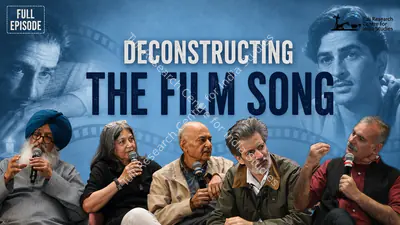
Tuli Research Centre for India Studies (Editor). Raj Kapoor's Film Songs: The Soul and Social Vision That Changed Indian Cinema, 04 August 2026 | In-house Video, 2026 · 1 hr 33 min · Long-form Video
▶
Tuli Research Centre for India Studies (Editor). Raj Kapoor's Film Songs: The Soul and Social Vision That Changed Indian Cinema, 04 August 2026 | In-house Video
2026 · 1 hr 33 min · Long-form Video
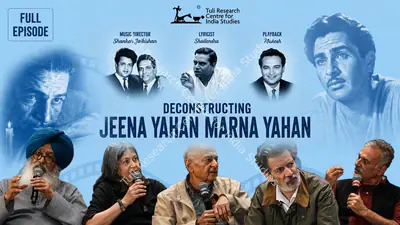
Tuli Research Centre for India Studies (Editor). Jeena Yahan Marna Yahan: The Existential Vision of Raj Kapoor | Mera Naam Joker (1970), 07 August 2026 | In-house Video, 2026 · 20 min 44 sec · Long-form Video
▶
Tuli Research Centre for India Studies (Editor). Jeena Yahan Marna Yahan: The Existential Vision of Raj Kapoor | Mera Naam Joker (1970), 07 August 2026 | In-house Video
2026 · 20 min 44 sec · Long-form Video
Tuli Research Centre for India Studies (Editor). The Nature of Philosophical and Materialistic Existence in Raj Kapoor's "Jeena Yahan Marna Yahan"| Mera Naam Joker (1970), 06 August 2026 | In-house Video, 2026 · Vertical Video
▶
Tuli Research Centre for India Studies (Editor). The Nature of Philosophical and Materialistic Existence in Raj Kapoor's "Jeena Yahan Marna Yahan"| Mera Naam Joker (1970), 06 August 2026 | In-house Video
2026 · Vertical Video
Tuli Research Centre for India Studies

Tuli Research Centre

for India Studies

A free and open knowledge base for the modern and contemporary Indian arts, cinema, photography and cultural heritage.

Support

Contact Us

Discover

Tuli Research Centre for India StudiesVisionManifestoArchive & LibraryVanraja Sanctuary & Hospice

Legal

Privacy PolicyTerms & Conditions

Follow us

Youtube

Youtube

Instagram

Instagram

Facebook

Facebook

© Tuli Research Centre for India Studies 2026

Tuli Research Centre for India Studies

Tuli Research Centre

for India Studies

A free and open knowledge base for the modern and contemporary Indian arts, cinema, photography and cultural heritage.

Tuli Research Centre for India StudiesVisionManifestoArchive & LibraryVanraja Sanctuary & Hospice
Contact Us
Privacy PolicyTerms & Conditions

Follow us

YoutubeInstagramFacebook

© Tuli Research Centre for India Studies 2026

              Tuli Research Centre for India Studies (Editor). Raj Kapoor's Film Songs: The Soul and Social Vision That Changed Indian Cinema, 04 August 2026 | In-house Video | CinemaEducation | 00883647
              1 hr 33 min · Long-form Video

              Raj Kapoor's Film Songs: The Soul and Social Vision That Changed Indian Cinema

              Tuli Research Centre for India Studies (Editor)

              Document TypeIn-house Video
              Date04 August 2026
              Duration1 hr 33 min
              FormatLong-form Video
              Description
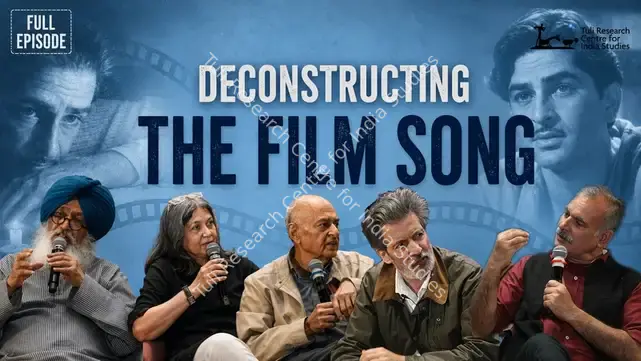
              Raj Kapoor's tramp, the wide-eyed wanderer in oversized clothes and a battered hat, was one of Hindi cinema's most deliberate creative constructions. Borrowed in spirit from Charlie Chaplin but rooted firmly in the anxieties of post-independence India, the figure carried the dreams and displacements of a nation still finding its footing. "Awara Hoon" from Awara (1951) became the song that gave that figure its voice, and its reach was extraordinary. In this clip, the panel discusses how the film introduced Raj Kapoor to audiences across the erstwhile Soviet Union, China and beyond. Composer-Writer Madan Gopal Singh points to "Ramaiya Vastavaiya" from Shree 420 (1955) as a moment of genuine creative risk, where Lata Mangeshkar's voice moves the song from a collective street chorus into something laden with intimate individuality. The panel also deconstructs two more songs from Raj Kapoor's career: "Pyar Hua Ikrar Hua" from Shree 420 (1955) and "Jeena Yahan Marna Yahan" from Mera Naam Joker (1970), examining what makes them endure across generations. 00:00 Introduction – Deconstructing the Hindi Film Song 00:44 Building an Academic Framework for Film Songs 02:41 Song 1: "Awaara Hoon" (Awaara) 06:08 Why "Awaara Hoon" Became a Global Phenomenon 06:58 Raj Kapoor, Charlie Chaplin & the Birth of the Tramp Persona 08:36 The Creative Team Behind Raj Kapoor's Musical Legacy 09:14 Collaboration as the Secret to Great Film Songs 12:38 Teaching "Awaara Hoon" to a New Generation 13:04 Nationhood, Shailendra & Post-Independence India 17:37 The Music of "Awaara Hoon" – Simplicity, Melody & Social Change 20:14 Cinema, Neorealism & the Uncertain India of the 1950s 24:14 Why the Song Resonated Across Russia, China & the World 26:02 Song 2: "Ramaiya Vastavaiya" (Shree 420) 31:54 Love, Idealism & Raj Kapoor's Romantic Cinema 33:05 Community, Home & the Moral Imagination of Shree 420 35:22 How "Ramaiya Vastavaiya" Was Created 37:12 Shailendra's Lyrics, Innocence & Social Conscience 41:20 Folk Music, Community & Musical Structure 43:20 Raj Kapoor's Creative Process & Literary Influences 48:27 Song 3: "Pyar Hua Ikrar Hua" (Shree 420) 53:11 The Triumph of Love Over Logic 54:18 Music, Nationhood & Newly Independent India 56:13 Love as a Binding Force in Indian Cinema 01:00:15 Classical vs Folk Musical Resolution 01:01:24 Film Lyrics, Rebellion & Social Assertion 01:03:46 Nargis, Desire & the Female Gaze 01:06:17 Why Manna Dey Sang This Iconic Song 01:07:58 Radhu Karmakar's Cinematography & the Magic of Rain 01:08:47 Audience Discussion 01:09:22 Song 4: "Jeena Yahan Marna Yahan" (Mera Naam Joker) 01:14:10 Revisiting Mera Naam Joker 01:15:11 Literature, Philosophy & the Ecology of Cinema 01:17:46 Why the Film Failed Initially but Endured 01:21:05 Raj Kapoor, Shailendra & the Making of the Song 01:27:03 Personal Reflections: Death, India & Cinema 01:30:10 Looking Ahead to Guru Dutt

              Related Links26

              Masterlist25
              Raj KapoorShailendraDigital in House VideosMukeshManna DeyLata MangeshkarMohammad RafiKhwaja Ahmad AbbasAmit KhannaNeville TuliDeconstructing the Film Song 2026Manoj KumarRajendra KumarDharmendraAchala SachdevRadhu KarmakarHasrat JaipuriAsha BhosleNitin MukeshNadiraNargisPrithviraj KapoorLeela ChitnisLeela MishraShamshad Begum
              Research Categories
              01Cinema as a Critical Educational Resource