
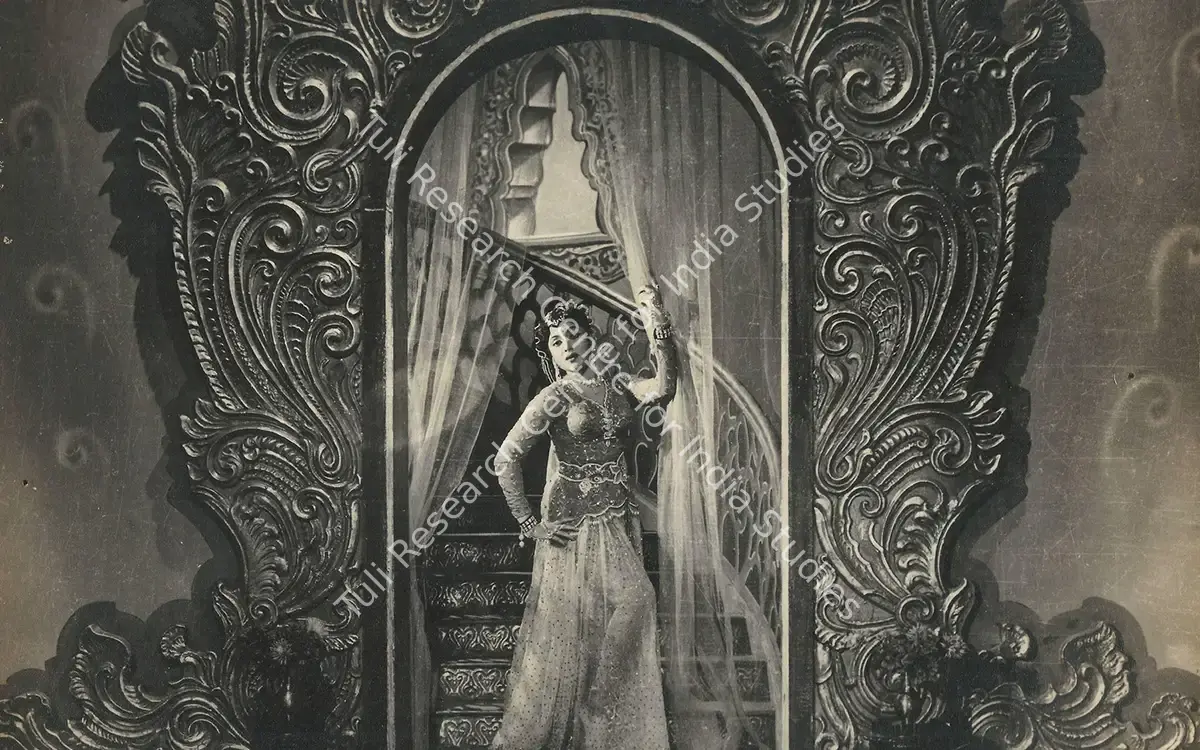
Vyjayanthimala

Vyjayanthimala
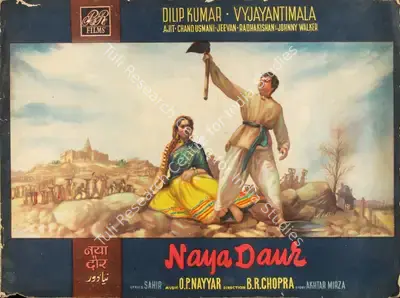
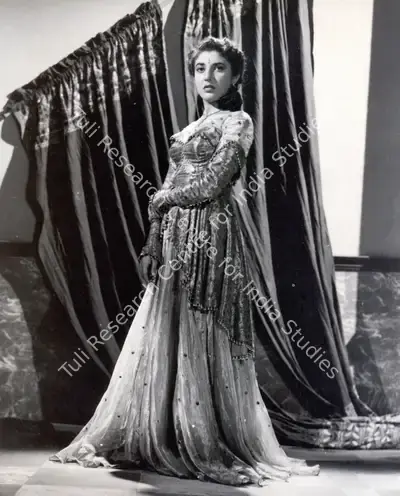
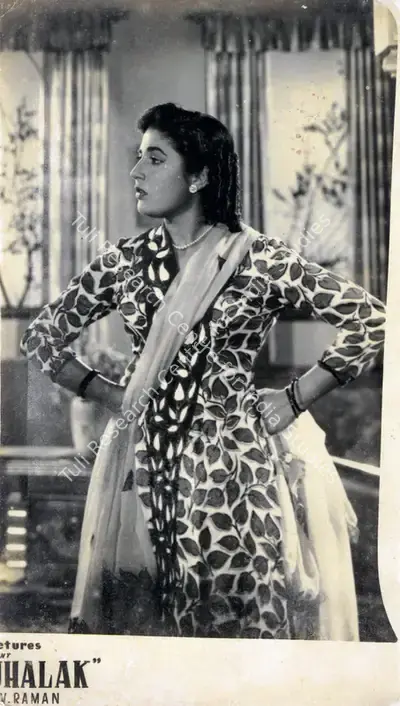
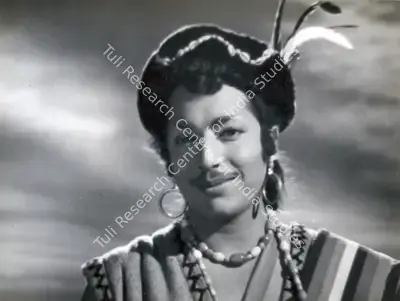
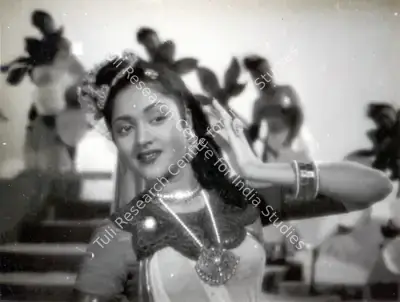
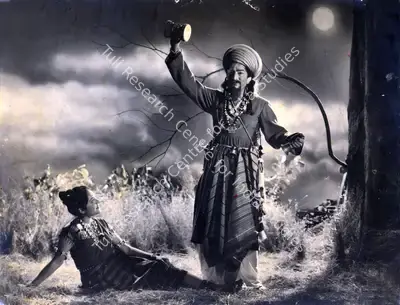
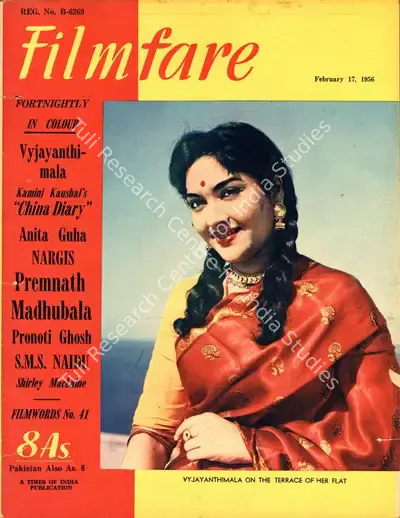
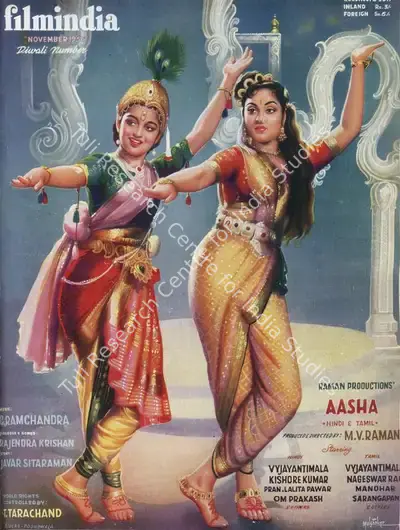
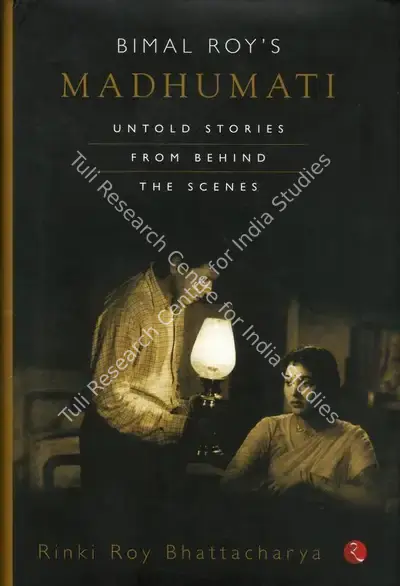
Vyjayanthimala Bali (née Raman; born August 13, 1933) known mononymously as Vyjayanthimala, she stands as one of Indian cinema's most luminous figures — a consummate artist whose grace transcended film, dance, and politics. Hailed as Hindi cinema's first female superstar, she has been the recipient of numerous honours, including four Filmfare Awards, two BFJA Awards, the Padma Shri (1968), the Sangeet Natak Akademi Award, and most recently, the Padma Vibhushan (2024). Born in Chennai's historic Triplicane district near the Parthasarathy Temple, Vyjayanthimala was raised in a devout Tamil Vaishnava household. Her grandmother, Yadugiri Devi, played a pivotal role in her upbringing, while her mother, Vasundhara Devi, was a leading actress of 1940s Tamil cinema whose Mangama Sabatham became the industry's first “colossal” box-office hit. A vegetarian and ardent devotee of Goddess Saraswati and the poet-saint Aandaal, Vyjayanthimala's spirituality continues to inform her artistry — evidenced when, at 90, she performed a Bharatanatyam recital at Ayodhya's Ram Mandir as part of the Raag Sewa series, a performance that captivated audiences across social media. Her journey into performance began precociously; at just seven, she was invited to dance before Pope Pius XII at the Vatican. Educated at Sacred Heart Higher Secondary School, Church Park, she trained in Bharatanatyam under Vazhuvoor Ramaiah Pillai and in Carnatic music under the tutelage of legends such as D.K. Pattammal and M.S. Subbulakshmi. She made her arangetram at thirteen, soon touring extensively across Tamil Nadu. Vyjayanthimala's cinematic debut came with the Tamil film Vaazhkai (1949), followed by Jeevitham (1950) in Telugu and Bahar (1951) in Hindi. Her breakthrough arrived with Nagin (1954), and she soon cemented her status with Devdas (1955), portraying the courtesan Chandramukhi — a performance often hailed as her magnum opus. Rejecting the Filmfare Award for Best Supporting Actress for the role, she asserted her equal stature among the leads, a decision emblematic of her integrity and self-assurance. Through the 1950s and '60s, she headlined a string of classics — Naya Daur, Madhumati, Gunga Jumna, and Sangam — displaying rare versatility. Her portrayal of the courtesan-philosopher in Amrapali (1966) remains an enduring testament to her dramatic depth and grace. Hailed globally as one of the finest actress-dancers, Vyjayanthimala's suppleness, stately poise, and effortless elegance allowed her to execute the most intricate dance movements with consummate ease and precision. Her grace, luminous and timeless, remains unsurpassed to this day. After retiring from films in 1970, Vyjayanthimala devoted herself to classical dance and later entered public life. Elected to the Lok Sabha in 1984 as a Congress candidate, she served with distinction before joining the Bharatiya Janata Party in 1999, citing ideological disillusionment. Today, Vyjayanthimala endures as a paragon of artistic excellence and discipline — an icon who bridged devotion, performance, and public service with unerring dignity.
Vyjayanthimala
Vyjayanthimala Bali (née Raman; born August 13, 1933) known mononymously as Vyjayanthimala, she stands as one of Indian cinema's most luminous figures — a consummate artist whose grace transcended film, dance, and politics. Hailed as Hindi cinema's first female superstar, she has been the recipient of numerous honours, including four Filmfare Awards, two BFJA Awards, the Padma Shri (1968), the Sangeet Natak Akademi Award, and most recently, the Padma Vibhushan (2024). Born in Chennai's historic Triplicane district near the Parthasarathy Temple, Vyjayanthimala was raised in a devout Tamil Vaishnava household. Her grandmother, Yadugiri Devi, played a pivotal role in her upbringing, while her mother, Vasundhara Devi, was a leading actress of 1940s Tamil cinema whose Mangama Sabatham became the industry's first “colossal” box-office hit. A vegetarian and ardent devotee of Goddess Saraswati and the poet-saint Aandaal, Vyjayanthimala's spirituality continues to inform her artistry — evidenced when, at 90, she performed a Bharatanatyam recital at Ayodhya's Ram Mandir as part of the Raag Sewa series, a performance that captivated audiences across social media. Her journey into performance began precociously; at just seven, she was invited to dance before Pope Pius XII at the Vatican. Educated at Sacred Heart Higher Secondary School, Church Park, she trained in Bharatanatyam under Vazhuvoor Ramaiah Pillai and in Carnatic music under the tutelage of legends such as D.K. Pattammal and M.S. Subbulakshmi. She made her arangetram at thirteen, soon touring extensively across Tamil Nadu. Vyjayanthimala's cinematic debut came with the Tamil film Vaazhkai (1949), followed by Jeevitham (1950) in Telugu and Bahar (1951) in Hindi. Her breakthrough arrived with Nagin (1954), and she soon cemented her status with Devdas (1955), portraying the courtesan Chandramukhi — a performance often hailed as her magnum opus. Rejecting the Filmfare Award for Best Supporting Actress for the role, she asserted her equal stature among the leads, a decision emblematic of her integrity and self-assurance. Through the 1950s and '60s, she headlined a string of classics — Naya Daur, Madhumati, Gunga Jumna, and Sangam — displaying rare versatility. Her portrayal of the courtesan-philosopher in Amrapali (1966) remains an enduring testament to her dramatic depth and grace. Hailed globally as one of the finest actress-dancers, Vyjayanthimala's suppleness, stately poise, and effortless elegance allowed her to execute the most intricate dance movements with consummate ease and precision. Her grace, luminous and timeless, remains unsurpassed to this day. After retiring from films in 1970, Vyjayanthimala devoted herself to classical dance and later entered public life. Elected to the Lok Sabha in 1984 as a Congress candidate, she served with distinction before joining the Bharatiya Janata Party in 1999, citing ideological disillusionment. Today, Vyjayanthimala endures as a paragon of artistic excellence and discipline — an icon who bridged devotion, performance, and public service with unerring dignity.

Introduction


Age

89


Age

89


Filmography

Print
filter
1951

Bahar | Hindi | Actor

Booklet
1952

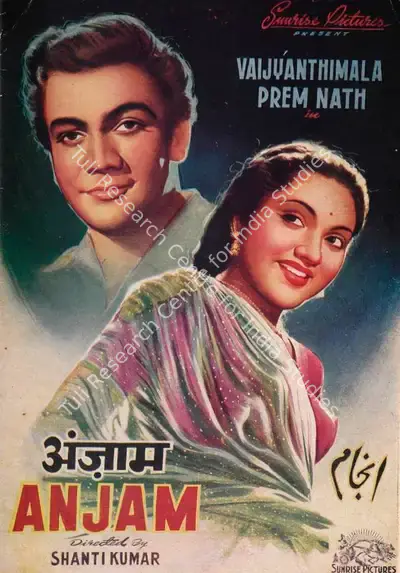
Anjam | Hindi | Actor

Booklet
1953

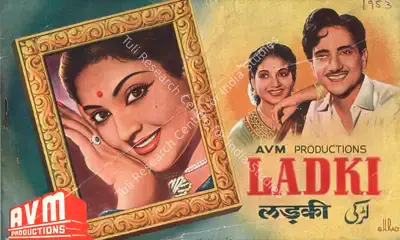
Ladki | Hindi | Actor

Booklet
1954

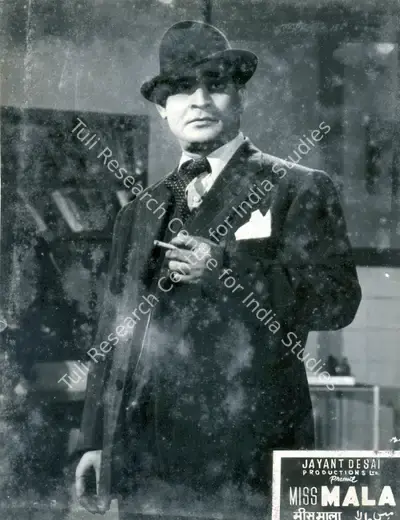
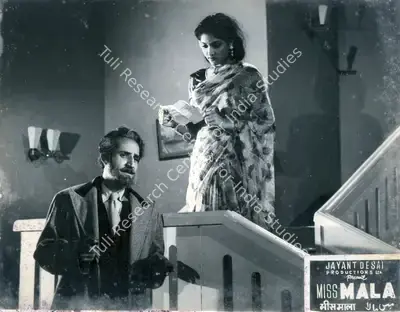
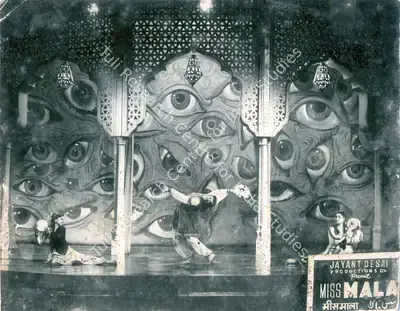
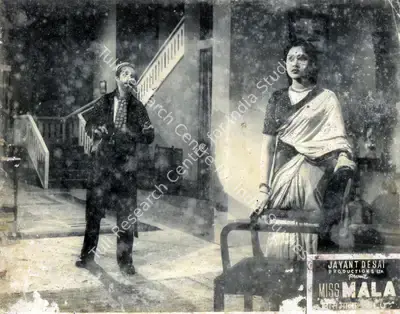
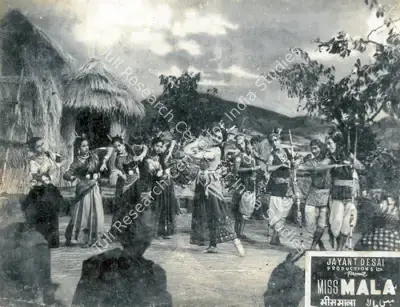
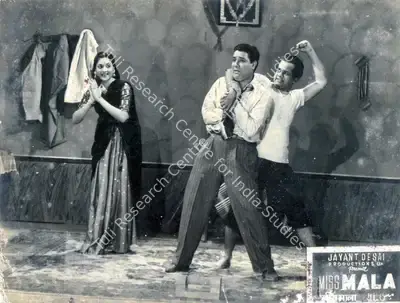
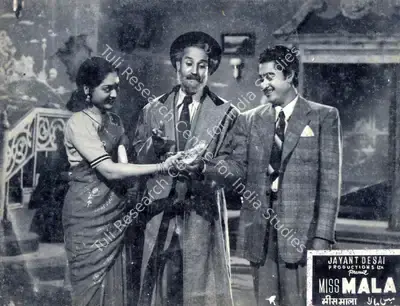
Miss Mala | Hindi | Actor

Booklet
1954

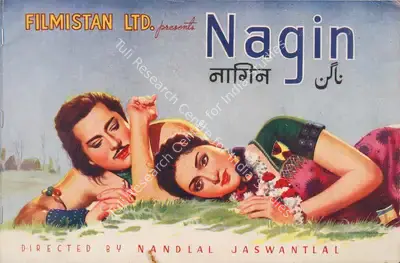
Nagin | Hindi | Actor

Fiction | Booklet
1954

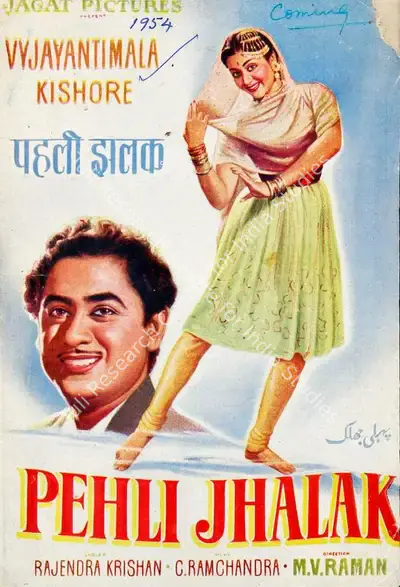
Pehli Jhalak | Hindi | Actor

Booklet
1955

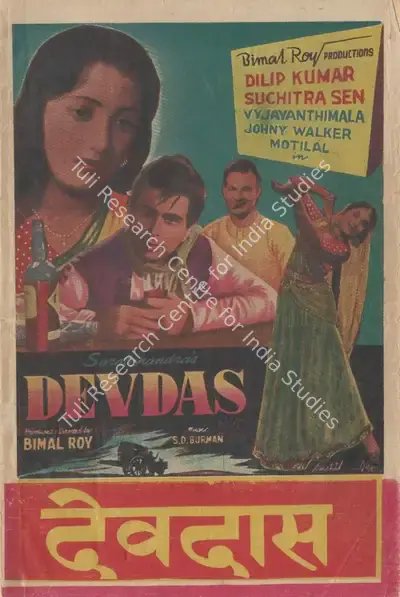
Devdas | Hindi | Actor

Feature | Fiction | Black and White | Booklet
1955

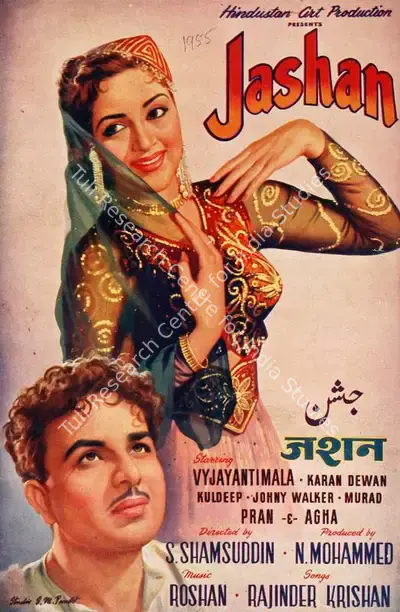
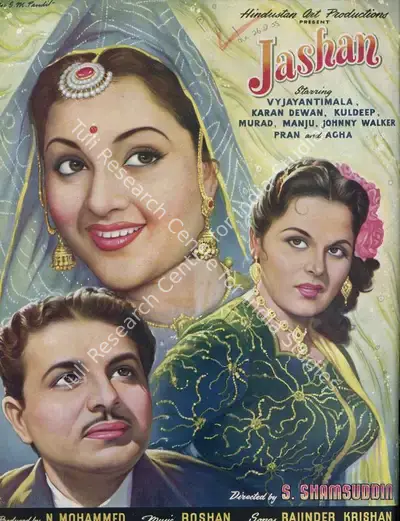
Jashan | Hindi | Actor

Feature | Fiction | Black and White | Booklet

Research Centre
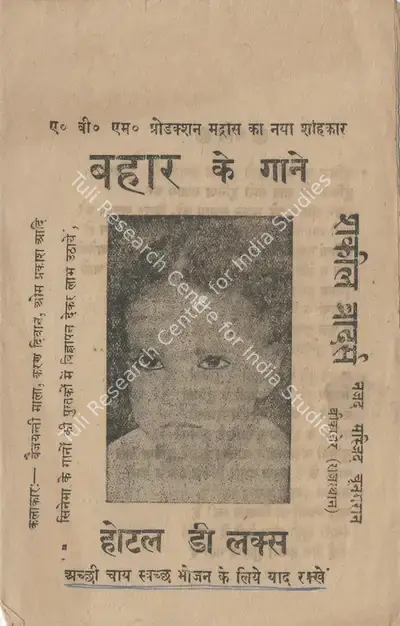
Raman, M.V. (Director), Bahar, 1951 | Cyclostyled Lyrics Leaflet

Raman, M.V. (Director), Bahar, 1951 | Cyclostyled Lyrics Leaflet

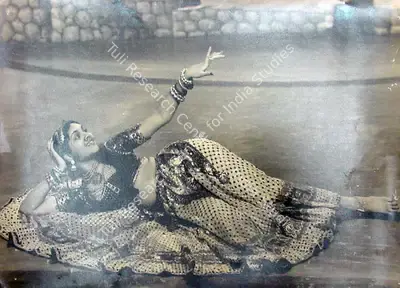
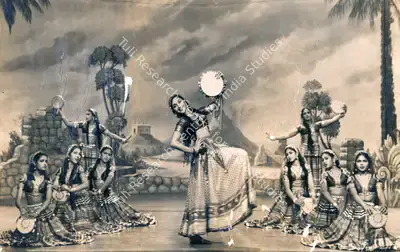
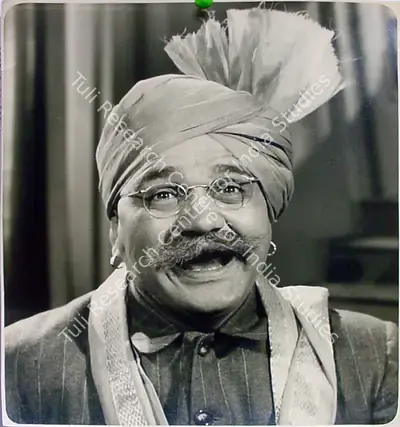
V, M (Director), Bahar, 1951 | Photographic Still

V, M (Director), Bahar, 1951 | Photographic Still

V, M (Director), Bahar, 1951 | Photographic Still

V, M (Director), Bahar, 1951 | Photographic Still

Vyas, V.M. (Producer), Anjam, 1952 | Song-Synopsis Booklet

Vyas, V.M. (Producer), Anjam, 1952 | Song-Synopsis Booklet

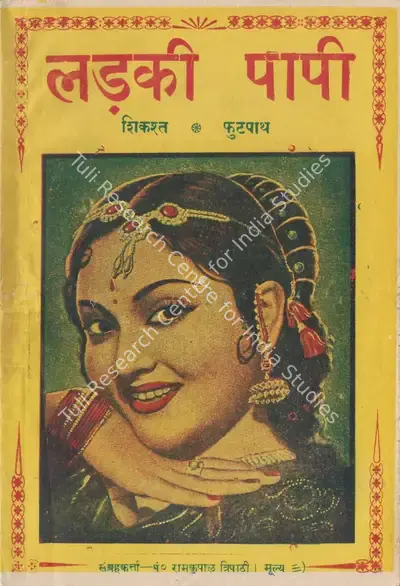
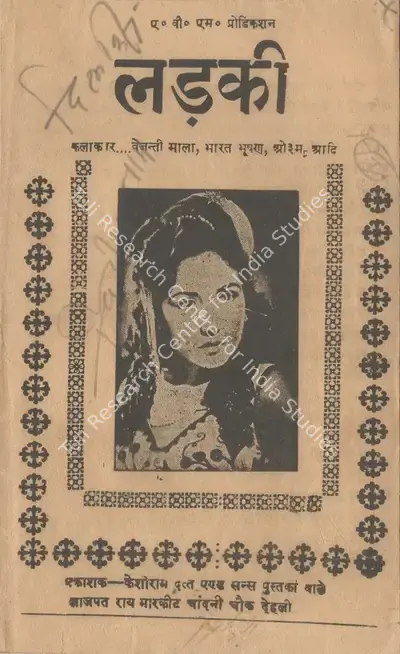
Meiyappan, A.V. (Producer), Ladki, 1953 | Song-Synopsis Booklet

Meiyappan, A.V. (Producer), Ladki, 1953 | Song-Synopsis Booklet

Meiyappan, A.V. (Producer), Ladki, 1953 | Cyclostyled Lyrics Leaflet

Meiyappan, A.V. (Producer), Ladki, 1953 | Cyclostyled Lyrics Leaflet

Meiyappan, A.V. (Producer), Ladki, 1953 | Cyclostyled Lyrics Leaflet

Meiyappan, A.V. (Producer), Ladki, 1953 | Cyclostyled Lyrics Leaflet

Meiyappan, A.V. (Producer), Ladki, 1953 | Photographic Still

Meiyappan, A.V. (Producer), Ladki, 1953 | Photographic Still

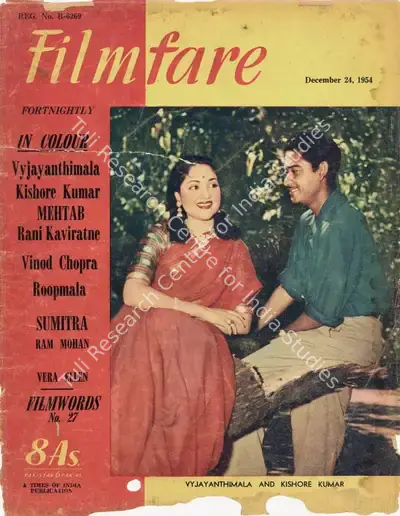
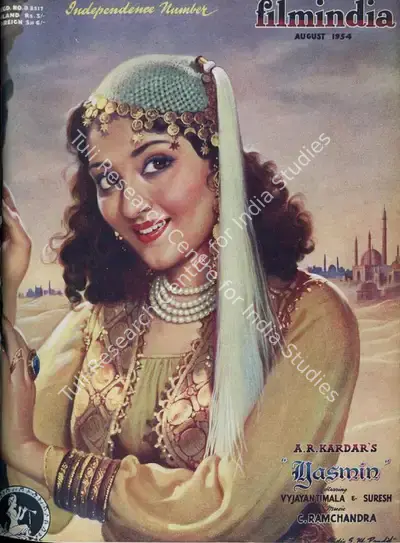
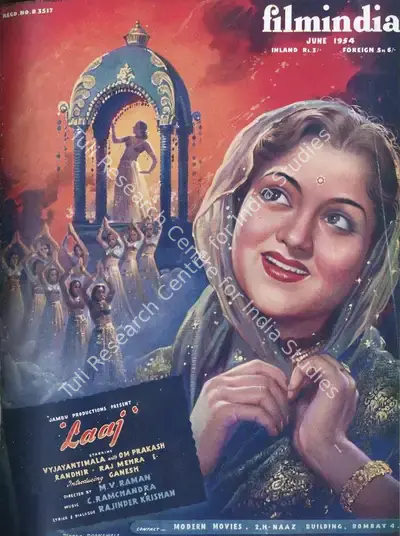
Jain, J.C. (Editor). Filmfare, 24 December 1954 | Magazine | 00793166
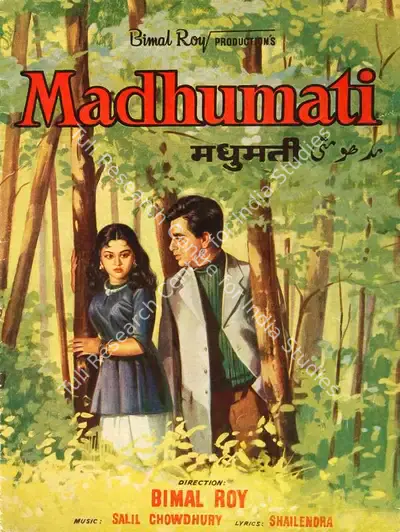
Jain, J.C. (Editor). Filmfare, 24 December 1954 | Magazine | 00793166

Narain, Jagat (Producer), Pehli Jhalak, 1954 | Song-Synopsis Booklet

Narain, Jagat (Producer), Pehli Jhalak, 1954 | Song-Synopsis Booklet

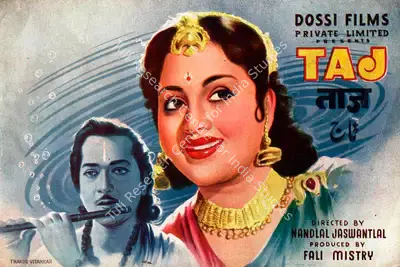
Jashwantlal, Nandlal (Director), Nagin, 1954 | Song-Synopsis Booklet

Jashwantlal, Nandlal (Director), Nagin, 1954 | Song-Synopsis Booklet

Narain, Jagat (Producer), Pehli Jhalak, 1954 | Full Sheet Poster

Narain, Jagat (Producer), Pehli Jhalak, 1954 | Full Sheet Poster

Jashwantlal, Nandlal (Director), Nagin, 1954 | Half Sheet Poster

Jashwantlal, Nandlal (Director), Nagin, 1954 | Half Sheet Poster

Vitankar, Thakur (Designer), Nagin, 1954 | Half Sheet Poster

Vitankar, Thakur (Designer), Nagin, 1954 | Half Sheet Poster

Narain, Jagat (Producer), Pehli Jhalak, 1954 | Photographic Still

Narain, Jagat (Producer), Pehli Jhalak, 1954 | Photographic Still

Narain, Jagat (Producer), Pehli Jhalak, 1954 | Photographic Still

Narain, Jagat (Producer), Pehli Jhalak, 1954 | Photographic Still

Jashwantlal, Nandlal (Director), Nagin, 1954 | Photographic Still

Jashwantlal, Nandlal (Director), Nagin, 1954 | Photographic Still

Jashwantlal, Nandlal (Director), Nagin, 1954 | Photographic Still

Jashwantlal, Nandlal (Director), Nagin, 1954 | Photographic Still

Jashwantlal, Nandlal (Director), Nagin, 1954 | Photographic Still

Jashwantlal, Nandlal (Director), Nagin, 1954 | Photographic Still

Desai, Jayant (Director), Miss Mala, 1954 | Photographic Still

Desai, Jayant (Director), Miss Mala, 1954 | Photographic Still

Loading...
TRIS logo image