

Introduction
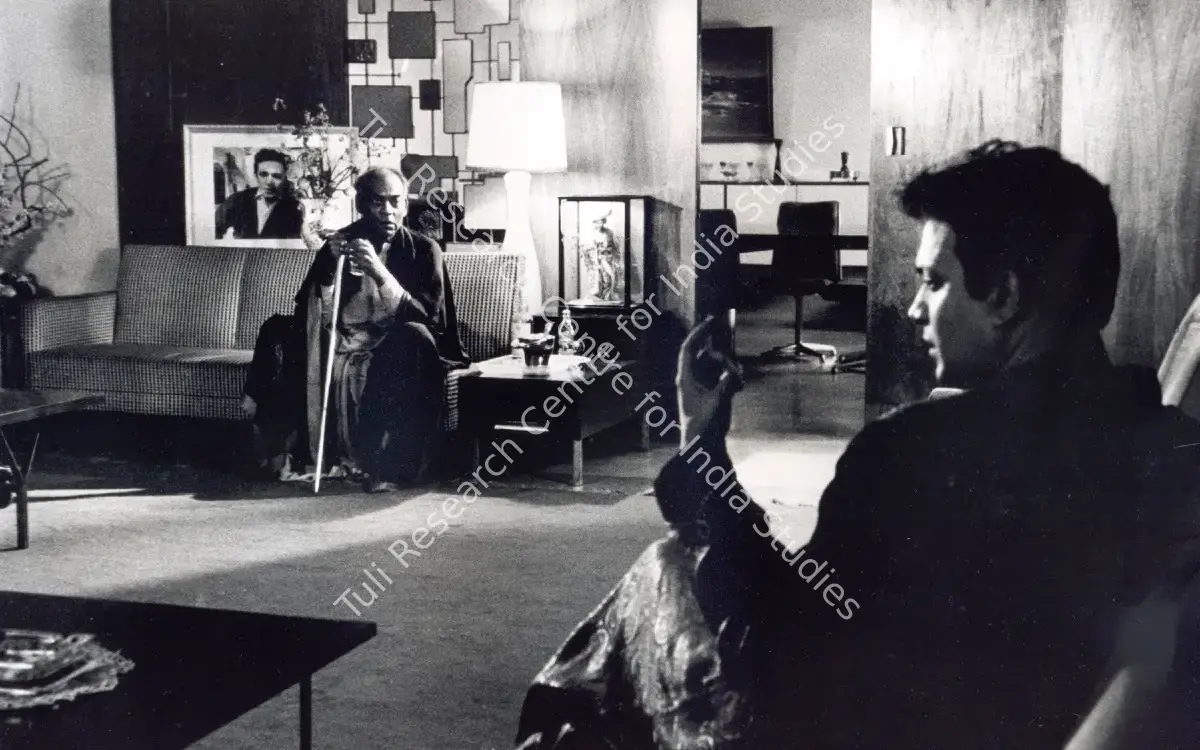
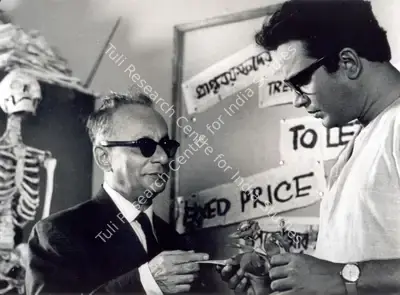
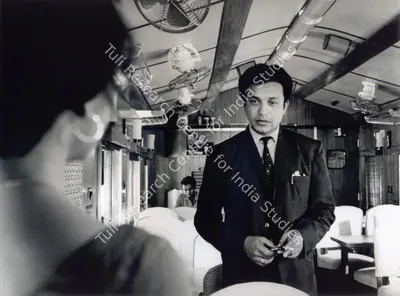
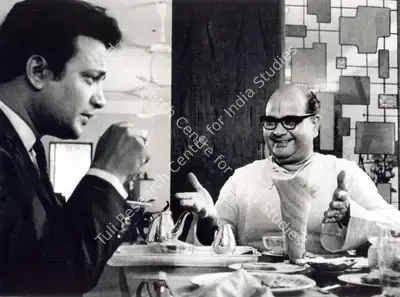
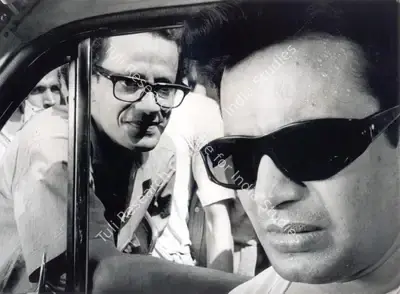
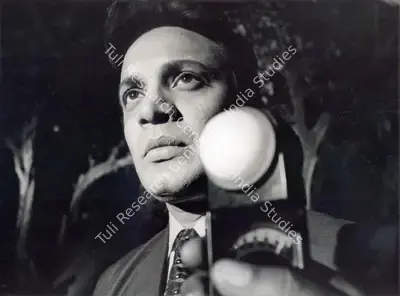
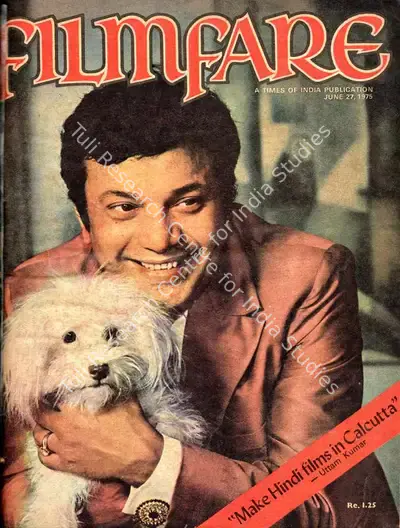
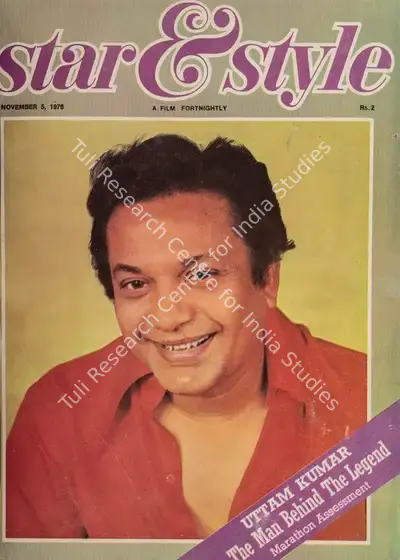
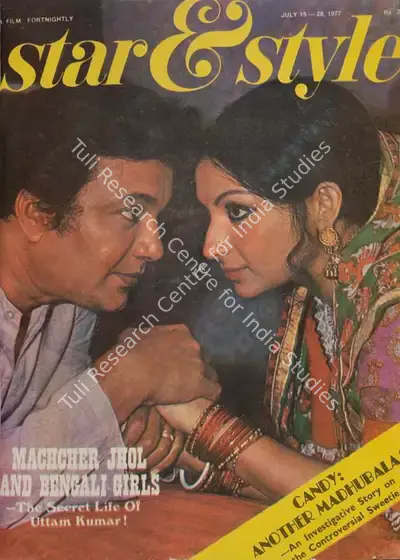
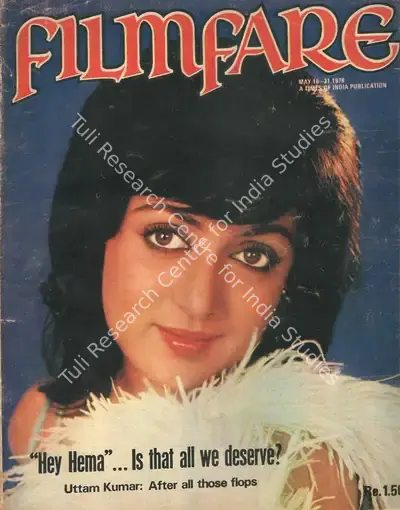
Uttam Kumar (3 September 1926 – 24 July 1980) Born Arun Kumar Chattopadhyay, he remains one of the most iconic figures in Indian cinema, particularly within the Bengali film industry, where he dominated from the 1950s through the 1970s. Reverentially known as the “Mahanayak” (Great Hero), his career spanned acting, direction, production, screenwriting, music composition, and playback singing. Over a prolific career of more than three decades, he appeared in over 200 films, shaping both the popular and critical contours of Bengali cinema.
Born in north Calcutta (now Kolkata) into a middle-class family, Kumar's early engagement with performance emerged through amateur theatre and the jatra tradition. After completing his education and briefly working at the Calcutta Port Trust, he transitioned into films with Drishtidan (1948). Following early struggles, he achieved his first major success with Basu Paribar (1952), establishing himself as a leading actor.
His ascent to stardom was consolidated with Sharey Chuattor (1953), which also marked the beginning of his celebrated on-screen partnership with Suchitra Sen. Their collaboration in Agni Pariksha (1954) became a landmark in Bengali romantic cinema, solidifying his image as a romantic lead. However, Kumar's repertoire extended far beyond romance, as demonstrated in films such as Saheb Bibi Golam (1956), Jhinder Bondi (1961), and Sesh Anka (1963), which showcased his versatility across dramatic and thriller genres.
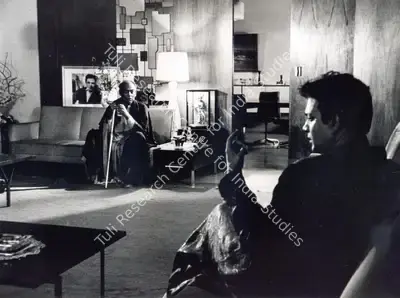
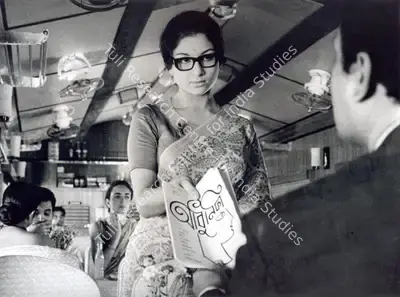
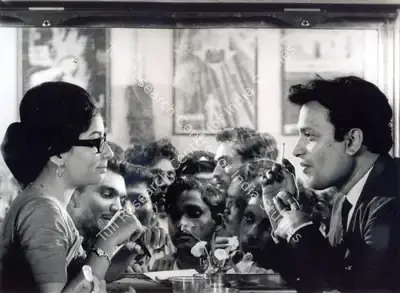
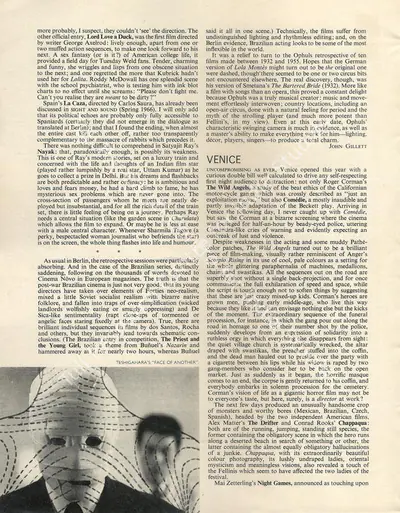
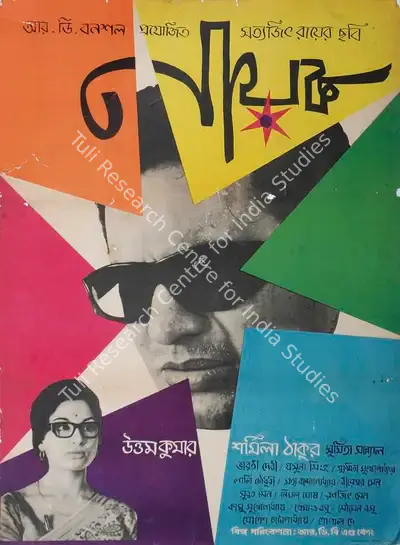
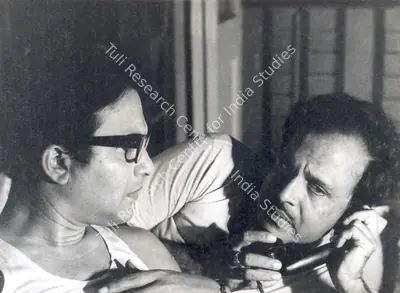
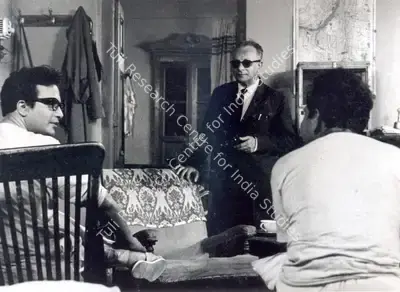
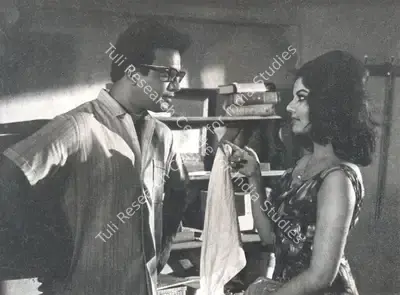
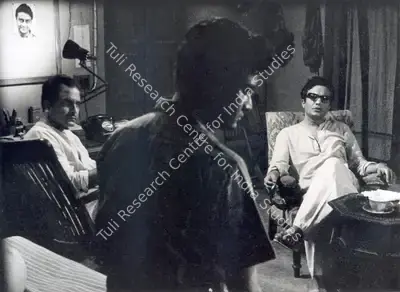
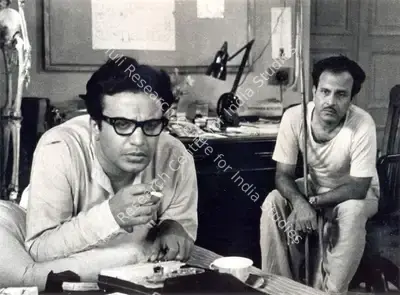
The 1960s marked a period of artistic consolidation and experimentation. Notable performances in Maya Mriga (1960) and Khokababur Pratyabartan (1960) revealed his capacity for emotional nuance, while Kuhak (1960) reflected his willingness to explore darker roles. His collaboration with Satyajit Ray in Nayak (1966) brought him international recognition, including acclaim at the Berlin International Film Festival. Concurrently, his association and often-compared presence alongside Soumitra Chatterjee highlighted two distinct acting traditions within Bengali cinema.
By the late 1960s and into the 1970s, Kumar achieved both superstardom and artistic maturity. Films such as Chowringhee (1968) and Nishi Padma (1970) reinforced his enduring popularity. His performance in Amanush (1975) marked a major commercial and critical triumph, becoming one of the most successful films of his career. The year 1975 is widely regarded as his annus mirabilis, with a remarkable series of successes including Mouchak (1975), Sanyasi Raja (1975), and Agnishwar (1975), underscoring his adaptability across genres.
In his personal life, Kumar married Gauri Chatterjee in 1948, and the couple had a son, Gautam Chatterjee. However, the marriage was widely understood to be strained over time. Kumar subsequently developed a long-standing and publicly discussed relationship with actress Supriya Devi, who was also one of his frequent collaborators on screen. Their companionship, which endured for decades, became a subject of considerable public and media attention, reflecting both the complexities of his private life and the intersection of personal and professional spheres within the film industry.
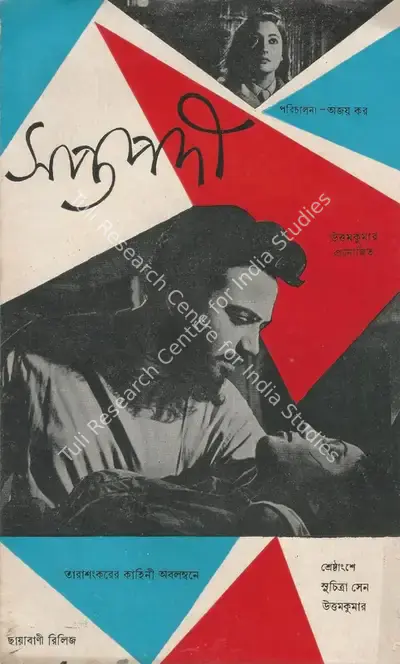
Despite a relative decline in box-office dominance in his later years, Kumar continued to deliver notable performances while maintaining his cultural stature. His contributions extended beyond cinema into theatre and public life, including support for the Indian National Army. He was also the first recipient of the National Film Award for Best Actor for his performances in Chiriyakhana (1967) and Anthony Firingee (1967). Throughout his career, Uttam Kumar received extensive national acclaim, notably becoming the first Best Actor awardee at the National Film Awards in 1968 for Antony Firingee (1967) and Chiriyakhana (1967). He was also honoured for Harano Sur (1955) and Saptapadi (1961). His legacy endures through posthumous tributes, including commemorative memorials and institutional recognitions.
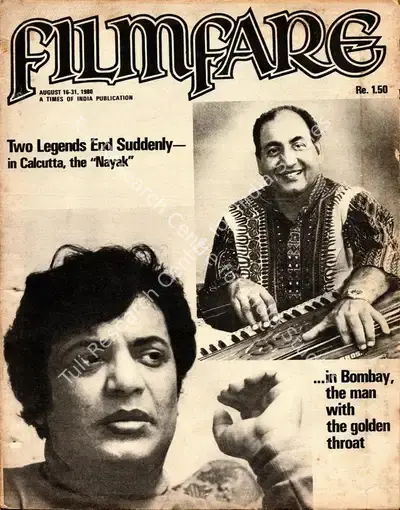
Kumar passed away on 24 July 1980 at the age of 53 following a sudden illness. His legacy endures through an extensive filmography and a profound influence on the evolution of screen acting and stardom in Indian cinema.
उत्तरी कलकत्ता (अब कोलकाता) में एक मध्यमवर्गीय परिवार में जन्मे कुमार का अभिनय से प्रारंभिक जुड़ाव शौकिया रंगमंच और जात्रा परंपरा के माध्यम से हुआ। अपनी शिक्षा पूरी करने और कलकत्ता पोर्ट ट्रस्ट में थोड़े दिन काम करने के बाद, उन्होंने दृष्टिदान (1948) से फ़िल्मों में कदम रखा। शुरुआती संघर्षों के बाद, उन्हें बासु परिवार (1952) से पहली बड़ी सफलता मिली और वे एक प्रमुख अभिनेता के रूप में स्थापित हो गए।
शेरी चुआटोर (1953) से उनकी स्टारडम की यात्रा और भी मज़बूत हो गई, इसी फ़िल्म से सुचित्रा सेन के साथ उनकी मशहूर जोड़ी की शुरुआत हुई। अग्नि परीक्षा (1954) में उनकी जोड़ी बंगाली रोमांटिक सिनेमा में एक मील का पत्थर साबित हुआ और एक रोमांटिक हीरो के रूप में उनकी छवि को और भी पुख़्ता कर दिया। हालांकि, कुमार की अभिनय क्षमता रोमांस से कहीं आगे तक फैली हुई थी, जैसा कि साहेब बीबी गुलाम (1956), झिंदर बोंडी (1961) और शेष अंका (1963) जैसी फ़िल्मों में देखा जा सकता है, जिन्होंने नाटकीय और थ्रिलर दोनों शैलियों में उनकी बहुमुखी प्रतिभा को प्रदर्शित किया।
1960 का दशक कलात्मक पुख़्तग़ी और प्रयोगों का दौर था। माया मृगा (1960) और खोकाबाबुर प्रत्याबार्तन (1960) में उनके उल्लेखनीय अभिनय ने उनकी भावनात्मक बारीकी की क्षमता को उजागर किया, जबकि कुहक् (1960) में उन्होंने गंभीर भूमिकाओं को निभाने की अपनी तत्परता दिखाई। सत्यजीत रे के साथ नायक (1966) में उनके सहयोग ने उन्हें बर्लिन अंतर्राष्ट्रीय फ़िल्म महोत्सव में प्रशंसा सहित अंतर्राष्ट्रीय पहचान दिलाई। साथ ही, सौमित्र चटर्जी के साथ उनकी संगति और अक्सर उनकी तुलना की जाने वाली उपस्थिति ने बंगाली सिनेमा के भीतर दो अलग-अलग अभिनय परंपराओं को उजागर किया।
1960 के दशक के अंत और 1970 के दशक की शुरुआत में, कुमार ने सुपरस्टारडम और कलात्मक परिपक्वता दोनों हासिल कर ली थी। चौरंगी (1968) और निशी पद्मा (1970) जैसी फ़िल्मों ने उनकी लोकप्रियता को और मज़बूत किया। अमानुष (1975) में उनके अभिनय ने व्यावसायिक और समीक्षकों दोनों ही दृष्टि से बड़ी सफलता दिलाई और यह उनके करियर की सबसे सफल फ़िल्मों में से एक बन गई। वर्ष 1975 को व्यापक रूप से उनका स्वर्णिम वर्ष माना जाता है, जिसमें मौचक (1975), संन्यासी राजा (1975) और अग्निश्वर (1975) जैसी कई उल्लेखनीय सफल फ़िल्में शामिल हैं, जो अलग-अलग अंदाज़ में उनकी ढ़लने की क्षमता को दर्शाती हैं।
निजी जीवन में कुमार ने 1948 में गौरी चटर्जी से विवाह किया और इस दंपति का एक पुत्र गौतम चटर्जी हुआ। हालांकि, यह माना जाता था कि समय के साथ उनके वैवाहिक जीवन में तनाव आ गया था। इसके बाद कुमार का अभिनेत्री सुप्रिया देवी के साथ एक लंबा और चर्चित रिश्ता रहा, जो उनकी अक्सर साथ काम करने वाली सह-कलाकारों में से एक थीं। दशकों तक चले उनके इस रिश्ते ने सार्वजनिक और मीडिया का काफी ध्यान आकर्षित किया, जो उनके निजी जीवन की जटिलताओं और फ़िल्म उद्योग में व्यक्तिगत और व्यावसायिक जीवन के अंतर्संबंधों को दर्शाता है।
अपने जीवन के अंतिम वर्षों में बॉक्स ऑफ़िस पर उनकी लोकप्रियता में अपेक्षाकृत गिरावट के बावजूद, कुमार ने शानदार अभिनय करते हुए अपनी सांस्कृतिक प्रतिष्ठा को बरक़रार रखा। सिनेमा के अलावा रंगमंच और सार्वजनिक जीवन में भी उनका योगदान रहा, जिसमें भारतीय सेना को समर्थन देना भी शामिल है। उन्हें चिड़ियाख़ाना (1967) और एंथोनी फ़िरंगी (1967) में अपने अभिनय के लिए सर्वश्रेष्ठ अभिनेता का राष्ट्रीय फ़िल्म पुरस्कार प्राप्त करने वाले पहले व्यक्ति होने का गौरव प्राप्त हुआ। अपने पूरे करियर के दौरान, उत्तम कुमार को राष्ट्रीय स्तर पर व्यापक प्रशंसा मिली, विशेष रूप से 1968 में एंटोनी फ़िरंगी (1967) और चिड़ियाखाना (1967) के लिए सर्वश्रेष्ठ अभिनेता का पुरस्कार जीतने वाले पहले व्यक्ति बनकर। उन्हें हरानो सुर (1955) और सप्तपदी (1961) के लिए भी सम्मानित किया गया। उनकी विरासत मरणोपरांत श्रद्धांजलियाँ, स्मारकों और संस्थागत सम्मानों के माध्यम से जीवित है।
कुमार का निधन 24 जुलाई 1980 को 53 वर्ष की आयु में अचानक बीमारी के कारण हो गया। उनकी विरासत उनकी व्यापक फ़िल्मोग्राफ़ी और भारतीय सिनेमा में अभिनय और स्टारडम के विकास पर उनके गहरे प्रभाव के माध्यम से क़ायम है।
Filmography 37
Research Centre


Calendar 1
- ArchivedExhibitionProject 2Self-Discovery via Rediscovering India Series Part II India's Cinematic Heritage12th - 24th August 2024Self-Discovery via Rediscovering India Series Part IIRead More →
Related
29
Films
19
Personalities
10