
Introduction
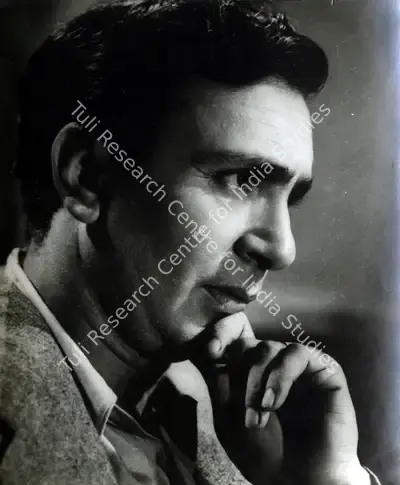
Manna Dey (born Prabodh Chandra Dey on 1 May 1919 in Calcutta - 24 October 2013) emerged as one of the most versatile and intellectually grounded voices in Indian playback singing. Trained within the Bhendi Bazaar gharana under Ustad Aman Ali Khan, and further guided by his uncle Krishna Chandra Dey and Ustad Dabir Khan, he developed a formidable command over Hindustani classical idioms. This rigorous training enabled him to bridge the divide between classical and popular music, bringing sophisticated ragas into the accessible framework of Hindi cinema during its mid-twentieth-century golden era.
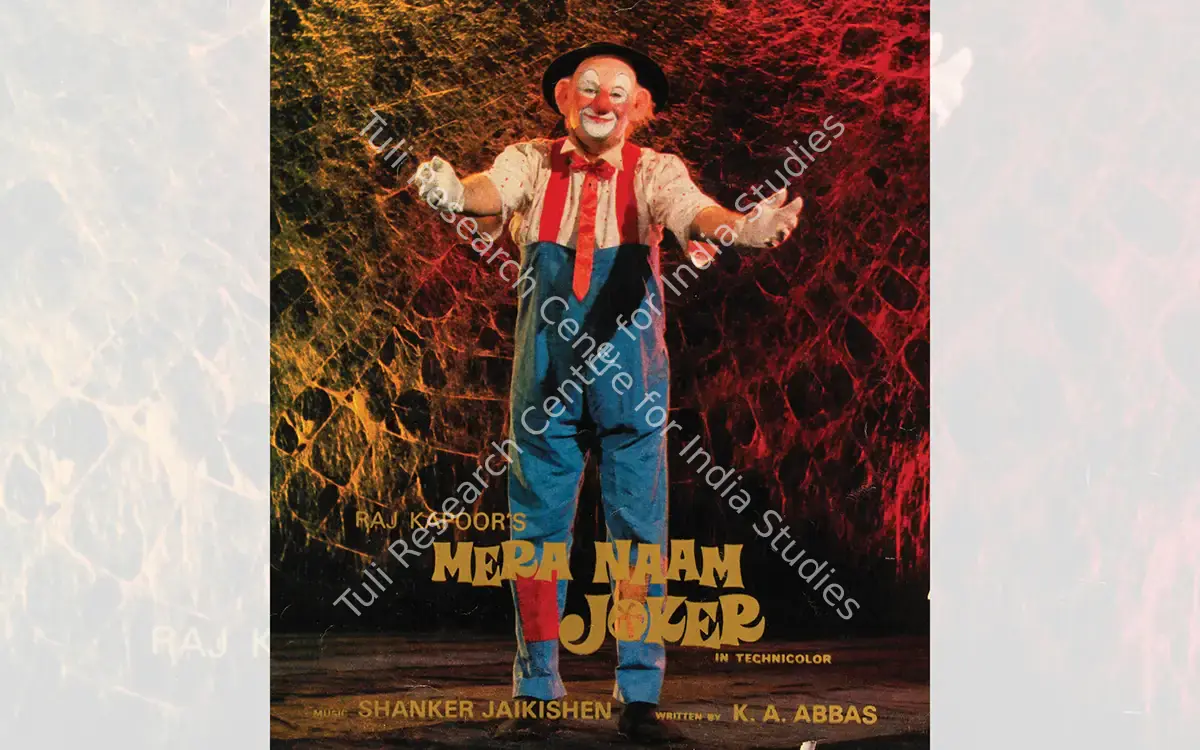
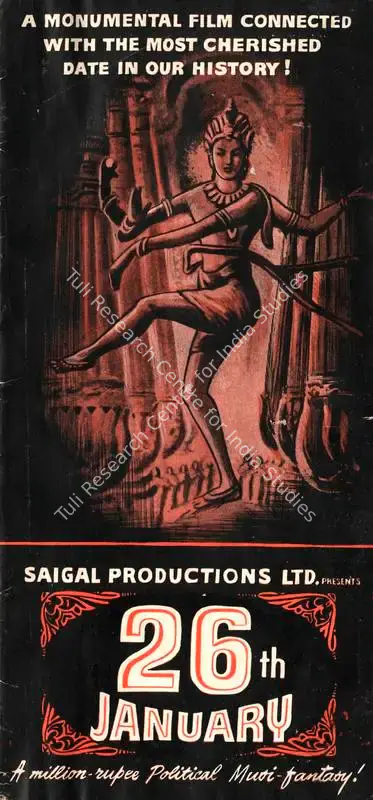
Dey's early education at Scottish Church College and Vidyasagar College was complemented by a strong interest in sports, though music remained his principal calling. His professional debut came with Tamanna (1942), where he performed the duet Jago Aayee Usha Ponchi Boley Jago (1942) alongside Suraiya. His first notable solo, Gayi Tu Gayi Seeta Sati (1943) from Ram Rajya (1943), established him as a singer of devotional depth, reportedly earning the distinction of being among the few film songs heard by Mahatma Gandhi. His most notable works, besides innumerable popular numbers, include Laga Chunari Mein Daag (1963) from Dil Hi To Hai (1963), Ae Bhai Zara Dekh Ke Chalo (1970) from Mera Naam Joker (1970), and Yari Hai Imaan Mera (1973) from Zanjeer (1973).
Over a career spanning more than five decades, Dey recorded approximately 3,500 songs across Hindi, Bengali, and numerous regional languages. His ascent to prominence occurred between the 1950s and 1970s, when his technical brilliance and expressive range distinguished him within a competitive industry. His repertoire ranged from intricate classical compositions such as Poochho Na Kaise Maine Rain Bitayi (1963) from Meri Surat Teri Ankhen (1963) and Kaun Aaya Mere Man Ke Dware (1957) from Dekh Kabira Roya (1957) to light-hearted, rhythmically inventive pieces like Ek Chatur Naar Karke Sringar (1968) from Padosan (1968) and Aao Twist Karen (1965) from Bhoot Bungla (1965).
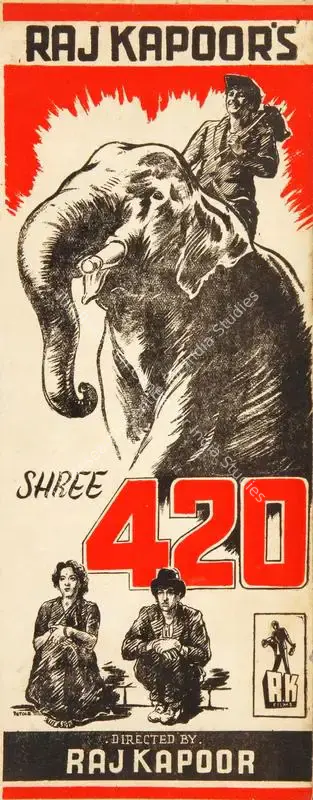
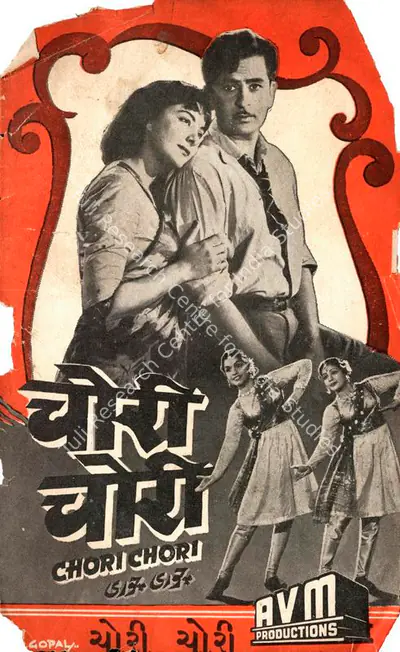
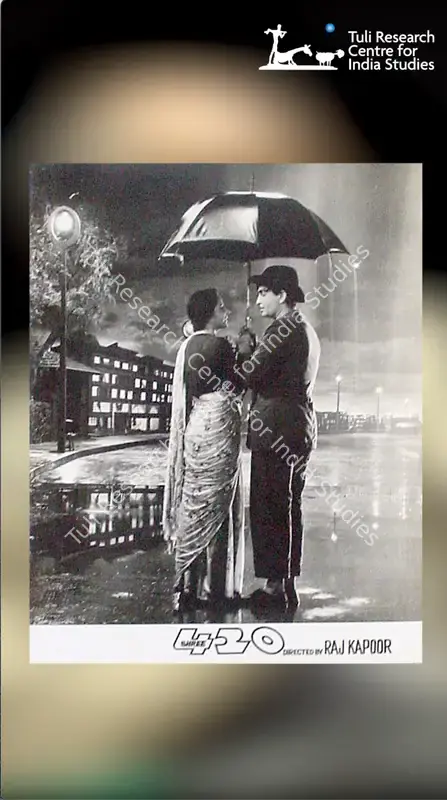
Dey's romantic and popular appeal was equally significant, reflected in enduring songs such as Pyar Hua Iqrar Hua (1955) from Shree 420 (1955), Yeh Raat Bheegi Bheegi (1956) and Aaja Sanam Madhur Chandni Men (1956) from Chori Chori (1956). His philosophical and emotive depth found expression in Zindagi Kaisi Hai Paheli (1971) from Anand (1971), while patriotic sentiment resonated in Ae Mere Pyare Watan (1961) from Kabuliwala (1961).
A renewed phase in his career emerged in the 1970s through collaborations in films featuring Rajesh Khanna, including Bawarchi (1972) and Avishkaar (1973). In Bengali music, his cultural impact was equally profound, exemplified by Coffee Houser Sei Addata (1983) and earlier classics such as Hoyto Tomari Janya (1969) from Teen Bhubaner Paare (1969).
Honoured with the Padma Shri in 1971, the Padma Bhushan in 2005, and the Dadasaheb Phalke Award in 2007, Dey's contributions remain foundational to Indian film music. He spent his later years in Bengaluru following the death of his wife Sulochana in 2012. After a brief illness, he died on 24 October 2013 at the age of ninety-four, leaving behind a legacy defined by technical mastery, stylistic breadth, and enduring cultural resonance.
डे की प्रारंभिक शिक्षा स्कॉटिश चर्च कॉलेज़ और विद्यासागर कॉलेज़ में हुई, इस दौरान खेलों में भी उनकी गहरी रुचि थी, हालांकि संगीत ही उनका मुख्य लक्ष्य बना रहा। उन्होंने अपनी पेशेवर करियर की शुरुआत तमन्ना (1942) से की, जिसमें उन्होंने सुरैया के साथ युगल गीत जागो आई उषा पोंची बोले जागो (1942) गाया। राम राज्य (1943) से उनका पहला उल्लेखनीय एकल गीत, गई तू गई सीता सती (1943), ने उन्हें भक्तिमय भावों के धनी गायक के रूप में स्थापित किया और इस गीत के बारे कहा जाता है कि महात्मा गांधी द्वारा सुने गए कुछ फ़िल्मी गीतों में से एक होने का गौरव प्राप्त किया। अनगिनत लोकप्रिय गीतों के अलावा, उनके सबसे उल्लेखनीय कार्यों में दिल ही तो है (1963) फ़िल्म में लागा चुनरी में दाग (1963), मेरा नाम जोकर (1970) में ऐ भाई ज़रा देख के चलो (1970), और ज़ंजीर (1973) में यारी है ईमान मेरा (1973) शामिल हैं।
पांच दशकों से अधिक लंबे अपने करियर में मन्ना डे ने हिंदी, बंगाली और कई क्षेत्रीय भाषाओं में लगभग 3,500 गाने रिकॉर्ड किए। उनकी प्रसिद्धि 1950 और 1970 के दशक के बीच बढ़ी, जब उनकी गाने की तकनीकी प्रतिभा और भावपूर्ण क्षमता ने उन्हें प्रतिस्पर्धी संगीत जगत में विशिष्ट स्थान दिलाया। उनके संगीत में जटिल शास्त्रीय रचनाएँ जैसे 'मेरी सूरत तेरी आँखें' (1963) में 'पूछो ना कैसे मैंने रैन बिताई' (1963) और 'देख कबीरा रोया' (1957) में 'कौन आया मेरे मन के द्वारे' (1957) से लेकर हल्के-फुल्के, लयबद्ध रूप से नवीन गीत जैसे 'पड़ोसन' (1968) में 'एक चतुर नार करके श्रृंगार' (1968) और 'भूत बंगला' (1965) में 'आओ ट्विस्ट करें' (1965) तक शामिल हैं।
डे का रोमांटिक और लोकप्रिय अपील भी उतनी ही महत्वपूर्ण थी, जो उनके कई कालजयी गीतों में स्पष्ट दिखाई देता है, जैसे श्री 420 (1955) का प्यार हुआ इक़रार हुआ (1955), तथा चोरी चोरी (1956) के ये रात भीगी भीगी (1956) और आजा सनम मधुर चांदनी में (1956)। उनकी दार्शनिक और भावनात्मक गहराई का प्रभाव आनंद (1971) के गीत ज़िंदगी कैसी है पहेली (1971) में देखने को मिलता है, जबकि देशभक्ति की भावना काबुलीवाला (1961) के ऐ मेरे प्यारे वतन (1961) में अभिव्यक्त होती है।
1970 के दशक में उनके करियर में एक नया चरण आया, जब उन्होंने राजेश खन्ना अभिनीत फ़िल्मों जैसे बावर्ची (1972) और अविष्कार (1973) में सहयोग किया। बंगाली संगीत में भी उनका सांस्कृतिक प्रभाव अत्यंत गहरा रहा, जिसका उदाहरण कॉफी हाउसर सेई अडाटा (1983) और इससे पहले के क्लासिक गीत होयतो तोमारी जान्या (1969) फ़िल्म तीन भुवनेर पार (1969) से मिलता है।
1971 में पद्म श्री, 2005 में पद्म भूषण और 2007 में दादासाहेब फाल्के पुरस्कार से सम्मानित, डे का योगदान भारतीय फ़िल्म संगीत की नींव में अत्यंत महत्वपूर्ण माना जाता है। 2012 में अपनी पत्नी सुलोचना के निधन के बाद उन्होंने अपने जीवन के अंतिम वर्ष बेंगलुरु में बिताए। कुछ समय की बीमारी के बाद, 24 अक्टूबर 2013 को 94 वर्ष की आयु में उनका निधन हो गया। वे अपने पीछे तकनीकी दक्षता, शैलीगत विविधता और अमिट सांस्कृतिक प्रभाव की विरासत छोड़ गए।
Filmography 173
Research Centre

Posts 1
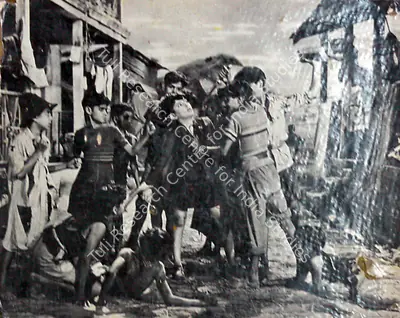
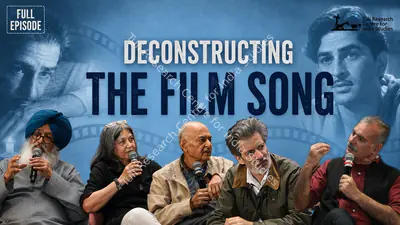
- "Pyar Hua Ikrar Hua" from Shree 420 (1955) at first glance is a song about two people standing in the rain, declaring their love for each other with nothing to their names. This conversation between the panelists peels back the layers, finding in it a richness that a casual listen rarely reveals. Filmmaker-Lyricist Amit Khanna opens with an anecdote about the battle between Raj Kapoor and Shankar-Jaikishan over whether Manna Dey or Mukesh should sing the song. It was Manna Dey who finally got the opportunity, and his voice immortalised it. Ravikant, Professor, CSDS (The Centre for the Study of Developing Societies), draws a parallel between the song and Roland Barthes' A Lover's Discourse, noting how the lovers believe their love to be eternal and absolute. For Ravikant, that sense of transcendence finds its most powerful visual expression when the camera pans to three young children, an image of radiant vitality that lifts the moment beyond the two figures standing in the rain. Composer-Writer Madan Gopal Singh reads the song through a different lens, comparing the condition of the two destitute lovers to that of newly independent India itself, a nation full of longing, uncertain of its footing, but reaching toward something better. This clip is from the workshop "A Musical Glue for Nation-Building: Deconstructing the Film Song" presented by the Tuli Research Centre for India Studies (T.R.I.S.) at the 7th Self-Discovery via Rediscovering India Festival, featuring Madan Gopal Singh, Amit Khanna, Ravikant, Juhi Saklani, and Neville Tuli.
Related
43
Films
22
Personalities
20