Introduction
Madan Mohan Kohli (25 June 1924 – 14 July 1975)Better known
simply as Madan Mohan, he remains one of the most melodious and
revered music directors in the history of Hindi cinema. Celebrated for
his soul-stirring ghazals and timeless film compositions, he forged a
legacy defined by musical sophistication and emotional depth. His
collaborations with Lata Mangeshkar, Mohammed Rafi, and Talat
Mahmood yielded some of the most enduring songs in Indian
cinema, earning him a permanent place in the pantheon of Hindi film
music.
Born in Baghdad, Iraq, where his father Rai Bahadur Chunilal Kohli
worked as Accountant General with the Iraqi Police, Madan Mohan
spent his early childhood in the Middle East before his family
returned to Chakwal, then part of the Jhelum district in Punjab,
British India, in 1932. His formative years were split between Lahore
and Mumbai, where he attended local schools and began cultivating
his musical sensibilities. Though his formal training in classical music
was brief—under Kartar Singh in Lahore—Madan Mohan remained
largely self-taught. At the age of 11, he performed on All India
Radio's children's programs, hinting at the prodigious talent that
would later define his career.
After completing his schooling at Colonel Brown Cambridge School in
Dehradun, he served as a Second Lieutenant in the Indian Army
during World War II. Following the war, he returned to Mumbai and
joined All India Radio in Lucknow as a programme assistant, where
he encountered maestros such as Ustad Faiyaz Khan, Ustad Ali Akbar
Khan, Begum Akhtar, and Talat Mahmood. During this period, he
began composing music for radio broadcasts, eventually recording
his first ghazals in 1947 and his earliest film duet, with Lata
Mangeshkar, in 1948 under Ghulam Haider for the unreleased film
Shaheed.
Despite his prodigious talent, Madan Mohan faced challenges in
securing film assignments, as top actors of the era were often loyal
to established composers. Nevertheless, his work earned critical
acclaim, including a 1964 Filmfare nomination for Best Music
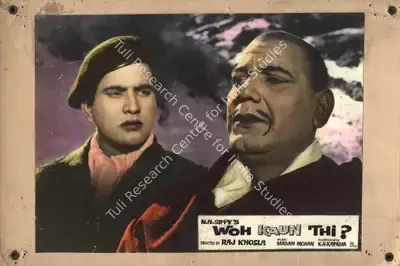
Director for Woh Kaun Thi. His music was distinguished by its
seamless fusion of Indian classical motifs with Western harmonic
elements, creating melodies that were sophisticated yet widely
accessible. Lata Mangeshkar herself referred to him as Ghazal ka
Shehzadaa, the Prince of Ghazals, acknowledging the complexity and
nuance of his compositions.
Some of his most iconic songs include Lag Jaa Gale (Woh Kaun Thi),
Aaja Re Pardesi (Madhumati), Pyar Hua Ikrar Hua (Shree 420),
Humein Tumse Pyar Kitna (Kudrat), Chhaya Chand (Chandni Raat), Dil
Tadap Tadap Ke Keh Raha Hai (Madhumati), Tumhi Mere Mandir
(Khandan), Jalte Hain Jiske Liye (Sujata), Tere Mere Sapne (Guide),
and Aye Mere Watan Ke Logo, a patriotic tribute outside film.
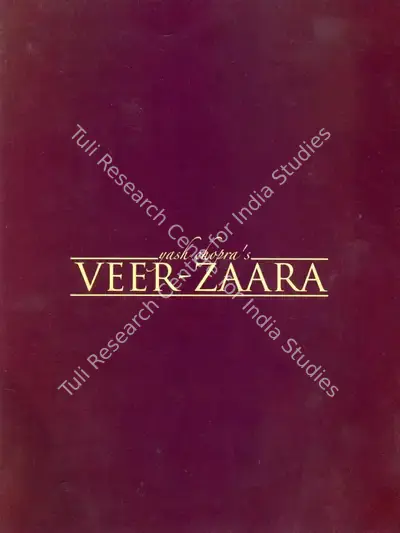
Years after his passing, his son Sanjeev Kohli revived 11 of Madan
Mohan's unused compositions for the 2004 Yash Chopra film Veer-
Zaara and released an album, Tere Baghair, preserving and
celebrating the maestro's enduring legacy.
simply as Madan Mohan, he remains one of the most melodious and
revered music directors in the history of Hindi cinema. Celebrated for
his soul-stirring ghazals and timeless film compositions, he forged a
legacy defined by musical sophistication and emotional depth. His
collaborations with Lata Mangeshkar, Mohammed Rafi, and Talat
Mahmood yielded some of the most enduring songs in Indian
cinema, earning him a permanent place in the pantheon of Hindi film
music.
Born in Baghdad, Iraq, where his father Rai Bahadur Chunilal Kohli
worked as Accountant General with the Iraqi Police, Madan Mohan
spent his early childhood in the Middle East before his family
returned to Chakwal, then part of the Jhelum district in Punjab,
British India, in 1932. His formative years were split between Lahore
and Mumbai, where he attended local schools and began cultivating
his musical sensibilities. Though his formal training in classical music
was brief—under Kartar Singh in Lahore—Madan Mohan remained
largely self-taught. At the age of 11, he performed on All India
Radio's children's programs, hinting at the prodigious talent that
would later define his career.
After completing his schooling at Colonel Brown Cambridge School in
Dehradun, he served as a Second Lieutenant in the Indian Army
during World War II. Following the war, he returned to Mumbai and
joined All India Radio in Lucknow as a programme assistant, where
he encountered maestros such as Ustad Faiyaz Khan, Ustad Ali Akbar
Khan, Begum Akhtar, and Talat Mahmood. During this period, he
began composing music for radio broadcasts, eventually recording
his first ghazals in 1947 and his earliest film duet, with Lata
Mangeshkar, in 1948 under Ghulam Haider for the unreleased film
Shaheed.
Despite his prodigious talent, Madan Mohan faced challenges in
securing film assignments, as top actors of the era were often loyal
to established composers. Nevertheless, his work earned critical
acclaim, including a 1964 Filmfare nomination for Best Music
Director for Woh Kaun Thi. His music was distinguished by its
seamless fusion of Indian classical motifs with Western harmonic
elements, creating melodies that were sophisticated yet widely
accessible. Lata Mangeshkar herself referred to him as Ghazal ka
Shehzadaa, the Prince of Ghazals, acknowledging the complexity and
nuance of his compositions.
Some of his most iconic songs include Lag Jaa Gale (Woh Kaun Thi),
Aaja Re Pardesi (Madhumati), Pyar Hua Ikrar Hua (Shree 420),
Humein Tumse Pyar Kitna (Kudrat), Chhaya Chand (Chandni Raat), Dil
Tadap Tadap Ke Keh Raha Hai (Madhumati), Tumhi Mere Mandir
(Khandan), Jalte Hain Jiske Liye (Sujata), Tere Mere Sapne (Guide),
and Aye Mere Watan Ke Logo, a patriotic tribute outside film.
Years after his passing, his son Sanjeev Kohli revived 11 of Madan
Mohan's unused compositions for the 2004 Yash Chopra film Veer-
Zaara and released an album, Tere Baghair, preserving and
celebrating the maestro's enduring legacy.
मदन मोहन कोहली
मदन मोहन कोहली (25 जून 1924 – 14 जुलाई 1975), जिन्हें आमतौर पर मदन मोहन के नाम से जाना जाता है, हिंदी सिनेमा के इतिहास में सबसे मधुर और सम्मानित संगीत निर्देशकों में से एक हैं। अपने भावपूर्ण ग़ज़लों और कालजयी फ़िल्मी गीतों के लिए प्रसिद्ध, उन्होंने संगीत की बारीकी और भावनात्मक गहराई से परिपूर्ण एक विरासत छोड़ी। लता मंगेशकर, मोहम्मद रफ़ी और तलत महमूद के साथ उनके सहयोग ने भारतीय सिनेमा के कुछ सबसे सदाबहार गीत दिए, जिससे उन्हें हिंदी फ़िल्म संगीत के श्रेष्ठ संगीतकारों की सूची में एक स्थायी स्थान प्राप्त हुआ।
मदन मोहन का जन्म इराक़ के बग़दाद में हुआ था, जहाँ उनके पिता राय बहादुर चुनीलाल कोहली इराक़ी पुलिस में महालेखाकार के पद पर कार्यरत थे। उन्होंने अपना प्रारंभिक बचपन मध्य पूर्व में बिताया, जिसके बाद उनका परिवार 1932 में ब्रिटिश भारत के पंजाब राज्य के झेलम जिले के चकवाल लौट आया। उनके प्रारंभिक वर्ष लाहौर और मुंबई में बीते, जहाँ उन्होंने स्थानीय विद्यालयों में शिक्षा प्राप्त की और संगीत के प्रति अपनी रुचि विकसित करना शुरू किया। हालाँकि लाहौर में करतार सिंह के मार्गदर्शन में उन्हें शास्त्रीय संगीत की औपचारिक कम अवधि की शिक्षा मिली, लेकिन मदन मोहन ने अधिकांशतः स्वयं ही संगीत सीखा। 11 वर्ष की आयु में उन्होंने ऑल इंडिया रेडियो के बाल कार्यक्रमों में प्रस्तुति दी, जिससे उनकी उस असाधारण प्रतिभा का संकेत मिला जो आगे चलकर उनके करियर की पहचान बनी।
देहरादून के कोलोनल ब्राउन कैम्ब्रिज स्कूल से अपनी स्कूली शिक्षा पूरी करने के बाद, उन्होंने द्वितीय विश्व युद्ध के दौरान भारतीय सेना में सेकंड लेफ्टिनेंट के रूप में सेवा दी। युद्ध के बाद, वे मुंबई लौट आए और लखनऊ में ऑल इंडिया रेडियो में प्रोग्राम असिस्टेंट के रूप में शामिल हुए, जहाँ उनका परिचय उस्ताद फ़ैयाज़ ख़ाँ, उस्ताद अली अक़बर ख़ाँ, बेग़म अख़्तर और तलत महमूद जैसे उस्तादों से हुआ। इसी दौरान उन्होंने रेडियो प्रसारणों के लिए संगीत लिखना शुरू की और अंततः 1947 में अपनी पहली ग़ज़लें और 1948 में ग़ुलाम हैदर के निर्देशन में रिलीज़ न हुई फ़िल्म 'शहीद' के लिए लता मंगेशकर के साथ अपना पहला युगल गीत रिकॉर्ड किया।
उनमे असाधारण प्रतिभा होने के बावजूद, मदन मोहन को फ़िल्मों में काम मिलने में चुनौतियों का सामना करना पड़ा, क्योंकि उस दौर के शीर्ष अभिनेता अक्सर स्थापित संगीतकारों पर ही भरोसा करते थे। फ़िर भी, उनके काम को आलोचकों से सराहना मिली, जिसमें 'वो कौन थी' (1964) के लिए सर्वश्रेष्ठ संगीत निर्देशक का फ़िल्मफेयर नामांकन भी शामिल है। उनका संगीत भारतीय शास्त्रीय धुनों और पश्चिमी संगीत तत्वों के सहज मिश्रण के लिए जाना जाता था, जिससे परिष्कृत होने के साथ-साथ सर्वव्यापी धुनें भी रची जाती थीं। लता मंगेशकर ने स्वयं उन्हें ग़ज़लों का शहज़ादा कहा था, जो उनकी रचनाओं की जटिलता और बारीकी को दर्शाता है।
उनके कुछ सबसे प्रतिष्ठित गीतों में लग जा गले (वो कौन थी) (1964), आजा रे परदेसी (मधुमती) (1958), प्यार हुआ इक़रार हुआ (श्री 420) (1955), हमें तुमसे प्यार कितना (क़ुदरत) (1981), छाया चांद (चांदनी रात) (1949), दिल तड़प तड़प के कह रहा है (मधुमती) (1958), तुम्ही मेरे मंदिर (ख़ानदान) (1965), जलते हैं जिसके लिए (सुजाता) (1959), तेरे मेरे सपने (गाइड) (1965) और ऐ मेरे वतन के लोगो (1963), एक देशभक्तिपूर्ण श्रद्धांजलि फ़िल्म शामिल हैं।
उनके निधन के वर्षों बाद, उनके बेटे संजीव कोहली ने 2004 में यश चोपड़ा की फ़िल्म वीर-ज़ारा के लिए मदन मोहन की 11 बिना इस्तेमाल हुए गीत संयोजनों को फ़िर से इस्तेमाल किया और ' तेरे बगैर' नामक एक एल्बम जारी किया, जो उस्ताद की स्थायी विरासत को संरक्षित और सम्मानित करता है।
मदन मोहन कोहली (25 जून 1924 – 14 जुलाई 1975), जिन्हें आमतौर पर मदन मोहन के नाम से जाना जाता है, हिंदी सिनेमा के इतिहास में सबसे मधुर और सम्मानित संगीत निर्देशकों में से एक हैं। अपने भावपूर्ण ग़ज़लों और कालजयी फ़िल्मी गीतों के लिए प्रसिद्ध, उन्होंने संगीत की बारीकी और भावनात्मक गहराई से परिपूर्ण एक विरासत छोड़ी। लता मंगेशकर, मोहम्मद रफ़ी और तलत महमूद के साथ उनके सहयोग ने भारतीय सिनेमा के कुछ सबसे सदाबहार गीत दिए, जिससे उन्हें हिंदी फ़िल्म संगीत के श्रेष्ठ संगीतकारों की सूची में एक स्थायी स्थान प्राप्त हुआ।
मदन मोहन का जन्म इराक़ के बग़दाद में हुआ था, जहाँ उनके पिता राय बहादुर चुनीलाल कोहली इराक़ी पुलिस में महालेखाकार के पद पर कार्यरत थे। उन्होंने अपना प्रारंभिक बचपन मध्य पूर्व में बिताया, जिसके बाद उनका परिवार 1932 में ब्रिटिश भारत के पंजाब राज्य के झेलम जिले के चकवाल लौट आया। उनके प्रारंभिक वर्ष लाहौर और मुंबई में बीते, जहाँ उन्होंने स्थानीय विद्यालयों में शिक्षा प्राप्त की और संगीत के प्रति अपनी रुचि विकसित करना शुरू किया। हालाँकि लाहौर में करतार सिंह के मार्गदर्शन में उन्हें शास्त्रीय संगीत की औपचारिक कम अवधि की शिक्षा मिली, लेकिन मदन मोहन ने अधिकांशतः स्वयं ही संगीत सीखा। 11 वर्ष की आयु में उन्होंने ऑल इंडिया रेडियो के बाल कार्यक्रमों में प्रस्तुति दी, जिससे उनकी उस असाधारण प्रतिभा का संकेत मिला जो आगे चलकर उनके करियर की पहचान बनी।
देहरादून के कोलोनल ब्राउन कैम्ब्रिज स्कूल से अपनी स्कूली शिक्षा पूरी करने के बाद, उन्होंने द्वितीय विश्व युद्ध के दौरान भारतीय सेना में सेकंड लेफ्टिनेंट के रूप में सेवा दी। युद्ध के बाद, वे मुंबई लौट आए और लखनऊ में ऑल इंडिया रेडियो में प्रोग्राम असिस्टेंट के रूप में शामिल हुए, जहाँ उनका परिचय उस्ताद फ़ैयाज़ ख़ाँ, उस्ताद अली अक़बर ख़ाँ, बेग़म अख़्तर और तलत महमूद जैसे उस्तादों से हुआ। इसी दौरान उन्होंने रेडियो प्रसारणों के लिए संगीत लिखना शुरू की और अंततः 1947 में अपनी पहली ग़ज़लें और 1948 में ग़ुलाम हैदर के निर्देशन में रिलीज़ न हुई फ़िल्म 'शहीद' के लिए लता मंगेशकर के साथ अपना पहला युगल गीत रिकॉर्ड किया।
उनमे असाधारण प्रतिभा होने के बावजूद, मदन मोहन को फ़िल्मों में काम मिलने में चुनौतियों का सामना करना पड़ा, क्योंकि उस दौर के शीर्ष अभिनेता अक्सर स्थापित संगीतकारों पर ही भरोसा करते थे। फ़िर भी, उनके काम को आलोचकों से सराहना मिली, जिसमें 'वो कौन थी' (1964) के लिए सर्वश्रेष्ठ संगीत निर्देशक का फ़िल्मफेयर नामांकन भी शामिल है। उनका संगीत भारतीय शास्त्रीय धुनों और पश्चिमी संगीत तत्वों के सहज मिश्रण के लिए जाना जाता था, जिससे परिष्कृत होने के साथ-साथ सर्वव्यापी धुनें भी रची जाती थीं। लता मंगेशकर ने स्वयं उन्हें ग़ज़लों का शहज़ादा कहा था, जो उनकी रचनाओं की जटिलता और बारीकी को दर्शाता है।
उनके कुछ सबसे प्रतिष्ठित गीतों में लग जा गले (वो कौन थी) (1964), आजा रे परदेसी (मधुमती) (1958), प्यार हुआ इक़रार हुआ (श्री 420) (1955), हमें तुमसे प्यार कितना (क़ुदरत) (1981), छाया चांद (चांदनी रात) (1949), दिल तड़प तड़प के कह रहा है (मधुमती) (1958), तुम्ही मेरे मंदिर (ख़ानदान) (1965), जलते हैं जिसके लिए (सुजाता) (1959), तेरे मेरे सपने (गाइड) (1965) और ऐ मेरे वतन के लोगो (1963), एक देशभक्तिपूर्ण श्रद्धांजलि फ़िल्म शामिल हैं।
उनके निधन के वर्षों बाद, उनके बेटे संजीव कोहली ने 2004 में यश चोपड़ा की फ़िल्म वीर-ज़ारा के लिए मदन मोहन की 11 बिना इस्तेमाल हुए गीत संयोजनों को फ़िर से इस्तेमाल किया और ' तेरे बगैर' नामक एक एल्बम जारी किया, जो उस्ताद की स्थायी विरासत को संरक्षित और सम्मानित करता है।
No personalia records available yet.
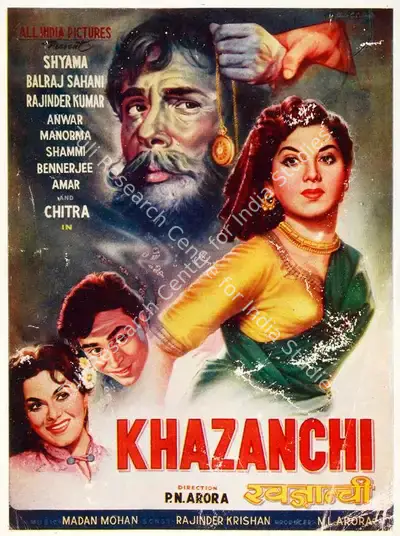
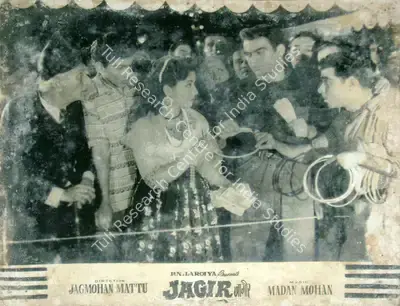
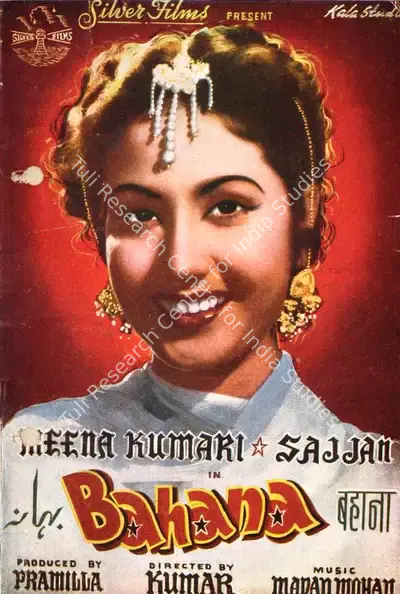
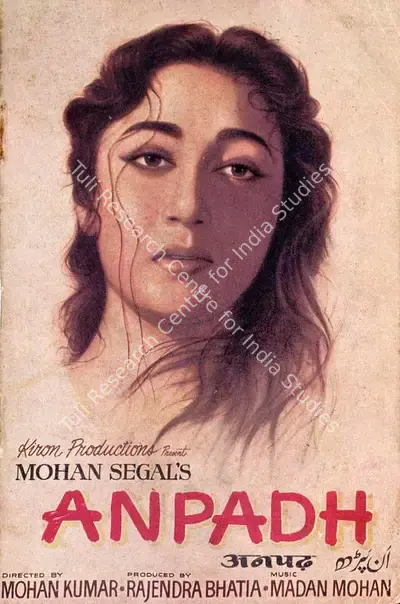
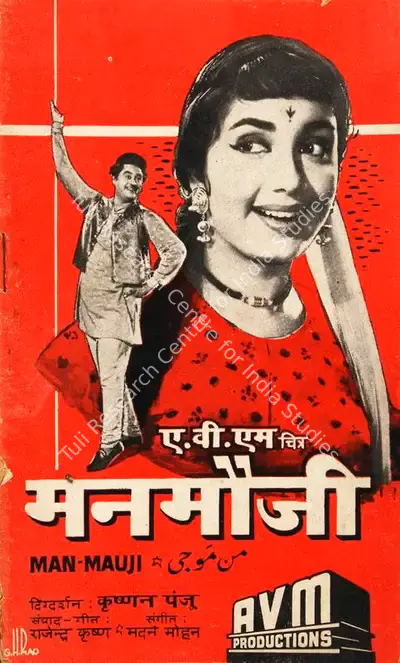
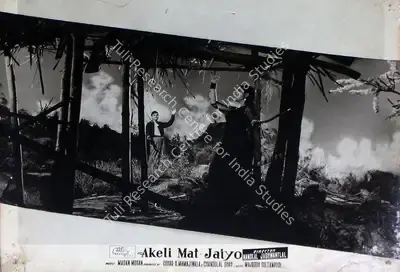
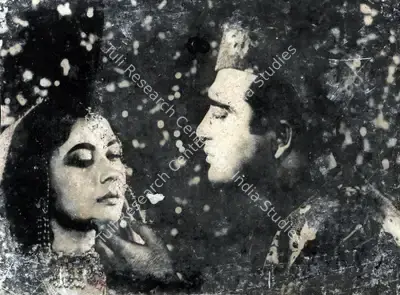
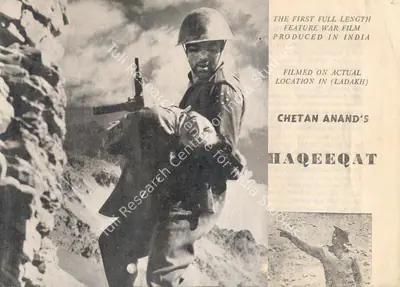
Filmography 42
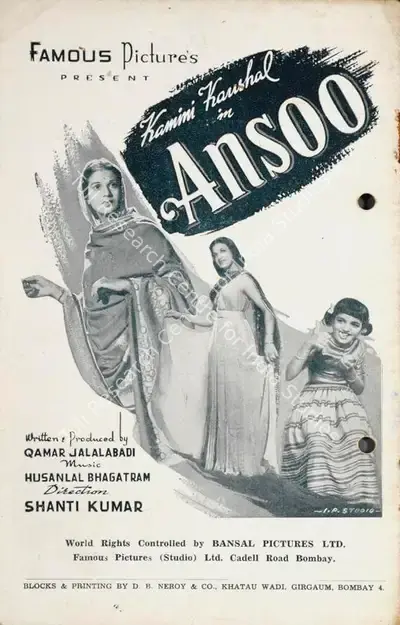
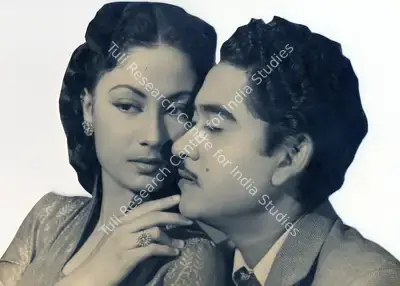
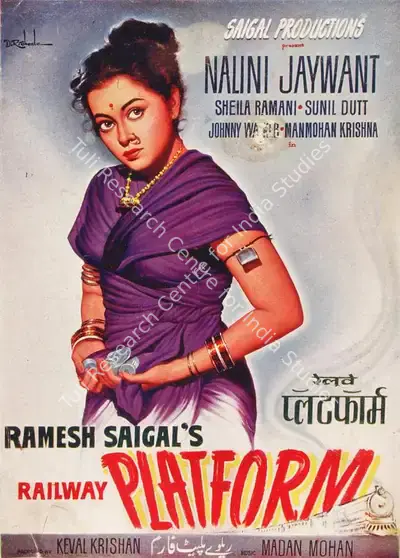
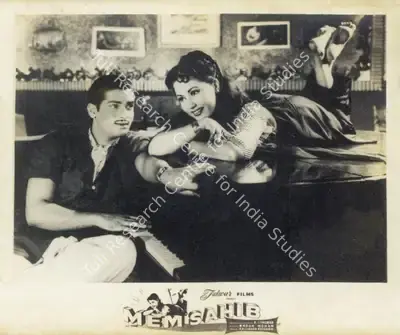
Research Centre
20 of 224
20 of 215
Posts 2
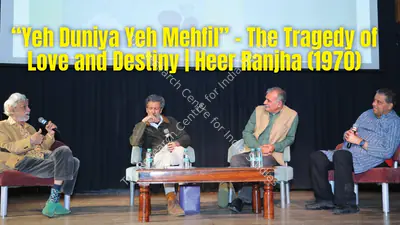
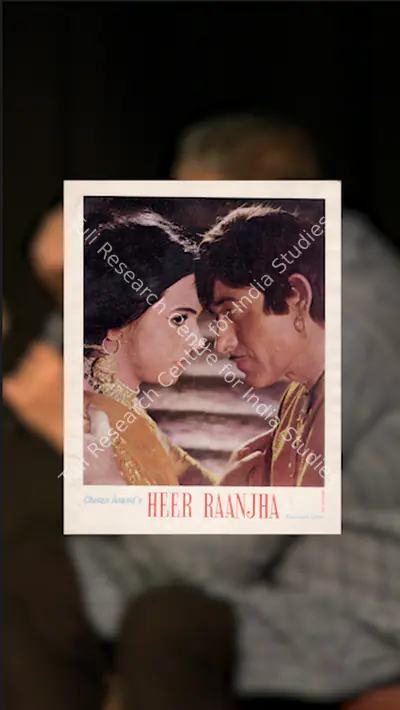
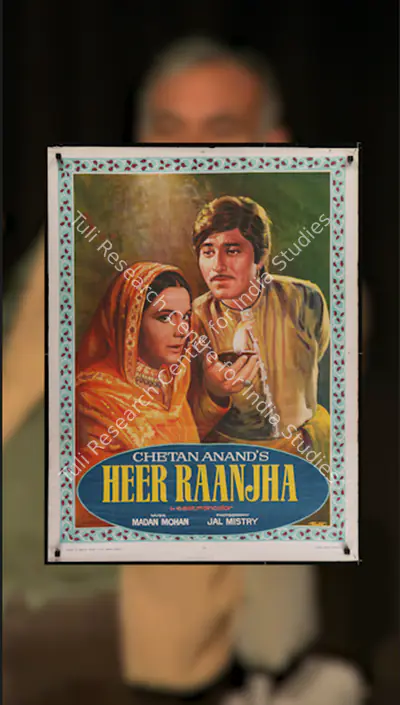
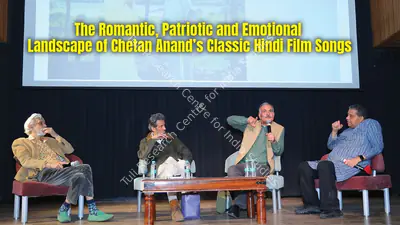
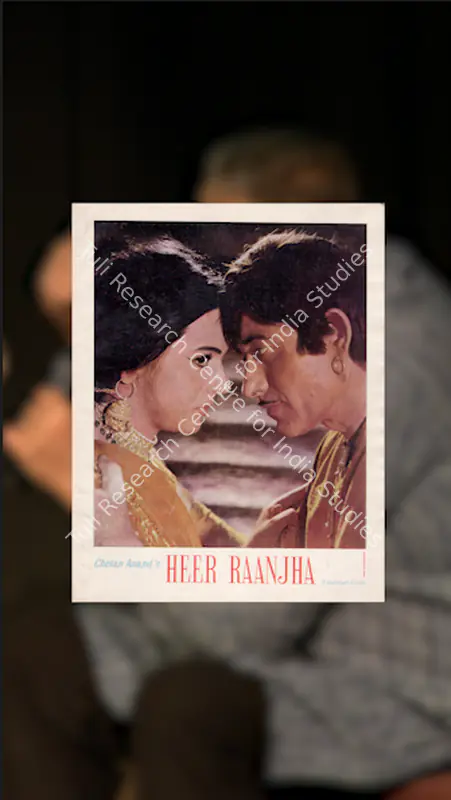
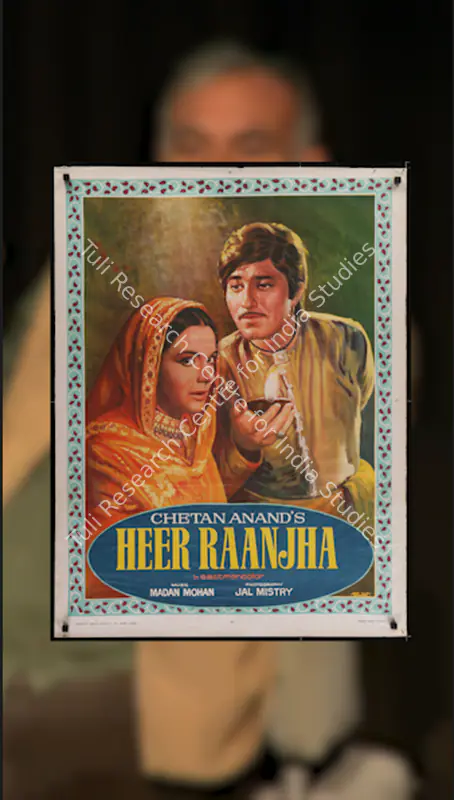
- "Yeh Duniya Yeh Mehfil Mere Kaam Ki Nahi" from Chetan Anand's Heer Raanjha (1970) is more than a sad song, it is a declaration that love is above all. Sung by Mohammed Rafi, with lyrics by Kaifi Azmi and music by Madan Mohan, it turns the pain of separation into a universal cry about the world, its gatherings and its celebrations; none of which matters once the love is lost. In this reel, film historian Pavan Jha examines the Sufi love at the song's core, where longing for the beloved doubles as a spiritual quest, and "duniya" and "mehfil" stand for everything that feels empty in absence of love. Madan Mohan's genius lies in keeping this firmly within the idiom of a popular film song, never pushing it into another genre, but crafting a melody that is soulful, accessible and instantly memorable. A deeply philosophical, Sufi-inflected lyric, the song reached the masses as a hit film number, and this is the reason why, decades later, the song remains a touchstone for heartbreak, longing, and the simple, powerful idea that love is the only thing that truly matters. This video is from 'A Musical Glue for Nation-Building: Deconstructing the Film Song', presented by the Tuli Research Centre for India Studies (T.R.I.S.) at the 7th Self-Discovery via Rediscovering India Festival.
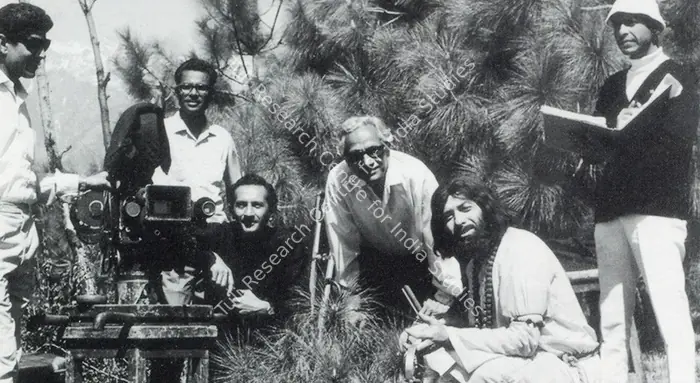
- Chetan Anand shot heartbreak the way other directors shot war, against a landscape vast enough to hold it. "Yeh Duniya Yeh Mehfil Mere Kaam Ki Nahi" from Heer Raanjha (1970) is a song of heartbreak staged against stunning visuals. Sung by Mohammed Rafi, with music by Madan Mohan and lyrics by Kaifi Azmi, it turns separation into philosophy. In this clip, Ravikant, Professor, CSDS (Centre for the Study of Developing Societies), calls the song one of the best statements on loss and the ambition to win it back. What makes the song unforgettable is the way voice, music and visuals come together, and Chetan Anand's use of landscape gives it a vast, almost mythical quality, creating a fantasy space where pain can be larger than life, where the song can say what the narrative cannot. The result is a beautiful moment in Indian cinema, where heartbreak, spirituality and landscape fuse into a deeply moving, visually rich film song that has become a timeless expression of love. This video is from 'A Musical Glue for Nation-Building: Deconstructing the Film Song', presented by the Tuli Research Centre for India Studies (T.R.I.S.) at the 7th Self-Discovery via Rediscovering India Festival.
Calendar 2
- ArchivedOffline-Online EventProject 80A Musical Glue for Nation-BuildingDeconstructing the Film Song23rd July - 22nd August 2026Ketan Anand | Ravikant | Pavan Jha | Madan Gopal Singh | Amit Khanna | Juhi Saklani | Antara Mondal | Shikha Jhingan | Neville TuliA key section of the India Studies framework at The Tuli Research Centre for India Studies (T.R.I.S.) is “Deconstructing the Film Song”. It began with a series of four workshops during our Self-Discovery via Rediscovering India Festival Series that brought together leading scholars & academics, film practitioners & students, along with fans of the Hindi film song. The objective of these workshops was to deconstruct iconic Hindi film songs to examine their formation across music, lyrics, playback, choreography, directorial visualisation, as they fuse into sites where aesthetics, ideology, and performance intersect, so as to help clarify the nature of India and her relationship to the film song. The Hindi Film Song functions as a narrative device, conveying myriad textures of emotion through melody, voice and poetry. As cultural texts that encode memory, desire, and ideology, songs are integral to the circulation and resonance of films in the public realm. Over time they have become autonomous bundles of creative energy - the glue that binds us over time, articulating and perhaps even defining the idea of Indianness. These first Workshops were an attempt to understand the nature and power of this glue, while contemplating the ways to situate it within TRIS' academic framework for Contemporary India Studies.Read More →
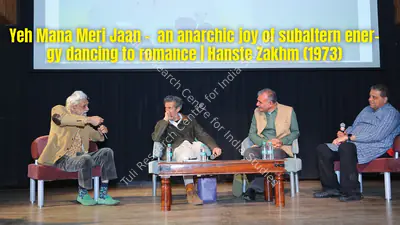
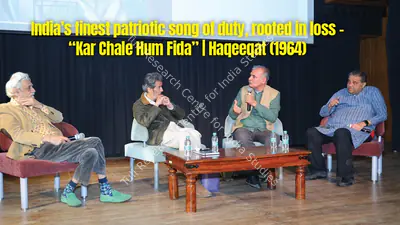
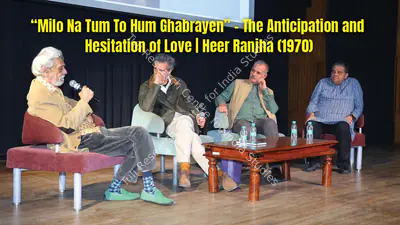
- ArchivedDeconstructing the Hindi Film SongProject 60A Musical Glue for Nation-BuildingFour Classic Songs from the cinema of Chetan Anand and the genius of Madan Mohan, Kaifi Azmi, Lata Mangeshkar & Mohammed RafinnKar Chale Hum Fida | Haqeeqat-1964 nYeh Duniya Yeh Mehfil | Heer Ranjha-1970 nMilo Na Tum To Hum Ghabrayen | Heer Ranjha-1970 nYeh Mana Meri Jaan | Hanste Zakhm-197316th February 20263:30pmM.L. Bhartia Auditorium, Alliance Francaise de Delhi, 72 K.K. Birla Lane, Lodi Estate, New Delhi, 110004Ketan Anand, Ravikant, Pavan Jha, Neville TuliA key section of the India Studies framework at The Tuli Research Centre for India Studies (T.R.I.S.) is “Deconstructing the Hindi Film Song”. It will begin with a series of four workshops that brings together leading scholars & academics, film practitioners & students, along with fans of the Hindi film song. The objective of these workshops is to deconstruct iconic Hindi film songs to examine their formation across music, lyrics, playback, choreography, directorial visualisation, as they fuse into sites where aesthetics, ideology, and performance intersect. The Hindi Film Song functions as a narrative device, conveying myriad textures of emotion through melody, voice and poetry. As cultural texts that encode memory, desire, and ideology, songs are integral to the circulation and resonance of films in the public realm. Over time they have become autonomous bundles of creative energy - the glue that binds us over time, articulating and perhaps even defining the idea of Indianness. The first Workshops are an attempt to understand the nature and power of this glue, while contemplating the ways to situate it within TRIS' academic framework for Contemporary India Studies.Read More →

Related
31
Films
21
Personalities
9
Themes
1