Introduction
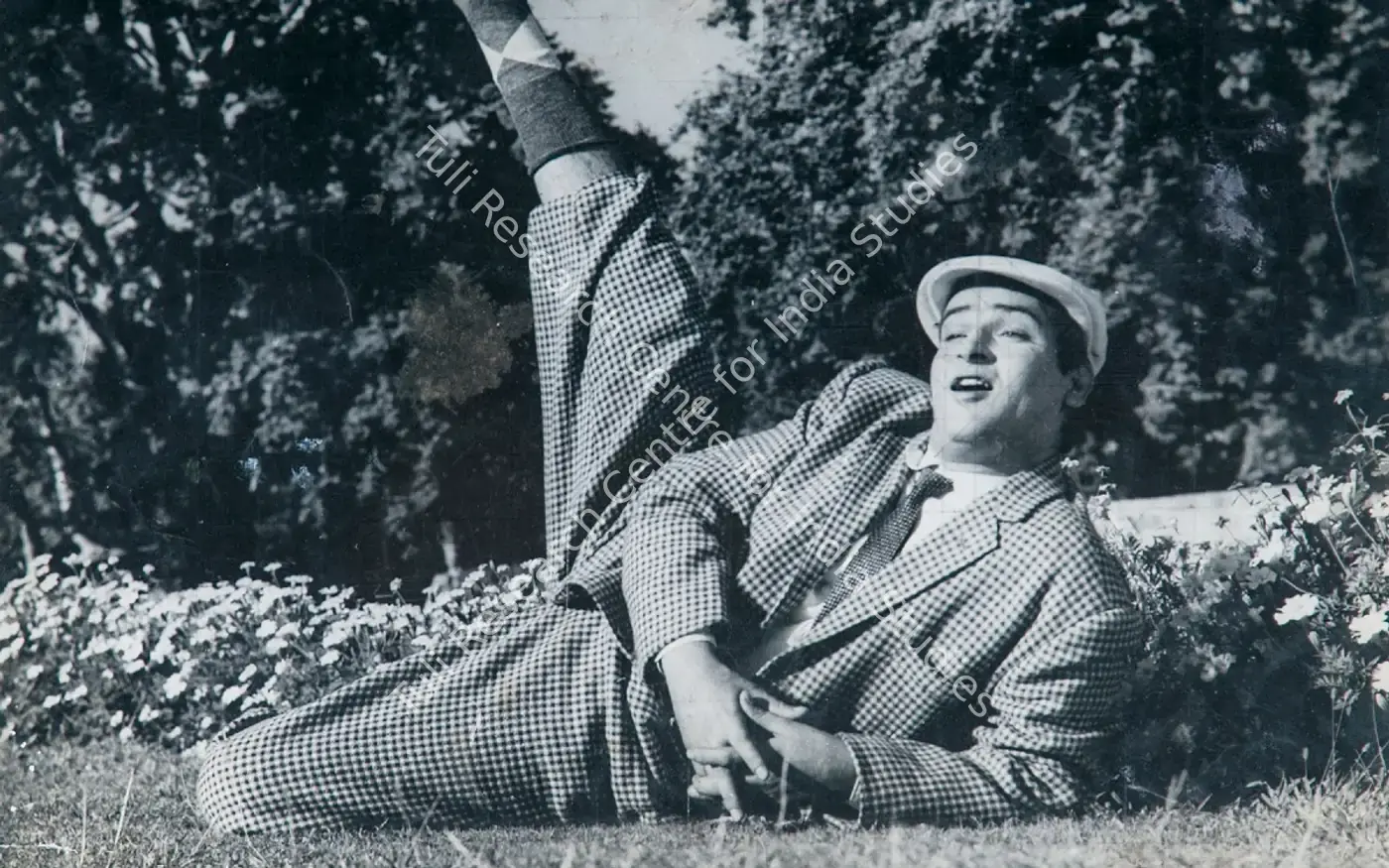
Shammi Kapoor (born Shamsher Raj Kapoor; 21 October 1931 – 14 August 2011) He was a seminal figure in Indian cinema whose career helped redefine the screen persona of the Hindi film hero. Over a span of more than five decades, he appeared in over 100 films and emerged as one of Bollywood's most recognisable and influential stars. Celebrated for his exuberant energy, flamboyant style, and innovative dancing, Kapoor became a cultural icon whose screen presence reshaped the language of popular Hindi film performance. He received three Filmfare Awards, including Best Actor and Best Supporting Actor, along with a Lifetime Achievement Award honouring his enduring contribution to cinema.
Born into the illustrious Kapoor family, he was the son of veteran actor Prithviraj Kapoor and younger brother to Raj Kapoor and Shashi Kapoor. Though raised within a cinematic dynasty, his early career was marked by struggle. He made his debut in Jeewan Jyoti (1953), but a series of commercial disappointments followed as he was repeatedly cast in supporting roles opposite leading actresses in women-oriented narratives. Films such as Rail Ka Dibba, Naqab, Laila Majnu, Thokar, Hum Sab Chor Hain, Mem Sahib, and Chor Bazar failed to establish him as a star, and his presence remained largely unacknowledged during the first phase of his career.
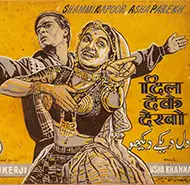
His breakthrough arrived with Tumsa Nahin Dekha (1957), followed by Dil Deke Dekho (1959), which together established a new cinematic persona: youthful, stylish, and irrepressibly charismatic. This transformation reached full expression in Junglee (1961), which firmly cemented his status as a leading man and introduced a new archetype of romantic hero. In the years that followed, Kapoor became one of the most commercially bankable actors of the 1960s, headlining major successes including Professor, China Town, Kashmir Ki Kali, Teesri Manzil, An Evening in Paris, and Brahmachari. His collaboration with playback singer Mohammed Rafi became integral to his screen identity, with music and movement fusing to create a distinctive performance style that earned him the moniker “Elvis Presley of India.”
In Brahmachari (1968), Kapoor's performance earned him the Filmfare Award for Best Actor, marking the peak of his stardom. During this period, he frequently starred opposite leading actresses such as Asha Parekh, Saira Banu, Sharmila Tagore, and Sadhana, contributing to some of the most commercially successful films of the era.
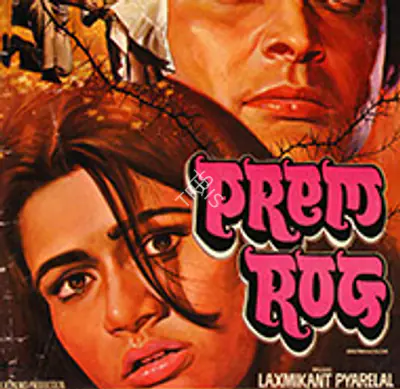
By the 1970s, changing physicality and evolving industry trends led to a transition from leading man to character roles. He delivered notable supporting performances in films such as Parvarish and Zameer, and later in the 1980s in Prem Rog, Hero, Betaab, and Vidhaata, the last of which earned him the Filmfare Award for Best Supporting Actor. He also ventured into direction with Manoranjan and Bundal Baaz, films noted for their experimentation despite modest commercial outcomes. In Tahalka (1992), he appeared in a rare negative role, demonstrating his continued willingness to explore diverse characterisations.
Kapoor's personal life was marked by both affection and tragedy. He met actress Geeta Bali in 1955, and the two married the same year, later having two children, Aditya Raj Kapoor and Kanchan Kapoor. Following Bali's untimely death in 1965, he married Neila Devi Gohil in 1969. In his later years, he also appeared on television in Chattan and maintained occasional film appearances, concluding his on-screen journey with Rockstar (2011), where he appeared alongside his grand-nephew Ranbir Kapoor.
Across decades of work, Shammi Kapoor's legacy endures as that of a performer who transformed the visual and emotional grammar of Hindi cinema, blending movement, music, and charisma into a uniquely modern star image.
Born into the illustrious Kapoor family, he was the son of veteran actor Prithviraj Kapoor and younger brother to Raj Kapoor and Shashi Kapoor. Though raised within a cinematic dynasty, his early career was marked by struggle. He made his debut in Jeewan Jyoti (1953), but a series of commercial disappointments followed as he was repeatedly cast in supporting roles opposite leading actresses in women-oriented narratives. Films such as Rail Ka Dibba, Naqab, Laila Majnu, Thokar, Hum Sab Chor Hain, Mem Sahib, and Chor Bazar failed to establish him as a star, and his presence remained largely unacknowledged during the first phase of his career.
His breakthrough arrived with Tumsa Nahin Dekha (1957), followed by Dil Deke Dekho (1959), which together established a new cinematic persona: youthful, stylish, and irrepressibly charismatic. This transformation reached full expression in Junglee (1961), which firmly cemented his status as a leading man and introduced a new archetype of romantic hero. In the years that followed, Kapoor became one of the most commercially bankable actors of the 1960s, headlining major successes including Professor, China Town, Kashmir Ki Kali, Teesri Manzil, An Evening in Paris, and Brahmachari. His collaboration with playback singer Mohammed Rafi became integral to his screen identity, with music and movement fusing to create a distinctive performance style that earned him the moniker “Elvis Presley of India.”
In Brahmachari (1968), Kapoor's performance earned him the Filmfare Award for Best Actor, marking the peak of his stardom. During this period, he frequently starred opposite leading actresses such as Asha Parekh, Saira Banu, Sharmila Tagore, and Sadhana, contributing to some of the most commercially successful films of the era.
By the 1970s, changing physicality and evolving industry trends led to a transition from leading man to character roles. He delivered notable supporting performances in films such as Parvarish and Zameer, and later in the 1980s in Prem Rog, Hero, Betaab, and Vidhaata, the last of which earned him the Filmfare Award for Best Supporting Actor. He also ventured into direction with Manoranjan and Bundal Baaz, films noted for their experimentation despite modest commercial outcomes. In Tahalka (1992), he appeared in a rare negative role, demonstrating his continued willingness to explore diverse characterisations.
Kapoor's personal life was marked by both affection and tragedy. He met actress Geeta Bali in 1955, and the two married the same year, later having two children, Aditya Raj Kapoor and Kanchan Kapoor. Following Bali's untimely death in 1965, he married Neila Devi Gohil in 1969. In his later years, he also appeared on television in Chattan and maintained occasional film appearances, concluding his on-screen journey with Rockstar (2011), where he appeared alongside his grand-nephew Ranbir Kapoor.
Across decades of work, Shammi Kapoor's legacy endures as that of a performer who transformed the visual and emotional grammar of Hindi cinema, blending movement, music, and charisma into a uniquely modern star image.
शम्मी कपूर (जन्म: शमशेर राज कपूर; 21 अक्टूबर 1931 – 14 अगस्त 2011) हिंदी सिनेमा के एक दिग्गज कलाकार थे, जो अपनी दमदार उपस्थिति, विशिष्ट शैली और लोकप्रिय संस्कृति में योगदान के लिए जाने जाते थे। पांच दशकों से अधिक के अपने करियर में, कपूर ने 100 से अधिक फ़िल्मों में अभिनय किया और तीन फ़िल्मफेयर पुरस्कार जीते, जिनमें फ़िल्म 'ब्रह्मचारी' (1968) के लिए सर्वश्रेष्ठ अभिनेता का पुरस्कार भी शामिल है। भारतीय सिनेमा के सबसे करिश्माई अभिनेताओं में से एक माने जाने वाले, वे स्टाइलिश, बेफ़िक्र "प्लेबॉय" व्यक्तित्व के पर्याय और अपने ऊर्जावान, नवोन्मेषी नृत्य प्रदर्शनों के लिए प्रशंसित थे, जिन्होंने 1960 के दशक में बॉलीवुड फ़िल्मी गीतों का दृश्य भाषा को नया रूप देने में मदद की।
कपूर ने फ़िल्म जगत में अपने करियर की शुरुआत जीवन ज्योति (1953) से की, जो एक मामूली रिलीज़ थी और उनके करियर में कोई खास कामयाब फ़िल्म नहीं हुई। लगातार कई फ्लॉप फ़िल्मों के बाद, उन्हें तुमसा नहीं देखा (1957) से सफलता मिली, जिसने उनकी युवा और बिंदास छवि को और मजबूत किया। दिल देके देखो (1959) से उन्हें और भी बड़ी सफलता मिली, लेकिन रोमांटिक ब्लॉकबस्टर जंगली (1961) ने उन्हें स्टारडम तक पहुंचाया। पूरे दशक में, कपूर फ़िल्म इंडस्ट्री के सबसे सफल सितारों में से एक रहे और उन्होंने प्रोफ़ेसर (1962), राजकुमार (1964), कश्मीर की कली (1964), तीसरी मंजिल (1966), एन इवनिंग इन पेरिस (1967) और प्रिंस (1969) जैसी कई बड़ी हिट फ़िल्मों में मुख्य भूमिका निभाई।
बॉम्बे के प्रतिष्ठित कपूर परिवार में जन्मे, वे रंगमंच के दिग्गज पृथ्वीराज कपूर के दूसरे पुत्र थे। उनके भाई राज और शशि कपूर भी बड़े फ़िल्मी सितारे बने। हालांकि उनका जन्म मुंबई में हुआ था, लेकिन उन्होंने अपना अधिकांश बचपन कलकत्ता में बिताया, जहाँ उनके पिता न्यू थिएटर्स स्टूडियो में काम करते थे। सेंट जोसेफ कॉन्वेंट, डॉन बॉस्को स्कूल और न्यू एरा स्कूल में शिक्षा प्राप्त करने के बाद, उन्होंने पृथ्वी थिएटर्स में काम करना शुरू किया, जहाँ उन्हें मामूली वेतन मिलता था। इसके बाद 1953 में उन्होंने पूरी तरह से सिनेमा में कदम रखा।
कपूरी का निजी जीवन सुख और दुख दोनों से भरा था। उन्होंने संक्षिप्त प्रेम प्रसंग के बाद 1955 में अभिनेत्री गीता बाली से विवाह किया; बाली की 1965 में चेचक से असमय मृत्यु से पहले इस दंपति के दो बच्चे थे। 1969 में, कपूर ने नीला देवी गोहिल से विवाह किया, जो उनकी मृत्यु तक उनकी साथी रहीं।
कपूर का निजी जीवन सुख और दुख दोनों से भरा था। उन्होंने प्रेम प्रसंग के बाद 1955 में अभिनेत्री गीता बाली से विवाह किया; बाली की 1965 में चेचक से असमय मृत्यु से पहले इस दंपति के दो बच्चे थे। 1969 में, कपूर ने नीला देवी गोहिल से विवाह किया, जो उनकी मृत्यु तक उनकी साथी रहीं।
1970 और 1980 के दशक में, कपूर ने परवरिश (1977), प्रेम रोग (1982), विधाता (1982) और बेताब (1983) जैसी फ़िल्मों में यादगार सहायक की भूमिकाएँ निभाईं। उनकी अंतिम फ़िल्म रॉकस्टार (2011) थी। उनकी मृत्यु के बाद, फ़िल्म रेट्रोस्पेक्टिव, एक डाक टिकट, वॉक ऑफ द स्टार्स में एक प्रतिमा और शम्मी कपूर: द गेम चेंजर (2016) नामक जीवनी के माध्यम से उनकी विरासत को याद किया गया है, जो भारतीय सिनेमा पर उनके अमिट छाप को रेखांकित करती है।
कपूर ने फ़िल्म जगत में अपने करियर की शुरुआत जीवन ज्योति (1953) से की, जो एक मामूली रिलीज़ थी और उनके करियर में कोई खास कामयाब फ़िल्म नहीं हुई। लगातार कई फ्लॉप फ़िल्मों के बाद, उन्हें तुमसा नहीं देखा (1957) से सफलता मिली, जिसने उनकी युवा और बिंदास छवि को और मजबूत किया। दिल देके देखो (1959) से उन्हें और भी बड़ी सफलता मिली, लेकिन रोमांटिक ब्लॉकबस्टर जंगली (1961) ने उन्हें स्टारडम तक पहुंचाया। पूरे दशक में, कपूर फ़िल्म इंडस्ट्री के सबसे सफल सितारों में से एक रहे और उन्होंने प्रोफ़ेसर (1962), राजकुमार (1964), कश्मीर की कली (1964), तीसरी मंजिल (1966), एन इवनिंग इन पेरिस (1967) और प्रिंस (1969) जैसी कई बड़ी हिट फ़िल्मों में मुख्य भूमिका निभाई।
बॉम्बे के प्रतिष्ठित कपूर परिवार में जन्मे, वे रंगमंच के दिग्गज पृथ्वीराज कपूर के दूसरे पुत्र थे। उनके भाई राज और शशि कपूर भी बड़े फ़िल्मी सितारे बने। हालांकि उनका जन्म मुंबई में हुआ था, लेकिन उन्होंने अपना अधिकांश बचपन कलकत्ता में बिताया, जहाँ उनके पिता न्यू थिएटर्स स्टूडियो में काम करते थे। सेंट जोसेफ कॉन्वेंट, डॉन बॉस्को स्कूल और न्यू एरा स्कूल में शिक्षा प्राप्त करने के बाद, उन्होंने पृथ्वी थिएटर्स में काम करना शुरू किया, जहाँ उन्हें मामूली वेतन मिलता था। इसके बाद 1953 में उन्होंने पूरी तरह से सिनेमा में कदम रखा।
कपूरी का निजी जीवन सुख और दुख दोनों से भरा था। उन्होंने संक्षिप्त प्रेम प्रसंग के बाद 1955 में अभिनेत्री गीता बाली से विवाह किया; बाली की 1965 में चेचक से असमय मृत्यु से पहले इस दंपति के दो बच्चे थे। 1969 में, कपूर ने नीला देवी गोहिल से विवाह किया, जो उनकी मृत्यु तक उनकी साथी रहीं।
कपूर का निजी जीवन सुख और दुख दोनों से भरा था। उन्होंने प्रेम प्रसंग के बाद 1955 में अभिनेत्री गीता बाली से विवाह किया; बाली की 1965 में चेचक से असमय मृत्यु से पहले इस दंपति के दो बच्चे थे। 1969 में, कपूर ने नीला देवी गोहिल से विवाह किया, जो उनकी मृत्यु तक उनकी साथी रहीं।
1970 और 1980 के दशक में, कपूर ने परवरिश (1977), प्रेम रोग (1982), विधाता (1982) और बेताब (1983) जैसी फ़िल्मों में यादगार सहायक की भूमिकाएँ निभाईं। उनकी अंतिम फ़िल्म रॉकस्टार (2011) थी। उनकी मृत्यु के बाद, फ़िल्म रेट्रोस्पेक्टिव, एक डाक टिकट, वॉक ऑफ द स्टार्स में एक प्रतिमा और शम्मी कपूर: द गेम चेंजर (2016) नामक जीवनी के माध्यम से उनकी विरासत को याद किया गया है, जो भारतीय सिनेमा पर उनके अमिट छाप को रेखांकित करती है।
- Date of Birth
- 21 Oct 1931
- Date of Death
- 14 Aug 2011
- Age
- 79
Filmography
Research Centre
Related
61
Personalities
39

Films
19