Music in the Films of B.R. Chopra and V. Shantaram
Tuli Research Centre for India Studies (Editor)
Document TypeIn-house Video
Date31 August 2026
Duration43 sec
FormatVertical Video
Description
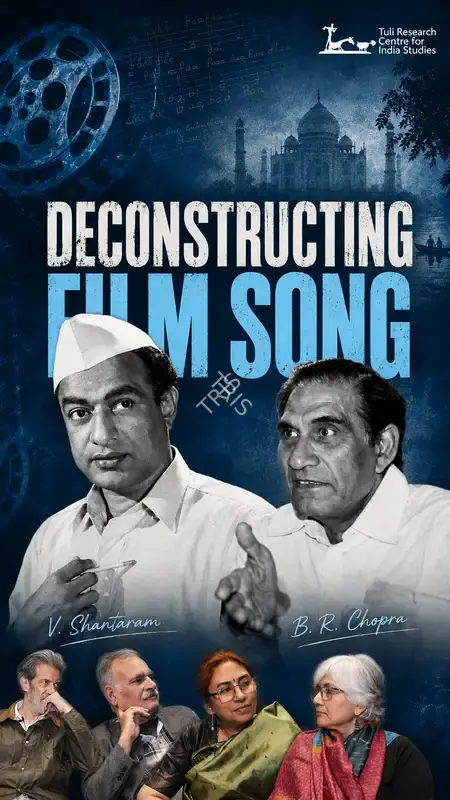
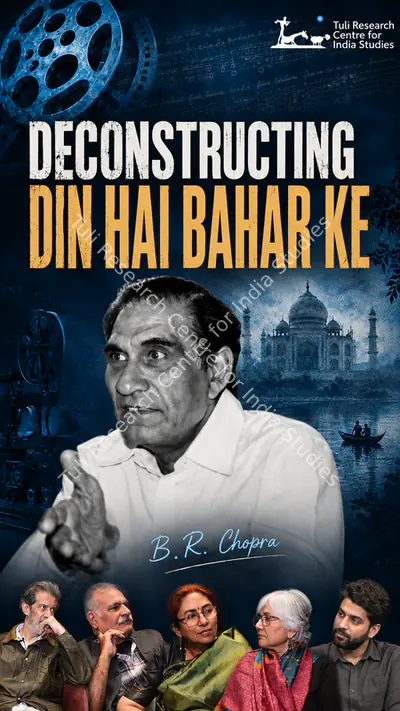
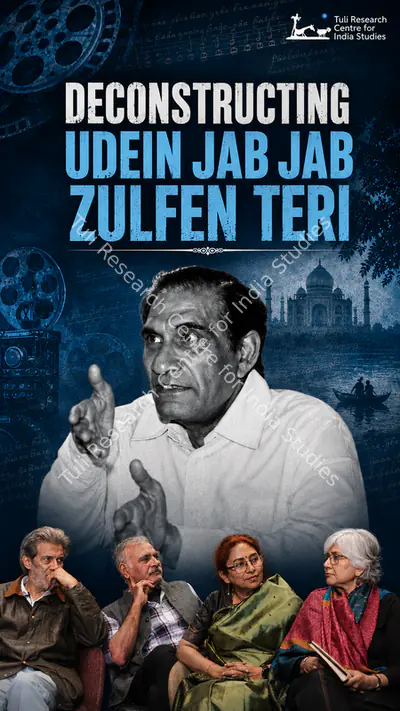
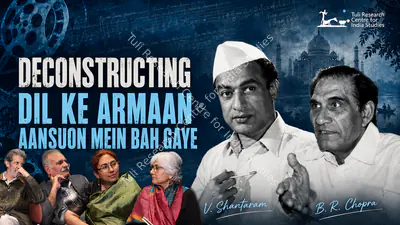
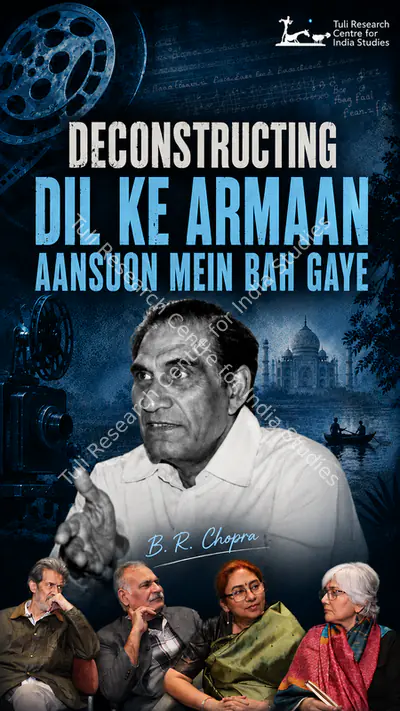
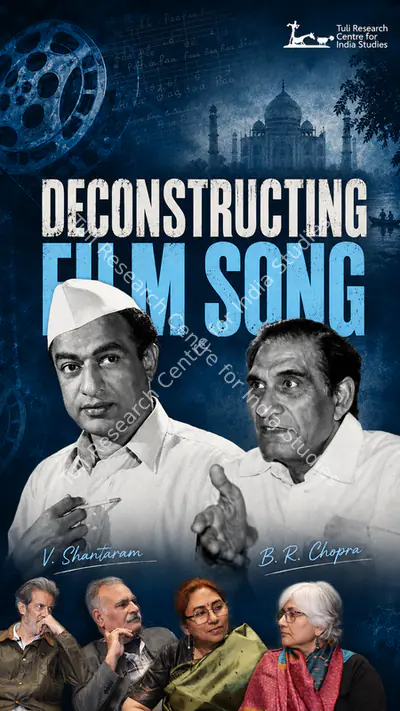
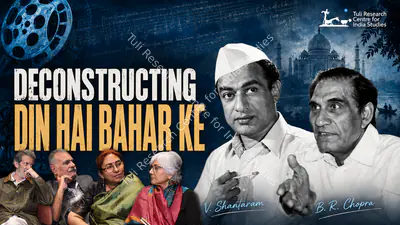
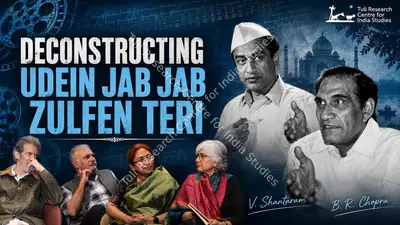
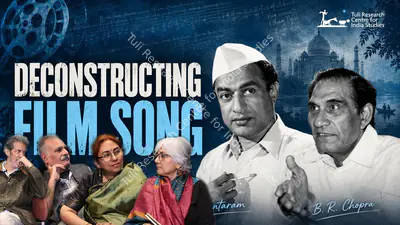
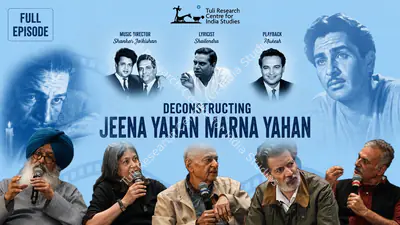
"V. Shantaram and B.R. Chopra's cinema deconstructed through four enduring songs: "Ae Malik Tere Bande Hum" (Do Aankhen Barah Haath, 1957), "Uden Jab Jab Zulfein Teri" (Naya Daur, 1957), “Din Hai Bahar Ke” (Waqt, 1965), and "Dil Ke Armaan Aansuon Mein Beh Gaye" (Nikaah, 1982).
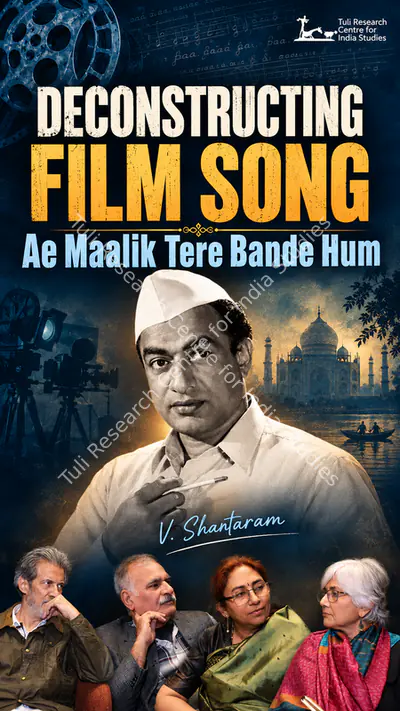
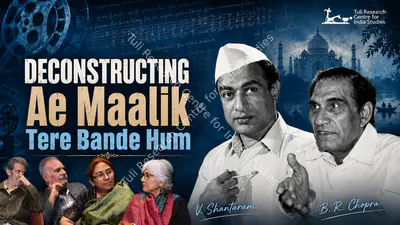
Composed by Vasant Desai with lyrics by Bharat Vyas, "Ae Malik Tere Bande Hum" has become one of India's most widely used bhajan in school prayers, still hummed and sung more than six decades later. Why does this simple, humble tune, endure as an anthem across generations? And how did a love song set in an open jail, decades before independence, encode a real historical experiment in prison reform?
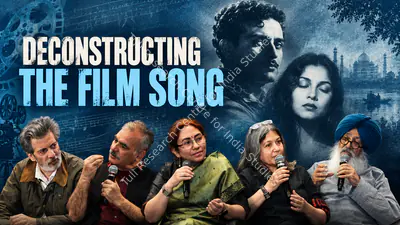
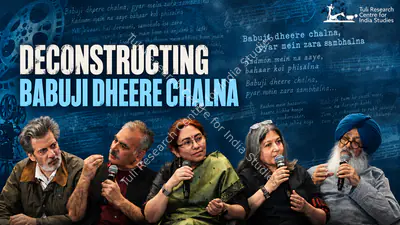
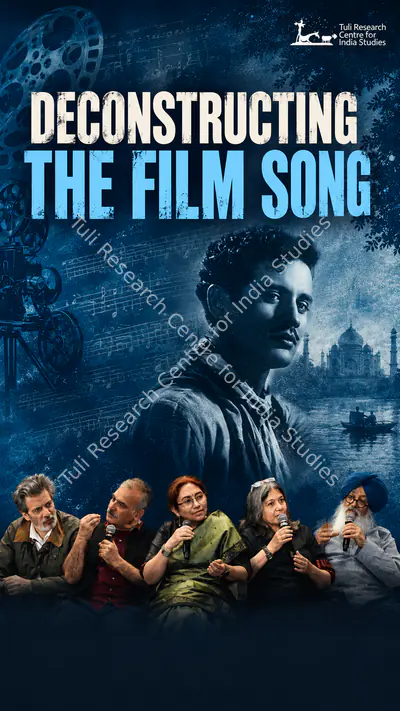
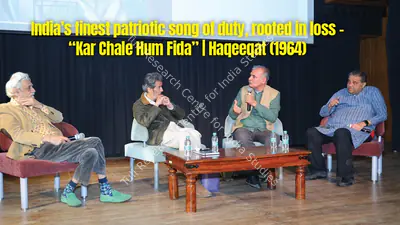
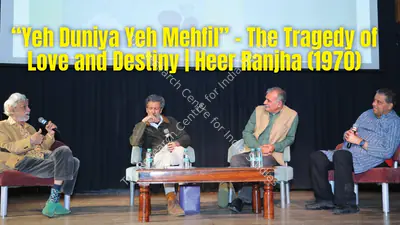
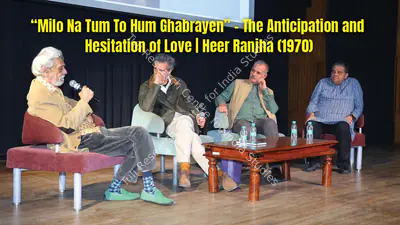
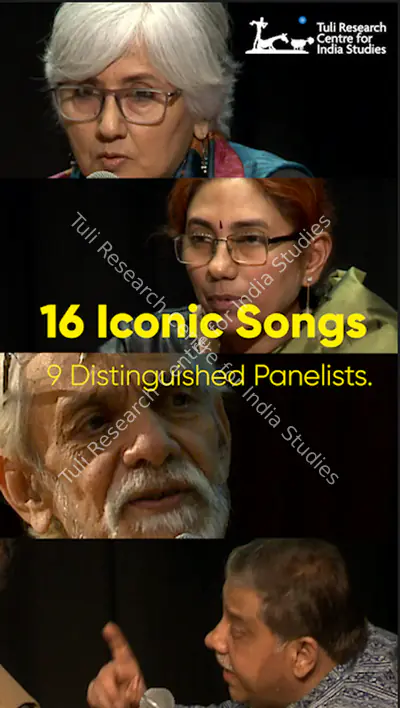
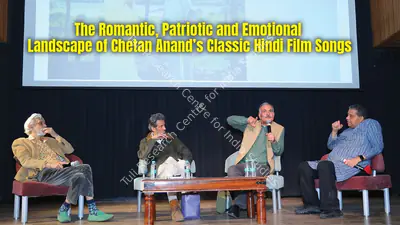
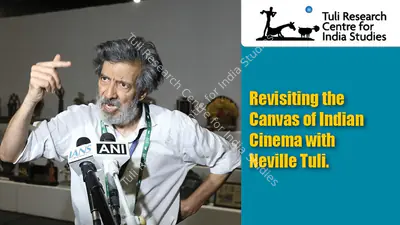
Panelists Ravikant, Shikha Jhingan, Antara Mondal and Neville Tuli examine how filmmakers V. Shantaram and B.R. Chopra used the film song as a medium of storytelling, social memory and nation-building. From Shantaram's evocative visual language and his pioneering use of the trolley shot, to Chopra's use of Punjabi 'boliyaan' and folk rhythm to build a national imaginary, to the extraordinary story of how Salma Agha's voice, after 18 rejected tunes, finally gave "Dil Ke Armaan" its ache and Agha’s biggest hit of her career.
This session was part of the series 'Deconstructing the Film Song: A Musical Glue for Nation-Building,' presented by the Tuli Research Centre for India Studies (T.R.I.S) as part of the 7th Self-Discovery via Rediscovering India Festival.