TRIS logo image
Search275,000+ actors, artists, objects, artworks, films, exhibitions, archives

EN

EN

English

HI

Hindi

EN

EN

English

HI

Hindi

Tuli Research Centre for India Studies

Tuli Research Centre for India Studies

Vision

Manifesto

Archive & Library

Vanraja Sanctuary & Hospice

Home

Research Categories

Browse All

ICore

1_CinemaEducation_Cinema as a Critical Educational Resource

2_FineArts_Modern and Contemporary Indian Fine Arts

3_Photography_Photography in India

4_PopCulture_The Printed Image, Popular Arts, and Crafts

IIMaterial

5_ArcHeritage_India's Architectural Heritage as Inspiration

6_EconomicsArt_Economics of Art & Cultural Industry

7_Travel_Automobile, Transport and Travel Heritage

8_Uncertainty_Uncertainty

IIICritical

9_SocialDuty_Social Responsibility of the Creative Mind

10_Childhood_The Changing Smile of Childhood & Its Second Coming

11_Sensuality_The Sensual Discipline within Creativity

12_Scholarship_The History & Historiography of Scholarship in the Arts, Humanities, and Social Sciences

IVMeaningful

13_SeekJustice_Seeking Justice and Political Integrity

14_IndoWorld_India and her Relationship with the World

15_SpiritualPoetics_The Religious-Spiritual-Poetic-Philosophical Framework

16_Continuum_The Animal-Human-Nature Continuum

Explore

All

Posts

Masterlists

Calendar

Live | Upcoming

All Events

Timetable

Search275,000+ actors, artists, objects, artworks, films, exhibitions, archives

EN

EN

English

HI

Hindi

Home/DIGI.vid | In-house videos

DIGI.vid | In-house videos

The whole holding
Scroll→

Research Centre

Tuli Research Centre for India Studies (Editor), The Khan of Mughal-e-Azam: Naushad on Bade Ghulam Ali, 1986, In-house Video
Tuli Research Centre for India Studies (Editor). The Khan of Mughal-e-Azam: Naushad on Bade Ghulam Ali, 1986 | In-house Video
Tuli Research Centre for India Studies (Editor), Suraj Ka Satvan Ghoda, 1992, In-house Video
Tuli Research Centre for India Studies (Editor). Suraj Ka Satvan Ghoda, 01 October 1992 | In-house Video
Tuli Research Centre for India Studies (Editor), The Making of the Mahatma, 1996, In-house Video
Tuli Research Centre for India Studies (Editor). The Making of the Mahatma, 04 October 1996 | In-house Video
Tuli Research Centre for India Studies (Editor), Anurag Kashyap on Character Research and Casting (Part 1), 2007, In-house Video
Tuli Research Centre for India Studies (Editor). Anurag Kashyap on Character Research and Casting (Part 1), 24 July 2007 | In-house Video
Tuli Research Centre for India Studies (Editor), Konkona Sen Sharma on her First Film, 2007, In-house Video
Tuli Research Centre for India Studies (Editor). Konkona Sen Sharma on her First Film, 27 July 2007 | In-house Video
Tuli Research Centre for India Studies (Editor), Writing a Screenplay - Anurag Kashyap, 2007, In-house Video
Tuli Research Centre for India Studies (Editor). Writing a Screenplay - Anurag Kashyap, 24 July 2007 | In-house Video
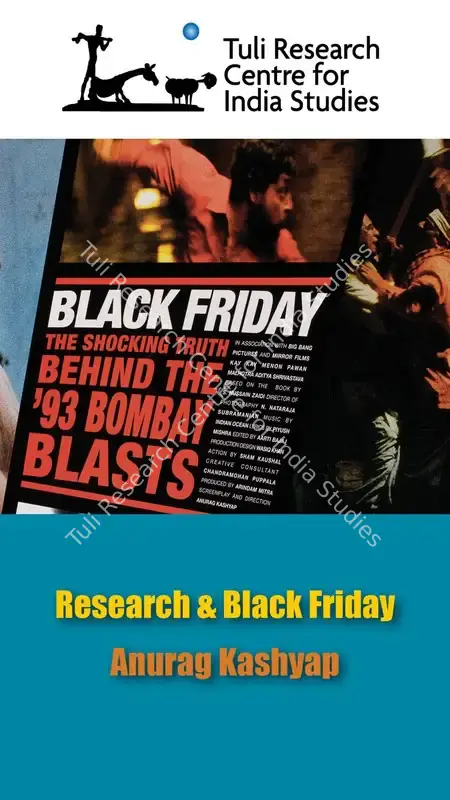
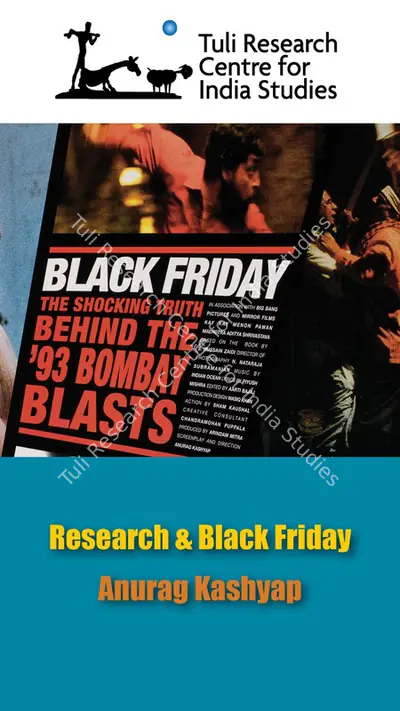
Tuli Research Centre for India Studies (Editor), Research & Black Friday - Anurag Kashyap, 2007, In-house Video
Tuli Research Centre for India Studies (Editor). Research & Black Friday - Anurag Kashyap, 24 July 2007 | In-house Video
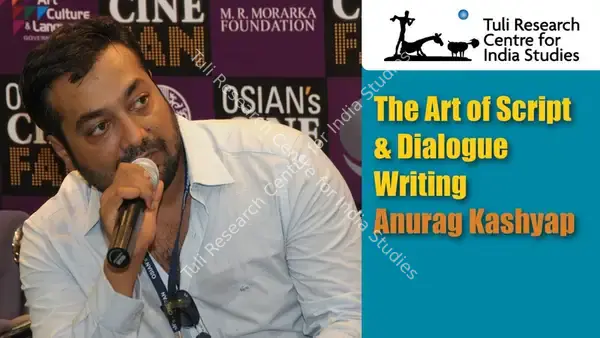
Tuli Research Centre for India Studies (Editor), The Art of Script & Dialogue Writing: Anurag Kashyap, 2007, In-house Video
Tuli Research Centre for India Studies (Editor). The Art of Script & Dialogue Writing: Anurag Kashyap, 24 July 2007 | In-house Video
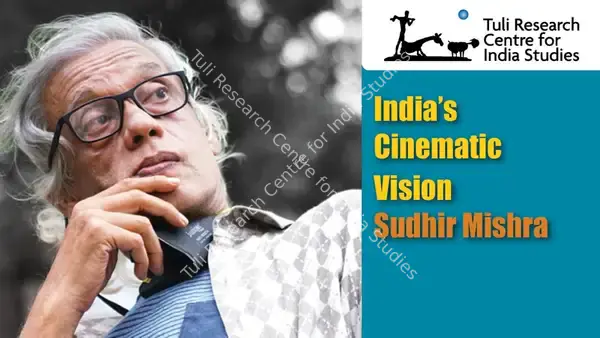
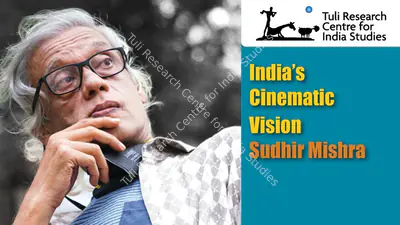
Tuli Research Centre for India Studies (Editor), India's Cinematic Vision: Sudhir Mishra, 2007, In-house Video
Tuli Research Centre for India Studies (Editor). India's Cinematic Vision: Sudhir Mishra, 27 July 2007 | In-house Video
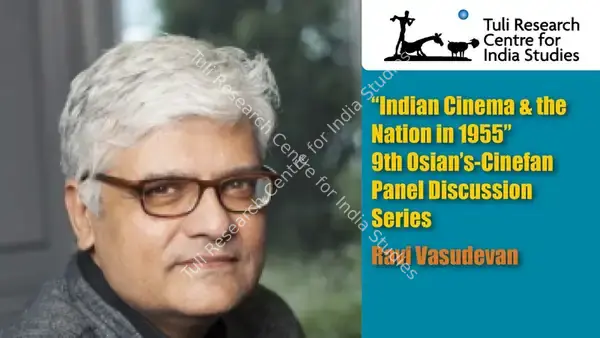
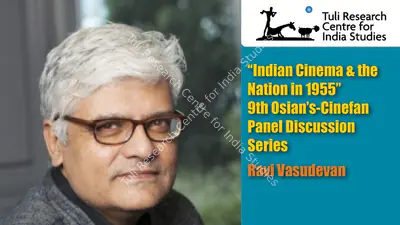
Tuli Research Centre for India Studies (Editor), "Indian Cinema & the Nation in 1955", 2007, In-house Video
Tuli Research Centre for India Studies (Editor). "Indian Cinema & the Nation in 1955", 27 July 2007 | In-house Video
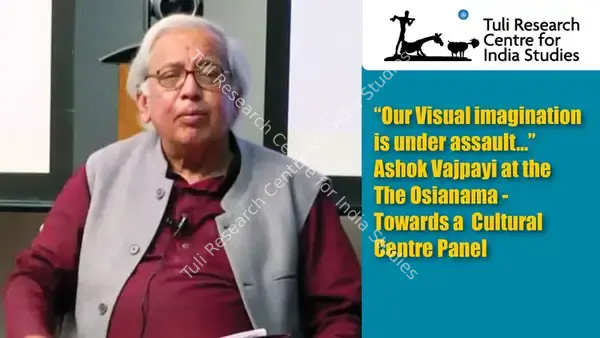
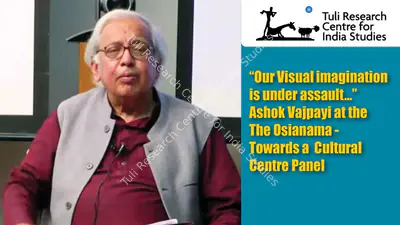
Tuli Research Centre for India Studies (Editor), "Our Visual imagination is under assault…" Ashok Vajpayi at the The Osianama, 2007, In-house Video
Tuli Research Centre for India Studies (Editor). "Our Visual imagination is under assault…" Ashok Vajpayi at the The Osianama, 27 July 2007 | In-house Video
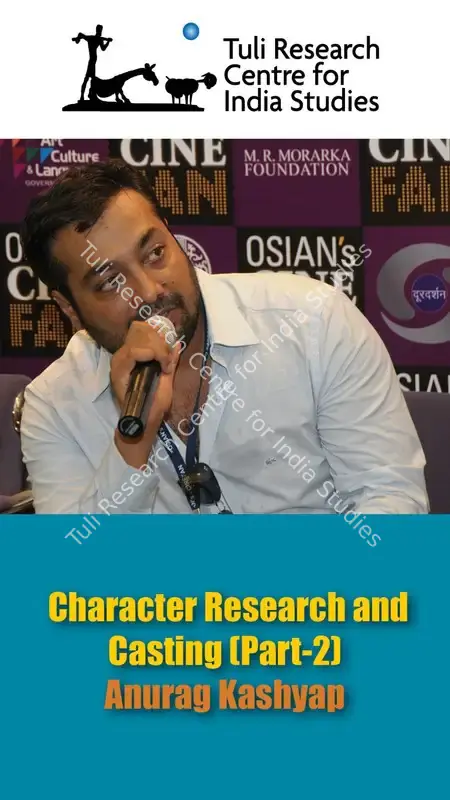
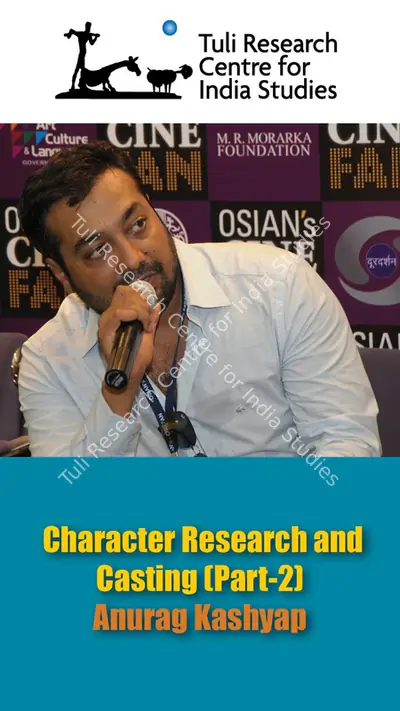
Tuli Research Centre for India Studies (Editor), Anurag Kashyap on Character Research and Casting (Part 2), 2007, In-house Video
Tuli Research Centre for India Studies (Editor). Anurag Kashyap on Character Research and Casting (Part 2), 24 July 2007 | In-house Video
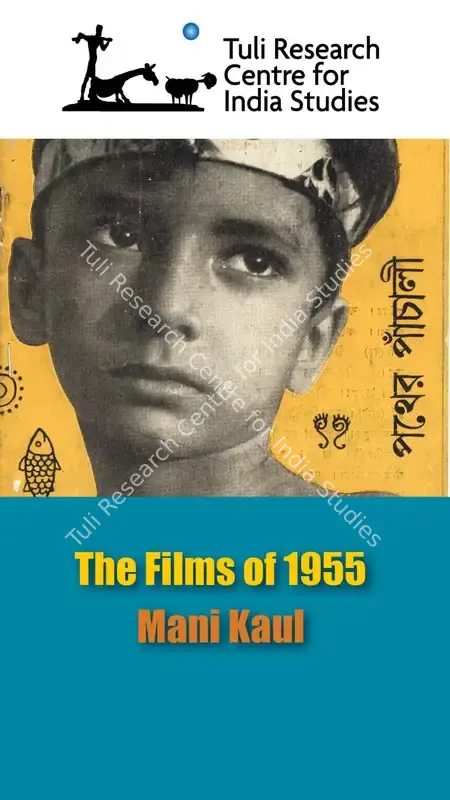
Tuli Research Centre for India Studies (Editor), The Films of 1955: Mani Kaul, 2007, In-house Video
Tuli Research Centre for India Studies (Editor). The Films of 1955: Mani Kaul, 27 July 2007 | In-house Video
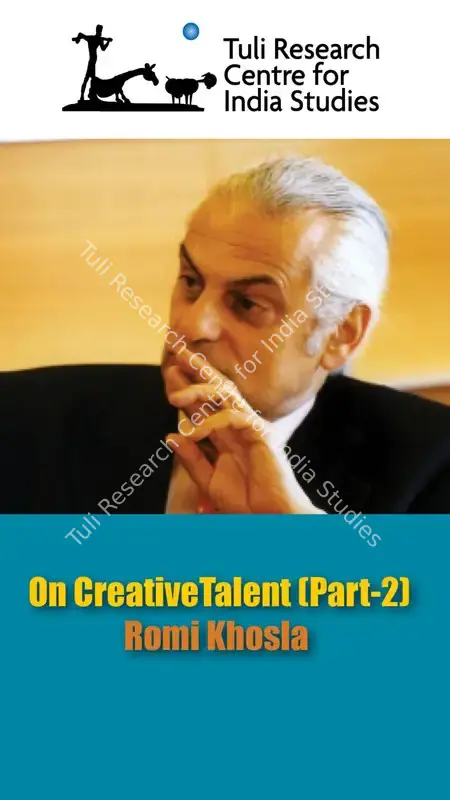
Tuli Research Centre for India Studies (Editor), Romi Khosla on CreativeTalent (Part 2), 2007, In-house Video
Tuli Research Centre for India Studies (Editor). Romi Khosla on CreativeTalent (Part 2), 28 July 2007 | In-house Video
Tuli Research Centre for India Studies (Editor), Konkona Sen Sharma on Filmmakers & Screenwriters, 2007, In-house Video
Tuli Research Centre for India Studies (Editor). Konkona Sen Sharma on Filmmakers & Screenwriters, 27 July 2007 | In-house Video
Tuli Research Centre for India Studies (Editor), Saeed Mirza: A glimpse into his Teaching Journey, 2007, In-house Video
Tuli Research Centre for India Studies (Editor). Saeed Mirza: A glimpse into his Teaching Journey, 23 July 2007 | In-house Video
Tuli Research Centre for India Studies (Editor), Romi Khosla on CreativeTalent (Part 1), 2007, In-house Video
Tuli Research Centre for India Studies (Editor). Romi Khosla on CreativeTalent (Part 1), 28 July 2007 | In-house Video
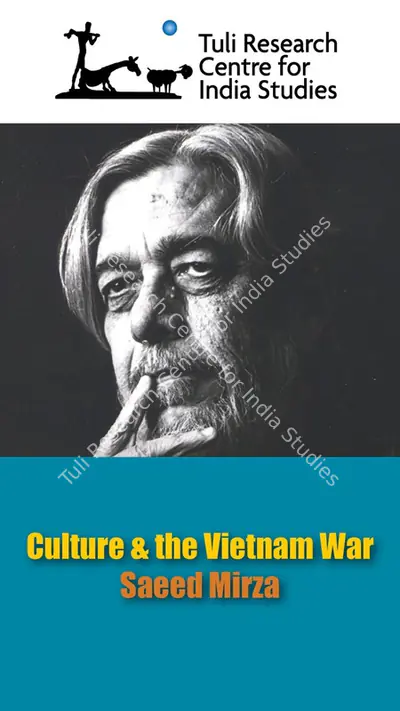
Tuli Research Centre for India Studies (Editor), 
Culture and the Vietnam War: Saeed Mirza, 2007, In-house Video
Tuli Research Centre for India Studies (Editor). Culture and the Vietnam War: Saeed Mirza, 23 July 2007 | In-house Video
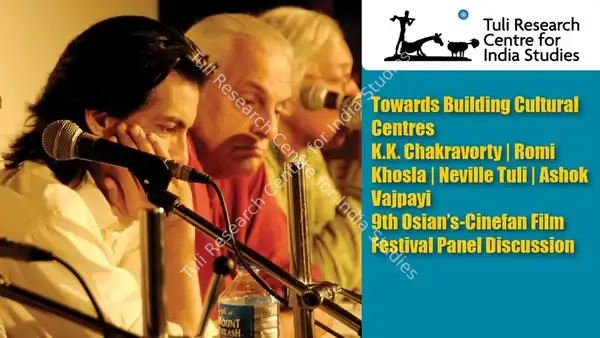
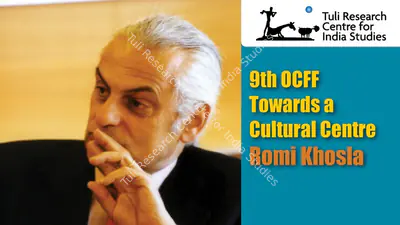
Tuli Research Centre for India Studies (Editor), Towards Building Cultural Centres: Romi, 2007, In-house Video
Tuli Research Centre for India Studies (Editor). Towards Building Cultural Centres: Romi, 28 July 2007 | In-house Video
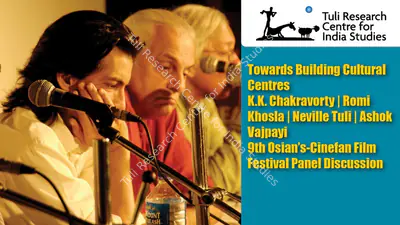
Tuli Research Centre for India Studies (Editor), Towards Building Cultural Centres, 2007, In-house Video
Tuli Research Centre for India Studies (Editor). Towards Building Cultural Centres, 28 July 2007 | In-house Video
20 of 137
Tuli Research Centre for India Studies (Editor). Music in the Films of Guru Dutt: Dreams, Desire, and Disillusionment, 31 August 2026 | In-house Video, 2026 · 1 Hour 15 min · Long-form Video
▶
Tuli Research Centre for India Studies (Editor). Music in the Films of Guru Dutt: Dreams, Desire, and Disillusionment, 31 August 2026 | In-house Video
2026 · 1 Hour 15 min · Long-form Video
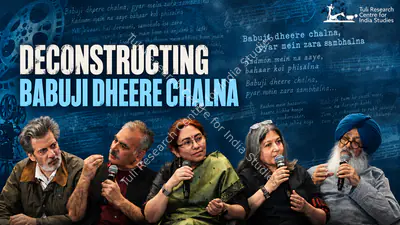
Tuli Research Centre for India Studies (Editor). "Babuji Dheere Chalna" - More Than Just a Club Song, 31 August 2026 | In-house Video, 2026 · 14 min 52 sec · Long-form Video
▶
Tuli Research Centre for India Studies (Editor). "Babuji Dheere Chalna" - More Than Just a Club Song, 31 August 2026 | In-house Video
2026 · 14 min 52 sec · Long-form Video
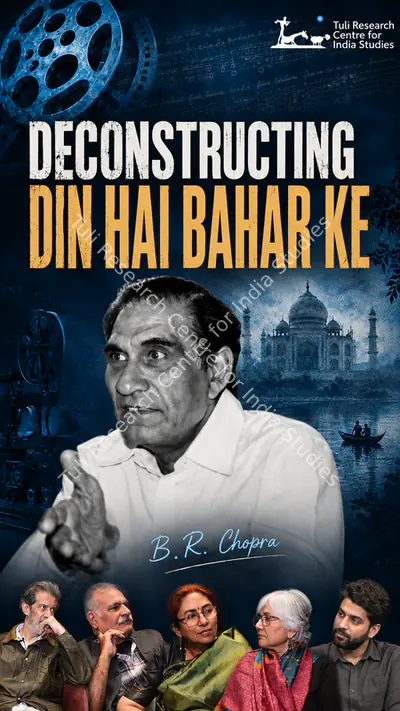
Tuli Research Centre for India Studies (Editor). "Din Hai Bahar Ke" - The Coming Together of Folk and Modern Sensibilities, 31 August 2026 | In-house Video, 2026 · 1 min 01 sec · Vertical Video
▶
Tuli Research Centre for India Studies (Editor). "Din Hai Bahar Ke" - The Coming Together of Folk and Modern Sensibilities, 31 August 2026 | In-house Video
2026 · 1 min 01 sec · Vertical Video
Tuli Research Centre for India Studies (Editor). "Babuji Dheere Chalna" - A Song of Playful Defiance, 31 August 2026 | In-house Video, 2026 · 1 min 02 sec · Vertical Video
▶
Tuli Research Centre for India Studies (Editor). "Babuji Dheere Chalna" - A Song of Playful Defiance, 31 August 2026 | In-house Video
2026 · 1 min 02 sec · Vertical Video
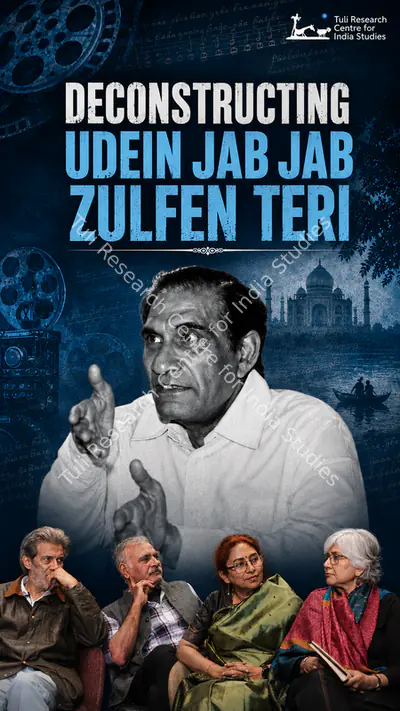
Tuli Research Centre for India Studies (Editor). "Udein Jab Jab Zulfein Teri" - Romance, Folklore, and the Looming Motor Car, 31 August 2026 | In-house Video, 2026 · 1 min 26 sec · Vertical Video
▶
Tuli Research Centre for India Studies (Editor). "Udein Jab Jab Zulfein Teri" - Romance, Folklore, and the Looming Motor Car, 31 August 2026 | In-house Video
2026 · 1 min 26 sec · Vertical Video
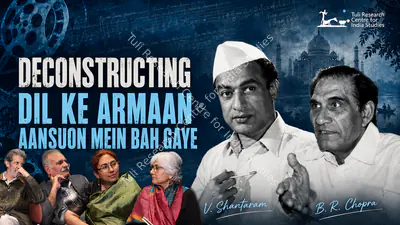
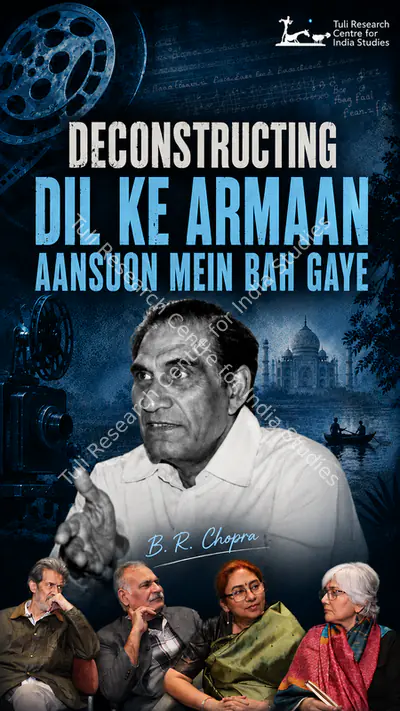
Tuli Research Centre for India Studies (Editor). "Dil Ke Armaan Aansuon Mein Bah Gaye" - Love, Longing and the Popularity of the Ghazal, 31 August 2026 | In-house Video, 2026 · 23 min 46 sec · Long-form Video
▶
Tuli Research Centre for India Studies (Editor). "Dil Ke Armaan Aansuon Mein Bah Gaye" - Love, Longing and the Popularity of the Ghazal, 31 August 2026 | In-house Video
2026 · 23 min 46 sec · Long-form Video
Tuli Research Centre for India Studies (Editor). "Dil Ke Armaan Aansuon Mein Bah Gaye"  - Loneliness Depicted through Mise-en-Scène, 31 August 2026 | In-house Video, 2026 · 1 in 08 sec · Vertical Video
▶
Tuli Research Centre for India Studies (Editor). "Dil Ke Armaan Aansuon Mein Bah Gaye" - Loneliness Depicted through Mise-en-Scène, 31 August 2026 | In-house Video
2026 · 1 in 08 sec · Vertical Video
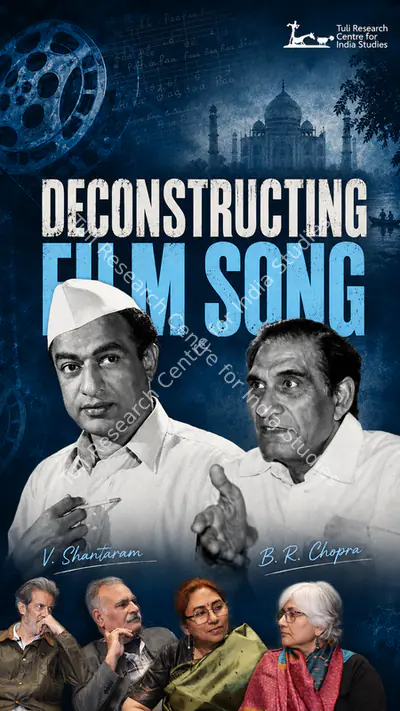
Tuli Research Centre for India Studies (Editor). Music in the Films of B.R. Chopra and V. Shantaram, 31 August 2026 | In-house Video, 2026 · 43 sec · Vertical Video
▶
Tuli Research Centre for India Studies (Editor). Music in the Films of B.R. Chopra and V. Shantaram, 31 August 2026 | In-house Video
2026 · 43 sec · Vertical Video
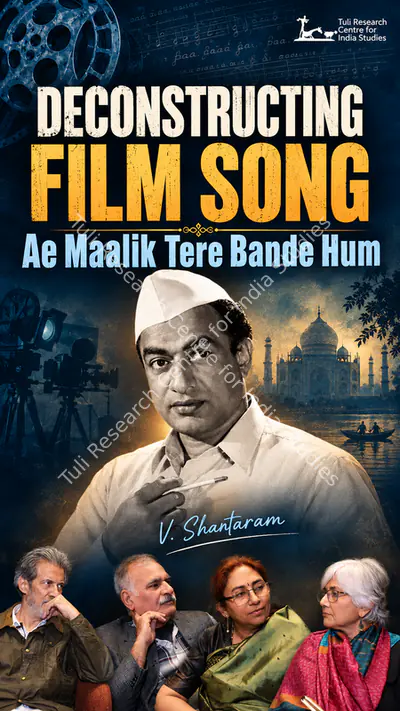
Tuli Research Centre for India Studies (Editor). "Ae Maalik Tere Bande Hum"  - A Bhajan from V Shantaram's film about prison reform, 31 August 2026 | In-house Video, 2026 · 1 min 06 sec · Vertical Video
▶
Tuli Research Centre for India Studies (Editor). "Ae Maalik Tere Bande Hum" - A Bhajan from V Shantaram's film about prison reform, 31 August 2026 | In-house Video
2026 · 1 min 06 sec · Vertical Video
Tuli Research Centre for India Studies (Editor). "Din Hai Bahar Ke" - A Celebration of Youthful Love, 31 August 2026 | In-house Video, 2026 · 14 min 27 sec · Long-form Video
▶
Tuli Research Centre for India Studies (Editor). "Din Hai Bahar Ke" - A Celebration of Youthful Love, 31 August 2026 | In-house Video
2026 · 14 min 27 sec · Long-form Video
Tuli Research Centre for India Studies (Editor). "Ae Maalik Tere Bande Hum" - A Film Song that became a School Prayer, 31 August 2026 | In-house Video, 2026 · 1 hour 11 min · Long-form Video
▶
Tuli Research Centre for India Studies (Editor). "Ae Maalik Tere Bande Hum" - A Film Song that became a School Prayer, 31 August 2026 | In-house Video
2026 · 1 hour 11 min · Long-form Video
Tuli Research Centre for India Studies (Editor). "Udein Jab Jab Zulfen Teri" - Romance and Resistance in BR Chopra's Naya Daur (1957), 31 August 2026 | In-house Video, 2026 · 16 min 27 sec · Long-form Video
▶
Tuli Research Centre for India Studies (Editor). "Udein Jab Jab Zulfen Teri" - Romance and Resistance in BR Chopra's Naya Daur (1957), 31 August 2026 | In-house Video
2026 · 16 min 27 sec · Long-form Video
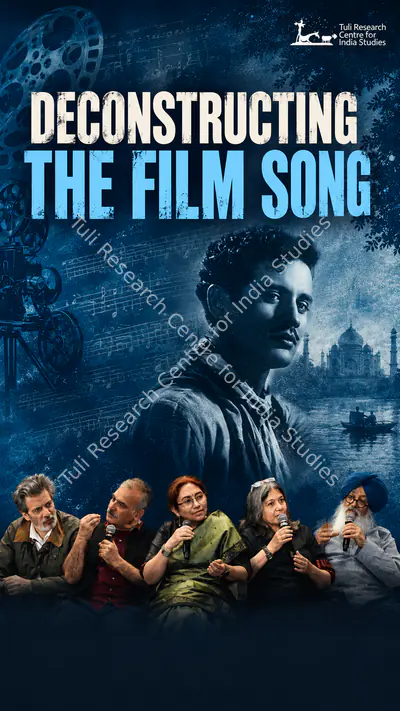
Tuli Research Centre for India Studies (Editor). Music in the Films of B.R. Chopra and V. Shantaram, 31 August 2026 | In-house Video, 2026 · 1 hour 11 min · Long-form Video
▶
Tuli Research Centre for India Studies (Editor). Music in the Films of B.R. Chopra and V. Shantaram, 31 August 2026 | In-house Video
2026 · 1 hour 11 min · Long-form Video
Tuli Research Centre for India Studies (Editor). "Waqt Ne Kiya Kya Haseen Sitam" - The Haunting Song of Guru Dutt’s Life, 31 August 2026 | In-house Video, 2026 · 55 sec · Vertical Video
▶
Tuli Research Centre for India Studies (Editor). "Waqt Ne Kiya Kya Haseen Sitam" - The Haunting Song of Guru Dutt’s Life, 31 August 2026 | In-house Video
2026 · 55 sec · Vertical Video
Tuli Research Centre for India Studies (Editor). "Jinhe Naaz Hai Hind Par Woh Kahan Hain" - The Anguish of the Nation, 31 August 2026 | In-house Video, 2026 · 1 min 27 sec · Vertical Video
▶
Tuli Research Centre for India Studies (Editor). "Jinhe Naaz Hai Hind Par Woh Kahan Hain" - The Anguish of the Nation, 31 August 2026 | In-house Video
2026 · 1 min 27 sec · Vertical Video
Tuli Research Centre for India Studies (Editor). "Waqt Ne Kiya Kya Haseen Sitam"- The Song Lata Mangeshkar Wished She Had Sung, 31 August 2026 | In-house Video, 2026 · 22 min 32 sec · Long-form Video
▶
Tuli Research Centre for India Studies (Editor). "Waqt Ne Kiya Kya Haseen Sitam"- The Song Lata Mangeshkar Wished She Had Sung, 31 August 2026 | In-house Video
2026 · 22 min 32 sec · Long-form Video
Tuli Research Centre for India Studies (Editor). "Yeh Duniya Agar Mil Bhi Jaye To Kya Hai" - The Poet's Disillusionment on Screen, 31 August 2026 | In-house Video, 2026 · 18 min 11 sec · Long-form Video
▶
Tuli Research Centre for India Studies (Editor). "Yeh Duniya Agar Mil Bhi Jaye To Kya Hai" - The Poet's Disillusionment on Screen, 31 August 2026 | In-house Video
2026 · 18 min 11 sec · Long-form Video
Tuli Research Centre for India Studies (Editor). Poetry, Music and Melancholy in Guru Dutt’s Film Songs, 31 August 2026 | In-house Video, 2026 · 1 min 07 sec · Vertical Video
▶
Tuli Research Centre for India Studies (Editor). Poetry, Music and Melancholy in Guru Dutt’s Film Songs, 31 August 2026 | In-house Video
2026 · 1 min 07 sec · Vertical Video
Tuli Research Centre for India Studies (Editor). Sahir' Ludhianvi's Question to the Nation in "Jinhe Naaz Hai Hind Par Woh Kahan Hain", 31 August 2026 | In-house Video, 2026 · 18 min 11 sec · Long-form Video
▶
Tuli Research Centre for India Studies (Editor). Sahir' Ludhianvi's Question to the Nation in "Jinhe Naaz Hai Hind Par Woh Kahan Hain", 31 August 2026 | In-house Video
2026 · 18 min 11 sec · Long-form Video
Tuli Research Centre for India Studies (Editor). The Idea of Artistic Integrity in Guru Dutt's Magnum Opus, 31 August 2026 | In-house Video, 2026 · 1 min 02 sec · Vertical Video
▶
Tuli Research Centre for India Studies (Editor). The Idea of Artistic Integrity in Guru Dutt's Magnum Opus, 31 August 2026 | In-house Video
2026 · 1 min 02 sec · Vertical Video
20 of 137
Tuli Research Centre for India Studies

Tuli Research Centre

for India Studies

A free and open knowledge base for the modern and contemporary Indian arts, cinema, photography and cultural heritage.

Support

Contact Us

Discover

Tuli Research Centre for India StudiesVisionManifestoArchive & LibraryVanraja Sanctuary & Hospice

Legal

Privacy PolicyTerms & Conditions

Follow us

Youtube

Youtube

Instagram

Instagram

Facebook

Facebook

© Tuli Research Centre for India Studies 2026

Tuli Research Centre for India Studies

Tuli Research Centre

for India Studies

A free and open knowledge base for the modern and contemporary Indian arts, cinema, photography and cultural heritage.

Tuli Research Centre for India StudiesVisionManifestoArchive & LibraryVanraja Sanctuary & Hospice
Contact Us
Privacy PolicyTerms & Conditions

Follow us

YoutubeInstagramFacebook

© Tuli Research Centre for India Studies 2026

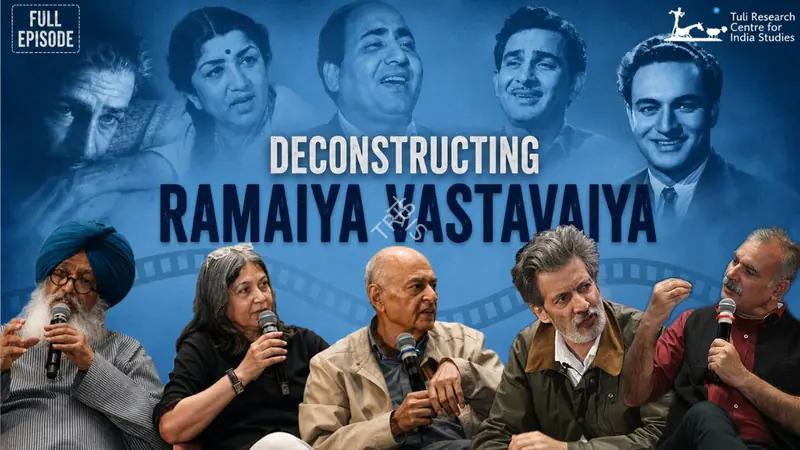
                          Tuli Research Centre for India Studies (Editor). "Ramaiya Vastavaiya"- The Telugu Refrain That Was Never Meant to Survive | Shree 420 (1955), 04 August 2026 | In-house Video | CinemaEducation | 00883649
                          22 min 34 sec · Long-form Video

                          "Ramaiya Vastavaiya"- The Telugu Refrain That Was Never Meant to Survive | Shree 420 (1955)

                          Tuli Research Centre for India Studies (Editor)

                          Document TypeIn-house Video
                          Date04 August 2026
                          Duration22 min 34 sec
                          FormatLong-form Video
                          Description
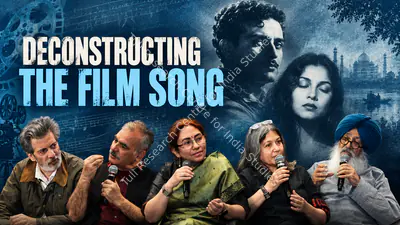
                          The playful, romantic melody “Ramaiya Vastavaiya” from Raj Kapoor’s Shree 420 (1955), transcends romance to to become a profound reflection on community, love, loss, and belonging. Sung by Lata Mangeshkar and Mukesh, with music by Shankar-Jaikishan and lyrics by Shailendra, the longevity of this iconic song comes from its catchy refrain and folk energy. In the insightful workshop, ‘Deconstructing the Hindi Film Song: A Musical Glue for Nation Building’ organised by the Tuli Research Centre for India Studies (TRIS), experts Madan Gopal Singh, Juhi Saklani, Ravikant and Amit Khanna, in conversation with Neville Tuli, explores the enduring appeal of the song. The speakers discuss how the song embodies Raj Kapoor's vision of an inclusive social world where individual emotions find expression through shared experience. The discussion also highlights the creative contributions of Raj Kapoor, Shankar–Jaikishan, Shailendra, Lata Mangeshkar, Mukesh, and Mohammed Rafi, while exploring how the song's blend of folk sensibilities, and philosophical depth, helped shape the cultural imagination of post-Independence India. Part of a broader exploration of four iconic songs from the cinema of Raj Kapoor, the conversation examined the song through a close reading of the lyrics, musical structure, dramatic context, and performance.

                          Related Links17

                          Masterlist16
                          Raj KapoorShailendraDigital in House VideosLata MangeshkarMukeshMohammad RafiAmit KhannaNeville TuliDeconstructing the Film Song 2026NadiraNargisKhwaja Ahmad AbbasRadhu KarmakarHasrat JaipuriAsha BhosleManna Dey
                          Research Categories
                          01Cinema as a Critical Educational Resource