Music in the Films of Guru Dutt: Dreams, Desire, and Disillusionment
Tuli Research Centre for India Studies (Editor)
Document TypeIn-house Video
Date31 August 2026
Duration1 Hour 15 min
FormatLong-form Video
Description
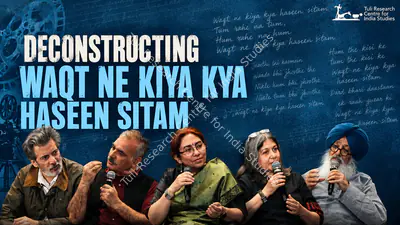
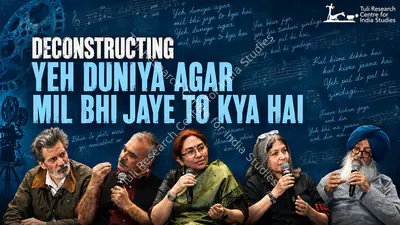
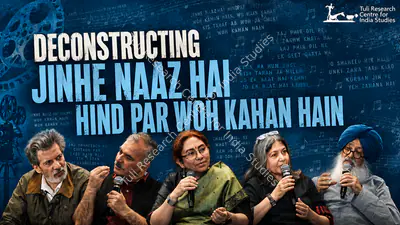
Guru Dutt's cinema deconstructed through four of his most enduring songs, "Babuji Dheere Chalna" (Aar Paar, 1954), "Jaane Woh Kaise Log The" (Pyaasa, 1957), "Yeh Duniya Agar Mil Bhi Jaye" (Pyaasa, 1957), and "Waqt Ne Kiya Kya Haseen Sitam" (Kaagaz Ke Phool, 1959).
Why did Mohammed Rafi go silent mid-line while recording "Jaane Woh Kaise Log The”, unable, as the story goes, to finish the sentence? Why does the poet in "Yeh Duniya Agar Mil Bhi Jaye" keep rising into the frame, again and again, in what one panelist calls "an act of reclamation"? And why is "Waqt Ne Kiya Kya Haseen Sitam," picturised through mirrors, the one Hindi film song where you don't just hear the music, you watch it being made?
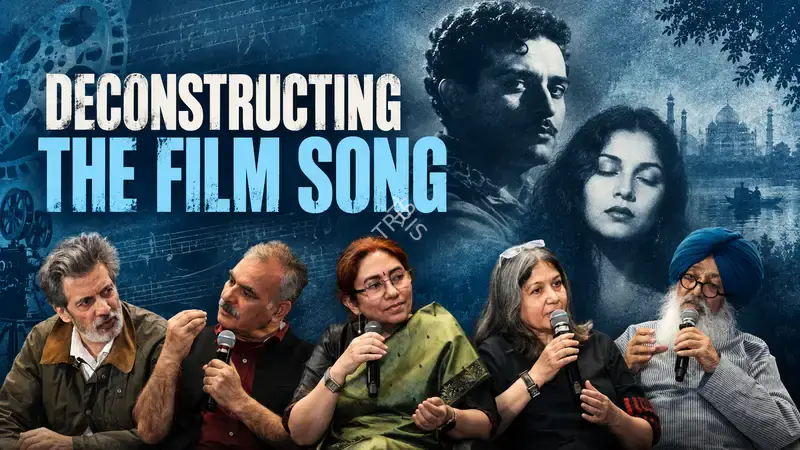
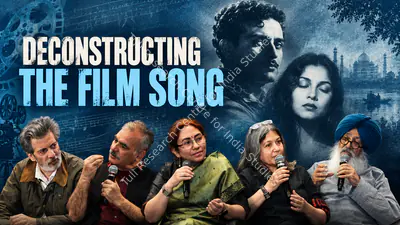
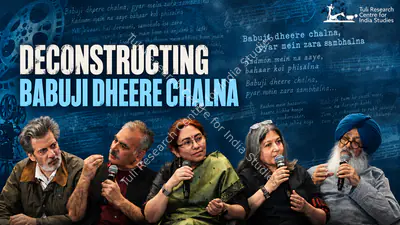
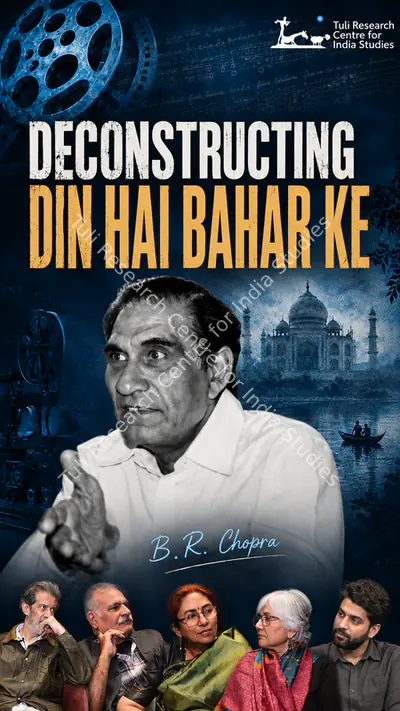
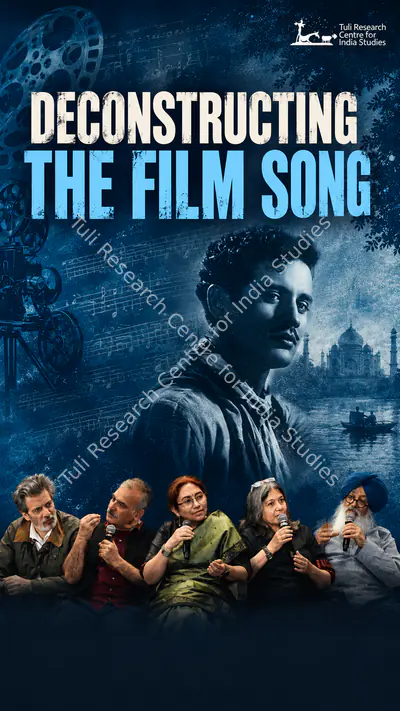
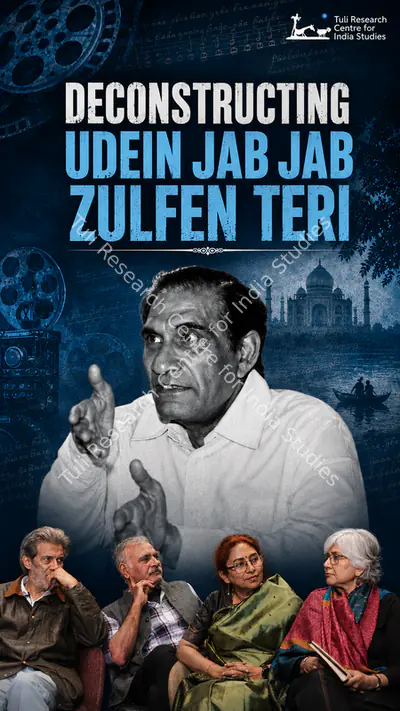
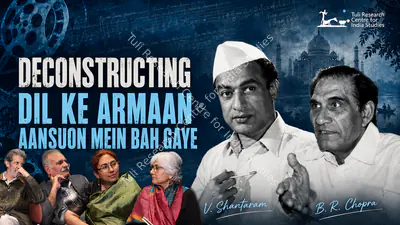
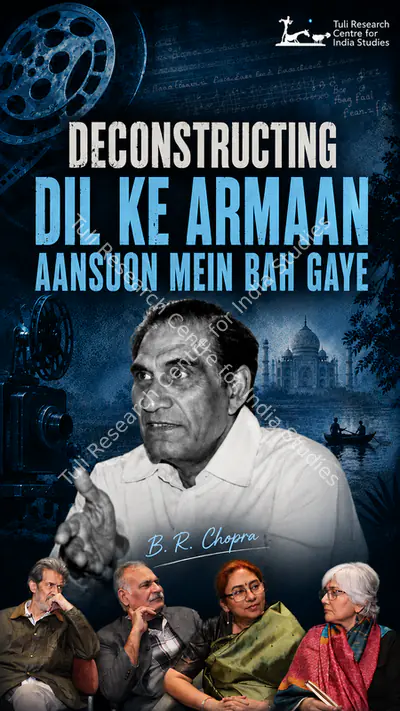
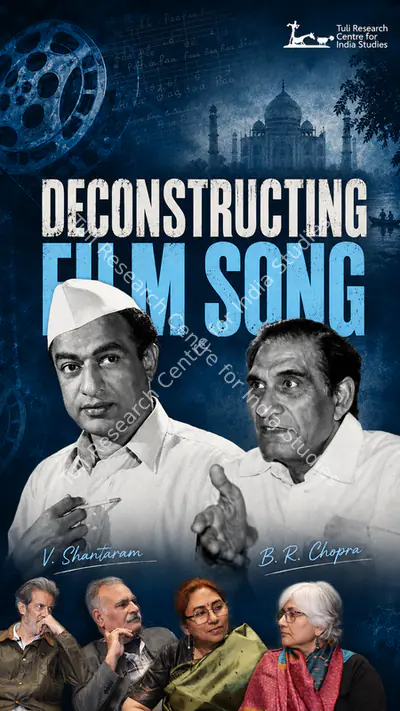
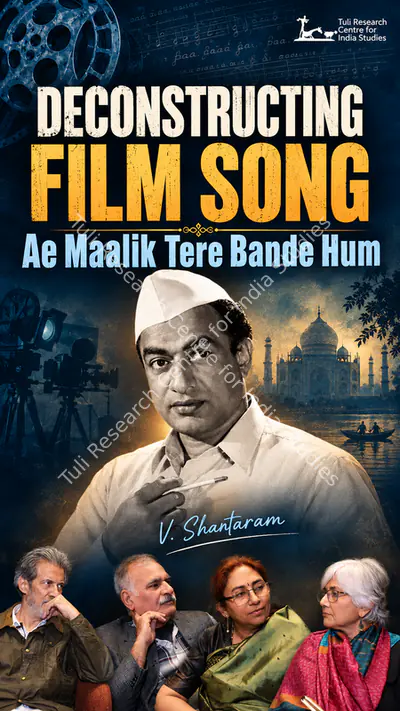
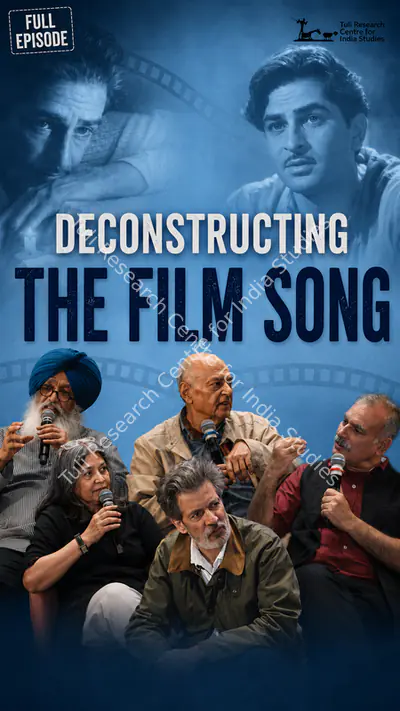
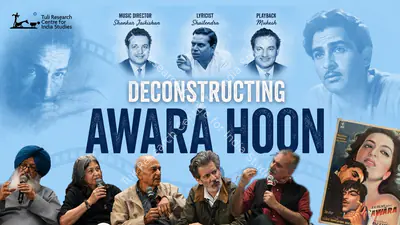
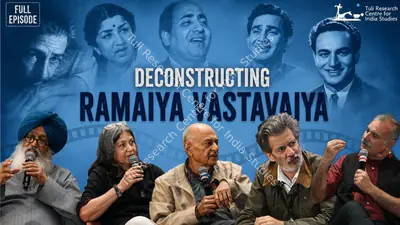
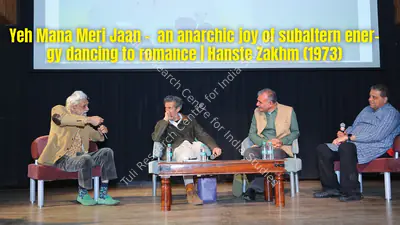
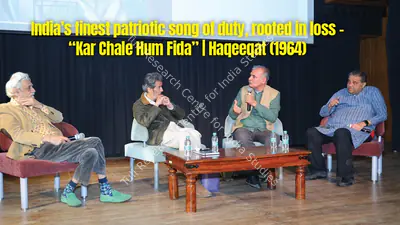
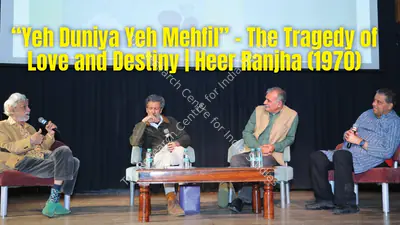
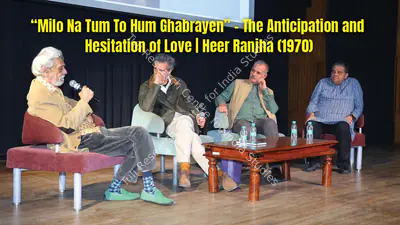
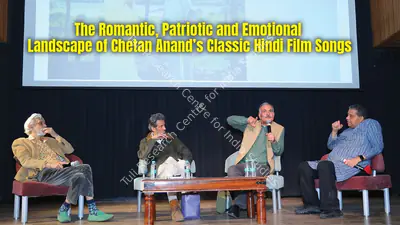
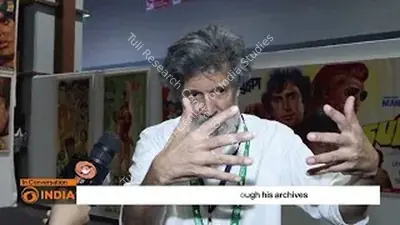
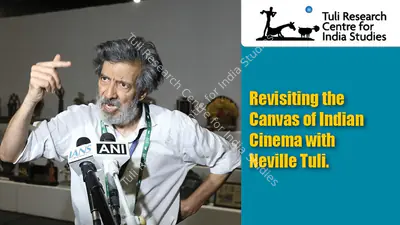
In this session, Madan Gopal Singh, Ravikant, Antara Mondal, Juhi Saklani and Neville Tuli examine the creative contributions of S.D. Burman, O.P. Nayyar, Sahir Ludhianvi, Majrooh Sultanpuri, Geeta Dutt and Mohammed Rafi; to explore how Guru Dutt's cinema used the film song as social critique, romance, longing and philosophical reflection, and why V.K. Murthy's cinematography and Guru Dutt's own restraint turned four songs into some of the most enduring moments in Indian cultural memory.
Chapters:
0:00 — "Babuji Dheere Chalna" (Aar Paar, 1954)
3:30 — Discussion: O.P. Nayyar's sound, and a woman on the fringes of society
14:57 — "Jaane Woh Kaise Log The" (Pyaasa, 1957)
39:10 — Discussion: the national anthem's counter-song, Sahir's fallen women, Rafi's unfinished line
44:37 — "Yeh Duniya Agar Mil Bhi Jaye" (Pyaasa, 1957)
52:33 — "Waqt Ne Kiya Kya Haseen Sitam" (Kaagaz Ke Phool, 1959)
57:00 — Discussion: watching a song being made, V.K. Murthy, mirrors, and the third dimension of time
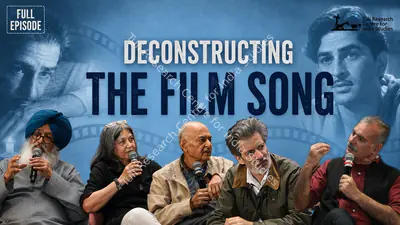
This session was part of the series 'Deconstructing the Film Song: A Musical Glue for Nation-Building,' presented by the Tuli Research Centre for India Studies (T.R.I.S.) as part of the 7th Self-Discovery via Rediscovering India Festival.