Uncertainty, Destiny and the Tramp in Raj Kapoor’s "Awara Hoon" | Awara (1951)
Tuli Research Centre for India Studies (Editor)
Document TypeIn-house Video
Date05 August 2026
Duration1 min 16 sec
FormatVertical Video
Description
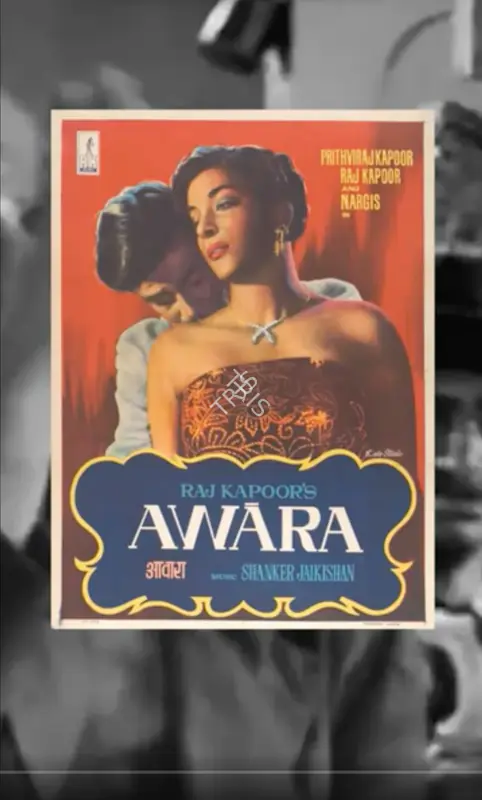
What exactly is the song “Awara Hoon” from Raj Kapoor’s Awara (1951) about?
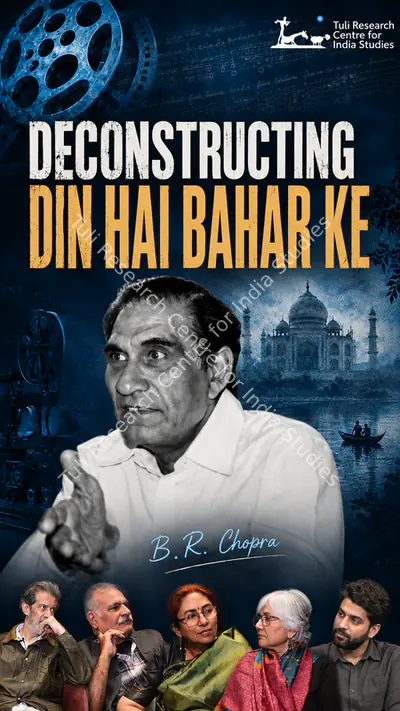
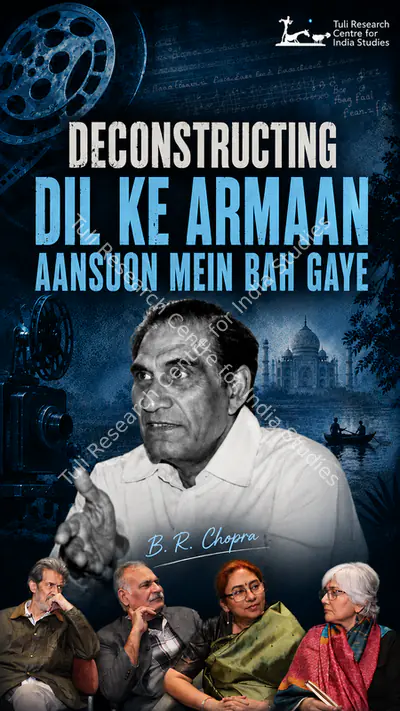
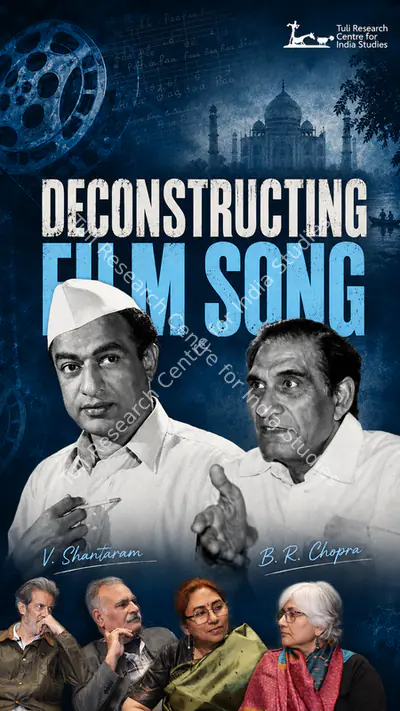
Panelists Amit Khanna, Madan Gopal Singh, Ravikant, Juhi Saklani, and Neville Tuli, examine this iconic song that lives inside too many uncertainties and keeps asking - am I a wanderer, or a star in orbit? There is no home, no belonging, no clear destiny; only movement, longing, and doubt. It is the sound of a world unsure of itself, and still singing.
Visually, the influence of Charlie Chaplin is unmistakable. From Raj Kapoor’s attire to his tramp’s gait, the vagabond persona is shaped by Chaplin’s image of the little man buffeted by forces beyond his control. The song turns that figure into a symbol of a whole post-independence generation, uncertain about entitlement, class, and the future, yet still spirited, hopeful, and strangely free.
The combined effort of Raj Kapoor, lyricist Shailendra, composers Shankar–Jaikishan, and singer Mukesh, creates a number that is at once philosophical and popular, a song that asks big questions about destiny and identity while reaching millions as an unforgettable hit film song.
This video is from 'A Musical Glue for Nation-Building: Deconstructing the Film Song', presented by the Tuli Research Centre for India Studies (T.R.I.S.) at the 7th Self-Discovery via Rediscovering India Festival.