Introduction
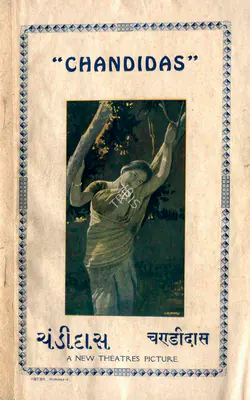
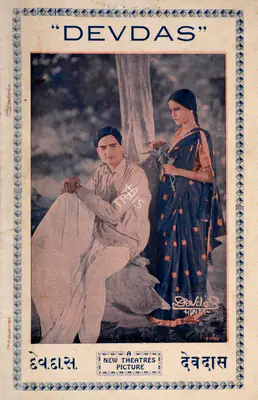
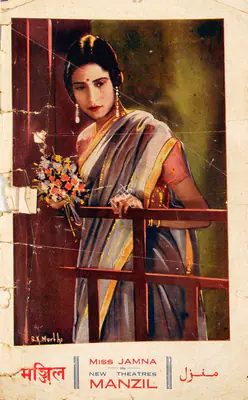
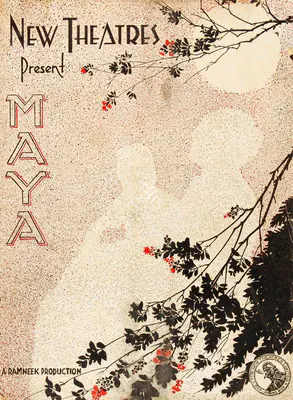
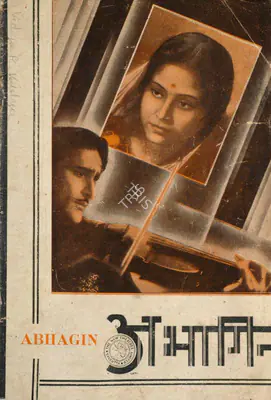
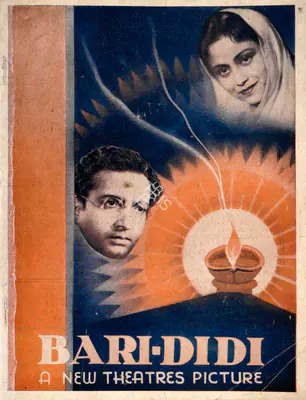
Mentored by director, cinematographer and screenwriter Nitin Bose, Roy began his career at Calcutta's New Theatres as an assistant cameraman, refining his expertise in cinematography. His apprenticeship was formative, particularly in developing a distinctive command of lighting and composition, evident in films such as Mukti and Devdas Roy later emerged as a leading director, renowned for socially realist cinema and for mentoring influential filmmakers including Hrishikesh Mukherjee and Gulzar.
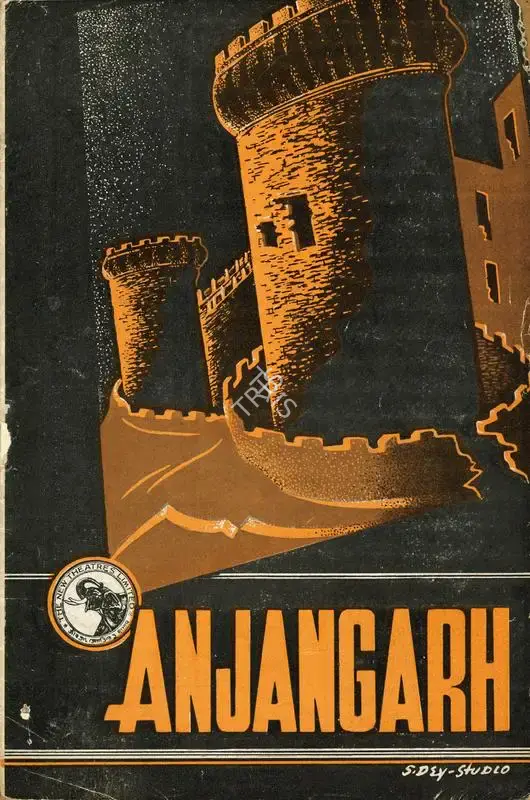
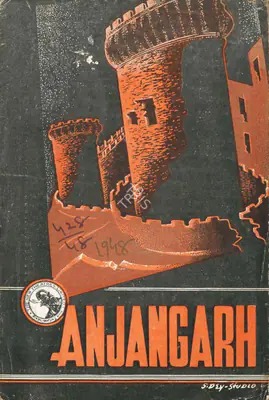
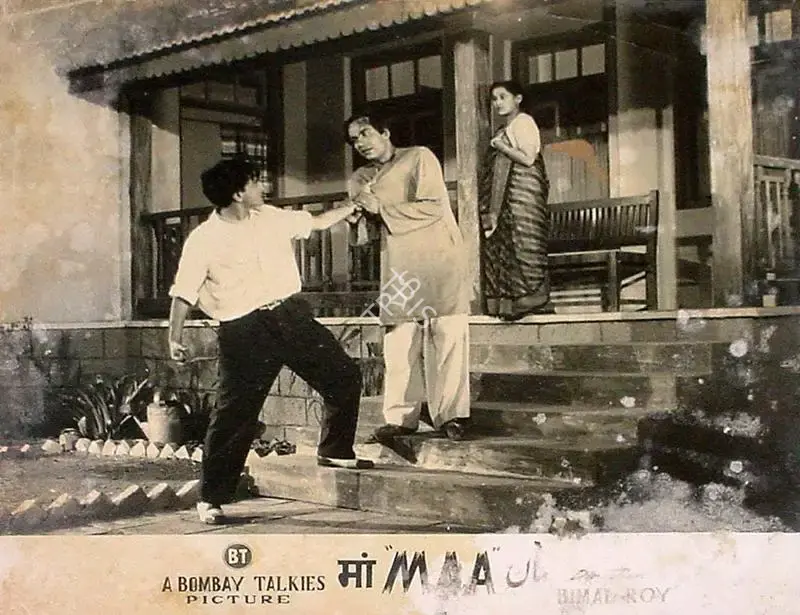
Roy rose to prominence during the 1940s and 1950s, a period when post-war Indian cinema was beginning to explore more grounded storytelling. He contributed to Anjangarh (1948), one of New Theatres' last significant productions, before the industry's decline pushed him and his core team—including Hrishikesh Mukherjee, Nabendu Ghosh, Asit Sen, Kamal Bose, and later Salil Chaudhury—to Bombay in 1950. There, he launched the second phase of his career with Maa (1952).
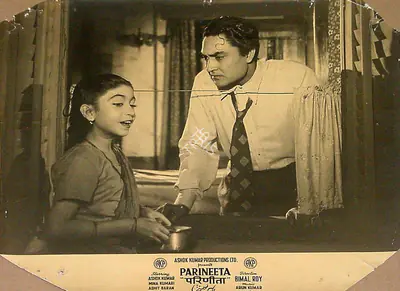
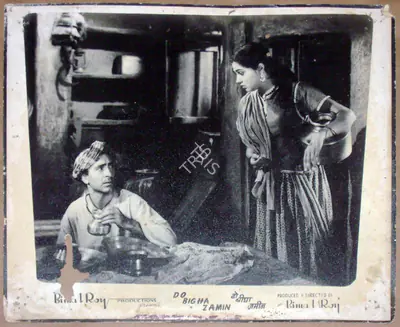
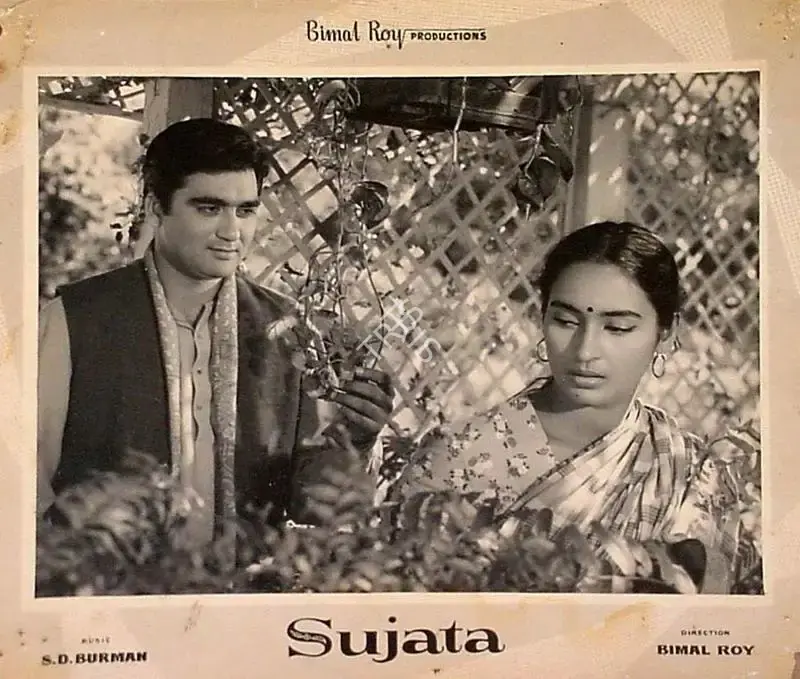
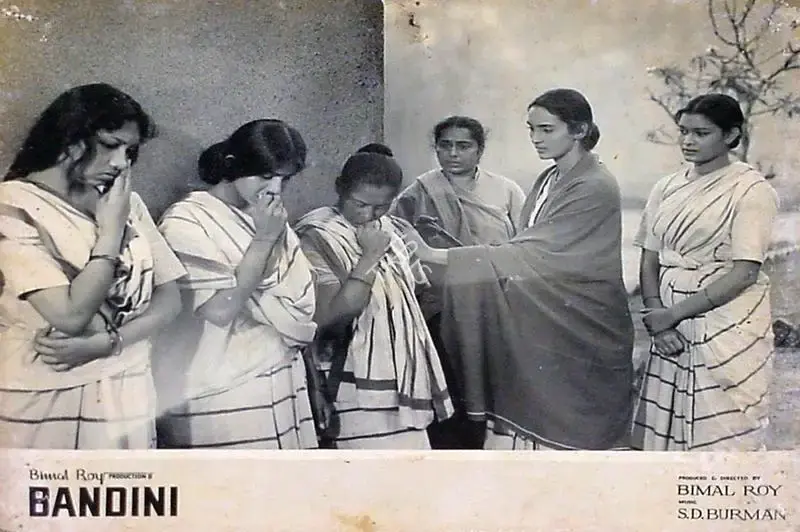
Deeply influenced by Italian neo-realism, Roy crafted Do Bigha Zamin (1953) after watching Vittorio De Sica's Bicycle Thieves. The film bridged art and commercial cinema for the first time in India and won the International Prize at Cannes in 1954, laying the foundation for the country's New Wave movement. Through films such as Parineeta, Biraj Bahu, Sujata, Parakh and Bandini, Roy sharpened a signature style built on restrained performances, stark imagery and sharp social observation.
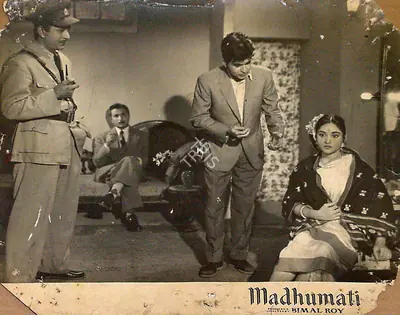
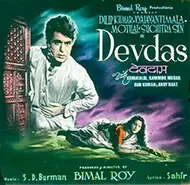
His 1958 film Madhumati—written by Ritwik Ghatak—became a landmark in commercial Hindi cinema. One of the earliest Indian films to explore reincarnation as a narrative device, it went on to win nine Filmfare Awards, a record that stood for nearly four decades. Devdas (1955) and Sujata (1959) further cemented his standing as a director with a keen understanding of human vulnerability and social inequity. In 1959, Roy served on the jury of the inaugural Moscow International Film Festival.
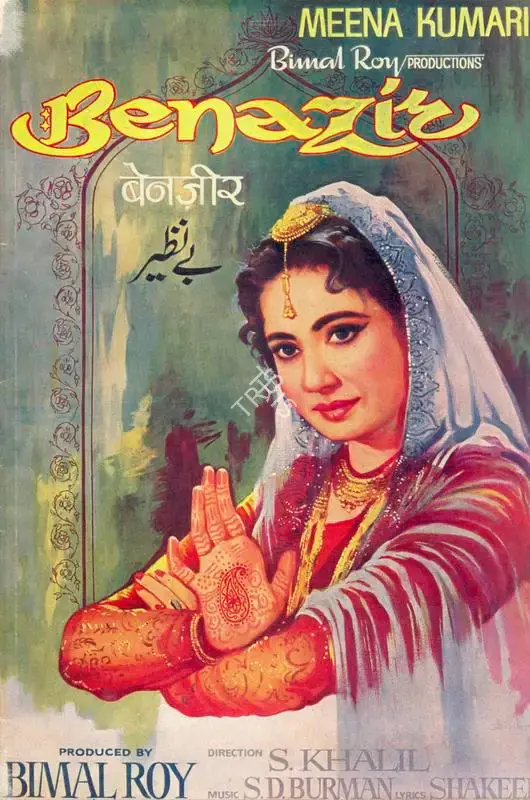
Across his career, Roy collected eleven Filmfare Awards, two National Awards and international recognition that placed him among the few Indian filmmakers with a global imprint. He also produced notable works such as Kabuliwala (1961) and Benazir (1964), and his films continue to be restored, screened and studied worldwide.
Roy died of cancer on 7 January 1966 at age 56. His legacy endures through the Bimal Roy Memorial Committee and an annual award established in his name, reaffirming his standing as a pioneer of socially engaged Indian cinema.
- Date of Birth
- 12 Jul 1909
- Date of Death
- 07 Jan 1966
- Age
- 56
- Nationality
- Indian
- Place of Birth
- Suapur, Bengal, Undivided India
- Place of Death
- Mumbai, Maharashtra
- Spouse(s)
- Year Marriage Registered
- 1937
- Children
- Rinki BhattacharyaJoy bimal RoyYashodhara RoyAparajita sinha Roy
- Parent(s)
- Hemchandra Roy
- Siblings
- Roshenara RoyBinoy RoyAnil Chandra
- Armanitola Boys School
- Jagannath College
Filmography 60
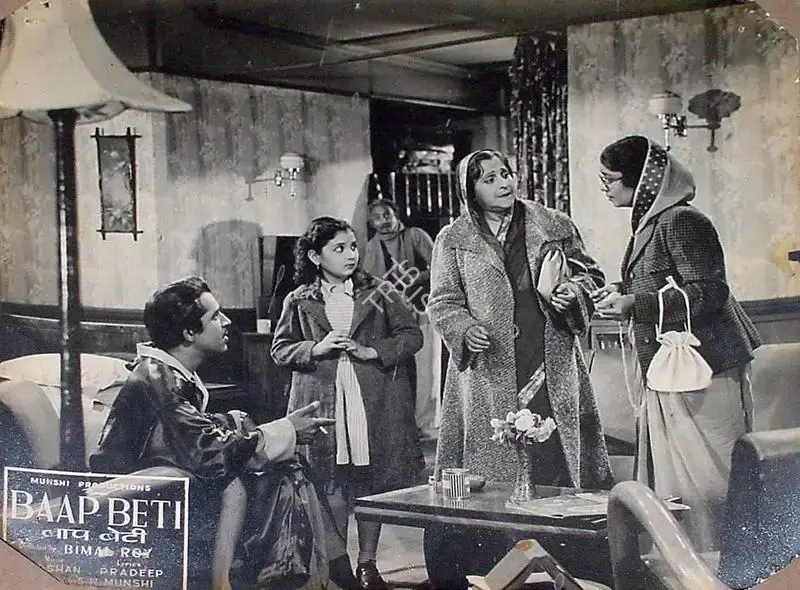
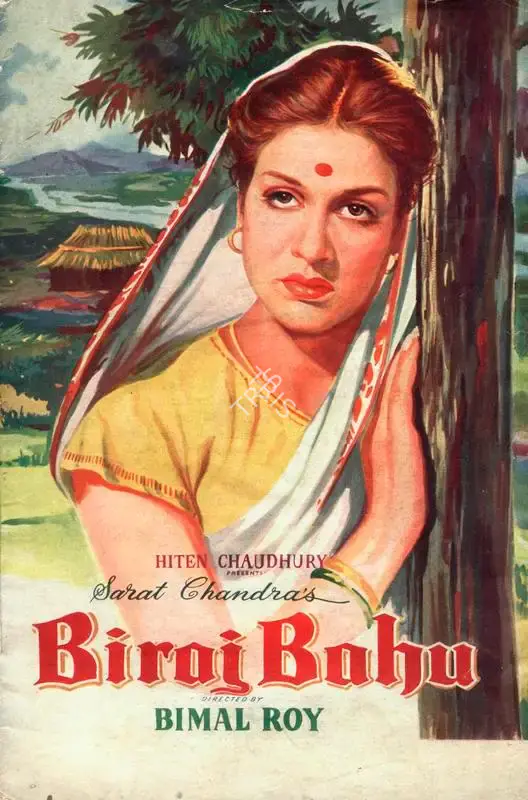
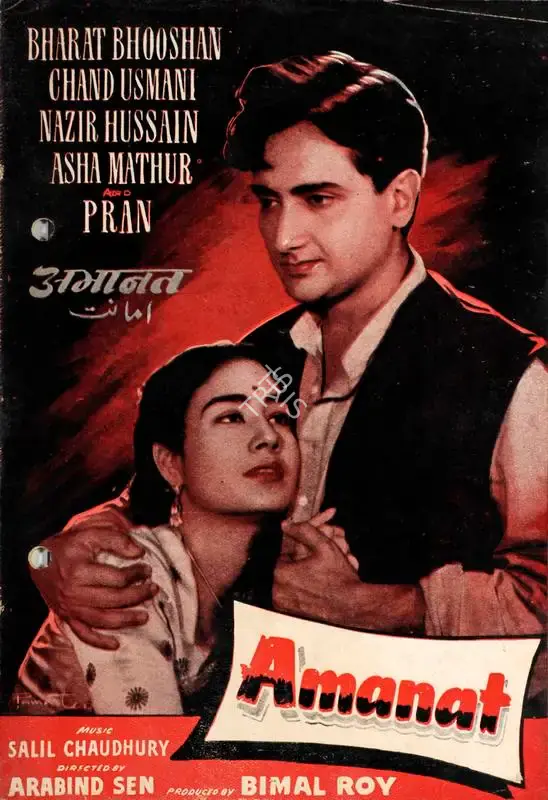
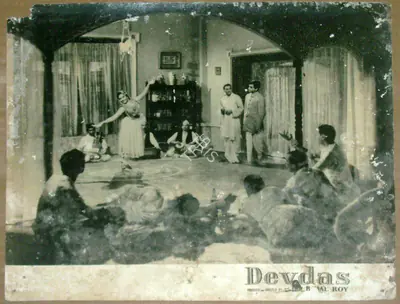
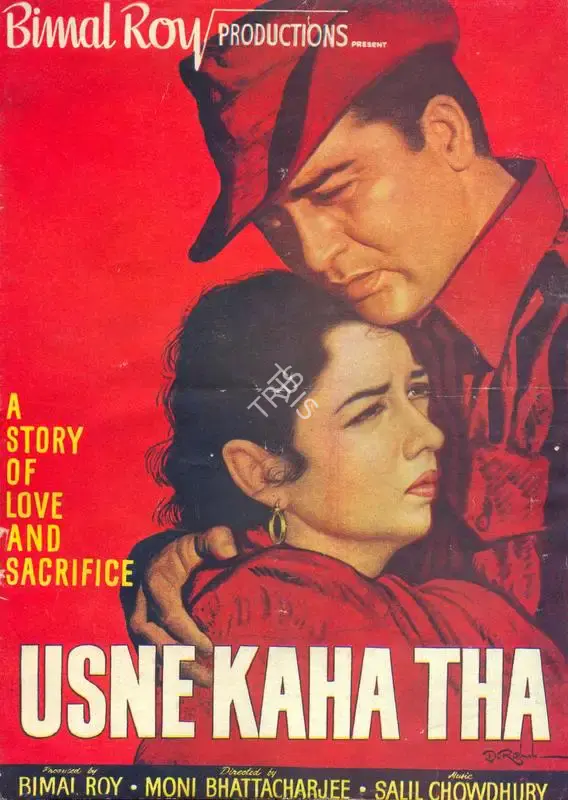
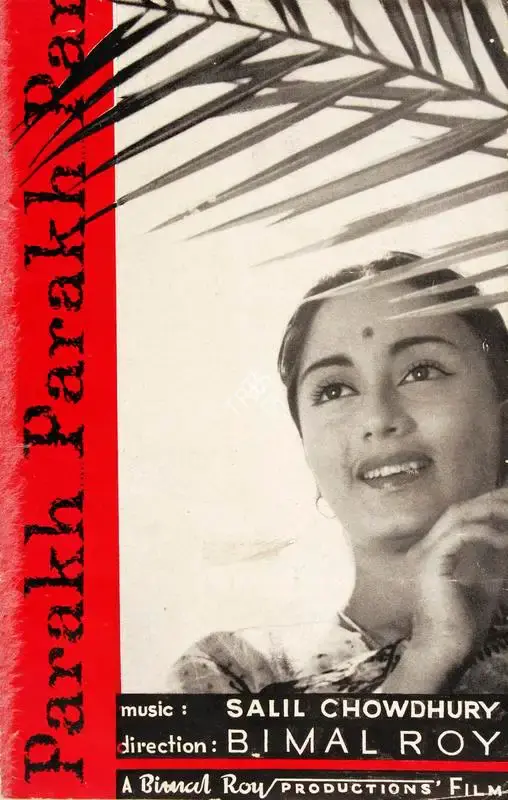
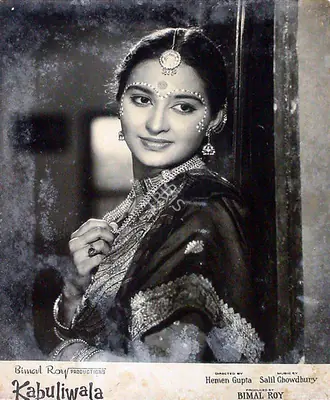
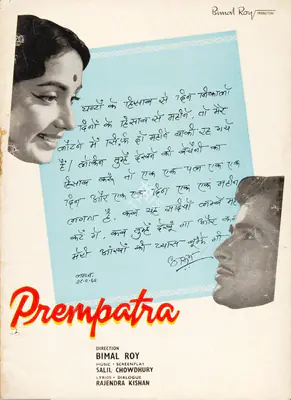
Integrated Timeline
Economics of Cinema
1953
- Filmfare Awards
Best Director · Times of India Group
- Prix International, Cannes Film FestivalInternational
Best Film · Cannes Film Festival
- Karlovy Vary International Film FestivalInternational
Prize for Social Progress · Karlovy Vary International Film Festival
- National Film Awards
All India Certificate of Merit for Best Feature Film · Ministry of Information & Broadcasting, Government of India
- Filmfare Awards
Best Film · Times of India Group
1954
- Filmfare Awards
Best Director · Times of India Group
- National Film Awards
All India Certificate of Merit for Best Feature Film · Ministry of Information & Broadcasting, Government of India
1955
- Filmfare Awards
Best Director · Times of India Group
- National Film Awards
All India Certificate of Merit for Best Feature Film · Ministry of Information & Broadcasting, Government of India
1958
- Filmfare Awards
Best Director · Times of India Group
- Filmfare Awards
Best Film · Times of India Group
- National Film Awards
President's Silver Medal for Best Feature Film in Hindi · Ministry of Information & Broadcasting, Government of India
1959
- National Film Awards
All India Certificate of Merit for Third Best Feature Film · Ministry of Information & Broadcasting, Government of India
- Filmfare Awards
Best Director · Times of India Group
- Filmfare Awards
Best Film · Times of India Group
1960
- Filmfare Awards
Best Director · Times of India Group
1963
- National Film Awards
Best Feature Film in Hindi · Ministry of Information & Broadcasting, Government of India
- Filmfare Awards
Best Film · Times of India Group
- Filmfare Awards
Best Director · Times of India Group
2025
- Filmfare Awards
Cine Icon Award for Enduring Legacy in Hindi Cinema · Times of India Group
Research Centre
Related
49
Personalities
27
Films
21
Themes
1