Bimal Roy

Bimal Roy
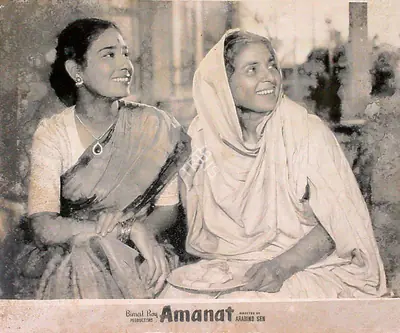
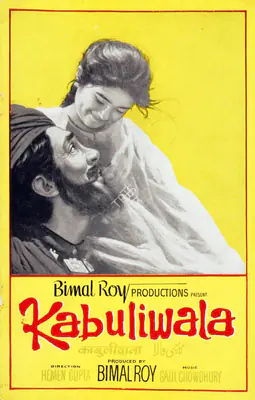
Bimal Roy (1909–1966) remains one of Hindi cinema's most influential directors, known for a body of work that fused realism, social commitment and mainstream appeal. Born on 12 July 1909 in Suapur, Dhaka—then part of British India—Roy entered films after moving to Calcutta, joining New Theatres as a camera assistant. There, he worked on P.C. Barua's 1935 Devdas, an early assignment that shaped his understanding of performance, framing and narrative economy. Mentored by director, cinematographer and screenwriter Nitin Bose, Roy began his career at Calcutta's New Theatres as an assistant cameraman, refining his expertise in cinematography. His apprenticeship was formative, particularly in developing a distinctive command of lighting and composition, evident in films such as Mukti and Devdas Roy later emerged as a leading director, renowned for socially realist cinema and for mentoring influential filmmakers including Hrishikesh Mukherjee and Gulzar. Roy rose to prominence during the 1940s and 1950s, a period when post-war Indian cinema was beginning to explore more grounded storytelling. He contributed to Anjangarh (1948), one of New Theatres' last significant productions, before the industry's decline pushed him and his core team—including Hrishikesh Mukherjee, Nabendu Ghosh, Asit Sen, Kamal Bose, and later Salil Chaudhury—to Bombay in 1950. There, he launched the second phase of his career with Maa (1952). Deeply influenced by Italian neo-realism, Roy crafted Do Bigha Zamin (1953) after watching Vittorio De Sica's Bicycle Thieves. The film bridged art and commercial cinema for the first time in India and won the International Prize at Cannes in 1954, laying the foundation for the country's New Wave movement. Through films such as Parineeta, Biraj Bahu, Sujata, Parakh and Bandini, Roy sharpened a signature style built on restrained performances, stark imagery and sharp social observation. His 1958 film Madhumati—written by Ritwik Ghatak—became a landmark in commercial Hindi cinema. One of the earliest Indian films to explore reincarnation as a narrative device, it went on to win nine Filmfare Awards, a record that stood for nearly four decades. Devdas (1955) and Sujata (1959) further cemented his standing as a director with a keen understanding of human vulnerability and social inequity. In 1959, Roy served on the jury of the inaugural Moscow International Film Festival. Across his career, Roy collected eleven Filmfare Awards, two National Awards and international recognition that placed him among the few Indian filmmakers with a global imprint. He also produced notable works such as Kabuliwala (1961) and Benazir (1964), and his films continue to be restored, screened and studied worldwide. Roy died of cancer on 7 January 1966 at age 56. His legacy endures through the Bimal Roy Memorial Committee and an annual award established in his name, reaffirming his standing as a pioneer of socially engaged Indian cinema.
Bimal Roy
Bimal Roy (1909–1966) remains one of Hindi cinema's most influential directors, known for a body of work that fused realism, social commitment and mainstream appeal. Born on 12 July 1909 in Suapur, Dhaka—then part of British India—Roy entered films after moving to Calcutta, joining New Theatres as a camera assistant. There, he worked on P.C. Barua's 1935 Devdas, an early assignment that shaped his understanding of performance, framing and narrative economy. Mentored by director, cinematographer and screenwriter Nitin Bose, Roy began his career at Calcutta's New Theatres as an assistant cameraman, refining his expertise in cinematography. His apprenticeship was formative, particularly in developing a distinctive command of lighting and composition, evident in films such as Mukti and Devdas Roy later emerged as a leading director, renowned for socially realist cinema and for mentoring influential filmmakers including Hrishikesh Mukherjee and Gulzar. Roy rose to prominence during the 1940s and 1950s, a period when post-war Indian cinema was beginning to explore more grounded storytelling. He contributed to Anjangarh (1948), one of New Theatres' last significant productions, before the industry's decline pushed him and his core team—including Hrishikesh Mukherjee, Nabendu Ghosh, Asit Sen, Kamal Bose, and later Salil Chaudhury—to Bombay in 1950. There, he launched the second phase of his career with Maa (1952). Deeply influenced by Italian neo-realism, Roy crafted Do Bigha Zamin (1953) after watching Vittorio De Sica's Bicycle Thieves. The film bridged art and commercial cinema for the first time in India and won the International Prize at Cannes in 1954, laying the foundation for the country's New Wave movement. Through films such as Parineeta, Biraj Bahu, Sujata, Parakh and Bandini, Roy sharpened a signature style built on restrained performances, stark imagery and sharp social observation. His 1958 film Madhumati—written by Ritwik Ghatak—became a landmark in commercial Hindi cinema. One of the earliest Indian films to explore reincarnation as a narrative device, it went on to win nine Filmfare Awards, a record that stood for nearly four decades. Devdas (1955) and Sujata (1959) further cemented his standing as a director with a keen understanding of human vulnerability and social inequity. In 1959, Roy served on the jury of the inaugural Moscow International Film Festival. Across his career, Roy collected eleven Filmfare Awards, two National Awards and international recognition that placed him among the few Indian filmmakers with a global imprint. He also produced notable works such as Kabuliwala (1961) and Benazir (1964), and his films continue to be restored, screened and studied worldwide. Roy died of cancer on 7 January 1966 at age 56. His legacy endures through the Bimal Roy Memorial Committee and an annual award established in his name, reaffirming his standing as a pioneer of socially engaged Indian cinema.

Introduction


Date of Birth

12 Jul 1909

Date of Death

07 Jan 1966

Age

56

Nationality

Indian

Place of Birth

Suapur, Bengal, Undivided India

Place of Death

Mumbai, Maharashtra

Spouse(s)

Year Marriage Registered

1937

Children

Rinki Bhattacharya

Joy bimal Roy

Yashodhara Roy

Aparajita sinha Roy

Parent(s)

Hemchandra Roy

Siblings

Roshenara Roy

Binoy Roy

Anil Chandra


Date of Birth

12 Jul 1909

Date of Death

07 Jan 1966

Age

56

Nationality

Indian

Place of Birth

Suapur, Bengal, Undivided India

Place of Death

Mumbai, Maharashtra

Spouse(s)

Year Marriage Registered

1937

Children

Rinki Bhattacharya

Joy bimal Roy

Yashodhara Roy

Aparajita sinha Roy

Parent(s)

Hemchandra Roy

Siblings

Roshenara Roy

Binoy Roy

Anil Chandra


Filmography

Print
Loading...

Integrated Timeline

Time Periods

1909-1925
1925-1932
1932-1943
1944-1949
1950-1952
1953-1955
1958-1960
1961-1966
Roy Manobina Photographer Young Bimal Roy nd Photographic Still Bimal Roy 2017 Photography 00882003
Roy, Manobina (Photographer). Young Bimal Roy. n.d. | Photographic Still, Bimal Roy, 2017 | Photography | 00882003

12 July 1909

Bimal Roy was born in 1909 in the village of Suapur in East Bengal, which is now Bangladesh. Fourth of seven brothers, he hailed from an affluent zamindar family. Both his parents were artistically inclined. Growing up in a rural, riverine landscape deeply influenced his later cinematic aesthetic, inspiring recurring imagery of the rural landscape and ways of life. He initially received his education at home before attending the Armanitola Boys' School and then the Jagannath College at Dhaka. His family's immense wealth was often squandered on lavish nocturnal mujra sessions fueled by expensive Scotch whiskey, an environment that instilled in Roy a lifelong, strict aversion to alcohol. These formative years were marked by a paradoxical exposure to both the oppressive feudal system and the rich cultural traditions of rural Bengal. He developed a passion for photography early on.

Unknown Photographer Calcutta 1930s Contemporary Photograph Photography 00882002
Unknown (Photographer). Calcutta. 1930s | Contemporary Photograph | Photography | 00882002

1925-1932

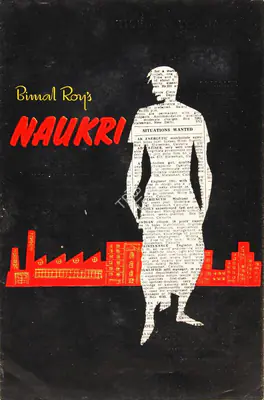
Following the premature death of his father, Bimal Roy's family was evicted from the estate and around the 1930s, the family settled in Calcutta. This forced displacement stripped him of the aristocratic privileges and thrust him into the struggles of the working class. This shaped his worldview and class awareness, later reflected in films like Do Bigha Zamin, Sujata and Naukri. Leveraging his passion for photography, he co-founded Studio Luce, a photo studio that specialised in portraitature and processed photographs of eminent figures. His was fascinated with the medium of cinema, and finally managed to secure an entry-level position as assistant camerman at the prestigious New Theatres Studio, Calcutta.

Sircar BN Producer Devdas 1935 Song-Synopsis Booklet CinemaEducation 00863954
Sircar, B.N. (Producer), Devdas, 1935 | Song-Synopsis Booklet | CinemaEducation | 00863954

1932-1943

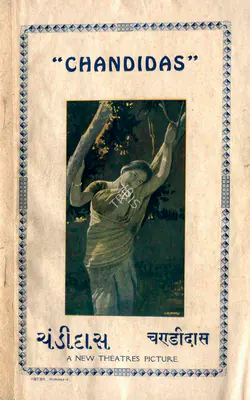
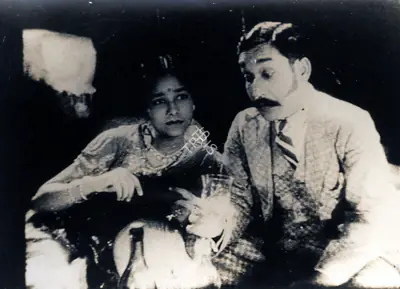
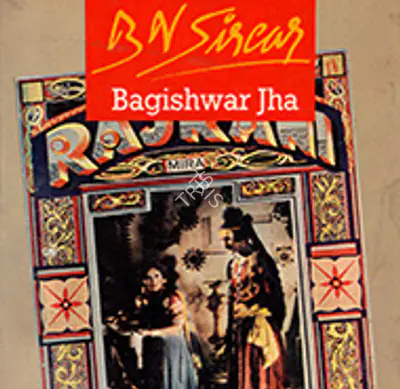
At New Theatres, Bimal Roy apprenticed under the legendary director Nitin Bose, who was then a cinematographer. Roy quickly gained a reputation for his command over lighting and composition. He worked on films like Chandidas (1934) and Daku Mansoor (1934). He famously shot P.C. Barua's icnoic films Devdas (1935) and Mukti (/1937). Roy's cinematography was characterized by its lyrical realism, innovative use of angles, and an insistence on revealing the natural light source, pushing Indian cinema beyond its theatrical origins. In 1937, he married Manobina Roy, who would be a pillar of support and a creative partner throughout his life. In 1943, he directed a government-sponsored documentary on the horrors of the Bengal famine in which he chronicled and captured harrowing footage of the starving masses.

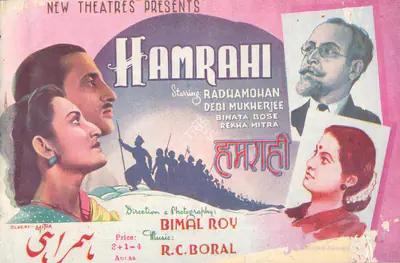
Sircar BN Producer Hamrahi 1944 Song-Synopsis Booklet CinemaEducation 00864655
Sircar, B.N. (Producer), Hamrahi, 1944 | Song-Synopsis Booklet | CinemaEducation | 00864655

1944-1949

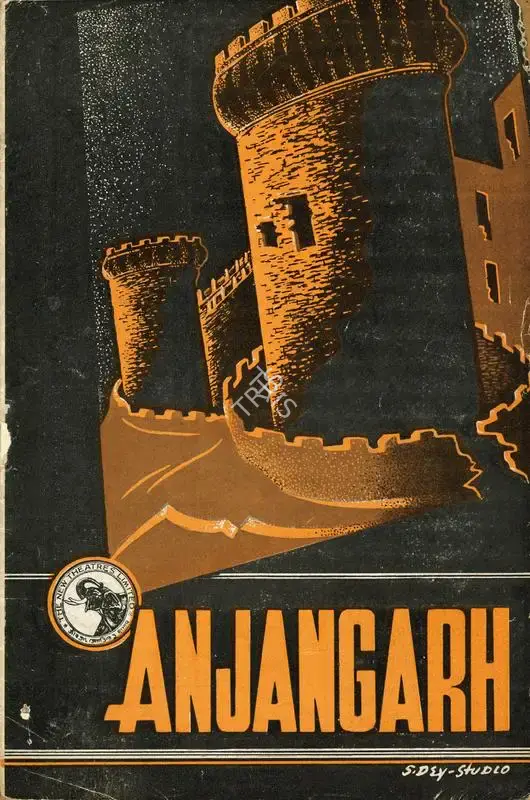
Bimal Roy made his directorial debut with Udayer Pathe (1944), produced by New Theatres and adapted from an unpublished short story by Jyotirmoy Roy. It portrayed the struggles of a poor, idealistic writer named Anup against capitalist exploitation, directly addressing the glaring economic disparities intensified by the World War II and the Bengal famine. It ran for a full year and became a cultural phenomenon. The dialogues were so popular that they were released on gramophone records, and it even inspired the young Satyajit Ray, who cited Bimal Roy as a pioneer who broke away from established cinematic norms. Roy later remade it in Hindi as Humrahi (1944). This was followed by Anjangarh (1948), a critique of a feudalism based on a story by Subodh Ghosh, and Mantramugdha (1949), a satire on religion and blind faith. These early films, all produced by New Theatres, demonstrated a social awareness and a desire to cause change.

Moraes Frank Editor Filmfare - The Fortnightly Film Magazine 17 Bombay Shyam Sundar Lal co The Times of India 30 May...
Moraes, Frank (Editor). Filmfare - The Fortnightly Film Magazine. 1(7). Bombay: Shyam Sundar Lal, c/o The Times of India, 30 May 1952 | Magazine | CinemaEducation | 00793113

1950-1952

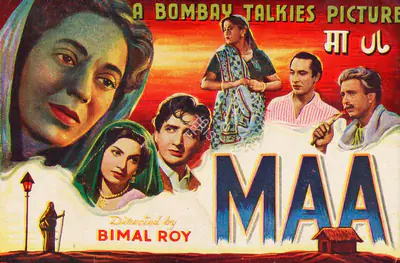
The Partition sverely crippled the Bengali film industry, and shrunk its market to half its previous strength. This also caused the decline of New Theatres. Taking up an offer from Bombay Talkies to direct a film for them, Bimal Roy set sail for Bombay with his team, which now comprised of his editor Hrishikesh Mukherjee, writer Nabendu Ghosh, and collaborators Asit Sen and Paul Mahendra. He directed Maa (1952) for Bombay Talkies, which featured Bharat Bhushan and Shyama, alongside Leela Chitnis. Around the same time, Roy and his team happened to watch Vittoriio De Sica's Bicycle Thieves at the first Internation Film Festival of India held in Bombay, and it had a deep impact on him and his team. Determined to create films of similar international standards with deep social commitment, they formed Bimal Roy Productions, setting up shop at Mohan Studios.

Bose Kamal Cinematographer Do Bigha Zamin 1953 Photographic Still CinemaEducation 00831088
Bose, Kamal (Cinematographer), Do Bigha Zamin, 1953 | Photographic Still | CinemaEducation | 00831088

1953-1955

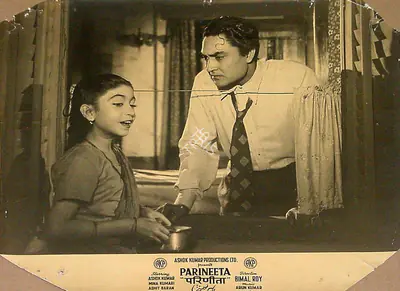
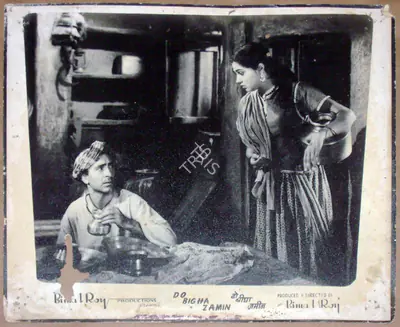
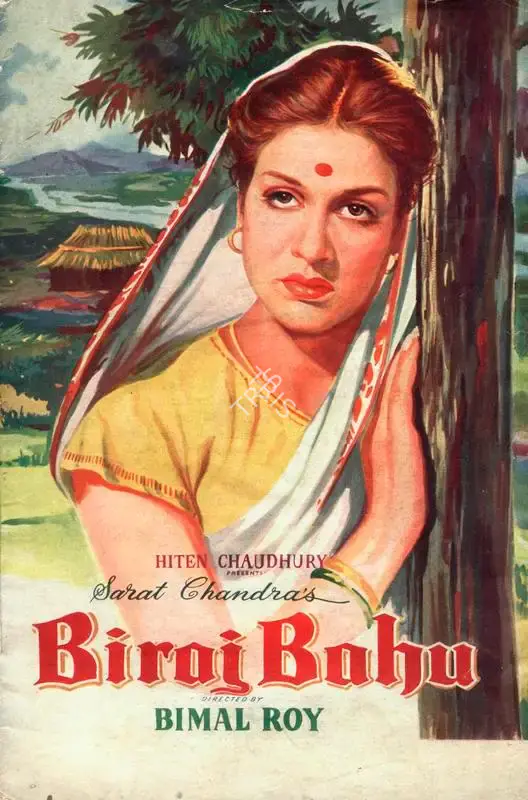
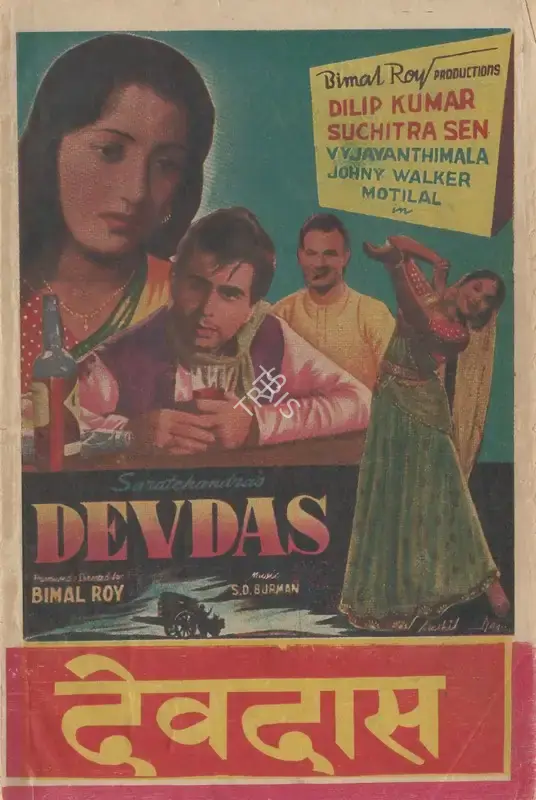
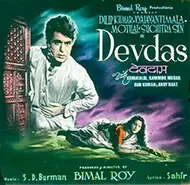
The early-to-mid-1950s solidified Bimal Roy's legacy as a master of world cinema. In 1953, he released Do Bigha Zamin, a harrowing neo-realist tale of a displaced farmer forced to become a rickshaw puller in Calcutta. Based on a story by Salil Chowdhury and inspired by Italian neo-realism, the film featured Balraj Sahni in a legendary performance devoid of theatrical melodrama. The film won the Prix International at the 1954 Cannes Film Festival and swept the first-ever Filmfare Awards. Concurrently, Roy directed Parineeta (1953), an elegant adaptation of Sarat Chandra Chattopadhyay's novel starring Meena Kumari and Ashok Kumar, which showcased his delicate handling of romance and female agency. Continuing his engagement with Sarat Chandra's literature, he directed Biraj Bahu (1954) and then undertook the monumental task of remaking Devdas in 1955. Casting Dilip Kumar as the tragic hero, Vyjayanthimala as Chandramukhi, and Suchitra Sen as Parvati, Roy's Devdas replaced theatricality with psychological depth, exquisite chiaroscuro lighting, and poetic subtlety.

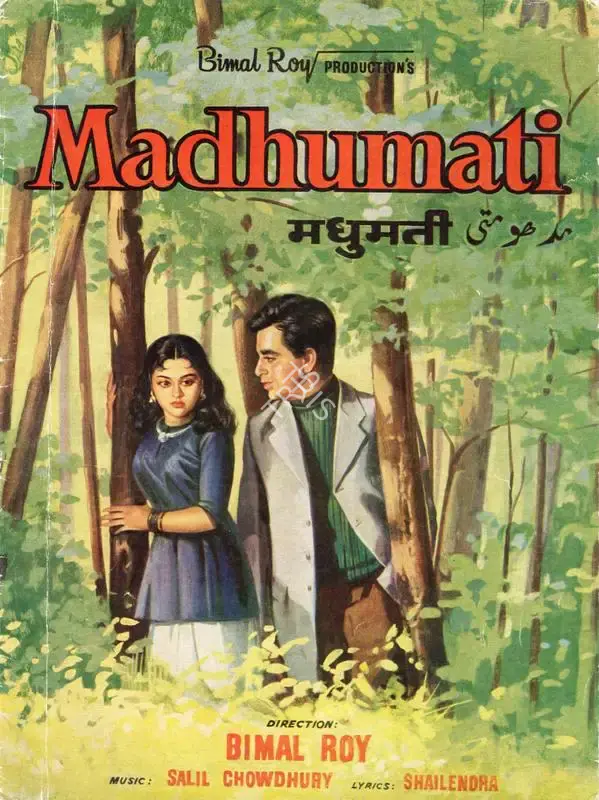
Gupta Dilip Cinematographer Madhumati 1958 Lobby Card CinemaEducation 00819706
Gupta, Dilip (Cinematographer), Madhumati, 1958 | Lobby Card | CinemaEducation | 00819706

1958-1960

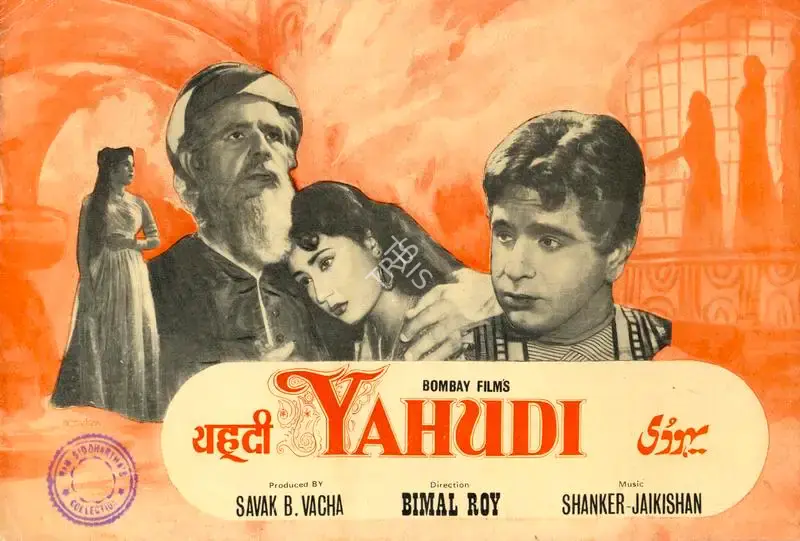
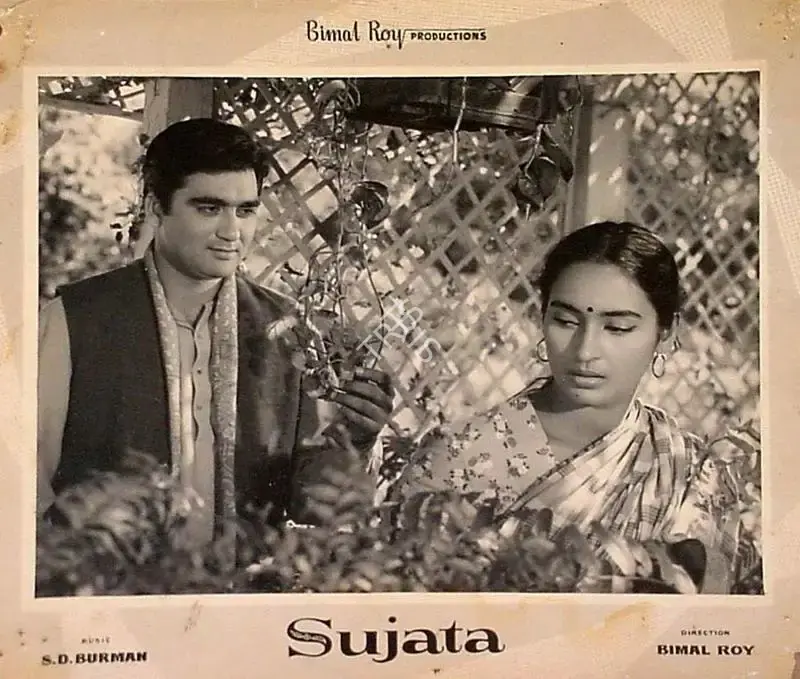
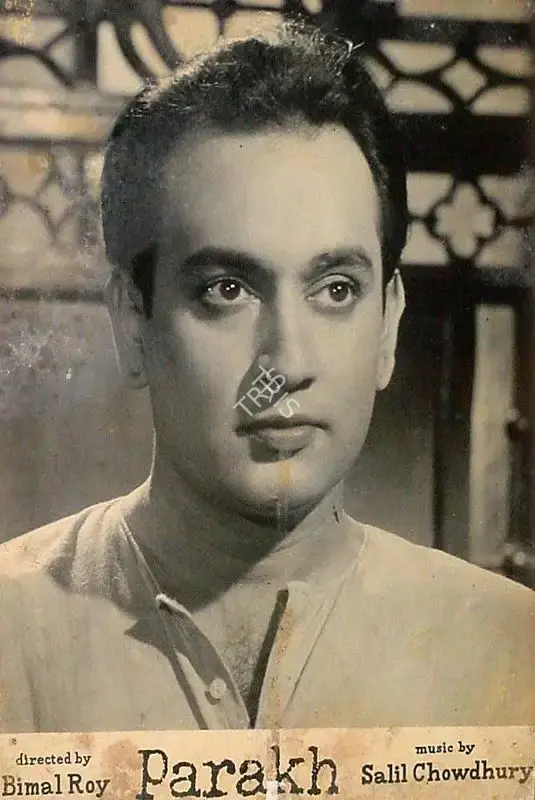
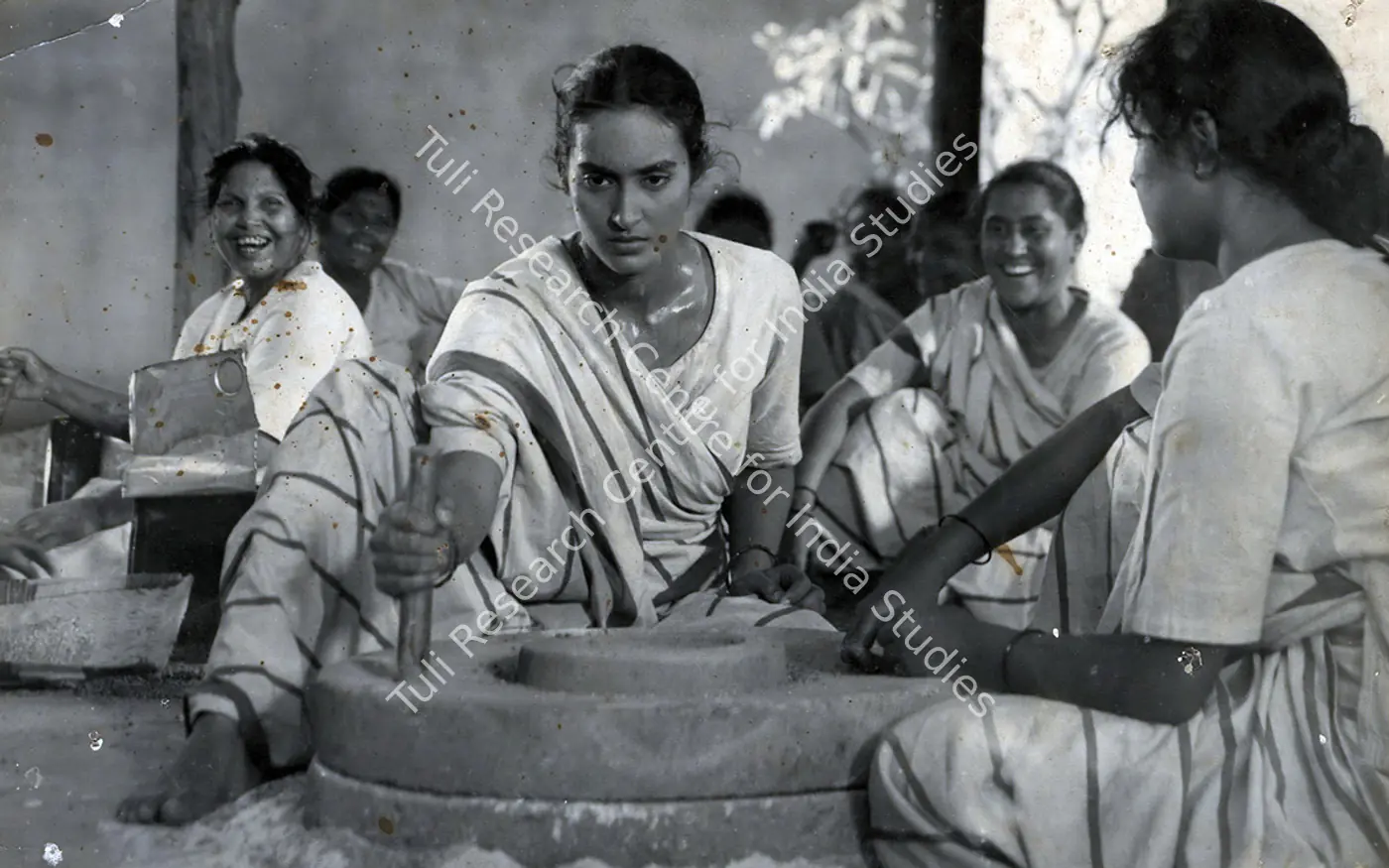
During this period, Roy directed his most commercially successful film, Madhumati (1958). Written by Ritwik Ghatak with dialogue by Rajinder Singh Bedi, this reincarnation romance broke away from his usual grim social realism, offering breathtaking outdoor cinematography, a suspenseful plot, and an immortal musical score by Salil Chowdhury. It won a record nine Filmfare Awards. In the same year, he directed Yahudi (1958), a Parsi theatre adaptation set in ancient Rome starring Dilip Kumar and Meena Kumari; though somewhat disjointed, it proved his ability to handle grand commercial formulas. Returning to pressing social issues, Roy directed Sujata (1959), a deeply humanistic critique of untouchability based on Subodh Ghosh's story. Nutan delivered a quietly devastating performance as a Dalit girl raised by a Brahmin family, perfecting Roy's "poetics of restraint". Roy followed this with Parakh (1960), a biting satire on greed and democratic elections in rural India, featuring a standout performance by Motilal and showcasing Roy's incredible versatility.

Bose Kamal Cinematographer Bandini 1963 Photographic Still CinemaEducation 00830370
Bose, Kamal (Cinematographer), Bandini, 1963 | Photographic Still | CinemaEducation | 00830370

1961-1966

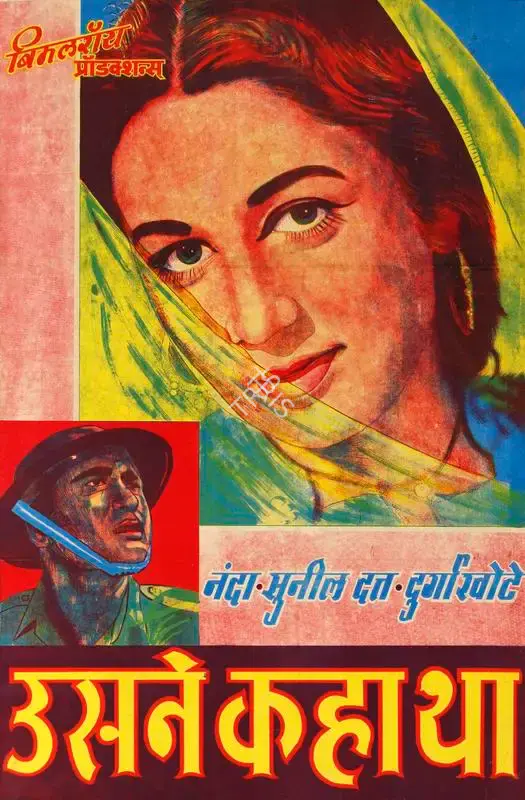
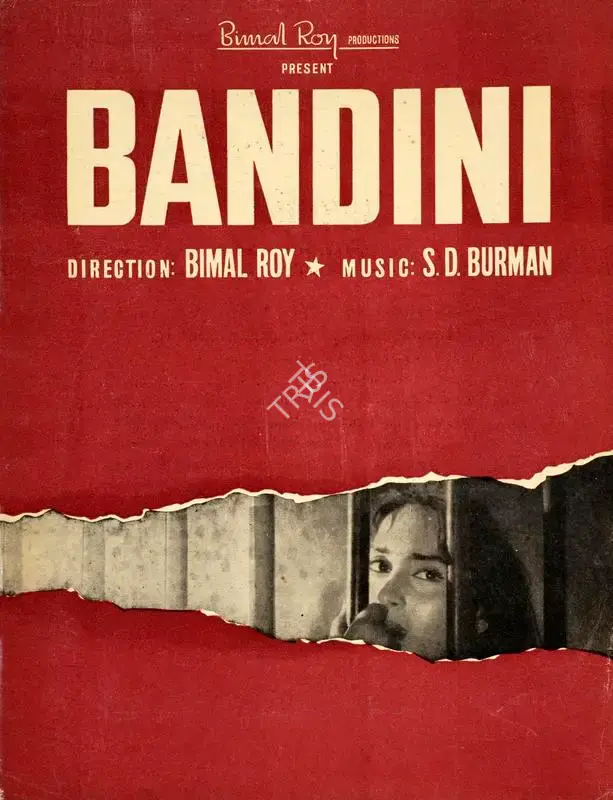
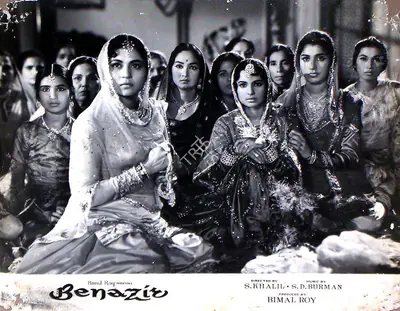
Roy's cinematic journey culminated in Bandini (1963), widely regarded as his most complete and mature masterpiece. Based on Jarasandha's Bengali novel Tamasi, the film tells the story of Kalyani (Nutan), a female prisoner serving a life sentence for murder. Roy's direction highlighted the psychological complexities of a woman driven to crime by passion, avoiding traditional patriarchal judgments. Nutan's performance, enhanced by Roy's mastery of chiaroscuro lighting and S.D. Burman's evocative music (featuring Gulzar's debut lyrics), cemented the film as a classic of feminist cinema. During his final years, Roy also produced films like Usne Kaha Tha (1960), Kabuliwala (1961), and Benazir (1964) to support his collaborators. He planned an ambitious film based on the Kumbh Mela titled Amrita Kumbher Sandhane based on Samaresh Basu's eponymous novel, but his health deteriorated rapidly due to lung cancer. Bimal Roy passed away on January 8, 1966, leaving behind an unfinished legacy and an illustrious body of work.

1909

1932

1943

1949

1952

1955

1960

1966

Economics of Cinema

No more items to load

Research Centre

Sircar, B.N. (Producer), Chandidas, 1934 | Song-Synopsis Booklet

Sircar, B.N. (Producer), Chandidas, 1934 | Song-Synopsis Booklet

Sircar, B.N. (Producer), Chandidas, 1934 | Cyclostyled Lyrics Leaflet

Sircar, B.N. (Producer), Chandidas, 1934 | Cyclostyled Lyrics Leaflet

Sircar, B.N. (Producer), Chandidas, 1934 | Cyclostyled Lyrics Leaflet

Sircar, B.N. (Producer), Chandidas, 1934 | Cyclostyled Lyrics Leaflet

Sircar, B.N. (Producer), Devdas, 1935 | Song-Synopsis Booklet

Sircar, B.N. (Producer), Devdas, 1935 | Song-Synopsis Booklet

Sircar, B.N. (Producer), Devdas, 1935 | Song-Synopsis Booklet

Sircar, B.N. (Producer), Devdas, 1935 | Song-Synopsis Booklet

Sircar, B.N. (Producer), Devdas, 1935 | Song-Synopsis Booklet

Sircar, B.N. (Producer), Devdas, 1935 | Song-Synopsis Booklet

Sircar, B.N. (Producer), Devdas, 1935 | Handbill

Sircar, B.N. (Producer), Devdas, 1935 | Handbill

Roy, Bimal (Cinematographer), Devdas, 1935 | Photographic Still

Roy, Bimal (Cinematographer), Devdas, 1935 | Photographic Still

Sircar, B.N. (Producer), Mukti, 1937 | Postcard

Sircar, B.N. (Producer), Mukti, 1937 | Postcard

Sircar, B.N. (Producer), Mukti, 1937 | Handbill

Sircar, B.N. (Producer), Mukti, 1937 | Handbill

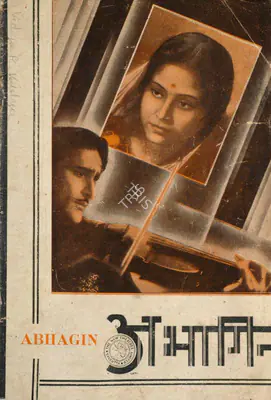
Sircar, B.N. (Producer), Abhagin, 1938 | Song-Synopsis Booklet

Sircar, B.N. (Producer), Abhagin, 1938 | Song-Synopsis Booklet

Sircar, B.N. (Producer), Abhagin, 1938 | Handbill

Sircar, B.N. (Producer), Abhagin, 1938 | Handbill

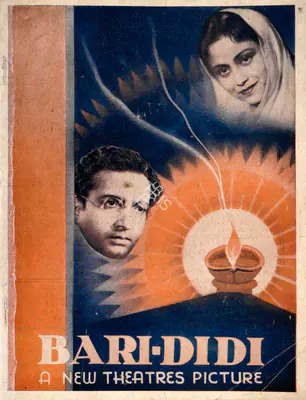
Sircar, B.N. (Producer), Bari Didi, 1939 | Song-Synopsis Booklet

Sircar, B.N. (Producer), Bari Didi, 1939 | Song-Synopsis Booklet

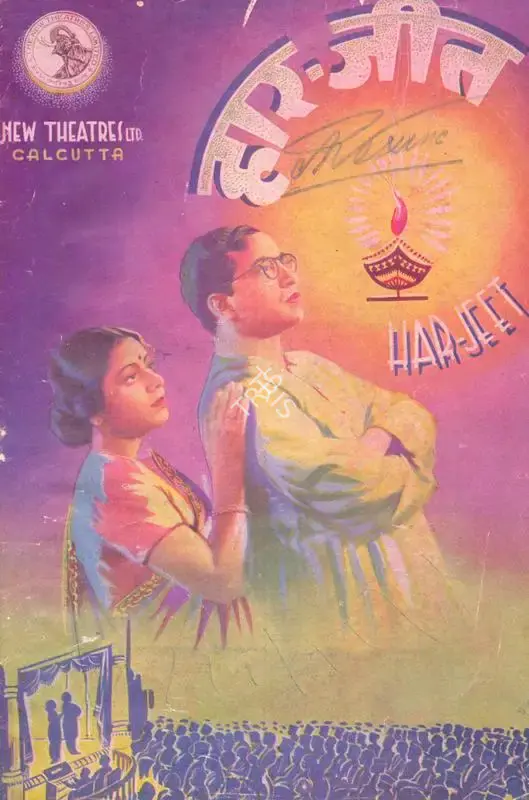
Sircar, B.N. (Producer), Har Jeet, 1940 | Song-Synopsis Booklet

Sircar, B.N. (Producer), Har Jeet, 1940 | Song-Synopsis Booklet

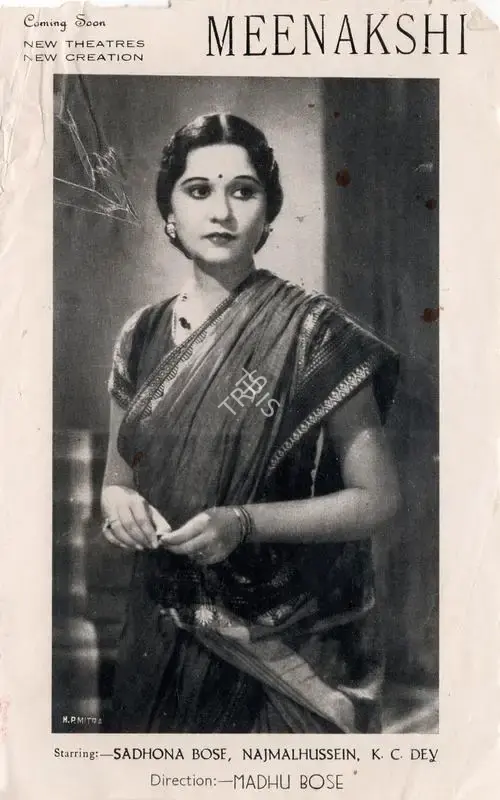
Bose, Modhu (Director), Meenakshi, 1942 | Song-Synopsis Booklet

Bose, Modhu (Director), Meenakshi, 1942 | Song-Synopsis Booklet

Sircar, B.N. (Producer), Hamrahi, 1944 | Song-Synopsis Booklet

Sircar, B.N. (Producer), Hamrahi, 1944 | Song-Synopsis Booklet

Sircar, B.N. (Producer), Hamrahi, 1944 | Song-Synopsis Booklet

Sircar, B.N. (Producer), Hamrahi, 1944 | Song-Synopsis Booklet

Sircar, B.N. (Producer), Hamrahi, 1944 | Cyclostyled Lyrics Leaflet

Sircar, B.N. (Producer), Hamrahi, 1944 | Cyclostyled Lyrics Leaflet

Roy, Bimal (Director), Anjanagarh, 1948 | Song-Synopsis Booklet

Roy, Bimal (Director), Anjanagarh, 1948 | Song-Synopsis Booklet

Roy, Bimal (Director), Anjangarh, 1948 | Song-Synopsis Booklet

Roy, Bimal (Director), Anjangarh, 1948 | Song-Synopsis Booklet

Loading...
TRIS logo image