

Introduction
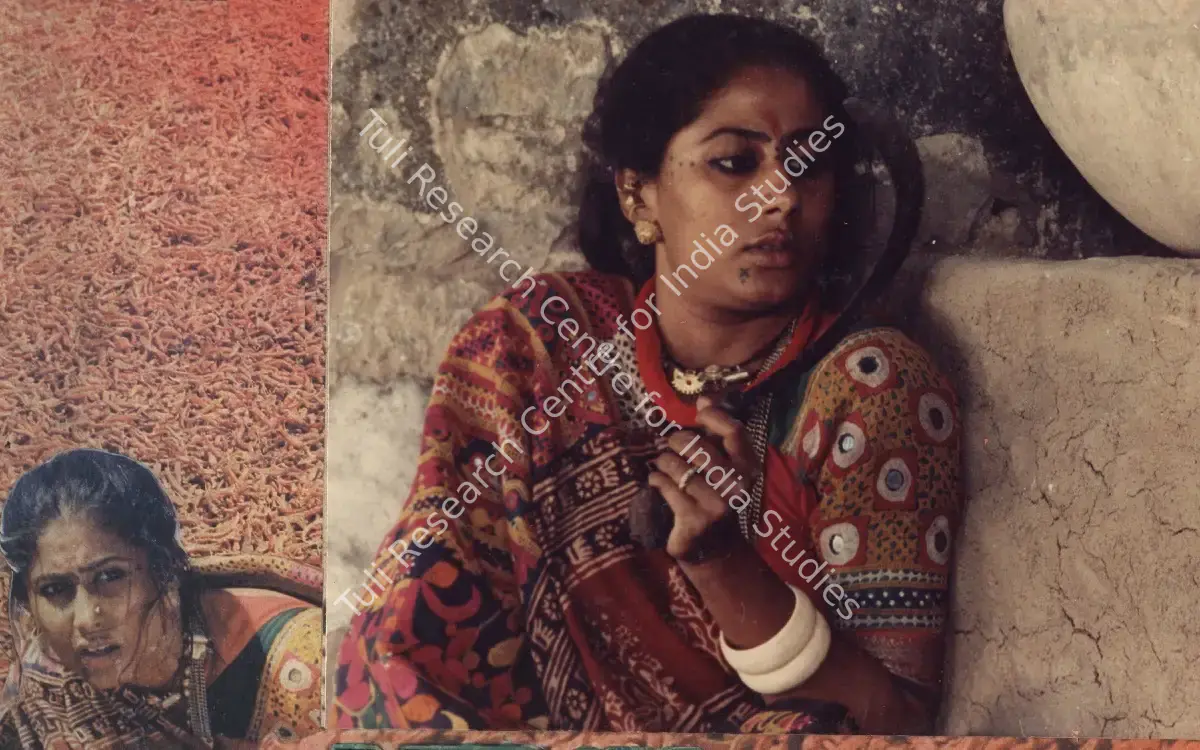
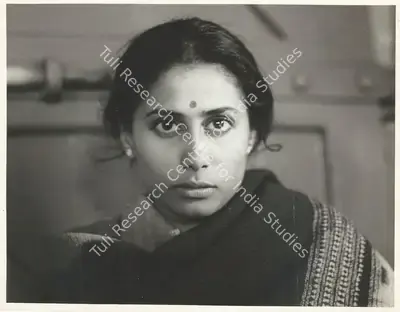
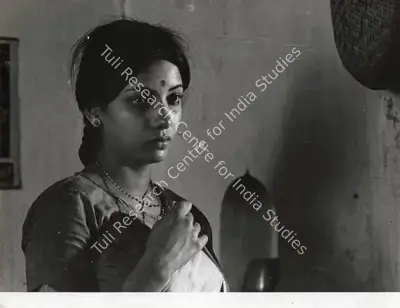
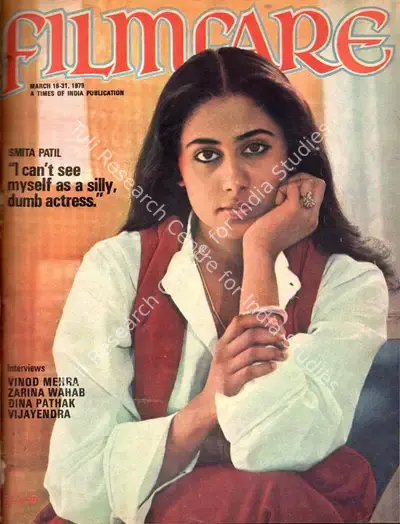
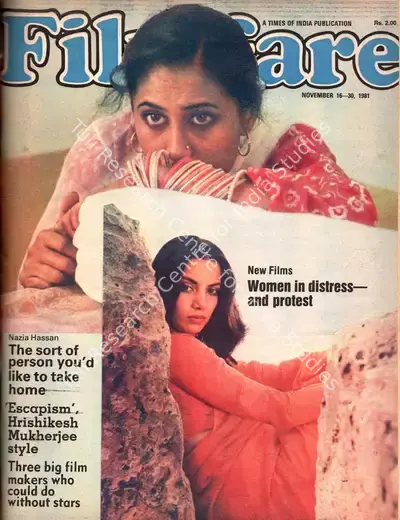
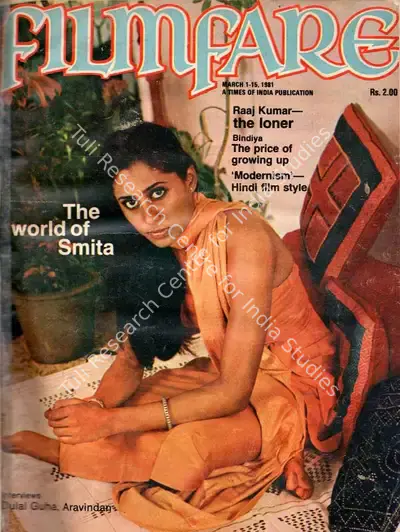
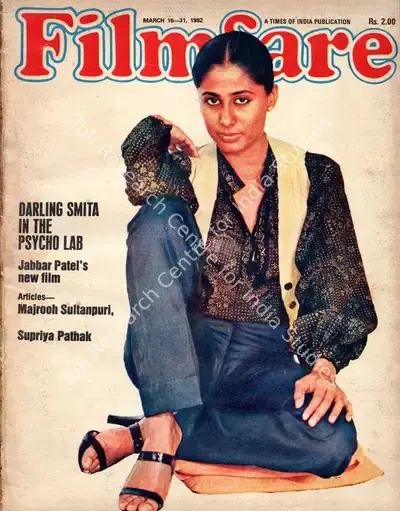
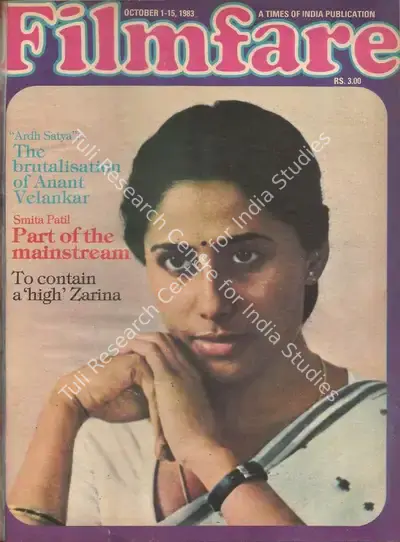
Smita Patil (17 October 1955 – 13 December 1986) She remains one of the most luminous and transformative figures in Indian cinema. Working primarily in Hindi and Marathi films, she is widely regarded as among the greatest actresses in the country's cinematic history. In a career that lasted little over a decade yet yielded more than 80 films, Patil redefined the portrayal of women on screen—imbuing her characters with intelligence, moral force, emotional complexity, and a quiet, unyielding independence.
Often compared with her contemporary and perceived rival Shabana Azmi, Patil stood firmly as her equal. Where their careers intersected, they competed and complemented each another, bringing rare depth and balance to roles that demanded both political awareness and emotional nuance. Together, they shaped the aesthetic and ideological backbone of India's parallel cinema movement.
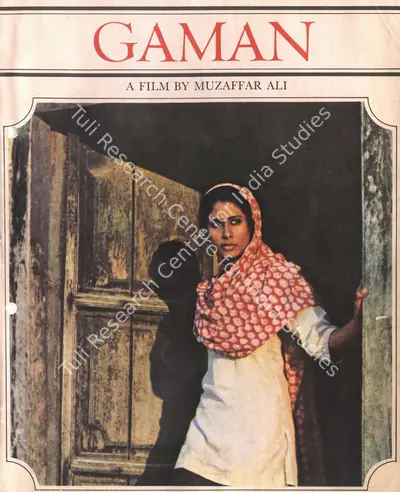
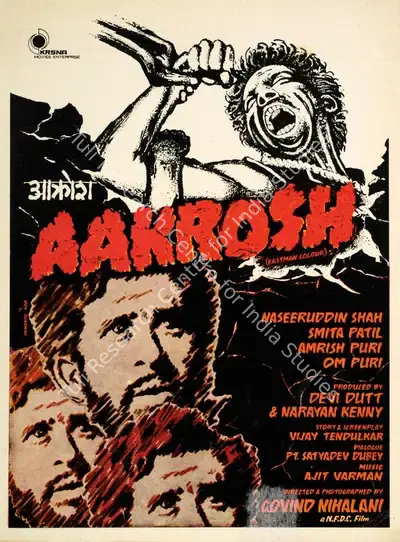
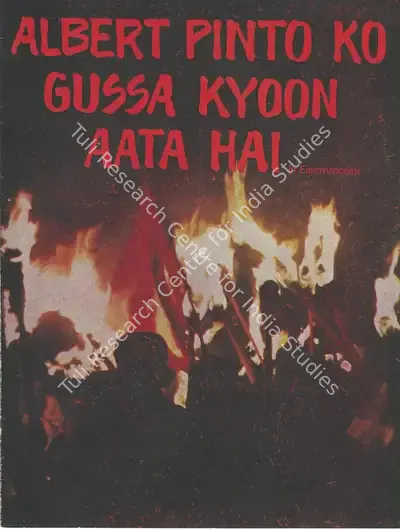
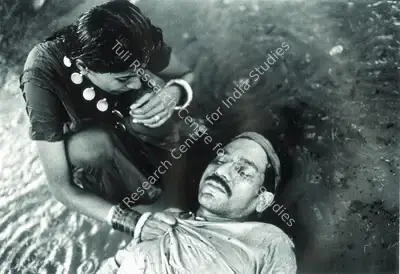
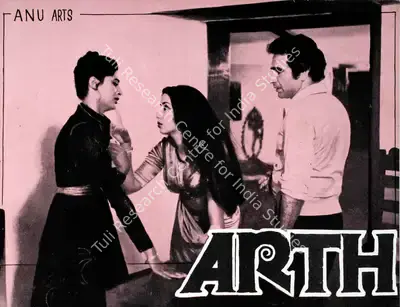
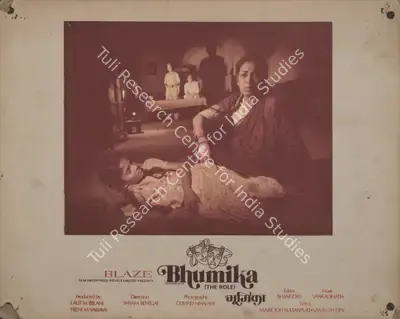
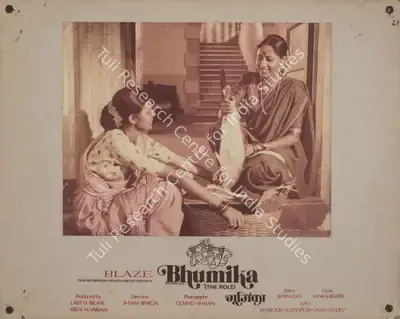
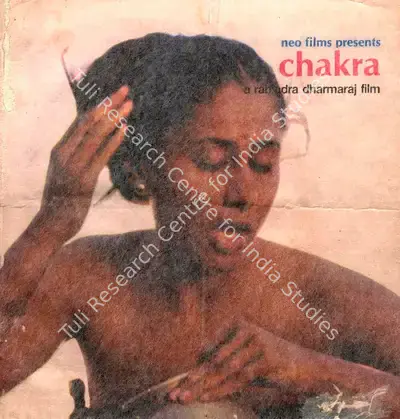
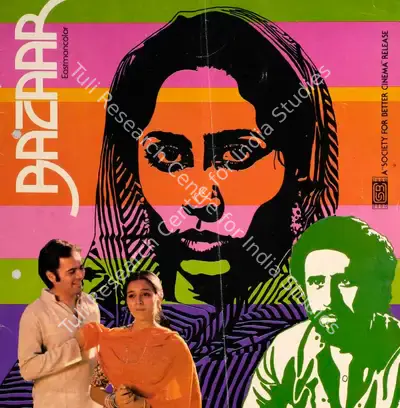
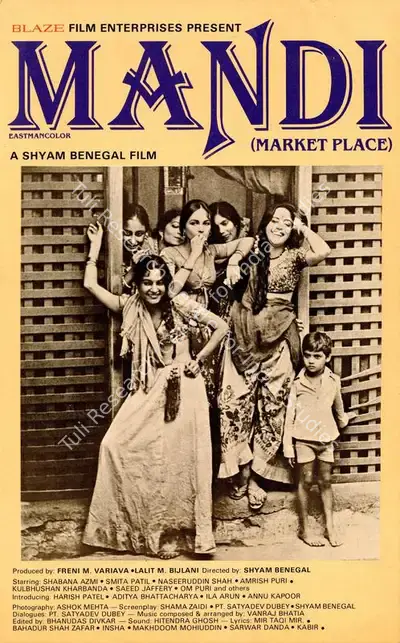
Patil made her film debut in Shyam Benegal's Charandas Chor (1975) and quickly emerged as a leading voice of the New Wave in Indian cinema, even as she moved fluidly between art-house and mainstream films. Her performances in Manthan (1976), Bhumika (1977), Jait Re Jait (1978), Aakrosh (1980), Chakra (1981), Ardh Satya (1983), Mandi (1983), Mirch Masala (1987), and Waaris (1988) remain benchmarks of cinematic realism and feminist expression. For Bhumika and Chakra, she received the National Film Award for Best Actress, while Chakra also earned her the Filmfare Award. In 1985, she was honoured with the Padma Shri, India's fourth-highest civilian award.
Born in Pune to politician Shivajirao Patil and social worker Vidyatai Patil, Smita was immersed early in social and cultural engagement. She studied literature at the University of Mumbai, participated in theatre, and spent formative years around the Film and Television Institute of India. She began her professional life as a Doordarshan newsreader before being discovered by Benegal.
Beyond cinema, Patil was a committed feminist and activist, associated with Mumbai's Women's Centre and deeply invested in advancing women's rights. Her films consistently explored female agency, sexuality, and resistance within patriarchal structures. She also donated the cash prize from her first National Award to charity, underscoring her social conscience.
Married to actor Raj Babbar and mother to actor Prateik Smita Patil, she died tragically at 31 due to childbirth complications. Yet her legacy endures—urgent, fearless, and profoundly humane—etched permanently into the conscience of Indian cinema.
- Age
- 31
Filmography 71








Research Centre



























Related
50
Personalities
29
Films
21