Raaj Kumar

Raaj Kumar
Raaj Kumar (8 October 1926 – 3 July 1996) He occupies a rarefied position in the annals of Indian cinema, revered as much for his commanding presence as for the unmistakable timbre of his voice. Beginning his career in the 1950s after a brief stint as a police sub-inspector in Mumbai, he gradually carved a niche for himself with performances that relied less on conventional heroism and more on linguistic finesse and personality. Early appearances in films like Mother India (Mother India, 1957) and Paigham (Paigham, 1959) hinted at his potential, but it was in the decades that followed that his persona truly crystallised. In an era defined by towering personalities and evolving cinematic idioms, he distinguished himself through a cultivated artistry rooted in language, rhythm, and poise. His resonant baritone, paired with a meticulously honed style of dialogue delivery, transformed even the simplest lines into moments of enduring recall. By the time he appeared in Waqt (Waqt, 1965), his authority on screen had become undeniable. Writers and directors, fully aware of his singular abilities, often shaped roles that amplified his flair for grandeur, wit, and controlled sarcasm. What set him apart was an unwavering commitment to refinement. His diction, steeped in the elegance of Urdu, carried an almost literary quality, elevating cinematic dialogue into spoken art. In Pakeezah (Pakeezah, 1972), his performance demonstrated how restraint and poise could coexist with emotional depth. Each word was enunciated with precision, each pause deliberately measured, lending his performances a theatrical gravitas that few contemporaries could match. His voice became not merely a tool but an instrument capable of conveying romance, disdain, anguish, or quiet menace with equal finesse. This stylised approach also resonated within the musical fabric of his films. Songs picturised on him, such as “Chalo Dildar Chalo” in Pakeezah (1972), gained an added dimension through his composed screen presence. Gesture and expression worked in tandem with melody and verse, while even his silences carried dramatic weight. Later films like Heer Raanjha (Heer Raanjha, 1970), written entirely in verse, further showcased his command over dialogue and poetic expression. Yet, as with many artists who cultivate a highly individualistic style, the very traits that defined his brilliance eventually revealed their limitations. By the late 1980s and early 1990s, in films such as Tirangaa (Tirangaa, 1993), his signature cadence, aristocratic demeanour, and emphatic delivery—once refreshing—began to verge on self-parody. The ornate costumes and deliberate pauses occasionally overshadowed the emotional core of his characters, creating a perceptible distance between performer and role. This shift did not diminish his stature but underscored the difficulty of sustaining artistic evolution in a rapidly changing cinematic landscape. As Hindi cinema moved towards greater realism, his heightened theatricality seemed increasingly anachronistic, even as it retained a loyal audience. Ultimately, Raaj Kumar's legacy endures as a testament to the power of voice and individuality in performance. He redefined dialogue delivery in Hindi cinema, transforming it into an art form capable of commanding attention independent of plot or spectacle. His career, spanning over four decades, remains a study in how style, when wielded with conviction, can become identity itself.
Raaj Kumar
Raaj Kumar (8 October 1926 – 3 July 1996) He occupies a rarefied position in the annals of Indian cinema, revered as much for his commanding presence as for the unmistakable timbre of his voice. Beginning his career in the 1950s after a brief stint as a police sub-inspector in Mumbai, he gradually carved a niche for himself with performances that relied less on conventional heroism and more on linguistic finesse and personality. Early appearances in films like Mother India (Mother India, 1957) and Paigham (Paigham, 1959) hinted at his potential, but it was in the decades that followed that his persona truly crystallised. In an era defined by towering personalities and evolving cinematic idioms, he distinguished himself through a cultivated artistry rooted in language, rhythm, and poise. His resonant baritone, paired with a meticulously honed style of dialogue delivery, transformed even the simplest lines into moments of enduring recall. By the time he appeared in Waqt (Waqt, 1965), his authority on screen had become undeniable. Writers and directors, fully aware of his singular abilities, often shaped roles that amplified his flair for grandeur, wit, and controlled sarcasm. What set him apart was an unwavering commitment to refinement. His diction, steeped in the elegance of Urdu, carried an almost literary quality, elevating cinematic dialogue into spoken art. In Pakeezah (Pakeezah, 1972), his performance demonstrated how restraint and poise could coexist with emotional depth. Each word was enunciated with precision, each pause deliberately measured, lending his performances a theatrical gravitas that few contemporaries could match. His voice became not merely a tool but an instrument capable of conveying romance, disdain, anguish, or quiet menace with equal finesse. This stylised approach also resonated within the musical fabric of his films. Songs picturised on him, such as “Chalo Dildar Chalo” in Pakeezah (1972), gained an added dimension through his composed screen presence. Gesture and expression worked in tandem with melody and verse, while even his silences carried dramatic weight. Later films like Heer Raanjha (Heer Raanjha, 1970), written entirely in verse, further showcased his command over dialogue and poetic expression. Yet, as with many artists who cultivate a highly individualistic style, the very traits that defined his brilliance eventually revealed their limitations. By the late 1980s and early 1990s, in films such as Tirangaa (Tirangaa, 1993), his signature cadence, aristocratic demeanour, and emphatic delivery—once refreshing—began to verge on self-parody. The ornate costumes and deliberate pauses occasionally overshadowed the emotional core of his characters, creating a perceptible distance between performer and role. This shift did not diminish his stature but underscored the difficulty of sustaining artistic evolution in a rapidly changing cinematic landscape. As Hindi cinema moved towards greater realism, his heightened theatricality seemed increasingly anachronistic, even as it retained a loyal audience. Ultimately, Raaj Kumar's legacy endures as a testament to the power of voice and individuality in performance. He redefined dialogue delivery in Hindi cinema, transforming it into an art form capable of commanding attention independent of plot or spectacle. His career, spanning over four decades, remains a study in how style, when wielded with conviction, can become identity itself.

Introduction


Date of Birth

11 Oct 1942

Date of Death

03 Jul 1996

Age

53

Nationality

Indian

Place of Birth

Baluchistan Province

Spouse(s)

Gayatri Kumar

Children

Panini Raaj

Vastavikta Pandit


Date of Birth

11 Oct 1942

Date of Death

03 Jul 1996

Age

53

Nationality

Indian

Place of Birth

Baluchistan Province

Spouse(s)

Gayatri Kumar

Children

Panini Raaj

Vastavikta Pandit


Filmography

Print
filter

Integrated Timeline

Time Periods

1926–1947
1952-1964
1965-1972
1976-1982
1991-1996
Mistry Jal Cinematographer Heer Raanjha 1970 Photographic Still CinemaEducation 00831602
Mistry, Jal (Cinematographer), Heer Raanjha, 1970 | Photographic Still | CinemaEducation | 00831602

08 October 1926

Kulbushan Pandit or Raaj Kumar was born on 8 October 1926 in Loralai, Baluchistan Province, British India. The son of an army officer, he was part of a large family of nine children. His family had its origins in Kashmir.

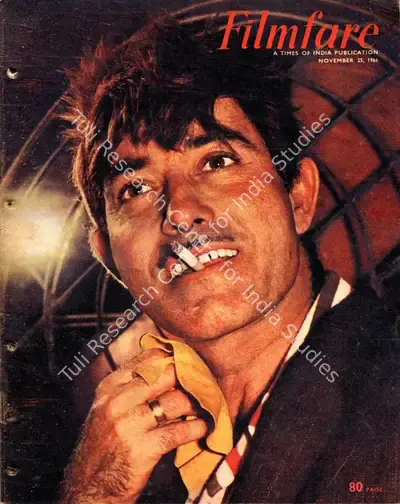
Karanjia BK Editor Filmfare - The Fortnightly Film Magazine 1524 Bombay Pyarelal Sah co The Times of India 25 Novembe...
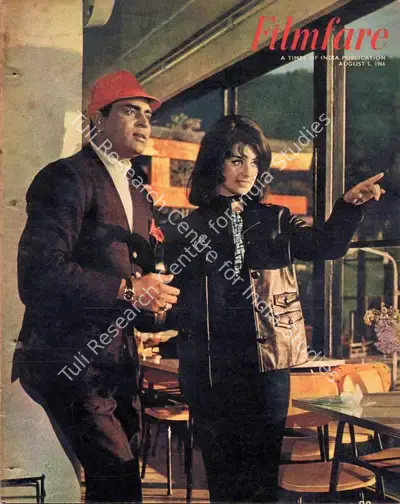
Karanjia, B.K. (Editor). Filmfare - The Fortnightly Film Magazine. 15(24). Bombay: Pyarelal Sah, c/o The Times of India, 25 November 1966 | Magazine | CinemaEducation | 00793345

1940

Raaj Kumar studied in Rawalpindi, where his family moved and later, in Lahore, from where he graduated with honours in English. From his father, he learnt the importance of living with dignity and grace, and while pursuing his graduation he found himself being fascinated by language. This fascination would later find its way into the actor's dialogue delivery, which was delivered with precision, to the maximum effect, and became a hallmark of his performance. In an interview, he said, “Give me one or two well-written scenes, and I can walk away with the picture” (Filmfare, November 1966)

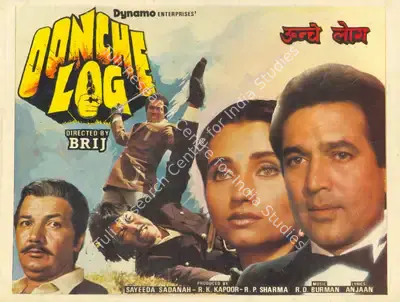
Majumdar Phani Director Oonche Log 1965 Lobby Card CinemaEducation 00824450
Majumdar, Phani (Director), Oonche Log, 1965 | Lobby Card | CinemaEducation | 00824450

1947

Following the independence of India and its partition, Raaj Kumar moved to Bombay and joined the Bombay Police, where he served as a sub-inspector attached to the Mahim police station. Although films were never a part of his childhood, he became fascinated with the world of films. An opportunity came when he was at New Empire cinema watching a film, when producer-director K.B. Lall 'spotted' him. Thereafter, Veteran cinematographer Fali Mistry took his first screen test though neither Lall nor Mistry were part of his first film.

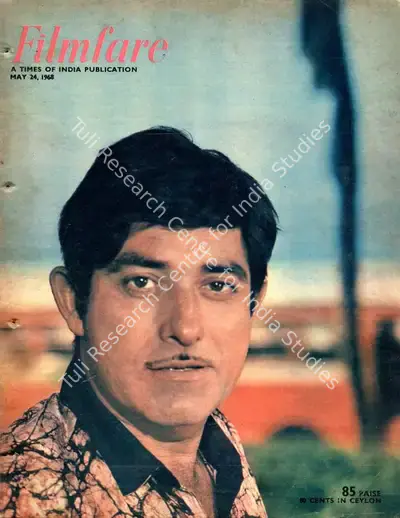
Karanjia BK Editor Filmfare - The Fortnightly Film Magazine 1711 Bombay Pyarelal Sah co The Times of India 24 May 196...
Karanjia, B.K. (Editor). Filmfare - The Fortnightly Film Magazine. 17(11). Bombay: Pyarelal Sah, c/o The Times of India, 24 May 1968 | Magazine | CinemaEducation | 00793381

1952

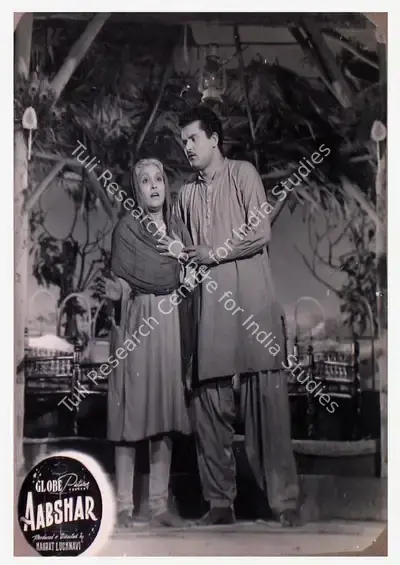
Raaj Kumar made his official acting debut in 1952 with Rangeeli (Rangili). Starring Rehana, Yakub and Leela Mishra, the film was directed by Najm Naqvi. A moderate success, the film launched Kumar's career. This was followed by Anmol Saharaa, directed by Amar Dutt. In the following year, he acted in Hasrat Lucknavi's film Aabshar, starring Nimmi, Lalita Pawar, and Kuldip Kaur. The film failed at the box office.

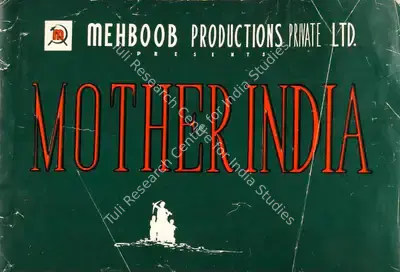
Irani Faredoon A Cinematographer Mother India 1957 Lobby Card CinemaEducation 00820466
Irani, Faredoon A. (Cinematographer), Mother India, 1957 | Lobby Card | CinemaEducation | 00820466

1957

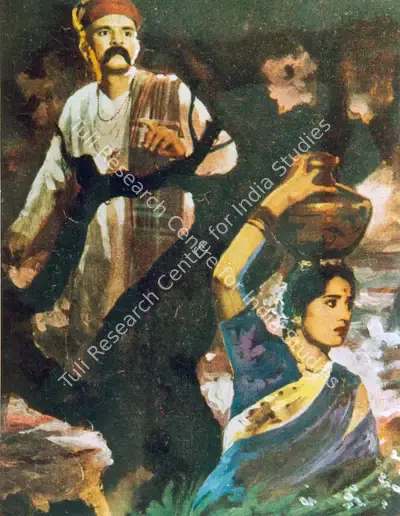
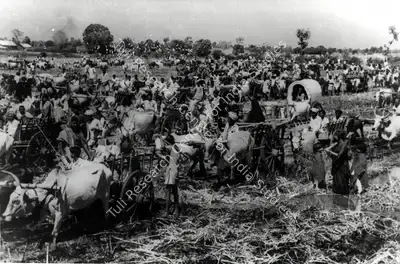
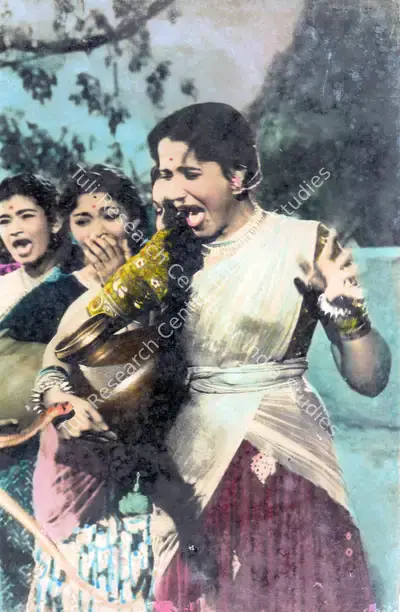
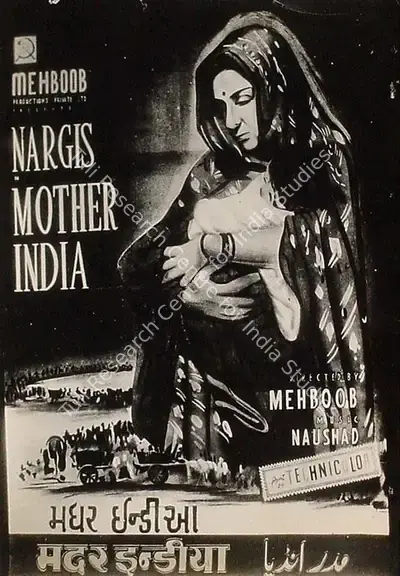
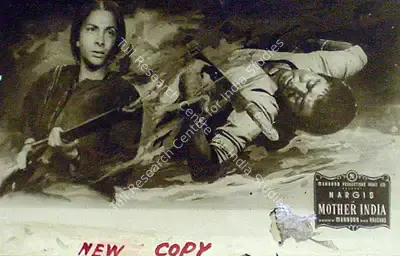
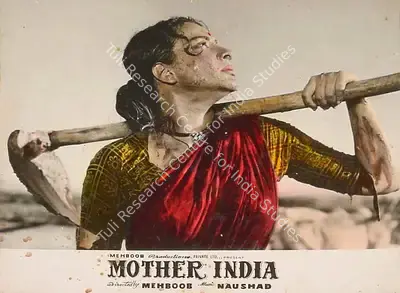
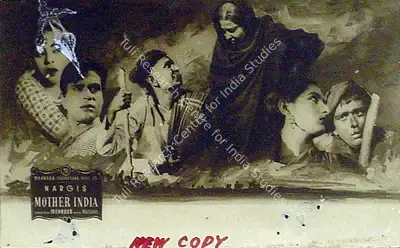
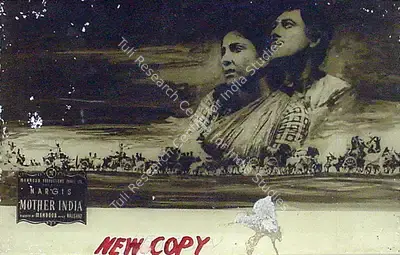
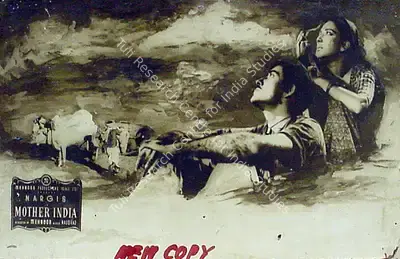
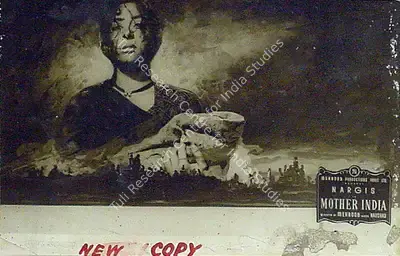
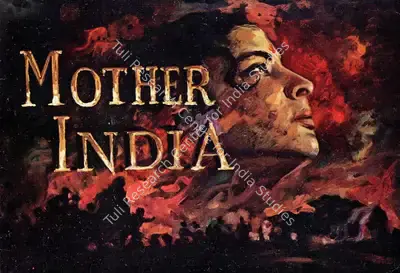
Although Raaj Kumar continued to act mainly in minor roles, such as in Shanti Kumar's Krishna Sudama (1957), none of the films established him as being a star. This period of relative anonymity was broken by his role in Mehboob Khan's Mother India, the most iconic film of Hindi cinema. Kumar played Nargis' husband in the film which starred Rajendra Kumar and Sunil Dutt in the leading roles. Although Kumar's role was brief, it was impactful, and he left a lasting impression on the audience. The film's stupendous success catapulted its stars to fame and critical acclaim.

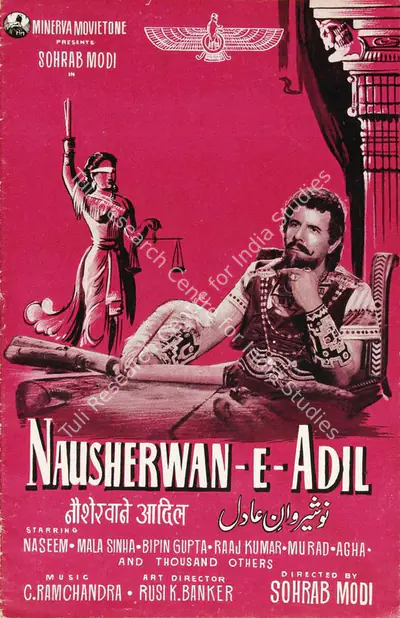
Modi Sohrab Director Nausherwan E Adil 1957 Showcard CinemaEducation 00763314
Modi, Sohrab (Director), Nausherwan E Adil, 1957 | Showcard | CinemaEducation | 00763314

1957

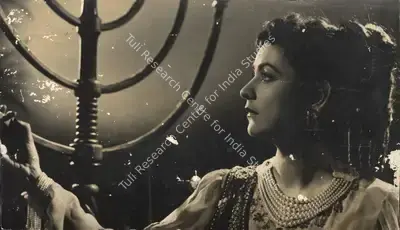
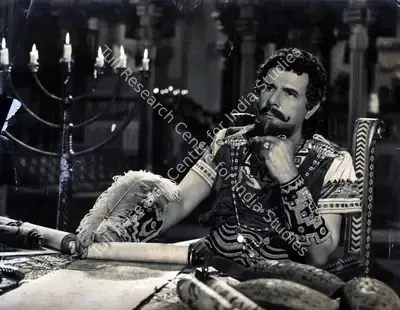
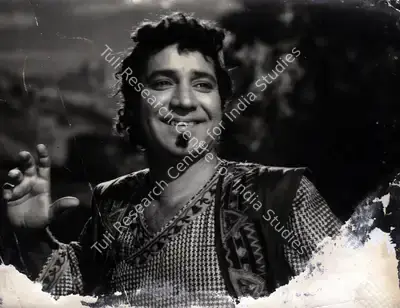
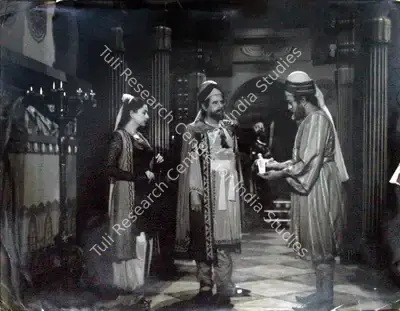
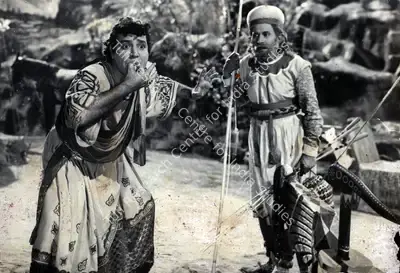
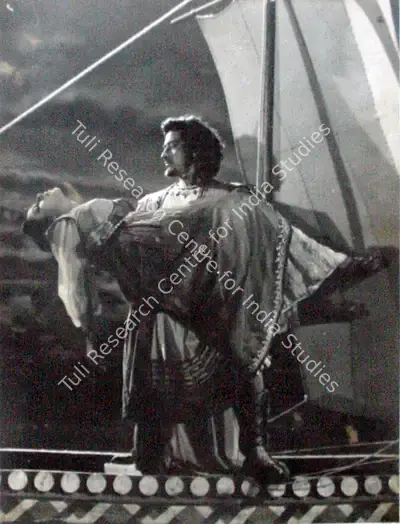
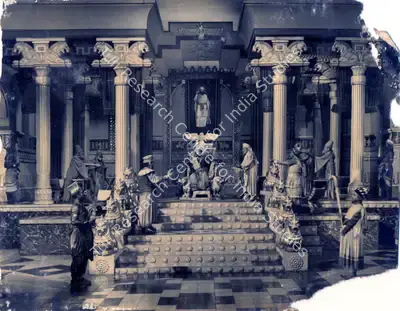
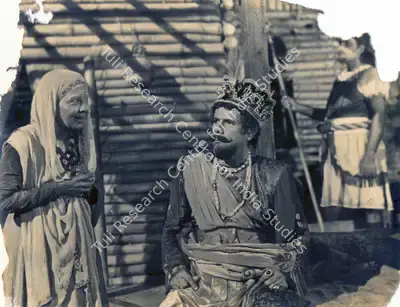
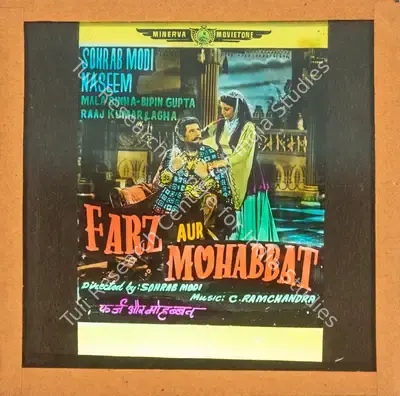
In the same year, Raaj Kumar acted in Sohrab Modi's costume drama Nausherwan-E-Adil (also known as Farz aur Mohabbat). Starring alongside Sohrab Modi, Mala Sinha and Naseem Banu, Raaj Kumar played the role of Shehzada Naushazad or Joseph. Featuring ornate sets, powerful dialogues, and a formidable cast, the film was written by Shams Lucknowi and explored the notions of justice and moral responsibility. The song picturisations were particularly notable.

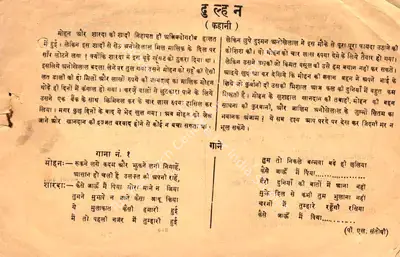
Vyas VM Director Dulhan 1958 Photographic Still CinemaEducation 00831181
Vyas, V.M. (Director), Dulhan, 1958 | Photographic Still | CinemaEducation | 00831181

1959

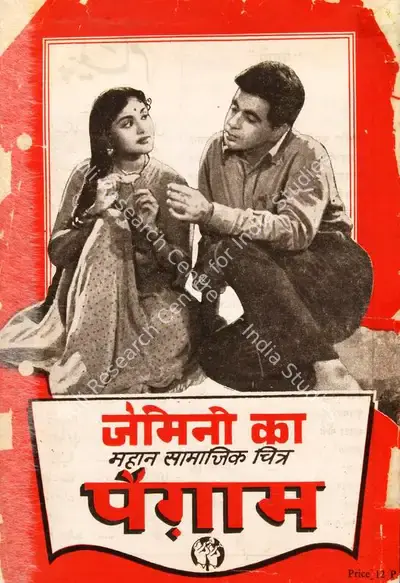
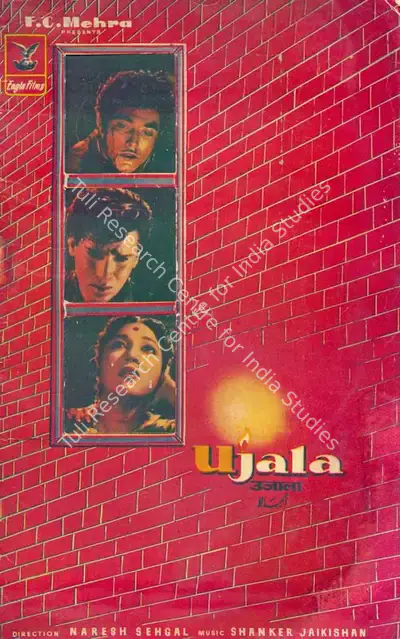
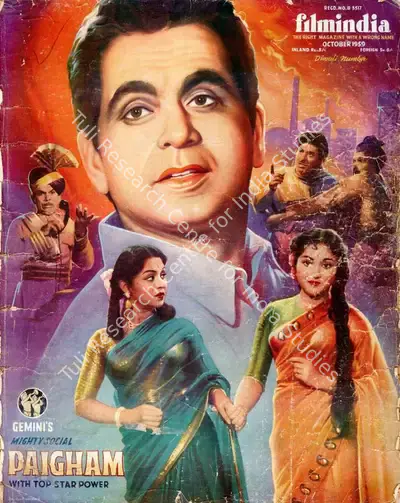
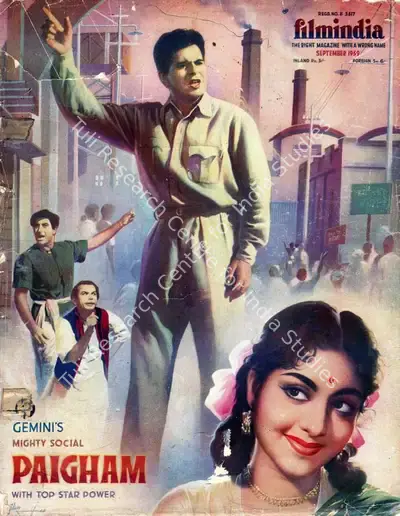
Although Raaj Kumar continued to get roles in films, stardom remained elusive. In 1959, however, fate took a turn with Ramanand Sagar's Paigham, starring him alongside Dilip Kumar and Vyjayanthimala. This was the first time that Dilip Kumar and Raaj Kumar worked together on a film and the former was cast as the younger brother to the latter. Raaj Kumar's emotionally charged performance was notable and highlighted his ability to portray ordinary, working-class characters with authenticity. The film was a blockbuster hit at the box office. Raaj Kumar was nominated for the Filmfare Award for Best Supporting Actor, which marked his first major award recognition and was a significant step in establishing his credibility as a serious actor. In the same year, he acted in Ujala alongside Shammi Kapoor.

Amrohi Kamal Producer Dil Apna Aur Preet Parai 1960 Full Sheet Poster CinemaEducation 00770610
Amrohi, Kamal (Producer), Dil Apna Aur Preet Parai, 1960 | Full Sheet Poster | CinemaEducation | 00770610

1960

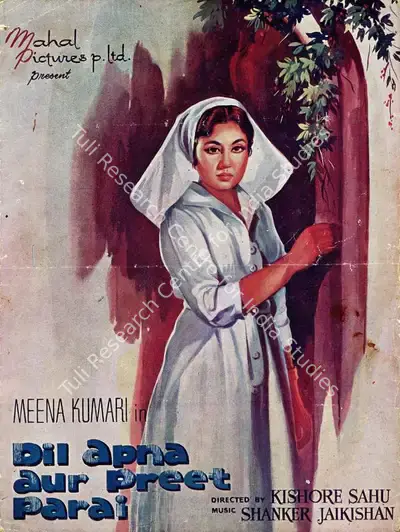
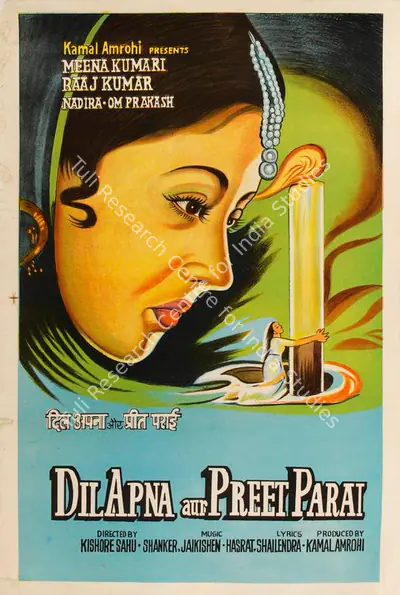
The romantic drama Dil Apna Aur Preet Parai starring Raaj Kumar and Meena Kumari, was a superhit film. The film featured Kumar in the role of a doctor, who is in love with a nurse. However, he is obligated to marry another. While Kumar's performance was noteworthy, the film is remembered mainly for Kumari's performance, along with the superhit song "Ajeeb Dastan Hai Yeh" sung by Lata Mangeshkar, which became a chartbuster. In fact, it is because of this song that Shankar-Jaikishan won the Filmfare Award for Best Music Director the following year, unseating the favourite musical of the year, Mughal-e-Azam and its music composer, Naushad.

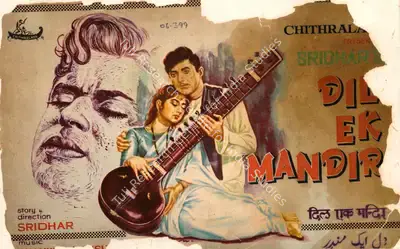
Sridhar Director Dil Ek Mandir 1963 Song-Synopsis Booklet CinemaEducation 00864030
Sridhar (Director), Dil Ek Mandir, 1963 | Song-Synopsis Booklet | CinemaEducation | 00864030

1963

Another emotionally charged romantic drama, Dil Ek Mandir, starred Raaj Kumar, Rajendra Kumar, and Meena Kumari, in the lead roles. A remake of a Tamil film, it featured a love triangle where Raaj Kumar played the character of Ram, a patient struggling with cancer. Directed by C. V. Sridhar, the film became a superhit. Raaj Kumar received his first major award, the Filmfare Award for Best Supporting Actor, for this film.

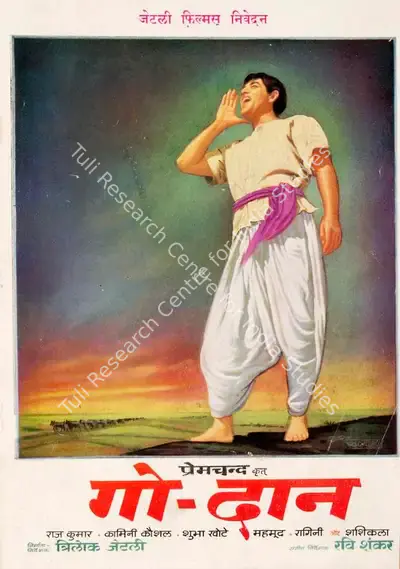
Jetley Trilok Producer Go Daan 1963 Song-Synopsis Booklet CinemaEducation 00864523
Jetley, Trilok (Producer), Go Daan, 1963 | Song-Synopsis Booklet | CinemaEducation | 00864523

1963

Based on Munshi Premchand's eponymous novel, Godaan (1963) allowed Raaj Kumar to showcase his versatility. Set in undivided India, Kumar plays Hori, a poor farmer who is heavily in debt. A powerful portrayal of the struggles of peasants in rural India, the film is a commentary on poverty and the exploitation of peasants by the landlords. Directed by Trilok Jaitley, the film was noted for the understated performances of the actors and the music by Pandit Ravi Shankar.

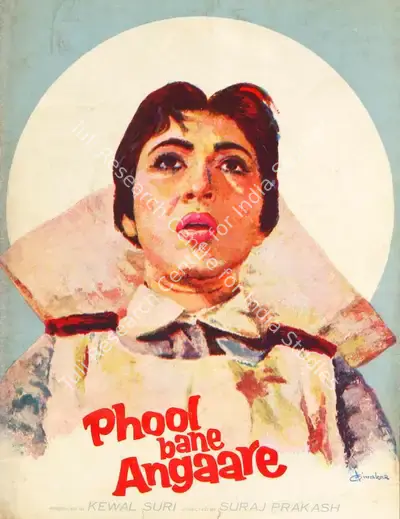
Suri Kewal Producer Phool Bane Angaare 1963 Song-Synopsis Booklet CinemaEducation 00779951
Suri, Kewal (Producer), Phool Bane Angaare, 1963 | Song-Synopsis Booklet | CinemaEducation | 00779951

1963

Starring Raaj Kumar and Mala Sinha, Suraj Prakash's Phool Bane Angaare, was a love story that gave Kumar yet another hit that year. By this time, Kumar had established himself as a well-rounded, bankable performer, with his distinctive swagger, enunciation, and dialogue delivery, making him stand apart from the rest of the leading actors at the time.

Chopra BR Producer Waqt 1965 Song-Synopsis Booklet CinemaEducation 00780972
Chopra, B.R. (Producer), Waqt, 1965 | Song-Synopsis Booklet | CinemaEducation | 00780972

1965

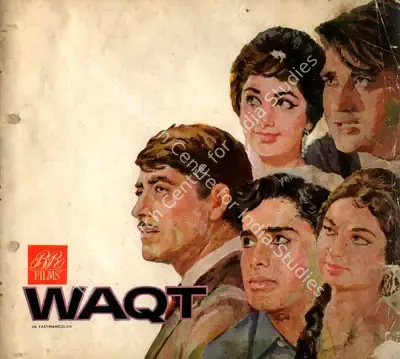
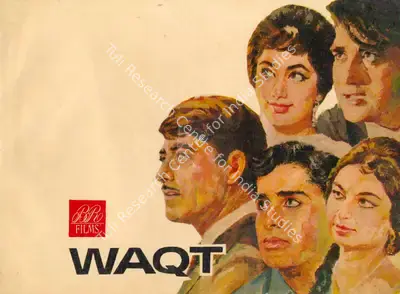
This was a stupendous year wherein Raaj Kumar had a dizzying ascent to stardom after many years of playing second lead roles. Yash Chopra's epic family drama Waqt, featured an ensemble cast with Sunil Dutt, Shashi Kapoor, Sadhana, Sharmila Tagore, and Balraj Sahni. Raaj Kumar played Raja Chinnoy (Raju), a sophisticated, crafty yet charming thief. His commanding performance ensured that his character became one of the most memorable aspects of the film. The dialogue, “Chinoy seth, jinke apne ghar sheeshe ke hote hain, woh doosron pe patthar nahin phenka karte” [Chinoy Seth, those who live in glass homes don't go about pelting stones at others' homes], is amongst the most iconic dialogues of Hindi cinema. The film also introduced Raaj Kumar's iconic catchphrase "Jaani", which first appeared in this film and became synonymous with his persona thereafter. Kumar won his second Filmfare Award for Best Supporting Actor for his performance.

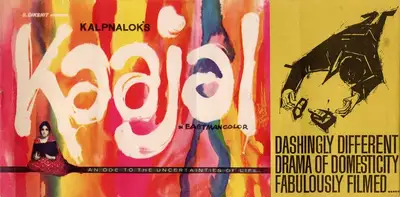
Maheshwary Pannalal Producer Kaajal 1965 Song-Synopsis Booklet CinemaEducation 00865219
Maheshwary, Pannalal (Producer), Kaajal, 1965 | Song-Synopsis Booklet | CinemaEducation | 00865219

1965

Ram Maheshwari's romantic drama Kaajal starring Raaj Kumar alongside Meena Kumari and Dharmendra, was an adaptation from Gulshan Nanda's novel, Maadhavi. Kumar received a Filmfare award nomination in the Best Actor category for the film. The film marked his decided transition from a supporting actor to a leading star.

Chopra BR Producer Hamraaz 1967 Silver Jubilee Trophy to Manmohan Krishna for the film Hamraaz Jubilee Trophy CinemaE...
Chopra, B.R. (Producer), Hamraaz, 1967. Silver Jubilee Trophy to Manmohan Krishna for the film Hamraaz | Jubilee Trophy | CinemaEducation | 00842268

1967

B.R. Chopra's suspense thriller Hamraaz starring Raaj Kumar, Sunil Dutt, and Mumtaz, was a reunion of sorts for Kumar with Chopra, after the success of Waqt (1965). Kumar played Captain Rajesh and the film became a blockbuster hit, winning the National Film Award for Best Feature Film in Hindi. The songs of the film were especially notable, especially the evergreen melody, "Neele Gagan Ke Tale.”

Mistry Fali Cinematographer Neel Kamal 1968 Lobby Card CinemaEducation 00787052
Mistry, Fali (Cinematographer), Neel Kamal, 1968 | Lobby Card | CinemaEducation | 00787052

1968

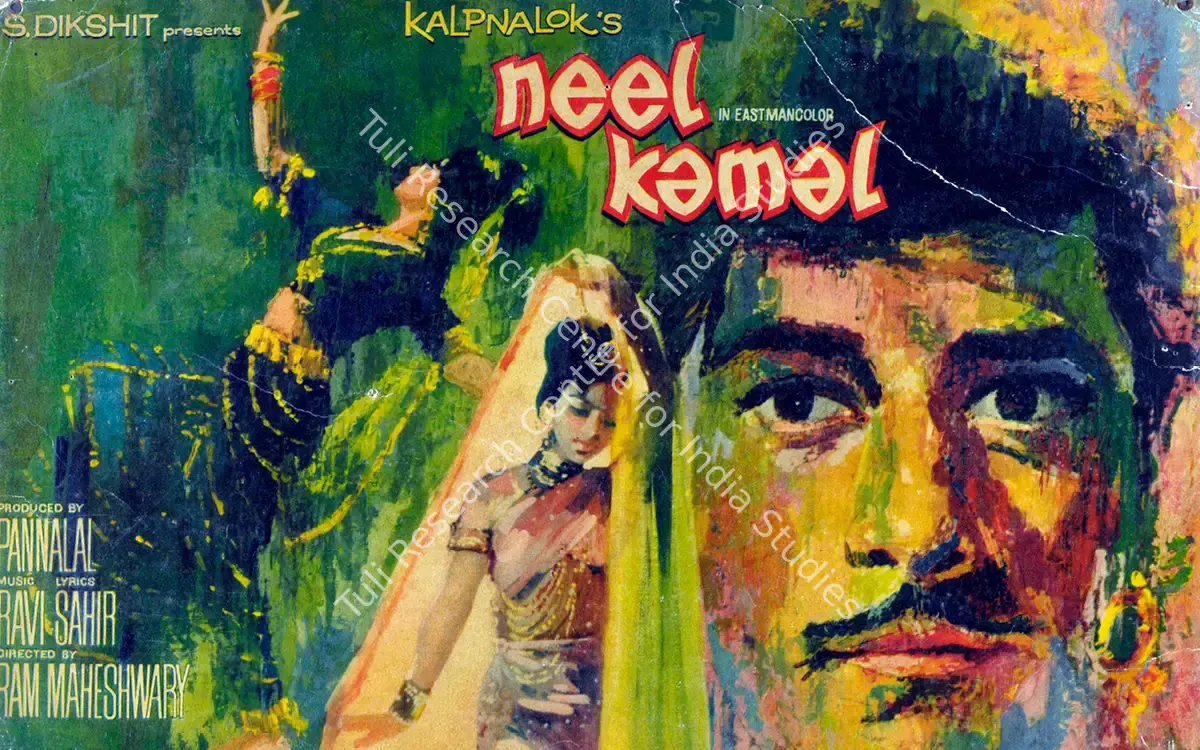
Ram Maheshwari's romantic thriller Neel Kamal starring Raaj Kumar, Waheeda Rehman, and Manoj Kumar was a major hit. Raaj Kumar played the role of Chitrasen, an artist whose soul longs for his lost love, Neel Kamal. The film was nominated in eight categories at the Filmfare Awards including Best Film, and Best Supporting Actor for Raaj Kumar. As his star persona gained momentum, Raaj Kumar cultivated several distinctive characteristics that became part of his star image. He exclusively wore white shoes on screen, a choice that became one of his characteristic features. His measured and commanding style of dialogue delivery became one of his most celebrated traits as he brought gravitas and his own brand of charisma to every role that he portrayed.

Anand Chetan Producer Heer Raanjha 1970 Song-Synopsis Booklet CinemaEducation 00864715
Anand, Chetan (Producer), Heer Raanjha, 1970 | Song-Synopsis Booklet | CinemaEducation | 00864715

1970

Chetan Anand's classic tragic romance Heer Raanjha starred Raaj Kumar with Priya Rajvansh. Based on the epic love poem by Waris Shah, Anand's film featured the entire dialogues in verse. Jal Mistry's cinematography, Madan Mohan's music, and Kaifi Azmi's dialogues made the film memorable, especially the classic song, "Yeh Duniya, Yeh Mehfil Mere Kaam Ki Nahin.”

Wirsching Josef Cinematographer Pakeezah 1971 Photographic Still CinemaEducation 00833036
Wirsching, Josef (Cinematographer), Pakeezah, 1971 | Photographic Still | CinemaEducation | 00833036

1972

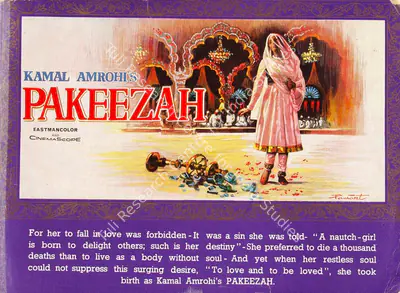
After Waqt (1965), it was Pakeezah that gave Raaj Kumar his most iconic role. The magnum opus of legendary filmmaker Kamal Amrohi that starred Meena Kumari in her final film appearance, the film is the quintessential Muslim social. With Ashok Kumar in the lead role, Raaj Kumar played Salim Ahmed Khan, a forest ranger, who falls in love with a courtesan just by seeing a glimpse of her feet in a railway compartment. Once again, the film gave Kumar a memorable dialogue, “Aapke paon dekhe, bahut haseen hain. Inhe zameen pe mat utariyega. Maile ho jaayenge” [I had a glimpse of your beautiful feet. Please do not put them on the ground, they will get soiled], which is considered the epitome of romantic love portrayed on screen. The film had a slow start at the box office but went on to become a massive blockbuster and gained cult status in later years. Its soundtrack, composed by Naushad, dominated the musical charts and its haunting melodies remain evergreen. Pakeezah was particularly significant for Raaj Kumar because it reunited him with his co-star of several films, Meena Kumari, and presented him with the opportunity to work with Kamal Amrohi. His performance as Salim Ahmed Khan remains one of the most iconic roles of his career and his famous dialogue from the film became immortal.

Sadanah Brij Producer Ek Se Badh Kar Ek 1976 Lobby Card CinemaEducation 00784142
Sadanah, Brij (Producer), Ek Se Badh Kar Ek, 1976 | Lobby Card | CinemaEducation | 00784142

1976

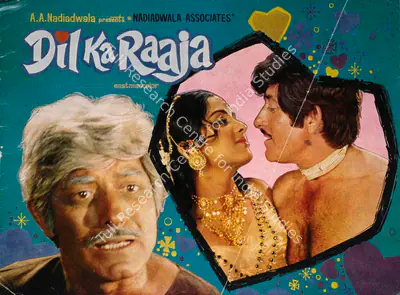
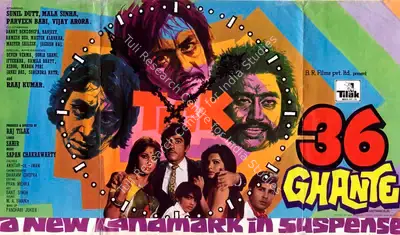
With a change in approach and genres, the 1970s brought significant changes in the film industry. Raaj Kumar's more traditional, stylized way of acting seemed to be a thing of the past in the changing milieu. Several of his films failed to make an impression at the box-office. This included Dil Ka Raaja (1972), Chetan Anand's Hindustan Ki Kasam (1973), and 36 ghante (1974). However, the film that broke this jinx was Ek Se Badhkar Ek (1976), where Raaj Kumar starred alongside Ashok Kumar, Navin Nischol, and Sharmila Tagore. Directed by Brij Sadanah, the film was a big success at the box office and was remade in Telugu as Mugguru Muggure.

Suri Anil Producer Karmayogi 1978 Full Sheet Poster CinemaEducation 00766864
Suri, Anil (Producer), Karmayogi, 1978 | Full Sheet Poster | CinemaEducation | 00766864

1978

Raaj Kumar played a double role in Ram Maheshwari's action drama, Karmayogi. Starring Jeetendra and Mala Sinha, the film was a superhit and remade in Telugu as well. Despite his occasional successes, the decade of the 1970s, was a challenging time for Raaj Kumar, as he struggled to find roles that matched the calibre of his earlier work, and many of his films failed to achieve the commercial success he had previously enjoyed.

Rao Mohan Producer Bulundi 1980 Song-Synopsis Booklet CinemaEducation 00863613
Rao, Mohan (Producer), Bulundi, 1980 | Song-Synopsis Booklet | CinemaEducation | 00863613

1981

Raaj Kumar had two releases this year, both of which failed to make a mark at the box office. The first was Esmayeel Shroff's crime thriller Bulundi, which did average business, and the second was Chetan Anand's reincarnation drama, Kudrat. The latter starred Raaj Kumar along with Rajesh Khanna, Vinod Khanna, Hema Malini, and Priya Rajvansh. Although the two films were not commercially successful, they nonetheless marked a pivotal moment in Raaj Kumar's career wherein he segued into character roles when leading roles had started to become scarce.

Ahmed Sultan Producer Dharam Kanta 1982 Song-Synopsis Booklet CinemaEducation 00863976
Ahmed, Sultan (Producer), Dharam Kanta, 1982 | Song-Synopsis Booklet | CinemaEducation | 00863976

1982

Sultan Ahmed's action film Dharam Kanta gave Raaj Kumar a silver jubilee hit after a long time. Starring Kumar alongside Rajesh Khanna, Waheeda Rehman and Jeetendra, the film's music was composed by Naushad.

Mehta Ashok Cinematographer Saudagar 1991 Lobby Card CinemaEducation 00788356
Mehta, Ashok (Cinematographer), Saudagar, 1991 | Lobby Card | CinemaEducation | 00788356

1991

Throughout the 1980s, Raaj Kumar appeared in character roles, some of which found success, such as Mehul Kumar's Marte Dam Tak (1987), Esmayeel Shroff's Suryaa: An Awakening (1989) and Swaroop Kumar's Desh Ke Dushman (1989). His big moment, however, came in the 1990s, with the film Saudagar (1991). Subhash Ghai's action drama marked the debut of Manisha Koirala and Vivek Mushran. Raaj Kumar played Thakur Rajeshwar Singh, a powerful and authoritative character, who was pitted against Veer Singh played by Dilip Kumar. Saudagar reunited Raaj Kumar with Dilip Kumar after 32 years as their first collaboration had been in Paigham (1959). This coming together of two veteran stars was celebrated by audiences and critics alike and was a high point of the film. The film had a record opening and was a blockbuster at the box office as well as the highest earner of the year. Its soundtrack, composed by Laxmikant–Pyarelal, was a chartbuster. Once again, the film gave Raaj Kumar an iconic dialogue that endures till today, "Jaani... hum tumhe maarenge aur zaroor maarenge, par bandook bhi hamari hogi aur goli bhi hamari hogi, aur vah waqt bhi hamara hoga" [Darling, I will kill you… I will certainly kill you but the gun, the bullet, and even the time of killing, will be determined by me].

Kumar Mehul Producer Tirangaa 1992 Song-Synopsis Booklet CinemaEducation 00780778
Kumar, Mehul (Producer), Tirangaa, 1992 | Song-Synopsis Booklet | CinemaEducation | 00780778

1993

Mehul Kumar's patriotic action drama Tirangaa (1993), starred Raaj Kumar alongside Nana Patekar. Kumar played the role of Brigadier Suryadev Singh, and the film was a blockbuster hit, the last of Kumar's career.

Gupta Kulbhushan Producer God And Gun 1995 Song-Synopsis Booklet CinemaEducation 00864525
Gupta, Kulbhushan (Producer), God And Gun, 1995 | Song-Synopsis Booklet | CinemaEducation | 00864525

1995

Following Tirangaa, Raaj Kumar's film career began to wind down, and his last role was in Esmayeel Shroff's God and Gun (1995).

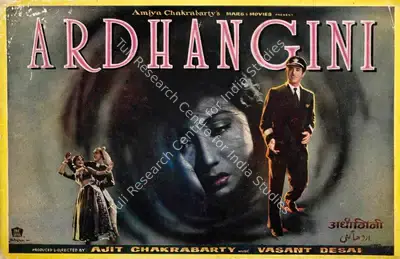
Sabnis BM Cinematographer Ardhangini 1959 Photographic Still CinemaEducation 00835403
Sabnis, B.M. (Cinematographer), Ardhangini, 1959 | Photographic Still | CinemaEducation | 00835403

03 July 1996

Raaj Kumar's passed away on 3 July 1996 in Mumbai. He was 69 years old at the time. He was being treated for throat cancer. Despite battling the cancer, he maintained his public persona and his image till the very end.

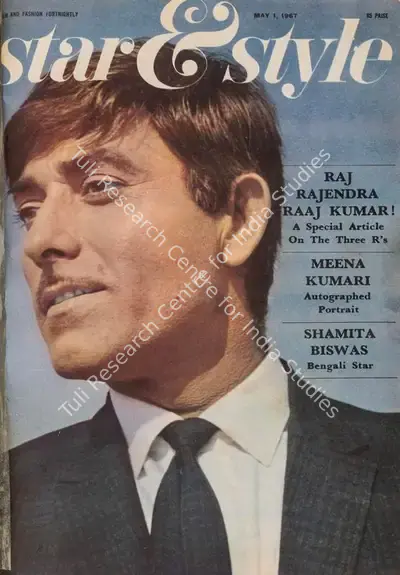
Ewing Gulshan Editor Star Style - A Film and Fashion Fortnightly 169 Bombay JC Jain 1 May 1967 Magazine CinemaEducati...
Ewing, Gulshan (Editor). Star & Style - A Film and Fashion Fortnightly. 16(9). Bombay: J.C. Jain, 1 May 1967 | Magazine | CinemaEducation | 00808432

1996

Raaj Kumar's legacy is cemented as being one of Hindi cinema's greatest actors. Celebrated for his distinctive dialogue delivery, his ability to portray a wide range of characters with conviction, and his stylish screen presence; his gravelly baritone ensured that he commanded a unique screen presence, even when cast alongside major stars. His graceful and theatrical performance style set him apart from his contemporaries and his ability to elevate romantic lines, deliver lengthy monologues, or moments of anguish with carefully measured pauses and refined articulation earned him a devoted fan following. However, this very quality also became a limitation for him as an actor, as later films demanded a more natural approach. In a career spanning over four decades, he left an enduring legacy with roles in some of the most iconic films of Hindi cinema.

1926

1940

1947

1952

1957

1959

1960

1963

1965

1967

1968

1970

1972

1976

1978

1981

1982

1991

1993

1995

1996

Economics of Cinema

No more items to load

Research Centre
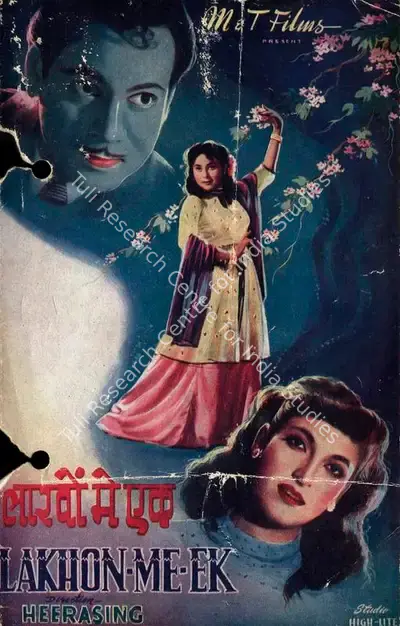
Chandulal (Producer), Lakhon Me Ek, 1955 | Song-Synopsis Booklet
Chandulal (Producer), Lakhon Me Ek, 1955 | Song-Synopsis Booklet

Modi, Sohrab (Director), Nausherwan E Adil, 1957 | Glass Slide

Modi, Sohrab (Director), Nausherwan E Adil, 1957 | Glass Slide

Irani, Faredoon A. (Cinematographer), Mother India, 1957 | Lobby Card

Irani, Faredoon A. (Cinematographer), Mother India, 1957 | Lobby Card

Irani, Faredoon A. (Cinematographer), Mother India, 1957 | Lobby Card

Irani, Faredoon A. (Cinematographer), Mother India, 1957 | Lobby Card

Irani, Faredoon A. (Cinematographer), Mother India, 1957 | Lobby Card

Irani, Faredoon A. (Cinematographer), Mother India, 1957 | Lobby Card

Irani, Faredoon A. (Cinematographer), Mother India, 1957 | Lobby Card

Irani, Faredoon A. (Cinematographer), Mother India, 1957 | Lobby Card

Irani, Faredoon A. (Cinematographer), Mother India, 1957 | Lobby Card

Irani, Faredoon A. (Cinematographer), Mother India, 1957 | Lobby Card

Irani, Faredoon A. (Cinematographer), Mother India, 1957 | Lobby Card

Irani, Faredoon A. (Cinematographer), Mother India, 1957 | Lobby Card

Irani, Faredoon A. (Cinematographer), Mother India, 1957 | Lobby Card

Irani, Faredoon A. (Cinematographer), Mother India, 1957 | Lobby Card

Irani, Faredoon A. (Cinematographer), Mother India, 1957 | Lobby Card

Irani, Faredoon A. (Cinematographer), Mother India, 1957 | Lobby Card

Irani, Faredoon A. (Cinematographer), Mother India, 1957 | Lobby Card

Irani, Faredoon A. (Cinematographer), Mother India, 1957 | Lobby Card

Irani, Faredoon A. (Cinematographer), Mother India, 1957 | Lobby Card

Irani, Faredoon A. (Cinematographer), Mother India, 1957 | Lobby Card

Irani, Faredoon A. (Cinematographer), Mother India, 1957 | Lobby Card

Irani, Faredoon A. (Cinematographer), Mother India, 1957 | Lobby Card

Irani, Faredoon A. (Cinematographer), Mother India, 1957 | Lobby Card

Irani, Faredoon A. (Cinematographer), Mother India, 1957 | Lobby Card

Mehboob (Producer), Mother India, 1957 | Song-Synopsis Booklet

Mehboob (Producer), Mother India, 1957 | Song-Synopsis Booklet

Modi, Sohrab (Director), Nausherwan E Adil, 1957 | Song-Synopsis Booklet

Modi, Sohrab (Director), Nausherwan E Adil, 1957 | Song-Synopsis Booklet

Mehboob (Producer), Mother India, 1957 | Song-Synopsis Booklet

Mehboob (Producer), Mother India, 1957 | Song-Synopsis Booklet

Mehboob (Producer), Mother India, 1957 | Full Sheet Poster

Mehboob (Producer), Mother India, 1957 | Full Sheet Poster

Modi, Sohrab (Director), Nausherwan E Adil, 1957 | Full Sheet Poster

Modi, Sohrab (Director), Nausherwan E Adil, 1957 | Full Sheet Poster

Modi, Sohrab (Director), Nausherwan E Adil, 1957 | Half Sheet Poster

Modi, Sohrab (Director), Nausherwan E Adil, 1957 | Half Sheet Poster

Loading...
TRIS logo image