
Introduction
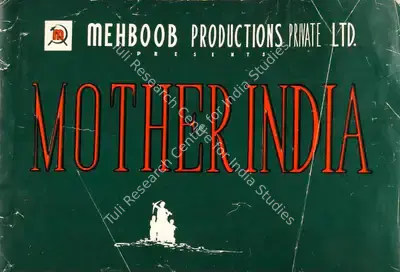
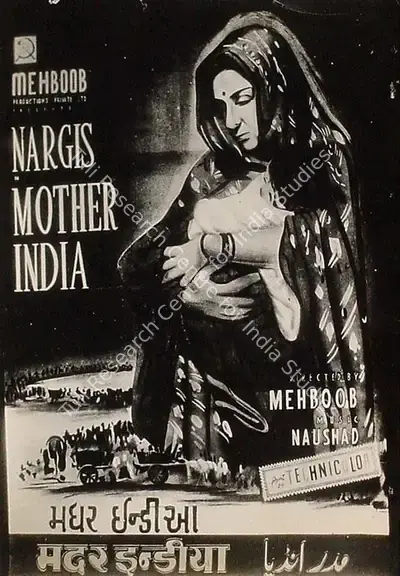
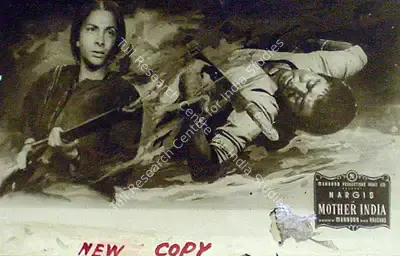
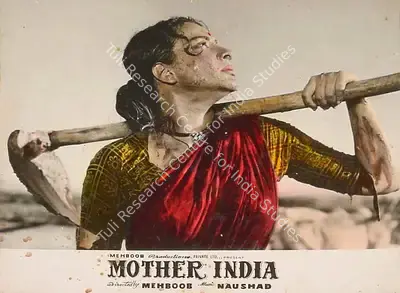
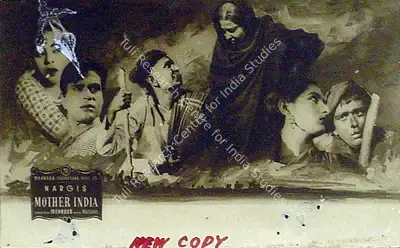
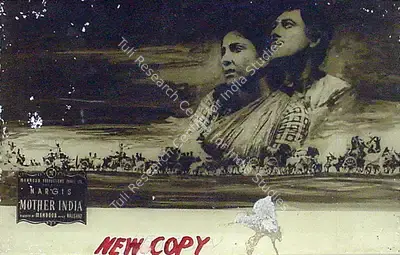
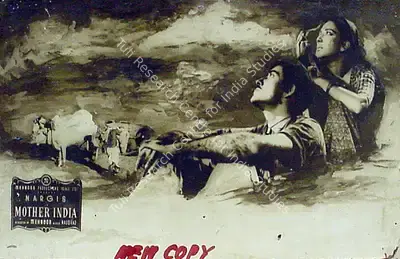
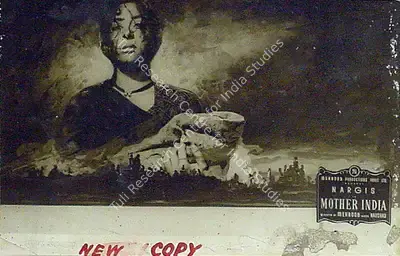
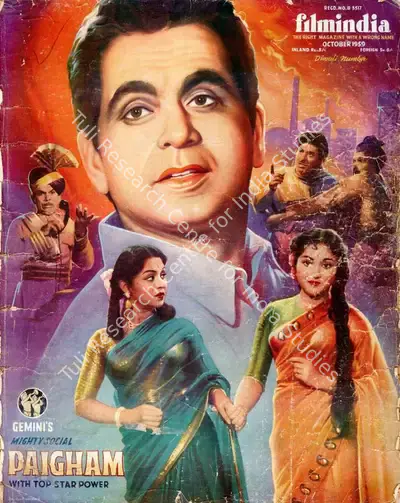
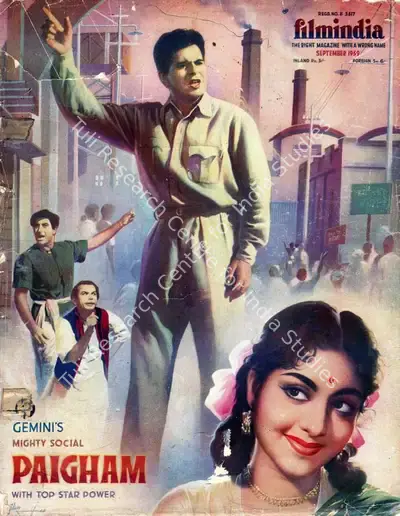
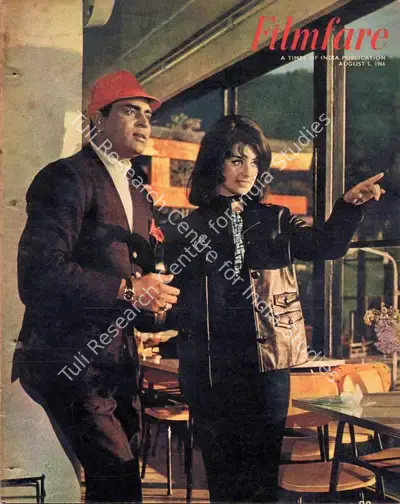
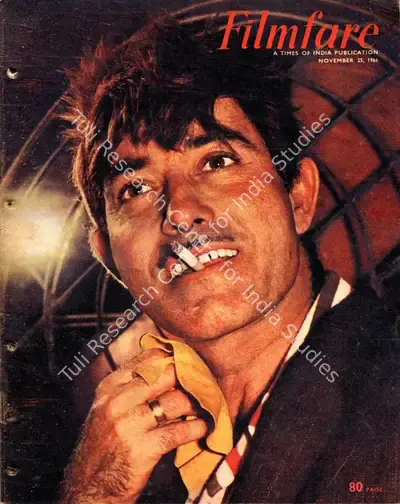
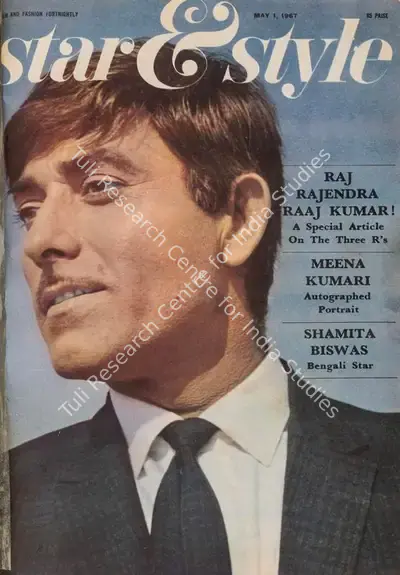
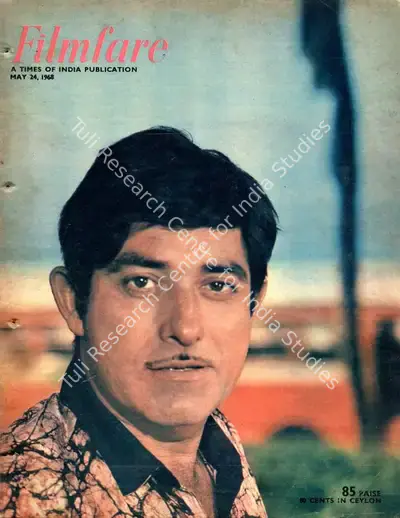
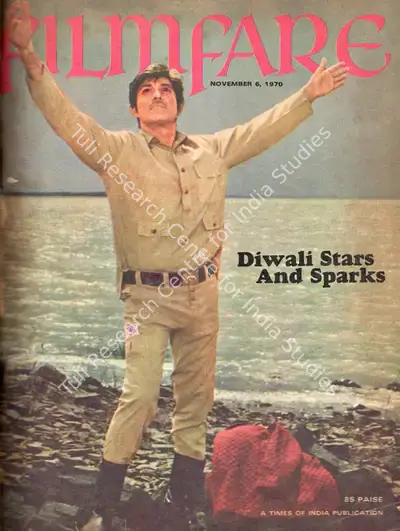
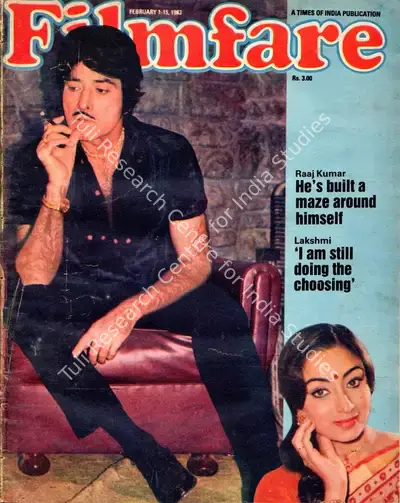
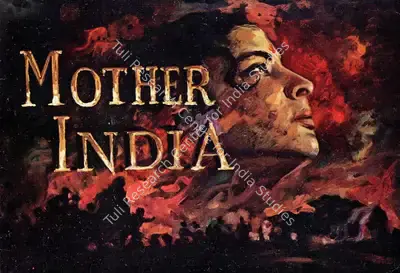
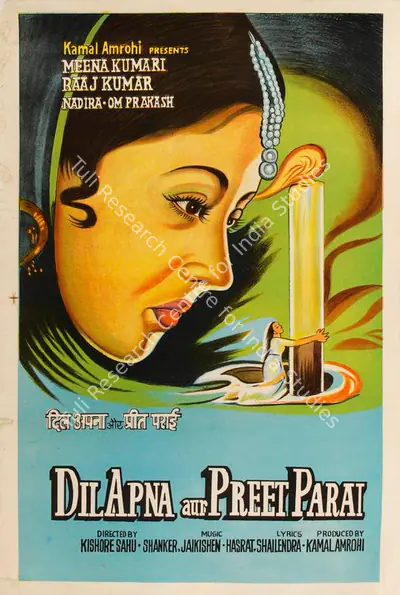
Raaj Kumar (8 October 1926 – 3 July 1996) He occupies a rarefied position in the annals of Indian cinema, revered as much for his commanding presence as for the unmistakable timbre of his voice. Beginning his career in the 1950s after a brief stint as a police sub-inspector in Mumbai, he gradually carved a niche for himself with performances that relied less on conventional heroism and more on linguistic finesse and personality. Early appearances in films like Mother India (Mother India, 1957) and Paigham (Paigham, 1959) hinted at his potential, but it was in the decades that followed that his persona truly crystallised.
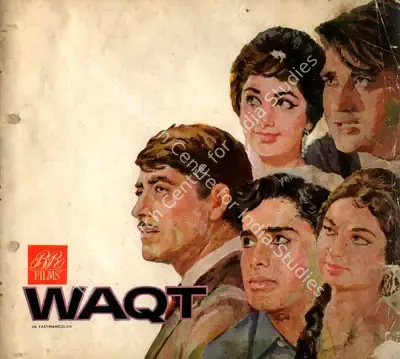
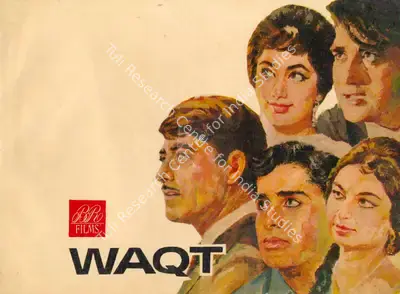
In an era defined by towering personalities and evolving cinematic idioms, he distinguished himself through a cultivated artistry rooted in language, rhythm, and poise. His resonant baritone, paired with a meticulously honed style of dialogue delivery, transformed even the simplest lines into moments of enduring recall. By the time he appeared in Waqt (Waqt, 1965), his authority on screen had become undeniable. Writers and directors, fully aware of his singular abilities, often shaped roles that amplified his flair for grandeur, wit, and controlled sarcasm.
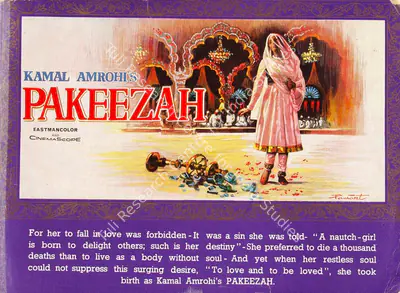
What set him apart was an unwavering commitment to refinement. His diction, steeped in the elegance of Urdu, carried an almost literary quality, elevating cinematic dialogue into spoken art. In Pakeezah (Pakeezah, 1972), his performance demonstrated how restraint and poise could coexist with emotional depth. Each word was enunciated with precision, each pause deliberately measured, lending his performances a theatrical gravitas that few contemporaries could match. His voice became not merely a tool but an instrument capable of conveying romance, disdain, anguish, or quiet menace with equal finesse.
This stylised approach also resonated within the musical fabric of his films. Songs picturised on him, such as “Chalo Dildar Chalo” in Pakeezah (1972), gained an added dimension through his composed screen presence. Gesture and expression worked in tandem with melody and verse, while even his silences carried dramatic weight. Later films like Heer Raanjha (Heer Raanjha, 1970), written entirely in verse, further showcased his command over dialogue and poetic expression.
Yet, as with many artists who cultivate a highly individualistic style, the very traits that defined his brilliance eventually revealed their limitations. By the late 1980s and early 1990s, in films such as Tirangaa (Tirangaa, 1993), his signature cadence, aristocratic demeanour, and emphatic delivery—once refreshing—began to verge on self-parody. The ornate costumes and deliberate pauses occasionally overshadowed the emotional core of his characters, creating a perceptible distance between performer and role.
This shift did not diminish his stature but underscored the difficulty of sustaining artistic evolution in a rapidly changing cinematic landscape. As Hindi cinema moved towards greater realism, his heightened theatricality seemed increasingly anachronistic, even as it retained a loyal audience.
Ultimately, Raaj Kumar's legacy endures as a testament to the power of voice and individuality in performance. He redefined dialogue delivery in Hindi cinema, transforming it into an art form capable of commanding attention independent of plot or spectacle. His career, spanning over four decades, remains a study in how style, when wielded with conviction, can become identity itself.
एक ऐसे युग में जहाँ महान शख़्सियतों का बोलबाला था और सिनेमाई अंदाज़ लगातार विकसित हो रही थीं, उन्होंने भाषा, लय और संतुलन पर आधारित अपनी कलात्मकता से अपनी अलग पहचान बनाई। उनकी दमदार आवाज़ और संवादों को कहने की उनकी निपुण शैली ने सरलतम पंक्तियों को भी अविस्मरणीय क्षणों में बदल दिया। जब वे फ़िल्म वक़्त (1965) में दिखाई दिए, तब तक पर्दे पर उनका दबदबा निर्विवाद हो चुका था। लेखक और निर्देशक, उनकी अद्वितीय क्षमताओं से भलीभांति परिचित थे, इसलिए उन्होंने अक्सर उन्हें ऐसी भूमिकाएँ दीं जो उनकी भव्यता, हास्य और संयमित व्यंग्य की प्रतिभा को और निखारती थीं।
उनकी ख़ासियत का मूल तत्व था कलात्मक सुधार के प्रति उनका अटूट समर्पण। उर्दू की भव्यता से ओतप्रोत उनकी उच्चारण शैली में एक साहित्यिक गुणवत्ता थी, जो सिनेमाई संवाद को बोलचाल की कला के स्तर तक ले जाती थी। पाकीज़ा (1972) में उनके अभिनय ने यह प्रदर्शित किया कि कैसे संयम और संतुलन भावनात्मक गहराई के साथ अस्तित्व में रह सकते हैं। हर शब्द को अत्यंत स्पष्टता और सटीकता के साथ बोला गया और हर विराम को सोच-समझकर रखा गया, जिससे उनके अभिनय को एक नाटकीय गंभीरता मिलती थी जिसकी बराबरी समकालीन कलाकार बहुत कम कर पाते थे। उनकी आवाज़ महज एक साधन नहीं बल्कि एक ऐसा उपकरण बन गई जो रोमांस, तिरस्कार, पीड़ा या शांत खतरे को समान कुशलता से व्यक्त करने में सक्षम थी।
यह शैलीबद्ध दृष्टिकोण उनकी फ़िल्मों के संगीत में भी प्रतिध्वनित हुआ। उन पर फ़िल्माए गए गीत, जैसे पाकीज़ा (1972) में "चलो दिलदार चलो", उनकी संयमित उपस्थिति के कारण एक नया आयाम प्राप्त करते थे। हावभाव और अभिव्यक्ति धुन और छंद के साथ तालमेल बिठाते थे, यहाँ तक कि उनकी चुप्पी में भी नाटकीय गहराई होती थी। बाद में पूरी तरह से पद्य में लिखी गई हीर रांझा (हीर रांझा, 1970) जैसी फ़िल्मों ने संवाद और काव्यात्मक अभिव्यक्ति पर उनकी पकड़ को और प्रदर्शित किया।
फ़िर भी, कई ऐसे कलाकारों की जो अपनी विशिष्ट शैली पर ही बल देते हैं, उनकी प्रतिभा की पहचान बन चुके गुण अंततः अपनी सीमाएँ दिखाने लगे। 1980 के दशक के अंत और 1990 के दशक के आरंभ में, तिरंगा (1993) जैसी फ़िल्मों में उनकी विशिष्ट लय, शाही अंदाज़ और प्रभावशाली प्रस्तुति जो कभी ताज़गी भरी लगती थी—आत्म-व्यंग्य के समान लगने लगी। अलंकृत वेशभूषा और जानबूझकर लिए गए ठहराव कभी-कभी उनके पात्रों के भावनात्मक सार को ढक लेते थे, जिससे कलाकार और भूमिका के बीच एक स्पष्ट दूरी पैदा हो जाती थी।
इस बदलाव से उनकी प्रतिष्ठा में कोई कमी नहीं आई, बल्कि तेजी से बदलते सिनेमाई परिदृश्य में कलात्मक विकास को बनाए रखने की कठिनाई स्पष्ट हो गई। जैसे-जैसे हिंदी सिनेमा अधिक यथार्थवाद की ओर बढ़ा, उनकी अतिरंजित नाटकीयता तेजी से अप्रचलित लगने लगी, हालांकि उनके वफ़ादार दर्शक अभी भी मौजूद थे।
अंततः, राज कुमार की विरासत अभिनय में आवाज़ और शख़्सियत की शक्ति का प्रमाण है। उन्होंने हिंदी सिनेमा में संवाद-प्रस्तुति को नया रूप दिया, इसे एक ऐसी कला में तब्दील कर दिया जो कथानक या भव्यता से परे दर्शकों का ध्यान आकर्षित करने में सक्षम है। चार दशकों से अधिक का उनका करियर इस बात का उदाहरण है कि कैसे दृढ़ विश्वास के साथ शैली का प्रयोग करने से वह स्वयं पहचान बन सकती है।
- Date of Birth
- 11 Oct 1942
- Date of Death
- 03 Jul 1996
- Age
- 53
- Nationality
- Indian
- Place of Birth
- Baluchistan Province
- Spouse(s)
- Gayatri Kumar
- Children
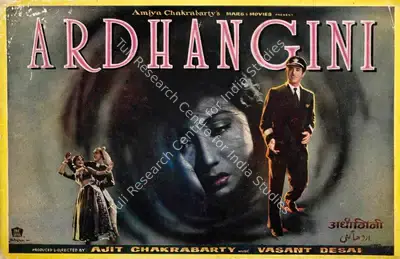
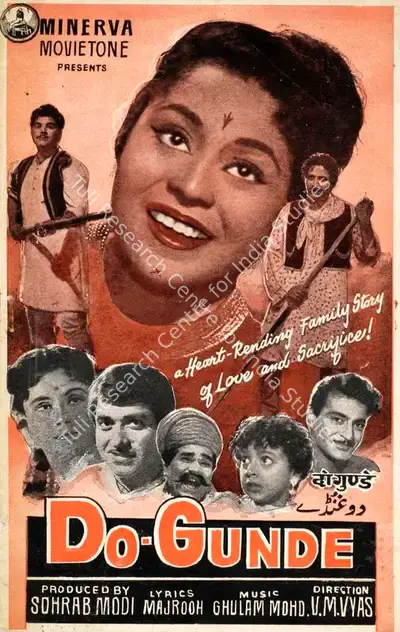
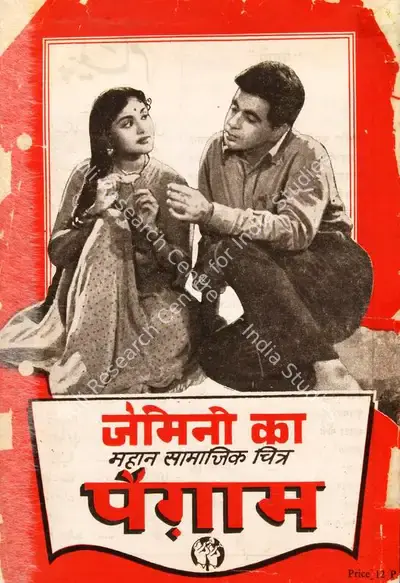
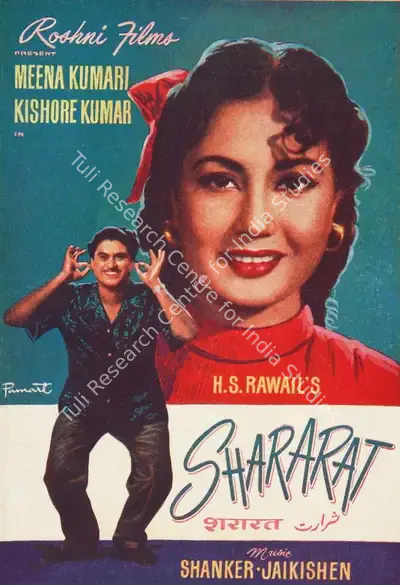
Filmography 60
Integrated Timeline
Economics of Cinema
1964
- Filmfare Award
Best Supporting Actor · The Times Group
1966
- Filmfare Award
Best Supporting Actor · The Times Group
Research Centre

Related
45
Films
22
Personalities
22
Themes
1