


Introduction
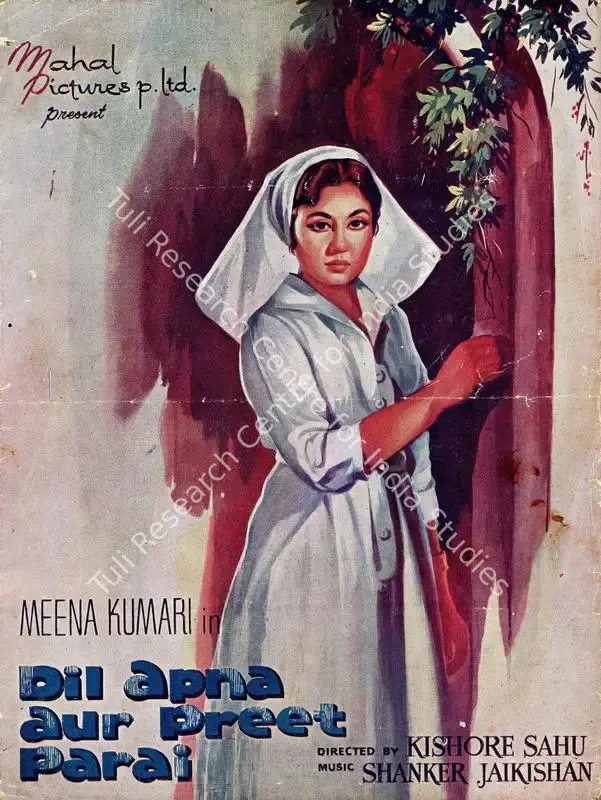
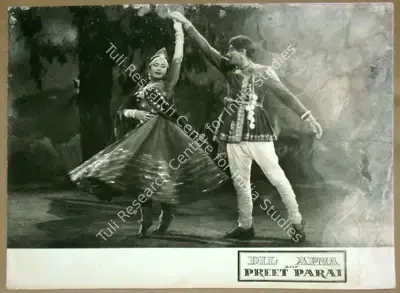
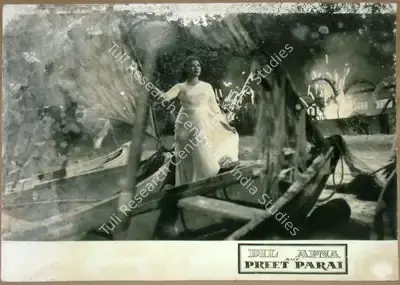
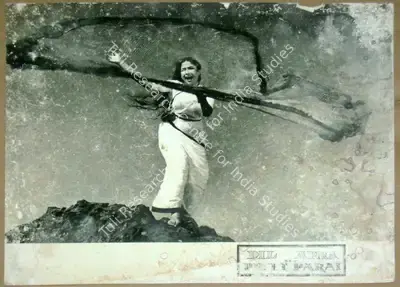
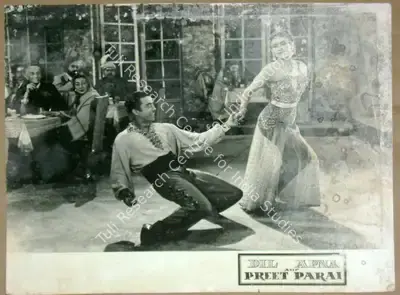
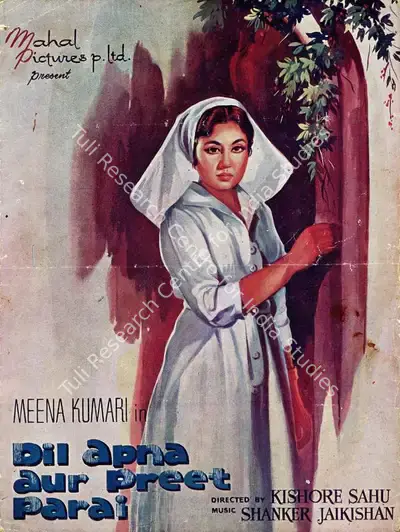
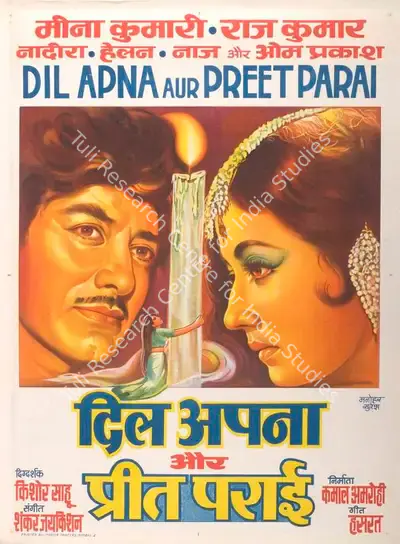
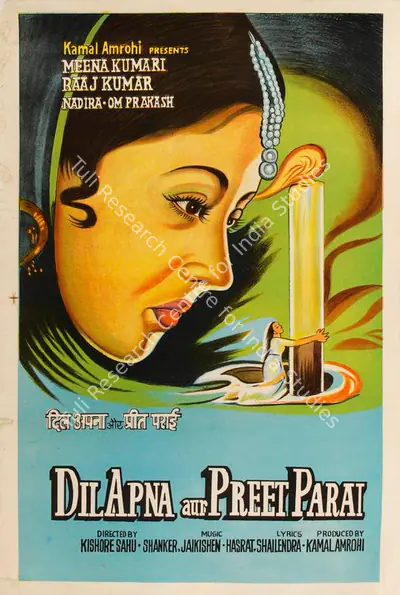
Dil Apna Aur Preet Parai (1960) remains an important film in the Hindi cinema landscape, particularly notable for its intense emotional depth and the portrayal of complex human relationships. Directed by Kishore Sahu, the film features the iconic Meena Kumari in a heartbreaking role, solidifying her legacy as the "Tragedy Queen" of Hindi cinema.
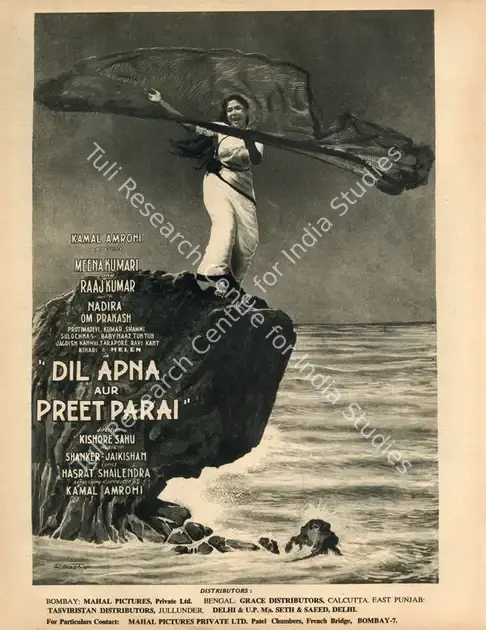
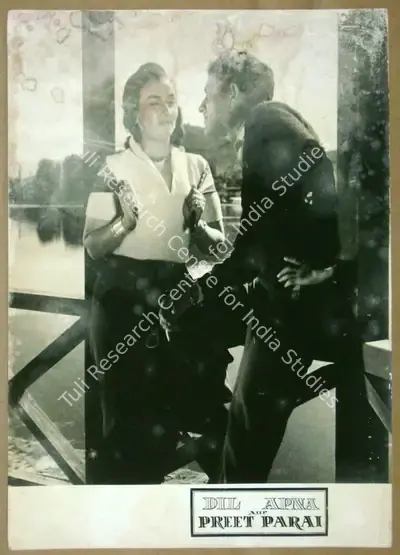
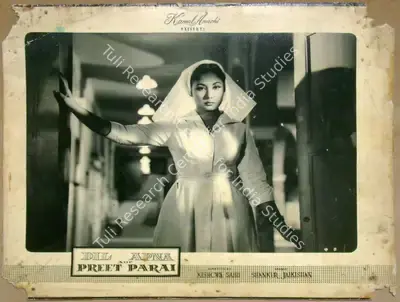
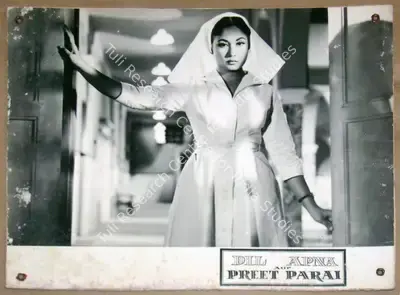
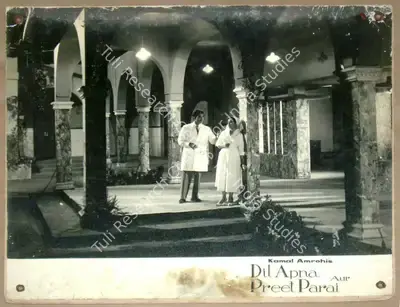
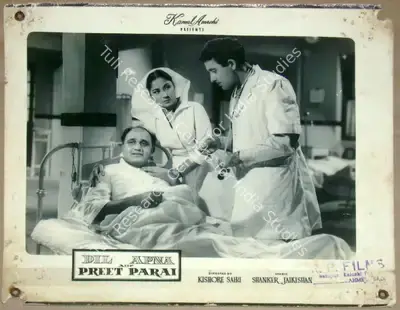
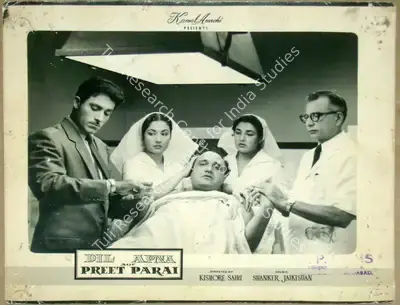
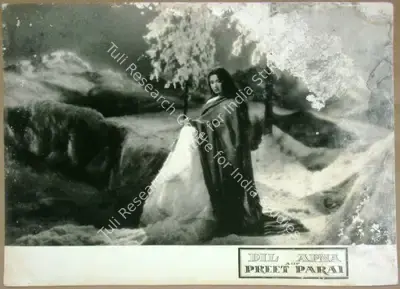
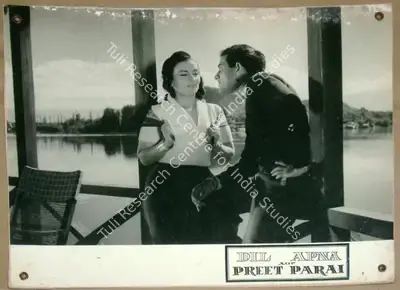
In the film, Meena Kumari plays Karuna, a nurse who is deeply devoted to her work but falls in love with Sushil, a surgeon played by Raaj Kumar. Sushil, however, is engaged to Kusum (Nadira), the daughter of a family friend. Despite his love for Karuna, he is duty-bound to marry Kusum, creating a tragic love triangle. Karuna, heartbroken but dignified, faces the agonizing reality of unrequited love with remarkable grace. This story of love, sacrifice, and emotional turmoil resonated deeply with audiences and became an enduring part of Hindi cinema's tragic romance tradition.
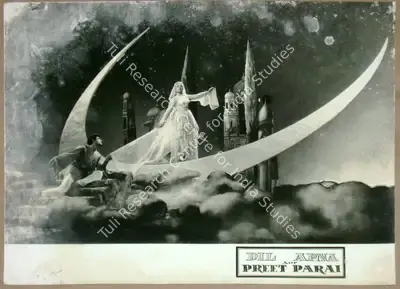
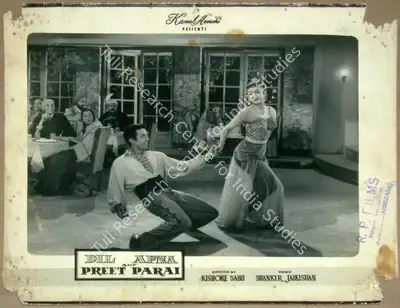
The film's music, composed by Shankar-Jaikishan, became one of its standout features. The song "Ajeeb Dastan Hai Yeh" became an instant classic, and it continues to be performed on musical talent shows to this day. Another memorable track, “Hum Tere Pyar Mein,” became synonymous with the pain of lost love, adding to the emotional richness of the film.
The film's portrayal of Karuna's emotional depth, coupled with the striking performances of its lead actors and the evocative music, made Dil Apna Aur Preet Parai a classic that continues to be remembered as a poignant exploration of love and loss.
At the 1961 Filmfare Awards, Dil Apna Aur Preet Parai created an upset by winning the Best Music Director award, beating the legendary Mughal-e-Azam's music by Naushad, which is a testament to the timeless appeal of its soundtrack.
फ़िल्म में मीना कुमारी ने करुणा नाम की एक नर्स की भूमिका निभाई है। करुणा अपने काम के प्रति पूरी तरह समर्पित नर्स है। उसे डॉक्टर सुशील (राज कुमार) से प्यार हो जाता है, पर सुशील की सगाई उनके पारिवारिक मित्र की बेटी कुसुम (नादिरा) से तय हो चुकी है। सुशील भी करुणा से प्यार करता है, लेकिन वो कुसुम से शादी करने के लिए बाध्य है। फ़िल्म में अधूरे प्यार से बुना एक दुखभरा प्रेम त्रिकोण है। करुणा का दिल टूट जाता है, लेकिन वो बहुत ही शालीनता और गरिमा के साथ अधूरे प्यार की इस पीड़ा का सामना करती है। प्यार, कर्तव्य, बलिदान और इनसे उपजे भावनात्मक झंंझावातों से रची इस फ़िल्म की कहानी दर्शकों के दिल को छू गई और हिन्दी सिनेमा की दुखभरे रोमांस से रची प्रेम कहानियों की परम्परा का स्थायी हिस्सा बन गई।
शंकर जयकिशन का संगीत इस फ़िल्म की एक और खासियत बनकर उभरा। “अजीब दास्तां है ये” गीत तो फ़ौरन ही क्लासिक बन गया और आज भी इसे संगीत प्रतिभा खोज से जुड़े कार्यक्रमों में खूब बजाया जाता है। फ़िल्म का एक और यादगार गाना “हम तेरे प्यार में” अधूरे छूट गए प्यार से उपजे दर्द की आवाज़ बन गया और इसने फ़िल्म को जज़्बातों की गहराई दी।
करुणा के किरदार में मीना कुमारी के जज़्बातों से भरे अभिनय और फ़िल्म के भावपूर्ण संगीत ने मिलकर दिल अपना और प्रीत पराई को एक ऐसी यादगार फ़िल्म का दर्जा दिया है जो दर्शक को आज भी अधूरे प्यार की तीखी तड़प को महसूस करने का मौका देती है।
साल 1961 के फ़िल्मफ़ेयर पुरस्कारों में दिल अपना और प्रीत पराई के लिए शंकर-जयकिशन की जोड़ी ने मुग़ल-ए-आज़म फ़िल्म में नौशाद के यादगार संगीत को पछाड़ते हुए सर्वश्रेष्ठ संगीत निर्देशक का पुरस्कार जीता और सबको चौंका दिया। पर इस जीत से उस दौर में फ़िल्म के संगीत की लोकप्रियता को समझा जा सकता है।
Body of Work
Research Centre
Related
11
Personalities
11