

Introduction
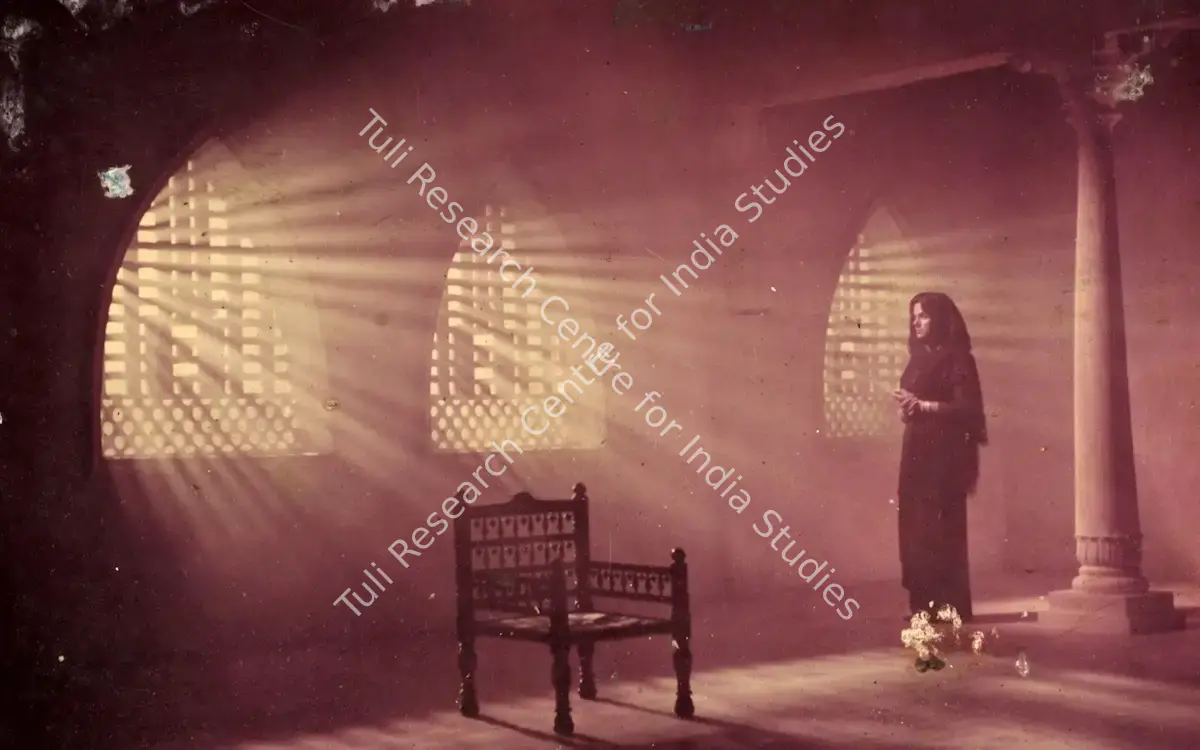
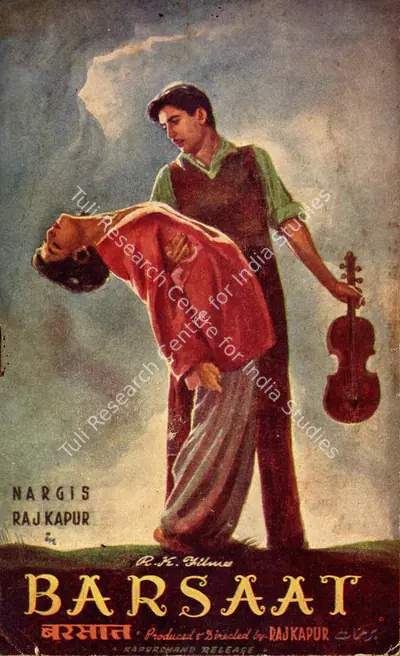
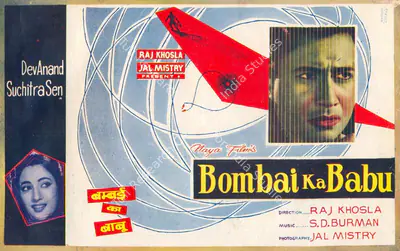
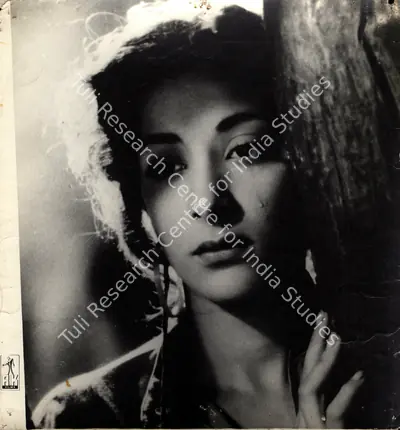
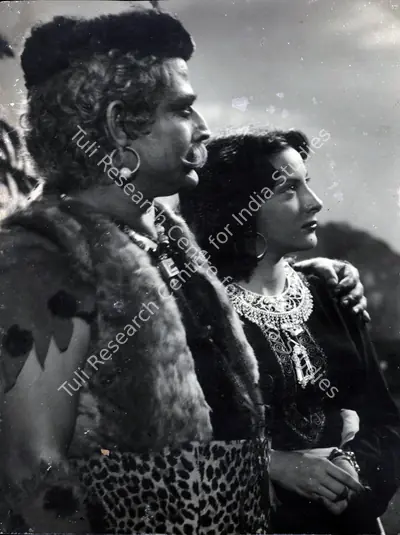
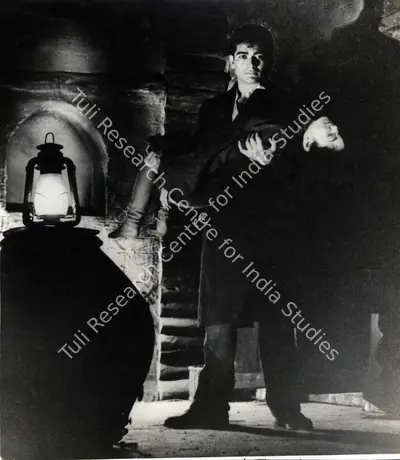
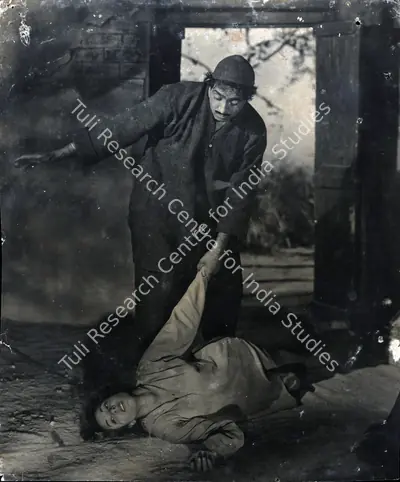
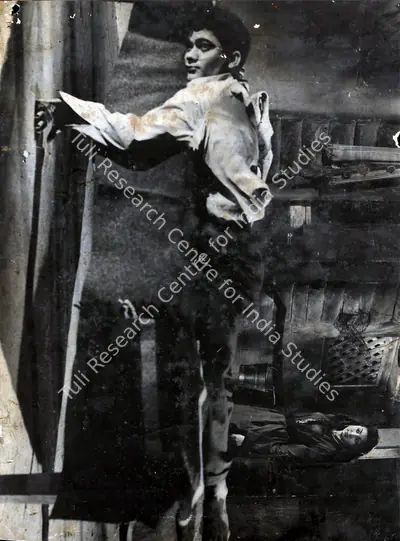
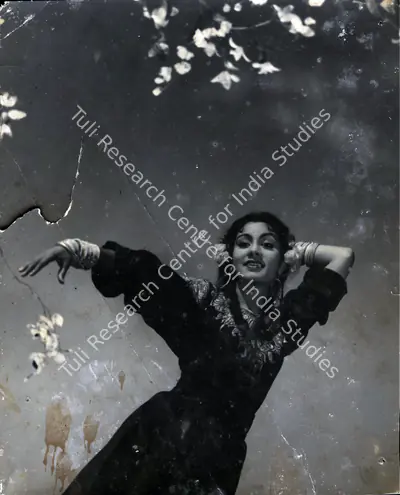
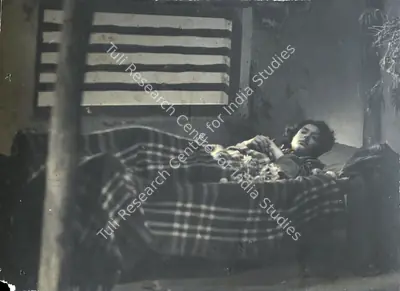
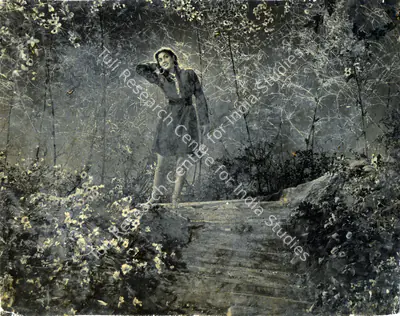
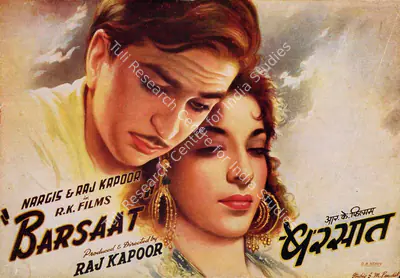
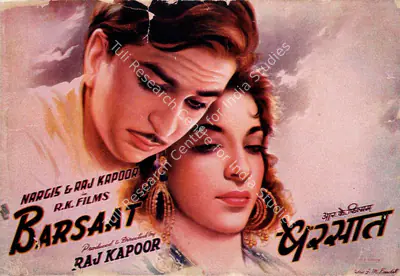
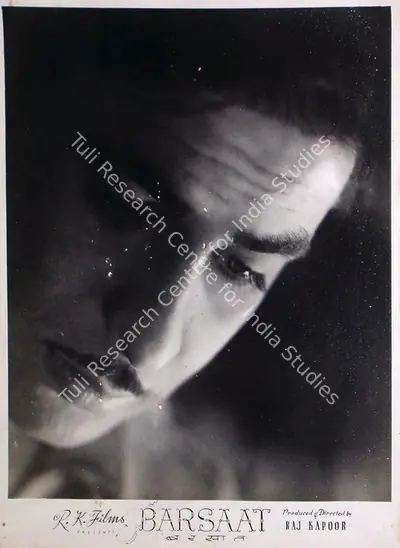
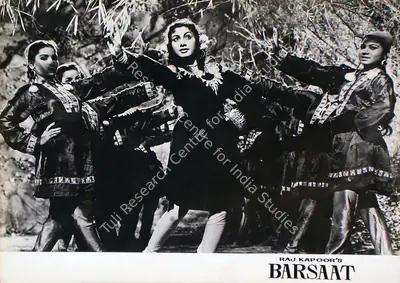
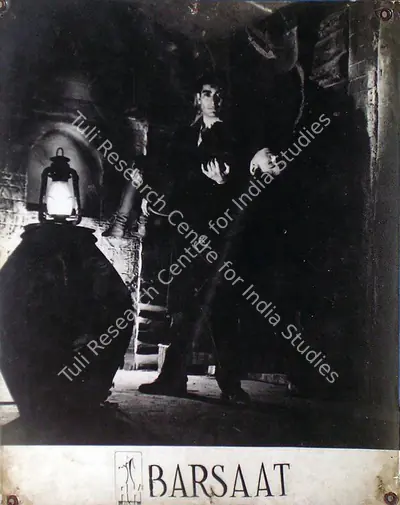
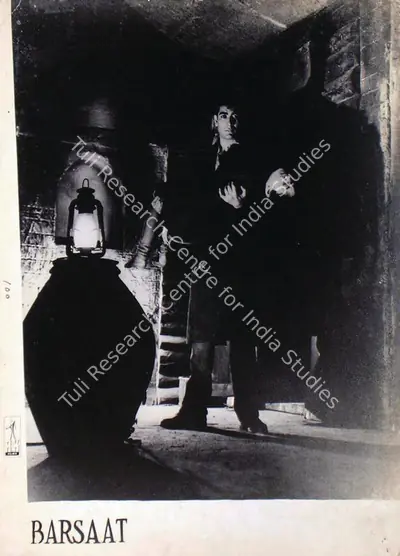
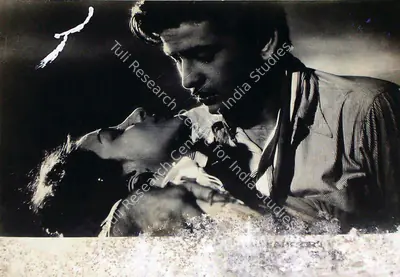
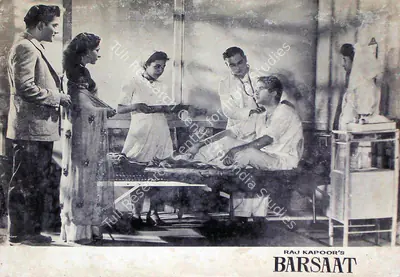
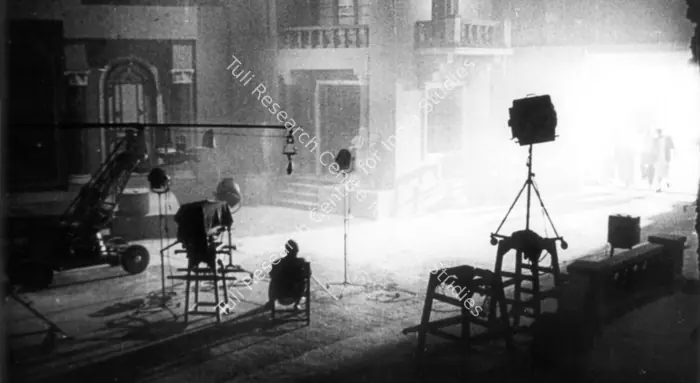
Jal Mistry was an Indian cinematographer who worked in Hindi cinema from 1949 to 1998. He learnt the ropes of cinematography from his elder brother, Fali Mistry, who was a noted cinematographer in his own right. His first film as a cinematographer was the hugely successful Raj Kapoor starring Barsaat (1949). His style of high contrast, low-key light, a technique he shared with his brother Fali Mistry, lent a chiaroscuro effect that complemented the running motif of rain in the film.
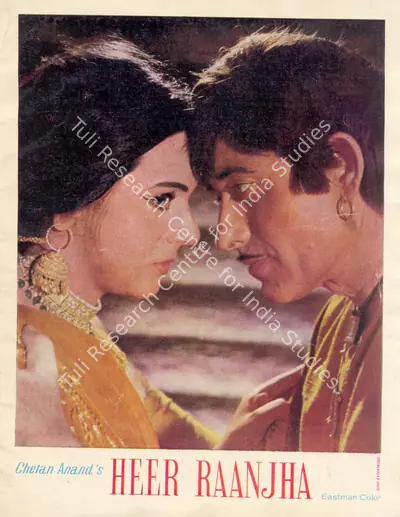
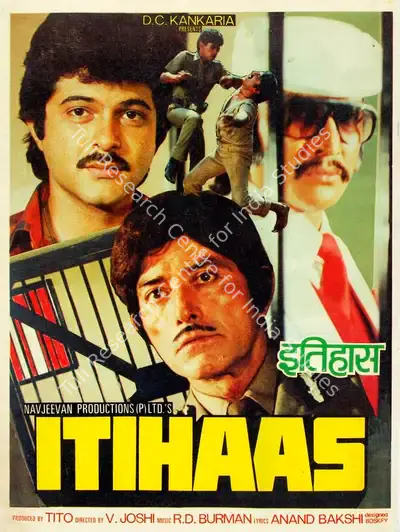
Although he started with black & white films, he deftly moved to colour starting with Baharon Ke Sapne (1967). Along with his brother Fali Mistry, Jal Mistry pioneered the technique of diffused lighting and low-key dramatic lighting in night scenes creating glamorous images for Indian cinema. He won the Filmfare Award for Best Cinematographer four times, Baharon Ke Sapne (1968), Heer Raanjha (1971), Jheel Ke Us Paar (1974), and Kudrat (1982).
His last film as a cinematographer was Hrishikesh Mukherjee's Jhooth Bole Kauwa Kaate (1998).
Filmography 22
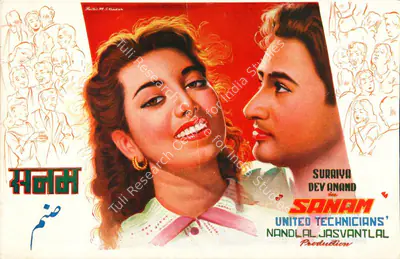
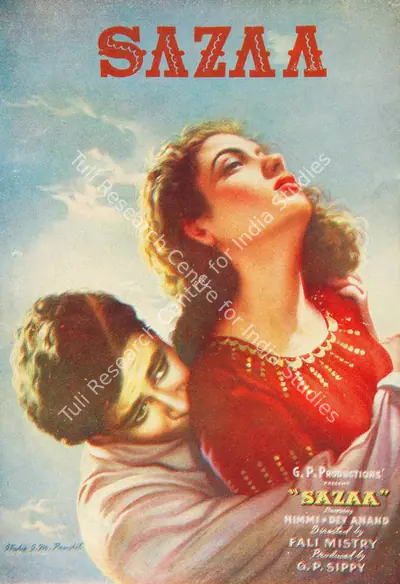
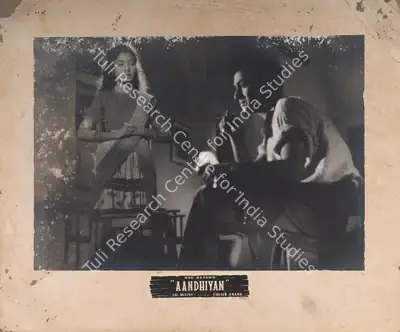
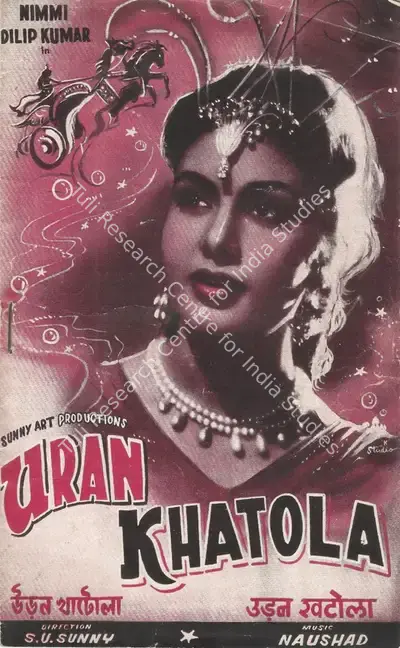
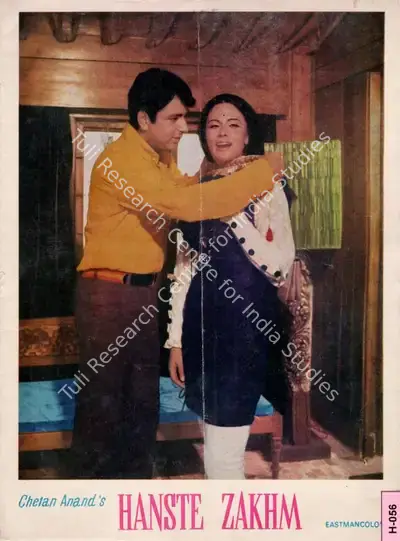
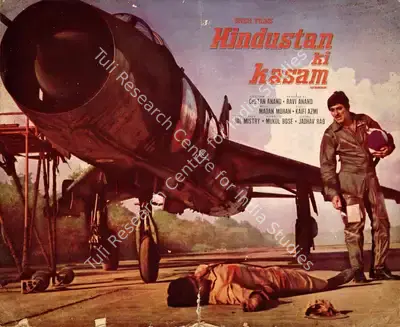
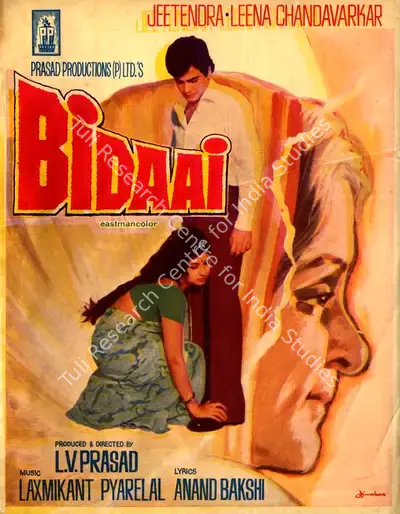
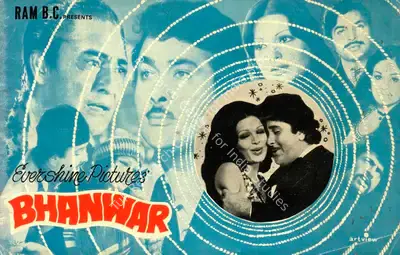
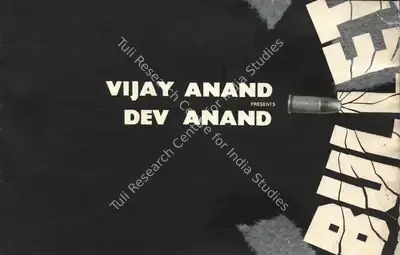
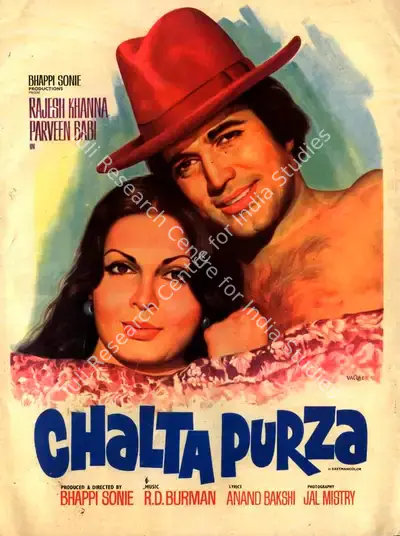
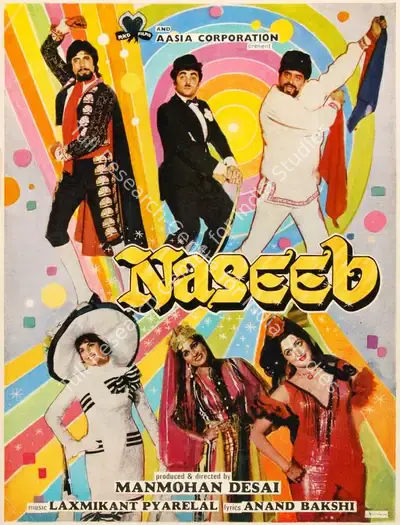
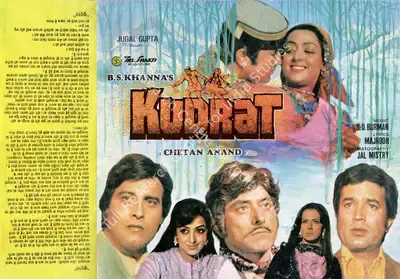
Research Centre
Calendar 1
- ArchivedExhibitionProject 23A Brief Visual History of Indian CinematographySelections from the Tuli Research Centre for India Studies Collection20th - 24th January 202611:00amGalerie Romain Rolland, Alliance Francaise de Delhi, 72 K.K. Birla Lane, Lodi Estate, New Delhi 110003Presenting selections from the Tuli Research Centre for India Studies Archives, this exhibition traces the visual history of Indian cinematography, foregrounding the craft, technologies, and aesthetic choices behind the camera, from Dadasaheb Phalke to Faredoon A. Irani, Fali and Jal Mistry, to VK Murthy and Govind Nihalani.Read More →
Related
27
Films
20