

Introduction
Dharmendra Kewal Krishan Deol (8 December 1935 – 24 Nov 2025) known mononymously as Dharmendra, was a renowned Indian actor, producer, and politician, celebrated for his significant contribution to Hindi cinema. Hailed as one of Indian cinema's most iconic, handsome, and commercially successful film stars,
Dharmendra earned the sobriquet He-Man of Bollywood. Over a remarkable career spanning more than six decades and over 300 films, he set the record for the highest number of box office hits in Hindi cinema. Notably, in 1973, he scored eight box office successes, and in 1987, achieved seven consecutive hits and nine successful releases in a single year—a record that remains unbroken. In recognition of his artistic and cultural impact, he was honoured with the Padma Bhushan in 2012, India's third-highest civilian award.
Born into a Punjabi Jat family in the village of Dangon, near Ludhiana, to Kewal Krishan and Satwant Kaur, Dharmendra spent his formative years in Sahnewal. He attended Government Senior Secondary School at Lalton Kalan, Ludhiana, where his father served as headmaster, and completed his matriculation in Phagwara in 1952 when Punjab's schools were under Punjab University, Chandigarh.
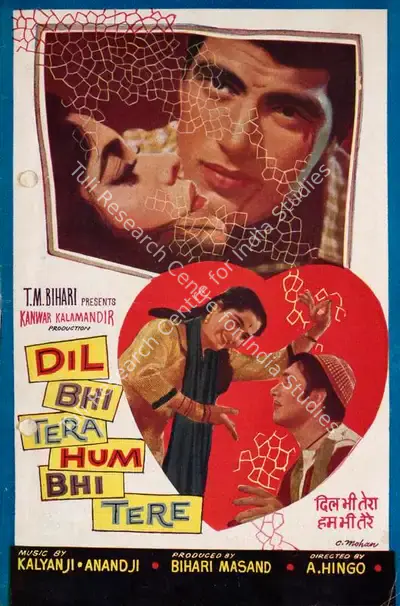
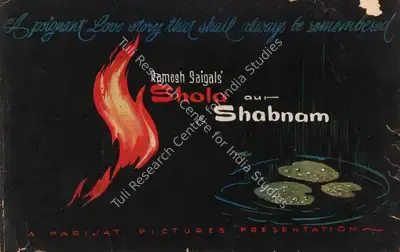
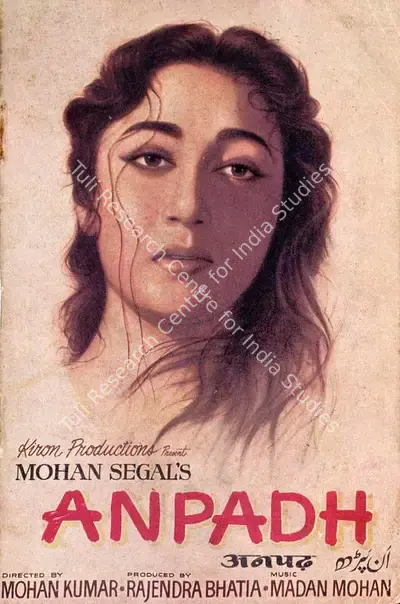
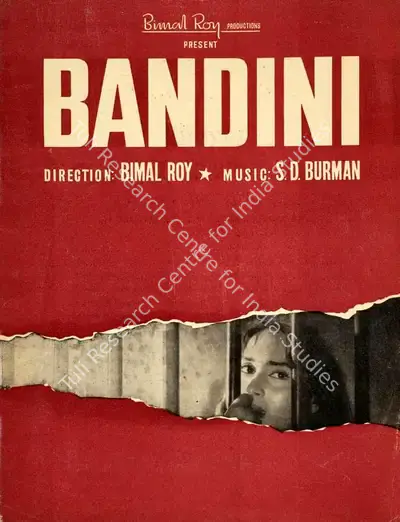
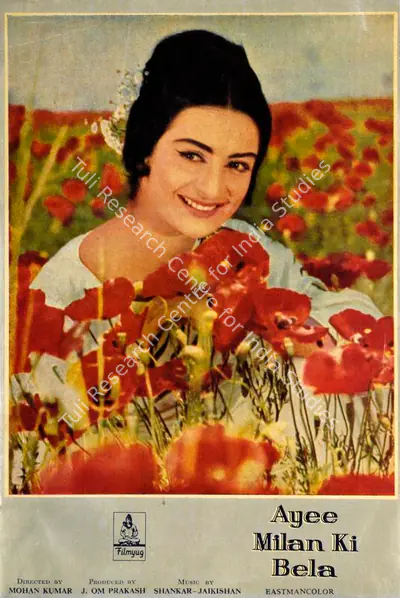
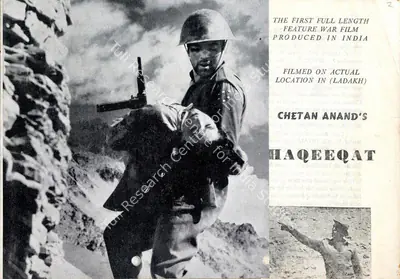
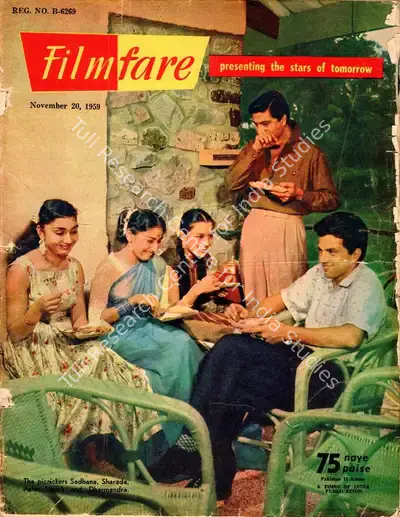
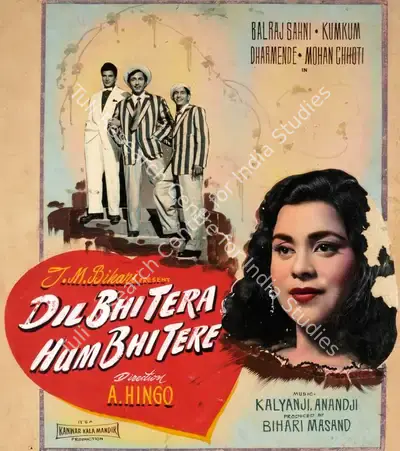
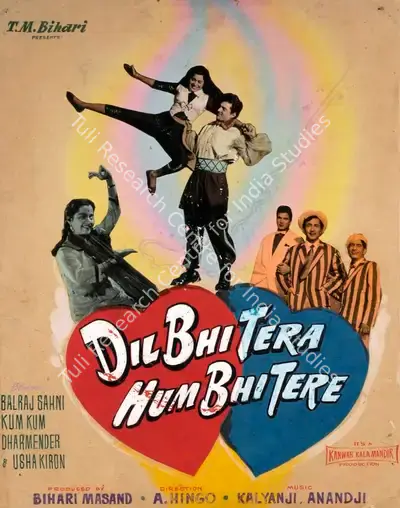
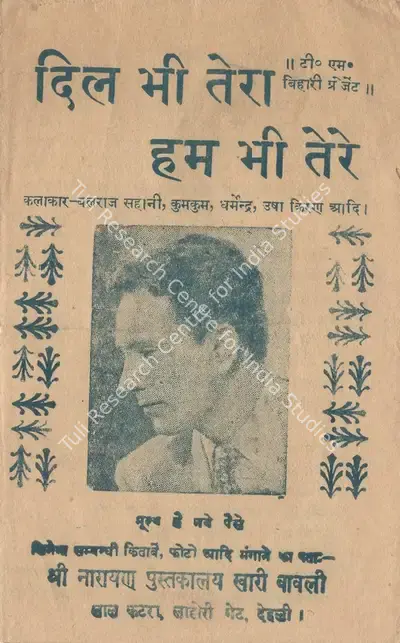
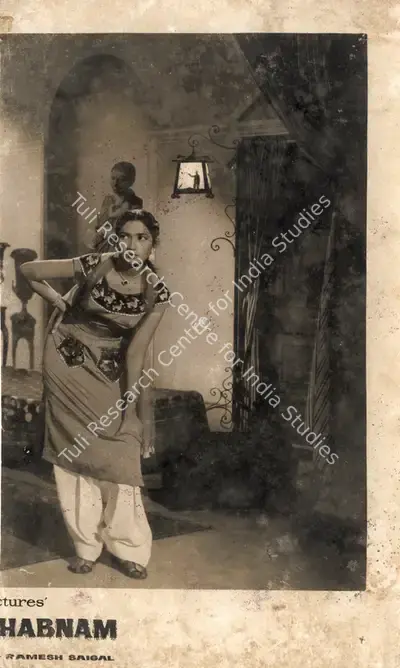
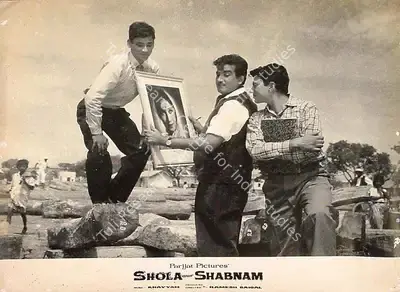
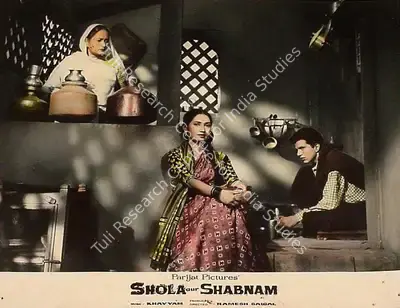
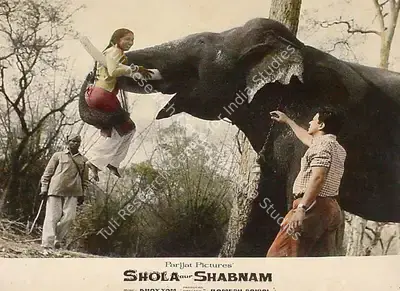
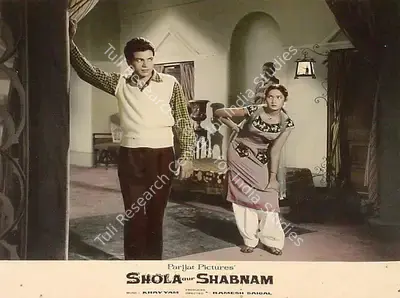
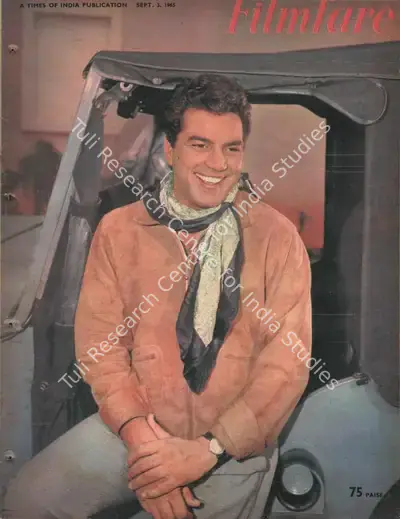
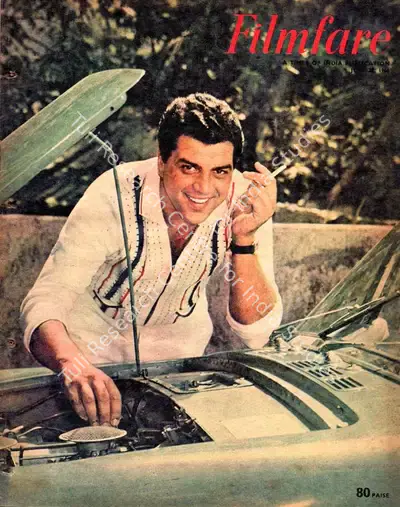
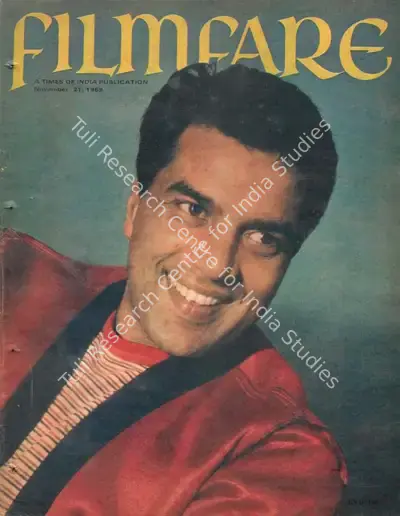
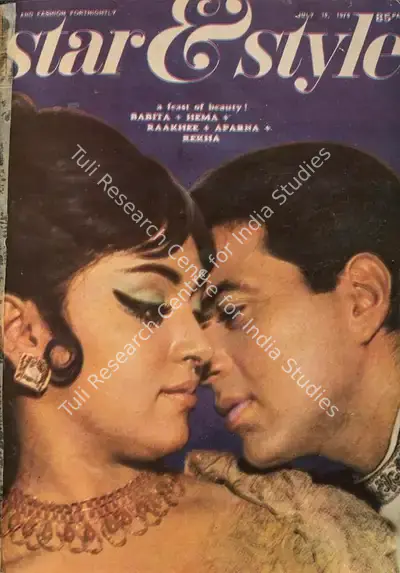
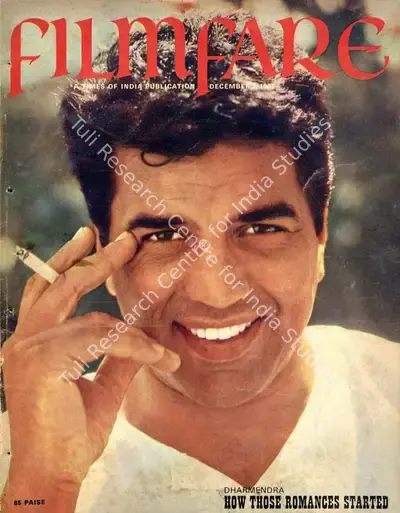
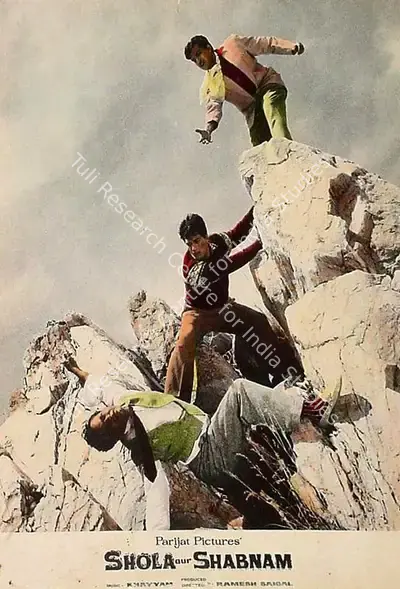
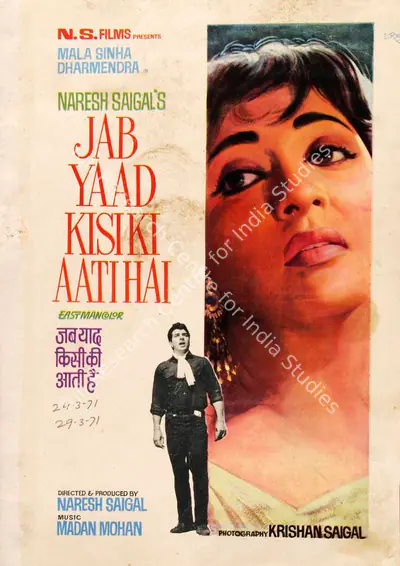
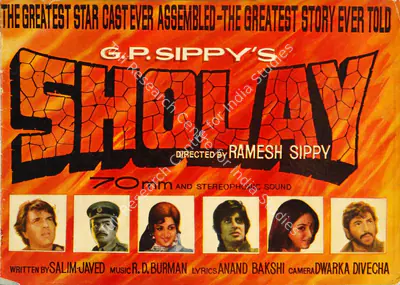
After winning Filmfare magazine's nationwide talent search, Dharmendra relocated to Mumbai. Although his initial project never materialised, he made his film debut in 1960 with Arjun Hingorani's Dil Bhi Tera Hum Bhi Tere, which initially went unnoticed. His commercial breakthrough arrived with Ramesh Saigal's Shola Aur Shabnam (1961), followed by celebrated roles in Anpadh (1962) and the acclaimed Bandini (1963). His major breakthrough emerged in 1964 with Ayee Milan Ki Bela earning him a Filmfare nomination, and that same year, he starred in the acclaimed war drama Haqeeqat. Dharmendra delivered remarkable performances throughout the 1970s, forming a successful on-screen partnership with Hema Malini and starring in highly successful films such as Jeevan Mrityu, Tum Haseen Main Jawan, Sharafat. He is also remembered for his chemistry with Amitabh Bachchan in classics like Chupke Chupke and Sholay.
Married first to Prakash Kaur in 1954, Dharmendra was the father of actors Sunny and Bobby Deol, and daughters Vijeta and Ajeeta. His later marriage to Hema Malini, amidst much public scrutiny, produced two daughters, Esha and Ahana. The family, rooted in Arya Samaj traditions, has continued to contribute to Indian cinema for generations. Residing primarily at his Lonavala farmhouse, while his family lived in Mumbai, Dharmendra voiced concerns about Hindi films' recognition of the Deol family's legacy. The recipient of the 1997 Filmfare Lifetime Achievement Award, he also served as a BJP Member of Parliament for Bikaner in Rajasthan.
Since the late 1990s, Dharmendra has excelled in character roles in acclaimed films such as Pyaar Kiya To Darna Kya, Life in a...Metro, and Rocky Aur Rani Kii Prem Kahaani, reaffirming his enduring presence and influence in Indian cinema.
He died on 24 November 2025 at his Mumbai residence, aged 89, after a prolonged age-related illness. His final screen appearance, in Ikkis directed by Sriram Raghavan and featuring Jaideep Ahlawat, Agastya Nanda, Suhasini Mulay, and Simar Bhatia, is slated for release on 25 December 2025.
Dharmendra earned the sobriquet He-Man of Bollywood. Over a remarkable career spanning more than six decades and over 300 films, he set the record for the highest number of box office hits in Hindi cinema. Notably, in 1973, he scored eight box office successes, and in 1987, achieved seven consecutive hits and nine successful releases in a single year—a record that remains unbroken. In recognition of his artistic and cultural impact, he was honoured with the Padma Bhushan in 2012, India's third-highest civilian award.
Born into a Punjabi Jat family in the village of Dangon, near Ludhiana, to Kewal Krishan and Satwant Kaur, Dharmendra spent his formative years in Sahnewal. He attended Government Senior Secondary School at Lalton Kalan, Ludhiana, where his father served as headmaster, and completed his matriculation in Phagwara in 1952 when Punjab's schools were under Punjab University, Chandigarh.
After winning Filmfare magazine's nationwide talent search, Dharmendra relocated to Mumbai. Although his initial project never materialised, he made his film debut in 1960 with Arjun Hingorani's Dil Bhi Tera Hum Bhi Tere, which initially went unnoticed. His commercial breakthrough arrived with Ramesh Saigal's Shola Aur Shabnam (1961), followed by celebrated roles in Anpadh (1962) and the acclaimed Bandini (1963). His major breakthrough emerged in 1964 with Ayee Milan Ki Bela earning him a Filmfare nomination, and that same year, he starred in the acclaimed war drama Haqeeqat. Dharmendra delivered remarkable performances throughout the 1970s, forming a successful on-screen partnership with Hema Malini and starring in highly successful films such as Jeevan Mrityu, Tum Haseen Main Jawan, Sharafat. He is also remembered for his chemistry with Amitabh Bachchan in classics like Chupke Chupke and Sholay.
Married first to Prakash Kaur in 1954, Dharmendra was the father of actors Sunny and Bobby Deol, and daughters Vijeta and Ajeeta. His later marriage to Hema Malini, amidst much public scrutiny, produced two daughters, Esha and Ahana. The family, rooted in Arya Samaj traditions, has continued to contribute to Indian cinema for generations. Residing primarily at his Lonavala farmhouse, while his family lived in Mumbai, Dharmendra voiced concerns about Hindi films' recognition of the Deol family's legacy. The recipient of the 1997 Filmfare Lifetime Achievement Award, he also served as a BJP Member of Parliament for Bikaner in Rajasthan.
Since the late 1990s, Dharmendra has excelled in character roles in acclaimed films such as Pyaar Kiya To Darna Kya, Life in a...Metro, and Rocky Aur Rani Kii Prem Kahaani, reaffirming his enduring presence and influence in Indian cinema.
He died on 24 November 2025 at his Mumbai residence, aged 89, after a prolonged age-related illness. His final screen appearance, in Ikkis directed by Sriram Raghavan and featuring Jaideep Ahlawat, Agastya Nanda, Suhasini Mulay, and Simar Bhatia, is slated for release on 25 December 2025.
धर्मेंद्र केवल कृष्ण देओल (8 दिसंबर, 1935 - 24 नवंबर 2025) को सारी दुनिया धर्मेंद्र के नाम से जानती है। धर्मेंद्र एक अद्भुत रूप से करिश्माई सिनेमाई अभिनेता रहे हैं। उन्होंने फ़िल्म से लेकर राजनीति तक अपनी छाप छोड़ी है। हिन्दी सिनेमा जगत में तो उनका असाधारण योगदान रहा है। भारतीय सिनेमा के सबसे आकर्षक और व्यावसायिक रूप से सबसे कामयाब सितारों में से एक गिने जाने वाले धर्मेंद्र को भारतीय सिनेमा का “ही-मैन” भी कहा जाता है। छह दशकों से अधिक लंबे अपने अभिनय करियर में उन्होंने 300 से अधिक फ़िल्मों में अभिनय किया है। उन्होंने हिन्दी सिनेमा में टिकट खिड़की पर कामयाब हुई सर्वाधिक हिट फ़िल्मों का रिकॉर्ड बनाया है। सन् 1973 इनमें ख़ास था जब उन्होंने आठ सफल फ़िल्में दीं और सन् 1987 में सात लगातार हिट फ़िल्में और नौ सफल रिलीज़ का रिकॉर्ड बनाया जो आज तक टूटा नहीं है। कला और संस्कृति के क्षेत्र में उनके अप्रतिम योगदान के लिए उन्हें सन् 2012 में भारत सरकार ने भारत के तीसरे सर्वोच्च सम्मान 'पद्म भूषण' से सम्मानित किया।
धर्मेंद्र की पैदाइश पंजाब के लुधियाना ज़िले के पास के एक गाँव दांगों की है। उनका जन्म एक जाट परिवार में हुआ था। उनके पिता का नाम केवल कृष्ण और माता का नाम सतवंत कौर था। उनका बचपन साहेवाल में बीता। उन्होंने अपनी शुरुआती शिक्षा लाल्टन कलाँ, लुधियाना के गवर्नमेंट सीनियर सेकेंडरी स्कूल से हासिल की जहाँ उनके पिता प्रधानाचार्य थे। सन् 1952 में उन्होंने फ़गवाड़ा के एक स्कूल से मैट्रिक की परीक्षा पास की। यह उस दौर की बात है जब पंजाब के स्कूल पंजाब विश्वविद्यालय, चंडीगढ़ से जुड़े हुए होते थे।
फ़िल्मफ़ेयर पत्रिका की देशव्यापी टैलेंट प्रतियोगिता जीतने के बाद धर्मेंद्र मुंबई चले आए। हालाँकि उनकी पहली फ़िल्म अधूरी रह गई लेकिन सन् 1960 में उन्होंने अर्जुन हिंगोरानी की दिल भी तेरा हम भी तेरे से अपना फ़िल्मी पदार्पण किया। यह फ़िल्म कुछ ख़ास कामयाब नहीं रही। इसके बाद सन् 1961 में रमेश सहगल की शोला और शबनम से उन्होंने पहली बार व्यावसायिक सफलता का स्वाद चखा। इसके बाद अनपढ़ (1962) और समीक्षकों द्वारा बहुप्रशंसित बंदिनी (1963) में उनके अभिनय ने सभी का ध्यान आकर्षित किया। सन् 1964 में आई मिलन की बेला ने उन्हें मुकम्मल पहचान दिलाई और उन्हें इस फ़िल्म के लिए फ़िल्मफ़ेयर का नामांकन भी मिला। उसी वर्ष हक़ीक़त (1964) जैसी क्लासिक युद्ध फ़िल्म में भी उनका अभिनय यादगार रहा।
सत्तर के दशक में धर्मेंद्र ने लगातार शानदार अभिनय से सजी एक के बाद एक हिट फ़िल्में दीं। विशेष रूप से हेमा मालिनी के साथ उनकी जोड़ी दर्शकों के बीच अत्यधिक लोकप्रिय रही। जीवन मृत्यु (1970), तुम हसीन मैं जवान (1970) और शराफ़त (1970) जैसी कामयाब फ़िल्मों में उन्होंने अपनी बहुमुखी प्रतिभा दिखाई। साथ ही चुपके चुपके (1975) और शोले (1975) जैसी कालजयी फ़िल्मों में अमिताभ बच्चन के साथ उनकी सदाबहार जोड़ी आज भी खूब याद की जाती है।
सन् 1954 में धर्मेंद्र का प्रकाश कौर से विवाह हुआ था जिनसे उनकी चार संतानें हुईं। अभिनेता सन्नी देओल और बॉबी देओल और बेटियाँ विजेता व अजीता। बाद में उन्होंने अभिनेत्री हेमा मालिनी से विवाह किया। इस विवाह से उनकी दो बेटियाँ अभिनेत्री ईशा और अहाना हुईं। आर्यसमाज की परंपराओं में रचे-बसे देओल परिवार की भावी पीढ़ियों ने भी भारतीय सिनेमा में अपना योगदान देना जारी रखा है।
इन दिनों धर्मेंद्र अधिकतर समय अपने लोनावाला स्थित फ़ार्महाउस में बिताते हैं जबकि उनका पारिवारिक घर मुंबई के जुहू में है। उन्होंने कई बार इस बारे में चिंता व्यक्त की है कि बॉलीवुड में देओल परिवार के योगदान को पर्याप्त मान्यता नहीं मिली। सन् 1997 में उन्हें फ़िल्मफ़ेयर के 'लाइफ़टाइम अचीवमेंट अवॉर्ड' से सम्मानित किया गया। वे राजस्थान की बीकानेर लोकसभा सीट से भारतीय जनता पार्टी के सांसद के रूप में भी चुने जा चुके हैं।
1990 के दशक के उत्तरार्ध से धर्मेंद्र ने प्यार किया तो डरना क्या (1998), लाइफ़ इन अ... मेट्रो (2007) और रॉकी और रानी की प्रेम कहानी (2024) जैसी प्रशंसित और कामयाब फ़िल्मों में प्रमुख चरित्र भूमिकाएँ निभाई हैं। पर्दे पर उनकी सशक्त उपस्थिति और उनका भावप्रवण जीवंत अभिनय आज भी धर्मेंद्र को भारतीय सिनेमा के सबसे प्रभावशाली और सम्मानित व्यक्तित्वों में से बना देता है।
लंबी बीमारी के बाद 24 नवंबर, 2025 के दिन धर्मेंद्र का मुंबई स्थित उनके आवास पर 89 वर्ष की आयु में निधन हो गया। उनके अभिनय से सजी अंतिम फ़िल्म संभवत: इक्कीस होगी, जिसके निर्देशक श्रीराम राघवन हैं। इस फ़िल्म में जयदीप अहलावत, आगस्त्य नंदा, सुहासिनी मुलै और सिमर भाटिया अभिनय कर रहे हैं। इस फ़िल्म के 25 दिसम्बर, 2025 के दिन रिलीज़ होने की घोषणा हुई है।
धर्मेंद्र की पैदाइश पंजाब के लुधियाना ज़िले के पास के एक गाँव दांगों की है। उनका जन्म एक जाट परिवार में हुआ था। उनके पिता का नाम केवल कृष्ण और माता का नाम सतवंत कौर था। उनका बचपन साहेवाल में बीता। उन्होंने अपनी शुरुआती शिक्षा लाल्टन कलाँ, लुधियाना के गवर्नमेंट सीनियर सेकेंडरी स्कूल से हासिल की जहाँ उनके पिता प्रधानाचार्य थे। सन् 1952 में उन्होंने फ़गवाड़ा के एक स्कूल से मैट्रिक की परीक्षा पास की। यह उस दौर की बात है जब पंजाब के स्कूल पंजाब विश्वविद्यालय, चंडीगढ़ से जुड़े हुए होते थे।
फ़िल्मफ़ेयर पत्रिका की देशव्यापी टैलेंट प्रतियोगिता जीतने के बाद धर्मेंद्र मुंबई चले आए। हालाँकि उनकी पहली फ़िल्म अधूरी रह गई लेकिन सन् 1960 में उन्होंने अर्जुन हिंगोरानी की दिल भी तेरा हम भी तेरे से अपना फ़िल्मी पदार्पण किया। यह फ़िल्म कुछ ख़ास कामयाब नहीं रही। इसके बाद सन् 1961 में रमेश सहगल की शोला और शबनम से उन्होंने पहली बार व्यावसायिक सफलता का स्वाद चखा। इसके बाद अनपढ़ (1962) और समीक्षकों द्वारा बहुप्रशंसित बंदिनी (1963) में उनके अभिनय ने सभी का ध्यान आकर्षित किया। सन् 1964 में आई मिलन की बेला ने उन्हें मुकम्मल पहचान दिलाई और उन्हें इस फ़िल्म के लिए फ़िल्मफ़ेयर का नामांकन भी मिला। उसी वर्ष हक़ीक़त (1964) जैसी क्लासिक युद्ध फ़िल्म में भी उनका अभिनय यादगार रहा।
सत्तर के दशक में धर्मेंद्र ने लगातार शानदार अभिनय से सजी एक के बाद एक हिट फ़िल्में दीं। विशेष रूप से हेमा मालिनी के साथ उनकी जोड़ी दर्शकों के बीच अत्यधिक लोकप्रिय रही। जीवन मृत्यु (1970), तुम हसीन मैं जवान (1970) और शराफ़त (1970) जैसी कामयाब फ़िल्मों में उन्होंने अपनी बहुमुखी प्रतिभा दिखाई। साथ ही चुपके चुपके (1975) और शोले (1975) जैसी कालजयी फ़िल्मों में अमिताभ बच्चन के साथ उनकी सदाबहार जोड़ी आज भी खूब याद की जाती है।
सन् 1954 में धर्मेंद्र का प्रकाश कौर से विवाह हुआ था जिनसे उनकी चार संतानें हुईं। अभिनेता सन्नी देओल और बॉबी देओल और बेटियाँ विजेता व अजीता। बाद में उन्होंने अभिनेत्री हेमा मालिनी से विवाह किया। इस विवाह से उनकी दो बेटियाँ अभिनेत्री ईशा और अहाना हुईं। आर्यसमाज की परंपराओं में रचे-बसे देओल परिवार की भावी पीढ़ियों ने भी भारतीय सिनेमा में अपना योगदान देना जारी रखा है।
इन दिनों धर्मेंद्र अधिकतर समय अपने लोनावाला स्थित फ़ार्महाउस में बिताते हैं जबकि उनका पारिवारिक घर मुंबई के जुहू में है। उन्होंने कई बार इस बारे में चिंता व्यक्त की है कि बॉलीवुड में देओल परिवार के योगदान को पर्याप्त मान्यता नहीं मिली। सन् 1997 में उन्हें फ़िल्मफ़ेयर के 'लाइफ़टाइम अचीवमेंट अवॉर्ड' से सम्मानित किया गया। वे राजस्थान की बीकानेर लोकसभा सीट से भारतीय जनता पार्टी के सांसद के रूप में भी चुने जा चुके हैं।
1990 के दशक के उत्तरार्ध से धर्मेंद्र ने प्यार किया तो डरना क्या (1998), लाइफ़ इन अ... मेट्रो (2007) और रॉकी और रानी की प्रेम कहानी (2024) जैसी प्रशंसित और कामयाब फ़िल्मों में प्रमुख चरित्र भूमिकाएँ निभाई हैं। पर्दे पर उनकी सशक्त उपस्थिति और उनका भावप्रवण जीवंत अभिनय आज भी धर्मेंद्र को भारतीय सिनेमा के सबसे प्रभावशाली और सम्मानित व्यक्तित्वों में से बना देता है।
लंबी बीमारी के बाद 24 नवंबर, 2025 के दिन धर्मेंद्र का मुंबई स्थित उनके आवास पर 89 वर्ष की आयु में निधन हो गया। उनके अभिनय से सजी अंतिम फ़िल्म संभवत: इक्कीस होगी, जिसके निर्देशक श्रीराम राघवन हैं। इस फ़िल्म में जयदीप अहलावत, आगस्त्य नंदा, सुहासिनी मुलै और सिमर भाटिया अभिनय कर रहे हैं। इस फ़िल्म के 25 दिसम्बर, 2025 के दिन रिलीज़ होने की घोषणा हुई है।
- Date of Birth
- 08 Dec 1935
- Zodiac sign
- Sagittarius
- Date of Death
- 24 Nov 2025
- Age
- 89
- Nationality
- Indian
- Place of Birth
- Nasrali, Ludhiana, Punjab Province, British India
- Place of Death
- Mumbai, India
- Spouse(s)
- Hema Malinib. 16 Nov 1948
- Year Marriage Registered
- 1954 | 1980
- Children
- Government Senior Secondary School, Lalton Kalan, Ludhiana, Punjab
Filmography 330
20 of 330
Integrated Timeline
27 entries
Economics of Cinema
1990
- National Film Awards
Best Film Providing Wholesome Entertainment · Directorate of Film Festivals
1991
- Filmfare Awards
Best Film · The Times Group
1997
- Filmfare Awards
Lifetime Achievement Award · The Times Group
2012
- Padma Awards
Padma Bhushan · Government of India
2026
- Padma Awards
Padma Vibhushan · Government of India
Research Centre
20 of 1,388





20 of 117
20 of 1,271
Calendar 2
- ArchivedExhibitionProject 70A Homage to the Cinema of Dharmendra25th - 31st March 202611:00am - 7:00pmBharat Mandapam, Hall-14, Ground Floor, Pragati Maidan, New Delhi - 110005Chief Guests: Sunny Deol, Bobby Deol and Abhay DeolA Homage to the Cinema of Dharmendra offers an incisive and in-depth visual look into the career and legacy of the artist.Read More →
- ArchivedExhibitionProject 65The Greatest Extravaganza of Cinema's Art25th - 31st March 202611:00am - 7:00pmBharat Mandapam, Hall-14, Ground Floor, Pragati Maidan, New Delhi - 110001As we near sharing the vast online India Studies knowledge base on tuliresearchcentre.org with the world, we end with our last grand archival Exhibition on the rare and vintage cinematic arts. The Expo covers over 110 years of cinematic art, created by some of the finest film directors, cinematographers, art directors, technicians and designers working in cinema from India, Hollywood, Japan, Germany, France, and Poland. It is also a key principle at the Tuli Research Centre for India Studies (TRIS) to support new and nascent International Film Festivals in whatever capacity possible. Hence it is our privilege to help the International Film Festival of Delhi (IFFD) successfully launch its first edition on 25th March 2026. In the pioneering tradition of IFFI, and as Head of the erstwhile and much respected Osian's-Cinefan Festival for Asian and Arab Cinema with my dearly departed friend and Founder of Cinefan - Aruna Vasudev - we know what energy, expertise and commitment is required to galvanise and inspire the cinematic fraternities of Delhi, India and the rest of the world. It is a very serious and difficult task. Our audiences are demanding and to attract the young and non-cinephile is also no easy task. I hope these exhibitions will help the public grasp how deeply history is living in the contemporary. That contemporary life or creativity cannot achieve its best version without knowing and respecting the work of the best who came before us, nurturing and guiding our path with their service and vision. We look forward to welcoming you to Bharat Mandapam Hall 14 in the days to come. Please register at https://www.iffdelhi.com for the films and other events, it is free to all.Read More →


Related
55
Personalities
41
Films
13