

TRIS logo image
Search275,000+ actors, artists, objects, artworks, films, exhibitions, archives

EN

EN

English

HI

Hindi

EN

EN

English

HI

Hindi

Tuli Research Centre for India Studies

Tuli Research Centre for India Studies

Vision

Manifesto

Archive & Library

Vanraja Sanctuary & Hospice

Home

Research Categories

Browse All

ICore

1_CinemaEducation_Cinema as a Critical Educational Resource

2_FineArts_Modern and Contemporary Indian Fine Arts

3_Photography_Photography in India

4_PopCulture_The Printed Image, Popular Arts, and Crafts

IIMaterial

5_ArcHeritage_India's Architectural Heritage as Inspiration

6_EconomicsArt_Economics of Art & Cultural Industry

7_Travel test value_Automobile, Transport and Travel Heritage

8_Uncertainty_Uncertainty

IIICritical

9_SocialDuty_Social Responsibility of the Creative Mind

10_Childhood_The Changing Smile of Childhood & Its Second Coming

11_Sensuality_The Sensual Discipline within Creativity

12_Scholarship_The History & Historiography of Scholarship in the Arts, Humanities, and Social Sciences

IVMeaningful

13_SeekJustice_Seeking Justice and Political Integrity

14_IndoWorld_India and her Relationship with the World

15_SpiritualPoetics_The Religious-Spiritual-Poetic-Philosophical Framework

16_Continuum_The Animal-Human-Nature Continuum

Explore

All

Posts

Masterlists

Calendar

Live | Upcoming

All Events

Timetable

Search275,000+ actors, artists, objects, artworks, films, exhibitions, archives

EN

EN

English

HI

Hindi

Charulata (1964)

Charulata (1964)

Film.Indian Cinema
DirectorSatyajit Ray
LanguageBengali
Released17 Apr 1964
▶Watch Full Film
Contents
Introduction
Body of Work
Research Centre17
Home/1_CinemaEducation/Film/Charulata (1964)
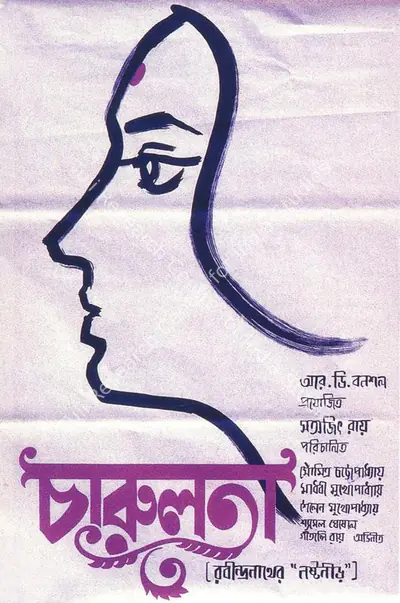
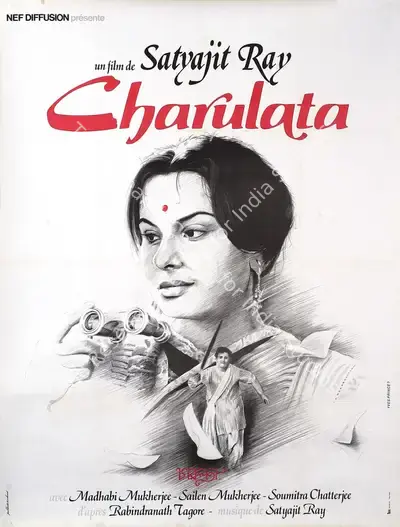
Charulata (1964): title artwork
Charulata (1964): featured artwork

Introduction

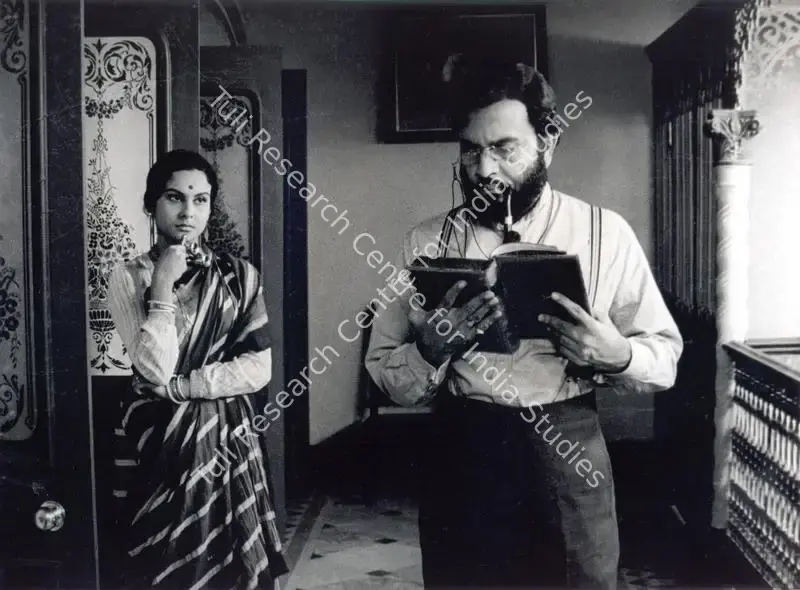
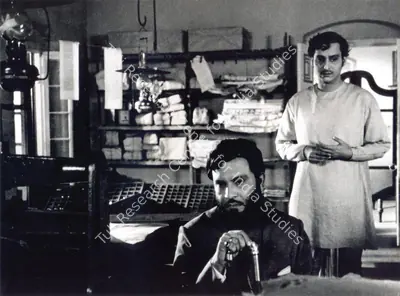
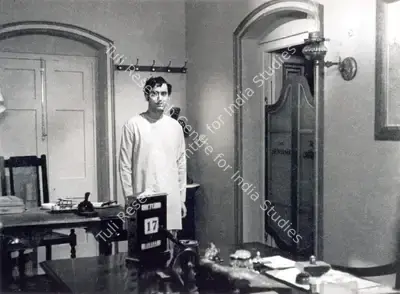
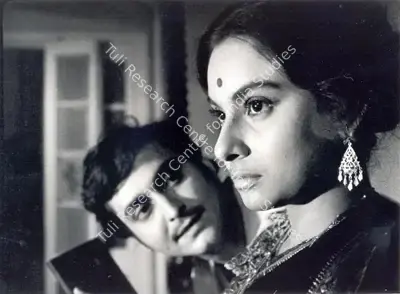
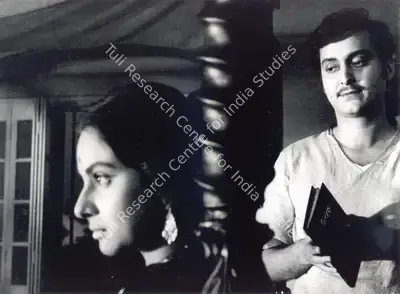
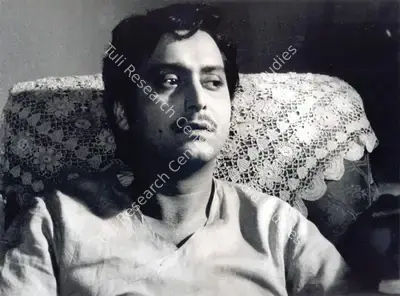
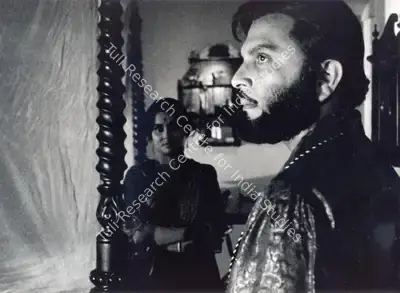
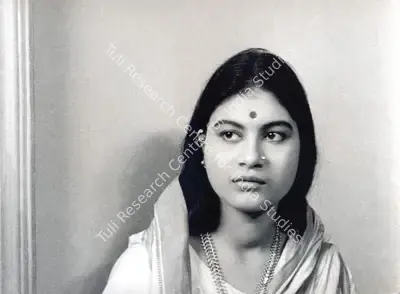
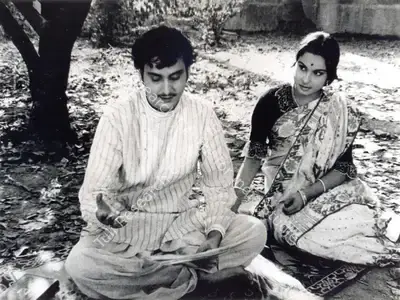
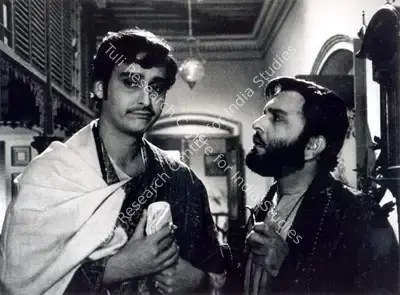
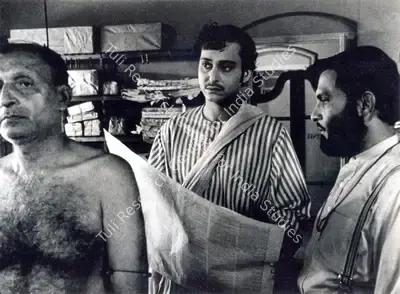
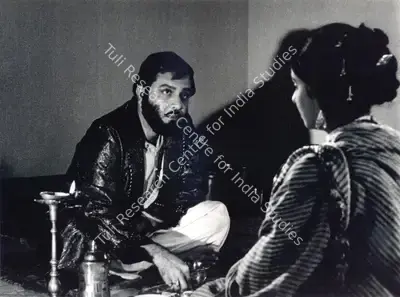
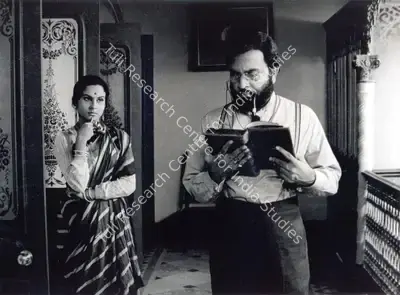
Satyajit Ray's Charulata, adapted from Rabindranath Tagore's novella Nastanirh (The Broken Nest), is a masterful exploration of both personal and societal transformation. The plot revolves around Charu (Madhabi Mukherjee), a neglected wife yearning for intellectual and emotional fulfilment, while her husband Bhupati (Sailen Mukherjee) is absorbed in running a political newspaper during India's burgeoning independence movement. Their tranquil but passionless existence is disrupted when Bhupati's cousin, Amal (Soumitra Chatterjee), a would-be writer, enters their home. Amal's presence stirs Charu's latent desires, bringing an undercurrent of unspoken emotions that ripple through the household.

Ray's cinematic brilliance lies in his ability to convey complex emotions through visual storytelling, using minimal dialogue and letting sounds and imagery carry the weight of the narrative. The tension between Charu's internal longing and the external world mirrors the sociopolitical climate of 19th-century Bengal, a period when India grappled with colonialism and the aspirations for independence. Bhupati's obsession with the Liberal victory at Westminster and its implications for Indian self-rule serves as a backdrop to Charu's own quiet revolution—a woman seeking autonomy beyond domestic duties.

The film presents a feminist critique of the limited roles available to women in the bhadralok society, a new bourgeois class torn between British cultural influences and traditional Indian values. Charu's suppressed desires reflect both personal and political yearnings for freedom, making the film a profound study of female consciousness and the contradictions of modernity in colonial Bengal.
रवींद्रनाथ टैगोर की 'नष्टनीड़' शीर्षक से लिखी औपन्यासिका पर आधारित सत्यजित राय की बांग्ला फ़िल्म चारुलता निजी और सार्वजनिक वृत्त दोनों में आ रहे बदलावों पर पैनी नज़र है। यह बंगाल में स्वाधीनता आन्दोलन के उभरने का दौर है। कथानक एक ऐसी विवाहिता स्त्री चारु (माधवी मुखर्जी) के इर्द-गिर्द घूमता है जो अपने पति, राजनैतिक पत्र चलानेवाले भद्र किरदार भूपति (शैलेन मुखर्जी) की उपेक्षा के चलते घर के एकांत में तनहा है। उधर पति राजनैतिक समाचार पत्र चलाने में डूबा है, इधर चारु की बौद्धिक और भावनात्मक तृप्ति अधूरी है। उनका यह शांत लेकिन नीरस रिश्ता तब डगमगाता है जब भूपति का चचेरा भाई, लेखक बनने की इच्छा रखनेवाला जवान अमल (सौमित्र चटर्जी) उनके घर रहने आता है। अमल की घर में मौजूदगी चारु की सोयी हुई तमन्नाओं को जगा देती है और पूरा घर अव्यक्त जज़्बातों से गूँज उठता है।

सत्यजित राय की सिनेमाई प्रतिभा कई दृश्यों में बिना बोले ही जटिल भावनाओं को अभिव्यक्त कर देने की उनकी काबिलियत में मौजूद है। कितनी ही जगह वे संवादों का न्यूनतम इस्तेमाल करते हुए ध्वनियों और छवियों को कथा कहने देते हैं। चारु की अंदरूनी लालसा और बाहरी दुनिया के बीच पसरे तनाव में उन्नीसवीं सदी के बंगाल का सामाजिक-राजनैतिक मानचित्र भी है। यह भारत में उपनिवेशवाद का वो दौर था जब देश में आज़ादी के स्वर सर उठाने लगे थे। ब्रिटेन की संसद में उदारवादियों की जीत और इसके भारतीय स्वराज की माँग से जुड़े निहितार्थों को लेकर उत्साही भूपति का जुनून घरेलू कर्तव्यों से परे जाकर स्वतंत्रता की चाह रखनेवाली चारु की अपनी मौन क्रांति के लिए जैसे ज़मीन तैयार करता है।

चारुलता तत्कालीन समाज की नारीवादी आलोचना प्रस्तुत करते हुए बताती है कि ब्रिटिश सांस्कृतिक प्रभावों और पारंपरिक भारतीय मूल्यों के बीच विभक्त नए बुर्जुआ वर्ग 'बांग्ला भद्रलोक' के भीतर स्त्रियों के लिए उपलब्ध भूमिकाएँ कितनी सीमित हैं। चारु की दबी हुई इच्छाएँ स्वतंत्रता प्राप्ति के लिए निजी और राजनैतिक दोनों स्तरों पर मौजूद लालसाओं का प्रतीक हैं और इसके चलते चारुलता औपनिवेशिक बंगाल में स्त्री चेतना और आधुनिकता के अंदरुनी विरोधाभासों पर एक गहन पाठ बन जाती है।
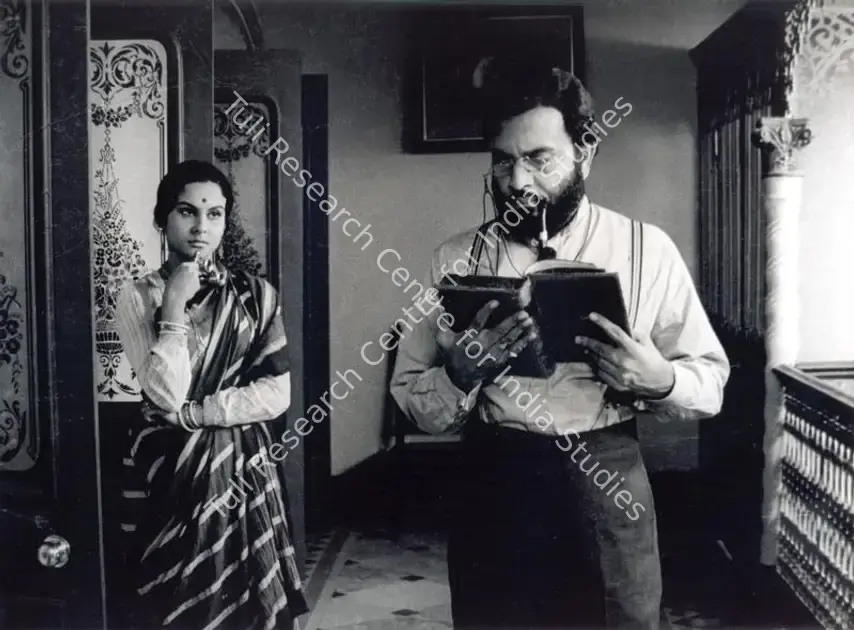
Mitra, Subrata (Cinematographer), Charulata, 1964 | Photographic Still | CinemaEducation | 00891063
1 / 2

Body of Work

Mitra, Subrata (Cinematographer), Charulata, 1964 | Photographic Still | CinemaEducation | 00891063
14·Scroll→
01 / 14
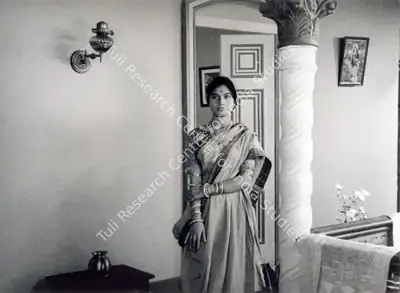
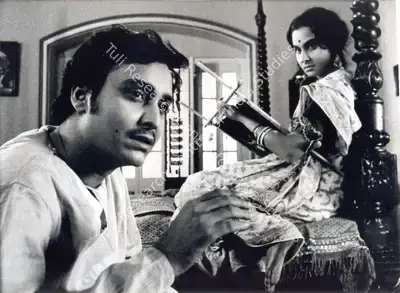
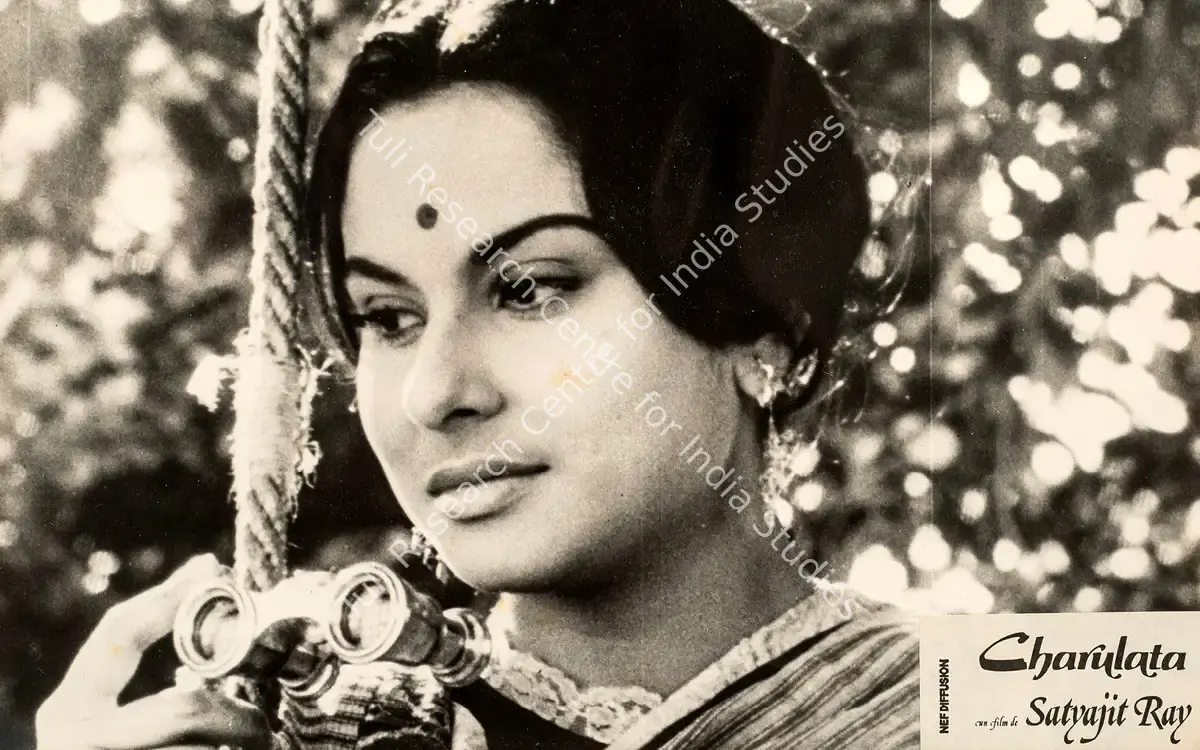
Charulata draws its substance on the novella Nashtanir (The Broken Nest) written by Rabindranath Tagore in 1901. The film unfolds around Charulata, the lonely wife. In her husband Bhupati's palatial Victorian mansion, Charu tries to fill her emptiness by peering through the louver windows with her opera glasses. Bhupati is an English educated colonial 'bhadralok' immersed in his own world, committed without respite towards the publication of his newspaper "The Sentinel", while Charu pines for his attention. He is a grand idealist and disciple of Raja Rammohan Roy, a champion of new enlightenment yet also more than a trifle naive.
The film revolves around Charulata / Charu (Madhabi Mukherjee), the childless, intelligent and beautiful wife of Bhupati (Sailen Mukherjee). Charu falls in love with Amal (Soumitra Chatterjee), Bhupati's younger brother.
Art Director
Bansi Chandragupta
Assistant Directors
Girish Ranjan, Ramen Chatterjee, Amiya Sanyal
Banner
R. D. Bansal Productions
Cinematographer
Subrata Mitra
Controller of Production
Anil Chowdhury, Bhanu Ghosh
Director
Satyajit Ray
Editing
Dulal Dutta
Executive Producer
Bimal Dey
Lead Cast
Soumitra Chatterjee, Madhabi Mukherjee, Shailen Mukherjee
Lead Cast Rest
Ramesh Chandra Chandra, Tarapada Basu, Gopaldas Bhattacharya, Dilip Bose, Shyamal Ghoshal, Geetali Roy
Makeup Director
Ananta Das
Music Director
Satyajit Ray
Poster Designer
Satyajit Ray
Producer
R.D. Bansal
Re recording
Shyamsundar Ghosh
Screenplay Writer
Satyajit Ray
Script Writer
Satyajit Ray
Sound Recording
Nripen Pal
Story Writer
Rabindranath Tagore

Research Centre

Related

2

Personalities

2

Satyajit Ray
Satyajit RayScreenplay · Music Director +3
Subrata Mitra
Subrata MitraCameraman · Comparable Artworks
Tuli Research Centre for India Studies

Tuli Research Centre

for India Studies

A free and open knowledge base for the modern and contemporary Indian arts, cinema, photography and cultural heritage.

Support

Contact Us

Discover

Tuli Research Centre for India StudiesVisionManifestoArchive & LibraryVanraja Sanctuary & Hospice

Legal

Privacy PolicyTerms & Conditions

Follow us

Youtube

Youtube

Instagram

Instagram

Facebook

Facebook

© Tuli Research Centre for India Studies 2026

Tuli Research Centre for India Studies

Tuli Research Centre

for India Studies

A free and open knowledge base for the modern and contemporary Indian arts, cinema, photography and cultural heritage.

Tuli Research Centre for India StudiesVisionManifestoArchive & LibraryVanraja Sanctuary & Hospice
Contact Us
Privacy PolicyTerms & Conditions

Follow us

YoutubeInstagramFacebook

© Tuli Research Centre for India Studies 2026

                          Charulata (1964): Full Film