TRIS logo image
Search275,000+ actors, artists, objects, artworks, films, exhibitions, archives

EN

EN

English

HI

Hindi

EN

EN

English

HI

Hindi

Tuli Research Centre for India Studies

Tuli Research Centre for India Studies

Vision

Manifesto

Archive & Library

Vanraja Sanctuary & Hospice

Home

Research Categories

Browse All

ICore

1_CinemaEducation_Cinema as a Critical Educational Resource

2_FineArts_Modern and Contemporary Indian Fine Arts

3_Photography_Photography in India

4_PopCulture_The Printed Image, Popular Arts, and Crafts

IIMaterial

5_ArcHeritage_India's Architectural Heritage as Inspiration

6_EconomicsArt_Economics of Art & Cultural Industry

7_Travel_Automobile, Transport and Travel Heritage

8_Uncertainty_Uncertainty

IIICritical

9_SocialDuty_Social Responsibility of the Creative Mind

10_Childhood_The Changing Smile of Childhood & Its Second Coming

11_Sensuality_The Sensual Discipline within Creativity

12_Scholarship_The History & Historiography of Scholarship in the Arts, Humanities, and Social Sciences

IVMeaningful

13_SeekJustice_Seeking Justice and Political Integrity

14_IndoWorld_India and her Relationship with the World

15_SpiritualPoetics_The Religious-Spiritual-Poetic-Philosophical Framework

16_Continuum_The Animal-Human-Nature Continuum

Explore

All

Posts

Masterlists

Calendar

Live | Upcoming

All Events

Timetable

Search275,000+ actors, artists, objects, artworks, films, exhibitions, archives

EN

EN

English

HI

Hindi

B.R. Chopra

B.R. Chopra

Personality.Filmmaker
On this Page
Introduction
Filmography46
Research Centre249
All249
Library28Archive210Videos11Highlights1
Posts1
Calendar3
Home/1_CinemaEducation/Personality · Filmmaker/B.R. Chopra
B.R. Chopra — featured artwork

Introduction

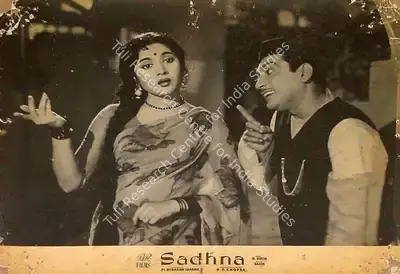
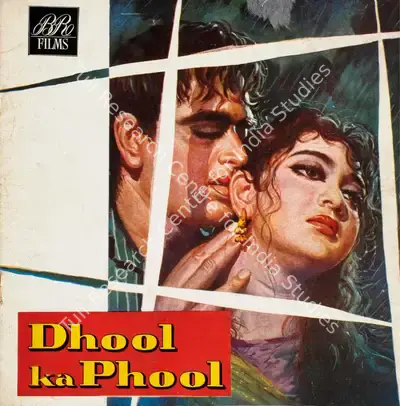
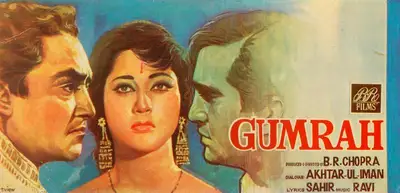
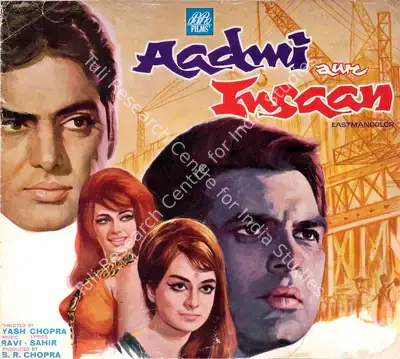
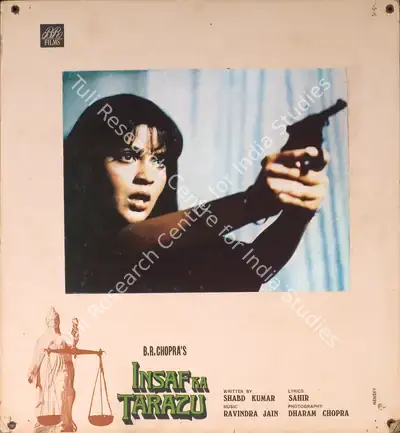
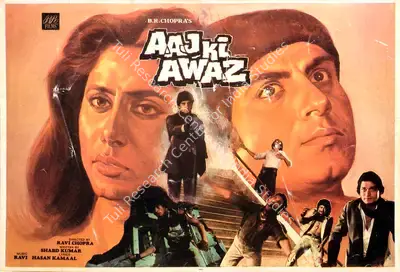
Baldev Raj Chopra (22 April 1914 – 5 November 2008) stands as a foundational figure in the evolution of Hindi cinema and Indian television, distinguished by a career that combined prolific direction, influential production, and institutional vision. Over several decades, he shaped popular and socially conscious filmmaking, directing landmark works such as Afsana (1951), Ek Hi Raasta (1956), Naya Daur (1957), Sadhna (1958), Kanoon (1960), Gumrah (1963), Hamraaz (1967), Dhund (1973), Pati Patni Aur Woh (1978), Insaf Ka Tarazu (1980), and Nikaah (1982). As a producer, his legacy expanded further through significant films including Dhool Ka Phool (1959), Waqt (1965), Ittefaq (1969), Aadmi Aur Insaan (1969), Chhoti Si Baat (1976), The Burning Train (1980), Aaj Ki Awaaz (1984), and Baghban (2003), as well as the epoch-defining television series Mahabharat (1988).
Born in Rahon in present-day Punjab, Chopra was educated at the University of the Punjab, Lahore, where he completed a master's degree in English literature. He began his professional life in journalism with the Lahore-based film periodical Cine Herald, eventually assuming editorial control. The upheaval of the Partition in 1947 forced his relocation first to Delhi and subsequently to Bombay (now Mumbai), where he embarked on a film career marked initially by setbacks, notably the unsuccessful Karwat (1949). His directorial breakthrough came with Afsana (1951), whose commercial success established his reputation.
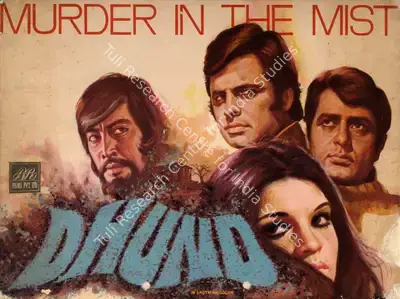
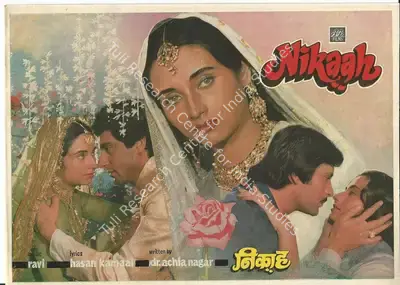
In 1955, Chopra founded B.R. Films, under which he produced and directed a series of critically and commercially successful works. Naya Daur (1957), starring Dilip Kumar and Vyjayanthimala, became emblematic of his ability to merge social themes with mainstream appeal. Throughout the 1960s, films such as Kanoon (1960), Gumrah (1963), and Hamraaz (1967) consolidated his standing, while his later oeuvre demonstrated remarkable versatility across genres—from suspense in Dhund (1973) to social drama in Insaf Ka Tarazu (1980) and the Muslim social film Nikaah (1982).
Chopra's contributions extended significantly into television. His production of Mahabharat (1988), co-directed with his son Ravi Chopra, achieved unprecedented viewership and remains a milestone in Indian broadcasting history. He also produced several other television series, reinforcing his role as a pioneer in the medium.
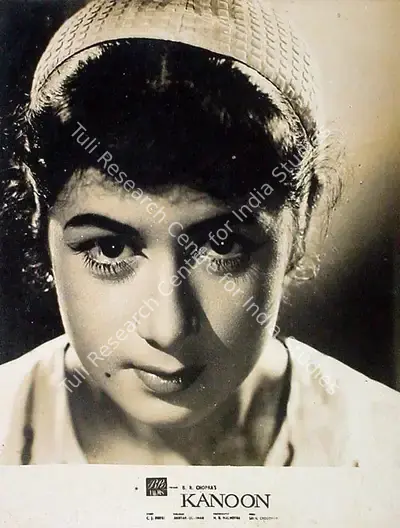
A recipient of India's highest cinematic honour, the Dadasaheb Phalke Award (1998), and the Padma Bhushan (2001), Chopra garnered numerous accolades across his career. These included the Filmfare Award for Best Director for Kanoon (1960), the Filmfare Lifetime Achievement Award (2004), National Film Awards recognitions, and international honours such as a lifetime membership from BAFTA (2006). His legacy is further reflected in the continued prominence of the Chopra family in Indian cinema, including his brother Yash Chopra, son Ravi Chopra, and nephew Aditya Chopra.
Baldev Raj Chopra passed away in Mumbai at the age of 94, leaving behind a body of work that remains central to the cultural and artistic history of modern Indian media.
बलदेव राज चोपड़ा (22 अप्रैल 1914 - 5 नवंबर 2008) वह हिंदी सिनेमा और भारतीय टेलीविज़न के विकास में एक आधारस्तंभ के रूप में खड़े हैं। उनका करियर निर्देशन, प्रभावशाली निर्माण और संस्थागत दृष्टि का एक अनूठा संगम था। कई दशकों तक, उन्होंने अफ़साना (1951), एक ही रास्ता (1956), नया दौर (1957), साधना (1958), कानून (1960), गुमराह (1963), हमराज़ (1967), धुंध (1973), पति पत्नी और वो (1978), इंसाफ का तराजू (1980) और निकाह (1982) जैसी ऐतिहासिक फ़िल्मों का निर्देशन करके लोकप्रिय और सामाजिक रूप से जागरूक फ़िल्म निर्माण को आकार दिया। एक निर्माता के रूप में, उनकी विरासत धूल का फूल (1959), वक्त (1965), इत्तेफ़ाक़ (1969), आदमी और इंसान (1969), छोटी सी बात (1976), द बर्निंग ट्रेन (1980), आज की आवाज़ (1984), और बागबान (2003), । इसके अलावा उन्होंने ऐतिहासिक टेलीविजन धारावाहिक महाभारत (1988) का भी निर्माण किया, जिसने एक युग को परिभाषित किया।
वर्तमान पंजाब के राहोन में जन्मे चोपड़ा ने लाहौर स्थित पंजाब विश्वविद्यालय से शिक्षा प्राप्त की, जहाँ उन्होंने अंग्रेजी साहित्य में स्नातकोत्तर की उपाधि प्राप्त की। उन्होंने अपने पेशेवर करियर की शुरुआत लाहौर स्थित फ़िल्म पत्रिका 'सिने हेराल्ड' से पत्रकारिता में की और संपादकीय कार्यभार संभाला। 1947 में हुए विभाजन के उथल-पुथल ने उन्हें पहले दिल्ली और फ़िर बॉम्बे (अब मुंबई) में स्थानांतरित होने के लिए मज़बूर किया, जहाँ उन्होंने अपने फ़िल्मी करियर की शुरुआत की, जो शुरू में असफलताओं से भरा रहा, विशेष रूप से उनकी असफल फ़िल्म 'करवट' (1949)। निर्देशन के क्षेत्र में उन्हें ' अफ़साना' (1951) से सफलता मिली, जिसकी व्यावसायिक सफलता ने उनकी प्रतिष्ठा स्थापित की।
1955 में, चोपड़ा ने बी.आर. फ़िल्म्स की स्थापना की, जिसके तहत उन्होंने समीक्षकों और व्यावसायिक रूप से सफल फ़िल्मों की एक श्रृंखला का निर्माण और निर्देशन किया। दिलीप कुमार और वैजयंतीमाला अभिनीत फ़िल्म 'नया दौर' (1957) सामाजिक विषयों को मुख्यधारा की अपील के साथ जोड़ने की उनकी क्षमता का प्रतीक बन गई। 1960 के दशक में कानून (1960), गुमराह (1963) और हमराज़ (1967) जैसी फ़िल्मों ने भारतीय सिनेमा में उनकी प्रतिष्ठा को और मजबूत किया। उनके बाद के कार्यों में शैलीगत विविधता स्पष्ट दिखाई देती है जहाँ धुंध (1973) में रहस्य-रोमांच, इंसाफ का तराज़ू (1980) में सामाजिक नाटक, और निकाह (1982) में मुस्लिम सामाजिक जीवन पर आधारित विषयों का सशक्त चित्रण किया गया।
चोपड़ा का योगदान टेलीविज़न के क्षेत्र में भी काफ़ी व्यापक था। उनके द्वारा निर्मित महाभारत (1988), जिसका निर्देशन उन्होंने अपने बेटे रवि चोपड़ा के साथ मिलकर किया था, ने दर्शक संख्या की सारी बंदिशें तोड़ दी और भारतीय प्रसारण इतिहास में एक मील का पत्थर बन गया। उन्होंने कई अन्य टेलीविज़न धारावाहिकों का भी निर्माण किया, जिससे इस माध्यम में एक अग्रणी के रूप में उनकी भूमिका और भी पुष्ट हुई।
भारत के सर्वोच्च सिनेमाई सम्मान, दादासाहेब फाल्के पुरस्कार (1998) और पद्म भूषण (2001) से सम्मानित चोपड़ा ने अपने करियर में कई पुरस्कार और सम्मान प्राप्त किए। इनमें कानून (1960) के लिए सर्वश्रेष्ठ निर्देशक का फ़िल्मफ़ेयर पुरस्कार, फ़िल्मफ़ेयर लाइफटाइम अचीवमेंट पुरस्कार (2004), राष्ट्रीय फ़िल्म पुरस्कारों से सम्मानित होना और बाफ्टा की आजीवन सदस्यता (2006) जैसे अंतरराष्ट्रीय सम्मान शामिल हैं। उनकी विरासत भारतीय सिनेमा में चोपड़ा परिवार की निरंतर प्रमुख उपस्थिति के रूप में भी दिखाई देती है, जिसमें उनके भाई यश चोपड़ा, पुत्र रवि चोपड़ा और भतीजे आदित्य चोपड़ा शामिल हैं। उनकी विरासत भारतीय सिनेमा में चोपड़ा परिवार की निरंतर प्रमुख उपस्थिति के रूप में भी दिखाई देती है, जिसमें उनके भाई यश चोपड़ा, पुत्र रवि चोपड़ा और भतीजे आदित्य चोपड़ा शामिल हैं।
बलदेव राज चोपड़ा का निधन मुंबई में 94 वर्ष की आयु में हुआ। वे अपने पीछे ऐसा समृद्ध रचनात्मक कार्य छोड़ गए, जो आधुनिक भारतीय मीडिया के सांस्कृतिक और कलात्मक इतिहास में आज भी केंद्रीय स्थान रखता है।
No personalia records available yet.

Filmography 46
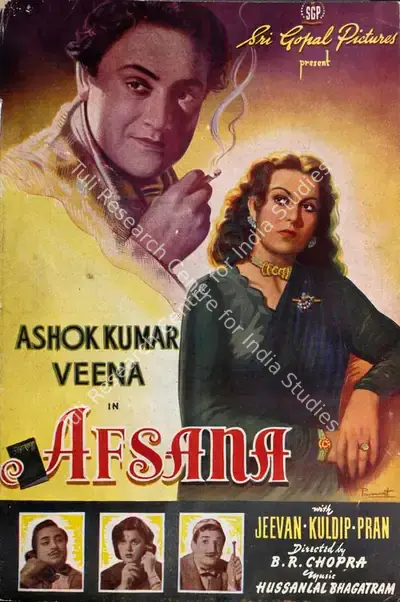
Afsana, Producer, Director, 1951
Afsana | Hindi | Producer, Director
1951 | Feature | Fiction | Black and White | India
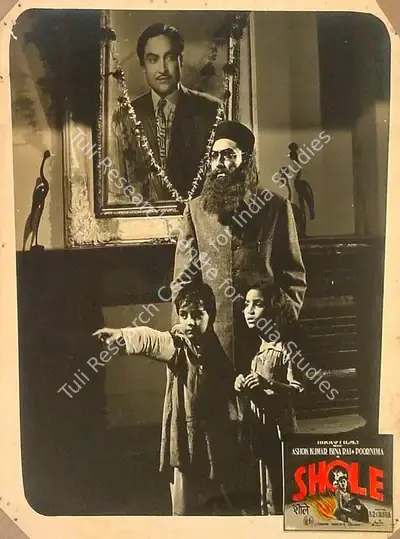
Shole, Screenplay Writer, Director, 1953
Shole | Hindi | Screenplay Writer, Director
1953 | Feature | Fiction | Black and White | India
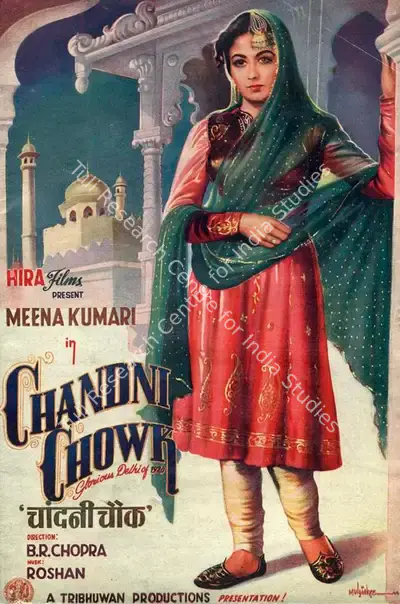
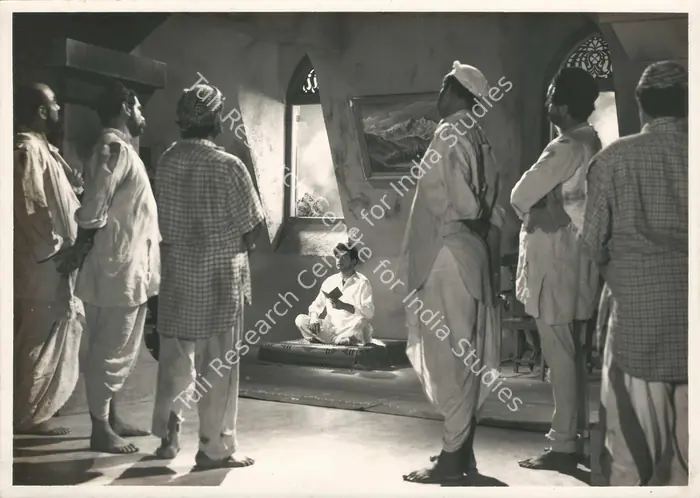
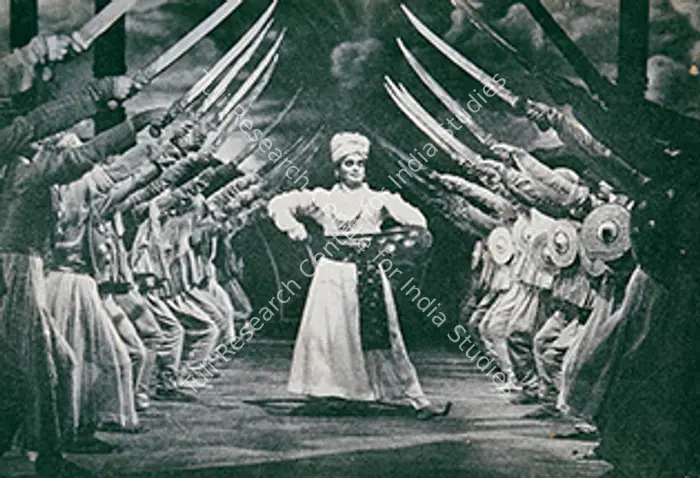
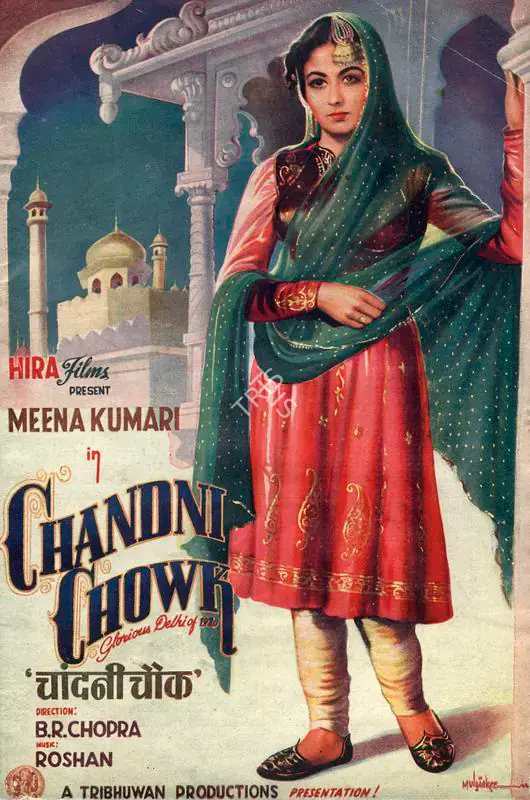
Chandni Chowk, Director, 1954
Chandni Chowk | Hindi | Director
1954 | Feature | Fiction | Black and White | India
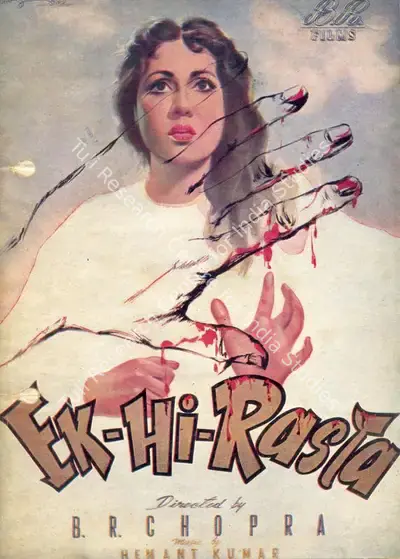
Ek Hi Rasta, Producer, Director, 1956
Ek Hi Rasta | Hindi | Producer, Director
1956 | Feature | Fiction | Black and White | India
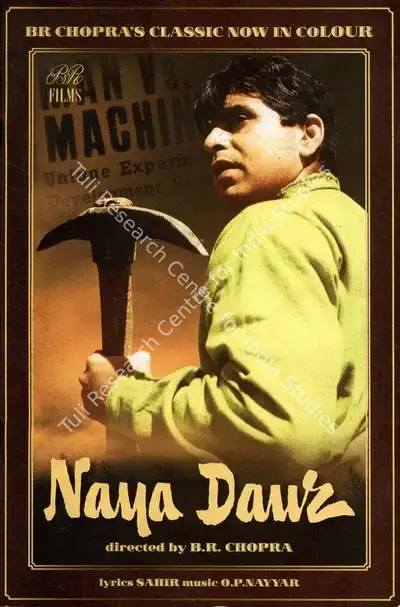
Naya Daur, Producer, Director, 1957
Naya Daur | Hindi | Producer, Director
1957 | Feature | Fiction | Black and White | India
Sadhna, Producer, Director, 1958
Sadhna | Hindi | Producer, Director
1958 | Feature | Fiction | Black and White | India
Dhool Ka Phool, Producer, 1959
Dhool Ka Phool | Hindi | Producer
1959 | Feature | Fiction | Colour | India
Kanoon, Producer, Director, 1960
Kanoon | Hindi | Producer, Director
1960 | Feature | Fiction | Black and White | India
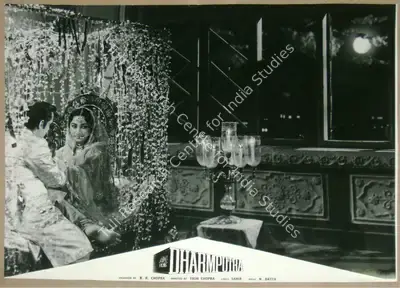
Dharmputra, Producer, 1961
Dharmputra | Hindi | Producer
1961 | Feature | Fiction | Black and White | India
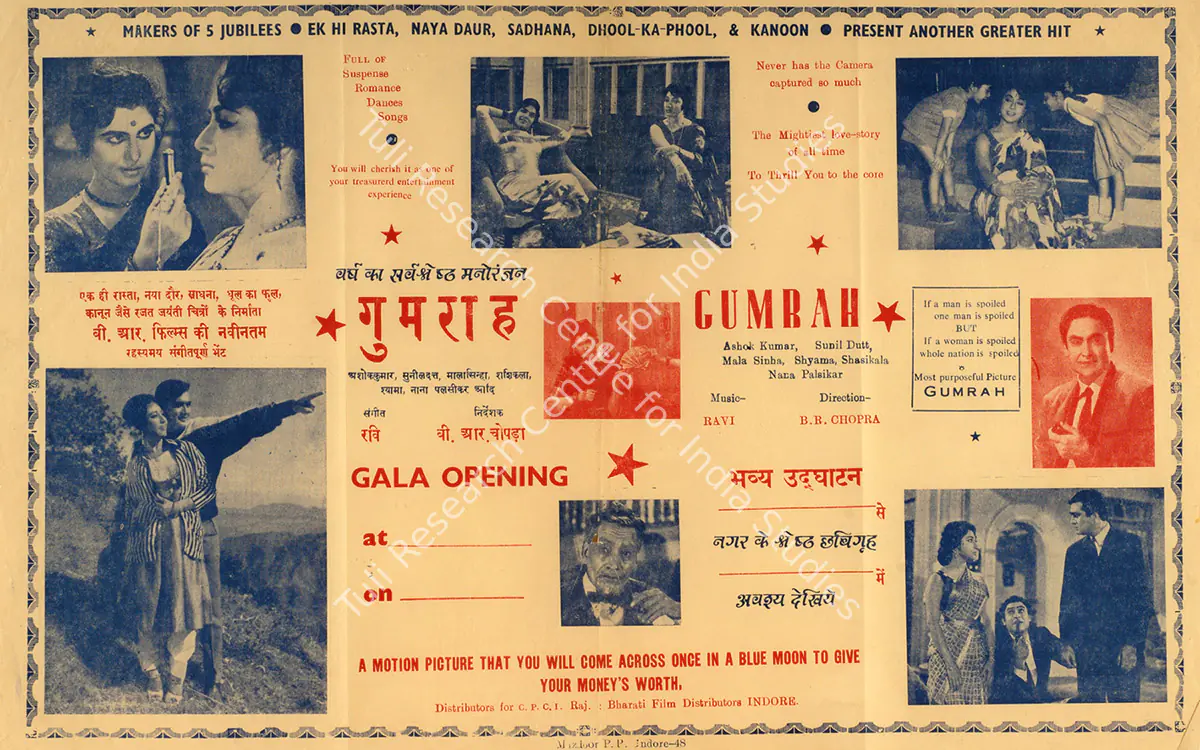
Gumrah, Producer, Director, 1963
Gumrah | Hindi | Producer, Director
1963 | Feature | Fiction | Black and White | India
Waqt, Producer, 1965
Waqt | Hindi | Producer
1965 | Feature | Fiction | Black and White | India
Hamraaz, Producer, Director, Script Writer, 1967
Hamraaz | Hindi | Producer, Director, Script Writer
1967 | Feature | Fiction | Colour | India
Aadmi Aur Insaan, Producer, 1969
Aadmi Aur Insaan | Hindi | Producer
1969 | Feature | Fiction | Colour | India
Ittefaq, Producer, 1969
Ittefaq | Hindi | Producer
1969 | Feature | Fiction | Colour | India
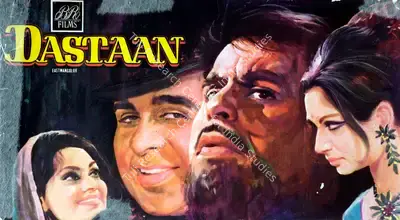
Dastaan, Producer, Director, 1972
Dastaan | Hindi | Producer, Director
1972 | Feature | Fiction | Colour | India
Dhund, Producer, Director, 1973
Dhund | Hindi | Producer, Director
1973 | Feature | Fiction | Colour | India
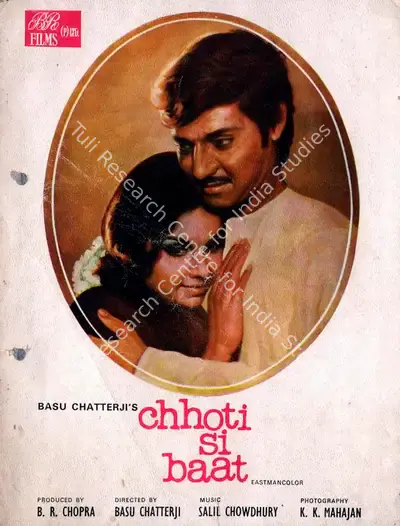
Chhoti Si Baat, Producer, 1975
Chhoti Si Baat | Hindi | Producer
1975 | Feature | Fiction | Colour | India
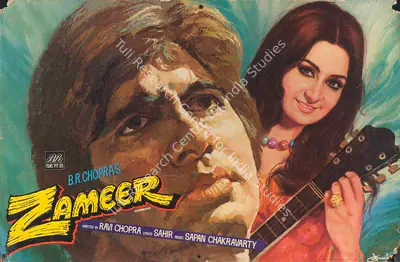
Zameer, Producer, 1975
Zameer | Hindi | Producer
1975 | Feature | Fiction | Colour | India
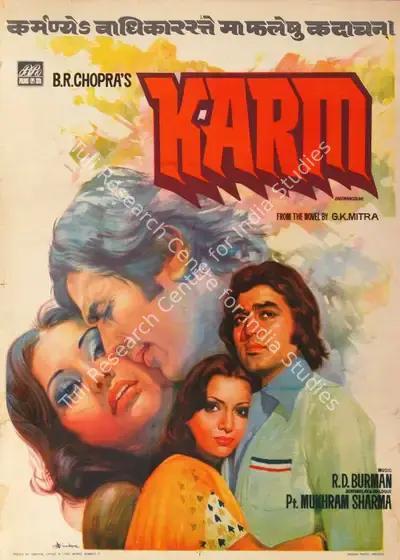
Karm, Producer, Director, 1977
Karm | Hindi | Producer, Director
1977 | Feature | Fiction | Colour | India
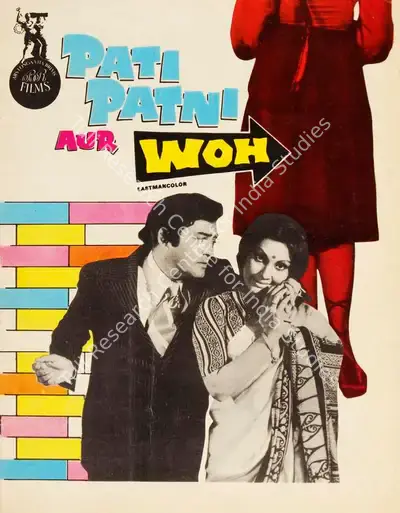
Pati Patni Aur Woh, Producer, Director, Script Writer, 1978
Pati Patni Aur Woh | Hindi | Producer, Director, Script Writer
1978 | Feature | Fiction | Colour | India
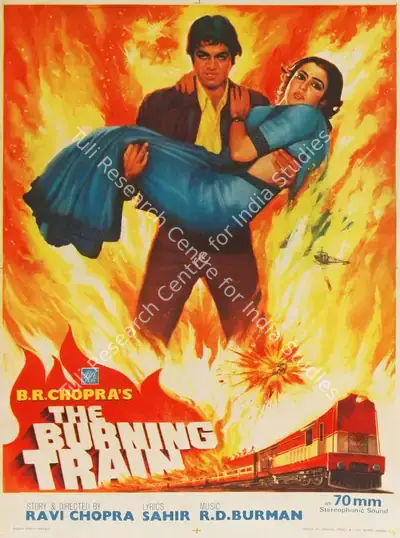
Burning Train, The, Producer, 1980
Burning Train, The | Hindi | Producer
1980 | Feature | Fiction | Colour | India
Insaf Ka Tarazu, Producer, Director, 1980
Insaf Ka Tarazu | Hindi | Producer, Director
1980 | Feature | Fiction | Colour | India
Agni Pareeksha, Producer, 1981
Agni Pareeksha | Hindi | Producer
1981 | Feature | Fiction | Colour | India
Beta
1982
Beta | Hindi | Producer
1982 | Short | Fiction | Colour | India
Nikaah, Producer, Director, 1982
Nikaah | Hindi | Producer, Director
1982 | Feature | Fiction | Colour | India
Teri Meri Kahani
1982
Teri Meri Kahani | Hindi | Producer
1982 | Feature | Fiction | Colour | India
Mazdoor, Producer, 1983
Mazdoor | Hindi | Producer
1983 | Feature | Fiction | Colour | India
Aaj Ki Awaaz, Producer, 1984
Aaj Ki Awaaz | Hindi | Producer
1984 | Feature | Fiction | Colour | India
Ghazal
1985
Ghazal | Hindi | Producer
1985 | Feature | Fiction | Colour | India
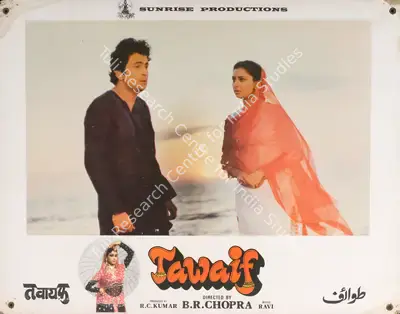
Tawaif, Director, 1985
Tawaif | Hindi | Director
1985 | Feature | Fiction | Colour | India
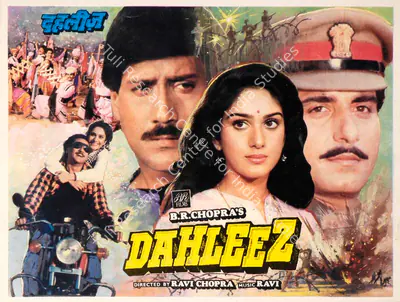
Dahleez, Producer, 1986
Dahleez | Hindi | Producer
1986 | Feature | Fiction | Colour | India
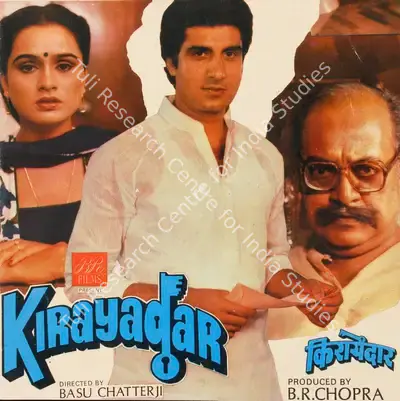
Kirayadar, Producer, 1986
Kirayadar | Hindi | Producer
1986 | Feature | Fiction | Colour | India
Bahadur Shah Zafar
1986
Bahadur Shah Zafar | Hindi | Director
1986 | Short | Fiction | Colour | India
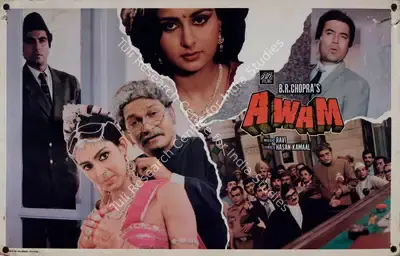
Awam, Producer, Director, 1987
Awam | Hindi | Producer, Director
1987 | Feature | Fiction | Colour | India
Mahabharat
1988
Mahabharat | Hindi | Producer, Director
1988 | Short | Fiction | Colour | India
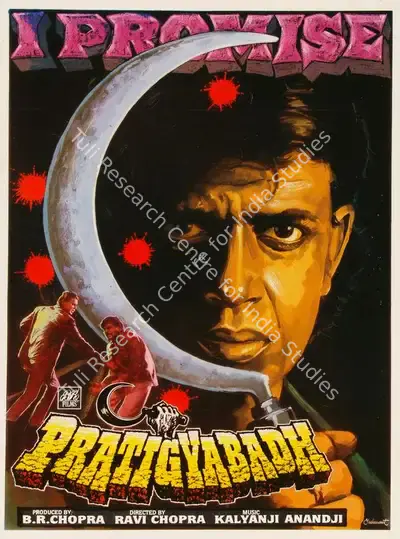
Pratigyabadh, Producer, 1991
Pratigyabadh | Hindi | Producer
1991 | Feature | Fiction | Colour | India
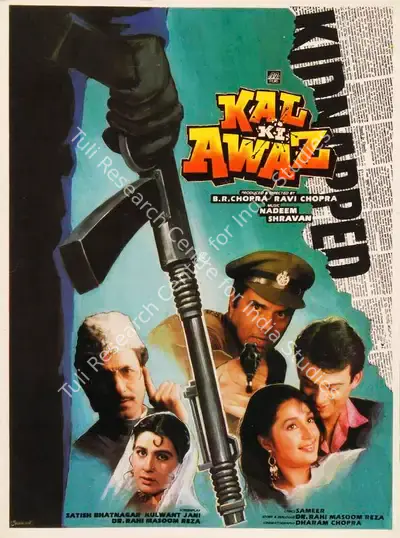
Kal Ki Awaz, Producer, Director, 1992
Kal Ki Awaz | Hindi | Producer, Director
1992 | Feature | Fiction | Colour | India
World of Film: India
1992
World of Film: India | English | Actor
1992 | Documentary | Colour | USA
Sauda
1992
Sauda | Hindi | Director
1992 | Feature | Fiction | Colour | India
Vishnu Puran
2000
Vishnu Puran | Hindi | Producer
2000 | Short | Fiction | Colour | India
Ma Shakti
2002
Ma Shakti | Hindi | Malayalam | Tamil | Telugu | Producer, Director
2002 | Short | Fiction | Colour | India
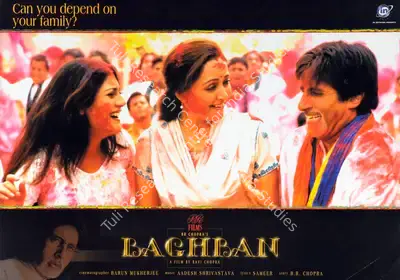
Baghban, Story Writer, Producer, 2003
Baghban | Hindi | Story Writer, Producer
2003 | Feature | Fiction | Colour | India
Kamini Damini
2004
Kamini Damini | Hindi | Producer
2004 | Short | Fiction | Colour | India
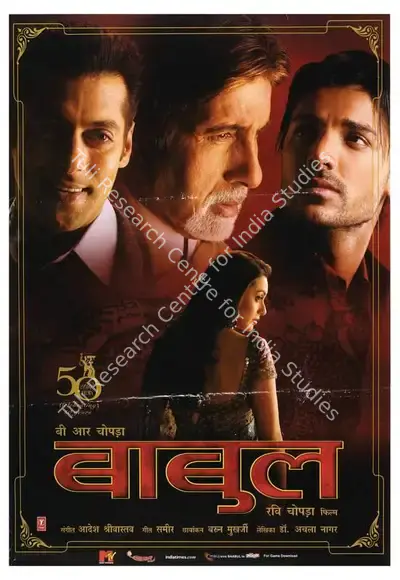
Baabul, Producer, 2006
Baabul | Hindi | Producer
2006 | Feature | Fiction | Colour | India
Chunni
Chunni | Punjabi | Producer
Short | Fiction | Colour | India
Nanyachi Dusri Baju
Nanyachi Dusri Baju | Marathi | Producer
Fiction | Colour | India

Research Centre
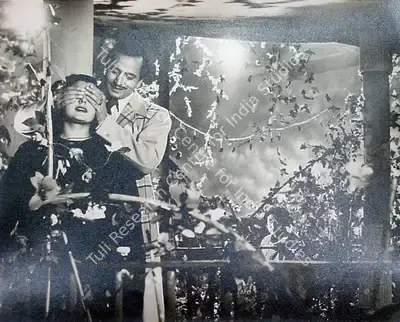
Rajendra Malone (Cinematographer), Afsana, 1951, Photographic Still
Malone, Rajendra (Cinematographer), Afsana, 1951 | Photographic Still
Rajendra Malone (Cinematographer), Afsana, 1951, Photographic Still
Malone, Rajendra (Cinematographer), Afsana, 1951 | Photographic Still
B.R. Chopra (Producer), Afsana, 1951, Song-Synopsis Booklet
Chopra, B.R. (Producer), Afsana, 1951 | Song-Synopsis Booklet
Keki Mistry (Cinematographer), Chandni Chowk, 1954, Photographic Still
Mistry, Keki (Cinematographer), Chandni Chowk, 1954 | Photographic Still
Keki Mistry (Cinematographer), Chandni Chowk, 1954, Photographic Still
Mistry, Keki (Cinematographer), Chandni Chowk, 1954 | Photographic Still
Keki Mistry (Cinematographer), Chandni Chowk, 1954, Photographic Still
Mistry, Keki (Cinematographer), Chandni Chowk, 1954 | Photographic Still
Keki Mistry (Cinematographer), Chandni Chowk, 1954, Photographic Still
Mistry, Keki (Cinematographer), Chandni Chowk, 1954 | Photographic Still
Keki Mistry (Cinematographer), Chandni Chowk, 1954, Photographic Still
Mistry, Keki (Cinematographer), Chandni Chowk, 1954 | Photographic Still
Keki Mistry (Cinematographer), Chandni Chowk, 1954, Photographic Still
Mistry, Keki (Cinematographer), Chandni Chowk, 1954 | Photographic Still
Goverdhandas Aggarwal (Producer), Chandni Chowk, 1954, Song-Synopsis Booklet
Aggarwal, Goverdhandas (Producer), Chandni Chowk, 1954 | Song-Synopsis Booklet
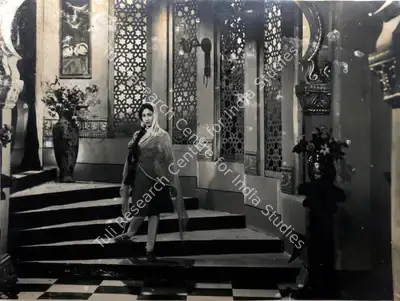
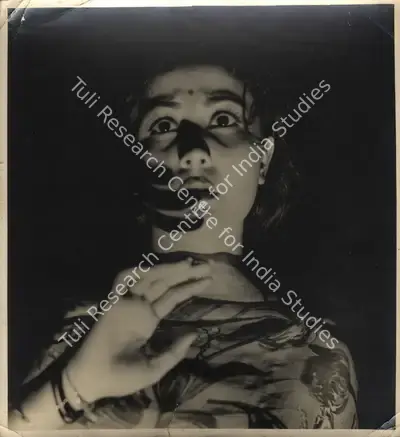
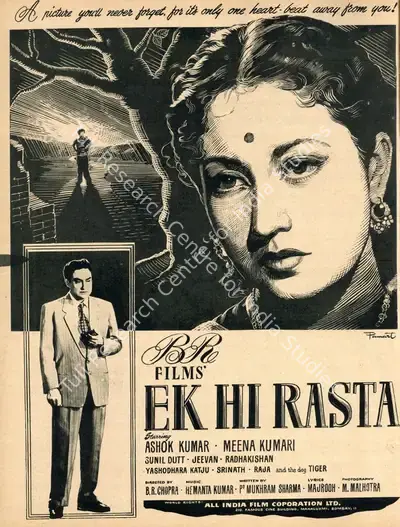
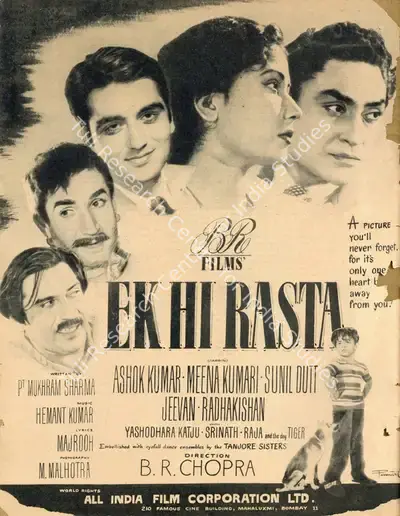
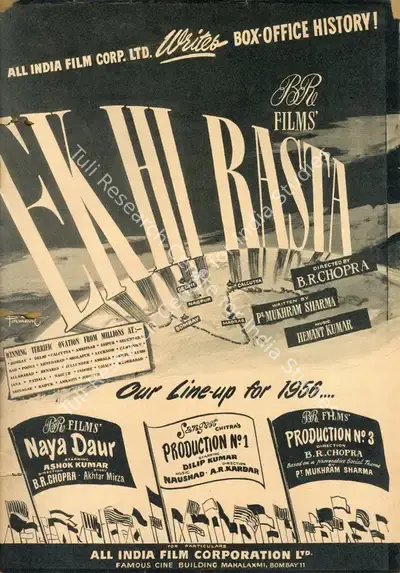
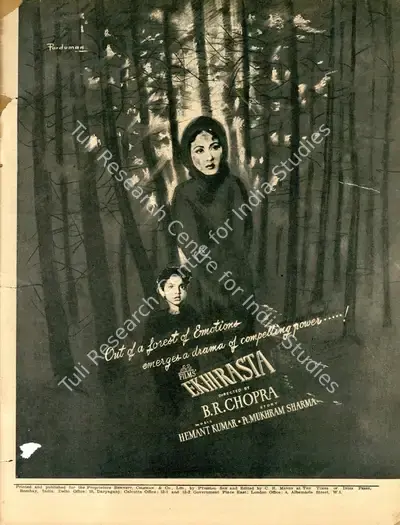
M.N. Malhotra (Cinematographer), Ek Hi Rasta, 1956, Photographic Still
Malhotra, M.N. (Cinematographer), Ek Hi Rasta, 1956 | Photographic Still
B.R. Chopra (Producer), Ek Hi Rasta, 1956, Song-Synopsis Booklet
Chopra, B.R. (Producer), Ek Hi Rasta, 1956 | Song-Synopsis Booklet
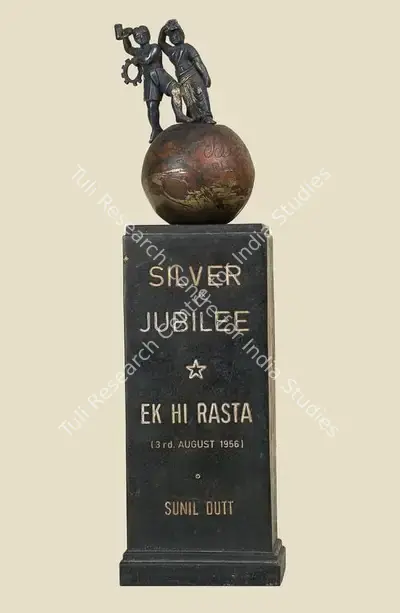
B.R. Chopra (Producer), Ek Hi Rasta, 1956, Jubilee Trophy
Chopra, B.R. (Producer), Ek Hi Rasta, 1956. Silver Jubilee Trophy to Sunil Dutt presented on August 3, 1956 for Ek Hi Rasta | Jubilee Trophy
B.R. Chopra (Producer), Ek Hi Rasta, 1956, Song-Synopsis Booklet
Chopra, B.R. (Producer), Ek Hi Rasta, 1956 | Song-Synopsis Booklet
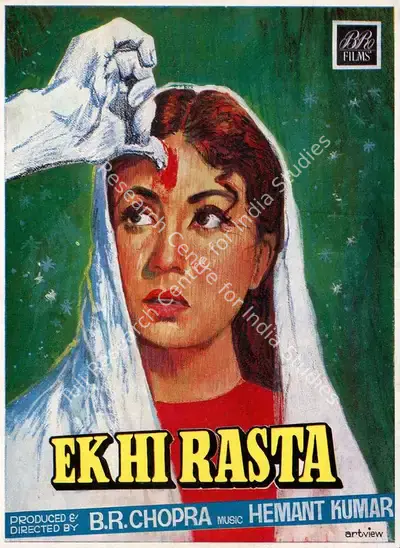
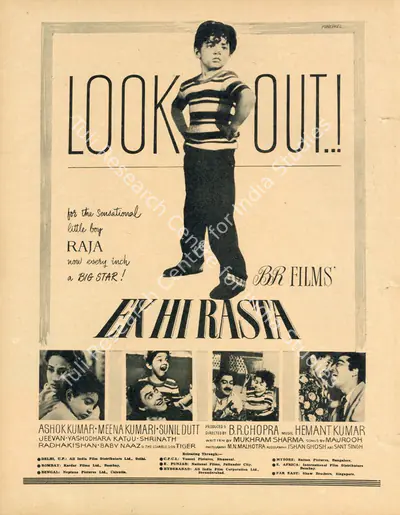
B.R. Chopra (Producer), Ek Hi Rasta, 1956, Advertisement
Chopra, B.R. (Producer), Ek Hi Rasta, 1956 | Advertisement
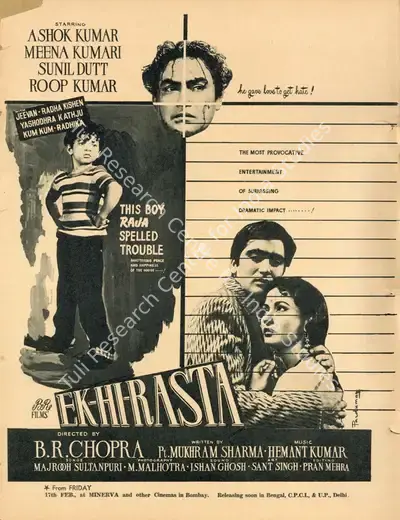
B.R. Chopra (Producer), Ek Hi Rasta, 1956, Advertisement
Chopra, B.R. (Producer), Ek Hi Rasta, 1956 | Advertisement
B.R. Chopra (Producer), Ek Hi Rasta, 1956, Advertisement
Chopra, B.R. (Producer), Ek Hi Rasta, 1956 | Advertisement
B.R. Chopra (Producer), Ek Hi Rasta, 1956, Advertisement
Chopra, B.R. (Producer), Ek Hi Rasta, 1956 | Advertisement
B.R. Chopra (Producer), Ek Hi Rasta, 1956, Advertisement
Chopra, B.R. (Producer), Ek Hi Rasta, 1956 | Advertisement
B.R. Chopra (Producer), Ek Hi Rasta, 1956, Advertisement
Chopra, B.R. (Producer), Ek Hi Rasta, 1956 | Advertisement
20 of 249
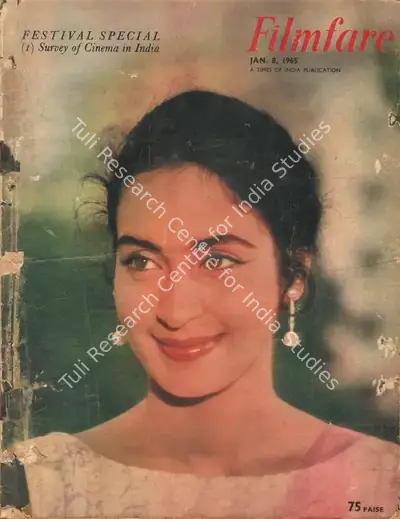
B.K. Karanjia (Editor), Filmfare, 1965, Magazine
Karanjia, B.K. (Editor). Filmfare, 08 January 1965 | Magazine | 00793296
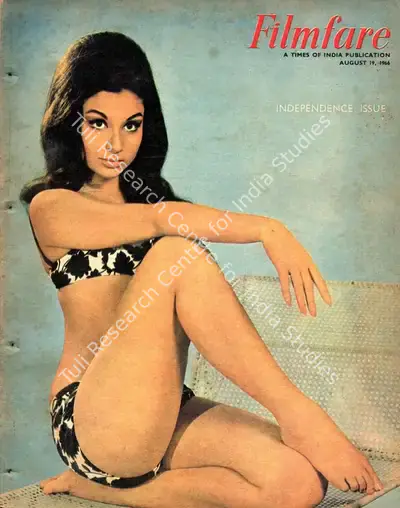
B.K. Karanjia (Editor), Filmfare, 1966, Magazine
Karanjia, B.K. (Editor). Filmfare, 19 August 1966 | Magazine | 00793338
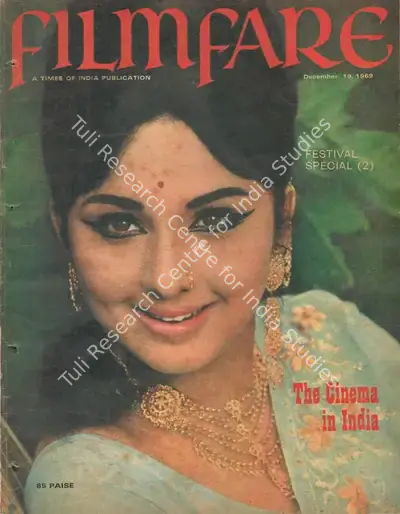
B.K. Karanjia (Editor), Filmfare, 1969, Magazine
Karanjia, B.K. (Editor). Filmfare, 19 December 1969 | Magazine | 00793417
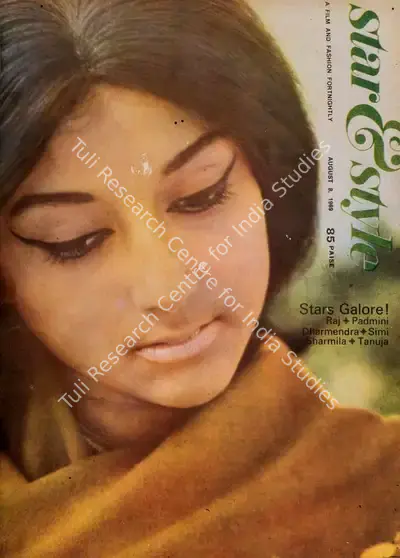
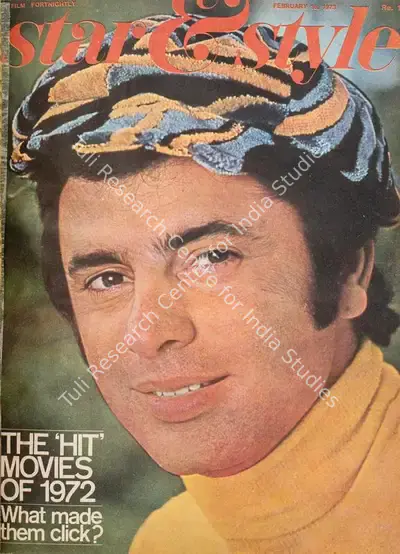
Gulshan Ewing (Editor), Star & Style, 1969, Magazine
Ewing, Gulshan (Editor). Star & Style, 8 August 1969 | Magazine | 00808468
Gulshan Ewing (Editor), Star & Style, 1969, Magazine
Ewing, Gulshan (Editor). Star & Style, 8 August 1969 | Magazine | 00808468
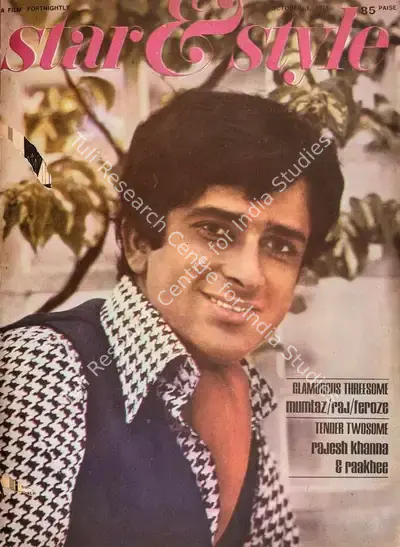
Gulshan Ewing (Editor), Star & Style, 1971, Magazine
Ewing, Gulshan (Editor). Star & Style, 1 October 1971 | Magazine | 00808515
Gulshan Ewing (Editor), Star & Style, 1971, Magazine
Ewing, Gulshan (Editor). Star & Style, 1 October 1971 | Magazine | 00808515
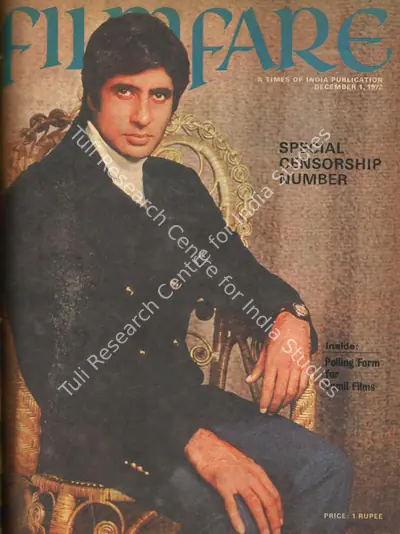
B.K. Karanjia (Editor), Filmfare, 1972, Magazine
Karanjia, B.K. (Editor). Filmfare, 01 December 1972 | Magazine | 00793493
Gulshan Ewing (Editor), Star & Style, 1973, Magazine
Ewing, Gulshan (Editor). Star & Style, 16 February 1973 | Magazine | 00808550
Gulshan Ewing (Editor), Star & Style, 1973, Magazine
Ewing, Gulshan (Editor). Star & Style, 16 February 1973 | Magazine | 00808550
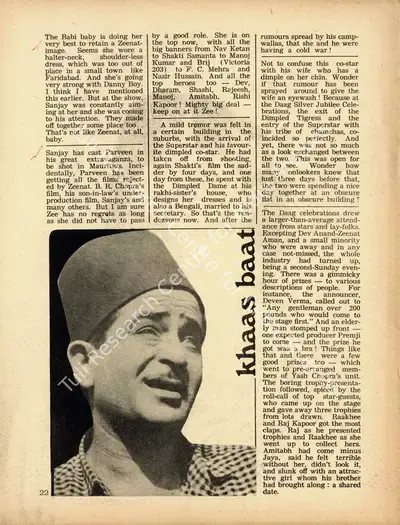
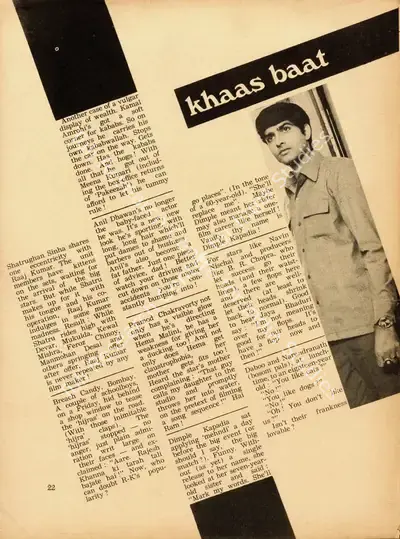
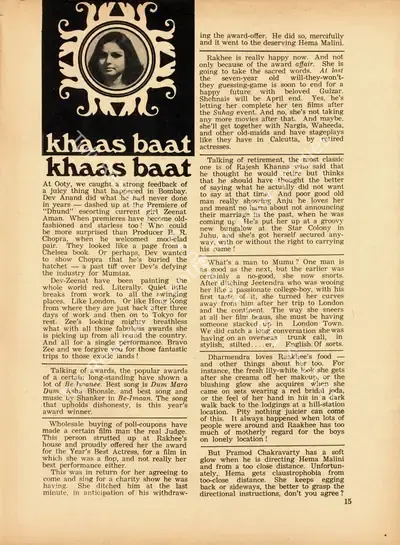
Khaas Baat, 1973, Column
Khaas Baat. In Sunday. 11 November 1973 | Column | 00802303
Khaas Baat, 1973, Column
Khaas Baat. In Sunday. 24 June 1973 | Column | 00802275
Khaas Baat, 1973, Column
Khaas Baat. In Sunday. 01 April 1973 | Column | 00802252
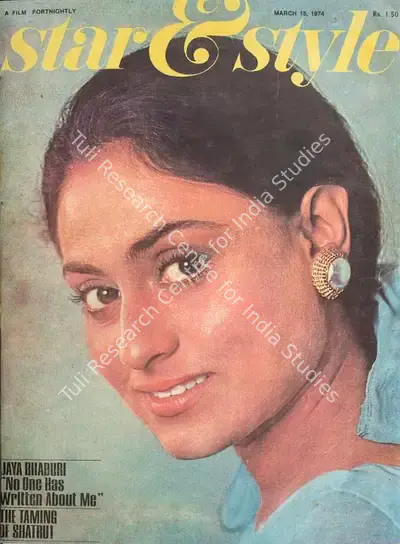
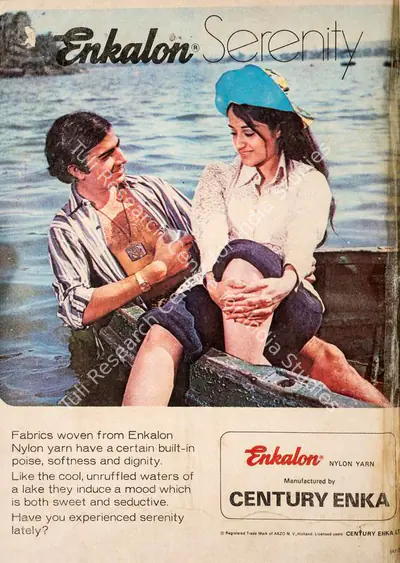
Gulshan Ewing (Editor), Star & Style, 1974, Magazine
Ewing, Gulshan (Editor). Star & Style, 15 March 1974 | Magazine | 00808577
Gulshan Ewing (Editor), Star & Style, 1974, Magazine
Ewing, Gulshan (Editor). Star & Style, 15 March 1974 | Magazine | 00808577
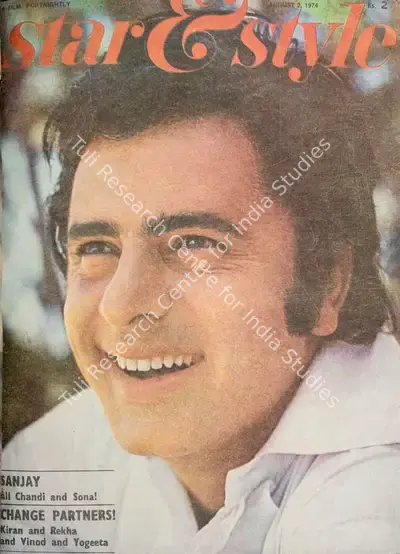
Gulshan Ewing (Editor), Star & Style, 1974, Magazine
Ewing, Gulshan (Editor). Star & Style, 2 August 1974 | Magazine | 00808587
Gulshan Ewing (Editor), Star & Style, 1974, Magazine
Ewing, Gulshan (Editor). Star & Style, 2 August 1974 | Magazine | 00808587
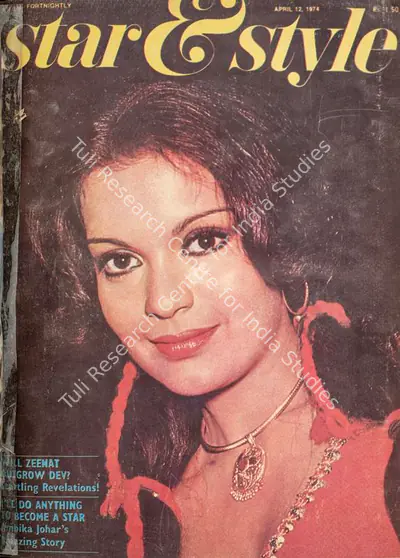
Gulshan Ewing (Editor), Star & Style, 1974, Magazine
Ewing, Gulshan (Editor). Star & Style, 12 April 1974 | Magazine | 00808579
Gulshan Ewing (Editor), Star & Style, 1974, Magazine
Ewing, Gulshan (Editor). Star & Style, 12 April 1974 | Magazine | 00808579
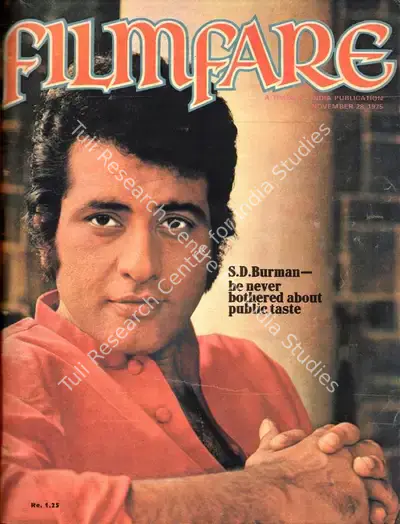
B.K. Karanjia (Editor), Filmfare, 1975, Magazine
Karanjia, B.K. (Editor). Filmfare, 28 November 1975 | Magazine | 00793567
20 of 28
Rajendra Malone (Cinematographer), Afsana, 1951, Photographic Still
Malone, Rajendra (Cinematographer), Afsana, 1951 | Photographic Still
Rajendra Malone (Cinematographer), Afsana, 1951, Photographic Still
Malone, Rajendra (Cinematographer), Afsana, 1951 | Photographic Still
B.R. Chopra (Producer), Afsana, 1951, Song-Synopsis Booklet
Chopra, B.R. (Producer), Afsana, 1951 | Song-Synopsis Booklet
Keki Mistry (Cinematographer), Chandni Chowk, 1954, Photographic Still
Mistry, Keki (Cinematographer), Chandni Chowk, 1954 | Photographic Still
Keki Mistry (Cinematographer), Chandni Chowk, 1954, Photographic Still
Mistry, Keki (Cinematographer), Chandni Chowk, 1954 | Photographic Still
Keki Mistry (Cinematographer), Chandni Chowk, 1954, Photographic Still
Mistry, Keki (Cinematographer), Chandni Chowk, 1954 | Photographic Still
Keki Mistry (Cinematographer), Chandni Chowk, 1954, Photographic Still
Mistry, Keki (Cinematographer), Chandni Chowk, 1954 | Photographic Still
Keki Mistry (Cinematographer), Chandni Chowk, 1954, Photographic Still
Mistry, Keki (Cinematographer), Chandni Chowk, 1954 | Photographic Still
Keki Mistry (Cinematographer), Chandni Chowk, 1954, Photographic Still
Mistry, Keki (Cinematographer), Chandni Chowk, 1954 | Photographic Still
Goverdhandas Aggarwal (Producer), Chandni Chowk, 1954, Song-Synopsis Booklet
Aggarwal, Goverdhandas (Producer), Chandni Chowk, 1954 | Song-Synopsis Booklet
M.N. Malhotra (Cinematographer), Ek Hi Rasta, 1956, Photographic Still
Malhotra, M.N. (Cinematographer), Ek Hi Rasta, 1956 | Photographic Still
B.R. Chopra (Producer), Ek Hi Rasta, 1956, Song-Synopsis Booklet
Chopra, B.R. (Producer), Ek Hi Rasta, 1956 | Song-Synopsis Booklet
B.R. Chopra (Producer), Ek Hi Rasta, 1956, Jubilee Trophy
Chopra, B.R. (Producer), Ek Hi Rasta, 1956. Silver Jubilee Trophy to Sunil Dutt presented on August 3, 1956 for Ek Hi Rasta | Jubilee Trophy
B.R. Chopra (Producer), Ek Hi Rasta, 1956, Song-Synopsis Booklet
Chopra, B.R. (Producer), Ek Hi Rasta, 1956 | Song-Synopsis Booklet
B.R. Chopra (Producer), Ek Hi Rasta, 1956, Advertisement
Chopra, B.R. (Producer), Ek Hi Rasta, 1956 | Advertisement
B.R. Chopra (Producer), Ek Hi Rasta, 1956, Advertisement
Chopra, B.R. (Producer), Ek Hi Rasta, 1956 | Advertisement
B.R. Chopra (Producer), Ek Hi Rasta, 1956, Advertisement
Chopra, B.R. (Producer), Ek Hi Rasta, 1956 | Advertisement
B.R. Chopra (Producer), Ek Hi Rasta, 1956, Advertisement
Chopra, B.R. (Producer), Ek Hi Rasta, 1956 | Advertisement
B.R. Chopra (Producer), Ek Hi Rasta, 1956, Advertisement
Chopra, B.R. (Producer), Ek Hi Rasta, 1956 | Advertisement
B.R. Chopra (Producer), Ek Hi Rasta, 1956, Advertisement
Chopra, B.R. (Producer), Ek Hi Rasta, 1956 | Advertisement
20 of 210
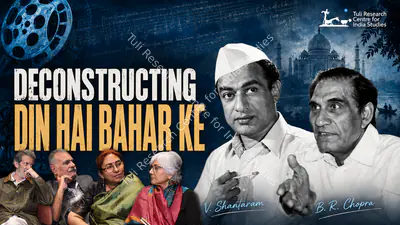
Tuli Research Centre for India Studies (Editor). "Din Hai Bahar Ke" - The Coming Together of Folk and Modern Sensibilities, 31 August 2026 | In-house Video, 2026 · 1 min 01 sec · Vertical Video
▶
Tuli Research Centre for India Studies (Editor). "Din Hai Bahar Ke" - The Coming Together of Folk and Modern Sensibilities, 31 August 2026 | In-house Video
2026 · 1 min 01 sec · Vertical Video
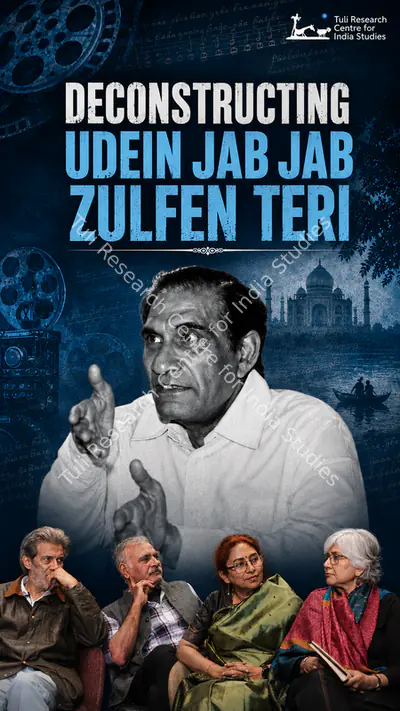
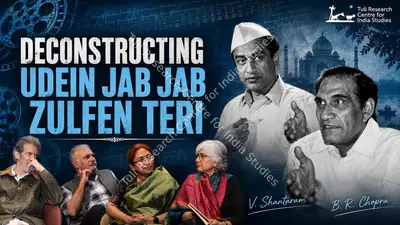
Tuli Research Centre for India Studies (Editor). "Udein Jab Jab Zulfein Teri" - Romance, Folklore, and the Looming Motor Car, 31 August 2026 | In-house Video, 2026 · 1 min 26 sec · Vertical Video
▶
Tuli Research Centre for India Studies (Editor). "Udein Jab Jab Zulfein Teri" - Romance, Folklore, and the Looming Motor Car, 31 August 2026 | In-house Video
2026 · 1 min 26 sec · Vertical Video
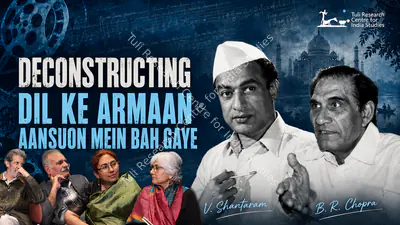
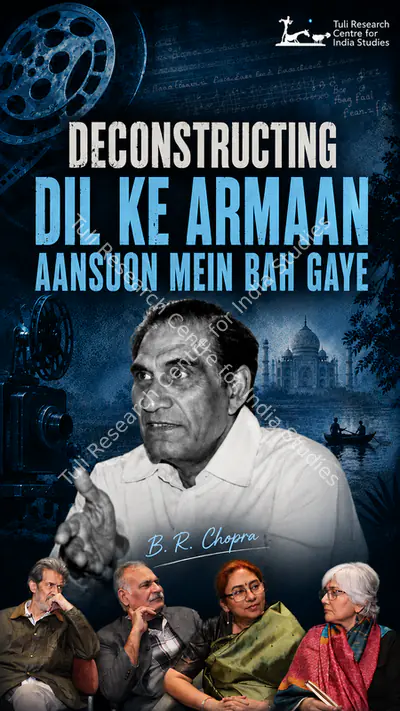
Tuli Research Centre for India Studies (Editor). "Dil Ke Armaan Aansuon Mein Bah Gaye" - Love, Longing and the Popularity of the Ghazal, 31 August 2026 | In-house Video, 2026 · 23 min 46 sec · Long-form Video
▶
Tuli Research Centre for India Studies (Editor). "Dil Ke Armaan Aansuon Mein Bah Gaye" - Love, Longing and the Popularity of the Ghazal, 31 August 2026 | In-house Video
2026 · 23 min 46 sec · Long-form Video
Tuli Research Centre for India Studies (Editor). "Dil Ke Armaan Aansuon Mein Bah Gaye"  - Loneliness Depicted through Mise-en-Scène, 31 August 2026 | In-house Video, 2026 · 1 in 08 sec · Vertical Video
▶
Tuli Research Centre for India Studies (Editor). "Dil Ke Armaan Aansuon Mein Bah Gaye" - Loneliness Depicted through Mise-en-Scène, 31 August 2026 | In-house Video
2026 · 1 in 08 sec · Vertical Video
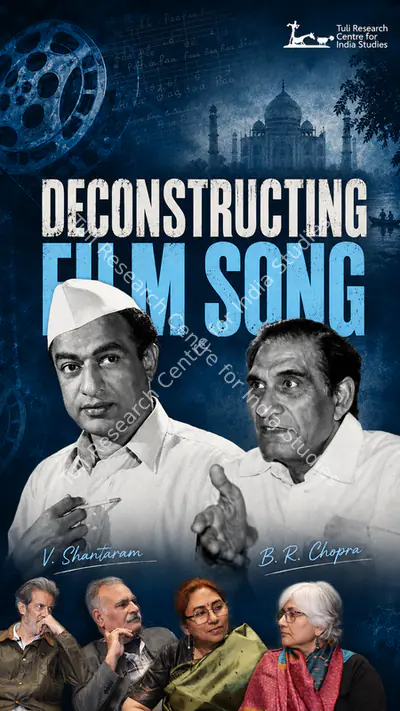
Tuli Research Centre for India Studies (Editor). Music in the Films of B.R. Chopra and V. Shantaram, 31 August 2026 | In-house Video, 2026 · 43 sec · Vertical Video
▶
Tuli Research Centre for India Studies (Editor). Music in the Films of B.R. Chopra and V. Shantaram, 31 August 2026 | In-house Video
2026 · 43 sec · Vertical Video
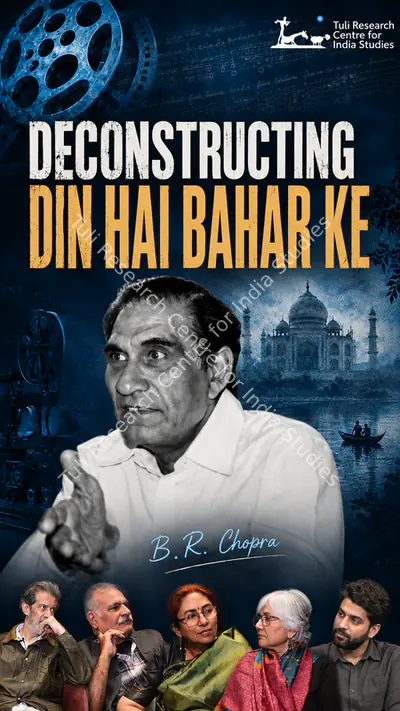
Tuli Research Centre for India Studies (Editor). "Din Hai Bahar Ke" - A Celebration of Youthful Love, 31 August 2026 | In-house Video, 2026 · 14 min 27 sec · Long-form Video
▶
Tuli Research Centre for India Studies (Editor). "Din Hai Bahar Ke" - A Celebration of Youthful Love, 31 August 2026 | In-house Video
2026 · 14 min 27 sec · Long-form Video
Tuli Research Centre for India Studies (Editor). "Udein Jab Jab Zulfen Teri" - Romance and Resistance in BR Chopra's Naya Daur (1957), 31 August 2026 | In-house Video, 2026 · 16 min 27 sec · Long-form Video
▶
Tuli Research Centre for India Studies (Editor). "Udein Jab Jab Zulfen Teri" - Romance and Resistance in BR Chopra's Naya Daur (1957), 31 August 2026 | In-house Video
2026 · 16 min 27 sec · Long-form Video
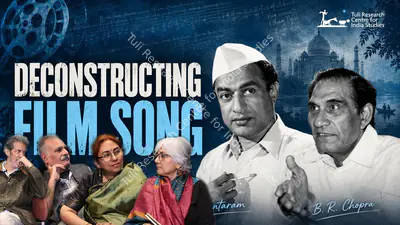
Tuli Research Centre for India Studies (Editor). Music in the Films of B.R. Chopra and V. Shantaram, 31 August 2026 | In-house Video, 2026 · 1 hour 11 min · Long-form Video
▶
Tuli Research Centre for India Studies (Editor). Music in the Films of B.R. Chopra and V. Shantaram, 31 August 2026 | In-house Video
2026 · 1 hour 11 min · Long-form Video
Tuli Research Centre for India Studies (Editor). Why Do the Classic Film Songs of filmmakers such as Raj Kapoor, Guru Dutt, Chetan Anand, V. Shantaram, B.R. Chopra, still move and inspire us?, 21 July 2026 | In-house Video, 2026 · 1 min 30 sec · Vertical Video
▶
Tuli Research Centre for India Studies (Editor). Why Do the Classic Film Songs of filmmakers such as Raj Kapoor, Guru Dutt, Chetan Anand, V. Shantaram, B.R. Chopra, still move and inspire us?, 21 July 2026 | In-house Video
2026 · 1 min 30 sec · Vertical Video
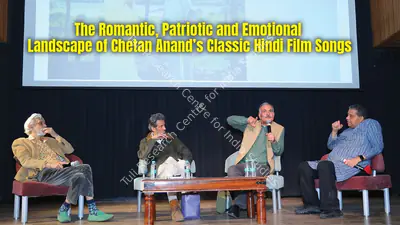
Tuli Research Centre for India Studies (Editor). The Romantic, Patriotic and Emotional Landscape of Chetan Anand’s Classic Hindi Film Songs, 21 July 2026 | In-house Video, 2026 · 1 hour 6 min · Long-form Video
▶
Tuli Research Centre for India Studies (Editor). The Romantic, Patriotic and Emotional Landscape of Chetan Anand’s Classic Hindi Film Songs, 21 July 2026 | In-house Video
2026 · 1 hour 6 min · Long-form Video
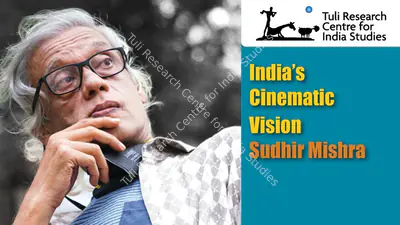
Tuli Research Centre for India Studies (Editor). India's Cinematic Vision: Sudhir Mishra, 27 July 2007 | In-house Video, 2007 · 10 min 2 sec · Short
▶
Tuli Research Centre for India Studies (Editor). India's Cinematic Vision: Sudhir Mishra, 27 July 2007 | In-house Video
2007 · 10 min 2 sec · Short
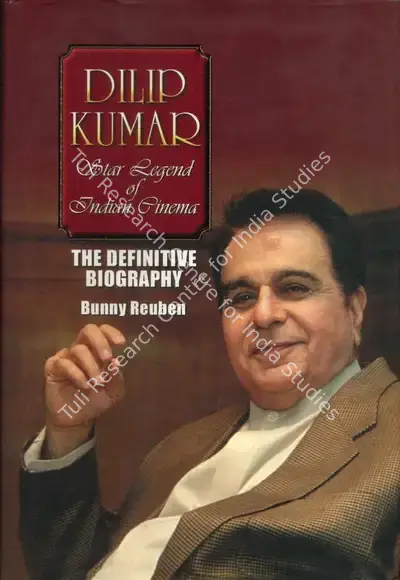
Bunny Reuben (Author), Dilip Kumar, 2004, Authored Book
Reuben, Bunny (Author). Dilip Kumar, 2004 | Authored Book | 00843946

Posts 1

  1. "Udein Jab Jab Zulfein Teri"- Romance, Folklore, and the Looming Motor Car | Naya Daur (1957)
    "Udein Jab Jab Zulfein Teri"- Romance, Folklore, and the Looming Motor Car | Naya Daur (1957)
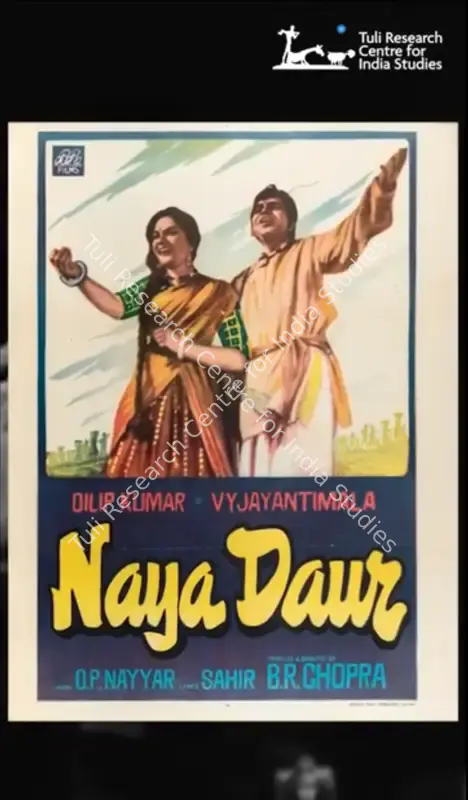
    The beautiful “Udein Jab Jab Zulfein Teri” from B.R. Chopra's Naya Daur (1957) feels open‑ended, almost timeless, because it draws from folklore and the rhythms of village life. In this clip, Ravikant, Professor, CSDS, examines the folk‑inflected melody of the duet by Mohammed Rafi and Asha Bhosle, with Sahir Ludhianvi's lyrics and O.P. Nayyar's music. On the surface, the song is a romantic number between the main leads, Dilip Kumar and Vyjayanthimala but the song sits inside a film whose central fear is that of people losing their jobs when machines arrive. Ravikant likens this anxiety with the current state of affairs wherein the threat of AI looms large in our lives. Against that backdrop, this song becomes more than just a romantic number. It becomes an expression of people's power and dignity, a celebration of the community that is sustained by labour and solidarity. This discussion was part of the series 'Deconstructing the Film Song: A Musical Glue for Nation-Building,' presented by the Tuli Research Centre for India Studies (T.R.I.S) as part of the 7th Self-Discovery via Rediscovering India Festival.
    1_CinemaEducation12_Scholarship
    B.R. ChopraNaya DaurAsha BhosleO.P. NayyarSahir LudhianviDilip KumarVyjayanthimalaRavikant+2 more
    Read Post →

Calendar 3

View All →
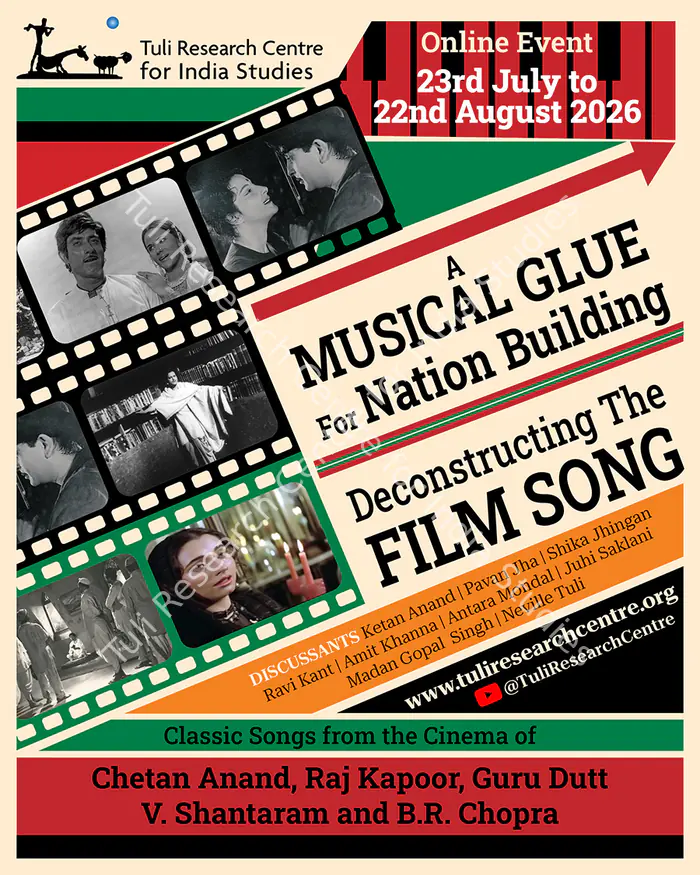
  1. A Musical Glue for Nation-Building
    ArchivedOffline-Online EventProject 80
    A Musical Glue for Nation-Building
    Deconstructing the Film Song
    23rd July - 22nd August 2026
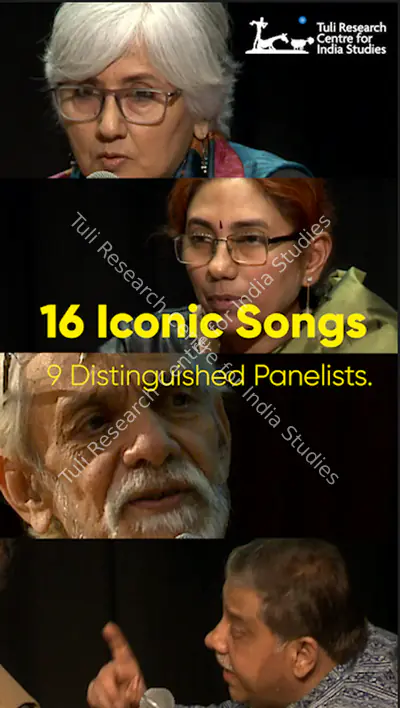
    Ketan Anand | Ravikant | Pavan Jha | Madan Gopal Singh | Amit Khanna | Juhi Saklani | Antara Mondal | Shikha Jhingan | Neville Tuli
    A key section of the India Studies framework at The Tuli Research Centre for India Studies (T.R.I.S.) is “Deconstructing the Film Song”. It began with a series of four workshops during our Self-Discovery via Rediscovering India Festival Series that brought together leading scholars & academics, film practitioners & students, along with fans of the Hindi film song. The objective of these workshops was to deconstruct iconic Hindi film songs to examine their formation across music, lyrics, playback, choreography, directorial visualisation, as they fuse into sites where aesthetics, ideology, and performance intersect, so as to help clarify the nature of India and her relationship to the film song. The Hindi Film Song functions as a narrative device, conveying myriad textures of emotion through melody, voice and poetry. As cultural texts that encode memory, desire, and ideology, songs are integral to the circulation and resonance of films in the public realm. Over time they have become autonomous bundles of creative energy - the glue that binds us over time, articulating and perhaps even defining the idea of Indianness. These first Workshops were an attempt to understand the nature and power of this glue, while contemplating the ways to situate it within TRIS' academic framework for Contemporary India Studies.
    Read More →
    1_CinemaEducation·12_Scholarship
    +34 more
  2. A Musical Glue for Nation-Building
    ArchivedDeconstructing the Hindi Film SongProject 63
    A Musical Glue for Nation-Building
    Four Classic Songs from the cinema of V. Shantaram and B.R. Chopra and the genius of Vasant Desai, O.P. Nayyar, Ravi, Bharat Vyas, Sahir Ludhianvi, Hasan Kamal, Asha Bhosle, Salma Agha & Mohammed RafinnAye Maalik Tere Bande Ham | Do Aankhen Baara Haath-1957 nUdein Jab Jab Zulfen Teri | Naya Daur-1957 nDin Hai Bahar Ke | Waqt-1965 nDil Ke Armaan Aansuon Mein Bah Gaye | Nikaah-1982
    19th February 2026
    11:30am
    M.L. Bhartia Auditorium, Alliance Francaise de Delhi, 72 K.K. Birla Lane, Lodi Estate, New Delhi, 110007
    Madan Gopal Singh, Ravikant, Shikha Jhingan, Antara Mondal & Neville Tuli
    A key section of the India Studies framework at The Tuli Research Centre for India Studies (T.R.I.S.) is “Deconstructing the Hindi Film Song”. It will begin with a series of four workshops that brings together leading scholars & academics, film practitioners & students, along with fans of the Hindi film song. The objective of these workshops is to deconstruct iconic Hindi film songs to examine their formation across music, lyrics, playback, choreography, directorial visualisation, as they fuse into sites where aesthetics, ideology, and performance intersect. The Hindi Film Song functions as a narrative device, conveying myriad textures of emotion through melody, voice and poetry. As cultural texts that encode memory, desire, and ideology, songs are integral to the circulation and resonance of films in the public realm. Over time they have become autonomous bundles of creative energy - the glue that binds us over time, articulating and perhaps even defining the idea of Indianness. The first Workshops are an attempt to understand the nature and power of this glue, while contemplating the ways to situate it within TRIS' academic framework for Contemporary India Studies.
    Read More →
    1_CinemaEducation·12_Scholarship
    +9 more
  3. Self-Discovery via Rediscovering India Series Part II India's Cinematic Heritage
    ArchivedExhibitionProject 2
    Self-Discovery via Rediscovering India Series Part II India's Cinematic Heritage
    12th - 24th August 2024
    Self-Discovery via Rediscovering India Series Part II
    Read More →
    1_CinemaEducation·The Worlds Greatest Mela Respecting Indias Cinematic Heritage 13 25 August 2024 Project 2 Cal
    +37 more

Related

30

Films

20

Aadmi Aur Insaan 1969Film Producer
Afsana 1951Film Producer
Baghban (2003)Story Writer
Chhoti Si Baat 1975Film Producer
Dastaan 1972Film Producer
Dharmputra 1961Film Producer
Dhool Ka Phool (1959)Film Producer
Dhund 1973Film Producer
Ek Hi Rasta 1956Film Producer
Gumrah 1963Film Producer
Hamraaz 1967Film Producer
Ittefaq 1969Film Producer
Kanoon (1960)Film Producer
Karm 1977Film Producer
Naya Daur (1957)Film Producer
Pati Patni Aur Woh 1978Film Producer
Sadhna 1958Film Producer
Shole 1953Screenplay
Waqt 1965Film Producer
Zameer 1975Film Producer

Personalities

10

Dharam ChopraComparable Artworks
Dilip KumarComparable Artworks
Jaya Bhaduri BachchanComparable Artworks
Manoj KumarComparable Artworks
NutanComparable Artworks
Raj KapoorComparable Artworks
Salma AghaComparable Artworks
Sharmila TagoreComparable Artworks
Shashi KapoorComparable Artworks
Zeenat AmanComparable Artworks
Tuli Research Centre for India Studies

Tuli Research Centre

for India Studies

A free and open knowledge base for the modern and contemporary Indian arts, cinema, photography and cultural heritage.

Support

Contact Us

Discover

Tuli Research Centre for India StudiesVisionManifestoArchive & LibraryVanraja Sanctuary & Hospice

Legal

Privacy PolicyTerms & Conditions

Follow us

Youtube

Youtube

Instagram

Instagram

Facebook

Facebook

© Tuli Research Centre for India Studies 2026

Tuli Research Centre for India Studies

Tuli Research Centre

for India Studies

A free and open knowledge base for the modern and contemporary Indian arts, cinema, photography and cultural heritage.

Tuli Research Centre for India StudiesVisionManifestoArchive & LibraryVanraja Sanctuary & Hospice
Contact Us
Privacy PolicyTerms & Conditions

Follow us

YoutubeInstagramFacebook

© Tuli Research Centre for India Studies 2026

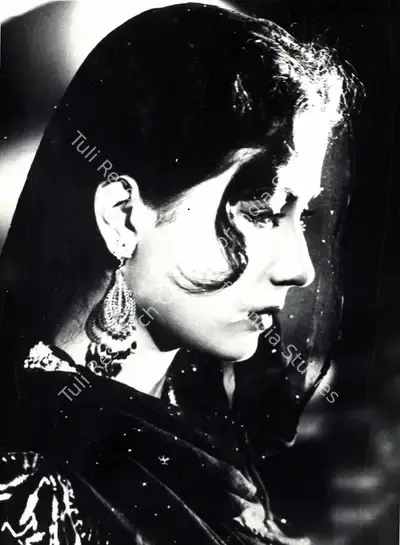
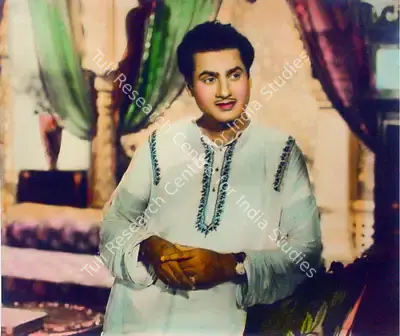
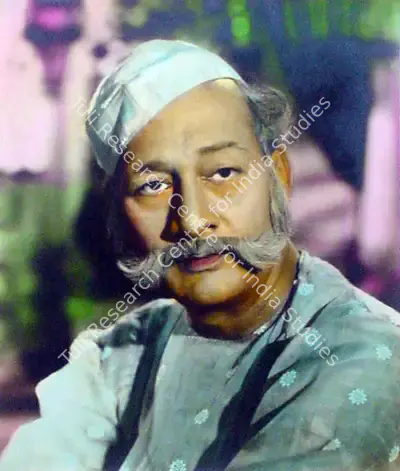
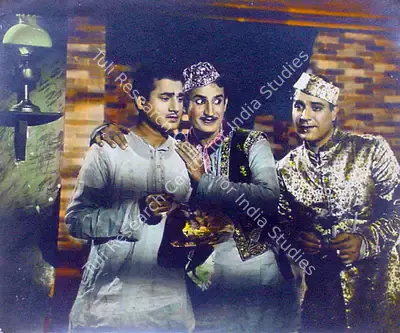
                          Aggarwal, Goverdhandas (Producer), Chandni Chowk, 1954 | Song-Synopsis Booklet | CinemaEducation | 00863699

                          Aggarwal, Goverdhandas (Producer), Chandni Chowk, 1954 | Song-Synopsis Booklet

                          ProducerGoverdhandas Aggarwal
                          Document TypeSong-Synopsis Booklet
                          Film TitleChandni Chowk, 1954, India, Hindi
                          DirectorB.R. ChopraBannerHira Films
                          Art DirectorSant SinghCinematographerKeki Mistry
                          CastSmriti Biswas, Meena Kumari, Kumar, Shekhar, Pratima Devi, Yashodhara Kathju, Manmohan Kishan, Krishna Kumari, Achala Sachdev, Rama Sharma, Tun Tun, Agha, Jeevan, Shrinath, Sunder
                          EditingPran Mehra
                          LyricistRaja Mehdi Ali Khan, Kamil Rashid, Saifudin Saif, Majrooh Sultanpuri, Shailendra
                          Music DirectorRoshan
                          Script WriterI.S. Johar
                          Copyright of ImageWith Producer | Archive Object

                          Research Categories

                          1_CinemaEducation

                          Related Links15

                          Masterlist14
                          Meena KumariThe Hindi Film Song Synopsis BookletAchala SachdevTun TunB R ChopraI S JoharMajrooh SultanpuriShailendraShamshad BegumAsha BhosleLata MangeshkarMohammad RafiMukeshYash Chopra
                          Research Categories
                          01Cinema as a Critical Educational Resource