Introduction
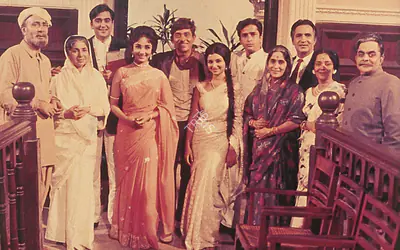
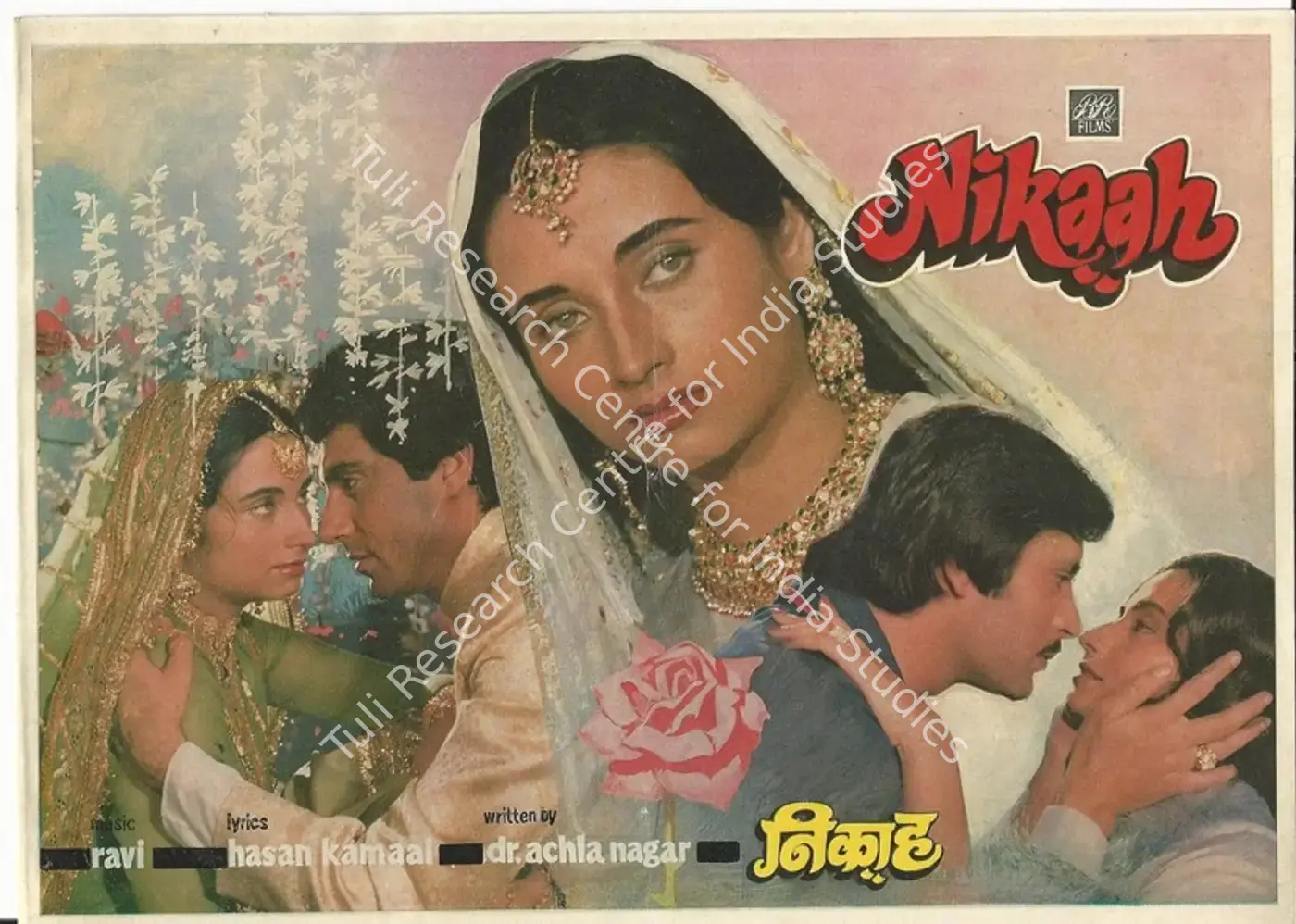
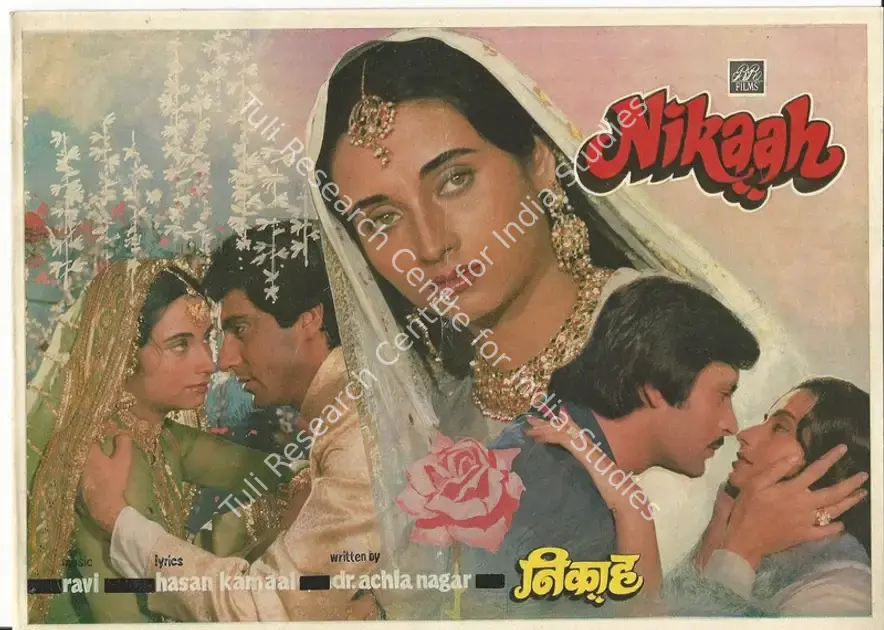
"Nikaah (1982) is a social romance produced and directed by B. R. Chopra that occupies a significant position in the history of Hindi cinema for its nuanced engagement with Muslim marriage, divorce, and women's rights. Featuring Raj Babbar, Deepak Parashar, and Salma Agha in her Hindi film debut, alongside notable supporting performances by Asrani and Iftekhar, the film combines compelling performances with a socially conscious narrative. Its memorable musical score, composed by Ravi, achieved remarkable commercial and critical success, contributing substantially to the film's enduring popularity. Originally conceived under the title Talaq Talaq Talaq, the film was renamed Nikaah following objections from Islamic clerics, reflecting the sensitivity surrounding its central theme. Despite this alteration, the film retained its critical focus on the institution of Muslim marriage and remains one of B. R. Chopra's most influential cinematic interventions into issues concerning gender justice and personal law in India.
The narrative centres on Niloufer, portrayed by Salma Agha, whose marriage to her affluent college admirer, Wasim, initially appears to promise emotional fulfilment and domestic stability. However, Wasim's overwhelming preoccupation with his business gradually reduces their relationship to one marked by neglect, emotional isolation, and repeated disappointment. The accumulation of unfulfilled promises and unresolved conflicts culminates in a heated argument on their first wedding anniversary, during which Wasim impulsively pronounces talaq three times, thereby dissolving their marriage. This pivotal moment exposes the vulnerability of women within patriarchal marital structures and serves as the narrative's principal critique of arbitrary divorce practices.
Following her divorce, Niloufer confronts social humiliation and economic insecurity but gradually reconstructs her life through employment at an Urdu magazine edited by Haider, portrayed by Raj Babbar. Haider, who had silently admired Niloufer since their college years, provides emotional support grounded in respect rather than possessiveness. Their professional association gradually develops into mutual affection, culminating in marriage. The emergence of this relationship represents not merely a romantic resolution but also an assertion of companionship founded upon equality, empathy, and individual dignity. Through Niloufer's personal transformation from dependence to self-reliance, the film foregrounds female agency within a deeply patriarchal social environment.
The narrative becomes increasingly complex when Wasim, burdened by remorse, returns demanding reconciliation with Niloufer. Simultaneously, Haider, motivated by moral uncertainty and compassion, expresses a willingness to relinquish his marital claim if it were to ensure Niloufer's happiness. Rather than allowing either man to determine her future, Niloufer firmly rejects their assumptions of authority over her life. She openly condemns both men for treating her as an object of negotiation instead of recognising her agency. By choosing to remain with Haider on her own terms, she decisively asserts her identity as an individual. This climactic assertion constitutes the ideological centre of the film, reinforcing its critique of patriarchy within marital relationships.
Beyond its compelling narrative, Nikaah generated widespread public discussion for its courageous engagement with triple talaq, Sharia-based personal law, and the social position of Muslim women in India. The film received significant critical recognition, with Salma Agha winning the Filmfare Award for Best Female Playback Singer for the timeless song Dil Ke Armaan Aansoon Mein Beh Gaye, while Achala Nagar received the Filmfare Award for Best Dialogue. Salma Agha also earned a nomination for Best Actress, and Ravi was nominated for his celebrated musical composition. As one of the highest-grossing Hindi films of 1982, Nikaah continues to be remembered for its enduring soundtrack, including Chehra Chupa Liya Hai, and for its lasting contribution to cinematic discourse on gender, marriage, and social reform."
The narrative centres on Niloufer, portrayed by Salma Agha, whose marriage to her affluent college admirer, Wasim, initially appears to promise emotional fulfilment and domestic stability. However, Wasim's overwhelming preoccupation with his business gradually reduces their relationship to one marked by neglect, emotional isolation, and repeated disappointment. The accumulation of unfulfilled promises and unresolved conflicts culminates in a heated argument on their first wedding anniversary, during which Wasim impulsively pronounces talaq three times, thereby dissolving their marriage. This pivotal moment exposes the vulnerability of women within patriarchal marital structures and serves as the narrative's principal critique of arbitrary divorce practices.
Following her divorce, Niloufer confronts social humiliation and economic insecurity but gradually reconstructs her life through employment at an Urdu magazine edited by Haider, portrayed by Raj Babbar. Haider, who had silently admired Niloufer since their college years, provides emotional support grounded in respect rather than possessiveness. Their professional association gradually develops into mutual affection, culminating in marriage. The emergence of this relationship represents not merely a romantic resolution but also an assertion of companionship founded upon equality, empathy, and individual dignity. Through Niloufer's personal transformation from dependence to self-reliance, the film foregrounds female agency within a deeply patriarchal social environment.
The narrative becomes increasingly complex when Wasim, burdened by remorse, returns demanding reconciliation with Niloufer. Simultaneously, Haider, motivated by moral uncertainty and compassion, expresses a willingness to relinquish his marital claim if it were to ensure Niloufer's happiness. Rather than allowing either man to determine her future, Niloufer firmly rejects their assumptions of authority over her life. She openly condemns both men for treating her as an object of negotiation instead of recognising her agency. By choosing to remain with Haider on her own terms, she decisively asserts her identity as an individual. This climactic assertion constitutes the ideological centre of the film, reinforcing its critique of patriarchy within marital relationships.
Beyond its compelling narrative, Nikaah generated widespread public discussion for its courageous engagement with triple talaq, Sharia-based personal law, and the social position of Muslim women in India. The film received significant critical recognition, with Salma Agha winning the Filmfare Award for Best Female Playback Singer for the timeless song Dil Ke Armaan Aansoon Mein Beh Gaye, while Achala Nagar received the Filmfare Award for Best Dialogue. Salma Agha also earned a nomination for Best Actress, and Ravi was nominated for his celebrated musical composition. As one of the highest-grossing Hindi films of 1982, Nikaah continues to be remembered for its enduring soundtrack, including Chehra Chupa Liya Hai, and for its lasting contribution to cinematic discourse on gender, marriage, and social reform."
निक़ाह (1982) बी. आर. चोपड़ा की बनाई और निर्देशित एक रोमांटिक सोशल ड्रामा फ़िल्म है। यह हिंदी सिनेमा के इतिहास में अहम जगह रखती है क्योंकि इसमें मुस्लिम शादी, तलाक़ और महिलाओं के अधिकारों को बहुत बारीकी से दिखाया गया है। इस फ़िल्म में राज बब्बर, दीपक पाराशर और सलमा आग़ा (जिन्होंने इसी फ़िल्म से हिंदी सिनेमा में डेब्यू किया) मुख्य भूमिकाओं में हैं, साथ ही असरानी और इफ़्तेख़ार ने भी अहम सहायक भूमिकाएँ निभाई हैं। फ़िल्म में शानदार एक्टिंग के साथ-साथ सामाजिक मुद्दों पर आधारित कहानी भी है। रवि द्वारा बनाया इसका शानदार संगीत बहुत सफल रहा (कमर्शियल और क्रिटिकल दोनों तरह से) और इसने फ़िल्म की लंबे समय तक बनी रहने वाली लोकप्रियता में बड़ा योगदान दिया। शुरू में इसका नाम 'तलाक़ तलाक़ तलाक़' रखा गया था, लेकिन इस्लामिक आलिममों की आपत्तियों के बाद इसका नाम बदलकर 'निक़ाह' कर दिया गया, जो इसके मुख्य विषय से जुड़ी संवेदनशीलता को दिखाता है। नाम बदलने के बावजूद, फ़िल्म मुस्लिम शादी की व्यवस्था पर अपना मुख्य फ़ोकस बनाए रही और भारत में जेंडर जस्टिस (लिंग न्याय) और पर्सनल लॉ (व्यक्तिगत कानून) से जुड़े मुद्दों पर बी. आर. चोपड़ा की सबसे प्रभावशाली फ़िल्मों में से एक बनी हुई है।
कहानी निलोफ़र (सलमा आग़ा) के इर्द-गिर्द घूमती है, जिसकी शादी कॉलेज़ के समय के उसके अमीर चाहने वाले वसीम से होती है। शुरुआत में यह शादी भावनात्मक संतुष्टि और घरेलू स्थिरता का वादा करती हुई लगती है। हालाँकि, वसीम का अपने बिज़नेस में बहुत ज़्यादा व्यस्त रहना धीरे-धीरे उनके रिश्ते को उपेक्षा, भावनात्मक अकेलेपन और बार-बार निराशा में बदल देता है। अधूरे वादों और अनसुलझे झगड़ों के कारण उनकी शादी की पहली सालगिरह पर एक तीखी बहस होती है, जिसके दौरान वसीम ग़ुस्से में तीन बार 'तलाक़' बोल देता है और इस तरह उनकी शादी टूट जाती है। यह अहम पल पितृसत्तात्मक शादी के ढाँचे में महिलाओं की कमज़ोर स्थिति को उजागर करता है और मनमाने ढंग से तलाक़ देने की प्रथाओं की आलोचना करता है।
तलाक़ के बाद निलोफ़र को सामाजिक बेइज़्ज़ती और आर्थिक असुरक्षा का सामना करना पड़ता है, लेकिन धीरे-धीरे वह अपनी ज़िंदगी को फ़िर से बनाती है। यह सब राज बब्बर के निभाए किरदार हैदर का सम्पादक के रूप में उर्दू मैगज़ीन में मिली नौकरी से होता है। हैदर जो कॉलेज़ के दिनों से ही निलोफ़र को चुपचाप पसंद करता था, उसे ऐसा भावनात्मक सहारा देता है जो अधिकार जताने के बजाय सम्मान पर आधारित होता है। उनका प्रोफ़ेशनल रिश्ता धीरे-धीरे आपसी लगाव में बदल जाता है और आख़िरकार शादी के रूप में बदल जाता है। इस रिश्ते का बनना न केवल एक रोमांटिक अंत के साथ बराबरी, सहानुभूति और व्यक्तिगत सम्मान पर आधारित हमराही का भी इज़हार है। निलोफ़र के निर्भरता से आत्मनिर्भरता तक के व्यक्तिगत बदलाव के ज़रिए, फ़िल्म गहरे पितृसत्तात्मक सामाजिक माहौल में महिलाओं की मर्ज़ी और आज़ादी को सामने लाती है।
कहानी तब और उलझ जाती है जब पछतावे से भरा वसीम सुलह करने और निलोफ़र को अपनी पत्नी के तौर पर वापस पाने की जिद्दो-जहद करता है। इसं सब चीजों को देखते हुए, हैदर नैतिक दुविधा और हमदर्दी से प्रेरित होकर, अपना वैवाहिक रिश्ता तोड़ने को तैयार हो जाता है अगर इससे निलोफ़र की ख़ुशी सुनिश्चित हो सके। परन्तु नीलोफ़र किसी पुरुष को अपना भविष्य तय करने देने के बजाय, निलोफ़र अपनी ज़िंदगी पर उनके अधिकार की धारणाओं को मज़बूती से खारिज कर देती है। वह खुले तौर पर दोनों पुरुषों की निंदा करती है क्योंकि वे उसकी आज़ादी और स्वतंत्र पसंद के अधिकार को पहचानने के बजाय उसे सौदेबाज़ी की चीज़ समझते हैं। अपनी शर्तों पर हैदर के साथ रहने का फ़ैसला करके, वह पुरुषों के बीच हस्तांतरित होने वाली संपत्ति के बजाय एक इंसान के तौर पर अपनी पहचान को मज़बूती से स्थापित करती है। यह निर्णायक क़दम फ़िल्म का वैचारिक केंद्र है, जो वैवाहिक रिश्तों में मौजूद पितृसत्तात्मक सोच की आलोचना को और मज़बूत करता है।
अपनी दिलचस्प कहानी के अलावा, 'निक़ाह' ने तीन तलाक़, शरिया-आधारित पर्सनल लॉ और भारत में मुस्लिम महिलाओं की सामाजिक स्थिति जैसे विवादास्पद मुद्दों पर साहसी बहस शुरू की। फ़िल्म को आलोचकों से काफ़ी सराहना मिली। सलमा आग़ा ने सदाबहार गाने 'दिल के अरमान आँसुओं में बह गए' के लिए सर्वश्रेष्ठ महिला पार्श्व गायिका का फ़िल्मफ़ेयर पुरस्कार जीता, जबकि अचला नागर को सर्वश्रेष्ठ संवाद के लिए फ़िल्मफ़ेयर पुरस्कार मिला। सलमा आग़ा को सर्वश्रेष्ठ अभिनेत्री के लिए भी नॉमिनेशन मिला, और रवि को उनके मशहूर संगीत के लिए नॉमिनेट किया गया। 1982 की सबसे ज़्यादा कमाई करने वाली हिंदी फ़िल्मों में से एक होने के नाते, 'निक़ाह' को आज भी इसके यादगार संगीत (जिसमें 'चेहरा छुपा लिया है' शामिल है) और जेंडर, शादी और सामाजिक सुधार पर सिनेमाई चर्चा में इसके अहम योगदान के लिए याद किया जाता है।
कहानी निलोफ़र (सलमा आग़ा) के इर्द-गिर्द घूमती है, जिसकी शादी कॉलेज़ के समय के उसके अमीर चाहने वाले वसीम से होती है। शुरुआत में यह शादी भावनात्मक संतुष्टि और घरेलू स्थिरता का वादा करती हुई लगती है। हालाँकि, वसीम का अपने बिज़नेस में बहुत ज़्यादा व्यस्त रहना धीरे-धीरे उनके रिश्ते को उपेक्षा, भावनात्मक अकेलेपन और बार-बार निराशा में बदल देता है। अधूरे वादों और अनसुलझे झगड़ों के कारण उनकी शादी की पहली सालगिरह पर एक तीखी बहस होती है, जिसके दौरान वसीम ग़ुस्से में तीन बार 'तलाक़' बोल देता है और इस तरह उनकी शादी टूट जाती है। यह अहम पल पितृसत्तात्मक शादी के ढाँचे में महिलाओं की कमज़ोर स्थिति को उजागर करता है और मनमाने ढंग से तलाक़ देने की प्रथाओं की आलोचना करता है।
तलाक़ के बाद निलोफ़र को सामाजिक बेइज़्ज़ती और आर्थिक असुरक्षा का सामना करना पड़ता है, लेकिन धीरे-धीरे वह अपनी ज़िंदगी को फ़िर से बनाती है। यह सब राज बब्बर के निभाए किरदार हैदर का सम्पादक के रूप में उर्दू मैगज़ीन में मिली नौकरी से होता है। हैदर जो कॉलेज़ के दिनों से ही निलोफ़र को चुपचाप पसंद करता था, उसे ऐसा भावनात्मक सहारा देता है जो अधिकार जताने के बजाय सम्मान पर आधारित होता है। उनका प्रोफ़ेशनल रिश्ता धीरे-धीरे आपसी लगाव में बदल जाता है और आख़िरकार शादी के रूप में बदल जाता है। इस रिश्ते का बनना न केवल एक रोमांटिक अंत के साथ बराबरी, सहानुभूति और व्यक्तिगत सम्मान पर आधारित हमराही का भी इज़हार है। निलोफ़र के निर्भरता से आत्मनिर्भरता तक के व्यक्तिगत बदलाव के ज़रिए, फ़िल्म गहरे पितृसत्तात्मक सामाजिक माहौल में महिलाओं की मर्ज़ी और आज़ादी को सामने लाती है।
कहानी तब और उलझ जाती है जब पछतावे से भरा वसीम सुलह करने और निलोफ़र को अपनी पत्नी के तौर पर वापस पाने की जिद्दो-जहद करता है। इसं सब चीजों को देखते हुए, हैदर नैतिक दुविधा और हमदर्दी से प्रेरित होकर, अपना वैवाहिक रिश्ता तोड़ने को तैयार हो जाता है अगर इससे निलोफ़र की ख़ुशी सुनिश्चित हो सके। परन्तु नीलोफ़र किसी पुरुष को अपना भविष्य तय करने देने के बजाय, निलोफ़र अपनी ज़िंदगी पर उनके अधिकार की धारणाओं को मज़बूती से खारिज कर देती है। वह खुले तौर पर दोनों पुरुषों की निंदा करती है क्योंकि वे उसकी आज़ादी और स्वतंत्र पसंद के अधिकार को पहचानने के बजाय उसे सौदेबाज़ी की चीज़ समझते हैं। अपनी शर्तों पर हैदर के साथ रहने का फ़ैसला करके, वह पुरुषों के बीच हस्तांतरित होने वाली संपत्ति के बजाय एक इंसान के तौर पर अपनी पहचान को मज़बूती से स्थापित करती है। यह निर्णायक क़दम फ़िल्म का वैचारिक केंद्र है, जो वैवाहिक रिश्तों में मौजूद पितृसत्तात्मक सोच की आलोचना को और मज़बूत करता है।
अपनी दिलचस्प कहानी के अलावा, 'निक़ाह' ने तीन तलाक़, शरिया-आधारित पर्सनल लॉ और भारत में मुस्लिम महिलाओं की सामाजिक स्थिति जैसे विवादास्पद मुद्दों पर साहसी बहस शुरू की। फ़िल्म को आलोचकों से काफ़ी सराहना मिली। सलमा आग़ा ने सदाबहार गाने 'दिल के अरमान आँसुओं में बह गए' के लिए सर्वश्रेष्ठ महिला पार्श्व गायिका का फ़िल्मफ़ेयर पुरस्कार जीता, जबकि अचला नागर को सर्वश्रेष्ठ संवाद के लिए फ़िल्मफ़ेयर पुरस्कार मिला। सलमा आग़ा को सर्वश्रेष्ठ अभिनेत्री के लिए भी नॉमिनेशन मिला, और रवि को उनके मशहूर संगीत के लिए नॉमिनेट किया गया। 1982 की सबसे ज़्यादा कमाई करने वाली हिंदी फ़िल्मों में से एक होने के नाते, 'निक़ाह' को आज भी इसके यादगार संगीत (जिसमें 'चेहरा छुपा लिया है' शामिल है) और जेंडर, शादी और सामाजिक सुधार पर सिनेमाई चर्चा में इसके अहम योगदान के लिए याद किया जाता है।
Body of Work
Art Director
Banner
Cinematographer
Director
Editing
S.B. Mane
Lead Cast
Lead Cast Rest
Lyricist
Music Director
Presented by Institution
Producer
Script Writer
03:38 mins
05:50 mins
08:16 mins
04:18 mins
08:55 mins
05:45 mins
Research Centre
Calendar 2
- ArchivedOffline-Online EventProject 80A Musical Glue for Nation-BuildingDeconstructing the Film Song23rd July - 22nd August 2026Ketan Anand | Ravikant | Pavan Jha | Madan Gopal Singh | Amit Khanna | Juhi Saklani | Antara Mondal | Shikha Jhingan | Neville TuliA key section of the India Studies framework at The Tuli Research Centre for India Studies (T.R.I.S.) is “Deconstructing the Film Song”. It began with a series of four workshops during our Self-Discovery via Rediscovering India Festival Series that brought together leading scholars & academics, film practitioners & students, along with fans of the Hindi film song. The objective of these workshops was to deconstruct iconic Hindi film songs to examine their formation across music, lyrics, playback, choreography, directorial visualisation, as they fuse into sites where aesthetics, ideology, and performance intersect, so as to help clarify the nature of India and her relationship to the film song. The Hindi Film Song functions as a narrative device, conveying myriad textures of emotion through melody, voice and poetry. As cultural texts that encode memory, desire, and ideology, songs are integral to the circulation and resonance of films in the public realm. Over time they have become autonomous bundles of creative energy - the glue that binds us over time, articulating and perhaps even defining the idea of Indianness. These first Workshops were an attempt to understand the nature and power of this glue, while contemplating the ways to situate it within TRIS' academic framework for Contemporary India Studies.Read More →
- ArchivedDeconstructing the Hindi Film SongProject 63A Musical Glue for Nation-BuildingFour Classic Songs from the cinema of V. Shantaram and B.R. Chopra and the genius of Vasant Desai, O.P. Nayyar, Ravi, Bharat Vyas, Sahir Ludhianvi, Hasan Kamal, Asha Bhosle, Salma Agha & Mohammed RafinnAye Maalik Tere Bande Ham | Do Aankhen Baara Haath-1957 nUdein Jab Jab Zulfen Teri | Naya Daur-1957 nDin Hai Bahar Ke | Waqt-1965 nDil Ke Armaan Aansuon Mein Bah Gaye | Nikaah-198219th February 202611:30amM.L. Bhartia Auditorium, Alliance Francaise de Delhi, 72 K.K. Birla Lane, Lodi Estate, New Delhi, 110007Madan Gopal Singh, Ravikant, Shikha Jhingan, Antara Mondal & Neville TuliA key section of the India Studies framework at The Tuli Research Centre for India Studies (T.R.I.S.) is “Deconstructing the Hindi Film Song”. It will begin with a series of four workshops that brings together leading scholars & academics, film practitioners & students, along with fans of the Hindi film song. The objective of these workshops is to deconstruct iconic Hindi film songs to examine their formation across music, lyrics, playback, choreography, directorial visualisation, as they fuse into sites where aesthetics, ideology, and performance intersect. The Hindi Film Song functions as a narrative device, conveying myriad textures of emotion through melody, voice and poetry. As cultural texts that encode memory, desire, and ideology, songs are integral to the circulation and resonance of films in the public realm. Over time they have become autonomous bundles of creative energy - the glue that binds us over time, articulating and perhaps even defining the idea of Indianness. The first Workshops are an attempt to understand the nature and power of this glue, while contemplating the ways to situate it within TRIS' academic framework for Contemporary India Studies.Read More →