
Introduction
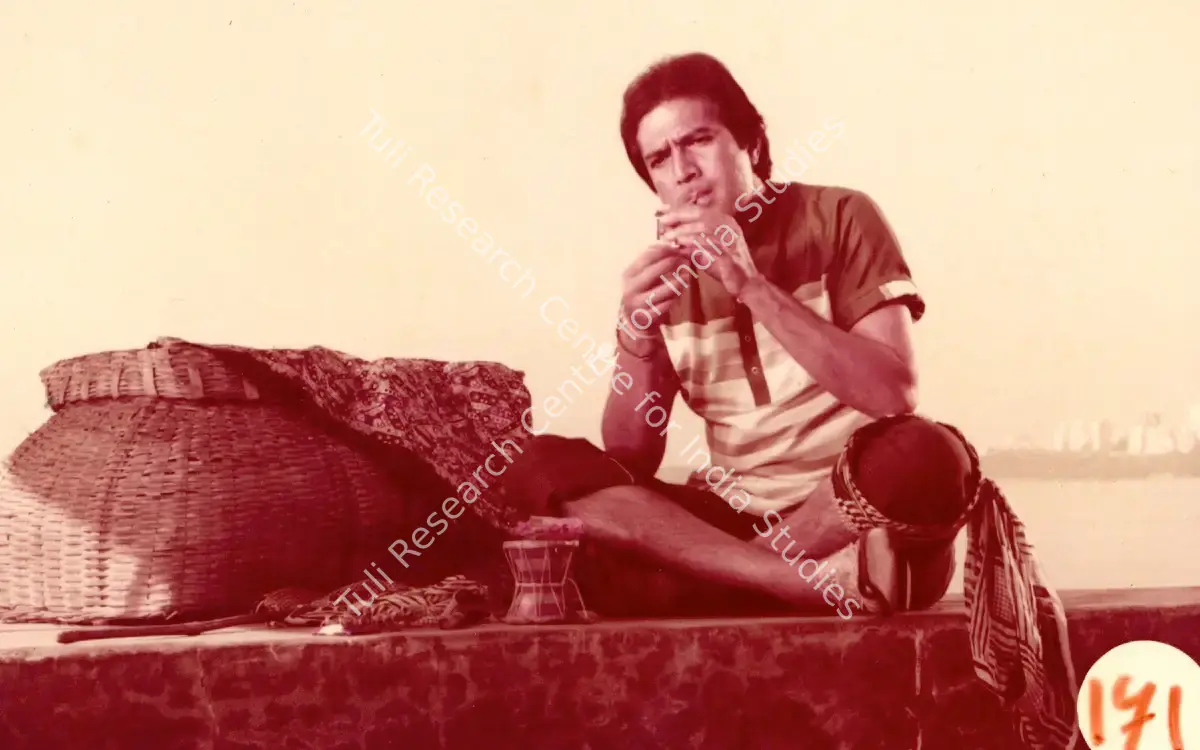
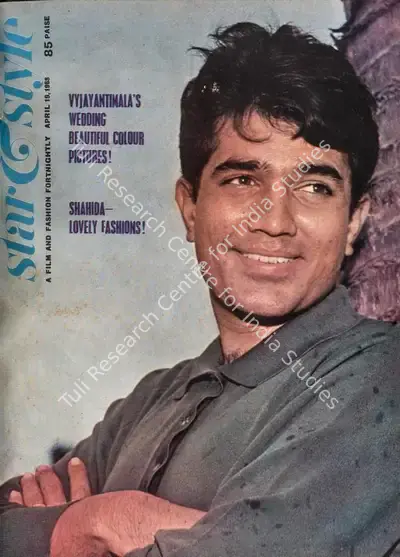
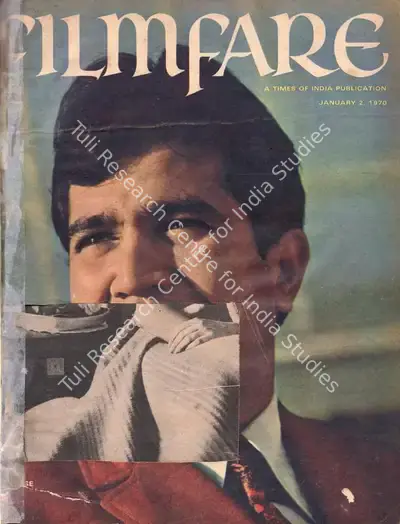
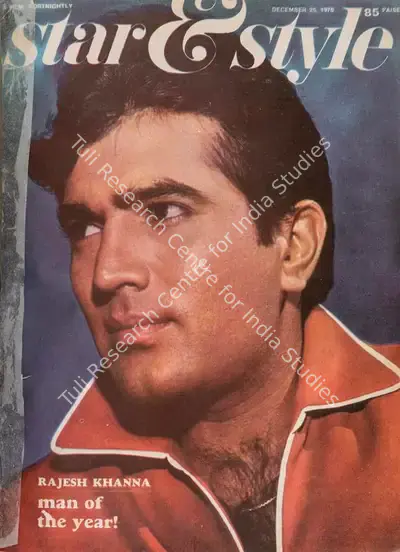
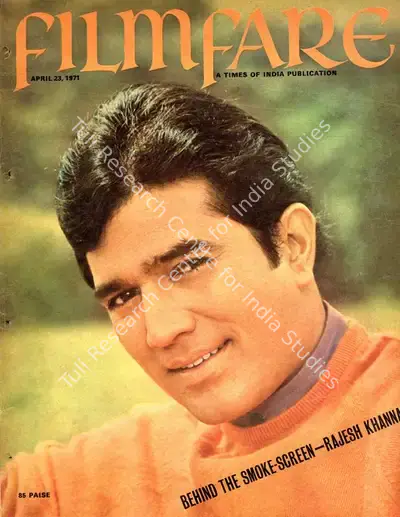
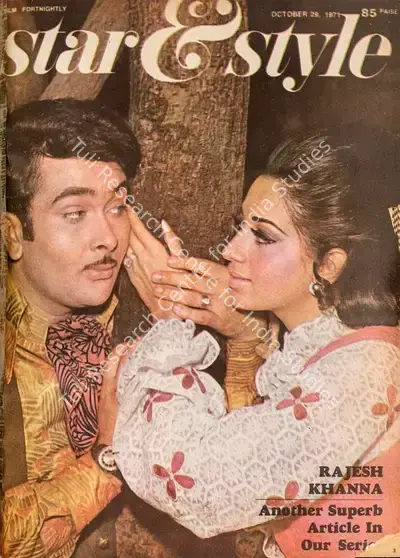
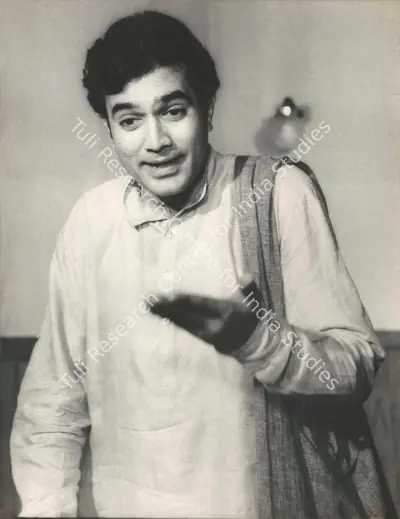
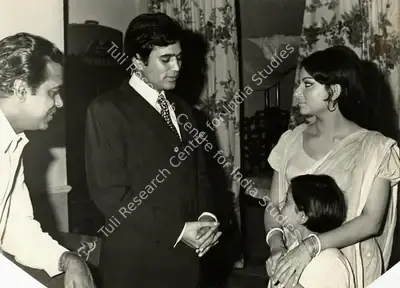
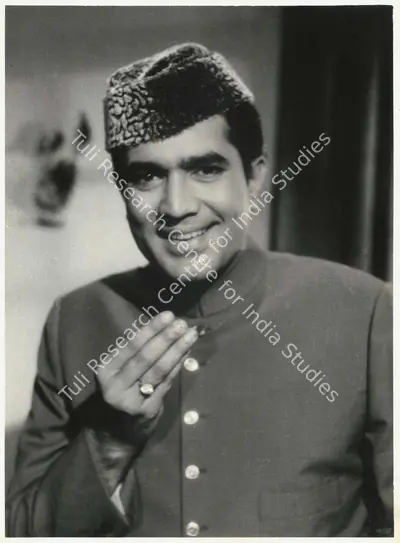
Rajesh Khanna (29 December 1942 – 18 July 2012) Born Jatin Khanna, he was an Indian actor, film producer, and politician whose work in Hindi cinema redefined popular stardom. Widely regarded as one of the most successful actors in Indian film history, he is often described as Hindi cinema's first Superstar, a distinction earned through unprecedented nationwide adulation. His achievements include five Filmfare Awards, and he was posthumously honoured with the Padma Bhushan in 2013, India's third-highest civilian award.
Khanna was adopted and raised by Chunnilal and Leelawati Khanna, relatives of his biological parents, Lala Hiranand Khanna and Chandrani Khanna. His early life was shaped by a culturally rooted upbringing in Mumbai, where he attended St. Sebastian's Goan High School alongside Ravi Kapoor, later known as Jeetendra. During his formative years, Khanna developed a keen interest in theatre, excelling in stage performances and inter-collegiate drama competitions. His portrayal of a wounded mute soldier in Andha Yug (1962) drew critical appreciation and encouraged his transition to cinema.
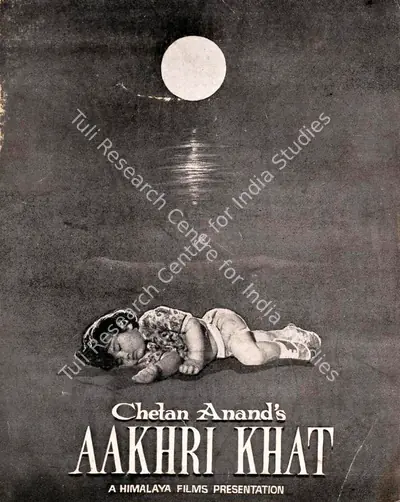
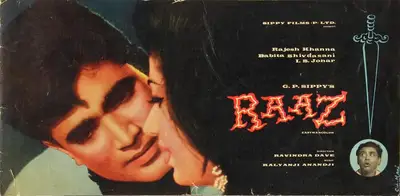
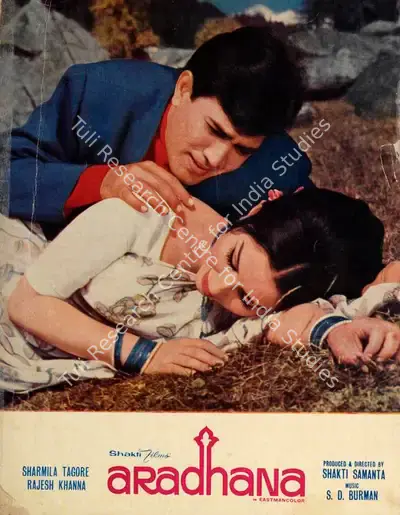
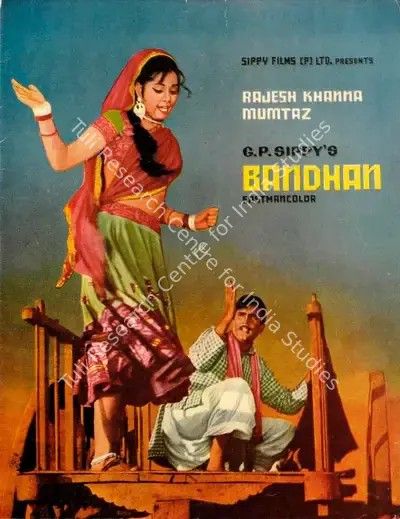
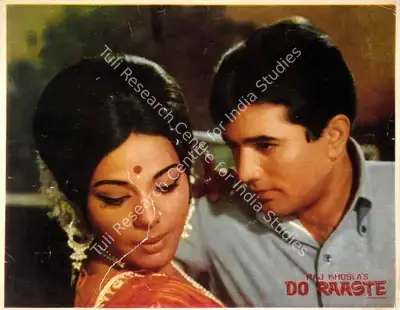
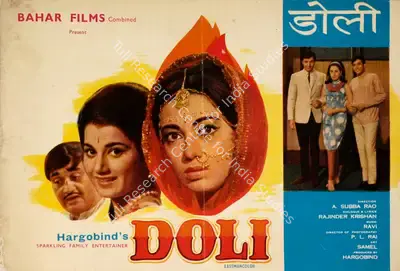
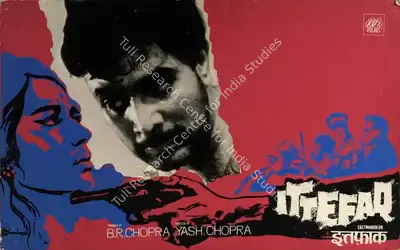
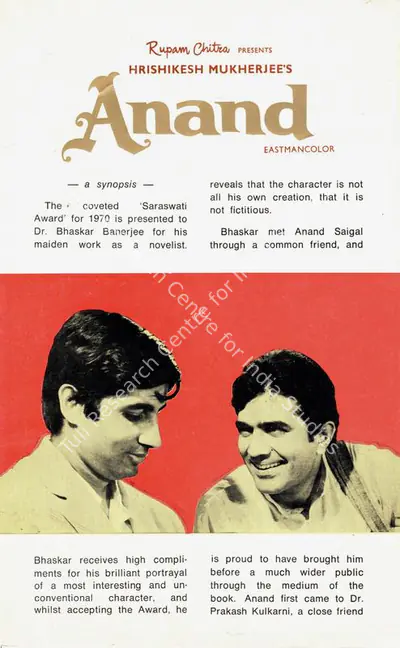
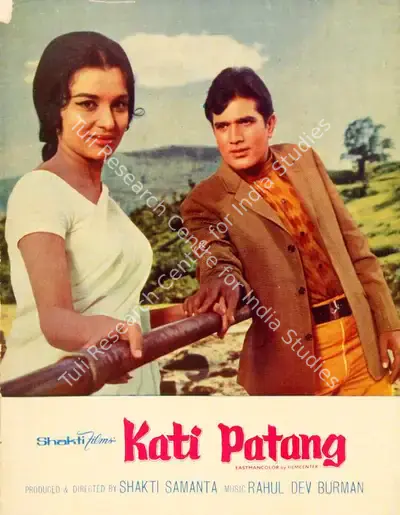
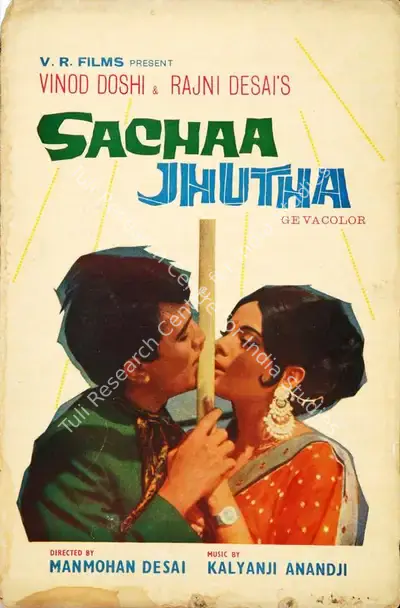
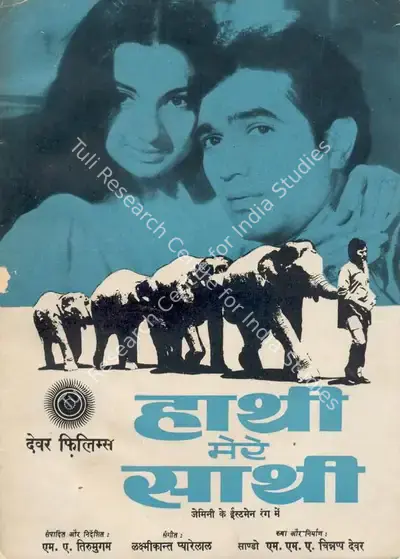
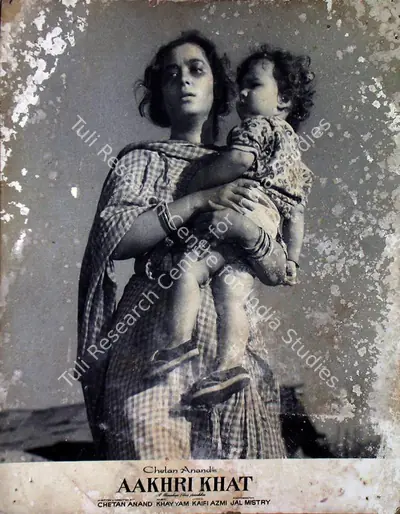
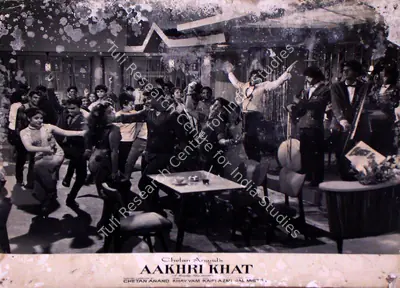
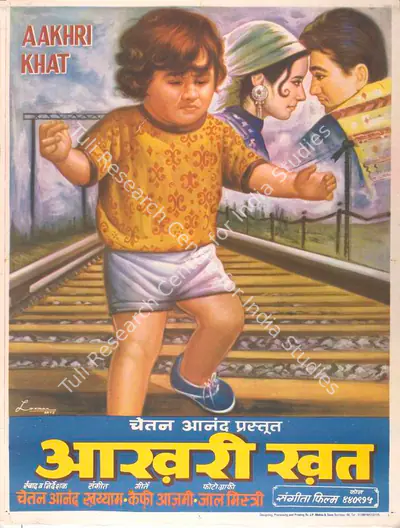
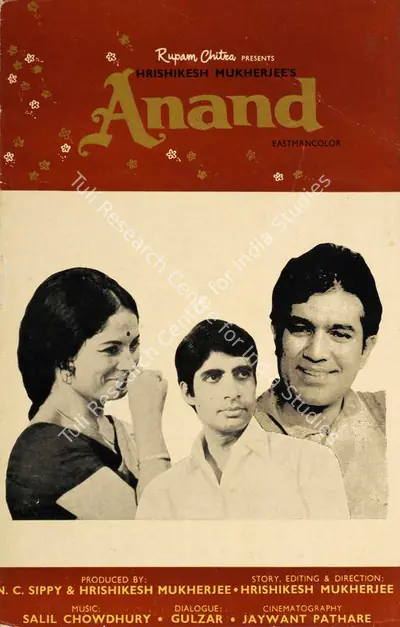
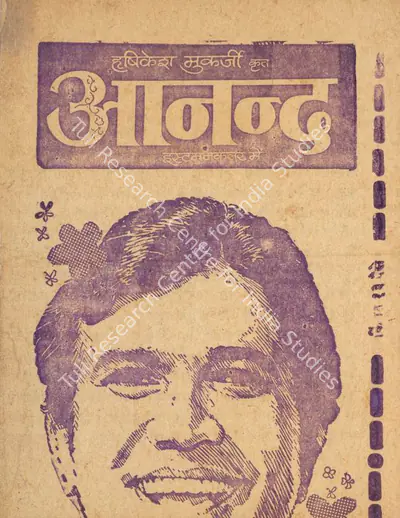
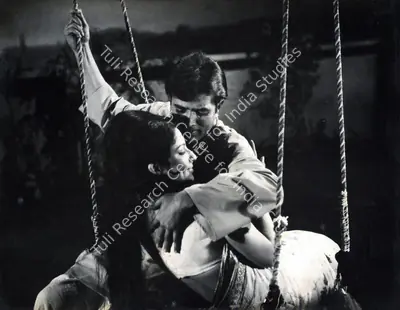
His film debut came with Aakhri Khat (1966), India's official submission to the Academy Awards. A turning point arrived in 1969 with Aradhana (1969), which catapulted him to instant superstardom. The same year, Do Raaste (1969) consolidated his popularity, followed by a string of major successes including Bandhan (1969), Ittefaq (1969), and Doli (1969). Between 1969 and 1971, Khanna delivered an extraordinary run of seventeen consecutive hits, including Sachaa Jhutha (1970), Anand (1971), Kati Patang (1971), and Haathi Mere Saathi (1971). His performances in Sachaa Jhutha (1970) and Anand (1971) earned him Filmfare Awards, with the latter widely regarded as a career-defining role.
By the mid-1970s, shifts in audience preferences toward action-oriented narratives and the emergence of Amitabh Bachchan's “Angry Young Man” persona altered the cinematic landscape, impacting Khanna's dominance. Despite setbacks, he achieved notable success in films such as Souten (1983), Avtaar (1983), and Agar Tum Na Hote (1983), alongside other significant works including Red Rose (1980) and Aakhir Kyon? (1985).
Khanna gradually reduced his film appearances in the 1990s, turning toward politics. He served as a Member of Parliament from New Delhi between 1992 and 1996 as a representative of the Indian National Congress. His later film career included sporadic appearances, with Riyasat (2014) marking his final release posthumously.
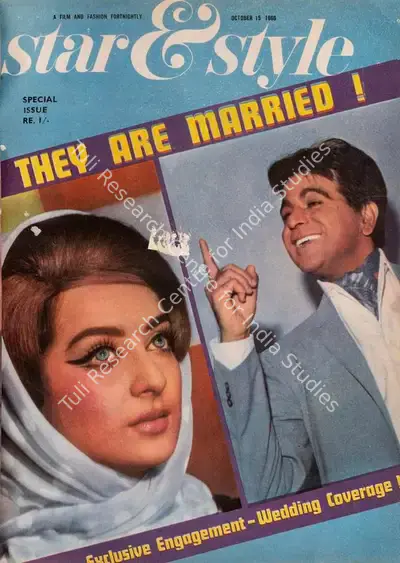
Beyond cinema, Khanna contributed to film education and institutional initiatives. In his personal life, he married Dimple Kapadia in 1973, with whom he had two daughters, Twinkle and Rinke Khanna. Rajesh Khanna passed away on 18 July 2012, leaving behind a legacy that continues to define the phenomenon of stardom in Indian cinema.
खन्ना को उनके जैविक माता-पिता लाला हीरानंद खन्ना और चंद्रानी खन्ना के रिश्तेदार चुन्नीलाल और लीलावती खन्ना ने गोद लिया और पाला-पोसा। उनका प्रारंभिक जीवन मुंबई में सांस्कृतिक रूप से समृद्ध परिवेश में बीता, जहाँ उन्होंने रवि कपूर (जो बाद में जीतेंद्र के नाम से जाने गए) के साथ सेंट सेबेस्टियन गोअन हाई स्कूल में पढ़ाई की। अपने प्रारंभिक वर्षों में, खन्ना ने रंगमंच में गहरी रुचि विकसित की और मंच प्रदर्शनों और अंतर-महाविद्यालयीय नाटक प्रतियोगिताओं में उत्कृष्ट प्रदर्शन किया। अंधा युग (1962) में एक घायल मूक सैनिक के रूप में उनके अभिनय की आलोचकों ने सराहना की और इससे उन्हें सिनेमा की ओर बढ़ने का प्रोत्साहन मिला।
उनकी पहली फ़िल्म आख़िरी ख़त (1966) थी, जिसे भारत की ओर से अकादमी पुरस्कारों के लिए भेजा गया था। 1969 में आराधना (1969) से उनके करियर में एक महत्वपूर्ण मोड़ आया, जिसने उन्हें रातोंरात सुपरस्टार बना दिया। उसी वर्ष, दो रास्ते (1969) ने उनकी लोकप्रियता को और मजबूत किया, जिसके बाद बंधन (1969), इत्तेफ़ाक (1969) और डोली (1969) जैसी कई बड़ी सफल फ़िल्में आईं। 1969 से 1971 के बीच, खन्ना ने लगातार सत्रह हिट फ़िल्में दीं, जिनमें सच्चा झूठा (1970), आनंद (1971), कटी पतंग (1971) और हाथी मेरे साथी (1971) शामिल हैं। सच्चा झूठा (1970) और आनंद (1971) में उनके अभिनय ने उन्हें फ़िल्मफ़ेयर पुरस्कार दिलाए, और आनंद में उनकी भूमिका को व्यापक रूप से उनके करियर की निर्णायक भूमिका माना जाता है।
1970 के दशक के मध्य में दर्शकों की पसंद में बदलाव आया और वे एक्शन से भरपूर कहानियों की ओर आकर्षित हुए। अमिताभ बच्चन के "एंग्री यंग मैन" वाले किरदार ने सिनेमाई परिदृश्य को बदल दिया, जिससे खन्ना के प्रभुत्व पर असर पड़ा। असफलताओं के बावजूद, उन्होंने सौतन (1983), अवतार (1983) और अगर तुम ना होते (1983) जैसी फ़िल्मों से उल्लेखनीय सफलता हासिल की, साथ ही रेड रोज़ (1980) और आखिर क्यों? (1985) जैसी अन्य महत्वपूर्ण फ़िल्मों में भी काम किया।
खन्ना ने 1990 के दशक से धीरे-धीरे फ़िल्मों में अपनी उपस्थिति कम कर दी और राजनीति की ओर रुख़ किया। उन्होंने भारतीय राष्ट्रीय कांग्रेस के प्रतिनिधि के रूप में 1992 से 1996 तक नई दिल्ली से संसद सदस्य के रूप में कार्य किया। उनके बाद के फ़िल्मी करियर में छिटपुट भूमिकाएँ शामिल थीं, जिनमें रियासत (2014) उनकी मरणोपरांत रिलीज़ हुई अंतिम फ़िल्म थी।
सिनेमा के अलावा, खन्ना ने फ़िल्म शिक्षा और संस्थागत पहलों में भी योगदान दिया। निजी जीवन में, उन्होंने 1973 में डिंपल कपाड़िया से विवाह किया, जिनसे उनकी दो बेटियाँ ट्विंकल और रिंकी खन्ना हुईं। राजेश खन्ना का 18 जुलाई 2012 को निधन हो गया, और वे अपने पीछे एक ऐसी विरासत छोड़ गए जो भारतीय सिनेमा में स्टारडम की अवधारणा को आज भी परिभाषित करती है।
- Age
- 70
Filmography 126
Research Centre




Related
64
Personalities
42
Films
21