Introduction
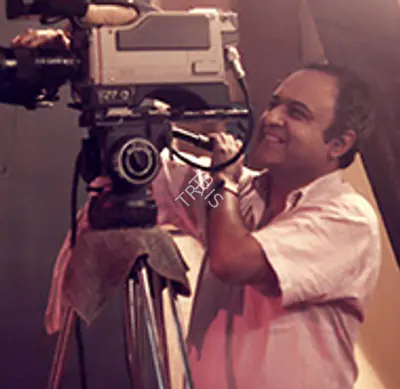
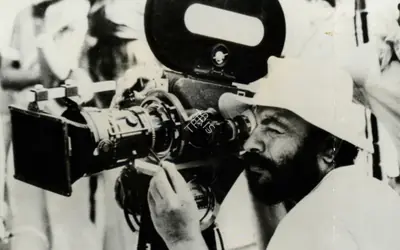
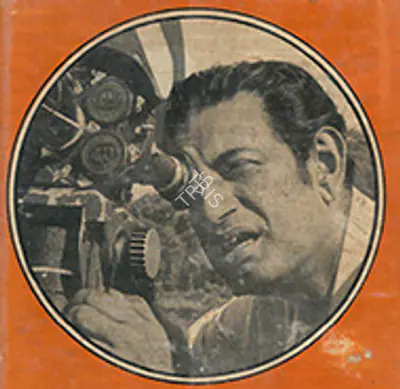
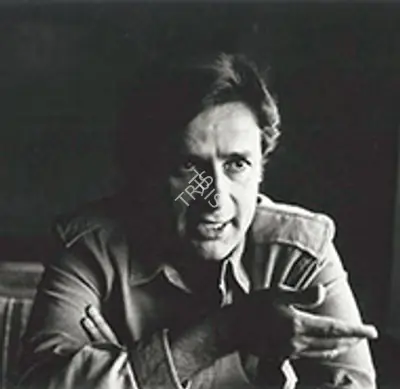
Shyam Benegal (14 December 1934 – 23 December 2024) was one of India's most influential filmmakers, widely regarded as the pioneer of the Parallel Cinema movement, and was among the most significant directors of post-independence Indian cinema. Through his innovative approach to filmmaking, Benegal redefined cinematic storytelling by integrating social realism with artistic expression. His films challenged conventional commercial cinema, foregrounded the experiences of marginalized communities, and offered nuanced portrayals of India's socio-cultural and political realities. His work extended beyond feature films to documentaries and television, making a profound contribution to the evolution of Indian visual culture.
Born as Shyam Sunder Benegal in Hyderabad into a Konkani-speaking Hindu family, he developed an early interest in cinema under the influence of his father, Sridhar B. Benegal, a distinguished photographer who gifted him his first camera at the age of twelve. Benegal completed his Master's degree in Economics from Osmania University, where he also established the Hyderabad Film Society, reflecting his early commitment to film appreciation and cultural discourse. He was the second cousin of the celebrated filmmaker Guru Dutt, further linking him to an important cinematic legacy.
Benegal began his professional career as a copywriter with Lintas Advertising in Mumbai in 1959 and later became its creative head. During this period, he directed more than 900 advertising films and documentaries, gaining extensive technical and creative experience. His first documentary, Gher Betha Ganga (1962), marked the beginning of a distinguished documentary career that eventually encompassed over seventy documentary and short films. Between 1966 and 1973, he taught at the Film and Television Institute of India (FTII), Pune, and later served twice as its chairman. A Homi J. Bhabha Fellowship enabled him to work with the Children's Television Workshop in New York and WGBH-TV in Boston, broadening his international exposure to media production.
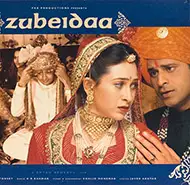
Benegal's breakthrough came with Ankur (1974), a powerful critique of rural exploitation in Telangana that introduced Shabana Azmi and Anant Nag to Indian cinema. The film's critical success established him as the leading voice of India's New Wave Cinema. His subsequent films—Nishant (1975), Manthan (1976), and Bhumika (1977)—collectively transformed the landscape of Indian parallel cinema through their realistic narratives and complex social themes. He also launched and nurtured the careers of several distinguished actors, including Naseeruddin Shah, Om Puri, Smita Patil, Kulbhushan Kharbanda, and Amrish Puri. His acclaimed "Muslim Women Trilogy"—Mammo (1994), Sardari Begum (1996), and Zubeidaa (2001)—further demonstrated his commitment to exploring identity, gender, and cultural pluralism.
Throughout his career, Benegal received numerous national and international honours. He won eighteen National Film Awards, including a record seven awards for Best Feature Film in Hindi. The Government of India honoured him with the Padma Shri in 1976, the Padma Bhushan in 1991, and the prestigious Dadasaheb Phalke Award in 2005 for his lifetime contribution to Indian cinema. He also received the Indira Gandhi National Integration Award and the V. Shantaram Lifetime Achievement Award, among several other distinctions. Shyam Benegal passed away on 23 December 2024 in Mumbai at the age of ninety. His extraordinary body of work continues to shape Indian cinema, serving as a lasting testament to the transformative power of socially engaged filmmaking.
Born as Shyam Sunder Benegal in Hyderabad into a Konkani-speaking Hindu family, he developed an early interest in cinema under the influence of his father, Sridhar B. Benegal, a distinguished photographer who gifted him his first camera at the age of twelve. Benegal completed his Master's degree in Economics from Osmania University, where he also established the Hyderabad Film Society, reflecting his early commitment to film appreciation and cultural discourse. He was the second cousin of the celebrated filmmaker Guru Dutt, further linking him to an important cinematic legacy.
Benegal began his professional career as a copywriter with Lintas Advertising in Mumbai in 1959 and later became its creative head. During this period, he directed more than 900 advertising films and documentaries, gaining extensive technical and creative experience. His first documentary, Gher Betha Ganga (1962), marked the beginning of a distinguished documentary career that eventually encompassed over seventy documentary and short films. Between 1966 and 1973, he taught at the Film and Television Institute of India (FTII), Pune, and later served twice as its chairman. A Homi J. Bhabha Fellowship enabled him to work with the Children's Television Workshop in New York and WGBH-TV in Boston, broadening his international exposure to media production.
Benegal's breakthrough came with Ankur (1974), a powerful critique of rural exploitation in Telangana that introduced Shabana Azmi and Anant Nag to Indian cinema. The film's critical success established him as the leading voice of India's New Wave Cinema. His subsequent films—Nishant (1975), Manthan (1976), and Bhumika (1977)—collectively transformed the landscape of Indian parallel cinema through their realistic narratives and complex social themes. He also launched and nurtured the careers of several distinguished actors, including Naseeruddin Shah, Om Puri, Smita Patil, Kulbhushan Kharbanda, and Amrish Puri. His acclaimed "Muslim Women Trilogy"—Mammo (1994), Sardari Begum (1996), and Zubeidaa (2001)—further demonstrated his commitment to exploring identity, gender, and cultural pluralism.
Throughout his career, Benegal received numerous national and international honours. He won eighteen National Film Awards, including a record seven awards for Best Feature Film in Hindi. The Government of India honoured him with the Padma Shri in 1976, the Padma Bhushan in 1991, and the prestigious Dadasaheb Phalke Award in 2005 for his lifetime contribution to Indian cinema. He also received the Indira Gandhi National Integration Award and the V. Shantaram Lifetime Achievement Award, among several other distinctions. Shyam Benegal passed away on 23 December 2024 in Mumbai at the age of ninety. His extraordinary body of work continues to shape Indian cinema, serving as a lasting testament to the transformative power of socially engaged filmmaking.
श्याम बेनेगल (14 दिसंबर 1934 – 23 दिसंबर 2024) भारत के प्रभावशाली फ़िल्म निर्माताओं में से एक थे। उन्हें 'पैरेलल सिनेमा' (समानांतर सिनेमा) आंदोलन का अगुआ माना जाता है और वे आज़ादी के बाद के भारतीय सिनेमा के महत्वपूर्ण निर्देशकों में से एक थे। फ़िल्म बनाने के अपने नए और अनोखे तरीक़े से, बेनेगल ने सामाजिक यथार्थवाद और कलात्मक अभिव्यक्ति को मिलाकर सिनेमाई कहानी कहने के अंदाज़ को एक नई परिभाषा दी। उनकी फ़िल्मों ने पारंपरिक व्यावसायिक सिनेमा को चुनौती दी, हाशिए पर मौजूद समुदायों के अनुभवों को सामने रखा और भारत की सामाजिक-सांस्कृतिक और राजनीतिक सच्चाइयों को गहराई से पेश किया। उनका काम सिर्फ़ फ़ीचर फ़िल्मों तक ही सीमित नहीं था, बल्कि उन्होंने डॉक्यूमेंट्री और टेलीविज़न के क्षेत्र में भी काम किया और भारतीय विज़ुअल कल्चर (दृश्य संस्कृति) के विकास में अहम योगदान दिया।
हैदराबाद में एक कोंकणी-भाषी हिंदू परिवार में जन्मे श्याम सुंदर बेनेगल की सिनेमा में रुचि बचपन से ही थी। यह रुचि उनके पिता श्रीधर बी. बेनेगल के प्रभाव से जगी, जो एक जाने-माने फ़ोटोग्राफ़र थे और जिन्होंने उन्हें बारह साल की उम्र में उनका पहला कैमरा तोहफ़े में दिया था। बेनेगल ने उस्मानिया यूनिवर्सिटी से इकोनॉमिक्स में मास्टर्स की डिग्री पूरी की। वहाँ उन्होंने 'हैदराबाद फ़िल्म सोसाइटी' की स्थापना भी की, जो फ़िल्मों को समझने और सांस्कृतिक चर्चाओं में उनकी शुरुआती दिलचस्पी को दिखाता है। वे मशहूर फ़िल्ममेकर गुरु दत्त के कज़िन (दूर के चचेरे भाई) थे, जिससे वे सिनेमा की एक अहम विरासत से भी जुड़े।
बेनेगल ने 1959 में मुंबई में लिंटास एडवरटाइजिंग के साथ एक कॉपीराइटर के तौर पर अपना प्रोफ़ेशनल करियर शुरू किया और बाद में इसके क्रिएटिव हेड बने। इस दौरान, उन्होंने 900 से ज़्यादा एडवरटाइजिंग फ़िल्में और डॉक्यूमेंट्रीज़ डायरेक्ट कीं, जिससे उन्हें काफ़ी टेक्निकल और क्रिएटिव अनुभव मिला। उनकी पहली डॉक्यूमेंट्री, 'घर बैठा गंगा' (1962) ने उनके शानदार डॉक्यूमेंट्री करियर की शुरुआत की, जिसमें आगे चलकर सत्तर से ज़्यादा डॉक्यूमेंट्री और शॉर्ट फ़िल्में शामिल हुईं। 1966 और 1973 के बीच, उन्होंने पुणे के फ़िल्म एंड टेलीविज़न इंस्टीट्यूट ऑफ़ इंडिया (FTII) में पढ़ाया और बाद में दो बार इसके चेयरमैन रहे। होमी जे. भाभा फ़ेलोशिप द्वारा उन्हें न्यूयॉर्क में चिल्ड्रन्स टेलीविज़न वर्कशॉप और बोस्टन में WGBH-TV के साथ काम करने का मौका मिला, जिससे मीडिया प्रोडक्शन के क्षेत्र में उनका इंटरनेशनल अनुभव और बढ़ा।
बेनेगल को बड़ी क़ामयाबी 'अंकुर' (1974) से मिली, जो तेलंगाना में ग्रामीण शोषण पर एक ज़बरदस्त टिप्पणी थी और जिसने भारतीय सिनेमा को शबाना आज़मी और अनंत नाग जैसे कलाकार दिए। इस फ़िल्म की तारीफ़ और सफलता ने उन्हें भारत के 'न्यू वेव सिनेमा' की एक ख़ास आवाज़ के तौर पर स्थापित किया। उनकी बाद की फ़िल्मों निशांत (1975), मंथन (1976) और भूमिका (1977) ने अपनी यथार्थवादी कहानियों और जटिल सामाजिक विषयों के ज़रिए भारतीय समानांतर सिनेमा (पैरेलल सिनेमा) का स्वरूप ही बदल दिया। उन्होंने नसीरुद्दीन शाह, ओम पुरी, स्मिता पाटिल, कुलभूषण खरबंदा और अमरीश पुरी जैसे कई बेहतरीन कलाकारों के करियर को शुरू करने और आगे बढ़ाने में भी मदद की। उनकी मशहूर "मुस्लिम महिला त्रयी" (ट्रिलॉजी) मम्मो (1994), सरदारी बेग़म (1996) और ज़ुबैदा (2001) ने पहचान, जेंडर और सांस्कृतिक विविधता जैसे विषयों को समझने और दिखाने के प्रति उनकी प्रतिबद्धता को और भी मज़बूती से पेश किया।
अपने करियर के दौरान बेनेगल को कई राष्ट्रीय और अंतर्राष्ट्रीय सम्मान मिले। उन्होंने अठारह राष्ट्रीय फ़िल्म पुरस्कार जीते, जिनमें हिंदी में सर्वश्रेष्ठ फ़ीचर फ़िल्म के लिए रिकॉर्ड सात पुरस्कार शामिल हैं। भारत सरकार ने उन्हें 1976 में पद्म श्री, 1991 में पद्म भूषण और 2005 में भारतीय सिनेमा में उनके जीवन भर के योगदान के लिए प्रतिष्ठित दादा साहब फाल्के पुरस्कार से सम्मानित किया। उन्हें इंदिरा गांधी राष्ट्रीय एकता पुरस्कार और वी. शांताराम लाइफ़टाइम अचीवमेंट पुरस्कार सहित कई अन्य सम्मान भी मिले। श्याम बेनेगल का निधन 23 दिसंबर 2024 को मुंबई में नब्बे वर्ष की आयु में हुआ। उनके असाधारण काम ने भारतीय सिनेमा को आकार देना जारी रखा है और यह सामाजिक रूप से जुड़े फ़िल्म निर्माण की परिवर्तनकारी शक्ति का एक स्थायी प्रमाण है।
हैदराबाद में एक कोंकणी-भाषी हिंदू परिवार में जन्मे श्याम सुंदर बेनेगल की सिनेमा में रुचि बचपन से ही थी। यह रुचि उनके पिता श्रीधर बी. बेनेगल के प्रभाव से जगी, जो एक जाने-माने फ़ोटोग्राफ़र थे और जिन्होंने उन्हें बारह साल की उम्र में उनका पहला कैमरा तोहफ़े में दिया था। बेनेगल ने उस्मानिया यूनिवर्सिटी से इकोनॉमिक्स में मास्टर्स की डिग्री पूरी की। वहाँ उन्होंने 'हैदराबाद फ़िल्म सोसाइटी' की स्थापना भी की, जो फ़िल्मों को समझने और सांस्कृतिक चर्चाओं में उनकी शुरुआती दिलचस्पी को दिखाता है। वे मशहूर फ़िल्ममेकर गुरु दत्त के कज़िन (दूर के चचेरे भाई) थे, जिससे वे सिनेमा की एक अहम विरासत से भी जुड़े।
बेनेगल ने 1959 में मुंबई में लिंटास एडवरटाइजिंग के साथ एक कॉपीराइटर के तौर पर अपना प्रोफ़ेशनल करियर शुरू किया और बाद में इसके क्रिएटिव हेड बने। इस दौरान, उन्होंने 900 से ज़्यादा एडवरटाइजिंग फ़िल्में और डॉक्यूमेंट्रीज़ डायरेक्ट कीं, जिससे उन्हें काफ़ी टेक्निकल और क्रिएटिव अनुभव मिला। उनकी पहली डॉक्यूमेंट्री, 'घर बैठा गंगा' (1962) ने उनके शानदार डॉक्यूमेंट्री करियर की शुरुआत की, जिसमें आगे चलकर सत्तर से ज़्यादा डॉक्यूमेंट्री और शॉर्ट फ़िल्में शामिल हुईं। 1966 और 1973 के बीच, उन्होंने पुणे के फ़िल्म एंड टेलीविज़न इंस्टीट्यूट ऑफ़ इंडिया (FTII) में पढ़ाया और बाद में दो बार इसके चेयरमैन रहे। होमी जे. भाभा फ़ेलोशिप द्वारा उन्हें न्यूयॉर्क में चिल्ड्रन्स टेलीविज़न वर्कशॉप और बोस्टन में WGBH-TV के साथ काम करने का मौका मिला, जिससे मीडिया प्रोडक्शन के क्षेत्र में उनका इंटरनेशनल अनुभव और बढ़ा।
बेनेगल को बड़ी क़ामयाबी 'अंकुर' (1974) से मिली, जो तेलंगाना में ग्रामीण शोषण पर एक ज़बरदस्त टिप्पणी थी और जिसने भारतीय सिनेमा को शबाना आज़मी और अनंत नाग जैसे कलाकार दिए। इस फ़िल्म की तारीफ़ और सफलता ने उन्हें भारत के 'न्यू वेव सिनेमा' की एक ख़ास आवाज़ के तौर पर स्थापित किया। उनकी बाद की फ़िल्मों निशांत (1975), मंथन (1976) और भूमिका (1977) ने अपनी यथार्थवादी कहानियों और जटिल सामाजिक विषयों के ज़रिए भारतीय समानांतर सिनेमा (पैरेलल सिनेमा) का स्वरूप ही बदल दिया। उन्होंने नसीरुद्दीन शाह, ओम पुरी, स्मिता पाटिल, कुलभूषण खरबंदा और अमरीश पुरी जैसे कई बेहतरीन कलाकारों के करियर को शुरू करने और आगे बढ़ाने में भी मदद की। उनकी मशहूर "मुस्लिम महिला त्रयी" (ट्रिलॉजी) मम्मो (1994), सरदारी बेग़म (1996) और ज़ुबैदा (2001) ने पहचान, जेंडर और सांस्कृतिक विविधता जैसे विषयों को समझने और दिखाने के प्रति उनकी प्रतिबद्धता को और भी मज़बूती से पेश किया।
अपने करियर के दौरान बेनेगल को कई राष्ट्रीय और अंतर्राष्ट्रीय सम्मान मिले। उन्होंने अठारह राष्ट्रीय फ़िल्म पुरस्कार जीते, जिनमें हिंदी में सर्वश्रेष्ठ फ़ीचर फ़िल्म के लिए रिकॉर्ड सात पुरस्कार शामिल हैं। भारत सरकार ने उन्हें 1976 में पद्म श्री, 1991 में पद्म भूषण और 2005 में भारतीय सिनेमा में उनके जीवन भर के योगदान के लिए प्रतिष्ठित दादा साहब फाल्के पुरस्कार से सम्मानित किया। उन्हें इंदिरा गांधी राष्ट्रीय एकता पुरस्कार और वी. शांताराम लाइफ़टाइम अचीवमेंट पुरस्कार सहित कई अन्य सम्मान भी मिले। श्याम बेनेगल का निधन 23 दिसंबर 2024 को मुंबई में नब्बे वर्ष की आयु में हुआ। उनके असाधारण काम ने भारतीय सिनेमा को आकार देना जारी रखा है और यह सामाजिक रूप से जुड़े फ़िल्म निर्माण की परिवर्तनकारी शक्ति का एक स्थायी प्रमाण है।
- Date of Birth
- 14 Dec 1934
- Zodiac sign
- Saggitarius
- Date of Death
- 23 Dec 2024
- Age
- 90
- Nationality
- Indian
- Place of Birth
- Tirumalagiri, Hyedrabad State, British India
- Place of Death
- Mumbai, India
- Spouse(s)
- Nira Benegalb. 1939
- Children
- Parent(s)
- Sridhar B. Benegal
- Siblings
- Som Benegald. 2014
- Osmania University, Hyedrabad
1966
- Professor, Film and Telivision Institute of India, PuneOfficial Positions
1966 – 1973
1980
- Chair, Film and Telivision Institute of India, PuneOfficial Positions
1980 – 1983
1989
- Chair, Film and Telivision Institute of India, PuneOfficial Positions
1989 – 1992
Filmography
Integrated Timeline
29 entries
Economics of Cinema
Loading...
Research Centre
Calendar 2
- ArchivedExhibitionProject 15Exhibition | The Cinema of Shyam Benegal | T.R.I.S. in Collaboration with 17th Habitat Film Festival20th - 24th May 2025T.R.I.S. in Collaboration with 17th Habitat Film Festival will be commemorating the life and work of two pioneering individuals of the Indian film industry, who shaped Indian cinema in their unique ways. One exhibition celebrates the birth centenary of Raj Kapoor, while the other remembers Shyam Benegal. The Cinema of Raj Kapoor – 15 to 20 May 2025 The Cinema of Shyam Benegal - 21 to 25 May 2025 10:00 am to 8:00 pm daily at the Convention Centre Foyer GalleryRead More →
- ArchivedConversationProject 9Conversation Series | Neville Tuli & Rajit Kapur Theatre & Film Actor26th April 2025Lead Role in Shyam Benegal's “The Making of the Mahatma” (1996). Conversation will focus on the role of Cinema and its potential educational impact, and specifically regarding Gandhiji, and Rajit's personal experiences as a creative individual and his understanding of public perception towards Gandhian thought.Read More →
Related
27
Films
16


Personalities
9