
Introduction
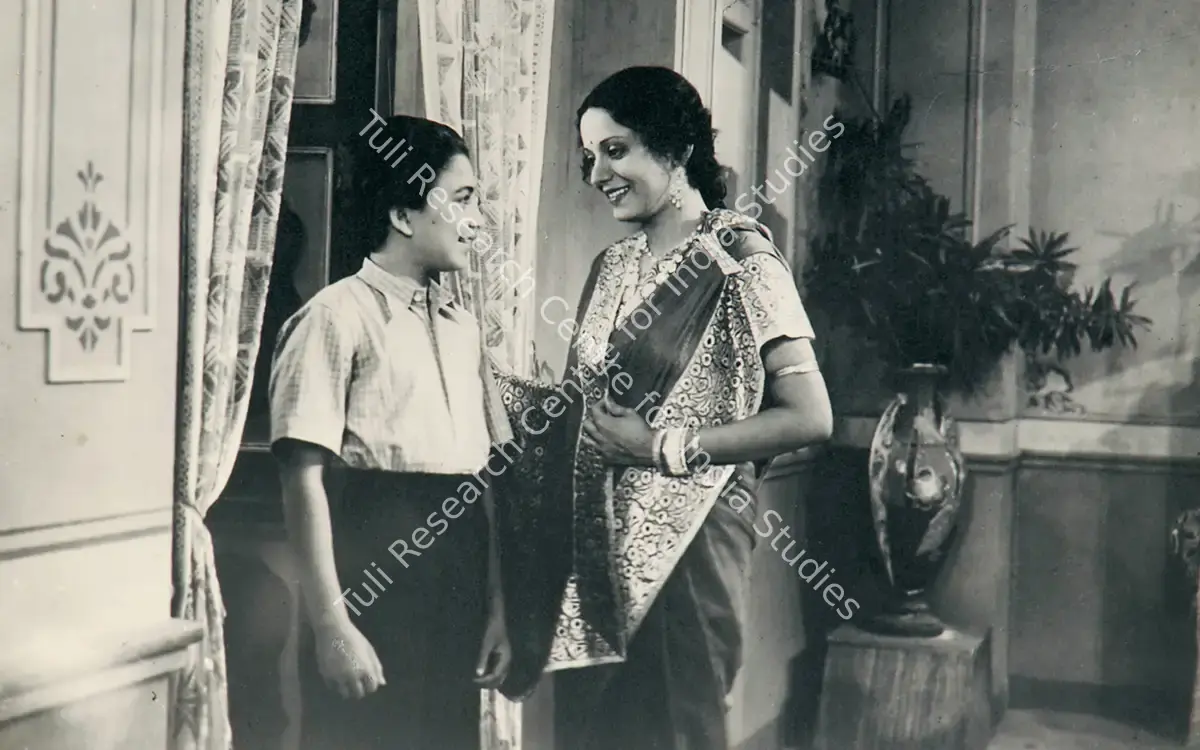
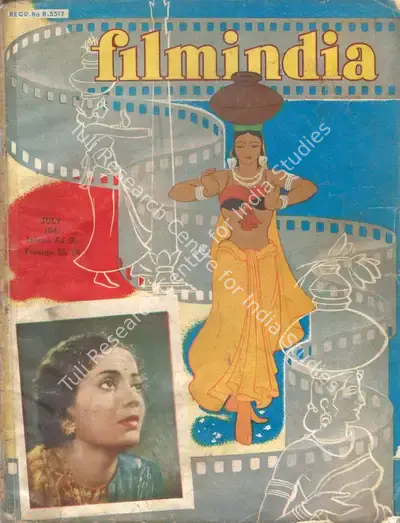
Leela Chitnis (née Nagarkar; 9 September 1909 – 14 July 2003) was a pioneering Indian actress whose career spanned five decades, from the 1930s to the 1980s. Initially celebrated for her romantic lead roles, she later became renowned for her portrayals of the virtuous and self-sacrificing mother—a figure that became a defining archetype in Hindi cinema.
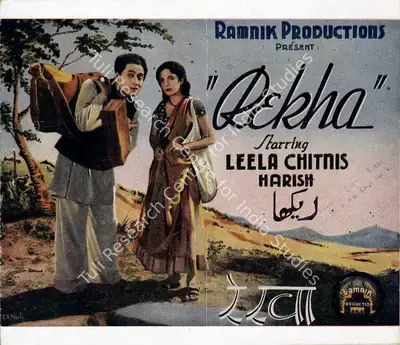
Born into a Marathi-speaking Brahmin family in Dharwad, Karnataka, Chitnis was the daughter of an English literature professor. She earned a bachelor's degree, making her one of the first educated women in Indian cinema. Early in her career, she joined Natyamanwantar, a progressive Marathi theatre group influenced by Ibsen, Shaw, and Stanislavsky, where she performed leading roles in both comedies and tragedies and eventually established her own repertory. Her early-stage work included Usna Navra (1934) and Udyacha Sansar. To support her four children, she transitioned from theatre to cinema, initially taking on minor and stunt roles.
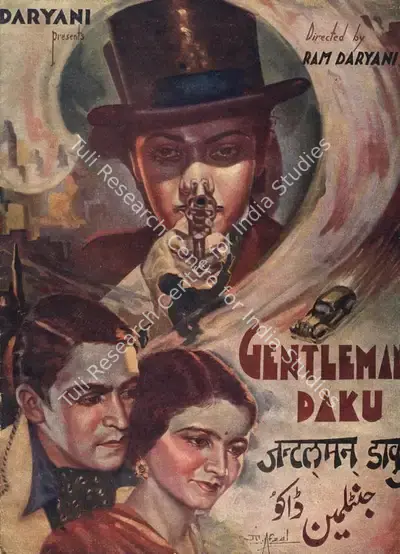
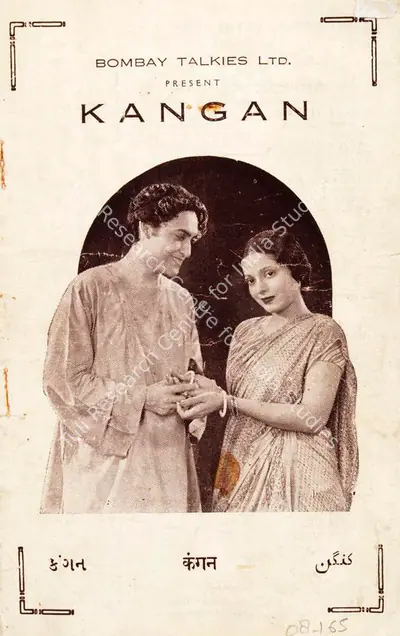
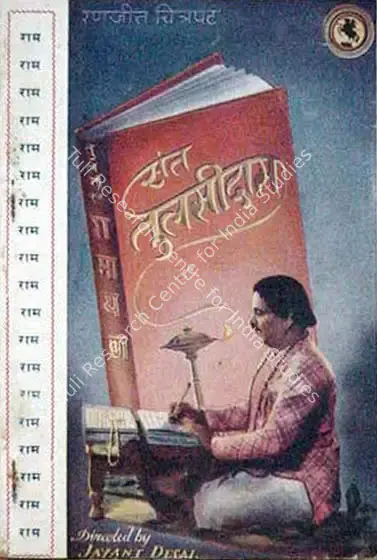
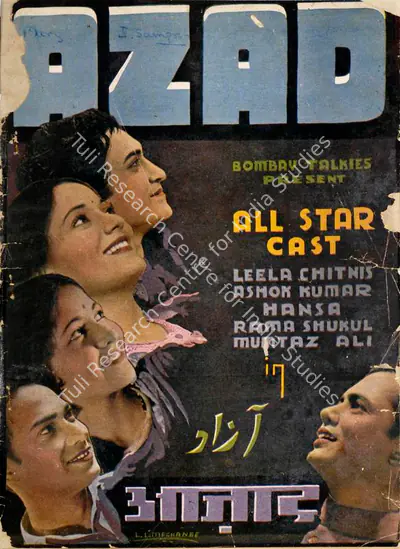
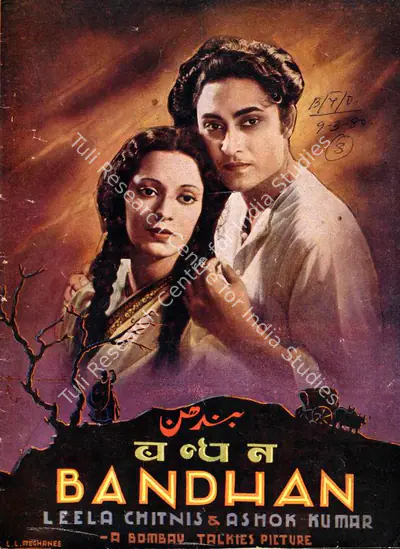
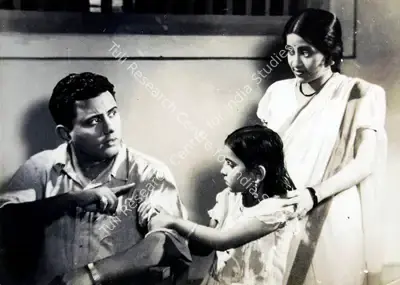
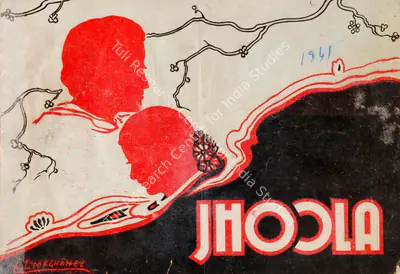
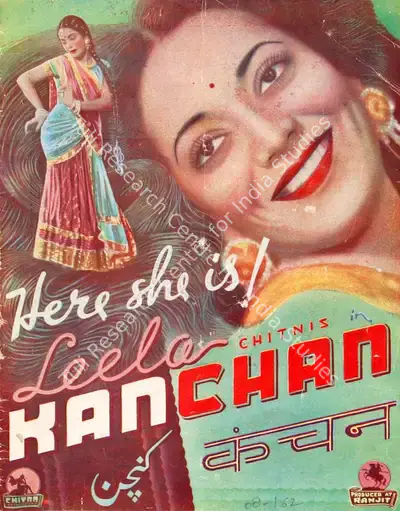
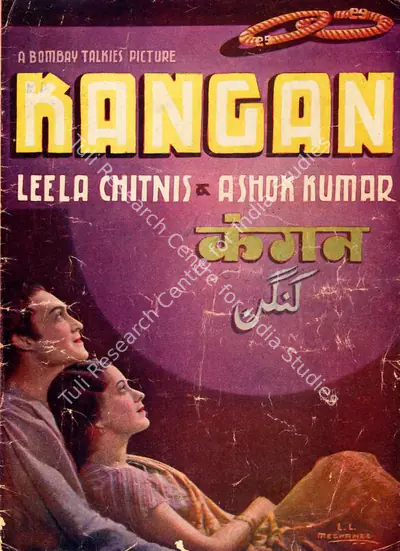
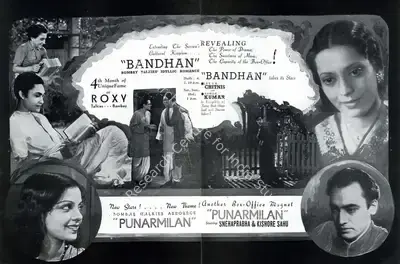
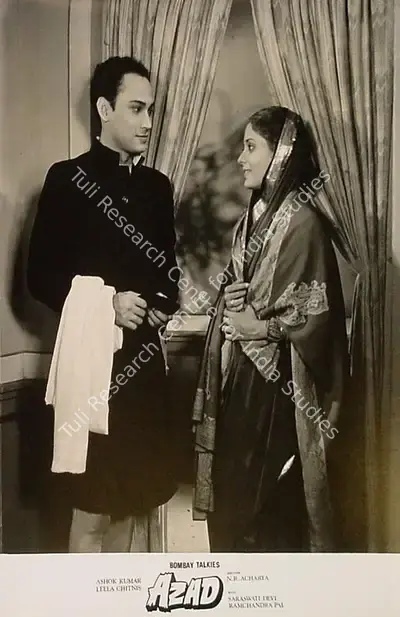
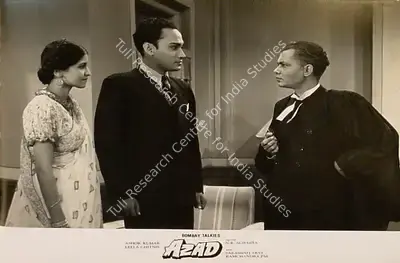
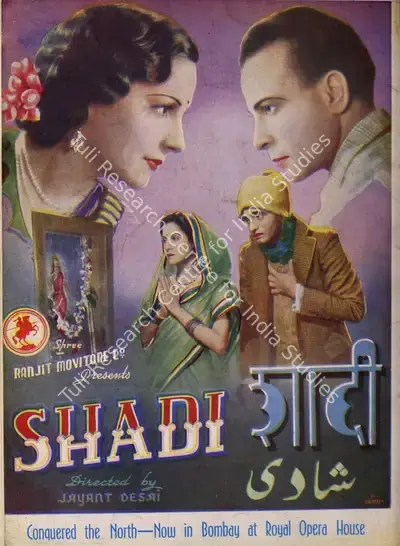
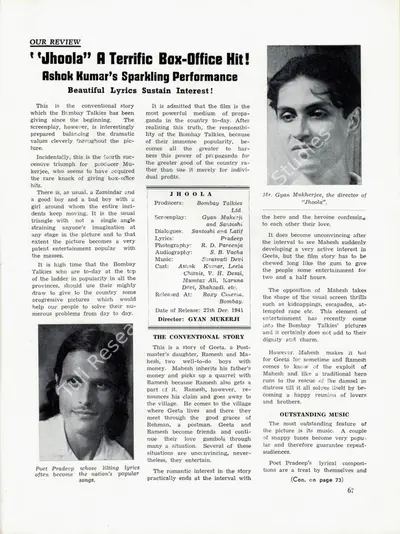
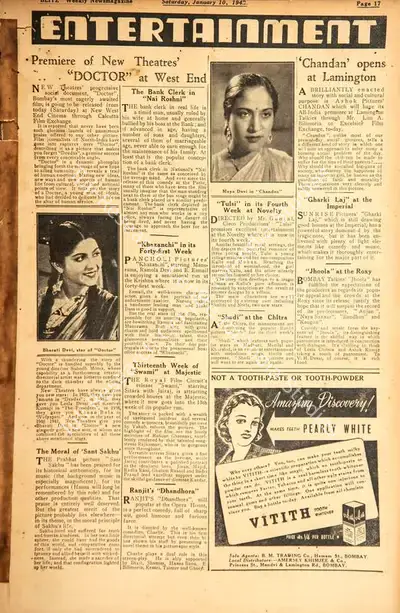
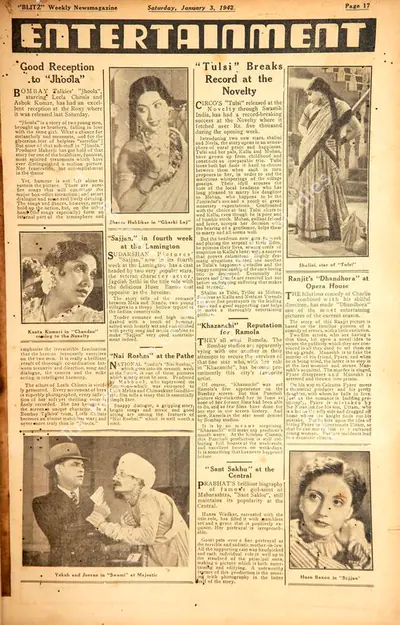
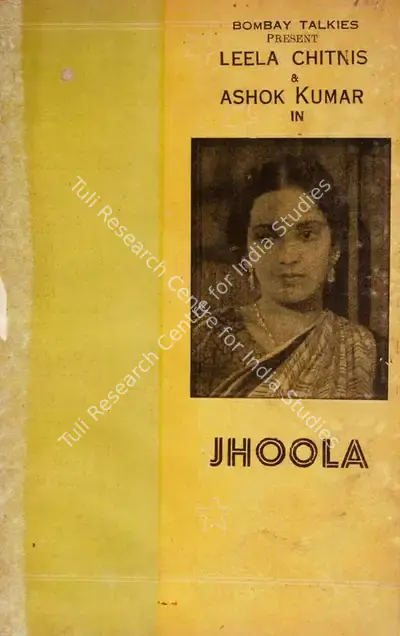
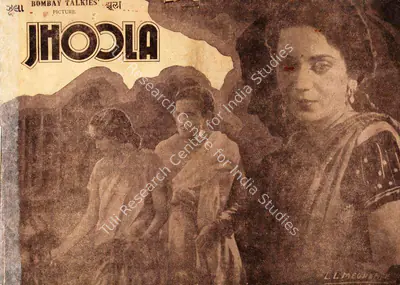
Her breakthrough came with Gentleman Daku (1937), in which she portrayed a sophisticated female thief, earning the distinction of being publicised as the first “graduate society lady” from Maharashtra in The Times of India. Chitnis subsequently worked with Prabhat Pictures and Ranjit Movietone before joining Bombay Talkies. The studio's revival began with Kangan (1939), where Chitnis played the adopted daughter of a priest who falls in love across caste boundaries—a progressive theme that resonated deeply with audiences. Her success in Kangan led her to replace Devika Rani as Bombay Talkies' leading lady, starring opposite Ashok Kumar in box-office successes such as Azad (1940), Bandhan (1940), and Jhoola (1941). In 1941, she became the first Indian film star to endorse Lux soap, a distinction previously reserved for Hollywood actresses.
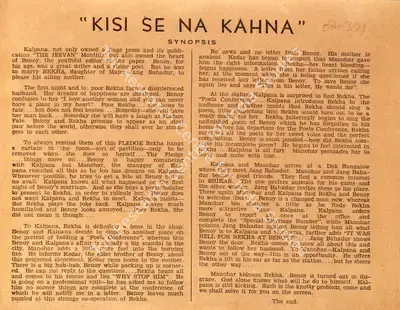
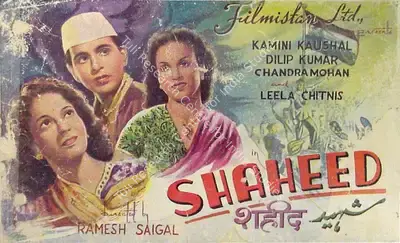
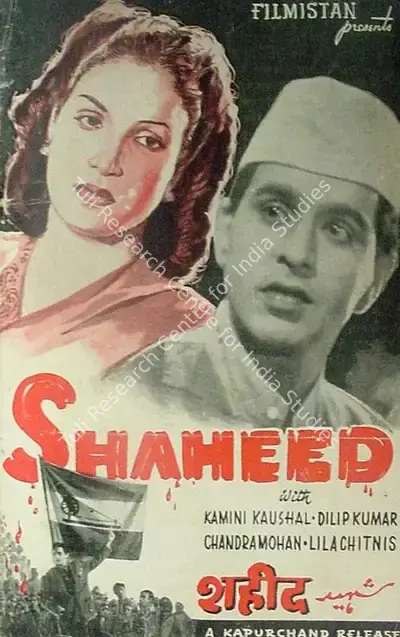
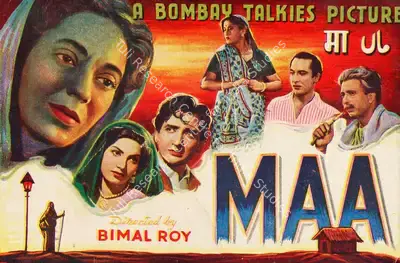
By the mid-1940s, Chitnis transitioned into maternal roles, beginning with Shaheed (1948). Over the next two decades, she became the quintessential “Hindi film mother,” appearing in classics such as Awaara (1951), Maa (1952), Ganga Jumna (1961), and Guide (1965). Her later films included Satyam Shivam Sundaram: Love Sublime (1978) and Dil Tujhko Diya (1987). Beyond acting, she produced Kisise Na Kehna (1942), directed Aaj Ki Baat (1955), and authored her autobiography Chanderi Duniyet (1981). She spent her final years in Connecticut, USA, passing away in 2003 at the age of 94.
कर्नाटक के धारवाड़ में मराठी बोलने वाले ब्राह्मण परिवार में जन्मीं चिटनिस, अंग्रेज़ी साहित्य के एक प्रोफ़ेसर की बेटी थीं। उन्होंने बैचलर डिग्री हासिल की, जिससे वह भारतीय सिनेमा की शुरुआती पढ़ी-लिखी महिलाओं में से एक थीं। अपने करियर की शुरुआत में, वह 'नाट्यमन्वंतर' से जुड़ीं, जो हेनरिक इब्सन, जार्ज बर्नार्ड शॉ और कॉन्स्टेंटिन स्टैनिस्लावस्की से प्रभावित एक प्रगतिशील मराठी थिएटर ग्रुप था। यहाँ उन्होंने कॉमेडी और ट्रेजेडी दोनों तरह के नाटकों में मुख्य भूमिकाएँ निभाईं और बाद में अपना ख़ुद का थिएटर ग्रुप बनाया। उनके शुरुआती नाटकों में 'उस्ना नवरा' (1934) और 'उद्याचा संसार' शामिल थे। अपने चार बच्चों की परवरिश के लिए, उन्होंने थिएटर से सिनेमा का रुख़ किया और शुरुआत में छोटे-मोटे और स्टंट वाले रोल किए।
उन्हें 'जेंटलमैन डाकू' (1937) से बड़ी क़ामयाबी मिली, जिसमें उन्होंने एक समझदार महिला चोर का किरदार निभाया था। इस फ़िल्म के बाद 'टाइम्स ऑफ़ इंडिया' ने उन्हें महाराष्ट्र की पहली "ग्रेजुएट सोशलाइट महिला" (पढ़ी-लिखी और ऊँचे समाज की महिला) के तौर पर पेश किया। बॉम्बे टॉकीज़ से जुड़ने से पहले, चिटनिस ने प्रभात पिक्चर्स और रंजीत मूवीटोन के साथ काम किया। स्टूडियो की वापसी 'कंगन' (1939) फ़िल्म से हुई, जिसमें चिटनिस ने एक पुजारी की गोद ली हुई बेटी का किरदार निभाया था। इस फ़िल्म में उन्हें अलग जाति के व्यक्ति से प्यार हो जाता है। यह एक प्रगतिशील विषय था जिसे दर्शकों ने बहुत पसंद किया। 'कंगन' की सफलता के बाद, वह बॉम्बे टॉकीज़ की मुख्य अभिनेत्री बनीं और अशोक कुमार के साथ 'आज़ाद' (1940), 'बंधन' (1940) और 'झूला' (1941) जैसी बॉक्स-ऑफ़िस हिट फ़िल्मों में काम किया। 1941 में, वह लक्स साबुन का विज्ञापन करने वाली पहली भारतीय फ़िल्म स्टार बनीं। यह सम्मान पहले सिर्फ़ हॉलीवुड अभिनेत्रियों को ही मिलता था।
1940 के दशक के मध्य तक चिटनिस ने माँ के किरदार निभाने शुरू कर दिए, जिसकी शुरुआत 'शहीद' (1948) फ़िल्म से हुई। अगले दो दशकों में, वह हिंदी फ़िल्मों की आदर्श "माँ" बन गईं और 'आवारा' (1951), 'माँ' (1952), 'गंगा जमुना' (1961) और 'गाइड' (1965) जैसी क्लासिक फ़िल्मों में नज़र आईं। उनकी बाद की फ़िल्मों में 'सत्यम शिवम सुंदरम: लव सबलाइम' (1978) और 'दिल तुझको दिया' (1987) शामिल थीं। अभिनय के अलावा, उन्होंने 'किसी से न कहना' (1942) फ़िल्म प्रोड्यूस की, 'आज की बात' (1955) का निर्देशन किया और अपनी आत्मकथा 'चंदेरी दुनिया' (1981) लिखी। उन्होंने अपने जीवन के आख़िरी साल कनेक्टिकट (USA) में बिताए और 2003 में 94 साल की उम्र में उनका निधन हो गया।
Filmography 78
Research Centre
Related
44
Films
21
Personalities
21