


Introduction
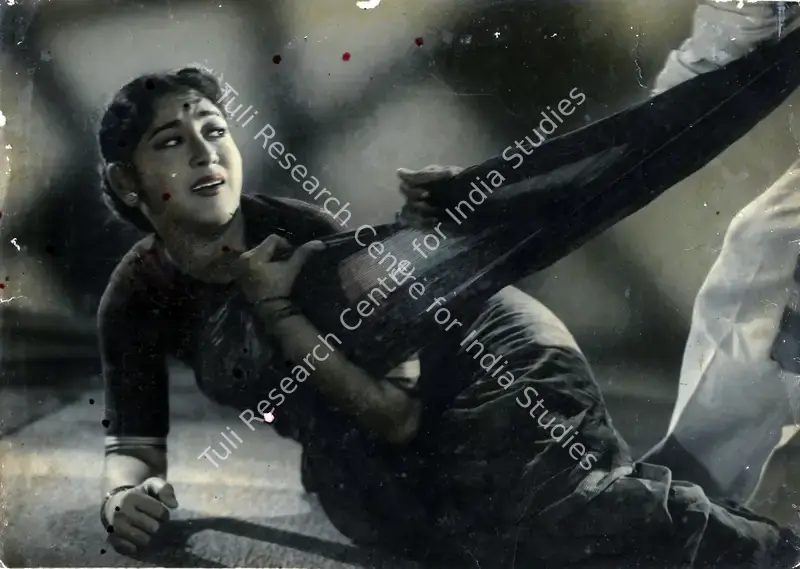
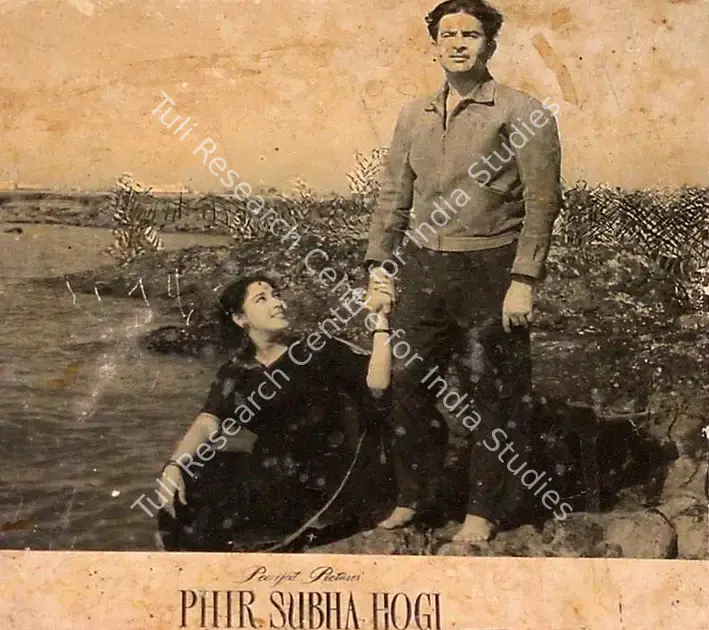
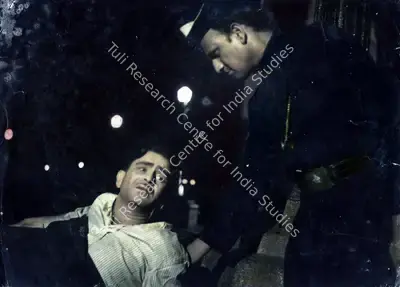
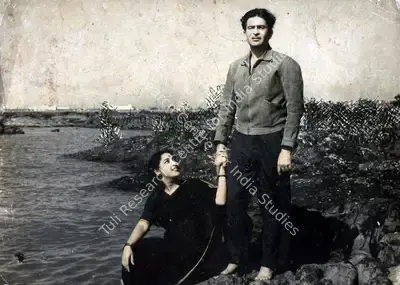
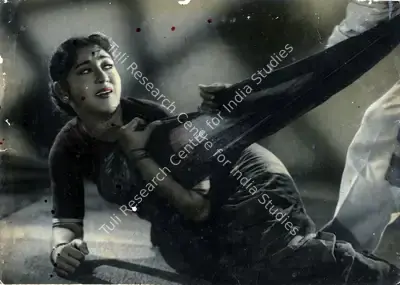
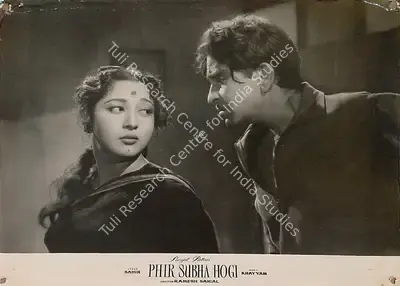
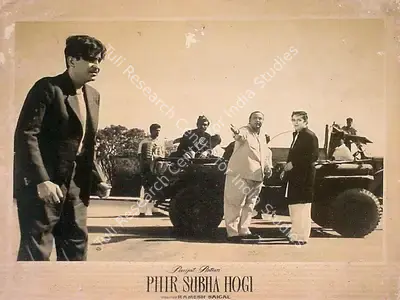
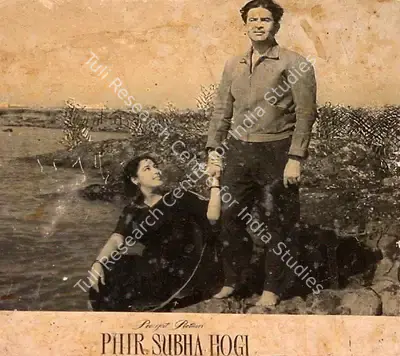
Phir Subha Hogi (1958), produced and directed by Ramesh Saigal, starred Raj Kapoor, Mala Sinha, and Rehman. A faithful adaptation of Fyodor Dostoevsky's Crime and Punishment, the film told the gripping story of Ram, a poor but brilliant law student. It became the fourth highest-grossing film of 1958, declared a hit at the Indian box office.
Ram supports his studies through money orders sent by his mother and by pawning his belongings. One day, he saves a child from an accident and, moved by the boy's impoverished family, donates all his savings for the child's treatment. Desperate and disillusioned by his circumstances, Ram eventually decides to rob a moneylender's safe—mirroring the internal conflict central to Dostoevsky's original work.
Despite its dark, introspective tone—uncommon in Hindi cinema of that time—Phir Subha Hogi resonated with audiences. Its success is especially notable given the era's limited exposure to crime dramas with moral and philosophical themes.
The film's music, composed by Khayyam with lyrics by Sahir Ludhianvi, was widely acclaimed. The iconic Woh Subah Kabhi To Aayegi sung by Mukesh and Asha Bhosle became the soul of the film, symbolizing hope amidst despair. Songs like Chin-O-Arab Hamara satirized Nehruvian politics and the socio-economic conditions of post-independence India, stirring both admiration and controversy. The line Rehne ko ghar nahin hai, sara jahan hamara came close to being censored for its political overtones.
Other memorable tracks include Jis Pyar Mein Yeh Haal Ho (Rafi, Mukesh), Phir Na Kijiye Meri Gustakh Nigahon Ka Gila (Asha Bhosle, Mukesh), and Do Boonden Sawan Ki (Asha Bhosle). Each song added emotional depth to the narrative, enhancing the film's enduring impact.
इस फ़िल्म की कहानी राम (राज कपूर) नामक एक गरीब लेकिन प्रतिभाशाली छात्र के साथ आगे बढ़ती है। राम कानून का विद्यार्थी है। गरीब राम अपनी पढ़ाई का खर्च किसी तरह माँ द्वारा भेजे मनीऑर्डर और घर की चीज़ें गिरवी रख पूरा करता है। एक दिन वह एक बच्चे की जान बचाता है। वह उस बच्चे के परिवार की बदहाली को देखकर भावुक हो जाता है और अपना सारा जमा किया हुआ धन उस बच्चे के इलाज के लिए दे देता है। परिस्थितियों से हारा, हताशा में डूबा राम मजबूरी में एक साहूकार की तिजोरी लूटने का फैसला करता है। फ़िल्म का यह नैतिक द्वंद्व दोस्तोयेवस्की के उपन्यास में मौजूद इंसान की भीतरी कशमकश को प्रतिबिंबित करता है।
यह फ़िल्म उस दौर के हिन्दी सिनेमा की चाल से कुछ अलग कहानी लिये हुए थी। गहरे आत्ममंथन और नैतिकता की बहसों से भरी इस कहानी को फिर भी दर्शकों ने पसन्द किया। इसका कामयाब होना विशेष बन गया क्योंकि उस दौर की अपराध कथाओं में नैतिक और दार्शनिक किस्म की कशमकश से भरी फ़िल्में मुश्किल से होती थीं।
फिर सुबह होगी के लिए संगीत ख़य्याम ने तैयार किया था और गानों के बोल साहिर लुधियानवी ने लिखे थे। फ़िल्म का संगीत खूब मक़बूल हुआ। गायक मुकेश और आशा भोंसले की आवाज़ों में “वो सुबह कभी तो आएगी” गीत फ़िल्म की आत्मा सरीख़ा था। यह गाना निराशा में डूबे हर इंसान के लिए उम्मीद की ज्योत का प्रतीक बन गया। इसके साथ फ़िल्म का दूसरा गीत “चीन-ओ-अरब हमारा” नेहरू युग की राजनीति में आदर्शों के बिखराव की ओर इशारा करता है। यह गाना आज़ादी के बाद भी मुल्क के बदहाल सामाजिक-आर्थिक हालात पर व्यंग्य करता है, जिसे तारीफ़ भी मिली और विवाद भी पैदा हुए। गीत में आई “रहने को घर नहीं है, सारा जहाँ हमारा” जैसी पंक्ति अपने गहरे राजनैतिक व्यंग्य के चलते सेंसर होने के बेहद करीब आ गई थी।
फ़िल्म के अन्य यादगार गीतों में मोहम्मद रफ़ी और मुकेश का गाया “जिस प्यार में ये हाल हो”, आशा भोंसले और मुकेश का गाया “फिर न कीजिए मेरी गुस्ताख निगाहों का गिला” और आशा भोंसले का गाया “दो बूंदें सावन की” प्रमुख हैं। फ़िल्म के इन सभी यादगार गीतों ने कथानक में मौजूद जज़्बातों को और उभारा जिससे कहानी को भावनात्मक गहराई मिली। फिर सुबह होगी अपने दौर की एक अलग, यादगार फ़िल्म बनकर उभरी।
Body of Work
Research Centre
Related
3