

Introduction
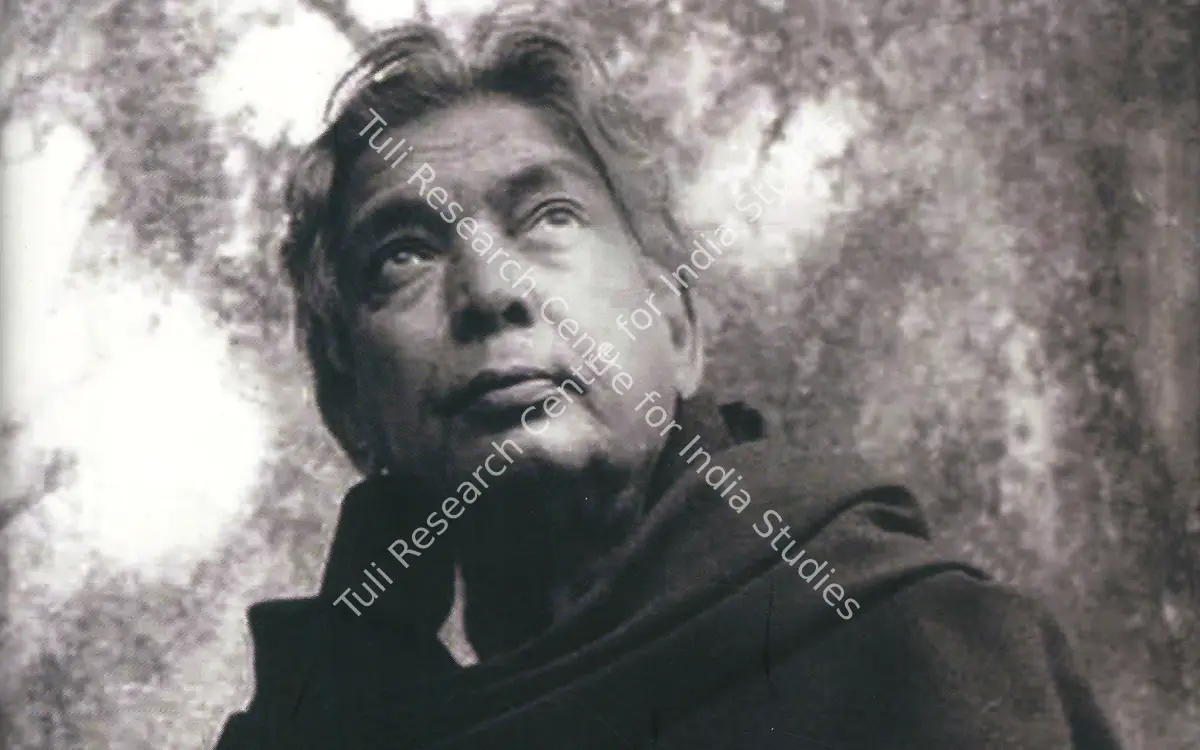
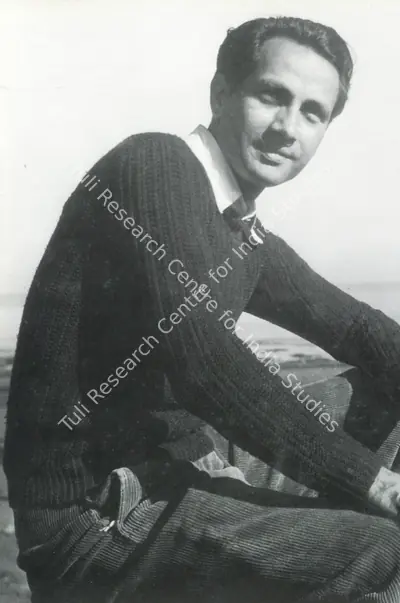
Kaifi Azmi (born Athar Husain Rizvi; 14 January 1919 – 10 May 2002) occupies a singular place in modern Indian literary and cultural history as one of the most influential Urdu poets of the twentieth century and a pioneering figure who successfully brought the richness of Urdu literature into mainstream Indian cinema. A distinguished participant in the celebrated mushairas of his era, he shared literary platforms with eminent poets such as Pirzada Qasim and Jaun Elia, helping shape the intellectual and poetic discourse of South Asia. Beyond literature, Azmi was a committed Marxist whose political vision was rooted in the aspiration of a socially just and socialist India.
Born in the village of Mijwan in Uttar Pradesh's Azamgarh district, Azmi belonged to a family steeped in literary and artistic traditions. His three brothers were also poets. He married theatre and film actor Shaukat Kaifi, and together they became one of India's most respected cultural couples. Their daughter, Shabana Azmi, emerged as one of India's finest actors, while their son, Baba Azmi, became an acclaimed cinematographer. His daughter-in-law, Tanvi Azmi, is also a noted actor.
Azmi's formative years coincided with India's freedom struggle and the rise of progressive political movements. During the Partition of India in 1947, he was living underground in Aurangabad because of his political activism and his association with the Communist Party. While his parents and five brothers migrated to Karachi, he remained in India. For years thereafter, despite having close family in Pakistan, he was denied a visa because of his communist affiliations.
His poetic talent manifested remarkably early. At the age of eleven, he composed his first ghazal, Itna To Zindagi Mein Kisi Ki Khalal Pade, and recited it at a mushaira. Initially, many listeners assumed that the composition belonged to his elder brother. To test the young boy's abilities, his father challenged him to write a ghazal in a prescribed metre and rhyme scheme. Azmi rose to the occasion, producing a work that later gained immense popularity across undivided India and was immortalised through the voice of the legendary singer Begum Akhtar.
The Quit India Movement of 1942 marked a decisive turning point in his life. He abandoned his formal studies in Persian and Urdu and, in 1943, joined the Communist Party of India as a full-time activist. His leadership qualities and literary promise earned the admiration of leading progressive writers in Lucknow, who encouraged his development as a poet. Soon, he became a prominent member of the Progressive Writers' Movement. At the age of twenty-four, he began organising textile workers in Kanpur before relocating to Bombay, where he devoted himself to trade union work and cultural activism.
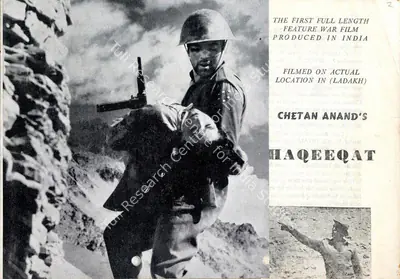
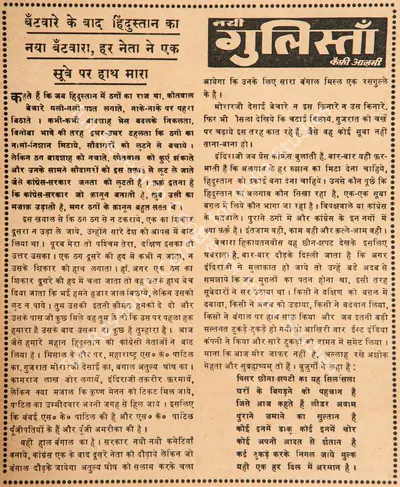
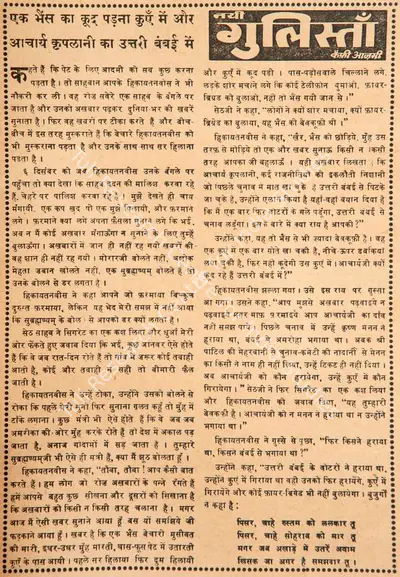
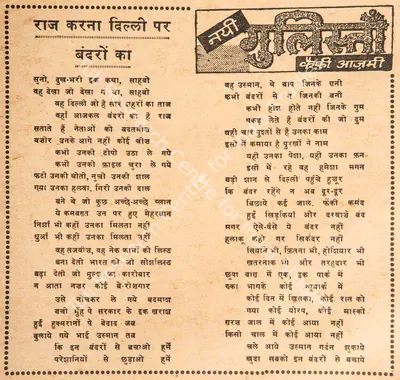
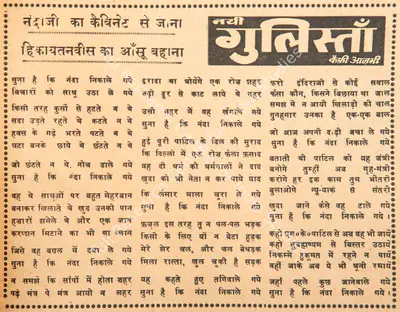
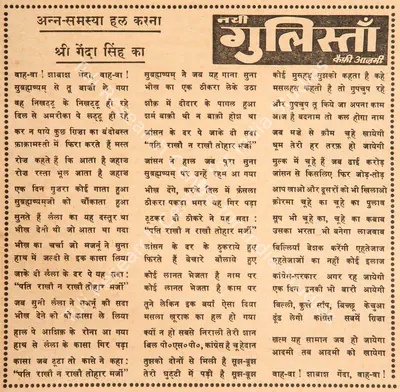
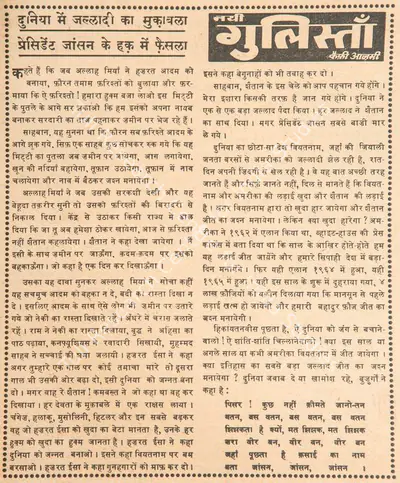
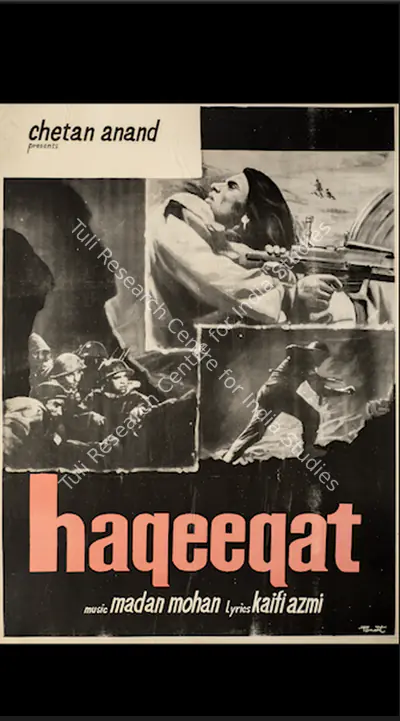
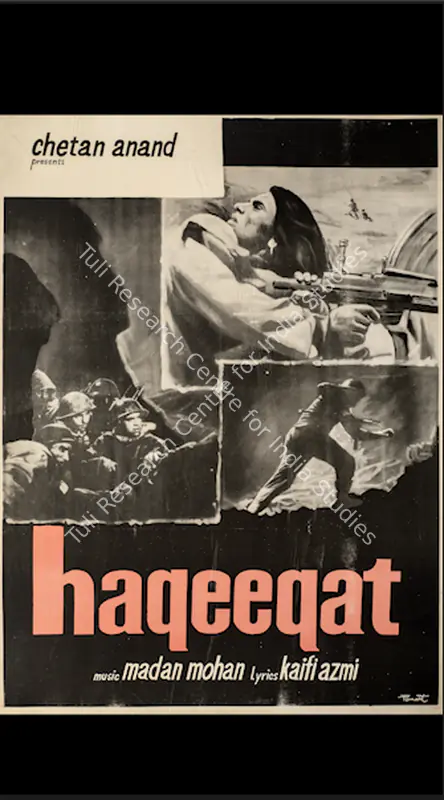
Azmi's literary legacy includes celebrated poetry collections such as Aakhir-e-Shab, Sarmaya, Awaara Sajde, Kaifiyaat, Nai Gulistan, Meri Awaaz Suno, and Heer Raanjha. Among his most admired poems are Aurat, Makaan, Daaera, Sanp, and Bahuroopni. His patriotic lyric Kar Chale Hum Fida, featured in the film Haqeeqat (1964), remains one of the most enduring expressions of national sacrifice in Indian cinema.
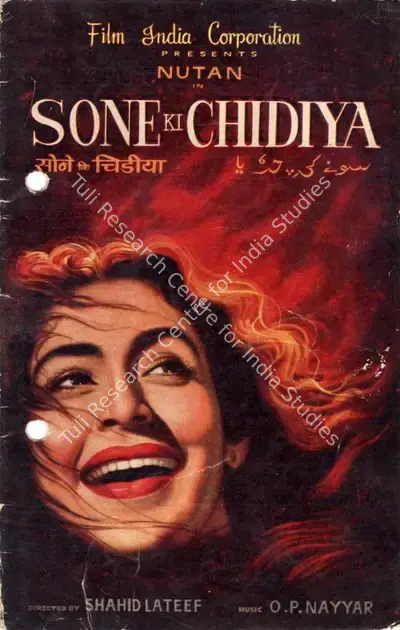
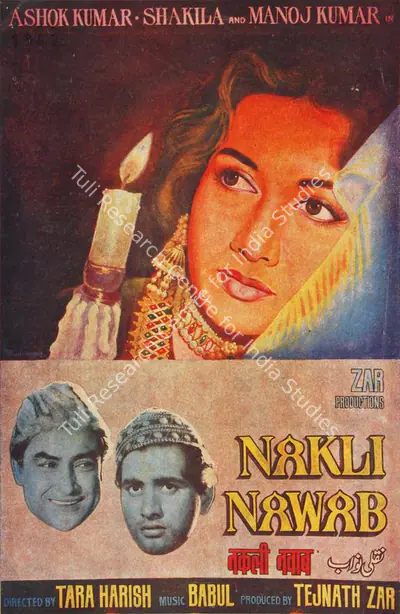
His cinematic career was equally distinguished. He began writing film lyrics with Buzdil (1951), directed by Shaheed Latif and scored by S. D. Burman. He subsequently contributed to films such as Yahudi Ki Beti (1956), Parvin (1957), Miss Punjab Mail (1958), and Id Ka Chand (1964). Alongside contemporaries including Sahir Ludhianvi, Jan Nisar Akhtar, and Majrooh Sultanpuri, Azmi transformed the language and sensibility of Hindi film songs.
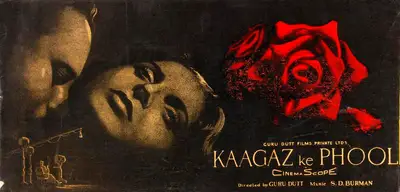
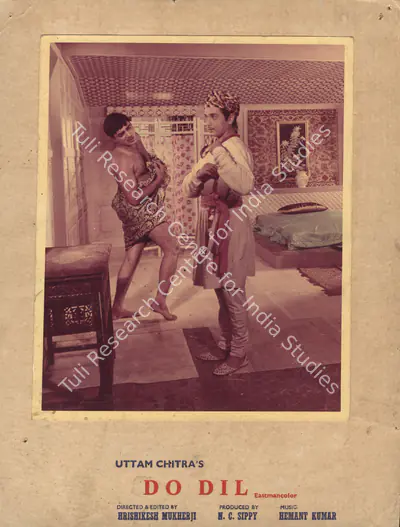
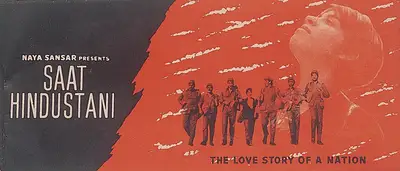
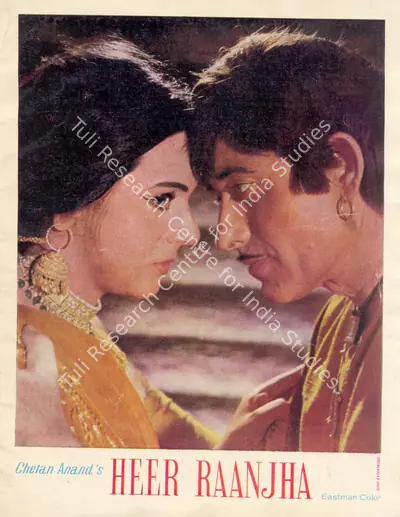
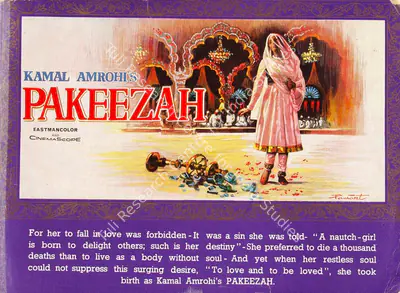
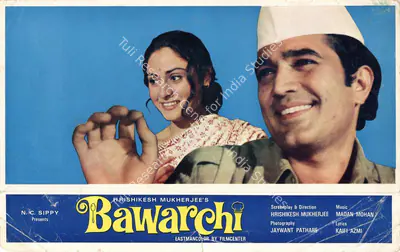
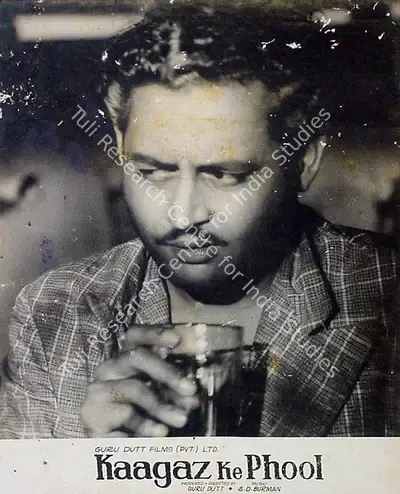
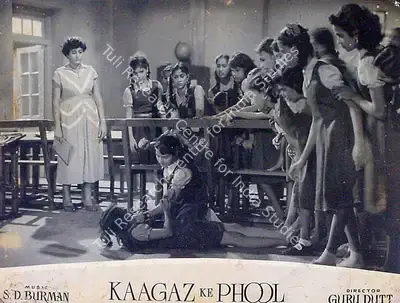
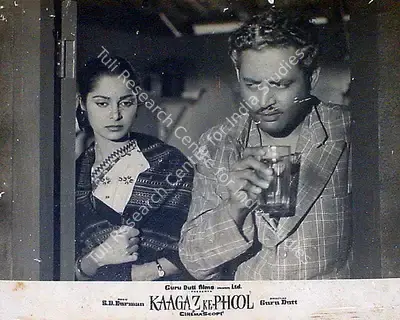
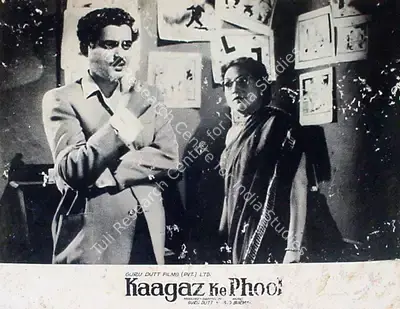
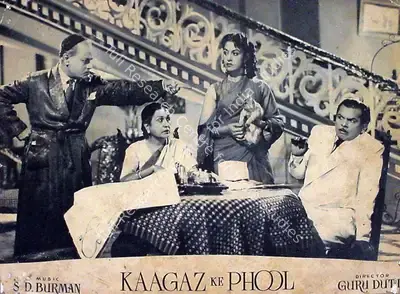
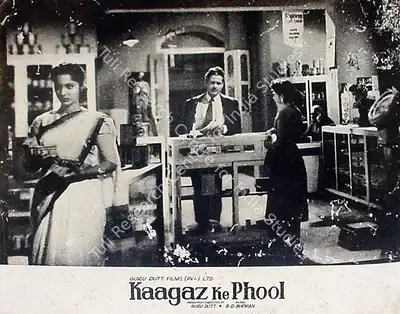
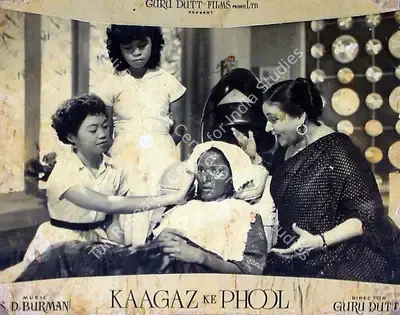
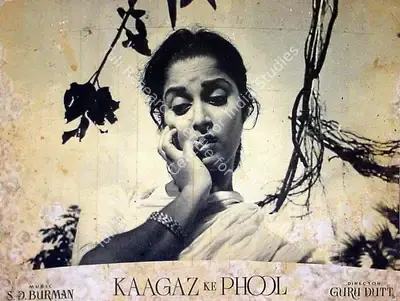
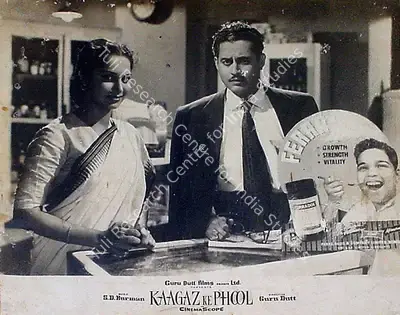
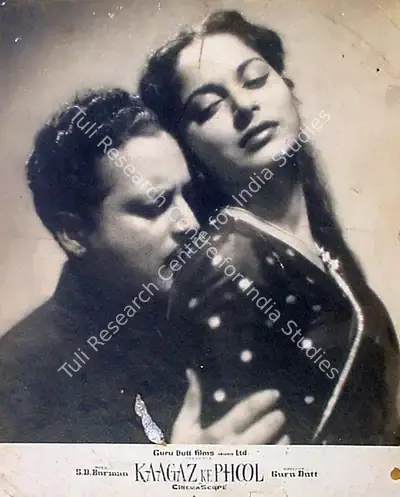
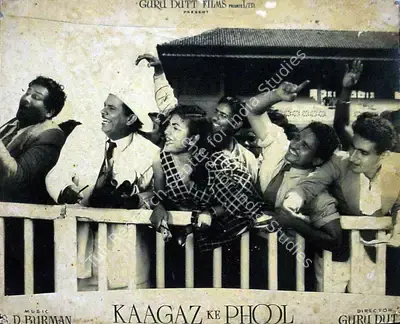
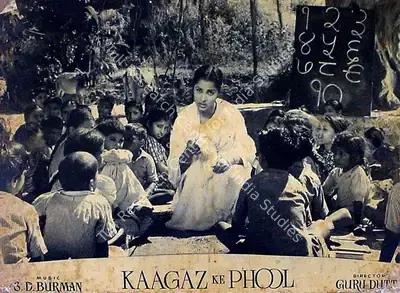
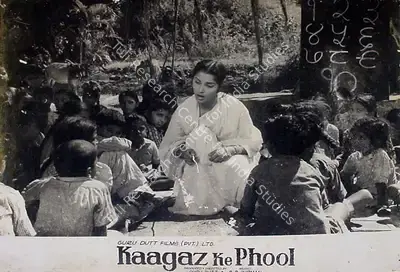
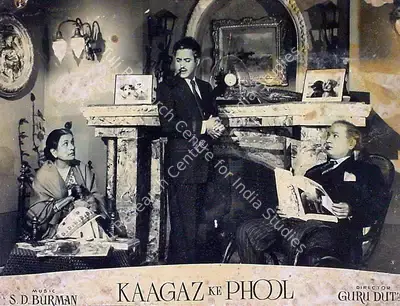
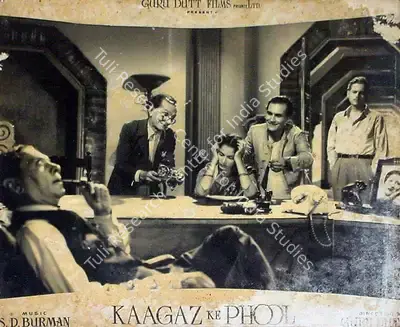
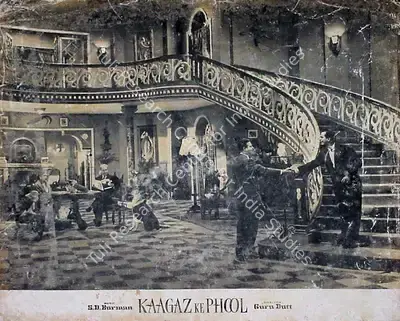
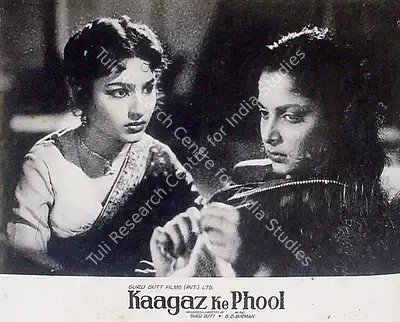
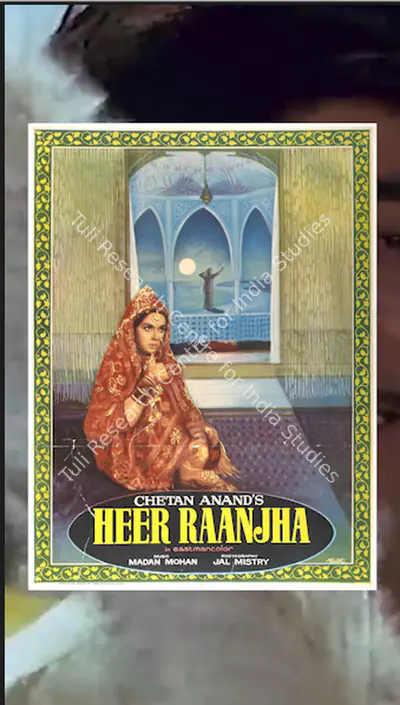
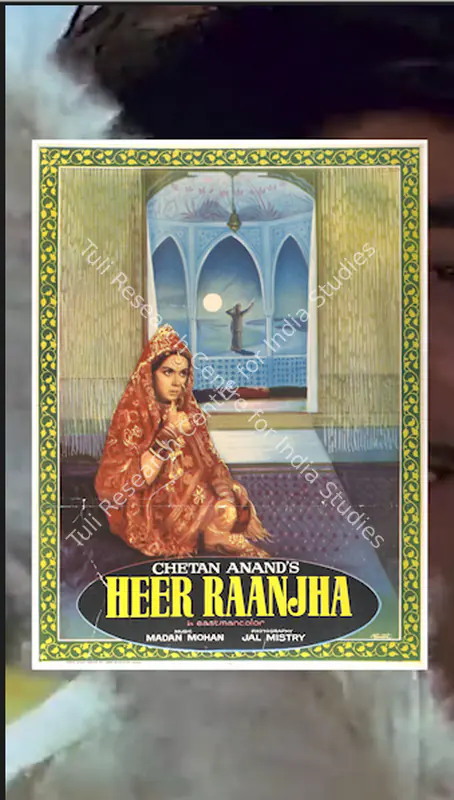
One of his greatest achievements was Heer Raanjha (1970), directed by Chetan Anand, for which he wrote the entire dialogue in verse—an extraordinary accomplishment in Indian screenwriting. He also earned widespread acclaim for the screenplay, dialogues, and lyrics of Garam Hawa (1973), directed by M. S. Sathyu and based on a story by Ismat Chughtai. His other notable contributions include Kaagaz Ke Phool (1959), Kohraa (1964), Anupama (1966), Saat Hindustani (1969), Parwana (1971), Bawarchi (1972), Pakeezah (1972), Hanste Zakhm (1973), Manthan (1976), Arth (1982), and Razia Sultan (1983). He also appeared memorably as the grandfather in Naseem (1995).
Azmi received numerous honours, including the Padma Shri in 1974, the Sahitya Akademi Award for Awaara Sajde, the Soviet Land Nehru Award, the Lotus Award, the Maharashtra Urdu Academy Award, the Jnaneshwar Award, and the Sahitya Akademi Fellowship. In protest against disparaging remarks about Urdu made by Uttar Pradesh Chief Minister Vir Bahadur Singh, he returned his Padma Shri, underscoring his lifelong commitment to linguistic dignity and cultural pluralism.
In 2000, he received the first Millennium Award from the Government of Delhi and the Delhi Urdu Academy and was honoured with a doctorate from Visva-Bharati University, Santiniketan. Kaifi Azmi passed away on 10 May 2002 at the age of eighty-three, leaving behind an outstanding literary and cinematic legacy that continues to inspire generations across South Asia.
उत्तर प्रदेश के आज़मगढ़ ज़िले के मिजवान गाँव में जन्मे आज़मी ऐसे परिवार से थे जो साहित्य और कला की परंपराओं से गहराई से जुड़ा हुआ था। उनके तीनों भाई भी कवि थे। उन्होंने थिएटर और फ़िल्म अभिनेत्री शौकत कैफ़ी से शादी की और वे दोनों भारत के सबसे सम्मानित सांस्कृतिक जोड़ों में से एक बन गए। उनकी बेटी शबाना आज़मी भारत की बेहतरीन अभिनेत्रियों में से एक हैं, जबकि उनके बेटे बाबा आज़मी एक जाने-माने सिनेमैटोग्राफ़र हैं। उनकी बहू तन्वी आज़मी भी एक मशहूर अभिनेत्री हैं।
आज़मी के शुरुआती साल भारत की आज़ादी की लड़ाई और प्रगतिशील राजनीतिक आंदोलनों के उभार के दौर में गुज़रे। 1947 में भारत के बँटवारे के समय, अपनी राजनीतिक सक्रियता और कम्युनिस्ट पार्टी से जुड़ाव के कारण वे औरंगाबाद में भूमिगत होकर रह रहे थे। जहाँ उनके माता-पिता और पाँच भाई कराची चले गए, वहीं वे भारत में ही रहे। इसके बाद कई सालों तक, पाकिस्तान में क़रीबी परिवार होने के बावजूद, कम्युनिस्ट विचारधारा से जुड़े होने के कारण उन्हें वीज़ा नहीं मिला।
उनकी शायरी की प्रतिभा बहुत कम उम्र में ही दिखने लगी थी। ग्यारह साल की उम्र में उन्होंने अपनी पहली ग़ज़ल 'इतना तो ज़िंदगी में किसी की खलल पड़े' लिखी और एक मुशायरे में उसे सुनाया। शुरू में कई सुनने वालों को लगा कि यह रचना उनके बड़े भाई की है। उस युवा लड़के की क़ाबिलियत को परखने के लिए, उनके पिता ने उन्हें एक तय मीटर और तुकबंदी (राइम स्कीम) में ग़ज़ल लिखने की चुनौती दी। आज़मी इस चुनौती पर खरे उतरे और एक ऐसी रचना तैयार की जो बाद में अविभाजित भारत में बेहद लोकप्रिय हुई और मशहूर गायिका बेग़म अख्तर की आवाज़ में अमर हो गई।
1942 का 'भारत छोड़ो आंदोलन' उनके जीवन का एक निर्णायक मोड़ साबित हुआ। उन्होंने फ़ारसी और उर्दू की अपनी औपचारिक पढ़ाई छोड़ दी और 1943 में कम्युनिस्ट पार्टी ऑफ़ इंडिया में एक पूर्णकालिक कार्यकर्ता के तौर पर शामिल हो गए। उनके नेतृत्व के गुणों और साहित्यिक क्षमता ने लखनऊ के प्रमुख प्रगतिशील लेखकों का ध्यान खींचा, जिन्होंने एक कवि के तौर पर उनके विकास को बढ़ावा दिया। जल्द ही वह 'प्रोग्रेसिव राइटर्स मूवमेंट' (प्रगतिशील लेखक संघ) के एक प्रमुख सदस्य बन गए। चौबीस साल की उम्र में उन्होंने कानपुर में कपड़ा मिल के मज़दूरों को संगठित करना शुरू किया और बाद में बॉम्बे चले गए, जहाँ उन्होंने खुद को ट्रेड यूनियन के काम और सांस्कृतिक गतिविधियों में समर्पित कर दिया।
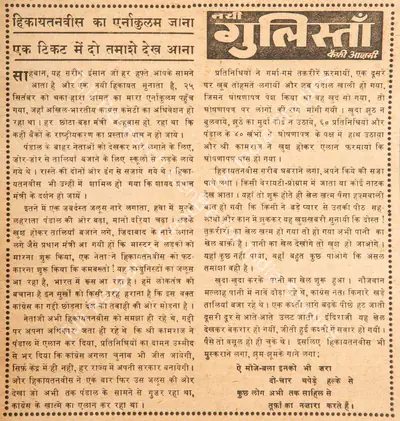
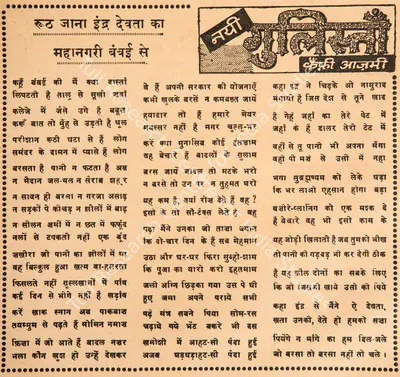
आज़मी की साहित्यिक विरासत में 'आख़िर-ए-शब', 'सरमाया', 'आवारा सजदे', 'कैफ़ियत', 'नई गुलिस्तान', 'मेरी आवाज़ सुनो' और 'हीर रांझा' जैसे मशहूर कविता संग्रह शामिल हैं। उनकी सबसे ज़्यादा पसंद की जाने वाली कविताओं में 'औरत', 'मकान', 'दायरा', 'सांप' और 'बहुरूपनी' शामिल हैं। फ़िल्म हक़ीक़त (1964) में उनका देशभक्ति गीत 'कर चले हम फ़िदा' भारतीय सिनेमा में देश के लिए क़ुर्बानी की भावना को दिखाने वाले सबसे यादगार गीतों में से एक है।
उनका फ़िल्मी करियर भी उतना ही शानदार रहा। उन्होंने शहीद लतीफ़ की डायरेक्ट की हुई और एस. डी. बर्मन के संगीत वाली फ़िल्म 'बुज़दिल' (1951) से फ़िल्मों के लिए गाने लिखना शुरू किया। इसके बाद उन्होंने 'यहूदी की बेटी' (1956), 'परवीन' (1957), 'मिस पंजाब मेल' (1958) और 'ईद का चांद' (1964) जैसी फ़िल्मों में काम किया। साहिर लुधियानवी, जान निसार अख़्तर और मजरूह सुल्तानपुरी जैसे अपने समकालीन कलाकारों के साथ मिलकर आज़मी ने हिंदी फ़िल्मी गानों की भाषा और सोच को बदल दिया।
उनकी सबसे बड़ी उपलब्धियों में से एक थी चेतन आनंद की डायरेक्ट की हुई फ़िल्म 'हीर रांझा' (1970), जिसके लिए उन्होंने पूरी बातचीत (डायलॉग) कविता के रूप में लिखी, जो भारतीय पटकथा लेखन में एक असाधारण उपलब्धि थी। उन्हें एम. एस. सथ्यू की डायरेक्ट की हुई और इस्मत चुग़ताई की कहानी पर आधारित फ़िल्म 'गरम हवा' (1973) की पटकथा, बातचीत और गानों के लिए भी बहुत तारीफ़ मिली। उनके अन्य उल्लेखनीय कामों में 'कागज़ के फूल' (1959), 'कोहरा' (1964), 'अनुपमा' (1966), 'सात हिंदुस्तानी' (1969), 'परवाना' (1971), 'बावर्ची' (1972), 'पाकीज़ा' (1972), 'हंसते ज़ख्म' (1973), 'मंथन' (1976), 'अर्थ' (1982) और 'रज़िया सुल्तान' (1983) शामिल हैं। उन्होंने 'नसीम' (1995) फ़िल्म में दादाजी का यादगार किरदार भी निभाया।
आज़मी को कई सम्मान मिले, जिनमें 1974 में पद्म श्री, 'आवारा सजदे' के लिए साहित्य अकादमी पुरस्कार, सोवियत लैंड नेहरू पुरस्कार, लोटस पुरस्कार, महाराष्ट्र उर्दू अकादमी पुरस्कार, ज्ञानेश्वर पुरस्कार और साहित्य अकादमी फ़ेलोशिप शामिल हैं। उत्तर प्रदेश के मुख्यमंत्री वीर बहादुर सिंह द्वारा उर्दू के बारे में अपमानजनक टिप्पणी करने के विरोध में, उन्होंने अपना पद्म श्री सम्मान लौटा दिया। यह क़दम भाषाई गरिमा और सांस्कृतिक विविधता के प्रति उनके जीवन भर के समर्पण को दर्शाता है।
वर्ष 2000 में उन्हें दिल्ली सरकार और दिल्ली उर्दू अकादमी की ओर से पहला 'मिलेनियम अवार्ड' मिला और विश्व-भारती विश्वविद्यालय, शांतिनिकेतन ने उन्हें डॉक्टरेट की उपाधि से सम्मानित किया। कैफ़ी आज़मी का निधन 10 मई 2002 को 83 वर्ष की आयु में हुआ। वे अपने पीछे एक ऐसी साहित्यिक और सिनेमाई विरासत छोड़ गए हैं जो दक्षिण एशिया में पीढ़ियों को प्रेरित करती रहेगी।
- Date of Birth
- 14 Jan 1919
- Zodiac sign
- Capricorn
- Date of Death
- 10 May 2002
- Age
- 83
- Nationality
- Indian
- Place of Birth
- Mizwaan, United Provinces, British India
- Place of Death
- Mumbai, Maharashtra, India
- Spouse(s)
- Shaukat Kaifi21 Oct 1926 – 22 Nov 2019
- Year Marriage Registered
- 1947-2002
- Children
- Shabana Azmib. 18 Sep 1950
- Sultan-ul-Madressa, Lucknow
Body of Work
31 results
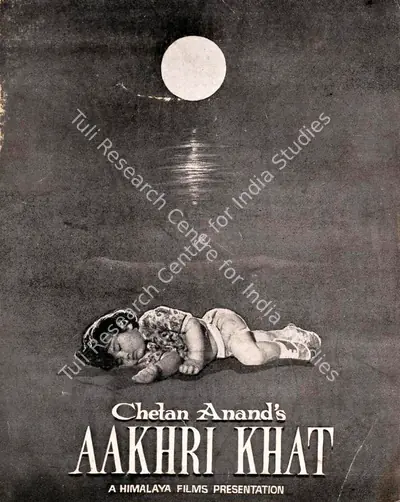
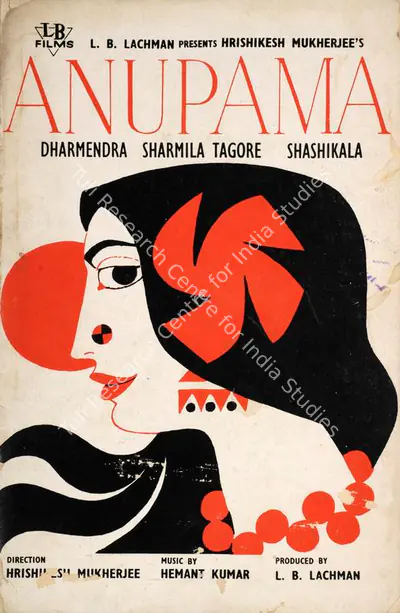
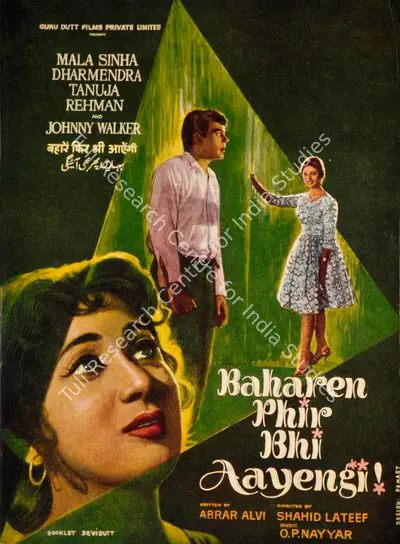
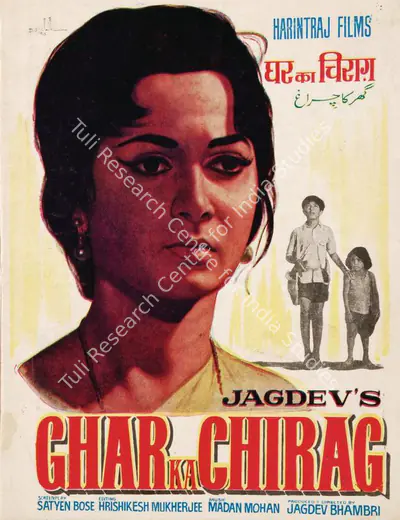
Integrated Timeline
Economics of Culture
1969
- National Film Award
Best Lyrics · Government of India
1973
- National Film Award
Best Story · Directorate of Film Festivals
- National Film Award
Best Screenplay · Directorate of Film Festivals
- Filmfare Award
Best Dialogue · The Times Group
1974
- Padma Shree
Government of India
1975
- Sahitya Akademi Award
Sahitya Akademi
1998
- Maharashtra Gaurav Award
Government of Maharashtra
2000
- Millenium Award
Government of Delhi | Urdu Academy
Research Centre
Posts 3
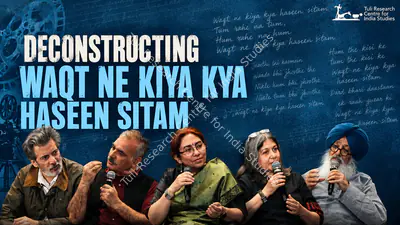
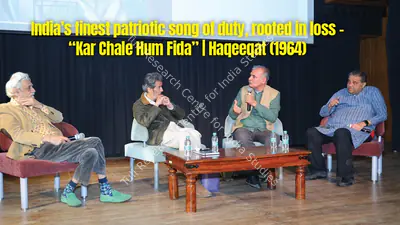
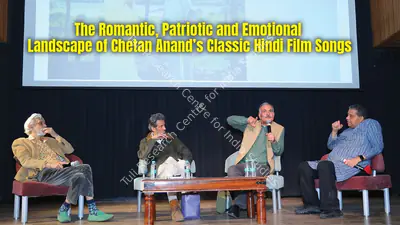
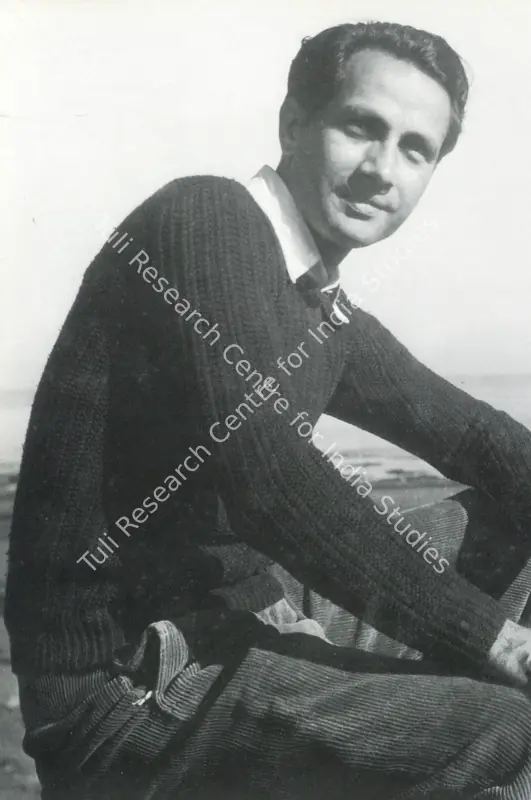
- "Who was Chetan Anand — and why does his cinema still carry such a deep, emotional charge? In this clip, his son Ketan Anand introduces the filmmaker behind Haqeeqat (1964), a man who ""suffered in silence for a long time,"" and the learning he received from that pain, which poured into his films. It was during this time that Kaifi Azmi wrote some of his most remarkable poems for him. The product of this collaboration was a war song that became part of India's collective memory. As Ketan Anand puts it, ""This is not a jingoistic song… this is the pain of human stupidity."" No chest-beating, but a meditation or rather a question on why we go on fighting and killing while talking of love and peace. Somewhere, it is out of this pain that one must evolve. And Anand's cinema did exactly that. This video is an excerpt from the session with Ketan Anand, Ravikant, Pavan Jha and Neville Tuli, part of the series 'Deconstructing the Film Song: A Musical Glue for Nation-Building,' presented by the Tuli Research Centre for India Studies (TRIS) as part of the 7th Self-Discovery via Rediscovering India Festival."
- "What does a patriotic song sound like when it refuses to celebrate aggression? ""Kar Chale Hum Fida"" from Chetan Anand's Haqeeqat (1964) answers that question with a stillness that has stayed with the Indian audiences for over six decades. In this discussion, Ravikant, Professor, CSDS (The Centre for the Study of Developing Societies), highlights that although it is a song about war, it subverts expectations by being devoid of any swashbuckling aggression. The song speaks not of conquest or victory but of sacrifice and collective responsibility; a burden shared equally by soldiers, women, and the young. Kaifi Azmi's lyrics carry no triumphalism of epic proportions, rather only a quiet, devastating sense of duty. Chetan Anand's Haqeeqat released at the time when the idealism of the early independence years was falling apart and the Nehruvian generation, which had carried the dream of a new India, was fading away. The song, with war as it's background, mourns the dead, but it also speaks directly to the living, asking them what they will do with the nation left in their hands. This video is an excerpt from the session with Ketan Anand, Ravikant, Pavan Jha and Neville Tuli, ""A Musical Glue for Nation-Building: Deconstructing the Film Song"", presented by the Tuli Research Centre for India Studies (T.R.I.S.) at the 7th Self-Discovery via Rediscovering India Festival."
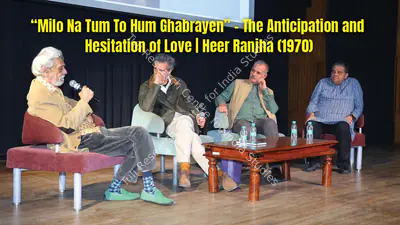
- “Milo Na Tum to hum Ghabrayen” from Chetan Anand's Heer Raanjha (1970) is the film's song of joy. Sung by Lata Mangeshkar and Mohammed Rafi, with music by Madan Mohan and lyrics by Kaifi Azmi, it captures the first flush of love as playful delight, capturing the confusion, the shyness, the sudden overflow of happiness that makes the heart ask, “What has happened to us?” Reminiscing about the song, filmmaker Ketan Anand revealed that this was the first time in the film that the colour yellow floods the screen. This change of palette signals the change of mood. After the earlier, more restrained tones, the arrival of yellow signals spring, joy and the fullness of life. “He went bananas with this song,” said Ketan Anand about his father, who expressed that joy in this song through Bhangra (traditional Punjabi folk dance) and the vibrant colours. This video is from 'A Musical Glue for Nation-Building: Deconstructing the Film Song', presented by the Tuli Research Centre for India Studies (T.R.I.S.) at the 7th Self-Discovery via Rediscovering India Festival.
Calendar 2
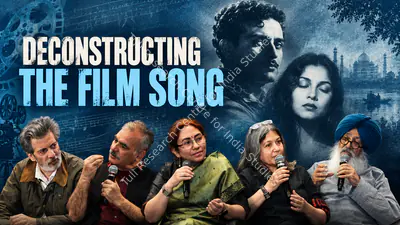
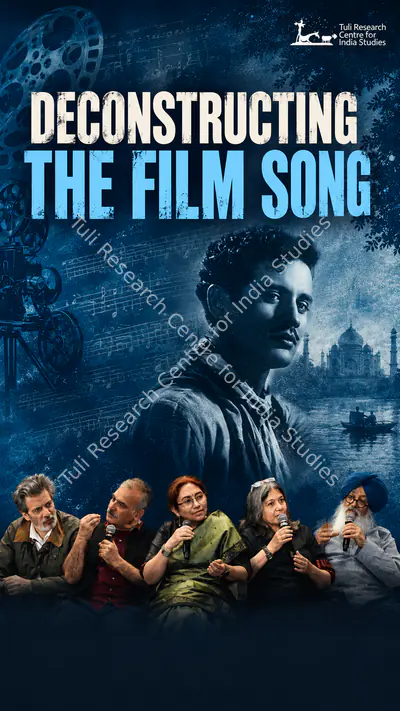
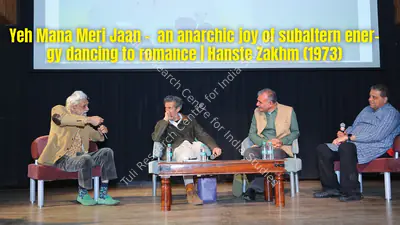
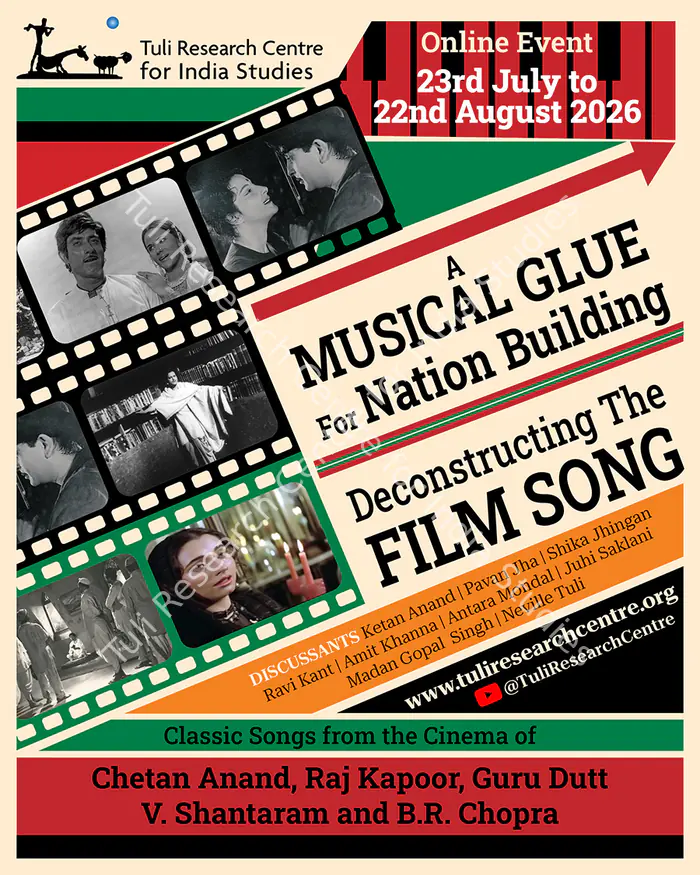
- ArchivedOffline-Online EventProject 80A Musical Glue for Nation-BuildingDeconstructing the Film Song23rd July - 22nd August 2026Ketan Anand | Ravikant | Pavan Jha | Madan Gopal Singh | Amit Khanna | Juhi Saklani | Antara Mondal | Shikha Jhingan | Neville TuliA key section of the India Studies framework at The Tuli Research Centre for India Studies (T.R.I.S.) is “Deconstructing the Film Song”. It began with a series of four workshops during our Self-Discovery via Rediscovering India Festival Series that brought together leading scholars & academics, film practitioners & students, along with fans of the Hindi film song. The objective of these workshops was to deconstruct iconic Hindi film songs to examine their formation across music, lyrics, playback, choreography, directorial visualisation, as they fuse into sites where aesthetics, ideology, and performance intersect, so as to help clarify the nature of India and her relationship to the film song. The Hindi Film Song functions as a narrative device, conveying myriad textures of emotion through melody, voice and poetry. As cultural texts that encode memory, desire, and ideology, songs are integral to the circulation and resonance of films in the public realm. Over time they have become autonomous bundles of creative energy - the glue that binds us over time, articulating and perhaps even defining the idea of Indianness. These first Workshops were an attempt to understand the nature and power of this glue, while contemplating the ways to situate it within TRIS' academic framework for Contemporary India Studies.Read More →
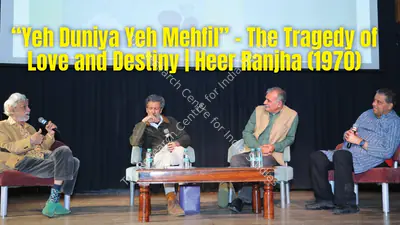
- ArchivedDeconstructing the Hindi Film SongProject 60A Musical Glue for Nation-BuildingFour Classic Songs from the cinema of Chetan Anand and the genius of Madan Mohan, Kaifi Azmi, Lata Mangeshkar & Mohammed RafinnKar Chale Hum Fida | Haqeeqat-1964 nYeh Duniya Yeh Mehfil | Heer Ranjha-1970 nMilo Na Tum To Hum Ghabrayen | Heer Ranjha-1970 nYeh Mana Meri Jaan | Hanste Zakhm-197316th February 20263:30pmM.L. Bhartia Auditorium, Alliance Francaise de Delhi, 72 K.K. Birla Lane, Lodi Estate, New Delhi, 110004Ketan Anand, Ravikant, Pavan Jha, Neville TuliA key section of the India Studies framework at The Tuli Research Centre for India Studies (T.R.I.S.) is “Deconstructing the Hindi Film Song”. It will begin with a series of four workshops that brings together leading scholars & academics, film practitioners & students, along with fans of the Hindi film song. The objective of these workshops is to deconstruct iconic Hindi film songs to examine their formation across music, lyrics, playback, choreography, directorial visualisation, as they fuse into sites where aesthetics, ideology, and performance intersect. The Hindi Film Song functions as a narrative device, conveying myriad textures of emotion through melody, voice and poetry. As cultural texts that encode memory, desire, and ideology, songs are integral to the circulation and resonance of films in the public realm. Over time they have become autonomous bundles of creative energy - the glue that binds us over time, articulating and perhaps even defining the idea of Indianness. The first Workshops are an attempt to understand the nature and power of this glue, while contemplating the ways to situate it within TRIS' academic framework for Contemporary India Studies.Read More →
Related
32
Films
19
Personalities
12