

Introduction
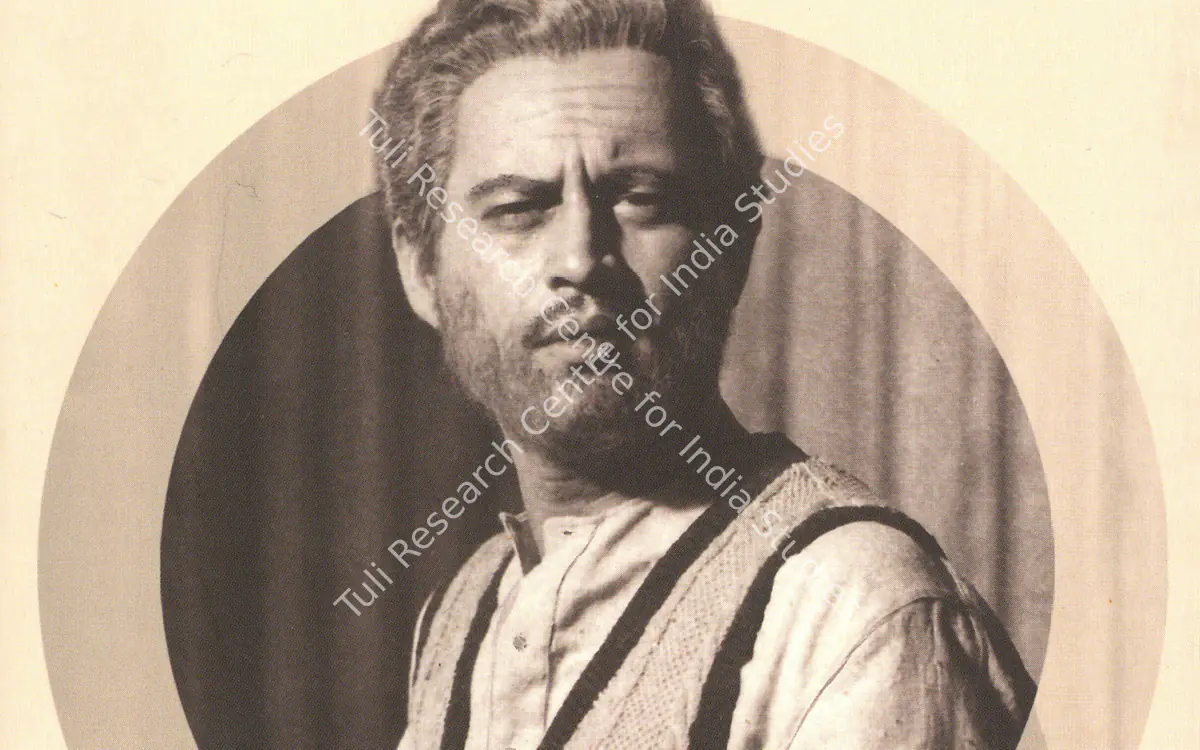
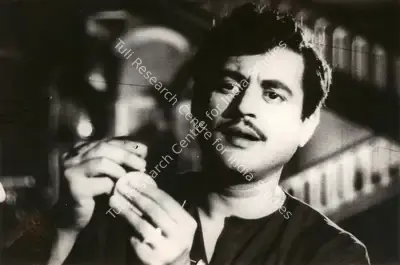
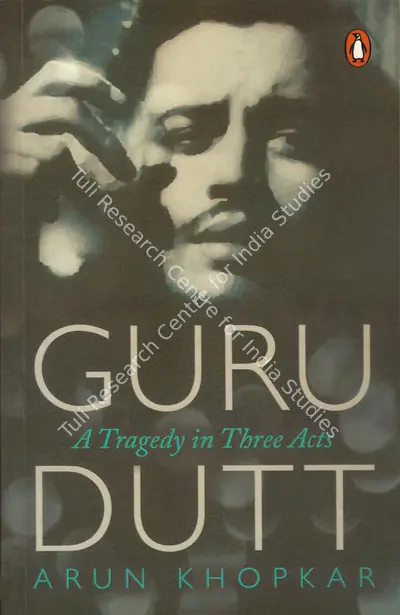
Guru Dutt (born Vasanth Kumar Shivashankar Padukone; 9 July 1925–10 October 1964) also known as Gurudatta Padukone, remains one of the most influential figures in Indian cinema. As an actor, director, producer, choreographer, and screenwriter, he transformed the aesthetic and narrative possibilities of Hindi filmmaking. His cinematic vision, shaped in part by the stylistic influence of Alfred Hitchcock and frequently compared to that of Orson Welles, is distinguished by its sophisticated use of light and shadow, evocative visual compositions, and profound exploration of human emotion. Dutt's films are celebrated for their thematic complexity, melancholic sensibility, and innovative visual language, securing his reputation as one of the greatest auteurs in the history of Indian cinema.
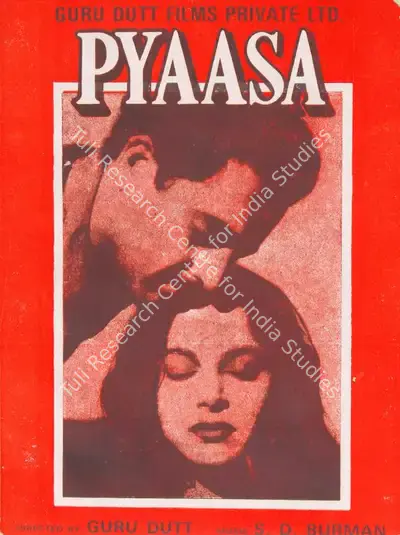
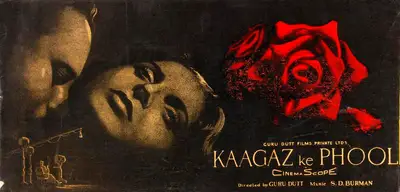
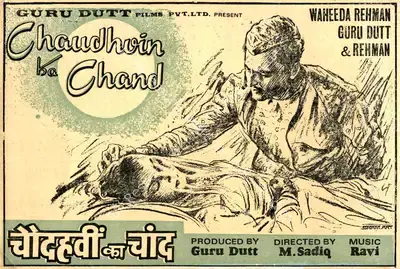
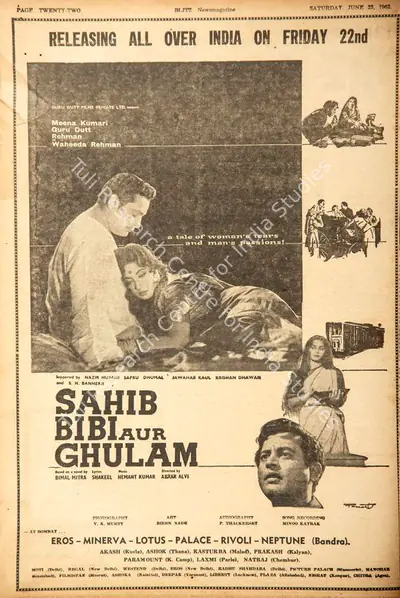
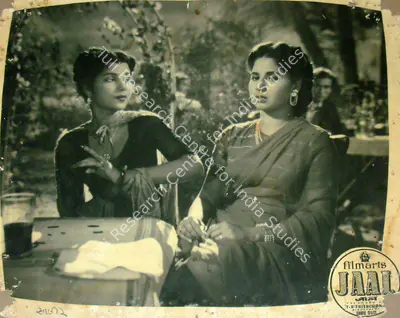
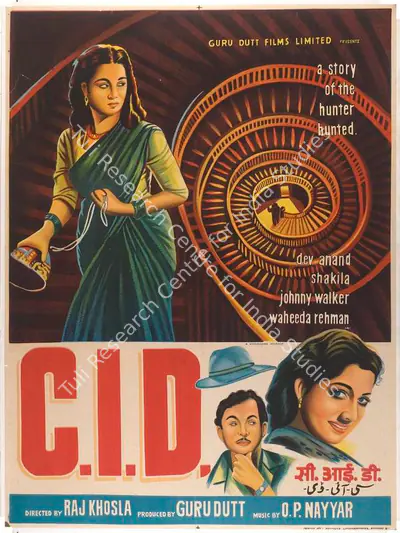
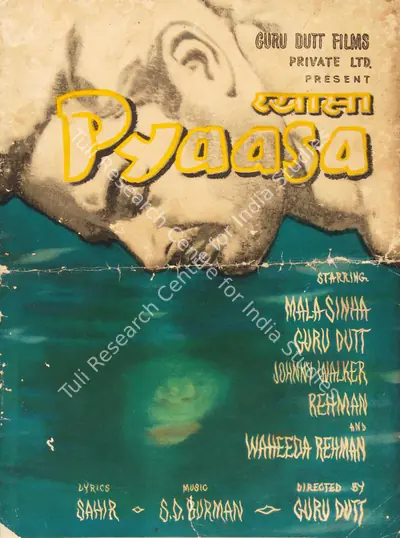
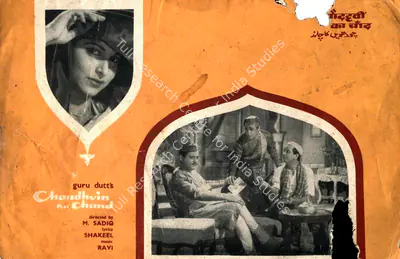
His distinguished filmography includes Baazi (1951), Jaal (1952), Baaz (1953), Aar-Paar (1954), Mr. & Mrs. '55 (1955), C.I.D. (1956), Pyaasa (1957), Kaagaz Ke Phool (1959), Chaudhvin Ka Chand (1960), and Sahib Bibi Aur Ghulam (1962). Although Dutt directed only eight feature films, several have attained international acclaim and enduring cult status. Pyaasa has been recognised among the greatest films ever made and was included in Time magazine's list of the 100 greatest films, while Kaagaz Ke Phool is widely regarded as a landmark of Indian cinematic artistry. His meticulous use of close-up shots, expressive lighting, and emotionally resonant narratives established a distinctive cinematic style that continues to influence filmmakers and scholars alike.
Born on 9 July 1925 in Bangalore, Karnataka, into a Konkani Chitrapur Saraswat Brahmin family, Dutt spent much of his childhood in Bhowanipore, Kolkata, where he became fluent in Bengali. Following a childhood accident, his name was changed from Vasanth Kumar Shivashankar Padukone to Gurudatta Padukone, reflecting the family's belief in the auspiciousness of the new name. His father, Shivashanker Rao Padukone, worked as both a headmaster and banker, while his mother, Vasanthi Padukone, was a teacher and writer. His family maintained strong artistic connections; his siblings included painter Lalita Lajmi, filmmaker Atma Ram, producer Devi, and Vijay. His extended family also included the noted filmmaker Kalpana Lajmi, the acclaimed director Shyam Benegal, and the actress Amrita Rao.
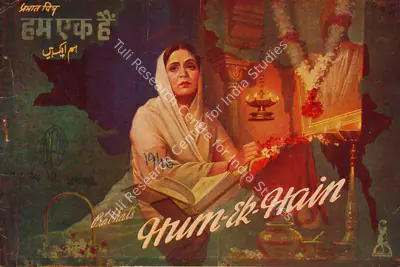
Dutt received formal training in dance at Uday Shankar's School of Dancing and Choreography in Almora between 1942 and 1944 before briefly working at a Lever Brothers factory in Calcutta. Dissatisfied with the position, he left to pursue a career in cinema. His professional breakthrough came when he joined the Prabhat Film Company in Pune, where he forged lifelong friendships with Dev Anand and Rehman. He made his acting debut in Lakhrani (1945) and subsequently worked as an assistant director and choreographer on Hum Ek Hain (1946). Following the expiration of his contract, he experienced a period of unemployment during which he developed his literary interests by contributing short stories to The Illustrated Weekly of India.
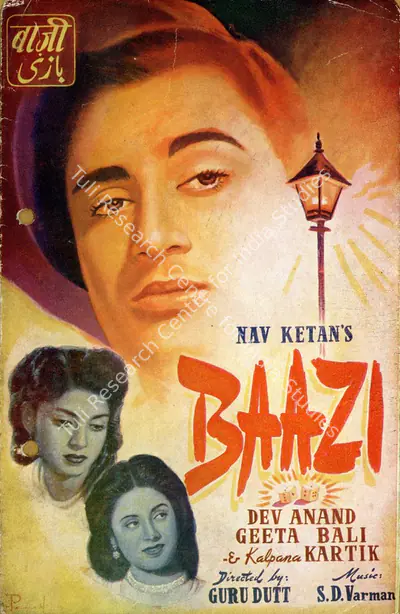
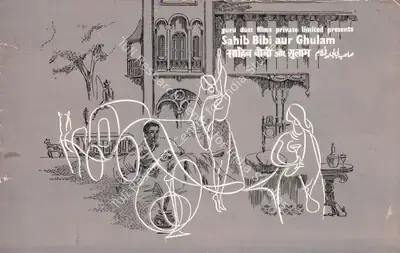
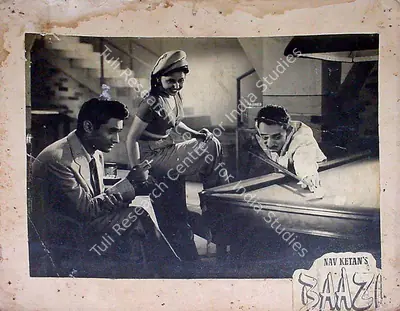
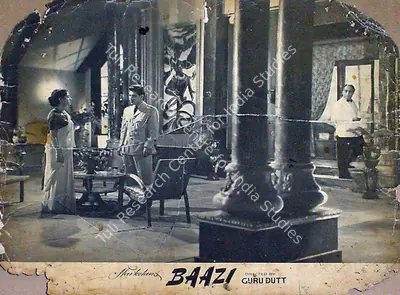
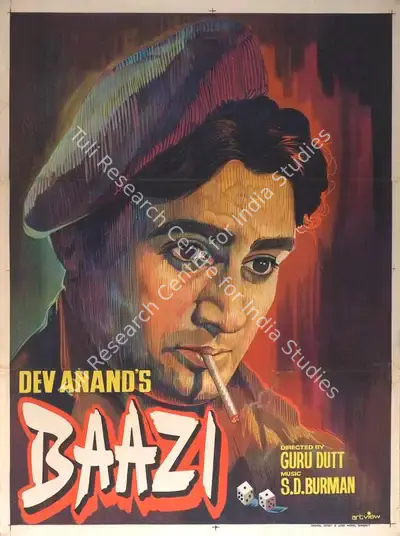
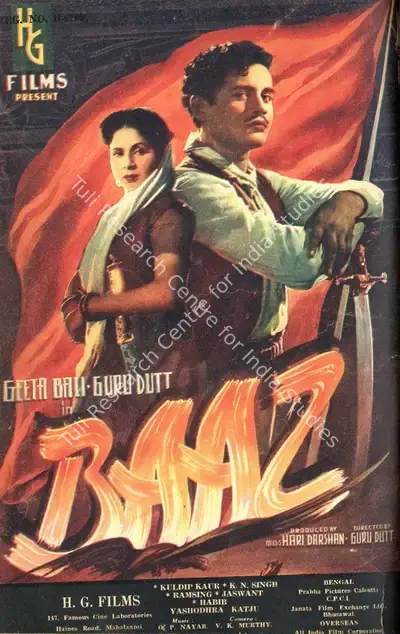
Guru Dutt's directorial career commenced with Baazi (1951), produced by Dev Anand, followed by the commercial successes of Jaal and C.I.D. Although Baaz underperformed commercially, it marked the emergence of Dutt's celebrated creative team, including V. K. Murthy, Abrar Alvi, Johnny Walker, Raj Khosla, and Waheeda Rehman. While Kaagaz Ke Phool, India's first CinemaScope film, proved a commercial failure despite its artistic brilliance, Chaudhvin Ka Chand restored his financial fortunes. His final major production, Sahib Bibi Aur Ghulam, directed by Abrar Alvi, remains a milestone of Hindi cinema.
In 1953, Dutt married celebrated playback singer Geeta Roy, later known as Geeta Dutt. The couple had three children, although their marriage was strained by professional pressures, Dutt's personal struggles, and his close association with actress Waheeda Rehman. They eventually separated, and Dutt was living alone when he died on 10 October 1964 in Bombay after consuming alcohol and sleeping pills. Whether his death resulted from an accidental overdose or suicide remains unresolved. He was only thirty-nine years old, yet his extraordinary body of work continues to define the artistic and cultural legacy of Indian cinema.
उनकी बेहतरीन फ़िल्मों की लिस्ट में बाज़ी (1951), जाल (1952), बाज़ (1953), आर-पार (1954), मिस्टर एंड मिसेज़ '55 (1955), सी.आई.डी. (1956), प्यासा (1957), कागज़ के फूल (1959), चौदहवीं का चाँद (1960) और साहिब बीबी और ग़ुलाम (1962) शामिल हैं। हालाँकि दत्त ने सिर्फ़ आठ फ़ीचर फ़िल्में ही डायरेक्ट कीं, लेकिन उनमें से कई को अंतरराष्ट्रीय पहचान और एक ख़ास कल्ट स्टेटस मिला। 'प्यासा' को अब तक की सबसे बेहतरीन फ़िल्मों में गिना जाता है और इसे टाइम मैगज़ीन की 100 सबसे बेहतरीन फ़िल्मों की लिस्ट में शामिल किया गया था, जबकि 'कागज़ के फूल' को भारतीय सिनेमाई कला का एक अहम पड़ाव माना जाता है। क्लोज़-अप शॉट्स, असरदार लाइटिंग और भावनाओं को छूने वाली कहानियों के उनके बेहतरीन इस्तेमाल ने एक अलग सिनेमाई शैली बनाई, जो आज भी फ़िल्ममेकर्स और जानकारों को प्रभावित करती है।
9 जुलाई 1925 को कर्नाटक के बैंगलोर में एक कोंकणी चित्रपुर सारस्वत ब्राह्मण परिवार में जन्मे दत्त ने अपना ज़्यादातर बचपन कोलकाता के भवानीपुर में बिताया, जहाँ वे बंगाली भाषा में माहिर हो गए। बचपन में हुई एक दुर्घटना के बाद, उनका नाम वसंत कुमार शिवशंकर पादुकोण से बदलकर गुरुदत्त पादुकोण कर दिया गया, क्योंकि परिवार को नए नाम के शुभ होने का यक़ीन था। उनके पिता, शिवशंकर राव पादुकोण, हेडमास्टर और बैंकर दोनों थे, जबकि उनकी माँ, वसंती पादुकोण, एक टीचर और लेखिका थीं। उनके परिवार का कला से गहरा नाता था। उनके भाई-बहनों में पेंटर ललिता लाजमी, फ़िल्ममेकर आत्मा राम, प्रोड्यूसर देवी और विजय शामिल थे। उनके बड़े परिवार में मशहूर फ़िल्ममेकर कल्पना लाजमी, जाने-माने डायरेक्टर श्याम बेनेगल और एक्ट्रेस अमृता राव भी शामिल थीं।
कलकत्ता में लीवर ब्रदर्स की फ़ैक्ट्री में कुछ समय काम करने से पहले, दत्त ने 1942 और 1944 के बीच अल्मोड़ा में उदय शंकर के स्कूल ऑफ़ डांसिंग एंड कोरियोग्राफ़ी में डांस की औपचारिक ट्रेनिंग ली। उस नौकरी से ख़ुश न होकर, उन्होंने सिनेमा में करियर बनाने के लिए उसे छोड़ दिया। उन्हें अपने करियर में बड़ा ब्रेक तब मिला जब वे पुणे में प्रभात फ़िल्म कंपनी से जुड़े, जहाँ देव आनंद और रहमान के साथ उनकी ज़िंदगी भर की दोस्ती हुई। उन्होंने 'लखरानी' (1945) से एक्टिंग में डेब्यू किया और बाद में 'हम एक हैं' (1946) में असिस्टेंट डायरेक्टर और कोरियोग्राफ़र के तौर पर काम किया। कॉन्ट्रैक्ट खत्म होने के बाद, उन्हें कुछ समय तक बेरोज़गारी का सामना करना पड़ा। इस दौरान उन्होंने 'द इलस्ट्रेटेड वीकली ऑफ़ इंडिया' के लिए छोटी कहानियाँ लिखकर अपनी साहित्यिक रुचि को आगे बढ़ाया।
गुरु दत्त के डायरेक्शन करियर की शुरुआत देव आनंद द्वारा प्रोड्यूस की गई फ़िल्म 'बाज़ी' (1951) से हुई, जिसके बाद 'जाल' और 'सी.आई.डी.' जैसी फ़िल्में कमर्शियली सफल रहीं। हालाँकि 'बाज़' कमर्शियली सफल नहीं हुई, लेकिन इसने दत्त की मशहूर क्रिएटिव टीम के उदय का रास्ता साफ़ किया, जिसमें वी. के. मूर्ति, अबरार अल्वी, जॉनी वॉकर, राज खोसला और वहीदा रहमान शामिल थे। जहाँ भारत की पहली सिनेमास्कोप फ़िल्म 'कागज़ के फूल' अपनी कलात्मक ख़ूबी के बावजूद कमर्शियल तौर पर फ़्लॉप रही, वहीं 'चौदहवीं का चाँद' ने उनकी आर्थिक स्थिति को फ़िर से मज़बूत किया। उनकी आख़िरी बड़ी फ़िल्म 'साहिब बीबी और ग़ुलाम', जिसे अबरार अल्वी ने डायरेक्ट किया था, हिंदी सिनेमा की एक यादगार फ़िल्म मानी जाती है।
1953 में दत्त ने मशहूर प्लेबैक सिंगर गीता रॉय से शादी की, जिन्हें बाद में गीता दत्त के नाम से जाना गया। उनके तीन बच्चे थे, लेकिन प्रोफेशनल दबाव, दत्त की निजी मुश्किलों और अदाकारा वहीदा रहमान के साथ उनकी कथित क़रीबी दोस्ती की वजह से उनकी शादी में तनाव आ गया था। आख़िरकार वे अलग हो गए, और 10 अक्टूबर 1964 को बॉम्बे में शराब और नींद की गोलियां लेने के बाद जब उनकी मौत हुई, तो वे अकेले रह रहे थे। उनकी मौत गलती से ज़्यादा डोज़ लेने की वजह से हुई या उन्होंने ख़ुदकुशी की, यह बात आज भी साफ़ नहीं है। वे सिर्फ़ 39 साल के थे, फ़िर भी उनके बेहतरीन काम ने भारतीय सिनेमा की कलात्मक और सांस्कृतिक विरासत को एक नई पहचान दी है।
- Date of Birth
- 09 Jul 1925
- Date of Death
- 10 Oct 1964
- Age
- 39
- Nationality
- Indian
- Place of Birth
- Bangalore, Kingdom of Mysore, British India
- Place of Death
- Bombay, Maharashtra
- Spouse(s)
- Year Marriage Registered
- 1953
- Children
- Parent(s)
- Shivshankar padukoneVasanthi padukone
Filmography 23

Integrated Timeline
Economics of Cinema
1963
- BFJA Awards
Best Actor (Hindi) · The Bengal Film Journalists' Association
- Filmfare Awards
Best Film · The Times Group
- National Film Awards
Best Feature Film in Hindi · Directorate of Film Festivals
Research Centre



Posts 5
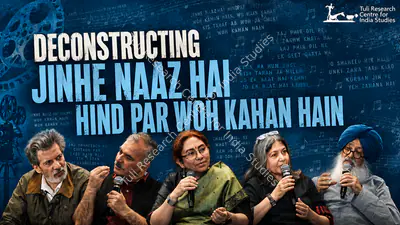
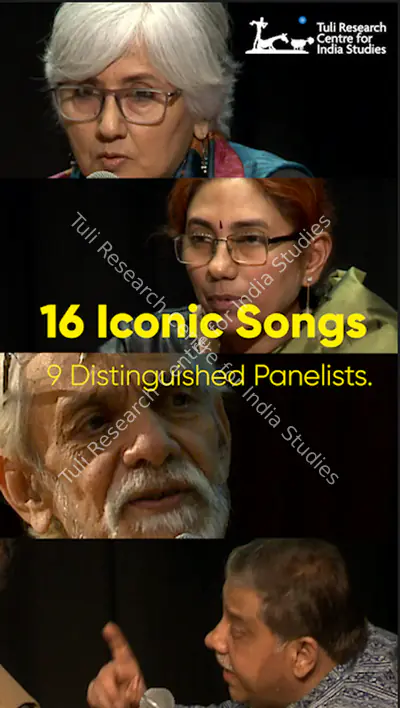
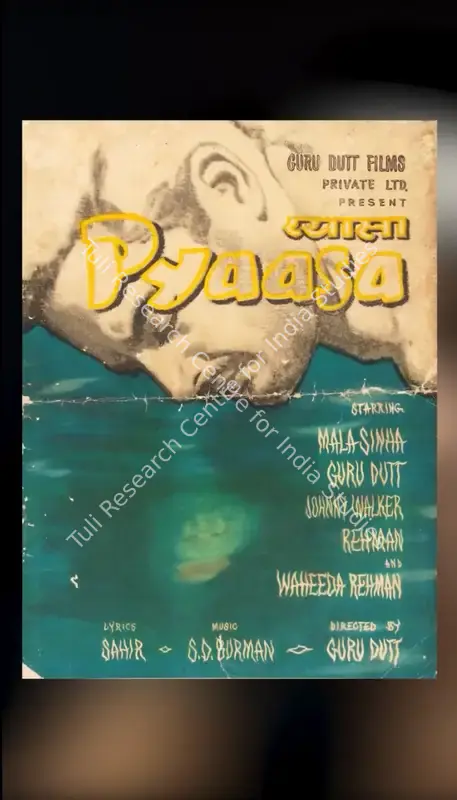
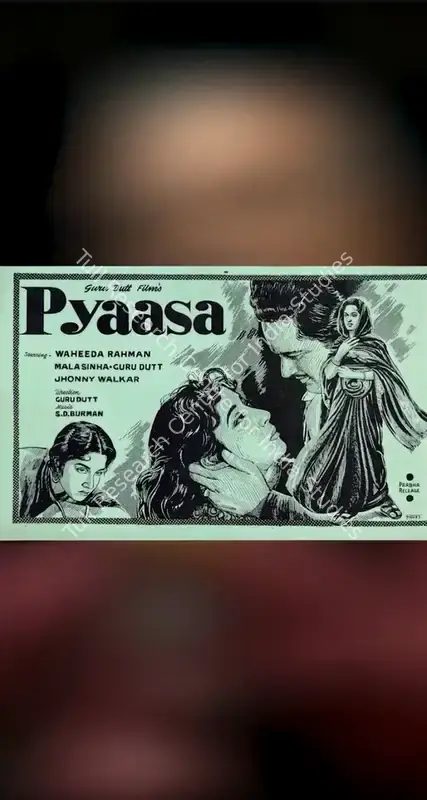
- Pyaasa, released in 1957, hurled a question at a then newly independent India, "Jinhe Naaz Hai Hind Par Wo Kahan Hai," and it still hasn't found an answer. This reel is a window into a conversation on Guru Dutt's cinema and the poetry of Sahir Ludhianvi, the lyricist whose words gave the song its unflinching social conscience, set to S.D. Burman's music and sung by Mohammed Rafi. Featuring Madan Gopal Singh, Antara Mondal, Ravikant, Juhi Saklani, and Neville Tuli, the discussion moves between close readings of the song, the emotional architecture built by Guru Dutt through fusing the image and lyrics together, and what it takes to make a song outlast its film. This session was part of the series 'Deconstructing the Film Song: A Musical Glue for Nation-Building,' presented by the Tuli Research Centre for India Studies (T.R.I.S.) as part of the 7th Self-Discovery via Rediscovering India Festival.
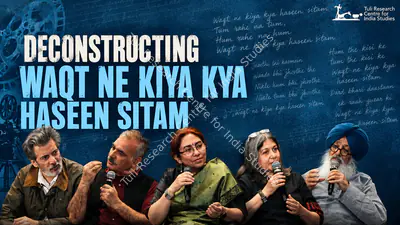
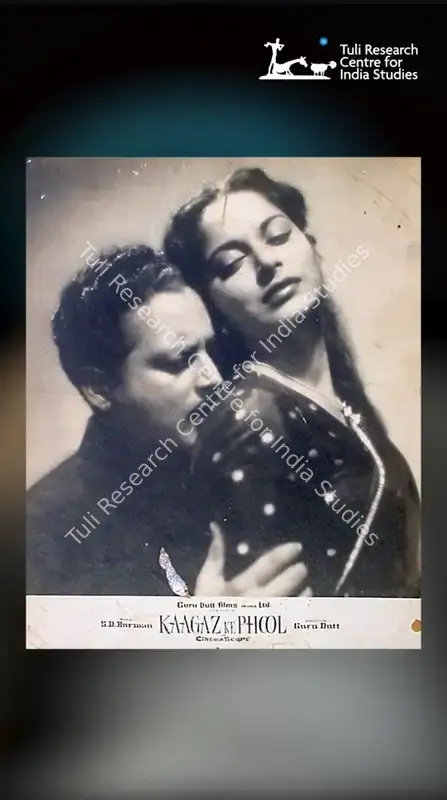
- Few frames in Indian cinema signify the quiet devastation as the beam of light in "Waqt Ne Kiya Kya Haseen Sitam" from Guru Dutt's Kaagaz Ke Phool (1959). In 'Deconstructing the Film Song: A Musical Glue for Nation-Building,' panelists Antara Mondal, Ravikant, Madan Gopal Singh, Juhi Sakhlani, and Neville Tuli, trace the visual language of the song and how the quiet cruelty of time runs through both Kaifi Azmi's lyrics and VK Murthy's cinematography. The discussion moves between close readings of the song, its emotional architecture and its enduring presence in popular memory. This session was presented by the Tuli Research Centre for India Studies (T.R.I.S.) as part of the 7th Self-Discovery via Rediscovering India Festival.
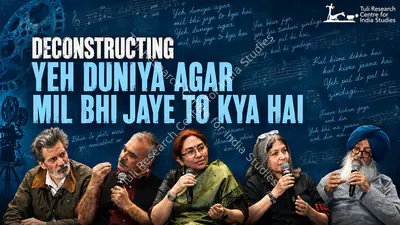
- "Yeh Duniya Agar Mil Bhi Jaye To Kya Hai" from Guru Dutt's magnum opus Pyaasa (1957), penned by Sahir Ludhianvi, composed by S.D. Burman, and sung by Mohammed Rafi, moves between a deeply personal outcry and a broader socio-political reflection on a world driven by greed and compromise. Ravikant traces the significance of the poet as protagonist across Hindi cinema of the 1950s to 1970s. A figure who carries within himself the tensions between artistic integrity and social pressure, between idealism and disillusionment. Antara Nanda Mondal examines how Guru Dutt's films return repeatedly to a critique of the commodification of art, asking what happens to the artist in a society that measures everything by its material worth. In this song from Pyaasa, that critique finds its most devastating expression. This segment is part of T.R.I.S.' workshop series "A Musical Glue for Nation-Building: Deconstructing the Film Song," featuring Madan Gopal Singh, Ravikant, Antara Nanda Mondal, Juhi Saklani, and Neville Tuli, presented by the Tuli Research Centre for India Studies (T.R.I.S.) at the 7th Self-Discovery via Rediscovering India Festival.
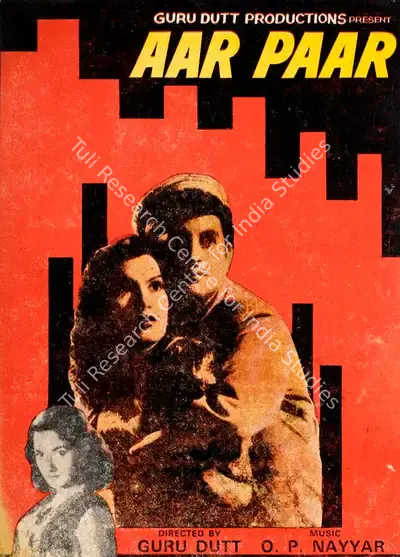
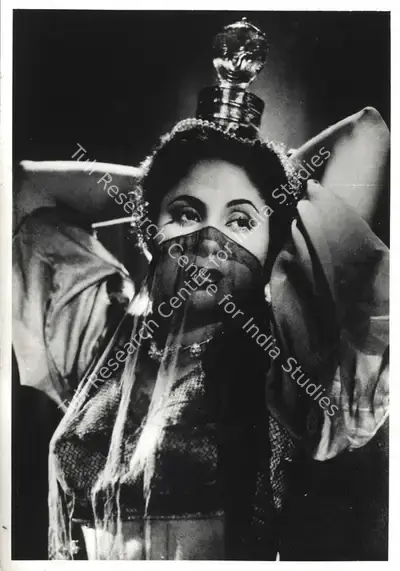
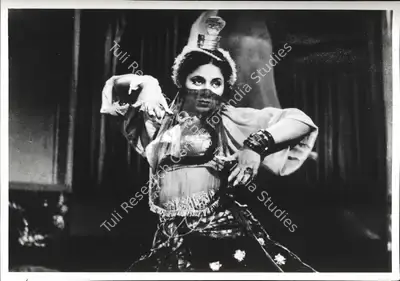
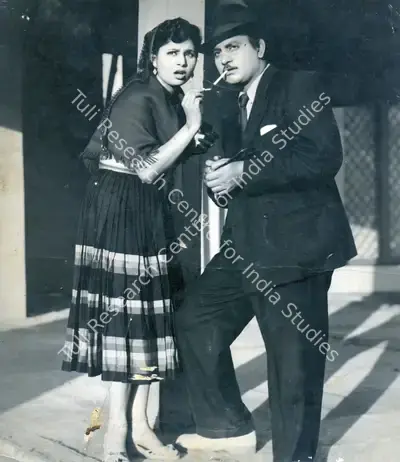
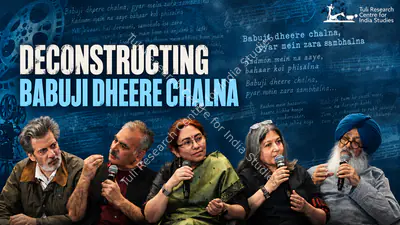
- "Babuji Dheere Chalna" from Guru Dutt's Aar Paar (1954), composed by O.P. Nayyar and sung by Geeta Dutt, is among one of the most popular songs of Hindi cinema. The conversation among the panelists reveals precisely what makes it stand the test of time. Antara Nanda Mondal points out that the song, through Shyama's performance, reveals a great deal about how society perceives women who live at the fringes, figures who are seen but rarely understood on their own terms. Ravikant notes that many of the artists involved in creating this new cinematic vocabulary were autodidacts, learning as they went and building a musical language through instincts and experimentation rather than formal training. Madan Gopal Singh deconstructs the song's formal structure, identifying the two distinct rhythmic patterns running simultaneously. The stanza and the refrain are clearly differentiated, held apart and brought together through a bridge that gives the song its peculiar tension and momentum. This segment is part of T.R.I.S.' workshop series "A Musical Glue for Nation-Building - Deconstructing the Film Song,"" featuring Madan Gopal Singh, Ravikant, Antara Nanda Mondal, Juhi Saklani, and Neville Tuli, presented by the Tuli Research Centre for India Studies (T.R.I.S.) at the 7th Self-Discovery via Rediscovering India Festival.
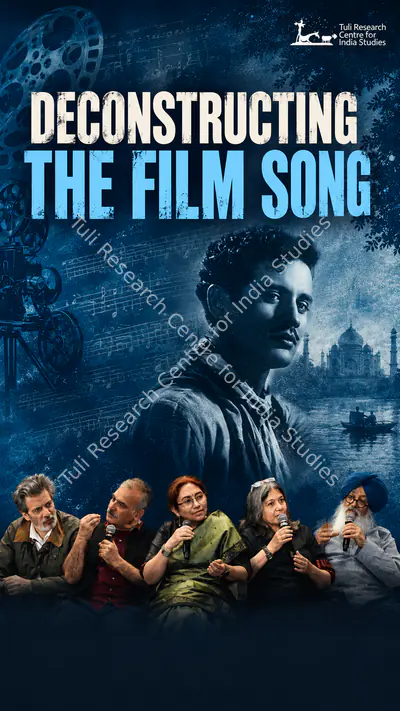
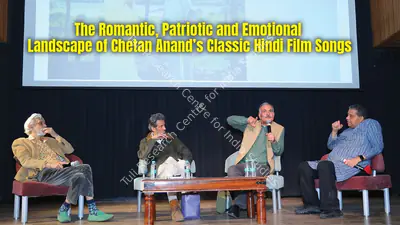
- Guru Dutt's cinema blended poetic storytelling with visual brilliance tackling the themes of love, identity, an artist's struggle and social disillusionement. This session explores the nuances of his craft through four of his most enduring songs: "Babuji Dheere Chalna" (Aar Paar, 1954), "Jinhe Naaz Hai Hind Par" (Pyaasa, 1957), "Yeh Duniya Agar Mil Bhi Jaye" (Pyaasa, 1957), and "Waqt Ne Kiya Kya Haseen Sitam" (Kaagaz Ke Phool, 1959). While discussing "Jinhe Naaz Hai Hind Par", Juhi Saklani juxtaposes the grandeur of the Indian national anthem and its celebratory descriptions of the nation's landscapes: "Panjaba-Sindha-Gujrata-Maharata- Dravida-Utkala-Vanga, Vindhya-Himachala-Yamuna-Ganga" with the grim reality that Sahir Ludhianvi's lyrics lay bare through: "Ye kooche ye neelam-ghar dilkashi ke... ye sadiyon se bekhauf, sehmi si galiyan." Where the anthem sees glory, the song sees streets centuries-old in their exhaustion, people living at the margins of the very nation being celebrated. Ravikant adds that Sahir poses a direct and piercing question to the powers that be, holding a newly independent government accountable to the promises it made to its most vulnerable citizens. Reflecting on "Waqt Ne Kiya Kya Haseen Sitam," Madan Gopal Singh observes that it is perhaps the only song in Indian cinema where the process of making the song itself becomes a part of what we see on the screen. In "Yeh Duniya Agar Mil Bhi Jaye," Antara Nanda Mondal reads the line "Ye mahalon, ye takhton, ye taajon ki duniya" ("this world of palaces, thrones, and crowns") as an allusion to British rule, suggesting that Guru Dutt saw colonial hierarchies continuing to shape post-Independence India. On "Babuji Dheere Chalna," Antara Nanda Mondal argues that the song offers a remarkably nuanced portrait of a woman living on the fringes of society. In a single sequence, it reveals how such women are often looked at, desired, and judged, yet rarely understood on their own terms. This segment is part of T.R.I.S.' workshop series "A Musical Glue for Nation-Building: Deconstructing the Film Song," featuring Madan Gopal Singh, Ravikant, Antara Nanda Mondal, Juhi Saklani, and Neville Tuli, presented by the Tuli Research Centre for India Studies (T.R.I.S.) at the 7th Self-Discovery via Rediscovering India Festival.

Calendar 3
- ArchivedOffline-Online EventProject 80A Musical Glue for Nation-BuildingDeconstructing the Film Song23rd July - 22nd August 2026Ketan Anand | Ravikant | Pavan Jha | Madan Gopal Singh | Amit Khanna | Juhi Saklani | Antara Mondal | Shikha Jhingan | Neville TuliA key section of the India Studies framework at The Tuli Research Centre for India Studies (T.R.I.S.) is “Deconstructing the Film Song”. It began with a series of four workshops during our Self-Discovery via Rediscovering India Festival Series that brought together leading scholars & academics, film practitioners & students, along with fans of the Hindi film song. The objective of these workshops was to deconstruct iconic Hindi film songs to examine their formation across music, lyrics, playback, choreography, directorial visualisation, as they fuse into sites where aesthetics, ideology, and performance intersect, so as to help clarify the nature of India and her relationship to the film song. The Hindi Film Song functions as a narrative device, conveying myriad textures of emotion through melody, voice and poetry. As cultural texts that encode memory, desire, and ideology, songs are integral to the circulation and resonance of films in the public realm. Over time they have become autonomous bundles of creative energy - the glue that binds us over time, articulating and perhaps even defining the idea of Indianness. These first Workshops were an attempt to understand the nature and power of this glue, while contemplating the ways to situate it within TRIS' academic framework for Contemporary India Studies.Read More →
- ArchivedDeconstructing the Hindi Film SongProject 62A Musical Glue for Nation-BuildingFour Classic Songs from the cinema of Guru Dutt and the genius of S.D. Burman, O.P. Nayyar, Sahir Ludhianvi, Majrooh Sultanpuri, Geeta Dutt & Mohammed RafinnBabuji Dheere Chalna | Aar Paar-1954 nJinen Naaz Hai Hind Par | Pyaasa-1957 nYe Duniya Agar Mile Be Jaye | Pyaasa-1957 nWaqt Ne Kiya Kya Haseen Sitam | Kaagaz Ke Phool-195917th February 20266:30pmM.L. Bhartia Auditorium, Alliance Francaise de Delhi, 72 K.K. Birla Lane, Lodi Estate, New Delhi, 110006Madan Gopal Singh, Ravikant, Antara Mondal, Juhi Saklani & Neville TuliA key section of the India Studies framework at The Tuli Research Centre for India Studies (T.R.I.S.) is “Deconstructing the Hindi Film Song”. It will begin with a series of four workshops that brings together leading scholars & academics, film practitioners & students, along with fans of the Hindi film song. The objective of these workshops is to deconstruct iconic Hindi film songs to examine their formation across music, lyrics, playback, choreography, directorial visualisation, as they fuse into sites where aesthetics, ideology, and performance intersect. The Hindi Film Song functions as a narrative device, conveying myriad textures of emotion through melody, voice and poetry. As cultural texts that encode memory, desire, and ideology, songs are integral to the circulation and resonance of films in the public realm. Over time they have become autonomous bundles of creative energy - the glue that binds us over time, articulating and perhaps even defining the idea of Indianness. The first Workshops are an attempt to understand the nature and power of this glue, while contemplating the ways to situate it within TRIS' academic framework for Contemporary India Studies.Read More →
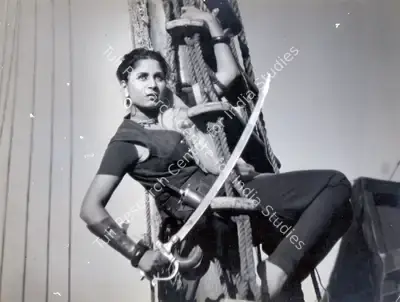
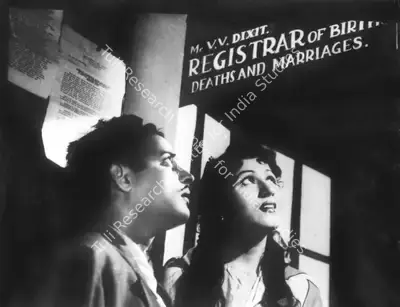
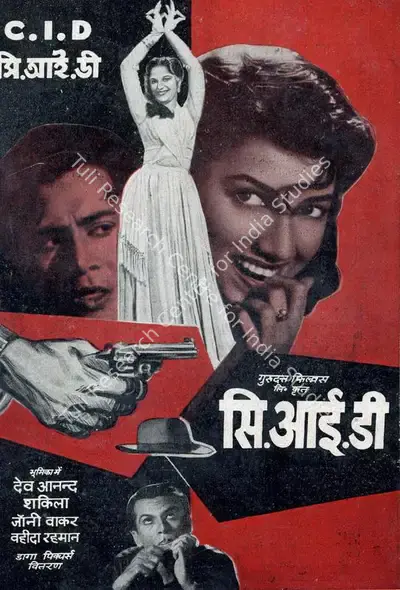
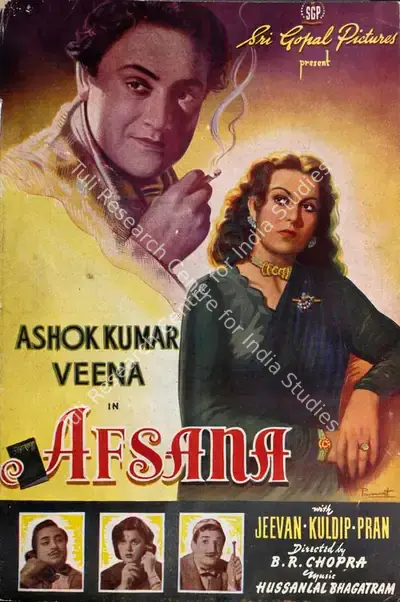
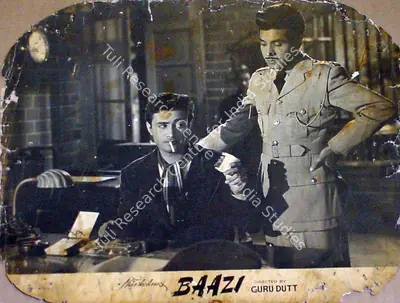
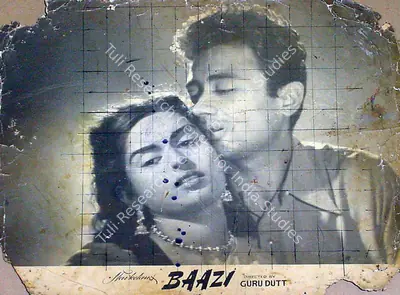
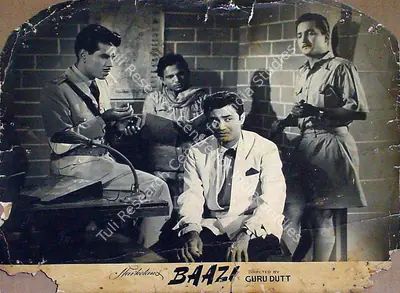
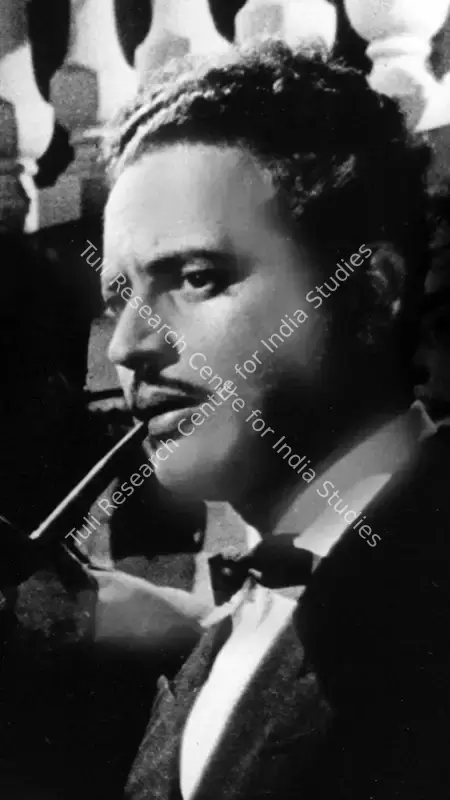
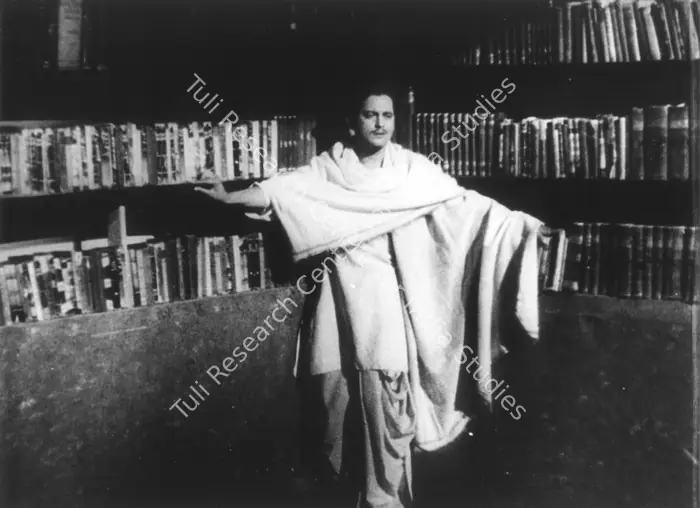
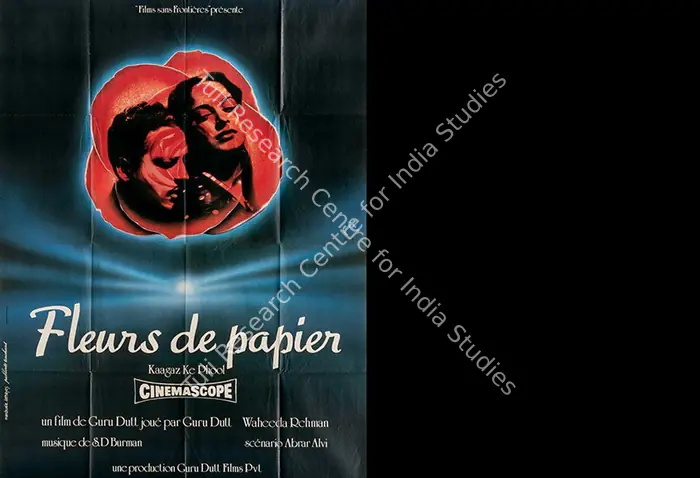
- ArchivedExhibitionProject 18A Glimpse of Guru: Rare and Vintage Artworks from the Cinema of Guru Dutt8th - 9th October 2025Tuli Research Centre for India Studies In collaboration with Whistling Woods International Presents '𝘼 𝙂𝙡𝙞𝙢𝙥𝙨𝙚 𝙤𝙛 𝙂𝙪𝙧𝙪: 𝙍𝙖𝙧𝙚 𝙖𝙣𝙙 𝙑𝙞𝙣𝙩𝙖𝙜𝙚 𝘼𝙧𝙩𝙬𝙤𝙧𝙠𝙨 𝙛𝙧𝙤𝙢 𝙩𝙝𝙚 𝘾𝙞𝙣𝙚𝙢𝙖 𝙤𝙛 𝙂𝙪𝙧𝙪 𝘿𝙪𝙩𝙩' An exhibition of rare and vintage artworks, mostly from the film publicity departments of the film-makers illuminating the many facets of Guru Dutt's artistic and cinematic journey, highlighting forms of creativity from the glorious silver-gelatin photographic prints to the grande French release poster.Read More →

Related
51
Personalities
35
Films
13