

Introduction
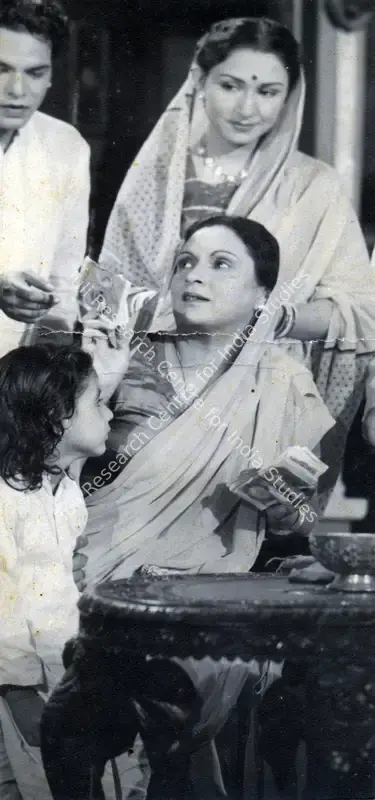
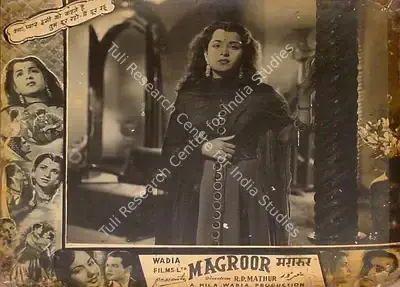
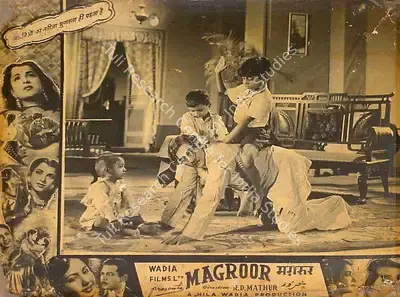
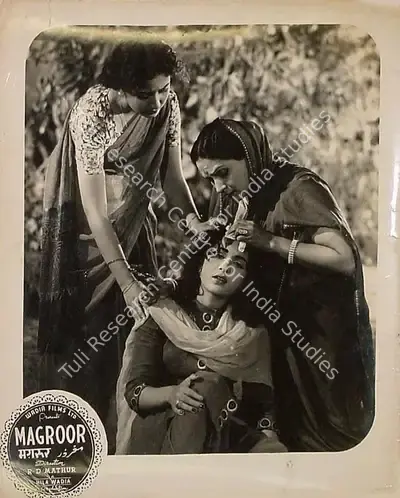
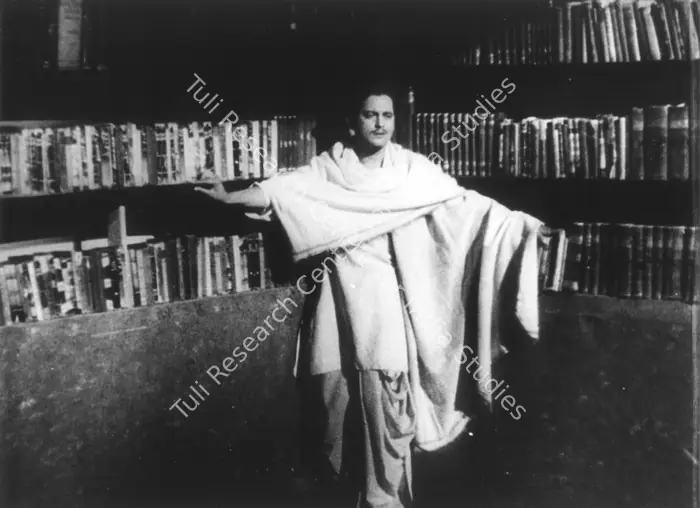
Geeta Dutt (born Geeta Ghosh Roy Chowdhuri on 23 November 1930 - 20 July 1972) She emerged as one of the most evocative voices in Indian playback singing, leaving an indelible imprint on both Hindi and Bengali cinema before her death on 20 July 1972. Raised in a prosperous zamindar family in Idilpur in present-day Bangladesh, she was among ten siblings. The upheavals of the early 1940s compelled her family to relocate first to Calcutta and Assam, and eventually to Bombay in 1942, where her musical journey began to take shape. Under the guidance of Hirendranath Nandy, she received early classical training that would later inform her distinctive vocal style.
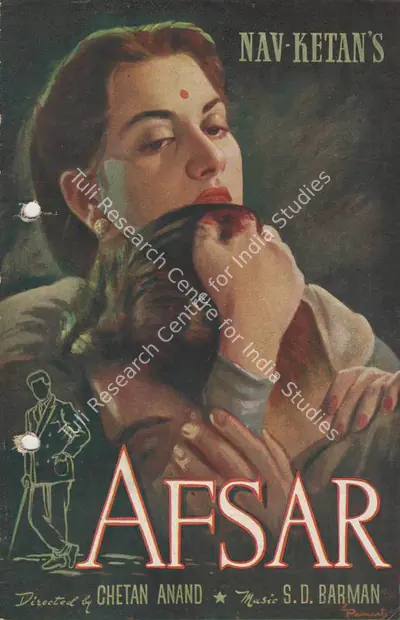
Her entry into cinema came with the mythological film Bhakta Prahlad (1946), where she sang brief lines at the age of sixteen. A decisive breakthrough followed with Do Bhai (1947), particularly through the haunting song Mera Sundar Sapna Beet Gaya (1947), composed by S. D. Burman. This success established her as a major playback singer, and by the late 1940s she had become one of the most sought-after voices in Hindi cinema, contributing to films such as Shaheed (1948), Ek Thi Larki (1949), and Shabnam (1949).
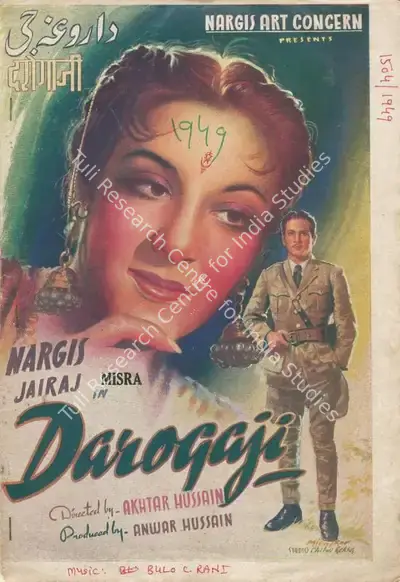
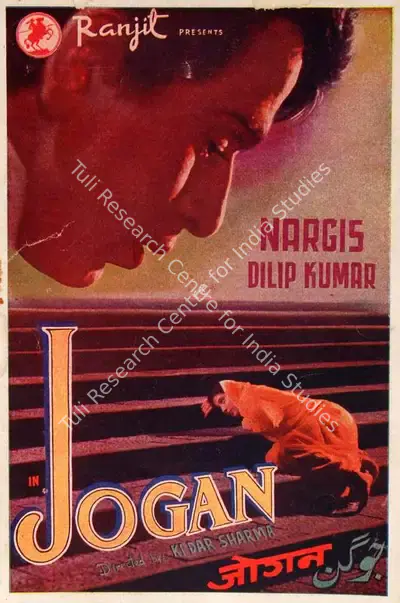
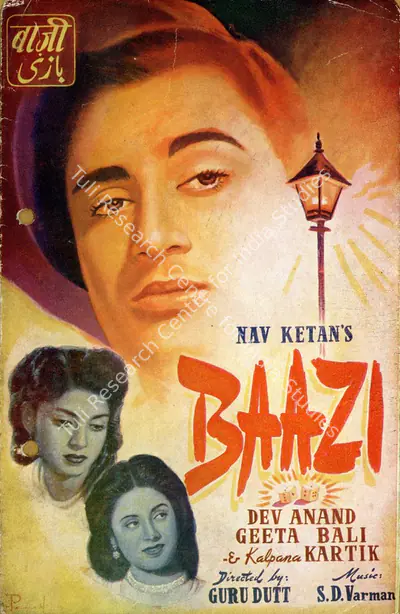
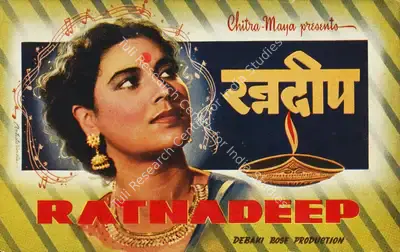
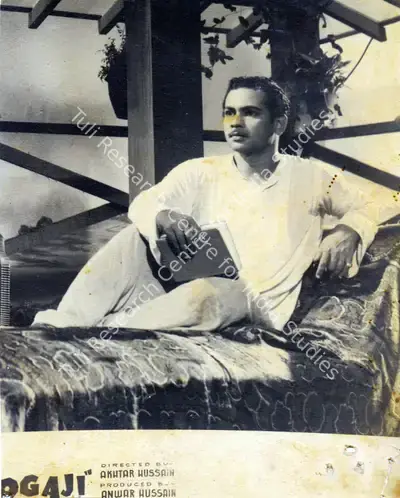
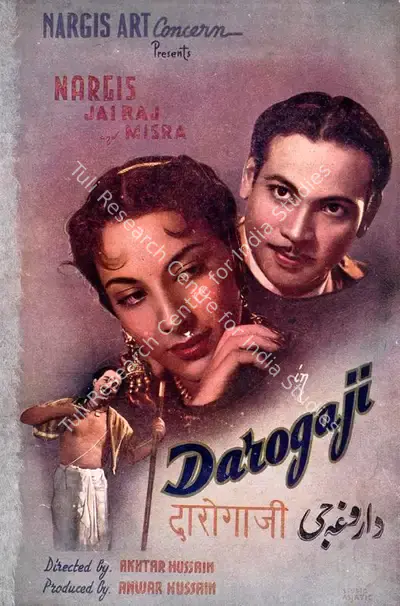
Her collaboration with composer Bulo C. Rani in Darogaji (1949) and Jogan (1950) yielded an unusually large repertoire, reflecting both her versatility and stamina. Another milestone came with Baazi (1951), where the song Tadbeer Se Bigdi Hui Taqdeer Bana Le (1951) not only became immensely popular but also led to her meeting filmmaker Guru Dutt, whom she married in 1953.
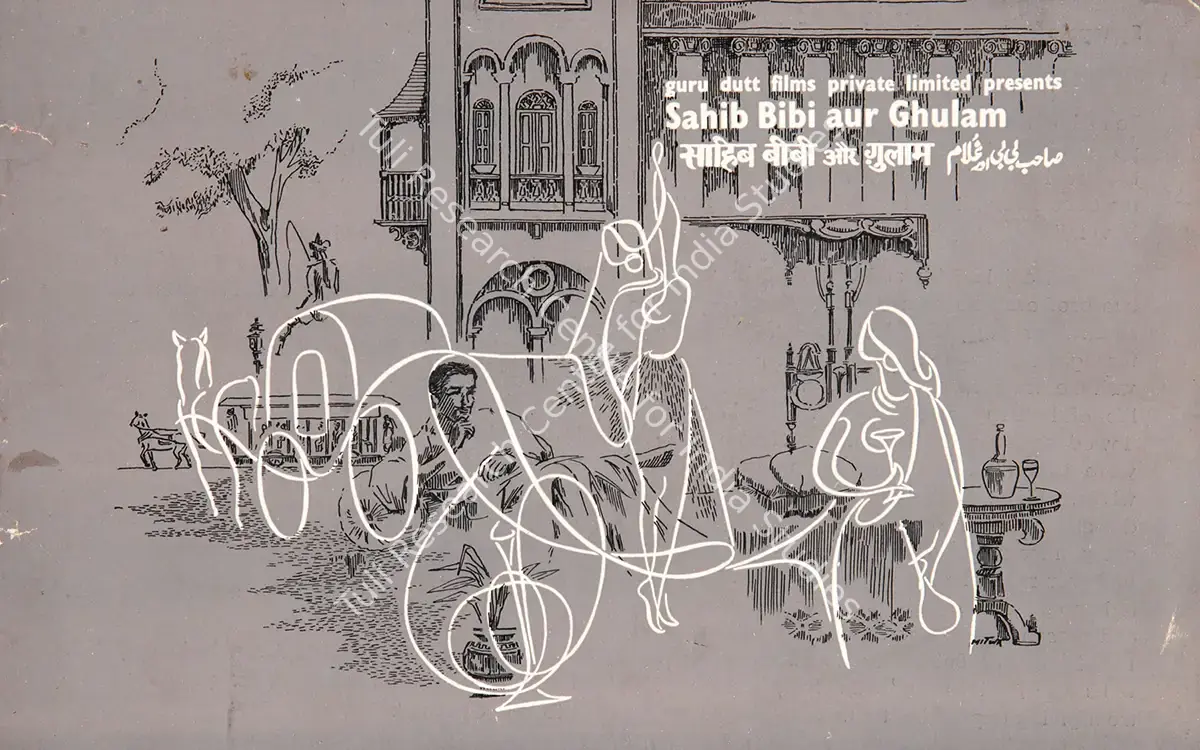
Throughout the 1950s, Geeta Dutt's voice defined a range of cinematic moods—from melancholic introspection to playful sensuality. Her work in Guru Dutt's films, including Mr. & Mrs. 55 (1955), C.I.D. (1956), Pyaasa (1957), Kaagaz Ke Phool (1959), and Sahib Bibi Aur Ghulam (1962), remains particularly celebrated. Songs such as Waqt Ne Kiya Kya Haseen Sitam (1959), Babuji Dheere Chalna (1954), Jaane Kya Tune Kahi (1957), and Mera Naam Chin Chin Chu (1958) exemplify her ability to traverse classical nuance and Western-influenced idioms with equal ease.
Beyond Hindi cinema, she maintained a rich body of work in Bengali music, collaborating with composers such as Nachiketa Ghosh and Hemanta Mukherjee in films like Indrani (1958) and Lukochuri (1958). Her multilingual repertoire extended across Gujarati, Marathi, Bhojpuri, and other regional traditions, amounting to over 1,400 recorded songs.
Despite professional success, her personal life grew increasingly fraught. Financial setbacks, including the failure of Sailaab (1956), and strains in her marriage contributed to a gradual decline in her career by the late 1950s. The shifting preferences of composers toward other leading voices further reduced her prominence. Following Guru Dutt's death in 1964, her struggles with mental health and alcoholism intensified, leading to sporadic performances.
In her later years, she appeared in the Bengali film Badhu Baran (1967) and recorded notable songs for Anubhav (1971). Her final recordings were for the unreleased Midnight (1972). Though her life was marked by turbulence, Geeta Dutt's legacy endures through a voice that conveyed rare emotional depth, securing her place among the most significant playback singers in Indian cinematic history.
सिनेमा में उनका प्रवेश पौराणिक फ़िल्म भक्त प्रहलाद (1946) से हुआ, जिसमें उन्होंने सोलह वर्ष की आयु में कुछ पंक्तियाँ गाईं। इसके बाद दो भाई (1947) से उन्हें सफलता मिली, विशेष रूप से एस. डी. बर्मन द्वारा संगीतबद्ध भावपूर्ण गीत मेरा सुंदर सपना बीत गया (1947) के माध्यम से। इस सफलता ने उन्हें एक प्रमुख पार्श्व गायिका के रूप में स्थापित किया और 1940 के दशक के अंत तक वे हिंदी सिनेमा की सबसे लोकप्रिय आवाज़ो में से एक बन गईं, जिन्होंने शहीद (1948), एक थी लड़की (1949) और शबनम (1949) जैसी फ़िल्मों में अपना योगदान दिया।
दारोगाजी (1949) और जोगन (1950) में संगीतकार बुलो सी. रानी के साथ उनके सहयोग से एक बड़ा गीत संग्रह तैयार हुआ, जो उनकी बहुमुखी प्रतिभा और सहनशक्ति दोनों को दर्शाता है। बाज़ी (1951) के साथ एक और महत्वपूर्ण उपलब्धि हासिल हुई, जिसमें गीत तदबीर से बिगड़ी हुई तक़दीर बना ले (1951) न केवल बेहद लोकप्रिय हुआ बल्कि इसी के कारण उनकी मुलाक़ात फ़िल्म निर्माता गुरु दत्त से हुई, जिनसे उन्होंने 1953 में विवाह किया।
1950 के दशक के दौरान, गीता दत्त की आवाज़ ने सिनेमाई अंदाज़ों की एक श्रृंखला को परिभाषित किया, जिसमें उदासीन आत्मनिरीक्षण से लेकर चंचल कामुकता थी। गुरु दत्त की फ़िल्मों में उनका काम, जिनमें मिस्टर एंड मिसेज़ 55 (1955), सी.आई.डी. (1956), प्यासा (1957), कागज़ के फूल (1959), और साहिब बीबी और गुलाम (1962) विशेष रूप से शामिल हैं। वक़्त ने किया क्या हसीं सितम (1959), बाबूजी धीरे चलना (1954), जाने क्या तूने कही (1957), और मेरा नाम चिन चिन चू (1958) जैसे गाने शास्त्रीय बारीकियों और पश्चिमी-प्रभावित मुहावरों को समान सहजता से समझने की उनकी क्षमता का उदाहरण पेश करते हैं।
हिंदी सिनेमा से परे, उन्होंने बंगाली संगीत में भी महत्वपूर्ण योगदान दिया, और इंद्राणी (1958) और लुकोचुरी (1958) जैसी फ़िल्मों में नचिकेता घोष और हेमंत मुखर्जी जैसे संगीतकारों के साथ काम किया। उनकी बहुभाषी संगीत प्रतिभा गुजराती, मराठी, भोजपुरी और अन्य क्षेत्रीय परंपराओं तक फैली हुई थी, जिसमें 1,400 से अधिक रिकॉर्ड किए गए गीत शामिल हैं।
पेशेवर जीवन में सफलता के बावजूद, उनका निजी जीवन लगातार जटिल होता चला गया। आर्थिक परेशानियों, जिनमें 'सैलाब' (1956) की असफलता भी शामिल थी, और वैवाहिक तनाव ने 1950 के दशक के अंत तक उनके करियर में धीरे-धीरे गिरावट ला दी। संगीतकारों की अन्य गायिकाओं की ओर बढ़ती रुचि ने उनकी लोकप्रियता को और कम कर दिया। 1964 में गुरु दत्त की मृत्यु के बाद, मानसिक स्वास्थ्य और शराब की लत से जुड़ी उनकी समस्याएं और भी बढ़ गईं, जिसके कारण उनके प्रदर्शन अनियमित हो गए।
अपने जीवन के अंतिम वर्षों में, उन्होंने बंगाली फिल्म बधु बरन (1967) में अभिनय किया और अनुभव (1971) के लिए गीत गाए। उनकी अंतिम रिकॉर्डिंग रिलीज़ नहीं हुई फिल्म मिडनाइट (1972) के लिए थीं। हालांकि उनका जीवन उतार-चढ़ाव से भरा था, गीता दत्त की विरासत उनकी उस आवाज़ के माध्यम से अमर है जिसने दुर्लभ भावनात्मक गहराई को व्यक्त किया और उन्हें भारतीय सिनेमा के इतिहास में सबसे महत्वपूर्ण पार्श्व गायिकाओं में स्थान दिलाया।
Filmography 100
Research Centre

Calendar 1
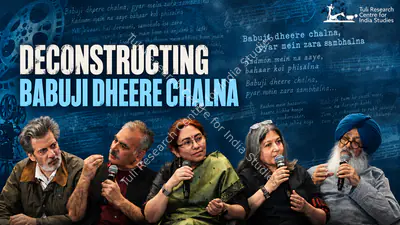
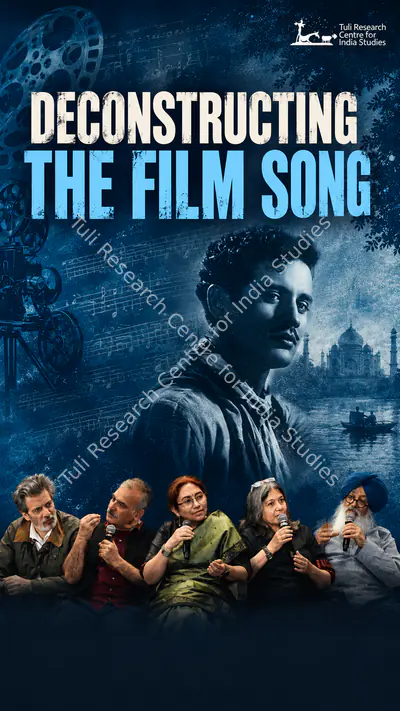
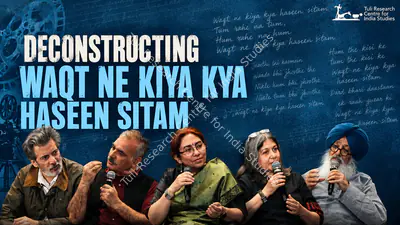
- ArchivedDeconstructing the Hindi Film SongProject 62A Musical Glue for Nation-BuildingFour Classic Songs from the cinema of Guru Dutt and the genius of S.D. Burman, O.P. Nayyar, Sahir Ludhianvi, Majrooh Sultanpuri, Geeta Dutt & Mohammed RafinnBabuji Dheere Chalna | Aar Paar-1954 nJinen Naaz Hai Hind Par | Pyaasa-1957 nYe Duniya Agar Mile Be Jaye | Pyaasa-1957 nWaqt Ne Kiya Kya Haseen Sitam | Kaagaz Ke Phool-195917th February 20266:30pmM.L. Bhartia Auditorium, Alliance Francaise de Delhi, 72 K.K. Birla Lane, Lodi Estate, New Delhi, 110006Madan Gopal Singh, Ravikant, Antara Mondal, Juhi Saklani & Neville TuliA key section of the India Studies framework at The Tuli Research Centre for India Studies (T.R.I.S.) is “Deconstructing the Hindi Film Song”. It will begin with a series of four workshops that brings together leading scholars & academics, film practitioners & students, along with fans of the Hindi film song. The objective of these workshops is to deconstruct iconic Hindi film songs to examine their formation across music, lyrics, playback, choreography, directorial visualisation, as they fuse into sites where aesthetics, ideology, and performance intersect. The Hindi Film Song functions as a narrative device, conveying myriad textures of emotion through melody, voice and poetry. As cultural texts that encode memory, desire, and ideology, songs are integral to the circulation and resonance of films in the public realm. Over time they have become autonomous bundles of creative energy - the glue that binds us over time, articulating and perhaps even defining the idea of Indianness. The first Workshops are an attempt to understand the nature and power of this glue, while contemplating the ways to situate it within TRIS' academic framework for Contemporary India Studies.Read More →
Related
38
Films
20
Personalities
18