Introduction
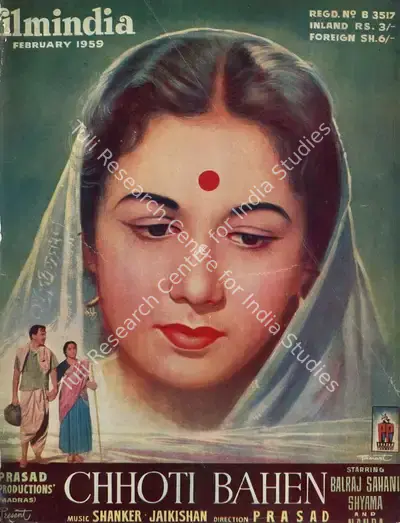
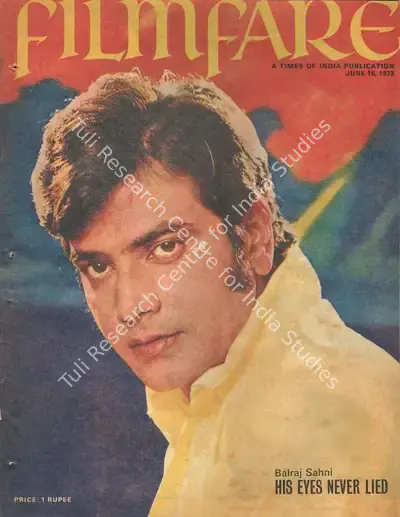
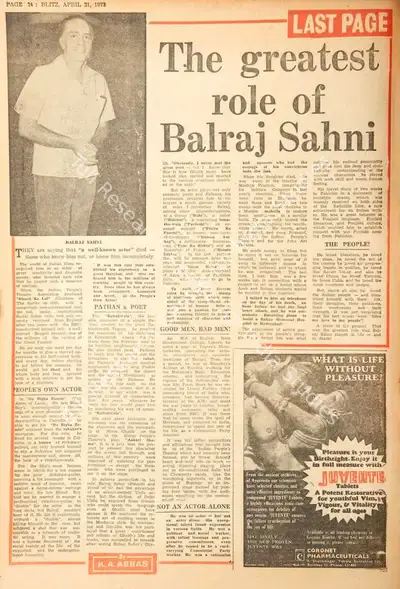
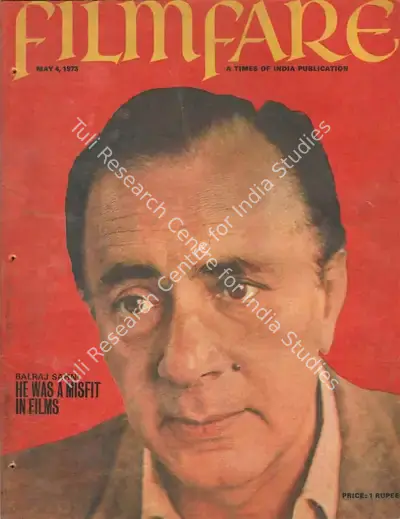
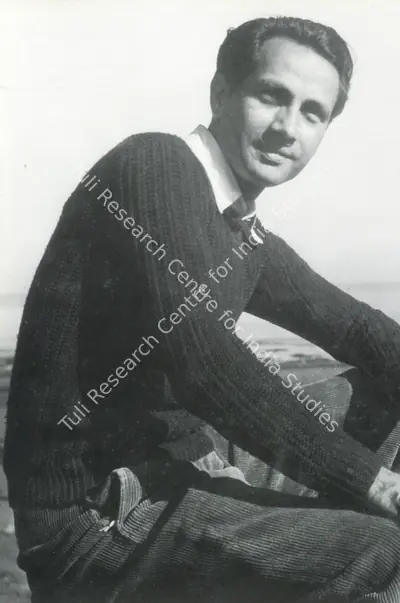
Balraj Sahni remains one of Indian cinema's most luminous presences—a rare artist whose craft transcended performance to become a quiet moral force. Scholar, teacher, actor, and thinker, he brought to the screen not merely a character, but the pulse of lived experience, investing even his most restrained performances with profound humanity. Brother to the acclaimed writer Bhisham Sahni, Balraj embodied an uncommon synthesis of intellect, empathy, and artistic integrity—qualities that gave his work a resonance far beyond the screen and continue to make it timeless.
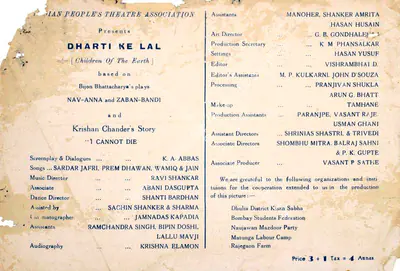
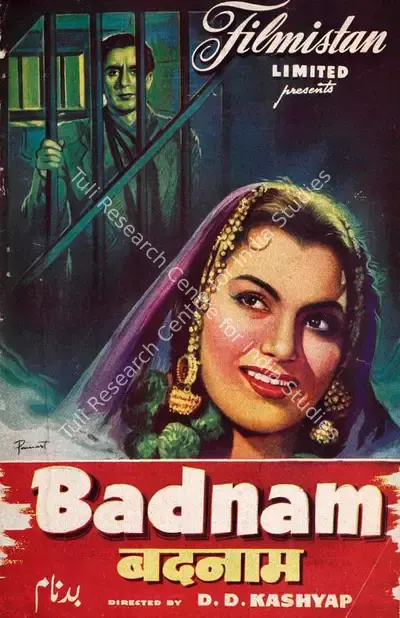
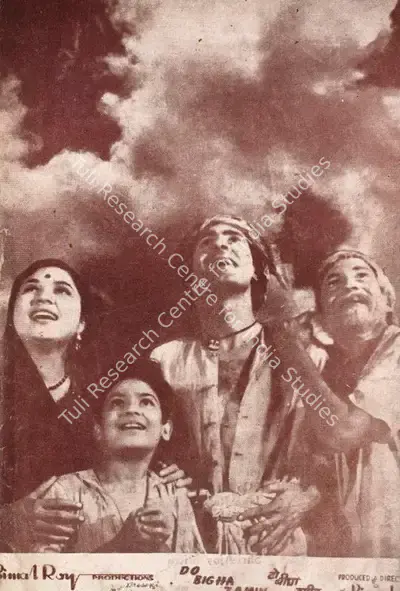
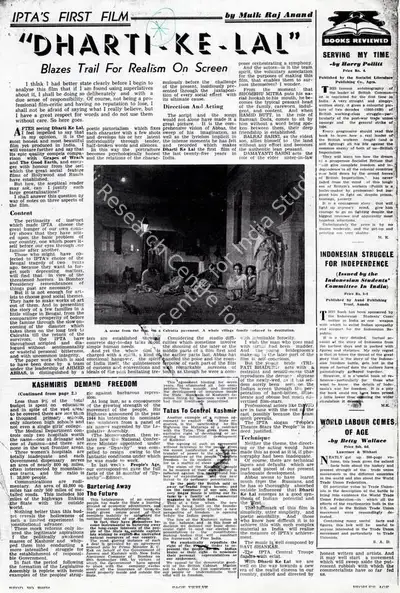
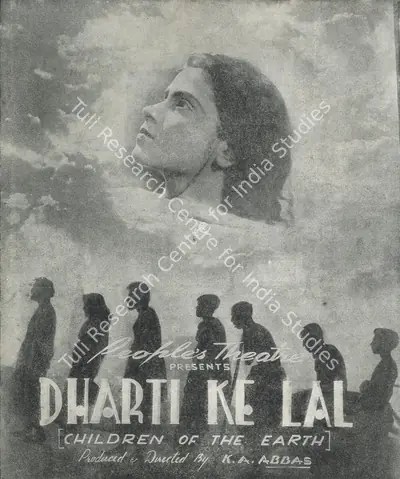
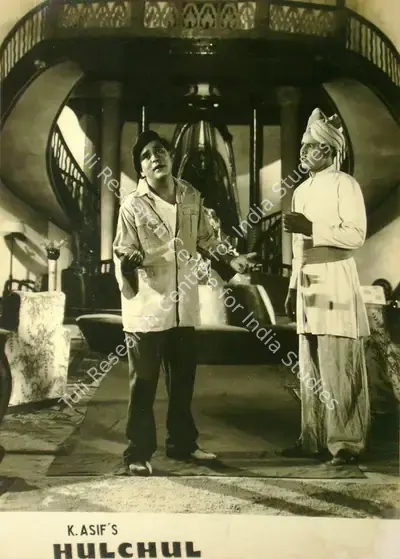
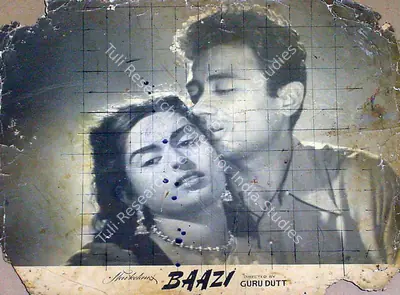
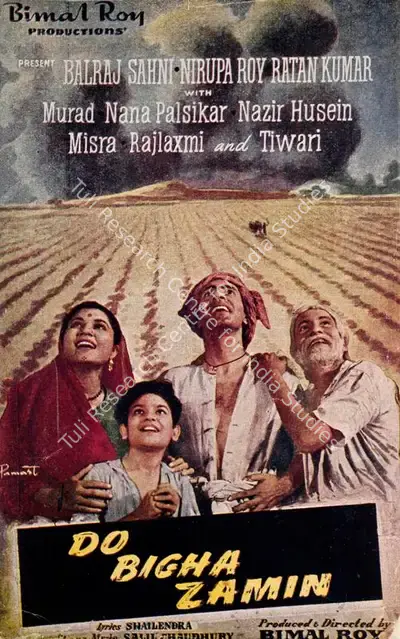
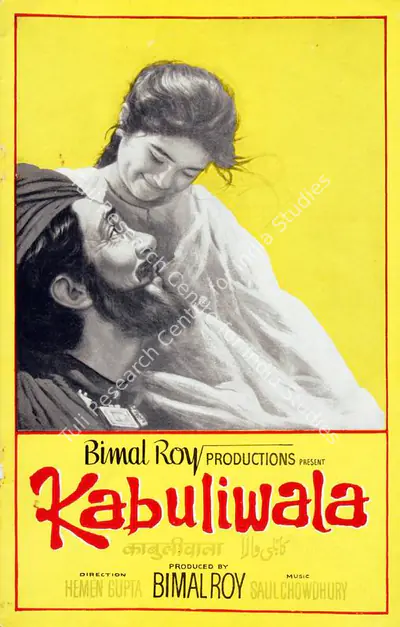
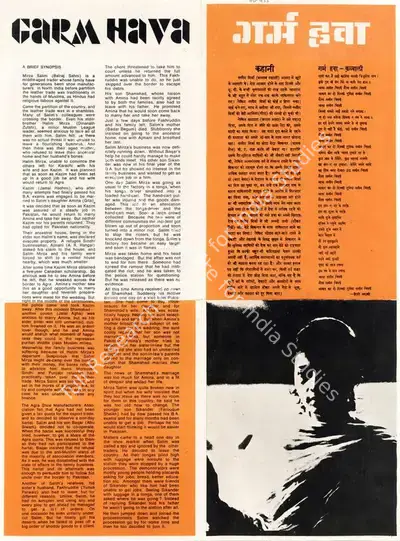
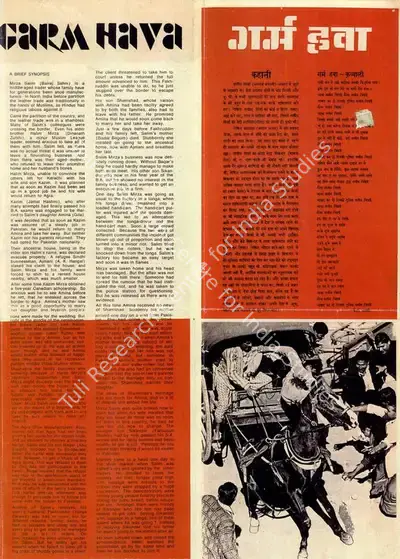
From Dharti Ke Lal (1946) to the neo-realist landmark Do Bigha Zamin (1953), from Kabuliwala (1961) and Waqt (1965) to his final, elegiac masterpiece Garam Hawa (1973), his filmography reads like a journey through the moral imagination of a nation. His acting was neither showy nor sentimental; it was the art of restraint—of silences heavy with feeling. In the weary farmer, the principled father, or the anguished Muslim trader torn by Partition, Sahni gave voice to the ordinary man's quiet dignity and despair. His understated style, rooted in emotional truth rather than theatrical flourish, redefined screen acting in India. Whether portraying a struggling farmer, a devoted father, or a dignified yet anguished businessman during Partition, Sahni infused his characters with rare sincerity and social consciousness.
Born in Rawalpindi to a family inspired by the reformist ideals of the Arya Samaj, Sahni grew up in an atmosphere where freedom, reason, and compassion were sacred words. He studied English Literature in Lahore, taught in Shantiniketan under Tagore's gentle skies, and briefly worked alongside Mahatma Gandhi before journeying to London in 1939 to join the BBC's Hindi Service—where George Orwell was among his colleagues. The arc of his life traced the great movements of his age: colonialism, freedom, and the quest for human justice.
The death of his first wife, Damayanti—herself a talented IPTA actress—was a blow that left a permanent shadow on his spirit. Yet, through art, he found renewal. In the hands of Bimal Roy, Sahni became the face of the dispossessed in Do Bigha Zamin, a film that carried Indian realism to the world stage. Later, his performance in Garam Hawa—his last—was a culmination of his beliefs. The film's haunting final line, Insaan kab tak akela jee sakta hai? (How long can a man live alone?), became both epitaph and testament to his faith in collective humanity.
A man of letters as much as of cinema, Sahni wrote eloquent travelogues like Mera Pakistani Safarnama and Mera Rusi Safarnama, the latter winning the Soviet Land Nehru Award. A Marxist by conviction and a humanist by temperament, he served as the first president of the All India Youth Federation and remained steadfastly engaged with the struggles of his time.
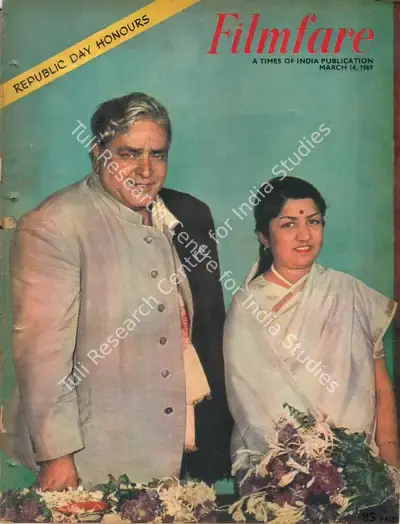
Recipient of the Padma Shri in 1969, Balraj Sahni's legacy endures—not merely in films, but in the moral grace he lent to his art. His life was a bridge between intellect and emotion, art and conscience—a testament to how truth, when spoken softly, can still echo through generations.
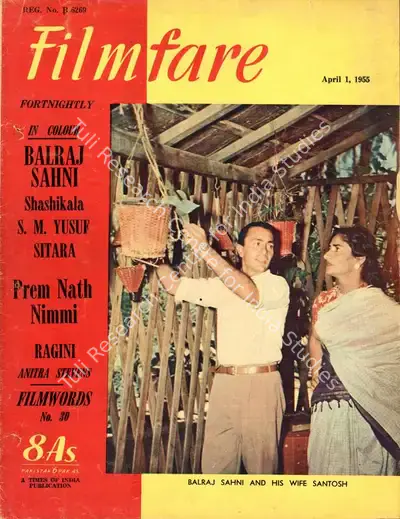
He died of a massive cardiac arrest on April 13, 1973, at the age of 59, shortly after completing his landmark film Garam Hawa. On his deathbed, the legendary actor/writer Sahni did not leave behind a newly written letter or note, but instead made a poignant final request tied to his lifelong ideological beliefs. As he lay dying from a massive cardiac arrest, he asked his wife, Santosh Chandhok, to bring a copy of Das Kapital—the foundational text of the communist movement—and place it beside his pillow.
Source:
https://en.wikipedia.org/wiki/Balraj_Sahni
https://www.youtube.com/watch?v=m0ek-t9TYOY
https://theprint.in/feature/balraj-sahni-the-common-mans-hero-who-told-their-story-through-cinema/229795/
बलराज साहनी भारतीय सिनेमा की शानदार हस्तियों में से एक हैं। एक ऐसे अनोखे कलाकार थे, जिनकी कला सिर्फ़ एक्टिंग से कहीं आगे बढ़कर एक शांत नैतिक ताक़त बन गई। विद्वान, शिक्षक, अभिनेता और विचारक के तौर पर, उन्होंने पर्दे पर सिर्फ़ कोई किरदार नहीं निभाया, बल्कि असल ज़िंदगी के अनुभवों की धड़कन को उतारा। अपनी बेहद संयमित एक्टिंग में भी उन्होंने गहरी मानवीयता दिखाई। मशहूर लेखक भीष्म साहनी के भाई, बलराज बुद्धि, सहानुभूति और कलात्मक ईमानदारी का एक अनोखा संगम थे। इन गुणों ने उनके काम को पर्दे से कहीं आगे तक असरदार बनाया और आज भी उनके काम को कालजयी बनाए हुए है।
'धरती के लाल' (1946) से लेकर नियो-रियलिस्टिक (यथार्थवादी) फ़िल्म 'दो बीघा ज़मीन' (1953) तक, 'काबुलीवाला' (1961) और 'वक़्त' (1965) से लेकर उनकी आख़िरी, भावुक कर देने वाली बेहतरीन फ़िल्म 'गरम हवा' (1973) तक, उनकी फ़िल्मों की सूची किसी देश की नैतिक सोच के सफ़र जैसी लगती है। उनकी एक्टिंग न तो दिखावटी थी और न ही बहुत ज़्यादा भावुक। यह संयम की कला थी। ख़ामोशी जिसमें गहरे एहसास छिपे हों। थके-हारे किसान, उसूलों वाले पिता, या बंटवारे से दुखी मुस्लिम व्यापारी के किरदार में, साहनी ने आम आदमी की शांत गरिमा और निराशा को आवाज़ दी। उनका सादगी-भरा अंदाज़, जो नाटकीय दिखावे के बजाय भावनात्मक सच्चाई पर टिका था, उसने भारत में स्क्रीन एक्टिंग को एक नई परिभाषा दी। चाहे संघर्ष करते किसान का किरदार हो, समर्पित पिता का, या बंटवारे के समय गरिमापूर्ण लेकिन दुखी व्यापारी का साहनी ने अपने किरदारों में अनोखी ईमानदारी और सामाजिक चेतना भरी।
रावलपिंडी में आर्य समाज के सुधारवादी विचारों से प्रेरित परिवार में जन्मे साहनी ऐसे माहौल में पले-बढ़े जहाँ आज़ादी, तर्क और करुणा पवित्र शब्द थे। उन्होंने लाहौर में अंग्रेज़ी साहित्य की पढ़ाई की, शांतिनिकेतन में टैगोर के सानिध्य में पढ़ाया, और कुछ समय महात्मा गांधी के साथ काम किया। इसके बाद 1939 में वे बीबीसी की हिंदी सर्विस से जुड़ने के लिए लंदन गए, जहाँ जॉर्ज ऑरवेल उनके साथियों में से एक थे। उनके जीवन का सफ़र उनके दौर के बड़े आंदोलनों के साथ-साथ चला। उपनिवेशवाद, आज़ादी और मानवीय न्याय की खोज।
उनकी पहली पत्नी दमयंती, जो ख़ुद एक टैलेंटेड इप्टा एक्ट्रेस थीं, जिनकी मौत ने उनके मन पर गहरा असर डाला। फिर भी, कला के ज़रिए उन्हें नई ऊर्जा मिली। बिमल रॉय की फ़िल्म 'दो बीघा ज़मीन' में साहनी बेघर और बेसहारा लोगों की आवाज़ बने। इस फ़िल्म ने भारतीय यथार्थवाद को दुनिया के मंच तक पहुँचाया। बाद में, 'गरम हवा' में उनकी एक्टिंग, जो उनकी आख़िरी फ़िल्म थी उनके विचारों का निचोड़ थी। फ़िल्म का यादगार आख़िरी डायलॉग, "इंसान कब तक अकेला जी सकता है?", सामूहिक इंसानियत में उनके भरोसे की निशानी और उनकी पहचान बन गया।
सिनेमा के साथ-साथ साहित्य में भी माहिर साहनी ने 'मेरा पाकिस्तानी सफ़रनामा' और 'मेरा रूसी सफ़रनामा' जैसे बेहतरीन सफ़रनामे लिखे, 'मेरा रूसी सफ़रनामा' को सोवियत लैंड नेहरू अवॉर्ड भी मिला। पक्के मार्क्सवादी और स्वभाव से मानवतावादी साहनी 'ऑल इंडिया यूथ फ़ेडरेशन' के पहले प्रेसिडेंट बने और अपने समय के संघर्षों में हमेशा सक्रिय रहे।
1969 में पद्म श्री पाने वाले बलराज साहनी की विरासत आज भी ज़िंदा है। सिर्फ़ फ़िल्मों में ही नहीं, बल्कि उनकी कला में झलकने वाली नैतिक गरिमा में भी। उनका जीवन बुद्धि और भावना, कला और ज़मीर के बीच एक पुल की तरह था। यह इस बात का सबूत है कि जब सच को नरमी से कहा जाता है तो वह पीढ़ियों तक गूँजता रहता है।
अपनी यादगार फ़िल्म 'गरम हवा' पूरी करने के कुछ ही समय बाद, 13 अप्रैल 1973 को 59 साल की उम्र में दिल का दौरा पड़ने से उनका निधन हो गया। मौत के समय, मशहूर एक्टर और लेखक साहनी ने कोई नया खत या नोट नहीं छोड़ा, बल्कि अपनी ज़िंदगी भर की विचारधारा से जुड़ी एक मार्मिक आखिरी इच्छा ज़ाहिर की। दिल का दौरा पड़ने के बाद जब वे मौत से जूझ रहे थे, तो उन्होंने अपनी पत्नी संतोष चंडोक से कम्युनिस्ट आंदोलन की बुनियादी किताब 'दास कैपिटल' लाने और उसे अपने तकिए के पास रखने के लिए कहा।
और जानिए
https://en.wikipedia.org/wiki/Balraj_Sahni
https://www.youtube.com/watch?v=m0ek-t9TYOY
https://theprint.in/feature/balraj-sahni-the-common-mans-hero-who-told-their-story-through-cinema/229795/
- Date of Birth
- 01 May 1913
- Zodiac sign
- Taurus
- Date of Death
- 13 Apr 1973
- Age
- 59
- Nationality
- Indian
- Place of Birth
- Rawalpindi, Undivided India
- Place of Death
- Bombay, India
- Spouse(s)
- Year Marriage Registered
- 1936 | 1949
- Children
- Parikshit Sahni (b. 06 Jul 1939), Shabnam Sahni (1943 – 05 Mar 1972)
- Parent(s)
- Harbanslal Sahni, Lakshmi Devi
- Siblings
- Bhisham Sahni (08 Aug 1915 – 11 Jul 2003), Vedwati Sahni, Savitri Sahni
1920
- Gurukul Pothohar (Arya Samaj Gurukul)
1928
- DAV School, Rawalpindi
1930
- DAV College, Rawalpindi
1934
- Govt College, Lahore
1937
- SantiniketanTeacher of Hindi
1970
- IPTAActor-Director
Filmography 97
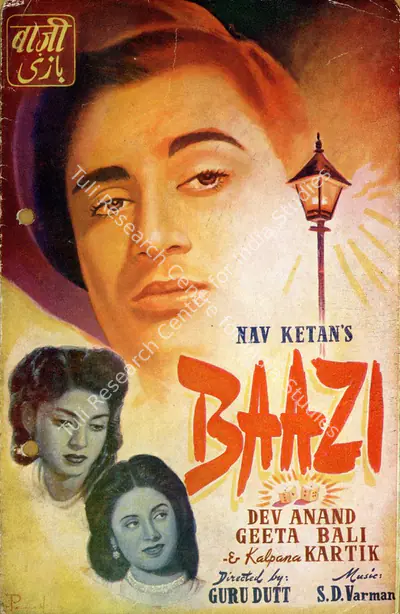
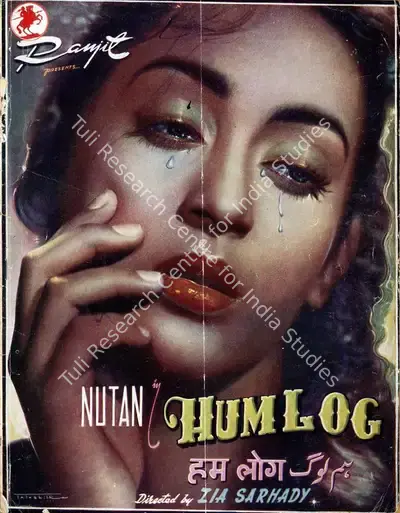
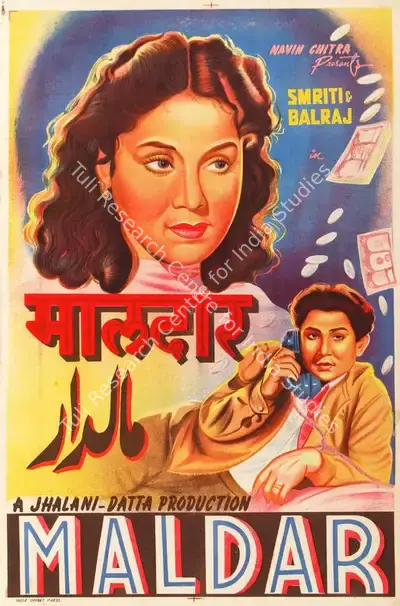
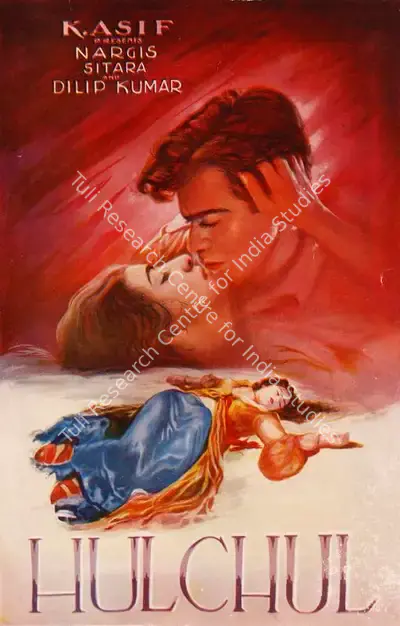
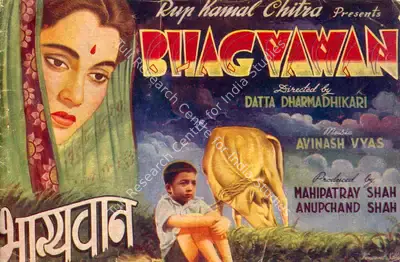
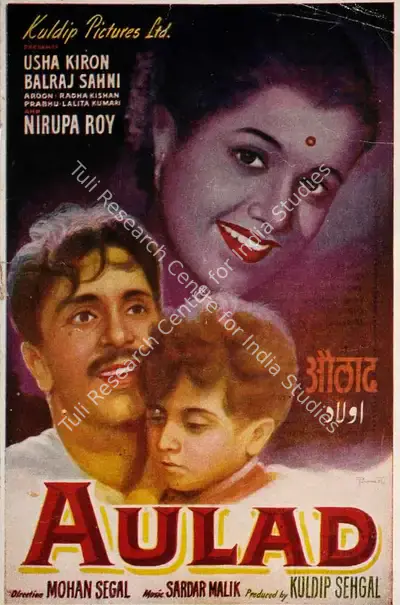
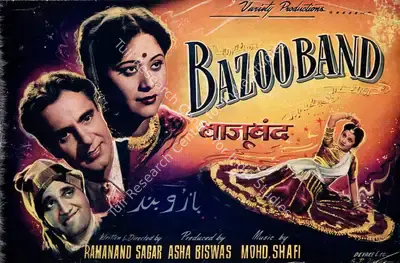
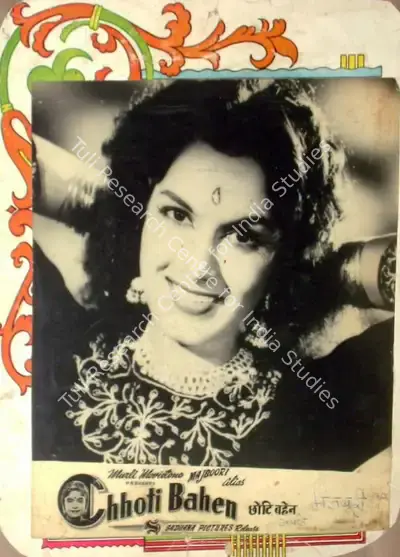
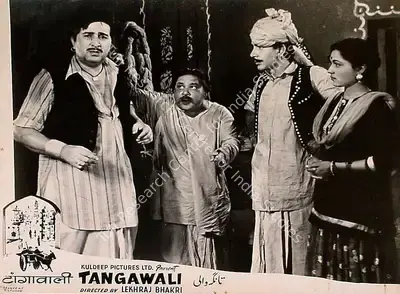

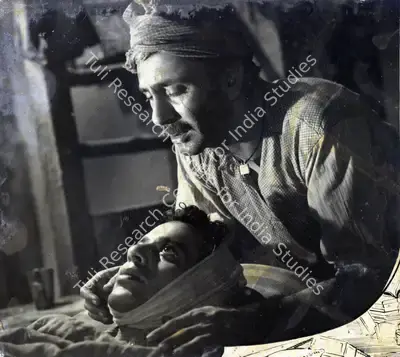
20 of 97
Integrated Timeline
15 entries
Economics of Cinema
2014
- PVR Director's RareScreening
Mumbai, Delhi, Bangalore, Chennai, Pune and Ahmedabad · 14 Nov 2014
2019
- Punaravaloki Film FestivalFilm Festival
Ravindra Bhavan, Bhopal · 04 Dec 2019
2024
- SFI JNU Screening of Do Bigha ZaminScreening
Union Office, TEFLAS CAFÉ, JNU · 22 Dec 2024
1969
- Padma Shri Award
Distinguished Contribution in the Field of Arts · Government of India
Research Centre
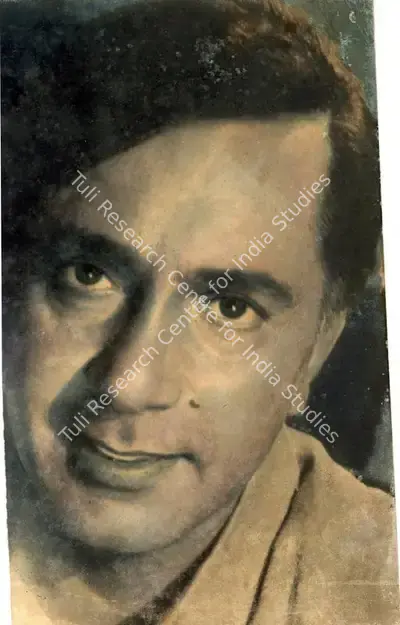
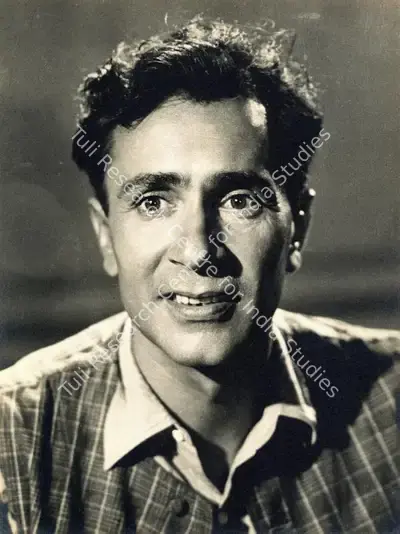
20 of 1,052



20 of 30
20 of 1,012
20 of 22
Related
52
Personalities
31
Films
19