

Introduction
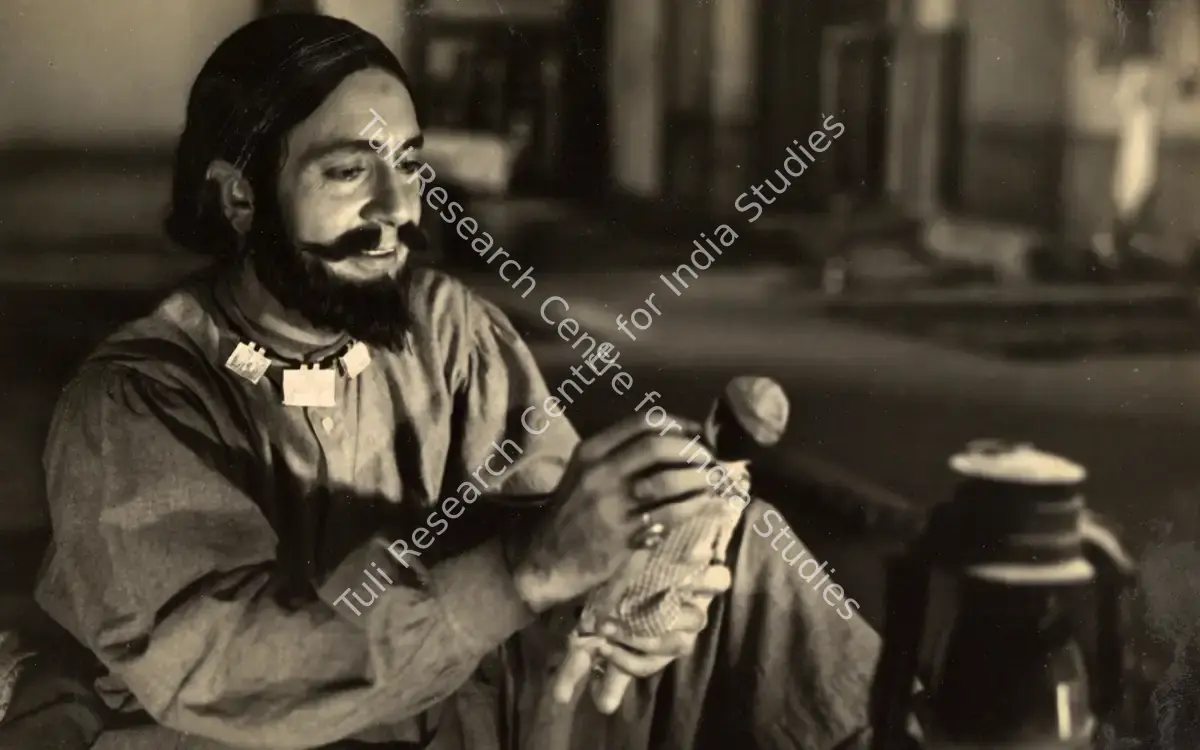
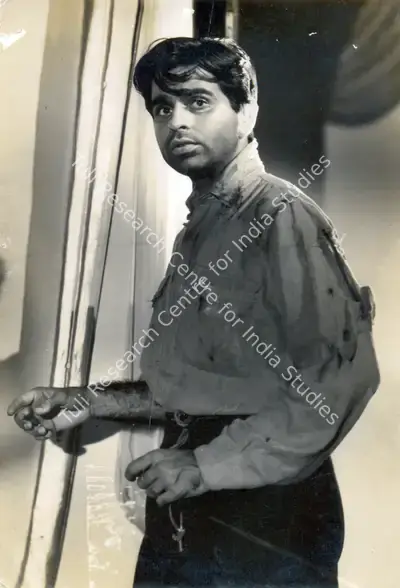
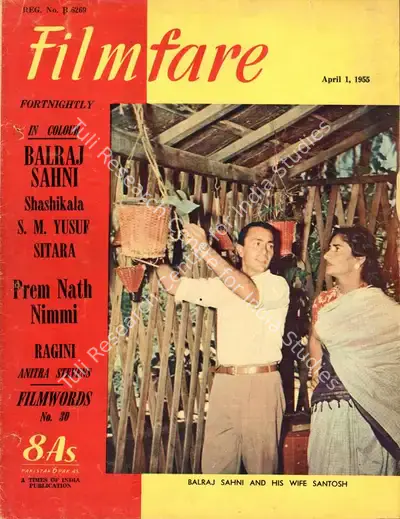
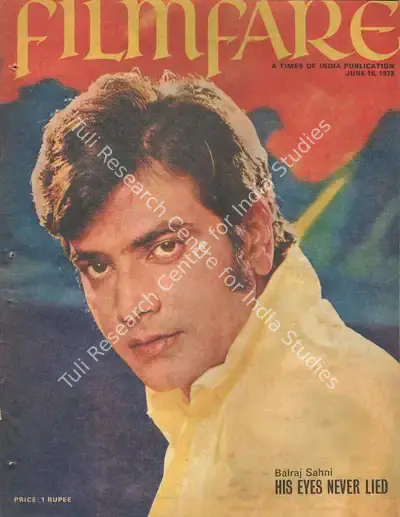
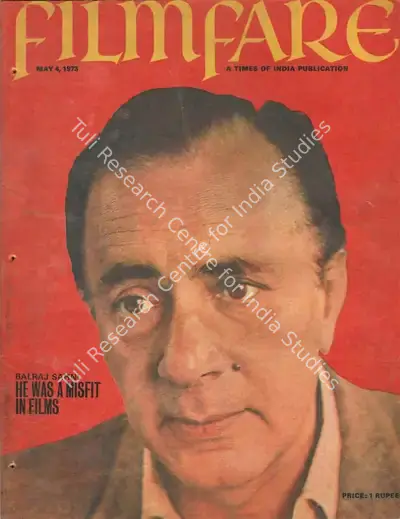
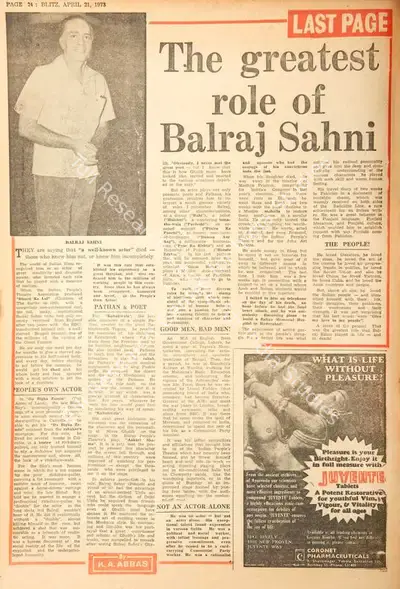
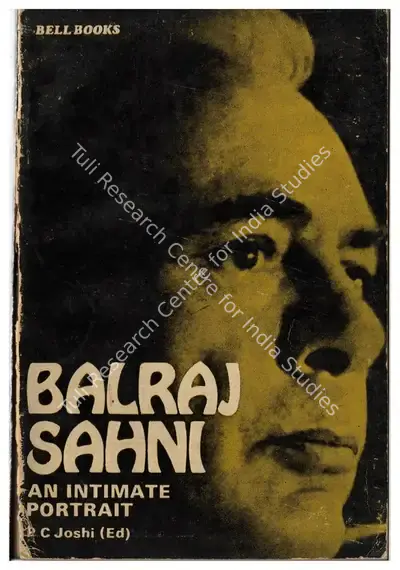
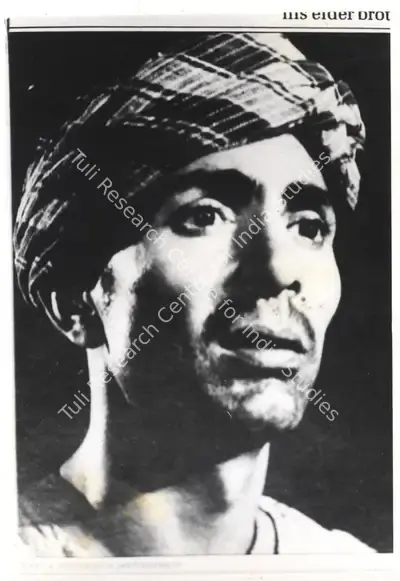
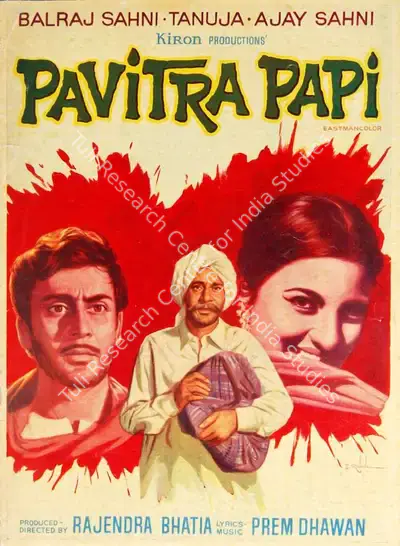
Balraj Sahni (born Yudhishthir Sahni; 1 May 1913 – 13 April 1973) stands as one of Indian cinema's most luminous presences—a man whose artistry transcended performance to become a quiet moral force. Scholar, teacher, actor, and thinker, he brought to the screen not just a character, but the pulse of lived truth. Brother to the acclaimed writer Bhisham Sahni, Balraj embodied that rare synthesis of intellect and empathy which made his work timeless.
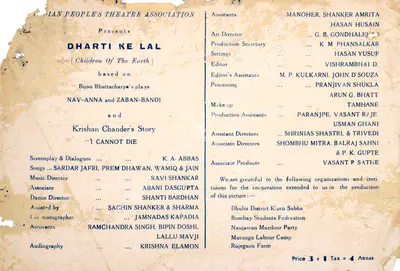
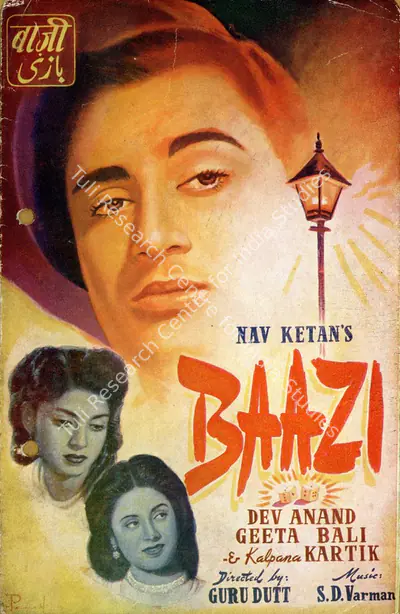
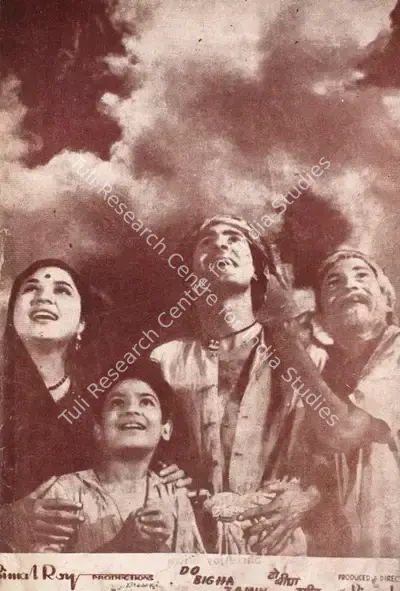
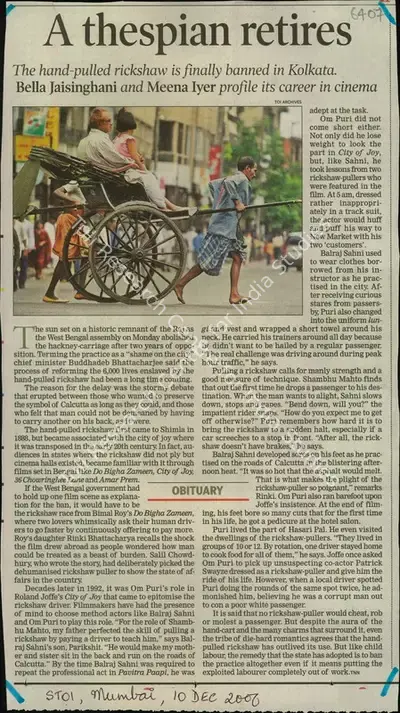
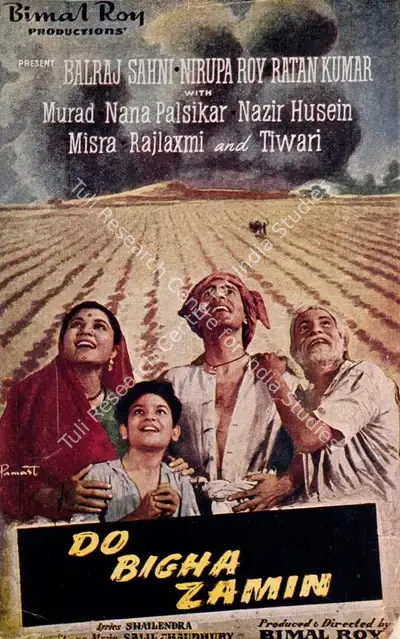
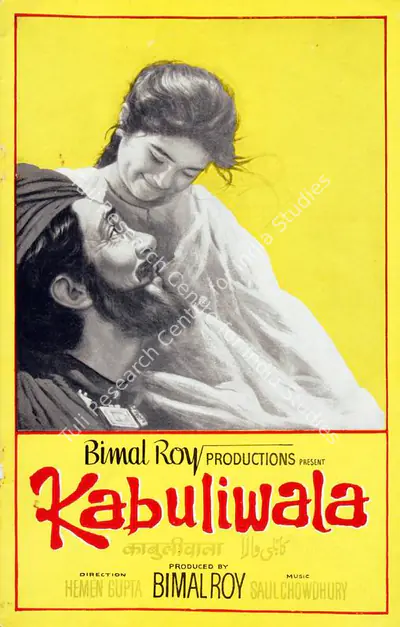
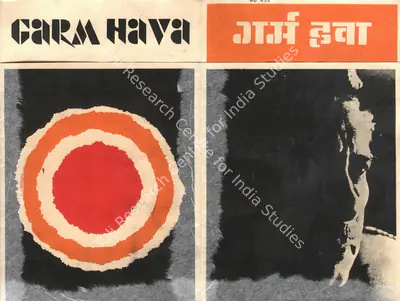
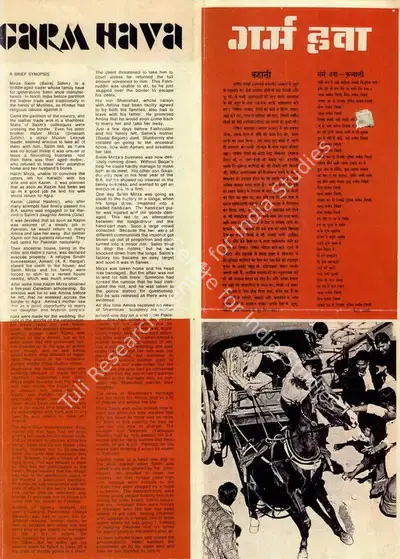
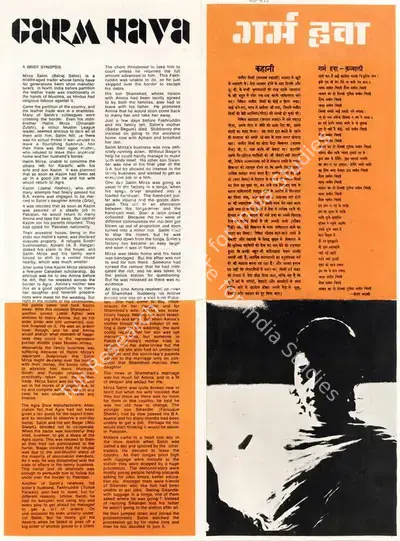
From Dharti Ke Lal (1946) to the neo-realist landmark Do Bigha Zamin (1953), from Kabuliwala (1961) and Waqt (1965) to his final, elegiac masterpiece Garam Hawa (1973), his filmography reads like a journey through the moral imagination of a nation. His acting was neither showy nor sentimental; it was the art of restraint—of silences heavy with feeling. In the weary farmer, the principled father, or the anguished Muslim trader torn by Partition, Sahni gave voice to the ordinary man's quiet dignity and despair. His understated style, rooted in emotional truth rather than theatrical flourish, redefined screen acting in India. Whether portraying a struggling farmer, a devoted father, or a dignified yet anguished businessman during Partition, Sahni infused his characters with rare sincerity and social consciousness.
Born in Rawalpindi to a family inspired by the reformist ideals of the Arya Samaj, Sahni grew up in an atmosphere where freedom, reason, and compassion were sacred words. He studied English Literature in Lahore, taught in Shantiniketan under Tagore's gentle skies, and briefly worked alongside Mahatma Gandhi before journeying to London in 1939 to join the BBC's Hindi Service—where George Orwell was among his colleagues. The arc of his life traced the great movements of his age: colonialism, freedom, and the quest for human justice.
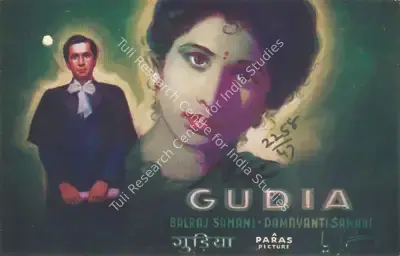
The death of his first wife, Damayanti—herself a talented IPTA actress—was a blow that left a permanent shadow on his spirit. Yet, through art, he found renewal. In the hands of Bimal Roy, Sahni became the face of the dispossessed in Do Bigha Zamin, a film that carried Indian realism to the world stage. Later, his performance in Garam Hawa—his last—was a culmination of his beliefs. The film's haunting final line, Insaan kab tak akela jee sakta hai? (How long can a man live alone?), became both epitaph and testament to his faith in collective humanity.
A man of letters as much as of cinema, Sahni wrote eloquent travelogues like Mera Pakistani Safarnama and Mera Rusi Safarnama, the latter winning the Soviet Land Nehru Award. A Marxist by conviction and a humanist by temperament, he served as the first president of the All India Youth Federation and remained steadfastly engaged with the struggles of his time.
Recipient of the Padma Shri in 1969, Balraj Sahni's legacy endures—not merely in films, but in the moral grace he lent to his art. His life was a bridge between intellect and emotion, art and conscience—a testament to how truth, when spoken softly, can still echo through generations.
- Date of Birth
- 01 May 1913
- Zodiac sign
- Taurus
- Date of Death
- 13 Apr 1973
- Age
- 59
- Nationality
- Indian
- Place of Birth
- Rawalpindi, Undivided India
- Place of Death
- Bombay, India
- Spouse(s)
- Santosh Chandok SahniDamyanti Sahni1919 – 1947
- Year Marriage Registered
- 1936 | 1949
- Children
- Parikshit Sahnib. 06 Jul 1939Shabnam Sahni1943 – 05 Mar 1972
- Parent(s)
- Harbanslal SahniLakshmi Devi
- Siblings
- Bhisham Sahni08 Aug 1915 – 11 Jul 2003Vedwati SahniSavitri Sahni
1920
- Gurukul Pothohar (Arya Samaj Gurukul)
1928
- DAV School, Rawalpindi
1930
- DAV College, Rawalpindi
1934
- Govt College, Lahore
1937
- SantiniketanTeacher of Hindi
1970
- IPTAActor-Director
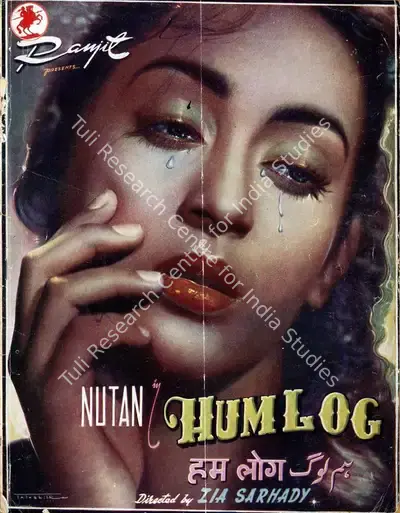
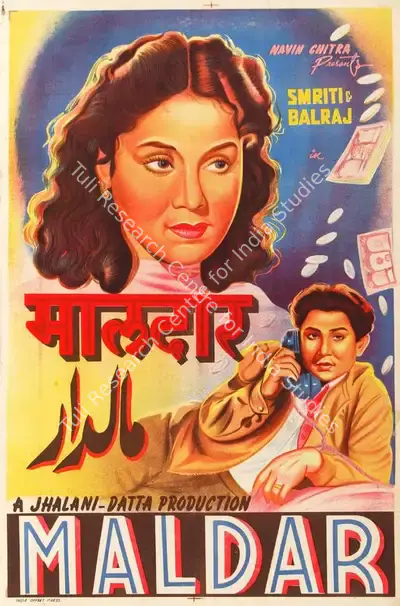
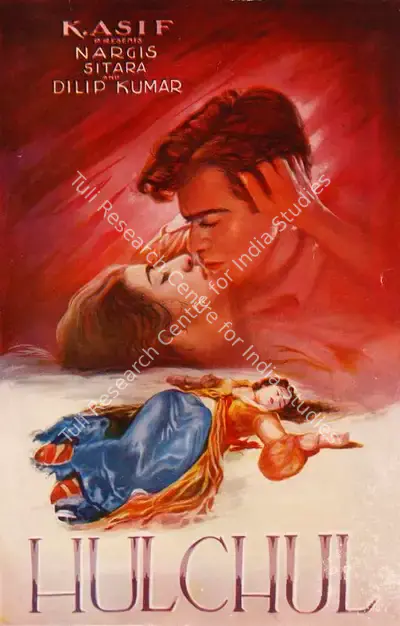
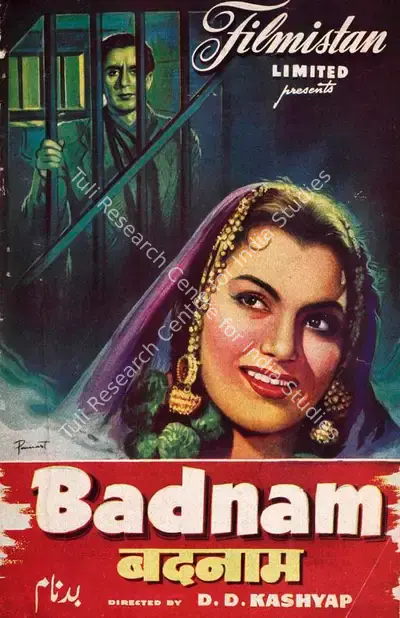
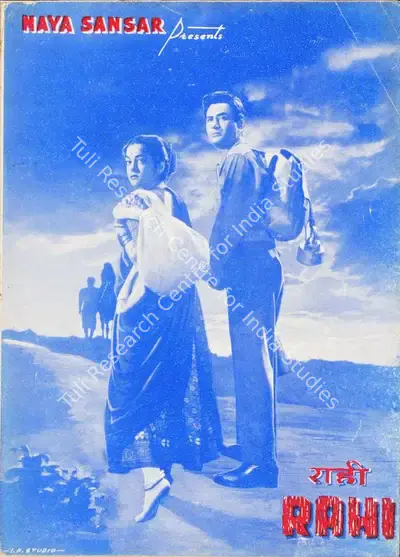
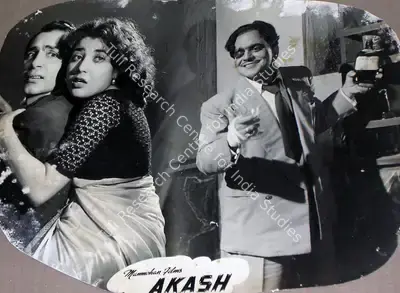
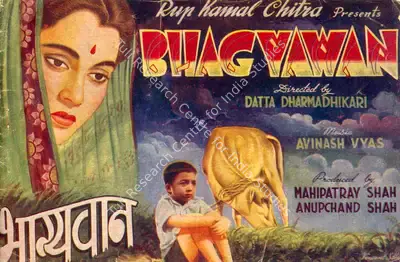
Filmography 97
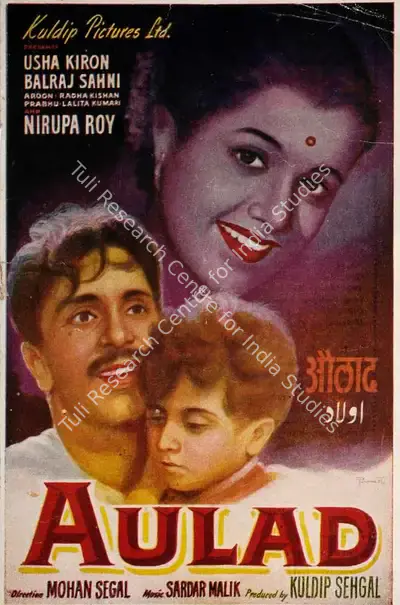
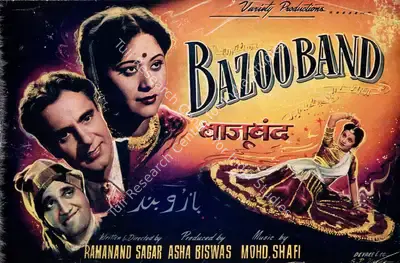
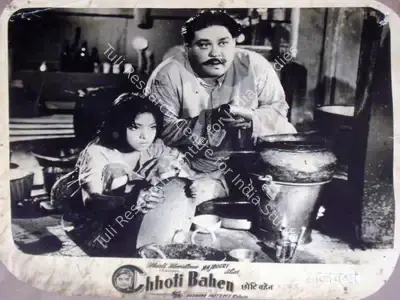
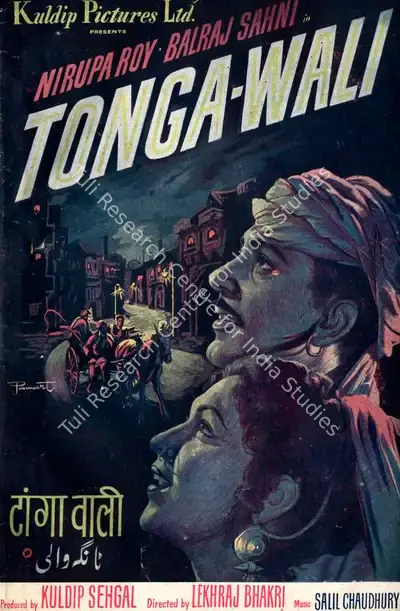
Integrated Timeline
Economics of Cinema
2014
- PVR Director's RareScreening
Mumbai, Delhi, Bangalore, Chennai, Pune and Ahmedabad · 14 Nov 2014
2019
- Punaravaloki Film FestivalFilm Festival
Ravindra Bhavan, Bhopal · 04 Dec 2019
2024
- SFI JNU Screening of Do Bigha ZaminScreening
Union Office, TEFLAS CAFÉ, JNU · 22 Dec 2024
1969
- Padma Shri Award
Distinguished Contribution in the Field of Arts · Government of India
Research Centre


Related
50
Personalities
29
Films
19