Talat Mahmud
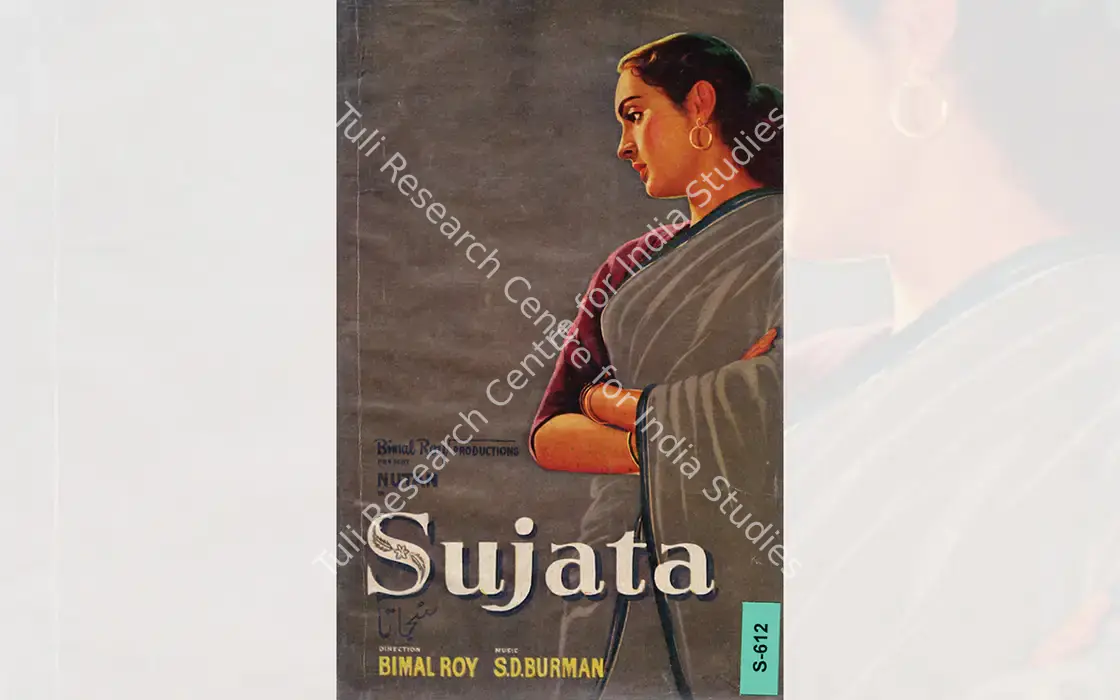
Talat Mahmood (24 February 1924 – 9 May 1998) occupies a distinguished place in the history of Indian music as one of the most celebrated male playback singers and ghazal vocalists of the twentieth century. Renowned for his exceptionally smooth, melancholic, and delicately expressive voice, he became an influential figure who shaped the aesthetic direction of Hindi film music and modern ghazal singing during the 1950s and 1960s. Although he ventured into acting, his achievements as a performer on screen remained modest in comparison with his extraordinary success as a playback singer. He appeared in approximately sixteen films, including productions from both the Calcutta and Bombay film industries. Three of his starring films achieved regional success in Calcutta. During his early years in Calcutta, he also recorded numerous Bengali songs under the adopted name of Tapan Kumar. Born in Lucknow into a conservative Muslim family, Talat Mahmood demonstrated a profound inclination towards music from childhood. He was fascinated by classical performances and frequently attended all-night musical gatherings, which played a significant role in nurturing his artistic sensibilities. He received classical music training under Pandit S.C.R. Bhat at Marris College of Music, Lucknow, now known as Bhatkhande Music Institute, during the late 1930s. His early exposure to classical traditions provided the foundation for the refined vocal style that later distinguished him from his contemporaries. At the age of sixteen, Talat began his professional singing journey in 1939 by performing ghazals by renowned poets such as Daagh Dehlvi, Mir Taqi Mir, and Jigar Moradabadi on All India Radio, Lucknow. His voice possessed a unique combination of tenderness, emotional depth, and tonal richness, which soon attracted the attention of His Master's Voice. In 1941, he recorded his first disc, featuring songs such as Sab Din Ek Samaan Nahin Tha, Bun Jaoonga Kya Se Kya Main, and Iska To Kuch Dhyan Nahin Tha. Over the course of a career spanning four decades, he recorded nearly 750 songs in twelve languages, leaving an enduring legacy across Indian musical traditions. Talat Mahmood's greatest distinction lay in his ability to communicate profound emotions through his characteristic trembling yet velvety voice. He became especially admired for romantic and sorrowful compositions, bringing a rare sensitivity and sophistication to both film songs and ghazals. His unforgettable contributions to Indian cinema include Sham-E-Gham Ki Kasam from Footpath (1953), Jayen To Jayen Kahan from Taxi Driver (1954), and Tasveer Banata Hoon from Baradari (1955). His deeply expressive rendering of Humse Aaya Na Gaya from Dekh Kabira Roya (1957) remains one of his most cherished performances. Other timeless melodies include Itna Na Mujhse Tu Pyar Badha from Chhaya (1961), Seene Mein Sulagte Hain Armaan from Tarana (1951), Jalte Hain Jiske Liye from Sujata (1959), Meri Yaad Mein Tum Na Aansu Bahana from Madhosh (1951), Phir Wohi Shaam Wohi Gham from Jahan Ara (1964), and Ae Mere Dil Kahin Aur Chal from Daag (1952). Talat's reputation as a master of ghazal singing extended far beyond Lucknow and reached Calcutta, a major cultural centre of Indian music and cinema during the 1940s. His performances placed him among the finest vocalists of his era, alongside legendary figures such as K.L. Saigal and other celebrated ghazal artists. His classical compositions, including Sapnon Ki Suhaani Duniya Ko from Shikast (1953) and Laage Tose Naina from Chaandi Ki Deewar(1964), further demonstrated his versatility as a singer. The song Tasveer Teri Dil Mera Behela Na Sakegi, released in 1944, became a landmark recording that brought him nationwide recognition and opened the doors of the Calcutta film industry. In 1949, Talat moved to Bombay, where he established himself in Hindi cinema. His major breakthrough came with Ae Dil Mujhe Aisi Jagah Le Chal, composed by Anil Biswas for the film Arzoo (1950), a song that cemented his position as a leading playback singer. Beyond his own illustrious career, Talat also contributed to the growth of other artists. In 1953, he helped introduce Suman Kalyanpur to the music industry by recommending her to His Master's Voice after hearing her perform. Their duet Ek Dil Do Hain Talabgaar from Darwaza (1954) became one of their notable collaborations. Talat Mahmood received the Padma Bhushan in 1992 for his outstanding contribution to cinematic and ghazal music. India Post honoured him with a commemorative postage stamp in 2016, recognising his immense influence on Indian musical heritage. His final Hindi film song was a duet with Lata Mangeshkar, composed by Laxmikant–Pyarelal for Woh Din Yaad Karo (1971). He later appeared in the Urdu film Wali-E-Azam (1987) alongside Hemlata. He passed away on 9 May 1998, leaving behind a timeless musical legacy whose elegance, emotional resonance, and artistic refinement continue to inspire generations of listeners.
Talat Mahmood (24 February 1924 – 9 May 1998) occupies a distinguished place in the history of Indian music as one of the most celebrated male playback singers and ghazal vocalists of the twentieth century. Renowned for his exceptionally smooth, melancholic, and delicately expressive voice, he became an influential figure who shaped the aesthetic direction of Hindi film music and modern ghazal singing during the 1950s and 1960s. Although he ventured into acting, his achievements as a performer on screen remained modest in comparison with his extraordinary success as a playback singer. He appeared in approximately sixteen films, including productions from both the Calcutta and Bombay film industries. Three of his starring films achieved regional success in Calcutta. During his early years in Calcutta, he also recorded numerous Bengali songs under the adopted name of Tapan Kumar. Born in Lucknow into a conservative Muslim family, Talat Mahmood demonstrated a profound inclination towards music from childhood. He was fascinated by classical performances and frequently attended all-night musical gatherings, which played a significant role in nurturing his artistic sensibilities. He received classical music training under Pandit S.C.R. Bhat at Marris College of Music, Lucknow, now known as Bhatkhande Music Institute, during the late 1930s. His early exposure to classical traditions provided the foundation for the refined vocal style that later distinguished him from his contemporaries. At the age of sixteen, Talat began his professional singing journey in 1939 by performing ghazals by renowned poets such as Daagh Dehlvi, Mir Taqi Mir, and Jigar Moradabadi on All India Radio, Lucknow. His voice possessed a unique combination of tenderness, emotional depth, and tonal richness, which soon attracted the attention of His Master's Voice. In 1941, he recorded his first disc, featuring songs such as Sab Din Ek Samaan Nahin Tha, Bun Jaoonga Kya Se Kya Main, and Iska To Kuch Dhyan Nahin Tha. Over the course of a career spanning four decades, he recorded nearly 750 songs in twelve languages, leaving an enduring legacy across Indian musical traditions. Talat Mahmood's greatest distinction lay in his ability to communicate profound emotions through his characteristic trembling yet velvety voice. He became especially admired for romantic and sorrowful compositions, bringing a rare sensitivity and sophistication to both film songs and ghazals. His unforgettable contributions to Indian cinema include Sham-E-Gham Ki Kasam from Footpath (1953), Jayen To Jayen Kahan from Taxi Driver (1954), and Tasveer Banata Hoon from Baradari (1955). His deeply expressive rendering of Humse Aaya Na Gaya from Dekh Kabira Roya (1957) remains one of his most cherished performances. Other timeless melodies include Itna Na Mujhse Tu Pyar Badha from Chhaya (1961), Seene Mein Sulagte Hain Armaan from Tarana (1951), Jalte Hain Jiske Liye from Sujata (1959), Meri Yaad Mein Tum Na Aansu Bahana from Madhosh (1951), Phir Wohi Shaam Wohi Gham from Jahan Ara (1964), and Ae Mere Dil Kahin Aur Chal from Daag (1952). Talat's reputation as a master of ghazal singing extended far beyond Lucknow and reached Calcutta, a major cultural centre of Indian music and cinema during the 1940s. His performances placed him among the finest vocalists of his era, alongside legendary figures such as K.L. Saigal and other celebrated ghazal artists. His classical compositions, including Sapnon Ki Suhaani Duniya Ko from Shikast (1953) and Laage Tose Naina from Chaandi Ki Deewar(1964), further demonstrated his versatility as a singer. The song Tasveer Teri Dil Mera Behela Na Sakegi, released in 1944, became a landmark recording that brought him nationwide recognition and opened the doors of the Calcutta film industry. In 1949, Talat moved to Bombay, where he established himself in Hindi cinema. His major breakthrough came with Ae Dil Mujhe Aisi Jagah Le Chal, composed by Anil Biswas for the film Arzoo (1950), a song that cemented his position as a leading playback singer. Beyond his own illustrious career, Talat also contributed to the growth of other artists. In 1953, he helped introduce Suman Kalyanpur to the music industry by recommending her to His Master's Voice after hearing her perform. Their duet Ek Dil Do Hain Talabgaar from Darwaza (1954) became one of their notable collaborations. Talat Mahmood received the Padma Bhushan in 1992 for his outstanding contribution to cinematic and ghazal music. India Post honoured him with a commemorative postage stamp in 2016, recognising his immense influence on Indian musical heritage. His final Hindi film song was a duet with Lata Mangeshkar, composed by Laxmikant–Pyarelal for Woh Din Yaad Karo (1971). He later appeared in the Urdu film Wali-E-Azam (1987) alongside Hemlata. He passed away on 9 May 1998, leaving behind a timeless musical legacy whose elegance, emotional resonance, and artistic refinement continue to inspire generations of listeners.
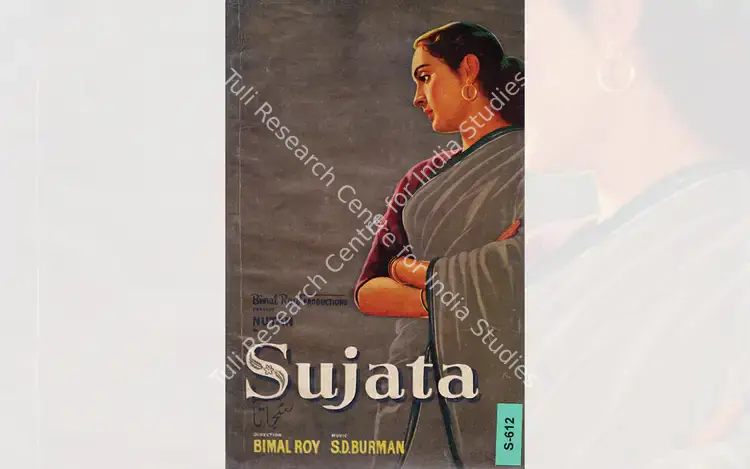
Talat Mahmood (24 February 1924 – 9 May 1998) occupies a distinguished place in the history of Indian music as one of the most celebrated male playback singers and ghazal vocalists of the twentieth century. Renowned for his exceptionally smooth, melancholic, and delicately expressive voice, he became an influential figure who shaped the aesthetic direction of Hindi film music and modern ghazal singing during the 1950s and 1960s. Although he ventured into acting, his achievements as a performer on screen remained modest in comparison with his extraordinary success as a playback singer. He appeared in approximately sixteen films, including productions from both the Calcutta and Bombay film industries. Three of his starring films achieved regional success in Calcutta. During his early years in Calcutta, he also recorded numerous Bengali songs under the adopted name of Tapan Kumar.
Born in Lucknow into a conservative Muslim family, Talat Mahmood demonstrated a profound inclination towards music from childhood. He was fascinated by classical performances and frequently attended all-night musical gatherings, which played a significant role in nurturing his artistic sensibilities. He received classical music training under Pandit S.C.R. Bhat at Marris College of Music, Lucknow, now known as Bhatkhande Music Institute, during the late 1930s. His early exposure to classical traditions provided the foundation for the refined vocal style that later distinguished him from his contemporaries.
At the age of sixteen, Talat began his professional singing journey in 1939 by performing ghazals by renowned poets such as Daagh Dehlvi, Mir Taqi Mir, and Jigar Moradabadi on All India Radio, Lucknow. His voice possessed a unique combination of tenderness, emotional depth, and tonal richness, which soon attracted the attention of His Master's Voice. In 1941, he recorded his first disc, featuring songs such as Sab Din Ek Samaan Nahin Tha, Bun Jaoonga Kya Se Kya Main, and Iska To Kuch Dhyan Nahin Tha. Over the course of a career spanning four decades, he recorded nearly 750 songs in twelve languages, leaving an enduring legacy across Indian musical traditions.
Talat Mahmood's greatest distinction lay in his ability to communicate profound emotions through his characteristic trembling yet velvety voice. He became especially admired for romantic and sorrowful compositions, bringing a rare sensitivity and sophistication to both film songs and ghazals. His unforgettable contributions to Indian cinema include Sham-E-Gham Ki Kasam from Footpath (1953), Jayen To Jayen Kahan from Taxi Driver (1954), and Tasveer Banata Hoon from Baradari (1955). His deeply expressive rendering of Humse Aaya Na Gaya from Dekh Kabira Roya (1957) remains one of his most cherished performances. Other timeless melodies include Itna Na Mujhse Tu Pyar Badha from Chhaya (1961), Seene Mein Sulagte Hain Armaan from Tarana (1951), Jalte Hain Jiske Liye from Sujata (1959), Meri Yaad Mein Tum Na Aansu Bahana from Madhosh (1951), Phir Wohi Shaam Wohi Gham from Jahan Ara (1964), and Ae Mere Dil Kahin Aur Chal from Daag (1952).
Talat's reputation as a master of ghazal singing extended far beyond Lucknow and reached Calcutta, a major cultural centre of Indian music and cinema during the 1940s. His performances placed him among the finest vocalists of his era, alongside legendary figures such as K.L. Saigal and other celebrated ghazal artists. His classical compositions, including Sapnon Ki Suhaani Duniya Ko from Shikast (1953) and Laage Tose Naina from Chaandi Ki Deewar(1964), further demonstrated his versatility as a singer.
The song Tasveer Teri Dil Mera Behela Na Sakegi, released in 1944, became a landmark recording that brought him nationwide recognition and opened the doors of the Calcutta film industry. In 1949, Talat moved to Bombay, where he established himself in Hindi cinema. His major breakthrough came with Ae Dil Mujhe Aisi Jagah Le Chal, composed by Anil Biswas for the film Arzoo (1950), a song that cemented his position as a leading playback singer.
Beyond his own illustrious career, Talat also contributed to the growth of other artists. In 1953, he helped introduce Suman Kalyanpur to the music industry by recommending her to His Master's Voice after hearing her perform. Their duet Ek Dil Do Hain Talabgaar from Darwaza (1954) became one of their notable collaborations.
Talat Mahmood received the Padma Bhushan in 1992 for his outstanding contribution to cinematic and ghazal music. India Post honoured him with a commemorative postage stamp in 2016, recognising his immense influence on Indian musical heritage. His final Hindi film song was a duet with Lata Mangeshkar, composed by Laxmikant–Pyarelal for Woh Din Yaad Karo (1971). He later appeared in the Urdu film Wali-E-Azam (1987) alongside Hemlata. He passed away on 9 May 1998, leaving behind a timeless musical legacy whose elegance, emotional resonance, and artistic refinement continue to inspire generations of listeners.
Introduction
Filmography


Anmol Rattan | Hindi | Playback Singer
Feature | Fiction | Black and White | Booklet
Babul | Hindi | Playback Singer
Feature | Fiction | Black and White | Booklet
Jan Pehchan | Hindi | Playback Singer
Feature | Fiction | Black and White | Booklet
Jogan | Hindi | Playback Singer
Feature | Fiction | Black and White | Booklet
Aaram | Hindi | Actor
Feature | Black and White | Booklet
Madhosh | Hindi | Playback Singer
Feature | Fiction | Booklet
Sagar | Hindi | Playback Singer
Feature | Fiction | Black and White | Booklet
Tarana | Hindi | Playback Singer
Fiction | Booklet
Daag | Hindi | Playback Singer
Feature | Fiction | Booklet
Bewafa | Hindi | Playback Singer
Feature | Fiction | Black and White | Booklet
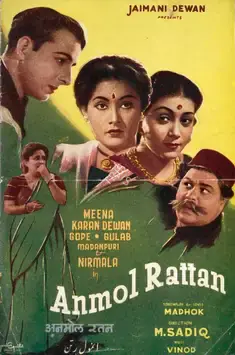
Dewan, Jaimani (Producer), Anmol Rattan, 1950 | Song-Synopsis Booklet

Sunny, S.U. (Producer), Babul, 1950 | Song-Synopsis Booklet
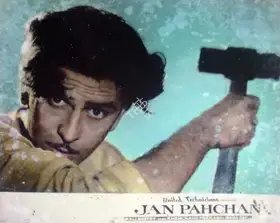
Mistry, Jal (Cinematographer), Jan Pehchan, 1950 | Lobby Card
Research Centre
Sort By | Year (ASC)
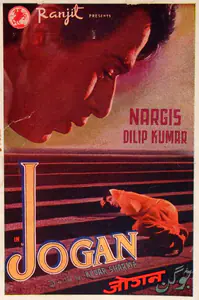
Shah, Chandulal J. (Producer), Jogan, 1950 | Song-Synopsis Booklet
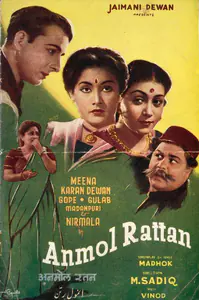
Dewan, Jaimani (Producer), Anmol Rattan, 1950 | Song-Synopsis Booklet
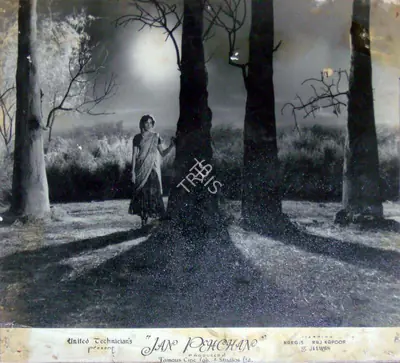
Mistry, Jal (Cinematographer), Jan Pehchan, 1950 | Lobby Card
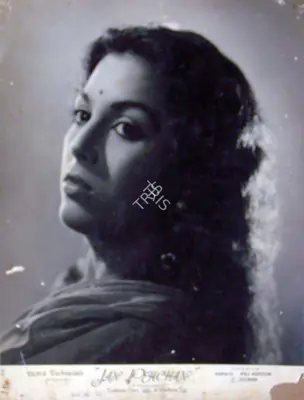
Mistry, Jal (Cinematographer), Jan Pehchan, 1950 | Lobby Card
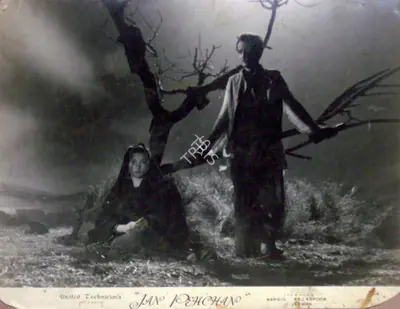
Mistry, Jal (Cinematographer), Jan Pehchan, 1950 | Lobby Card
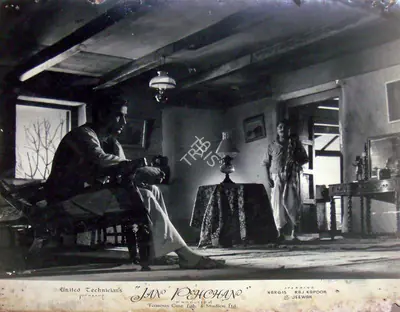
Mistry, Jal (Cinematographer), Jan Pehchan, 1950 | Lobby Card
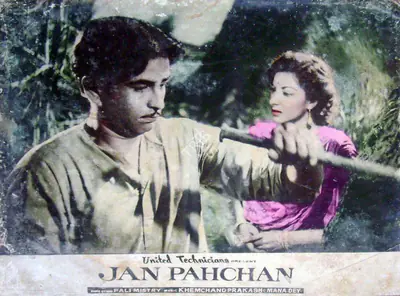
Mistry, Jal (Cinematographer), Jan Pehchan, 1950 | Lobby Card
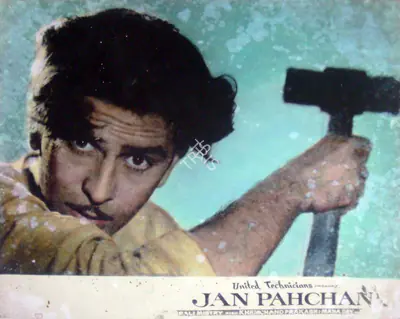
Mistry, Jal (Cinematographer), Jan Pehchan, 1950 | Lobby Card
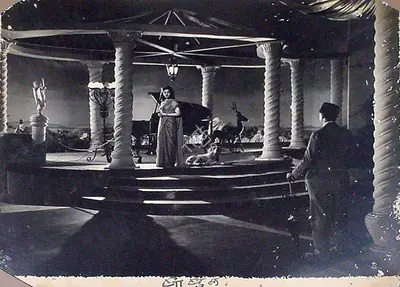
Mistry, Fali (Cinematographer), Babul, 1950 | Lobby Card
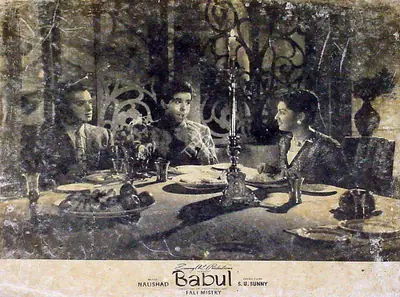
Mistry, Fali (Cinematographer), Babul, 1950 | Lobby Card
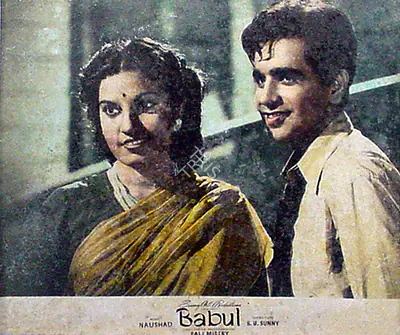
Mistry, Fali (Cinematographer), Babul, 1950 | Lobby Card
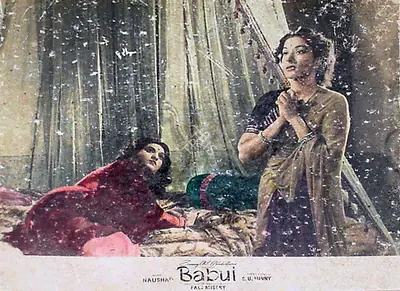
Mistry, Fali (Cinematographer), Babul, 1950 | Lobby Card
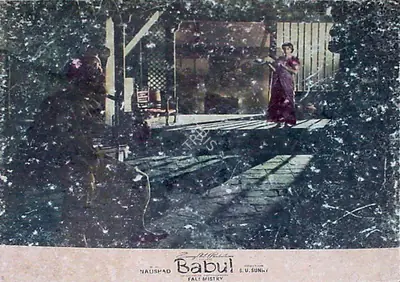
Mistry, Fali (Cinematographer), Babul, 1950 | Lobby Card
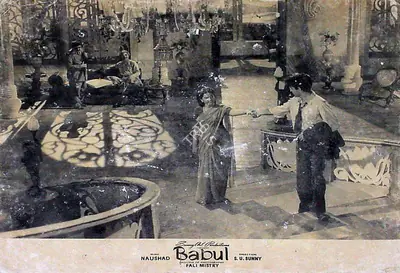
Mistry, Fali (Cinematographer), Babul, 1950 | Lobby Card
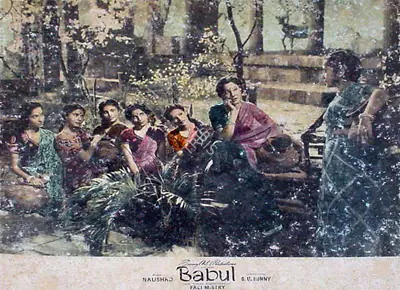
Mistry, Fali (Cinematographer), Babul, 1950 | Lobby Card
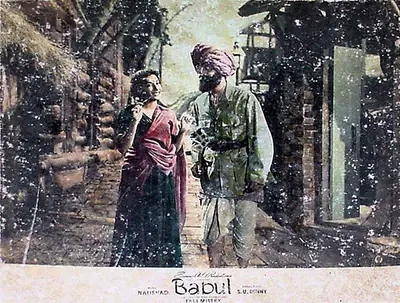
Mistry, Fali (Cinematographer), Babul, 1950 | Lobby Card
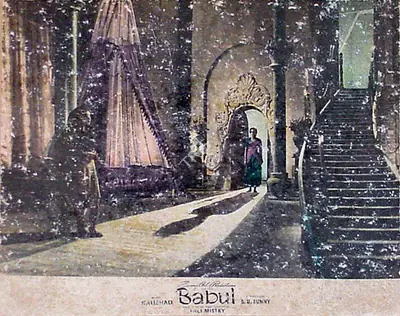
Mistry, Fali (Cinematographer), Babul, 1950 | Lobby Card
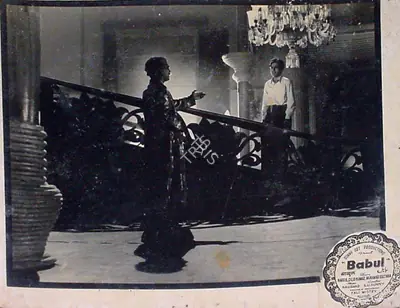
Mistry, Fali (Cinematographer), Babul, 1950 | Lobby Card
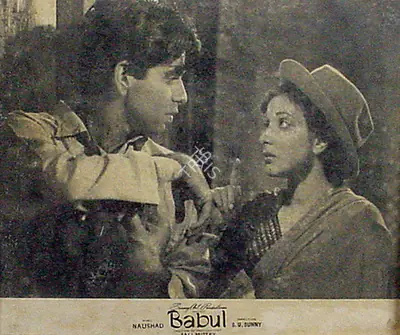
Mistry, Fali (Cinematographer), Babul, 1950 | Lobby Card
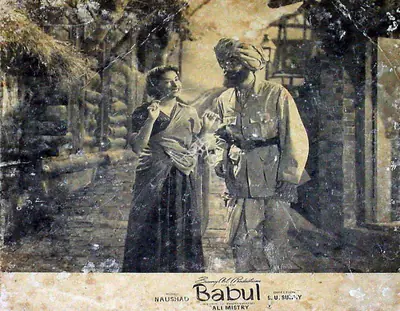
Mistry, Fali (Cinematographer), Babul, 1950 | Lobby Card
Loading...
Data not found
Sort By | Year (ASC)
Shah, Chandulal J. (Producer), Jogan, 1950 | Song-Synopsis Booklet
Dewan, Jaimani (Producer), Anmol Rattan, 1950 | Song-Synopsis Booklet
Mistry, Jal (Cinematographer), Jan Pehchan, 1950 | Lobby Card
Mistry, Jal (Cinematographer), Jan Pehchan, 1950 | Lobby Card
Mistry, Jal (Cinematographer), Jan Pehchan, 1950 | Lobby Card
Mistry, Jal (Cinematographer), Jan Pehchan, 1950 | Lobby Card
Mistry, Jal (Cinematographer), Jan Pehchan, 1950 | Lobby Card
Mistry, Jal (Cinematographer), Jan Pehchan, 1950 | Lobby Card
Mistry, Fali (Cinematographer), Babul, 1950 | Lobby Card
Mistry, Fali (Cinematographer), Babul, 1950 | Lobby Card
Mistry, Fali (Cinematographer), Babul, 1950 | Lobby Card
Mistry, Fali (Cinematographer), Babul, 1950 | Lobby Card
Mistry, Fali (Cinematographer), Babul, 1950 | Lobby Card
Mistry, Fali (Cinematographer), Babul, 1950 | Lobby Card
Mistry, Fali (Cinematographer), Babul, 1950 | Lobby Card
Mistry, Fali (Cinematographer), Babul, 1950 | Lobby Card
Mistry, Fali (Cinematographer), Babul, 1950 | Lobby Card
Mistry, Fali (Cinematographer), Babul, 1950 | Lobby Card
Mistry, Fali (Cinematographer), Babul, 1950 | Lobby Card
Mistry, Fali (Cinematographer), Babul, 1950 | Lobby Card
No more items to load
Sort By | Year (ASC)

Chughtai, Ismat (Producer), Sone Ki Chidiya, 1958 | Song-Synopsis Booklet
No more items to load

EN
EN