

Introduction
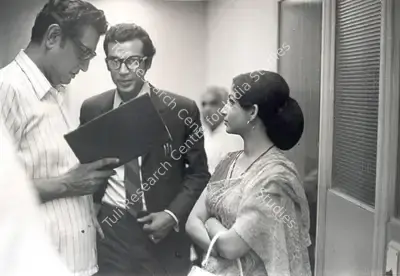
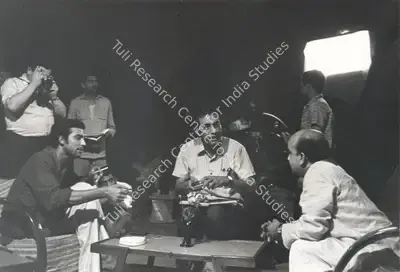
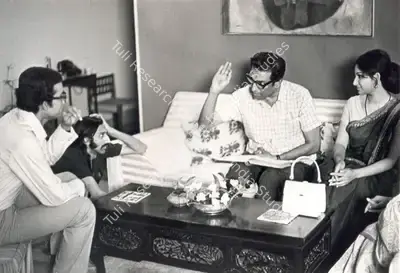
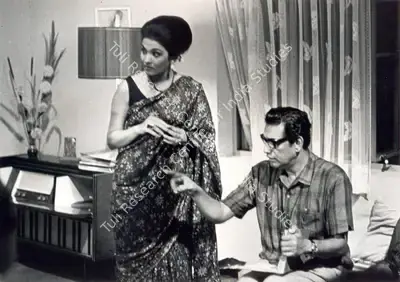
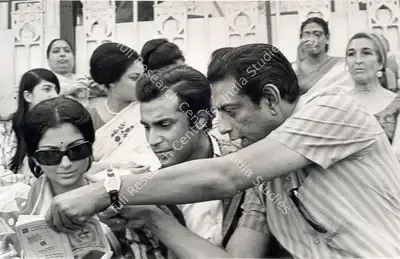
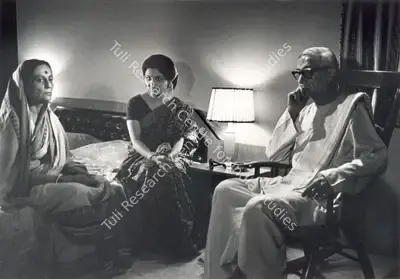
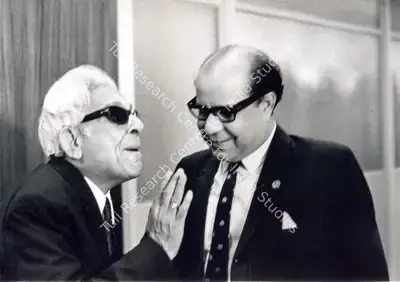
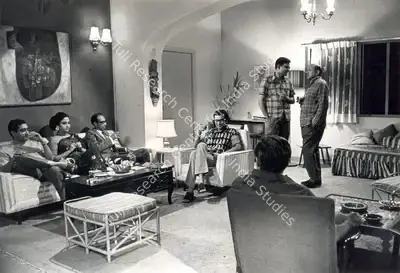
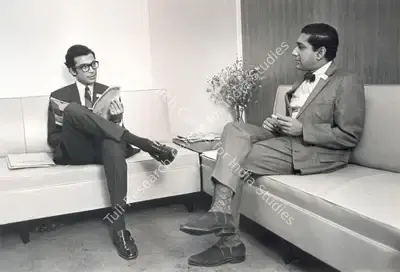
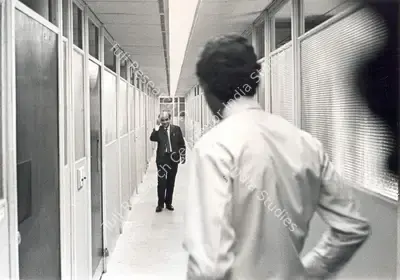
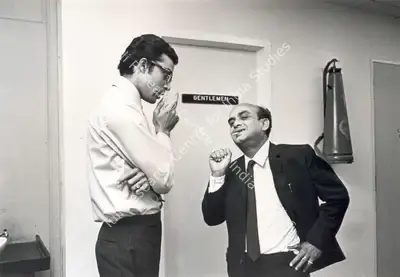
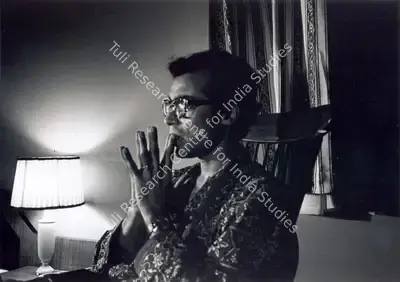
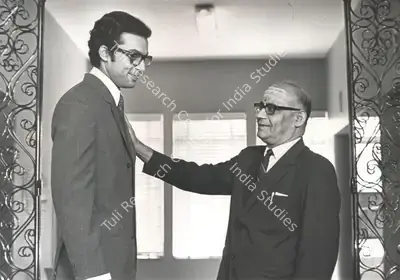
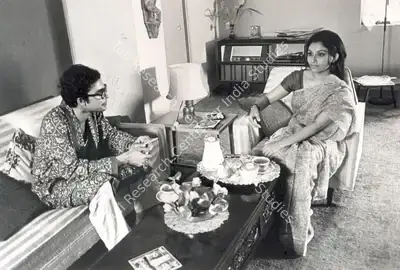
Seemabaddha (Company Limited, 1971) is a Bengali social drama directed by the legendary Satyajit Ray, based on the novel of the same name by Mani Shankar Mukherjee. Featuring Barun Chanda, Harindranath Chattopadhyay, and Sharmila Tagore in pivotal roles, the film is the second entry in Ray's critically acclaimed Calcutta Trilogy, flanked by Pratidwandi (The Adversary, 1970) and Jana Aranya (The Middleman, 1976).
Set against the backdrop of a rapidly modernising Calcutta, Seemabaddha explores the psychological and ethical costs of corporate ambition in post-independence urban India. The supporting cast includes Paromita Chowdhury as Dolan (Shyamal's wife), Dipankar Dey as Sen, Ajoy Banerjee as Talukdar, Haradhan Bandopadhyay as Nilambar, Indira Roy and Promod Ganguli as Shyamal's parents, and Miss Shefali in a striking supporting role. Harindranath Chattopadhyay appears as Sir Baren Roy, lending gravitas to the corporate world the film interrogates.
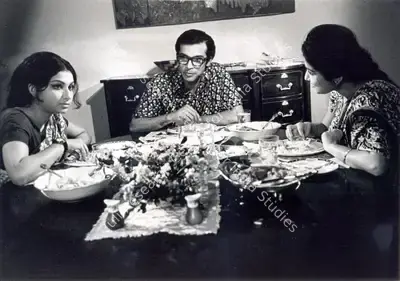
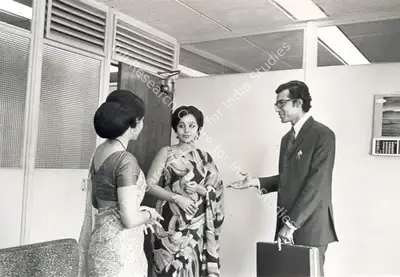
The story follows Shyamalendu "Shyamal" Chatterjee (Barun Chanda), a successful marketing executive at a British fan manufacturing company in Calcutta. Living in a well-appointed company flat with his wife Dolan, Shyamal enjoys the privileges of an upper-class lifestyle and is poised for a promotion to company director, a coveted position that represents the pinnacle of his corporate ascent. Ambitious and well-groomed for leadership, he sees his future as secure, until a series of events shakes the foundation of his carefully constructed world.
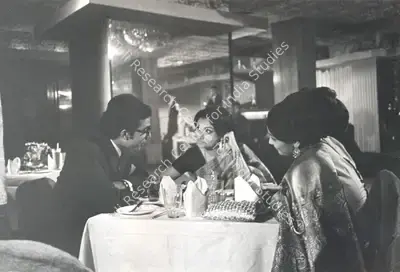
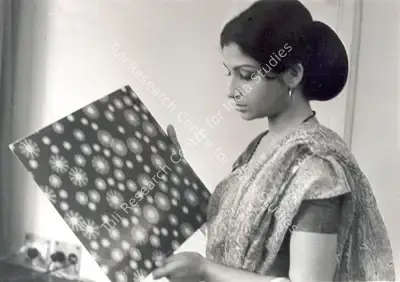
The plot thickens with the arrival of Tutul (Sharmila Tagore), Dolan's younger sister, visiting from Patna. Intelligent, observant, and idealistic, Tutul has long admired Shyamal for his charm, intellect, and apparent integrity. Keen to impress her, Shyamal introduces her to the sophisticated trappings of his urban life, elite clubs, posh restaurants, and horse races. However, as Tutul peels back the surface, she begins to perceive an unsettling hollowness beneath Shyamal's polished exterior.
Crisis strikes when a major export consignment of electric fans is found to be defective just before the shipping deadline. With the company's reputation and his promotion at stake, Shyamal becomes increasingly desperate. Realising there isn't enough time to fix the issue, he conspires with a corrupt labour officer to stage a riot at the factory. The plan works: a lockout is declared, the shipment is delayed under the pretense of civil unrest, and the company quietly fixes the faulty fans.
But the moral cost is grave. A factory watchman is gravely injured in the orchestrated violence. Though the ruse succeeds and Shyamal is promoted, his victory rings hollow. When he returns home, the elevator is out of order, forcing him to take the stairs, a quiet but powerful metaphor for his moral descent.
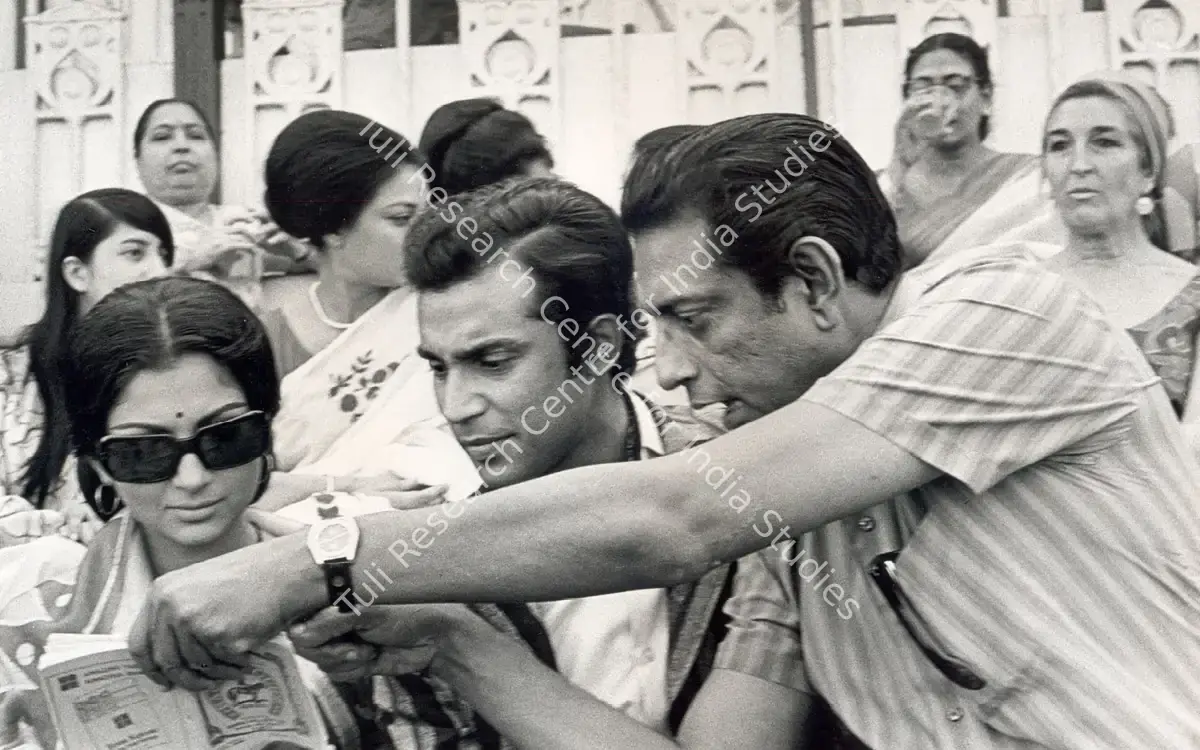
Tutul, having discerned the truth, silently confronts him. In a devastatingly restrained moment, she removes the wristwatch he had gifted her and places it on the table, a symbolic gesture that captures both her disillusionment and his moral failure. In the film's haunting final shot, Shyamal sits alone in his room, viewed from above a slowly spinning ceiling fan, a visual echo of his ethical and emotional unravelling.
Seemabaddha is not merely a critique of individual ambition but a broader commentary on the dehumanising nature of corporate culture and the ethical compromises embedded within modern capitalism. Ray portrays the rat race not just as futile, but spiritually corrosive, where success often comes at the cost of one's humanity.
The film received widespread critical acclaim. At the 33rd Venice International Film Festival, it was honoured with the prestigious FIPRESCI Prize. It also won the National Film Award for Best Feature Film in 1971, further solidifying Satyajit Ray's legacy as a master of socially conscious cinema.
तेजी से आधुनिक हो रहे कोलकाता की पृष्ठभूमि में रची गई सीमाबद्ध की कहानी स्वतंत्रता-पश्चात के शहरी भारत में कॉर्पोरेट महत्वाकाँक्षा इंसान से कैसी मनोवैज्ञानिक और नैतिक कीमत वसूलती है, इसकी पड़ताल करती है। फ़िल्म के सहायक कलाकारों में श्यामल की पत्नी डोलन की भूमिका में पारोमिता चौधरी, सेन की भूमिका में दीपंकर डे, तालुकदार की भूमिका में अजय बनर्जी, नीलाम्बर के किरदार में हराधन बंदोपाध्याय, श्यामल के माता-पिता के किरदार में इंदिरा राय और प्रमोद गांगुली और मिस शेफ़ाली एक यादगार सहायक भूमिका में नज़र आते हैं। हरेन्द्रनाथ चट्टोपाध्याय ने फ़िल्म में सर बारेन रॉय का किरदार निभाया, जो उस कॉर्पोरेट दुनिया को विश्वसनीयता प्रदान करता हैं जिसकी परतें फ़िल्म उघाड़ती है।
कहानी श्यामलेंदु 'श्यामल' चटर्जी (बरुण चंदा) के किरदार के साथ आगे बढ़ती है। श्यामल कोलकाता की एक ब्रिटिश पंखा निर्माण कंपनी में सफल मार्केटिंग एक्जीक्यूटिव है। अपनी पत्नी डोलन के साथ एक शानदार कम्पनी फ्लैट में रहते हुए श्यामल उच्चवर्गीय जीवन के सुखों और सुविधाओं का आनंद लेता है और कम्पनी डायरेक्टर बनने की ओर अग्रसर है। यह पद उसकी कॉर्पोरेट यात्रा के सर्वोच्च मकाम पर पहुँचने का प्रतीक भी होगा। ख़ासा महत्वाकाँक्षी और नेतृत्व करने के लिए पूरी तरह तैयार श्यामल का भविष्य सुरक्षित प्रतीत होता है, लेकिन फिर कुछ घटनाएँ ऐसी होती हैं, जो उसकी सावधानीपूर्वक रची हुई दुनिया की नींव हिला देती हैं।
कथानक तब और उलझता है जब पटना से कोलकाता आई श्यामल की पत्नी डोलन की छोटी बहन टुटुल (शर्मिला टैगोर) उनके घर रहने आती है। बुद्धिमान, बारीक़ नज़र रखनेवाली और आदर्शवादी टुटुल का किरदार श्यामल के बुद्धिमान और ईमानदार व्यक्तित्च का लंबे समय से प्रशंसक रहा है। टुटुल को और प्रभावित करने के उद्देश्य से श्यामल उसे अपने नगरीय जीवन की चमक-दमक के बीच ले जाता है। वह उसे एलीट क्लबों, आलीशान रेस्त्राओं की सैर करवाता है और घुड़दौड़ भी दिखाता है। लेकिन सतह को ज़रा सा कुरेदने पर ही टुटुल को श्यामल की इस चमचमाती दुनिया के पीछे एक विचलित करने वाला खोखलापन साफ़ दिखाई देने लगता है।
संकट तब आता है जब इलेक्ट्रिक पंखों का एक बड़ा निर्यात आदेश भेजा जाना है और भेजने की अन्तिम तिथि से ठीक पहले उसे खराब पाया जाता है। अब कम्पनी की प्रतिष्ठा और श्यामल की पदोन्नति, दोनों दाँव पर लगी हैं। श्यामल बेतहाशा परेशान होता है और कोई उपाय खोजता है। समय पर इस समस्या को हल न कर पाने की स्थिति में वह एक भ्रष्ट मज़दूर अधिकारी के साथ मिलकर फैक्ट्री में दंगा भड़काने की साजिश रचता है। उसकी योजना सफल होती है। उपद्रव के चलते कंपनी में तालाबन्दी हो जाती है और निर्यात शिपमेंट का भेजा जाना टल जाता है। इस बीच कम्पनी चुपचाप खराब पंखों को ठीक कर लेती है।
परंतु इस छल का बड़ा मूल्य किसी और को चुकाना पड़ता है। उपद्रव की हिंसा में फैक्ट्री का एक चौकीदार गंभीर रूप से घायल हो जाता है। अपनी चालाकी से श्यामल पदोन्नति तो पा लेता है, लेकिन उसकी जीत खोखली लगती है। जब वह घर लौटता है तो उसे लिफ़्ट खराब मिलती है और उसे सीढ़ियाँ चढ़कर उपर जाना पड़ता है। यह उसके नैतिक पतन का एक शांत किंतु शक्तिशाली रूपक बन जाता है।
सच्चाई समझ चुकी टुटुल चुपचाप उसका सामना करती है। एक मार्मिक और सधे हुए क्षण में वह उसकी दी हुई कलाई घड़ी उतारकर मेज़ पर रख देती है। यह एक प्रतीकात्मक संकेत है, जो उसके मोहभंग और श्यामल की नैतिक हार दोनों को अभिव्यक्त करता है। फ़िल्म के असरदार अन्तिम दृश्य में श्यामल अपने कमरे में अकेला बैठा है। ऊपर धीरे-धीरे घूमता छत का पंखा उसके नैतिक और भावनात्मक बिखराव की दृश्यात्मक प्रतिध्वनि के समान है।
सीमाबद्ध केवल व्यक्तिगत महत्वाकाँक्षा की आलोचना नहीं पेश करती, बल्कि कॉर्पोरेट संस्कृति के अमानवीय स्वरूप और आधुनिक पूँजीवाद की संरचना में ही मौजूद नैतिक समझौतों पर एक तीखी टिप्पणी करती है। राय इस 'रैट-रेस' को केवल व्यर्थ ही नहीं बल्कि आध्यात्मिक स्तर पर इंसान के लिए विनाशकारी मानते हैं। यहाँ सफलता की चाह अक्सर इंसानियत पर भारी पड़ती है।
इस फ़िल्म को व्यापक आलोचनात्मक सराहना मिली। 33वें वेनिस अंतरराष्ट्रीय फ़िल्म महोत्सव में इसे प्रतिष्ठित 'फिप्रेस्की पुरस्कार' से भी नवाज़ा गया। इसे सन् 1971 के राष्ट्रीय फ़िल्म पुरस्कारों में 'सर्वश्रेष्ठ फ़ीचर फ़िल्म' का पुरस्कार मिला और इसने सत्यजित राय की सामाजिक रूप से प्रासंगिक विषयों पर सिनेमा बनानेवाले उस्ताद के रूप में विरासत को और मजबूत कर दिया।
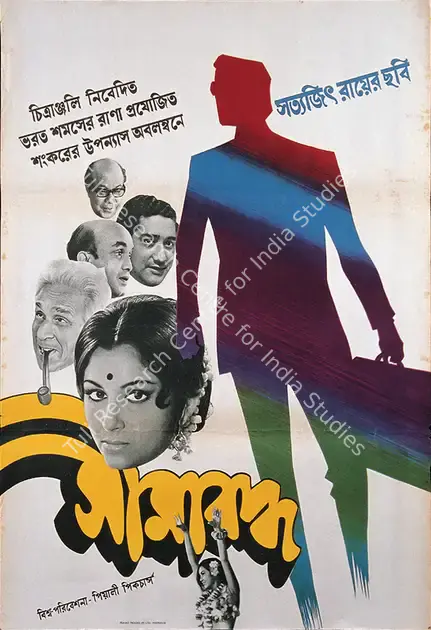
Body of Work
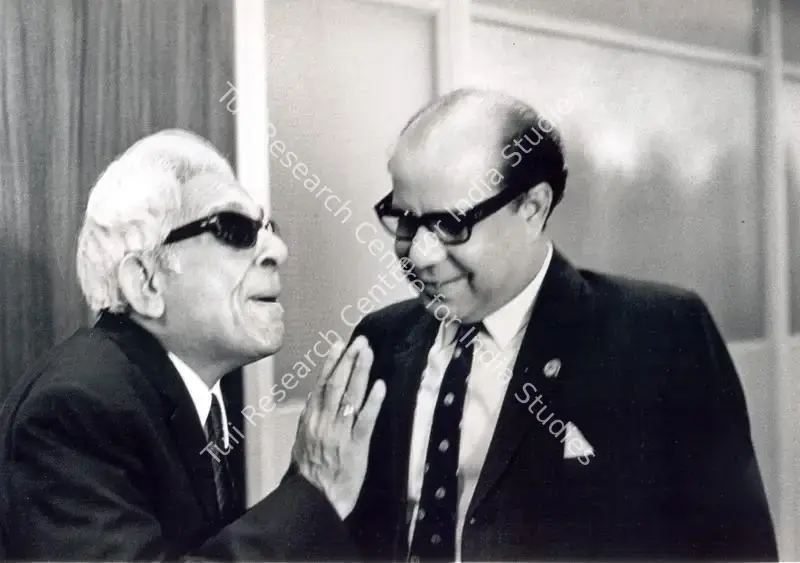
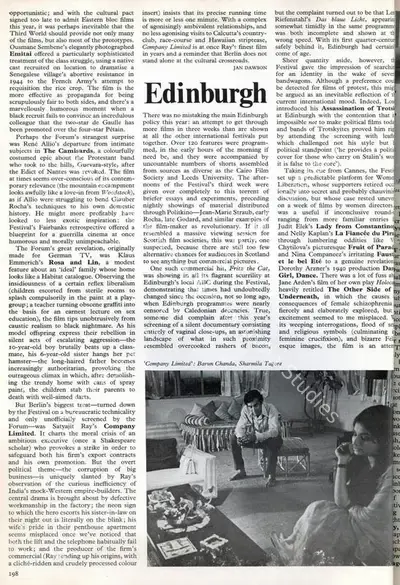
Company Limited is the second film of the Trilogy that Ray made in the 1970s. The other two were The Adversary and The Middle Man. All three films study the effects of the big city, Calcutta on Bengal's educated youth and the price it extracts from them Shyamal, the sales director of an English firm, hopes to win the job of company director , but must compete with a colleague. Towards this end, he has to make number of compromises that go against his social and moral upbringing. His sister-in-law Sudershana, who has arrived to spend a few days with, gains a clear insight into the personality of her brother-in-law .The storytelling has all the hallmarks of Ray's style and is interwoven with humour and irony.