
Introduction
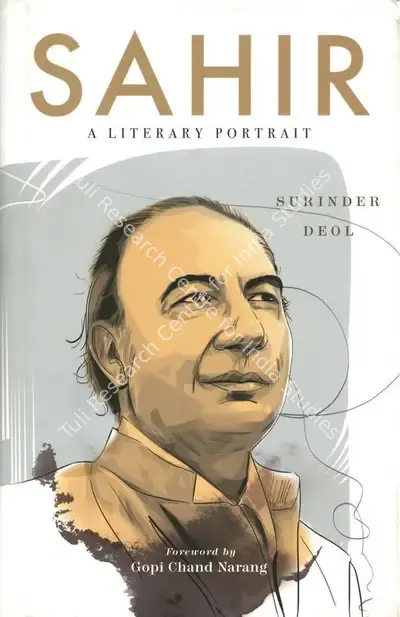
Born Abdul Hayee, but popularly known as Sahir, he stands among the most towering figures in twentieth-century Indian poetry and cinema. Writing primarily in Urdu, while shaping some of Hindi cinema's most enduring songs, Sahir transformed film lyrics into a medium of intellectual rigor, moral inquiry, and lyrical beauty. Alongside contemporaries such as Kaifi Azmi, he came to be regarded as an undisputed monarch of film lyricism—unmatched in depth, social conscience, and emotional force.
Born in Karimpura, Ludhiana, into a Gujjar family, Sahir adopted the suffix “Ludhianvi” as a marker of belonging and identity. His childhood was shaped by profound emotional turbulence. His mother, Sardar Begum, separated from her husband under difficult circumstances, enduring financial hardship and prolonged legal conflict over Sahir's custody. A biographical assessment succinctly quoted by Pakistani poet Ahmad Rahi captured this lifelong imprint with haunting clarity: Sahir loved only once—his mother—and nurtured a singular hatred—his father. The formative years of deprivation and displacement would later surface as recurring motifs of injustice, alienation, and defiance in his poetry.
Educated at Khalsa High School and later Government College, Ludhiana—whose auditorium now bears his name—Sahir quickly earned recognition for his ghazals, nazms, and impassioned oratory. In 1943, he moved to Lahore, where he published his first collection, Talkhiyaan (1945), and became deeply involved with progressive literary circles, editing influential Urdu journals and joining the Progressive Writers' Association. His outspoken leftist views eventually led to an arrest warrant, forcing him to flee Pakistan after Partition and resettle in India, first in Delhi and then in Bombay.
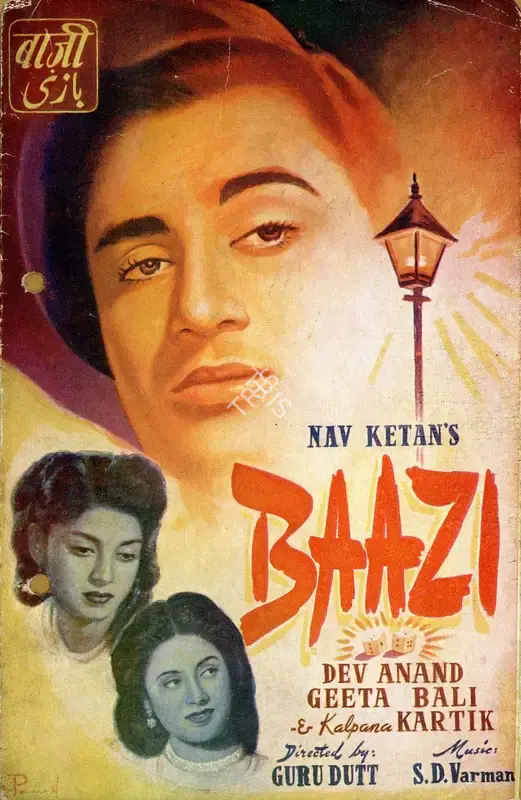
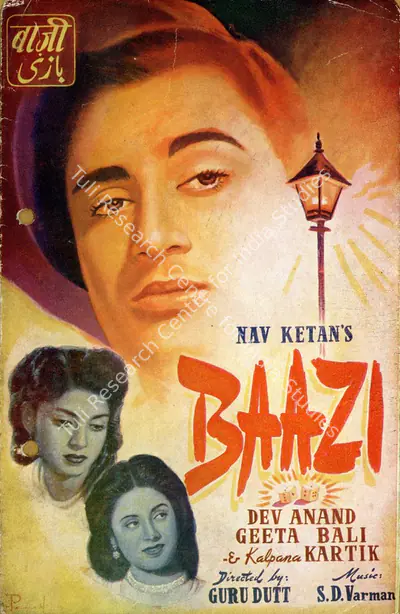
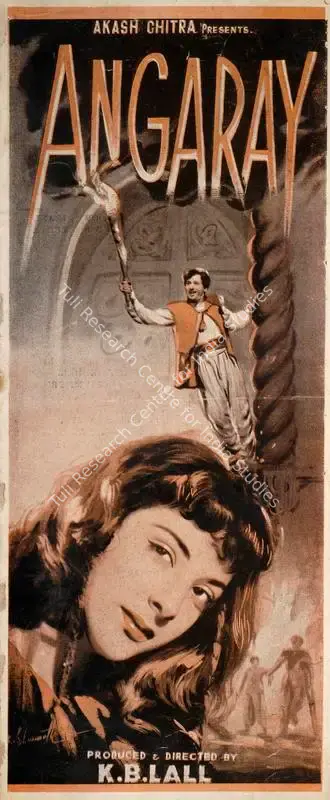
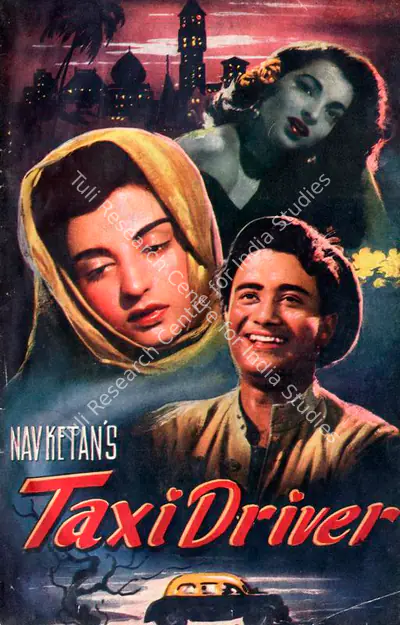
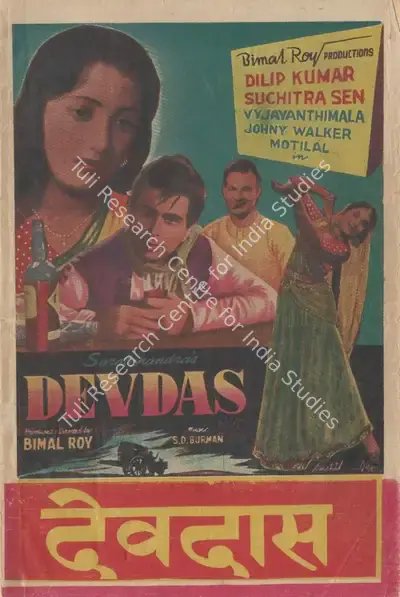
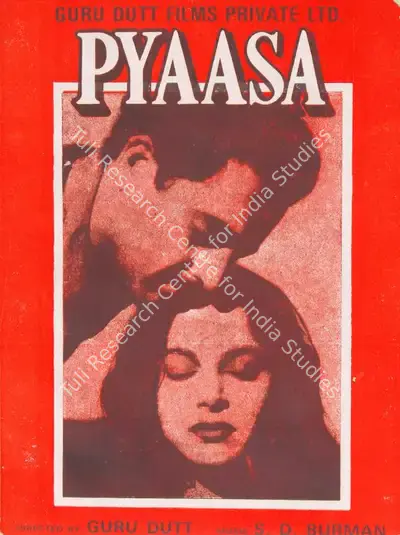
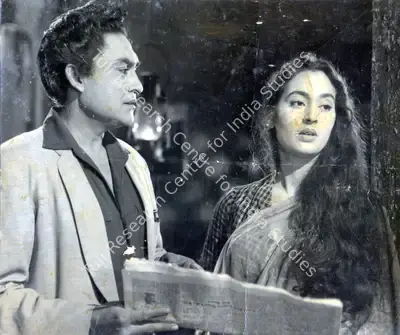
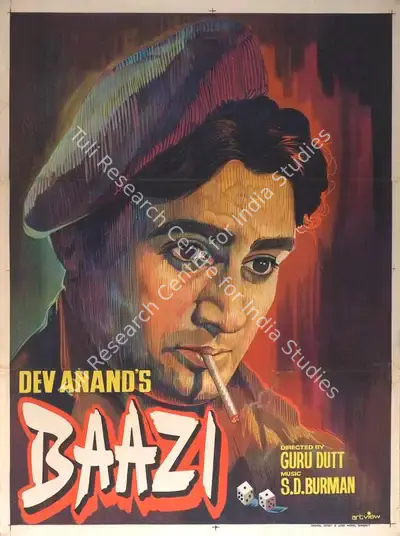
In Bombay, Sahir found both artistic fulfilment and financial stability in cinema. After an unremarkable debut, he rose to prominence with Naujawan (1951) and Baazi (1951), initiating a celebrated association with S.D. Burman and filmmaker Guru Dutt, culminating in the landmark Pyaasa (1957). He later collaborated with composers Ravi, Roshan, Datta Naik, Laxmikant–Pyarelal, and most notably Khayyam, with whom he created the haunting Woh Subah Kabhi Toh Aayegi and the epochal Kabhi Kabhie. His most famous songs include kabhi kabhi mere dil mein (Kabhie Kabhie), Chalo ek baar phir se (Gumrah), Jaane woh kaise log the (Pyaasa), Yeh duniya agar mil bhi jaaye (Pyaasa), Main zindagi ka saath nibhata chala gaya (Humdono), Tu hindu banega na musalman banega (DharmPutra), Jinhe naaz hai hind par(Pyaasa), Sansaar se bhaage phirte ho (Chitralekha), Woh subah kabhi toh aayegi (Phir Subah Hogi) and Aaage bhi jaane na tu (Waqt)
Known for his uncompromising temperament, Sahir insisted that music serve the word, not the reverse, and fought for due credit and remuneration for lyricists. Over a career spanning three decades, he wrote 733 songs for 122 films, leaving an indelible imprint on Indian cinema. Honoured with two Filmfare Awards, the Padma Shri, and a commemorative postal stamp, he remains a colossus—his words still echoing with relevance, rebellion, and rare poetic truth.
A controversial figure in that he was artistically temperamental. He insisted that the film score should be composed for his lyrics and not the other way around. He also insisted on being paid one rupee more than Lata Mangeshkar and this created a rift between them. Sahir promoted his girlfriend, Sudha Malhotra's singing career. He also insisted that All India Radio credit film song lyricists in its broadcasts His work influenced Indian cinema, in particular Hindi language films.
About their relationship, Amrita Pritam wrote, "There were two obstacles between us. One of silence, which remained forever. And the other was language. I wrote poetry in Punjabi, Sahir in Urdu."
Born in Karimpura, Ludhiana, into a Gujjar family, Sahir adopted the suffix “Ludhianvi” as a marker of belonging and identity. His childhood was shaped by profound emotional turbulence. His mother, Sardar Begum, separated from her husband under difficult circumstances, enduring financial hardship and prolonged legal conflict over Sahir's custody. A biographical assessment succinctly quoted by Pakistani poet Ahmad Rahi captured this lifelong imprint with haunting clarity: Sahir loved only once—his mother—and nurtured a singular hatred—his father. The formative years of deprivation and displacement would later surface as recurring motifs of injustice, alienation, and defiance in his poetry.
Educated at Khalsa High School and later Government College, Ludhiana—whose auditorium now bears his name—Sahir quickly earned recognition for his ghazals, nazms, and impassioned oratory. In 1943, he moved to Lahore, where he published his first collection, Talkhiyaan (1945), and became deeply involved with progressive literary circles, editing influential Urdu journals and joining the Progressive Writers' Association. His outspoken leftist views eventually led to an arrest warrant, forcing him to flee Pakistan after Partition and resettle in India, first in Delhi and then in Bombay.
In Bombay, Sahir found both artistic fulfilment and financial stability in cinema. After an unremarkable debut, he rose to prominence with Naujawan (1951) and Baazi (1951), initiating a celebrated association with S.D. Burman and filmmaker Guru Dutt, culminating in the landmark Pyaasa (1957). He later collaborated with composers Ravi, Roshan, Datta Naik, Laxmikant–Pyarelal, and most notably Khayyam, with whom he created the haunting Woh Subah Kabhi Toh Aayegi and the epochal Kabhi Kabhie. His most famous songs include kabhi kabhi mere dil mein (Kabhie Kabhie), Chalo ek baar phir se (Gumrah), Jaane woh kaise log the (Pyaasa), Yeh duniya agar mil bhi jaaye (Pyaasa), Main zindagi ka saath nibhata chala gaya (Humdono), Tu hindu banega na musalman banega (DharmPutra), Jinhe naaz hai hind par(Pyaasa), Sansaar se bhaage phirte ho (Chitralekha), Woh subah kabhi toh aayegi (Phir Subah Hogi) and Aaage bhi jaane na tu (Waqt)
Known for his uncompromising temperament, Sahir insisted that music serve the word, not the reverse, and fought for due credit and remuneration for lyricists. Over a career spanning three decades, he wrote 733 songs for 122 films, leaving an indelible imprint on Indian cinema. Honoured with two Filmfare Awards, the Padma Shri, and a commemorative postal stamp, he remains a colossus—his words still echoing with relevance, rebellion, and rare poetic truth.
A controversial figure in that he was artistically temperamental. He insisted that the film score should be composed for his lyrics and not the other way around. He also insisted on being paid one rupee more than Lata Mangeshkar and this created a rift between them. Sahir promoted his girlfriend, Sudha Malhotra's singing career. He also insisted that All India Radio credit film song lyricists in its broadcasts His work influenced Indian cinema, in particular Hindi language films.
About their relationship, Amrita Pritam wrote, "There were two obstacles between us. One of silence, which remained forever. And the other was language. I wrote poetry in Punjabi, Sahir in Urdu."
साहिर लुधियानवी (8 मार्च 1921 – 25 अक्टूबर 1980), जिनका जन्म अब्दुल हयी के नाम से हुआ था, लेकिन वे साहिर के नाम से लोकप्रिय थे, बीसवीं शताब्दी की भारतीय कविता और सिनेमा के प्रभावशाली शख़्सियत में शुमार हैं। मुख्य रूप से उर्दू में लिखते हुए, उन्होंने हिंदी सिनेमा में कुछ सदाबहार गीत बनाये और फ़िल्मी गीतों को बौद्धिक गंभीरता, नैतिक चिंतन और गीतात्मक सौंदर्य का माध्यम बना दिया। कैफ़ी आज़मी जैसे समकालीनों के साथ, उन्हें फ़िल्मी गीतों का निर्विवाद रूप से सम्राट माना जाता था। उनके गीत गहनता, सामाजिक चेतना और भावनात्मक प्रभाव में बेजोड़ थे।
लुधियाना के करीमपुरा में एक गुर्जर परिवार में जन्मे साहिर ने अपने नाम में "लुधियानवी" उपनाम को अपना लिया, जो उनकी पहचान और लुधियाना से जुड़ाव का प्रतीक था। उनका बचपन गहरे भावनात्मक उथल-पुथल से भरा रहा। उनकी मां, सरदार बेगम, कठिन परिस्थितियों में अपने पति से अलग हो गईं और उन्हें आर्थिक तंगी और साहिर की कस्टडी को लेकर लंबे कानूनी संघर्ष का सामना करना पड़ा। पाकिस्तानी कवि अहमद राही ने साहिर के जीवन पर संक्षेप में टिप्पणी करते हुए कहा कि साहिर ने जीवन में केवल एक बार सच्चा प्रेम किया और केवल एक व्यक्ति से गहरी नफ़रत की—अपने पिता से। अभाव और विस्थापन से भरे उनके प्रारंभिक वर्षों ने आगे चलकर उनकी कविता में अन्याय, अकेलापन और प्रतिरोध के विषयों के रूप में अभिव्यक्ति पाई।
ख़ालसा हाई स्कूल और बाद में लुधियाना के गवर्नमेंट कॉलेज में शिक्षा प्राप्त करने वाले साहिर ने अपनी ग़ज़लों, नज़्मों और जोशीले भाषणों के लिए शीघ्र ही ख्याति हासिल कर ली। उस कॉलेज के सभागार का नाम अब उन्हीं के नाम पर है। 1943 में वे लाहौर चले गए, जहाँ उन्होंने अपना पहला कविता संग्रह, तल्ख़ियाँ (1945) प्रकाशित किया और प्रगतिशील साहित्यिक मंडलों से गहराई से जुड़ गए। उन्होंने महत्वपूर्ण उर्दू पत्रिकाओं का संपादन किया और प्रगतिशील लेखक संघ में शामिल हो गए। उनके मुखर वामपंथी विचारों के कारण अंततः उनके खिलाफ गिरिफ़्तारी वारंट जारी हुआ, जिसके चलते उन्हें विभाजन के बाद पाकिस्तान से भागकर भारत में बसना पड़ा, पहले दिल्ली में और फ़िर बंबई में।
बम्बई में, साहिर को सिनेमा में कलात्मक संतुष्टि और आर्थिक स्थिरता दोनों मिलीं। एक साधारण शुरुआत के बाद, उन्होंने नौजवान (1951) और बाज़ी (1951) से प्रसिद्धि हासिल की, जिससे एस.डी. बर्मन और फ़िल्म निर्माता गुरु दत्त के साथ उनका एक शानदार जुड़ाव शुरू हुआ, जो ऐतिहासिक फ़िल्म प्यासा (1957) में परिणत हुआ। बाद में उन्होंने संगीतकार रवि, रोशन, दत्ता नाइक, लक्ष्मीकांत-प्यारेलाल और विशेष रूप से ख़य्याम के साथ काम किया, जिनके साथ उन्होंने दिल को छू लेने वाला गीत 'वो सुबह कभी तो आएगी' और ऐतिहासिक फ़िल्म 'कभी कभी' (1976) बनाई। उनके सबसे प्रसिद्ध गानों में कभी-कभी मेरे दिल में (कभी कभी) (1976), चलो एक बार फ़िर से (गुमराह) (1963), जाने वो कैसे लोग थे (प्यासा) (1957), ये दुनिया अगर मिल भी जाए (प्यासा) (1957), मैं जिंदगी का साथ निभाता चला गया (हम दोनों) (1961), तू हिंदू बनेगा ना मुसलमान बनेगा (धर्मपुत्र) (1961), जिन्हे नाज़ है हिंद पर (प्यासा) (1957), संसार से भागे फ़िरते हो (चित्रालेखा) (1964), वो सुबह कभी तो आएगी (फ़िर सुबह होगी) (1964) और आगे भी जाने ना तू (वक़्त) (1965) शामिल हैं।
साहिर का मानना था कि संगीत शब्दों की सेवा करे, न कि इसके विपरीत। उन्होंने गीतकारों के लिए उचित श्रेय और पारिश्रमिक के लिए संघर्ष किया। तीन दशकों के अपने करियर में उन्होंने 122 फ़िल्मों के लिए 733 गीत लिखे और भारतीय सिनेमा पर अपनी अमिट छाप छोड़ी। दो फ़िल्मफेयर पुरस्कार, पद्म श्री और एक स्मारक डाक टिकट से सम्मानित, वे एक महान शख़्सियत हैं—उनके शब्द आज भी प्रासंगिकता, विद्रोह और दुर्लभ काव्यात्मक सच्चाई से गूंजते हैं।
कलात्मक रूप से अपने चंचल स्वभाव के कारण साहिर एक विवादास्पद शख़्सियत भी थे। उनका दृढ़ निश्चय था कि फ़िल्म का संगीत उनके गीतों के अनुरूप रचा जाए, न कि इसके विपरीत। उन्होंने लता मंगेशकर से एक रुपया अधिक वेतन की मांग भी की, जिससे उनके बीच मतभेद पैदा हो गया। साहिर ने अपनी प्रेमिका सुधा मल्होत्रा के गायन करियर को बढ़ावा दिया। उन्होंने यह भी सुनिश्चित किया कि ऑल इंडिया रेडियो अपने प्रसारणों में फ़िल्म गीतकारों को श्रेय दे। उनके काम ने भारतीय सिनेमा, विशेष रूप से हिंदी फ़िल्मों को प्रभावित किया।
उनके रिश्ते के बारे में अमृता प्रीतम ने लिखा, "हमारे बीच दो बाधाएं थीं। एक मौन की, जो हमेशा बनी रही। और दूसरी भाषा की। मैं पंजाबी में कविता लिखती थी, साहिर उर्दू में।"
लुधियाना के करीमपुरा में एक गुर्जर परिवार में जन्मे साहिर ने अपने नाम में "लुधियानवी" उपनाम को अपना लिया, जो उनकी पहचान और लुधियाना से जुड़ाव का प्रतीक था। उनका बचपन गहरे भावनात्मक उथल-पुथल से भरा रहा। उनकी मां, सरदार बेगम, कठिन परिस्थितियों में अपने पति से अलग हो गईं और उन्हें आर्थिक तंगी और साहिर की कस्टडी को लेकर लंबे कानूनी संघर्ष का सामना करना पड़ा। पाकिस्तानी कवि अहमद राही ने साहिर के जीवन पर संक्षेप में टिप्पणी करते हुए कहा कि साहिर ने जीवन में केवल एक बार सच्चा प्रेम किया और केवल एक व्यक्ति से गहरी नफ़रत की—अपने पिता से। अभाव और विस्थापन से भरे उनके प्रारंभिक वर्षों ने आगे चलकर उनकी कविता में अन्याय, अकेलापन और प्रतिरोध के विषयों के रूप में अभिव्यक्ति पाई।
ख़ालसा हाई स्कूल और बाद में लुधियाना के गवर्नमेंट कॉलेज में शिक्षा प्राप्त करने वाले साहिर ने अपनी ग़ज़लों, नज़्मों और जोशीले भाषणों के लिए शीघ्र ही ख्याति हासिल कर ली। उस कॉलेज के सभागार का नाम अब उन्हीं के नाम पर है। 1943 में वे लाहौर चले गए, जहाँ उन्होंने अपना पहला कविता संग्रह, तल्ख़ियाँ (1945) प्रकाशित किया और प्रगतिशील साहित्यिक मंडलों से गहराई से जुड़ गए। उन्होंने महत्वपूर्ण उर्दू पत्रिकाओं का संपादन किया और प्रगतिशील लेखक संघ में शामिल हो गए। उनके मुखर वामपंथी विचारों के कारण अंततः उनके खिलाफ गिरिफ़्तारी वारंट जारी हुआ, जिसके चलते उन्हें विभाजन के बाद पाकिस्तान से भागकर भारत में बसना पड़ा, पहले दिल्ली में और फ़िर बंबई में।
बम्बई में, साहिर को सिनेमा में कलात्मक संतुष्टि और आर्थिक स्थिरता दोनों मिलीं। एक साधारण शुरुआत के बाद, उन्होंने नौजवान (1951) और बाज़ी (1951) से प्रसिद्धि हासिल की, जिससे एस.डी. बर्मन और फ़िल्म निर्माता गुरु दत्त के साथ उनका एक शानदार जुड़ाव शुरू हुआ, जो ऐतिहासिक फ़िल्म प्यासा (1957) में परिणत हुआ। बाद में उन्होंने संगीतकार रवि, रोशन, दत्ता नाइक, लक्ष्मीकांत-प्यारेलाल और विशेष रूप से ख़य्याम के साथ काम किया, जिनके साथ उन्होंने दिल को छू लेने वाला गीत 'वो सुबह कभी तो आएगी' और ऐतिहासिक फ़िल्म 'कभी कभी' (1976) बनाई। उनके सबसे प्रसिद्ध गानों में कभी-कभी मेरे दिल में (कभी कभी) (1976), चलो एक बार फ़िर से (गुमराह) (1963), जाने वो कैसे लोग थे (प्यासा) (1957), ये दुनिया अगर मिल भी जाए (प्यासा) (1957), मैं जिंदगी का साथ निभाता चला गया (हम दोनों) (1961), तू हिंदू बनेगा ना मुसलमान बनेगा (धर्मपुत्र) (1961), जिन्हे नाज़ है हिंद पर (प्यासा) (1957), संसार से भागे फ़िरते हो (चित्रालेखा) (1964), वो सुबह कभी तो आएगी (फ़िर सुबह होगी) (1964) और आगे भी जाने ना तू (वक़्त) (1965) शामिल हैं।
साहिर का मानना था कि संगीत शब्दों की सेवा करे, न कि इसके विपरीत। उन्होंने गीतकारों के लिए उचित श्रेय और पारिश्रमिक के लिए संघर्ष किया। तीन दशकों के अपने करियर में उन्होंने 122 फ़िल्मों के लिए 733 गीत लिखे और भारतीय सिनेमा पर अपनी अमिट छाप छोड़ी। दो फ़िल्मफेयर पुरस्कार, पद्म श्री और एक स्मारक डाक टिकट से सम्मानित, वे एक महान शख़्सियत हैं—उनके शब्द आज भी प्रासंगिकता, विद्रोह और दुर्लभ काव्यात्मक सच्चाई से गूंजते हैं।
कलात्मक रूप से अपने चंचल स्वभाव के कारण साहिर एक विवादास्पद शख़्सियत भी थे। उनका दृढ़ निश्चय था कि फ़िल्म का संगीत उनके गीतों के अनुरूप रचा जाए, न कि इसके विपरीत। उन्होंने लता मंगेशकर से एक रुपया अधिक वेतन की मांग भी की, जिससे उनके बीच मतभेद पैदा हो गया। साहिर ने अपनी प्रेमिका सुधा मल्होत्रा के गायन करियर को बढ़ावा दिया। उन्होंने यह भी सुनिश्चित किया कि ऑल इंडिया रेडियो अपने प्रसारणों में फ़िल्म गीतकारों को श्रेय दे। उनके काम ने भारतीय सिनेमा, विशेष रूप से हिंदी फ़िल्मों को प्रभावित किया।
उनके रिश्ते के बारे में अमृता प्रीतम ने लिखा, "हमारे बीच दो बाधाएं थीं। एक मौन की, जो हमेशा बनी रही। और दूसरी भाषा की। मैं पंजाबी में कविता लिखती थी, साहिर उर्दू में।"
No personalia records available yet.
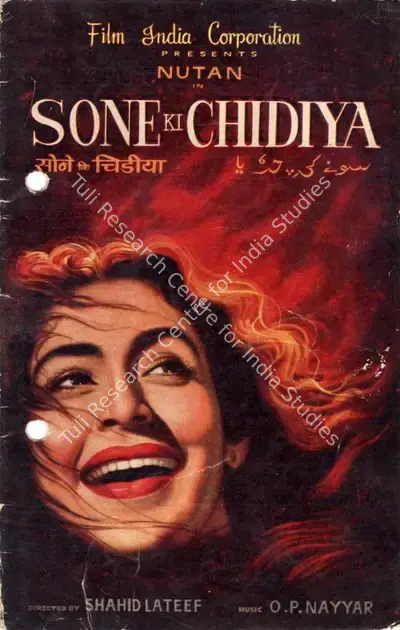
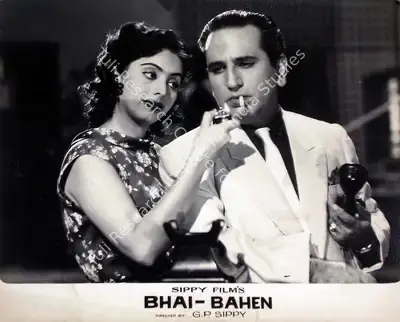
Filmography 58
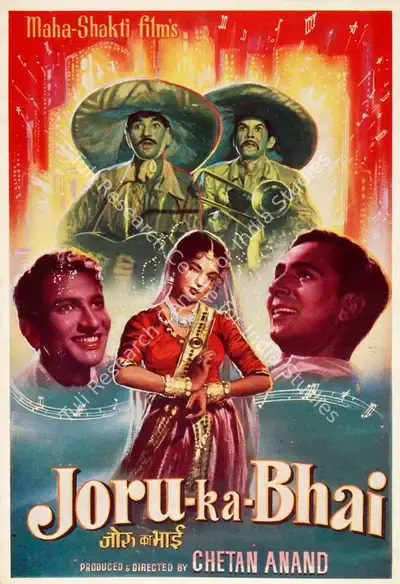
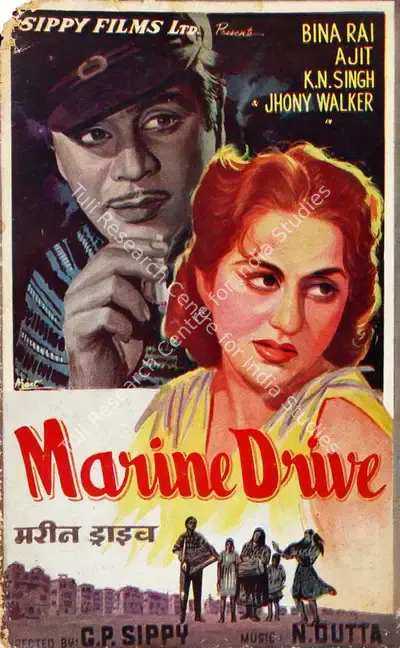
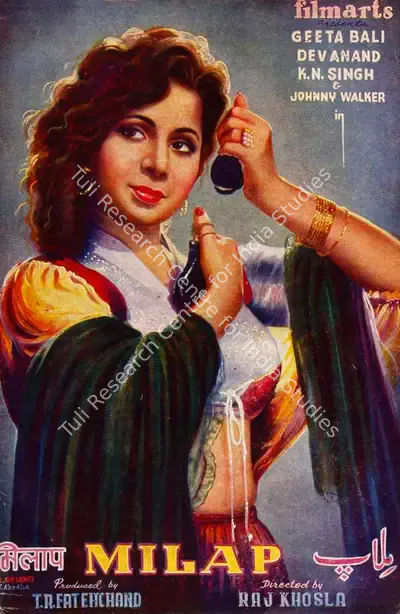
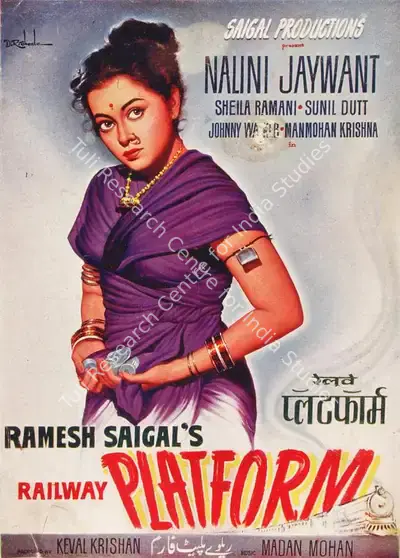
20 of 58
Research Centre


20 of 348

20 of 331

Calendar 3
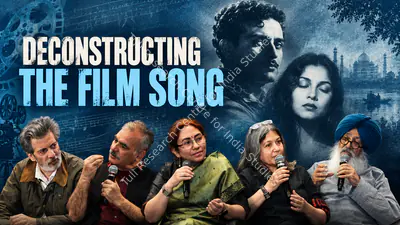
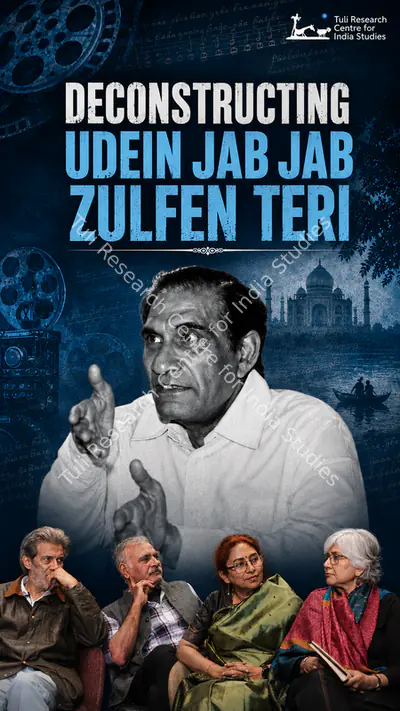
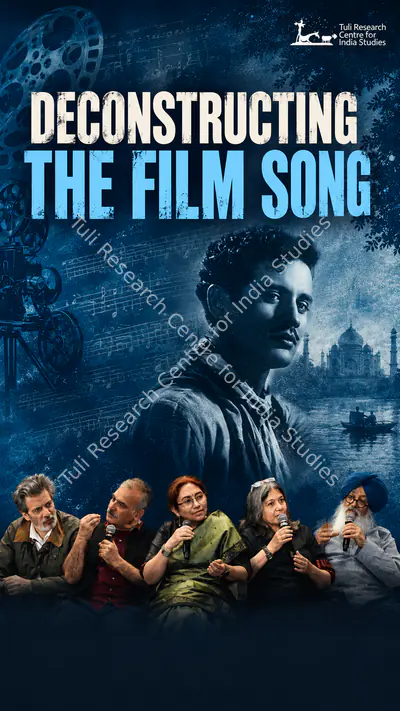
- ArchivedOffline-Online EventProject 80A Musical Glue for Nation-BuildingDeconstructing the Film Song23rd July - 22nd August 2026Ketan Anand | Ravikant | Pavan Jha | Madan Gopal Singh | Amit Khanna | Juhi Saklani | Antara Mondal | Shikha Jhingan | Neville TuliA key section of the India Studies framework at The Tuli Research Centre for India Studies (T.R.I.S.) is “Deconstructing the Film Song”. It began with a series of four workshops during our Self-Discovery via Rediscovering India Festival Series that brought together leading scholars & academics, film practitioners & students, along with fans of the Hindi film song. The objective of these workshops was to deconstruct iconic Hindi film songs to examine their formation across music, lyrics, playback, choreography, directorial visualisation, as they fuse into sites where aesthetics, ideology, and performance intersect, so as to help clarify the nature of India and her relationship to the film song. The Hindi Film Song functions as a narrative device, conveying myriad textures of emotion through melody, voice and poetry. As cultural texts that encode memory, desire, and ideology, songs are integral to the circulation and resonance of films in the public realm. Over time they have become autonomous bundles of creative energy - the glue that binds us over time, articulating and perhaps even defining the idea of Indianness. These first Workshops were an attempt to understand the nature and power of this glue, while contemplating the ways to situate it within TRIS' academic framework for Contemporary India Studies.Read More →
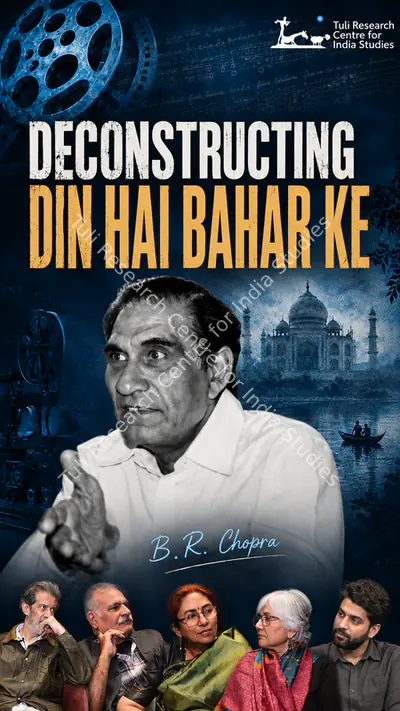
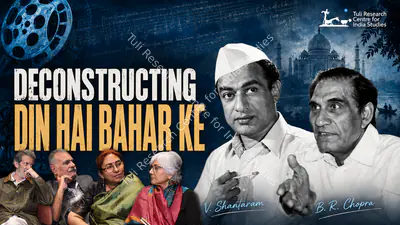
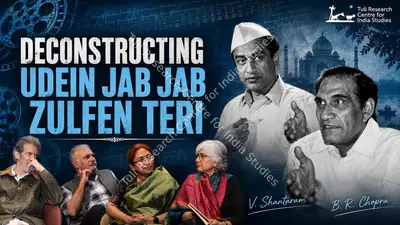
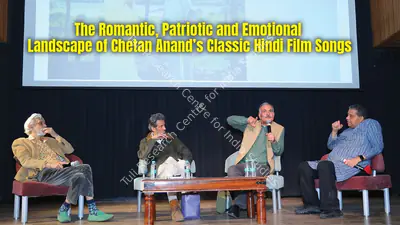
- ArchivedDeconstructing the Hindi Film SongProject 63A Musical Glue for Nation-BuildingFour Classic Songs from the cinema of V. Shantaram and B.R. Chopra and the genius of Vasant Desai, O.P. Nayyar, Ravi, Bharat Vyas, Sahir Ludhianvi, Hasan Kamal, Asha Bhosle, Salma Agha & Mohammed RafinnAye Maalik Tere Bande Ham | Do Aankhen Baara Haath-1957 nUdein Jab Jab Zulfen Teri | Naya Daur-1957 nDin Hai Bahar Ke | Waqt-1965 nDil Ke Armaan Aansuon Mein Bah Gaye | Nikaah-198219th February 202611:30amM.L. Bhartia Auditorium, Alliance Francaise de Delhi, 72 K.K. Birla Lane, Lodi Estate, New Delhi, 110007Madan Gopal Singh, Ravikant, Shikha Jhingan, Antara Mondal & Neville TuliA key section of the India Studies framework at The Tuli Research Centre for India Studies (T.R.I.S.) is “Deconstructing the Hindi Film Song”. It will begin with a series of four workshops that brings together leading scholars & academics, film practitioners & students, along with fans of the Hindi film song. The objective of these workshops is to deconstruct iconic Hindi film songs to examine their formation across music, lyrics, playback, choreography, directorial visualisation, as they fuse into sites where aesthetics, ideology, and performance intersect. The Hindi Film Song functions as a narrative device, conveying myriad textures of emotion through melody, voice and poetry. As cultural texts that encode memory, desire, and ideology, songs are integral to the circulation and resonance of films in the public realm. Over time they have become autonomous bundles of creative energy - the glue that binds us over time, articulating and perhaps even defining the idea of Indianness. The first Workshops are an attempt to understand the nature and power of this glue, while contemplating the ways to situate it within TRIS' academic framework for Contemporary India Studies.Read More →
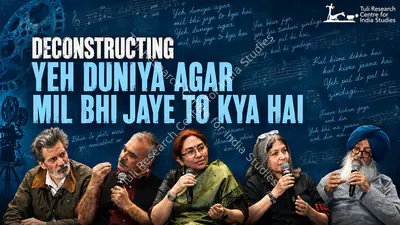
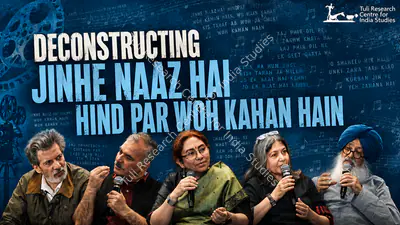
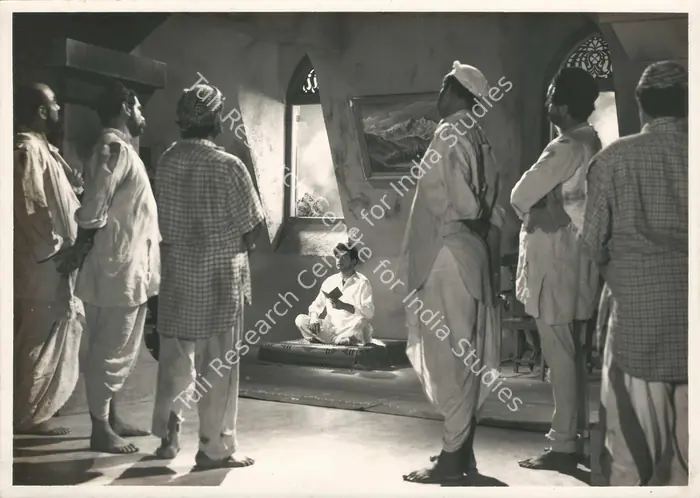
- ArchivedDeconstructing the Hindi Film SongProject 62A Musical Glue for Nation-BuildingFour Classic Songs from the cinema of Guru Dutt and the genius of S.D. Burman, O.P. Nayyar, Sahir Ludhianvi, Majrooh Sultanpuri, Geeta Dutt & Mohammed RafinnBabuji Dheere Chalna | Aar Paar-1954 nJinen Naaz Hai Hind Par | Pyaasa-1957 nYe Duniya Agar Mile Be Jaye | Pyaasa-1957 nWaqt Ne Kiya Kya Haseen Sitam | Kaagaz Ke Phool-195917th February 20266:30pmM.L. Bhartia Auditorium, Alliance Francaise de Delhi, 72 K.K. Birla Lane, Lodi Estate, New Delhi, 110006Madan Gopal Singh, Ravikant, Antara Mondal, Juhi Saklani & Neville TuliA key section of the India Studies framework at The Tuli Research Centre for India Studies (T.R.I.S.) is “Deconstructing the Hindi Film Song”. It will begin with a series of four workshops that brings together leading scholars & academics, film practitioners & students, along with fans of the Hindi film song. The objective of these workshops is to deconstruct iconic Hindi film songs to examine their formation across music, lyrics, playback, choreography, directorial visualisation, as they fuse into sites where aesthetics, ideology, and performance intersect. The Hindi Film Song functions as a narrative device, conveying myriad textures of emotion through melody, voice and poetry. As cultural texts that encode memory, desire, and ideology, songs are integral to the circulation and resonance of films in the public realm. Over time they have become autonomous bundles of creative energy - the glue that binds us over time, articulating and perhaps even defining the idea of Indianness. The first Workshops are an attempt to understand the nature and power of this glue, while contemplating the ways to situate it within TRIS' academic framework for Contemporary India Studies.Read More →

Related
35
Films
20
Personalities
15