

Introduction
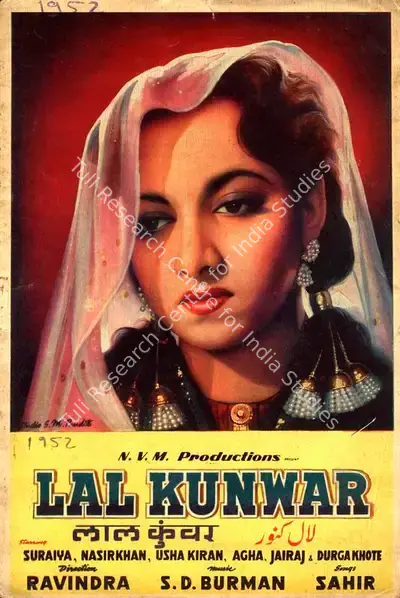
Sachin Dev Burman (1 October 1906 – 31 October 1975) He stands among the most influential figures in the history of Indian film music. An accomplished composer and singer, and a scion of the Tripura royal family, Burman began his career in Bengali cinema in the late 1930s before redefining the soundscape of Hindi films. Over a career spanning nearly four decades, he composed music for more than 100 films across Bengali and Hindi cinema, shaping the golden era of Indian film music with an unmistakable aesthetic rooted in folk traditions and classical discipline.
Born at the Tipperah Palace in Comilla, then part of Eastern Bengal and Assam (now Bangladesh), Burman was the youngest of nine children. His mother, Rajkumari Nirmala Devi of Manipur, died when he was only two, leaving a lasting emotional imprint. Though born into royalty, his upbringing emphasized education over privilege. Disenchanted with elite boarding schools that catered more to status than scholarship, his father ensured Burman received a rigorous education in Comilla, where he completed his matriculation at the age of 14. He went on to earn a BA from Victoria College, Comilla, and later moved to Kolkata to pursue an MA at Calcutta University—a course he abandoned when music became his singular calling.
Burman's formal musical training was formidable. He apprenticed under K.C. Dey between 1925 and 1930, later studying with Bhishmadev Chattopadhyay, Khalifa Badal Khan, and the legendary Ustad Allauddin Khan. These influences—spanning folk, light classical, and Hindustani classical traditions—coalesced into a distinctive musical voice. He began his professional journey as a radio singer at Calcutta Radio Station in the late 1920s, gaining recognition for his folk-inflected, semi-classical renditions. His first commercial recording, released in 1932 by Hindustan Musical Product, showcased both classical and folk idioms and marked the start of a prolific singing career that included 131 Bengali recordings.
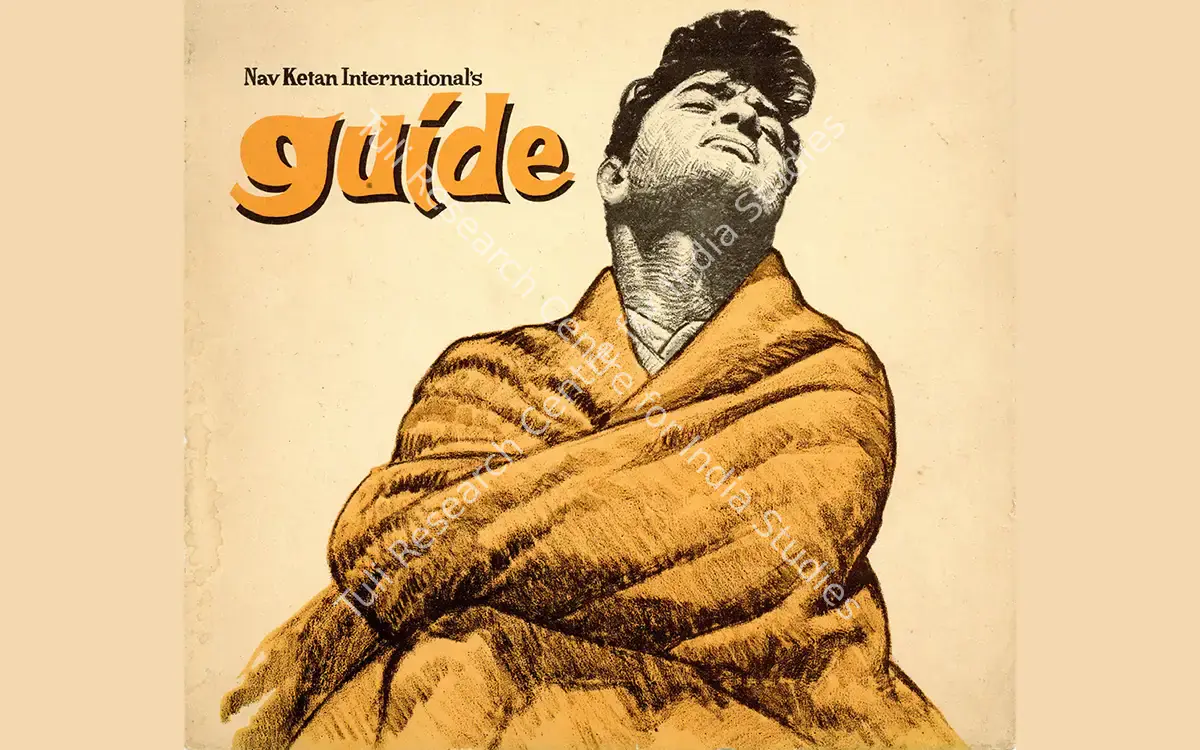
As a composer, Burman collaborated with the finest voices of the era—Lata Mangeshkar, Kishore Kumar, Mohammed Rafi, Geeta Dutt, Manna Dey, Asha Bhosle, Hemant Kumar, Mukesh, and Talat Mahmood among them. He himself sang 27 film songs across Bengali and Hindi cinema, his thin yet evocative voice often used to haunting, bard-like effect in films such as Bandini (1963), Guide (!965), and Aradhana (1969), the last earning him the National Film Award for Best Male Playback Singer in 1970.
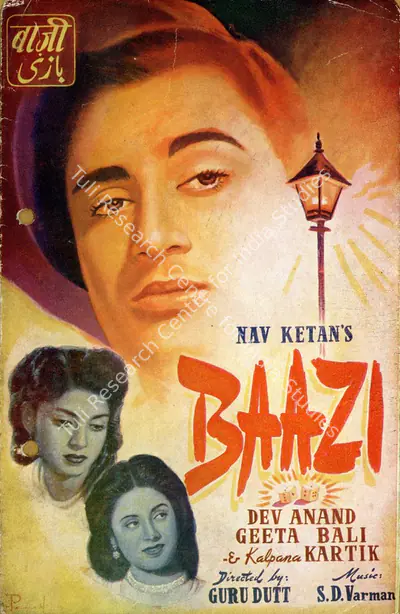
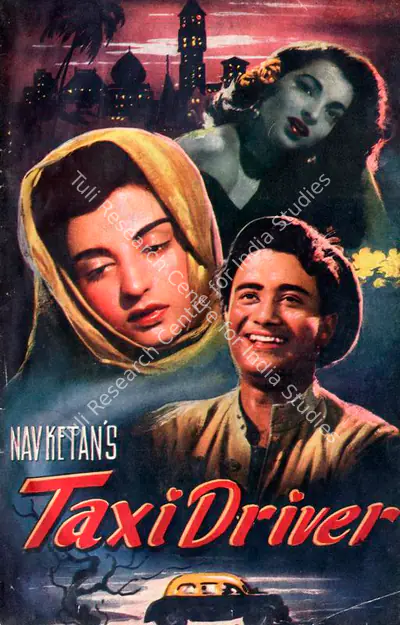
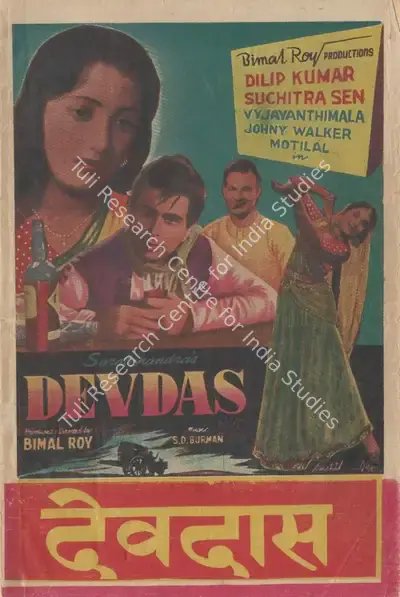
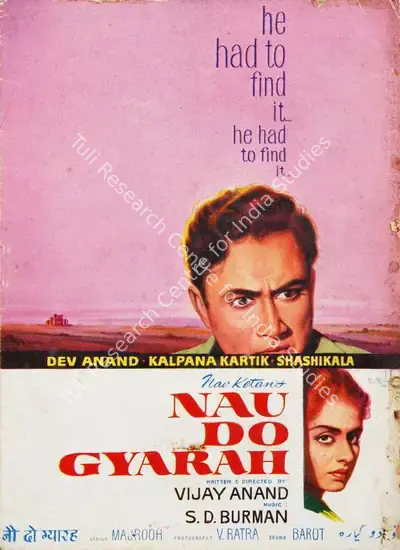
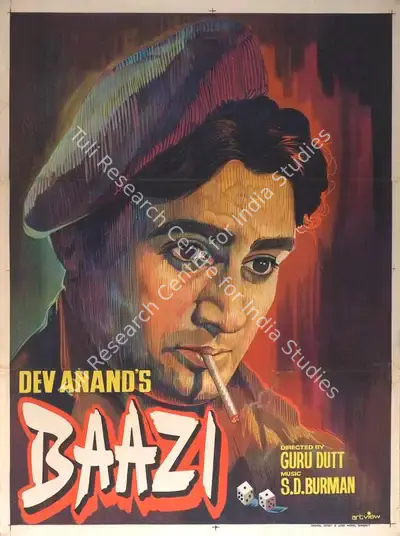
Burman's partnership with Dev Anand and Navketan Films proved transformative, producing landmark scores for Baazi (1951), Taxi Driver (!954), Kala Pani (1958), Guide (1965), and Jewel Thief (1967). Drawing inspiration from folk melodies, classical ragas, and even everyday sounds—the call of a muezzin or the rhythm of clapping hands—his compositions were at once rooted and innovative. Despite periods of ill health, his creative resurgence in the late 1960s yielded enduring classics such as Aradhana (1969), Abhimaan (1973), Chupke Chupke (1975), and Mili (1975).
Honoured posthumously through awards, institutions, and a commemorative postage stamp, Sachin Dev Burman's legacy endures as that of a composer who bridged tradition and modernity, transforming Indian film music into an art form of profound emotional resonance.
कोमिला राजबाड़ी के टिप्पेराह पैलेस में जन्मे बर्मन, जो उस समय पूर्वी बंगाल और असम (अब बांग्लादेश) का हिस्सा था, नौ संतानों में सबसे छोटे थे। उनकी माता, मणिपुर की राजकुमारी निर्मला देवी का निधन तब हो गया जब वे केवल दो वर्ष के थे, जिससे उन पर गहरा भावनात्मक प्रभाव पड़ा। हालांकि वे राजघराने में जन्मे थे, लेकिन उनकी परवरिश में विशेषाधिकार के बजाय शिक्षा को अधिक महत्व दिया गया। वे स्कूल जो विद्वता से अधिक प्रतिष्ठा को महत्व देते थे, उन कुलीन बोर्डिंग स्कूलों से निराश होकर। उनके पिता ने यह सुनिश्चित किया कि बर्मन को कोमिला में उच्च स्तरीय शिक्षा मिले, जहाँ उन्होंने 14 वर्ष की आयु में मैट्रिक की पढ़ाई पूरी की। उन्होंने कोमिला के विक्टोरिया कॉलेज से बीए की डिग्री प्राप्त की और बाद में कलकत्ता विश्वविद्यालय में एमए करने के लिए कोलकाता चले गए - लेकिन जब संगीत उनका एकमात्र जुनून बन गया तो उन्होंने यह पढ़ाई छोड़ दिया।
बर्मन की औपचारिक संगीत शिक्षा बेहद उम्दा थी। उन्होंने 1925 से 1930 के बीच के.सी. डे के अधीन प्रशिक्षण लिया और बाद में भीष्मदेव चट्टोपाध्याय, ख़लीफ़ा बादल ख़ान और महान उस्ताद अलाउद्दीन ख़ान से संगीत की शिक्षा प्राप्त की। लोक संगीत, हल्का शास्त्रीय संगीत और हिंदुस्तानी शास्त्रीय संगीत की विभिन्न परंपराओं के प्रभाव से उनकी एक विशिष्ट संगीतमय शैली विकसित हुई। उन्होंने 1920 के दशक के उत्तरार्ध में कलकत्ता रेडियो स्टेशन में रेडियो गायक के रूप में अपने पेशेवर करियर की शुरुआत की और लोक संगीत से प्रभावित अर्ध-शास्त्रीय गायन के लिए ख्याति प्राप्त की। उनका पहला व्यावसायिक रिकॉर्डिंग, जो 1932 में हिंदुस्तान म्यूजिकल प्रोडक्ट द्वारा जारी किया गया था, शास्त्रीय और लोक दोनों शैलियों का मिश्रण था और यहीं से उनके गायन करियर की शुरुआत हुई, जिसमें 131 बंगाली रिकॉर्डिंग शामिल हैं।
एक संगीतकार के रूप में, बर्मन ने उस दौर के सर्वश्रेष्ठ गायकों - लता मंगेशकर, किशोर कुमार, मोहम्मद रफ़ी, गीता दत्त, मन्ना डे, आशा भोसले, हेमंत कुमार, मुकेश और तलत महमूद आदि के साथ काम किया। उन्होंने स्वयं बंगाली और हिंदी सिनेमा में 27 फ़िल्मी गीत गाए, उनकी सुरीली लेकिन भावपूर्ण आवाज़ का इस्तेमाल अक्सर बंदिनी (1963), गाइड (1965) और आराधना (1969) जैसी फ़िल्मों में एक दिलकश प्रभाव के लिए किया गया था, जिसके लिए उन्हें 1970 में सर्वश्रेष्ठ पुरुष पार्श्व गायक का राष्ट्रीय फ़िल्म पुरस्कार मिला था।
देव आनंद और नवकेतन फ़िल्म्स के साथ बर्मन की साझेदारी क्रांतिकारी साबित हुई, जिसके परिणामस्वरूप बाज़ी (1951), टैक्सी ड्राइवर (1954), काला पानी (1958), गाइड (1965) और ज्वेल थीफ़ (1967) जैसी फ़िल्मों के लिए ऐतिहासिक संगीत तैयार हुआ। लोक धुनों, शास्त्रीय रागों और यहां तक कि रोजमर्रा की आवाज़ों—जैसे अज़ान या ताली की थाप—से प्रेरणा लेते हुए, उनके गीत मौलिक और नवीन थीं। ख़राब स्वास्थ्य बावजूद, 1960 के दशक के उत्तरार्ध में उनके रचनात्मक पुनरुत्थान ने आराधना (1969), अभिमान (1973), चुपके चुपके (1975) और मिली (1975) जैसी फ़िल्मी गीतों ने सदाबहार क्लासिक्स को जन्म दिया।
पुरस्कारों, संस्थानों और एक स्मारक डाक टिकट के माध्यम से मरणोपरांत सम्मानित सचिन देव बर्मन की विरासत एक ऐसे संगीतकार के रूप में कायम है जिन्होंने परंपरा और आधुनिकता के बीच सेतु का काम किया और भारतीय फ़िल्म संगीत को गहरी भावनात्मक अभिव्यक्ति वाली एक विशिष्ट कला रूप में रूपांतरित कर दिया।
Filmography 45


Research Centre


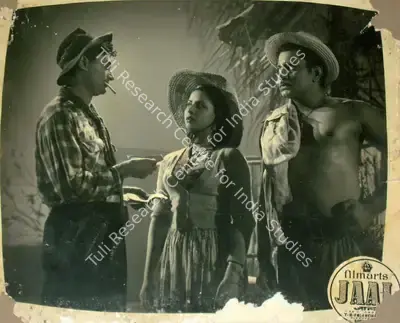
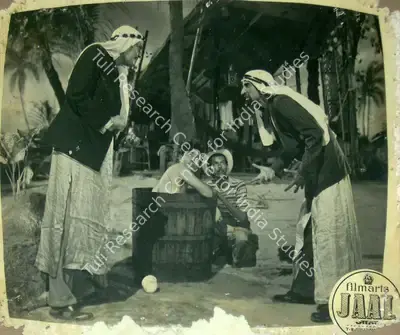
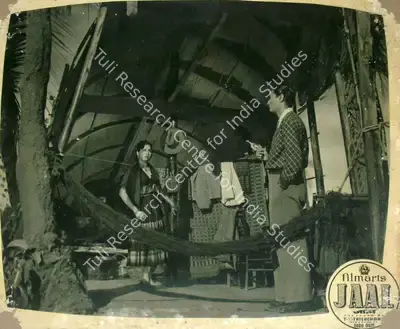


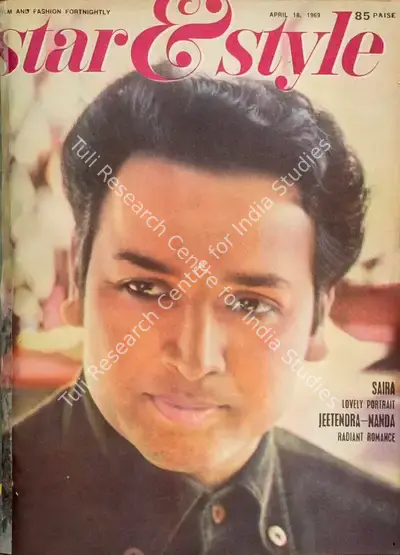

Calendar 2
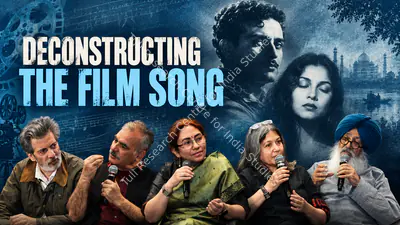
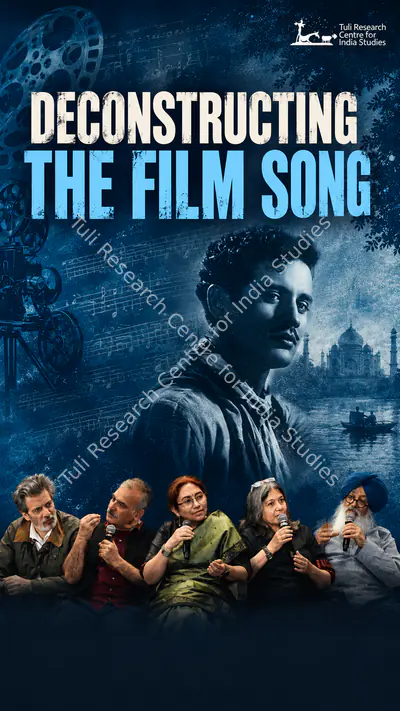
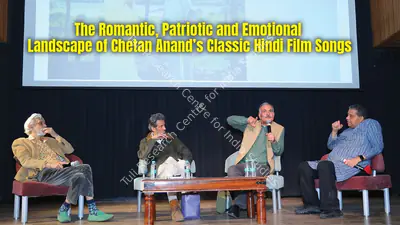
- ArchivedOffline-Online EventProject 80A Musical Glue for Nation-BuildingDeconstructing the Film Song23rd July - 22nd August 2026Ketan Anand | Ravikant | Pavan Jha | Madan Gopal Singh | Amit Khanna | Juhi Saklani | Antara Mondal | Shikha Jhingan | Neville TuliA key section of the India Studies framework at The Tuli Research Centre for India Studies (T.R.I.S.) is “Deconstructing the Film Song”. It began with a series of four workshops during our Self-Discovery via Rediscovering India Festival Series that brought together leading scholars & academics, film practitioners & students, along with fans of the Hindi film song. The objective of these workshops was to deconstruct iconic Hindi film songs to examine their formation across music, lyrics, playback, choreography, directorial visualisation, as they fuse into sites where aesthetics, ideology, and performance intersect, so as to help clarify the nature of India and her relationship to the film song. The Hindi Film Song functions as a narrative device, conveying myriad textures of emotion through melody, voice and poetry. As cultural texts that encode memory, desire, and ideology, songs are integral to the circulation and resonance of films in the public realm. Over time they have become autonomous bundles of creative energy - the glue that binds us over time, articulating and perhaps even defining the idea of Indianness. These first Workshops were an attempt to understand the nature and power of this glue, while contemplating the ways to situate it within TRIS' academic framework for Contemporary India Studies.Read More →
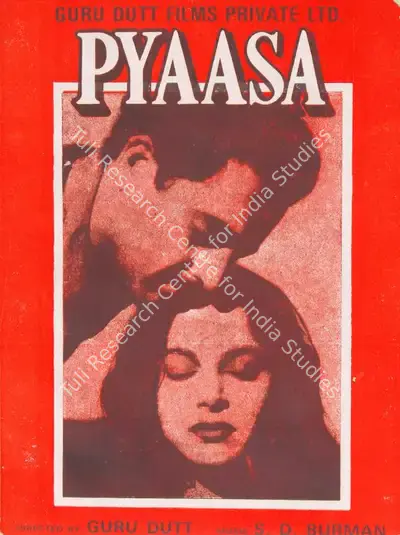
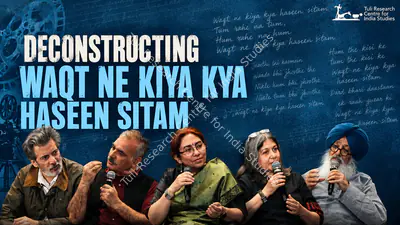
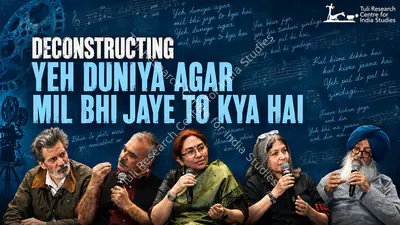
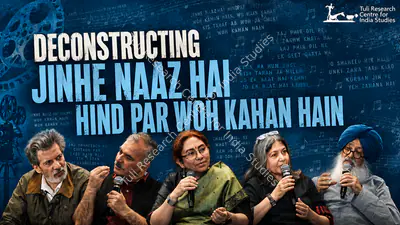
- ArchivedDeconstructing the Hindi Film SongProject 62A Musical Glue for Nation-BuildingFour Classic Songs from the cinema of Guru Dutt and the genius of S.D. Burman, O.P. Nayyar, Sahir Ludhianvi, Majrooh Sultanpuri, Geeta Dutt & Mohammed RafinnBabuji Dheere Chalna | Aar Paar-1954 nJinen Naaz Hai Hind Par | Pyaasa-1957 nYe Duniya Agar Mile Be Jaye | Pyaasa-1957 nWaqt Ne Kiya Kya Haseen Sitam | Kaagaz Ke Phool-195917th February 20266:30pmM.L. Bhartia Auditorium, Alliance Francaise de Delhi, 72 K.K. Birla Lane, Lodi Estate, New Delhi, 110006Madan Gopal Singh, Ravikant, Antara Mondal, Juhi Saklani & Neville TuliA key section of the India Studies framework at The Tuli Research Centre for India Studies (T.R.I.S.) is “Deconstructing the Hindi Film Song”. It will begin with a series of four workshops that brings together leading scholars & academics, film practitioners & students, along with fans of the Hindi film song. The objective of these workshops is to deconstruct iconic Hindi film songs to examine their formation across music, lyrics, playback, choreography, directorial visualisation, as they fuse into sites where aesthetics, ideology, and performance intersect. The Hindi Film Song functions as a narrative device, conveying myriad textures of emotion through melody, voice and poetry. As cultural texts that encode memory, desire, and ideology, songs are integral to the circulation and resonance of films in the public realm. Over time they have become autonomous bundles of creative energy - the glue that binds us over time, articulating and perhaps even defining the idea of Indianness. The first Workshops are an attempt to understand the nature and power of this glue, while contemplating the ways to situate it within TRIS' academic framework for Contemporary India Studies.Read More →

Related
41
Personalities
21
Films
20