TRIS logo image
Search275,000+ actors, artists, objects, artworks, films, exhibitions, archives

EN

EN

English

HI

Hindi

EN

EN

English

HI

Hindi

Tuli Research Centre for India Studies

Tuli Research Centre for India Studies

Vision

Manifesto

Archive & Library

Vanraja Sanctuary & Hospice

Home

Research Categories

Browse All

ICore

1_CinemaEducation_Cinema as a Critical Educational Resource

2_FineArts_Modern and Contemporary Indian Fine Arts

3_Photography_Photography in India

4_PopCulture_The Printed Image, Popular Arts, and Crafts

IIMaterial

5_ArcHeritage_India's Architectural Heritage as Inspiration

6_EconomicsArt_Economics of Art & Cultural Industry

7_Travel_Automobile, Transport and Travel Heritage

8_Uncertainty_Uncertainty

IIICritical

9_SocialDuty_Social Responsibility of the Creative Mind

10_Childhood_The Changing Smile of Childhood & Its Second Coming

11_Sensuality_The Sensual Discipline within Creativity

12_Scholarship_The History & Historiography of Scholarship in the Arts, Humanities, and Social Sciences

IVMeaningful

13_SeekJustice_Seeking Justice and Political Integrity

14_IndoWorld_India and her Relationship with the World

15_SpiritualPoetics_The Religious-Spiritual-Poetic-Philosophical Framework

16_Continuum_The Animal-Human-Nature Continuum

Explore

All

Posts

Masterlists

Calendar

Live | Upcoming

All Events

Timetable

Search275,000+ actors, artists, objects, artworks, films, exhibitions, archives

EN

EN

English

HI

Hindi

Raj Khosla

Raj Khosla

Geminib. 31 May 1925, Shri Hargobindpur, Gurdaspur, Punjabd. 09 Jun 1991, Bombay, Maharashtra, India

Personality
On this Page
Introduction
Filmography29
Integrated Timeline18
Economics of Cinema1
Research Centre325
All325Library31Archive289
Videos5
Highlights10
Home/Cinema as a Critical Educational Resource/Personality · Filmmaker/Raj Khosla
Raj Khosla — featured artwork

Introduction

Raj Khosla (31 May 1925–9 June 1991) He was one of the most distinguished directors, producers, and screenwriters in the Hindi film industry from the 1950s to the 1980s. Renowned for introducing elements of neo-noir and sophisticated visual style into Indian cinema, he was equally celebrated as a “women's director” for creating powerful and memorable female characters. His films combined technical finesse, compelling narratives, and exceptional musical compositions, earning him a lasting place in the history of Indian cinema.

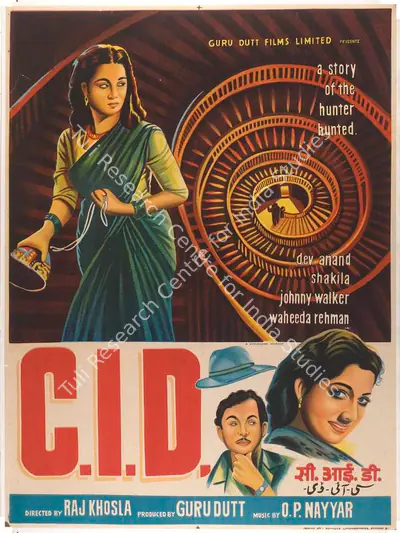
Born in Rahon, Punjab, Khosla received formal training in classical music and initially aspired to become a playback singer. After working briefly with All India Radio, he moved to Bombay in search of opportunities in the film industry. Recognizing his creative abilities, Dev Anand encouraged him to assist Guru Dutt, under whose mentorship Khosla developed his cinematic skills. His directorial debut, Milap (1954), failed commercially despite its acclaimed music, but his second film, C.I.D. (1956), established him as a major filmmaker.

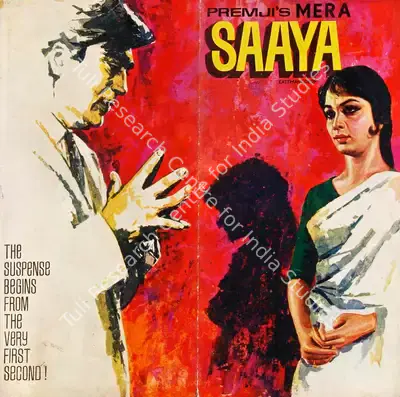
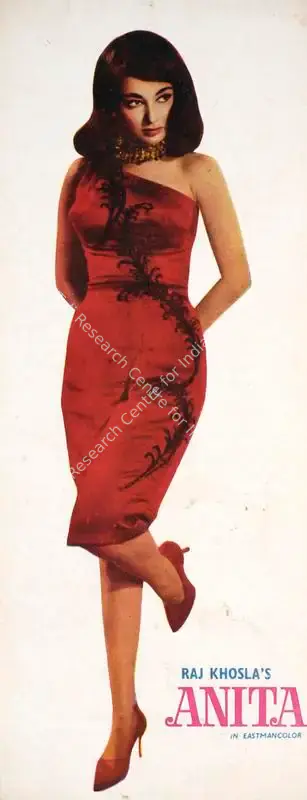
Inspired by the suspense and mystery techniques of Alfred Hitchcock, alongside contemporaries Guru Dutt and Vijay Anand, Khosla became known for his mastery of crime thrillers and suspense dramas. Films such as C.I.D., Woh Kaun Thi? (1964), Mera Saaya (1966), and Anita (1967) exemplified his ability to create psychological tension while maintaining strong emotional appeal. His musical background also influenced his remarkable song picturizations, with many films featuring compositions rooted in Indian folk traditions.

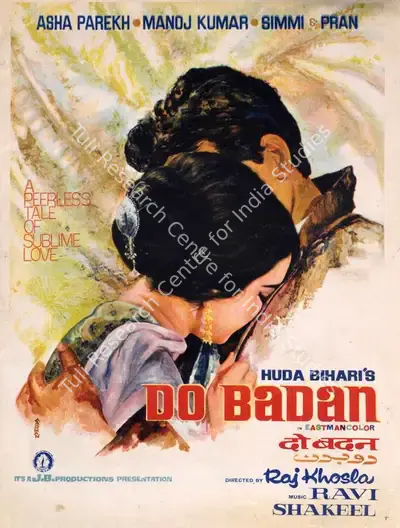
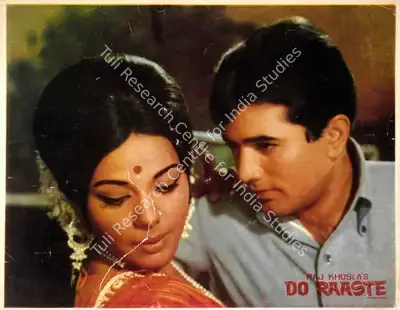
Beyond thrillers, Khosla demonstrated remarkable versatility by directing successful melodramas, musicals, and action films, including Do Badan (1966), Do Raaste (1969), Mera Gaon Mera Desh (1971), Prem Kahani (1975), Nehle Pe Dehla (1976), Main Tulsi Tere Aangan Ki (1978), and Dostana (1980). Mera Gaon Mera Desh is widely regarded as an important precursor to the iconic film Sholay (1975).

Khosla earned widespread recognition for his nuanced portrayal of women, presenting female protagonists with emotional complexity and narrative significance. His films played a pivotal role in shaping the careers of leading actresses such as Waheeda Rehman, Sadhana, Asha Parekh, Mumtaz, Nutan, and Simi Garewal. Main Tulsi Tere Aangan Ki particularly demonstrated his sensitivity by portraying the perspectives of both the wife and the mistress with empathy and dignity.

Raj Khosla's contributions to Hindi cinema remain unparalleled for their stylistic innovation, genre diversity, and artistic excellence. His film Main Tulsi Tere Aangan Ki won the Filmfare Award for Best Film and earned him a nomination for Best Director, following an earlier nomination for Do Raaste (1969). Although his later years were marked by professional setbacks, his pioneering work in suspense cinema, musical storytelling, and female-centric narratives continues to influence Indian filmmakers and secures his legacy as one of Hindi cinema's most accomplished directors.

राज खोसला (31 मई 1925 – 9 जून 1991) 1950 से 1980 के दशक तक हिंदी फ़िल्म इंडस्ट्री के बेहतरीन निर्देशकों, निर्माताओं और पटकथा लेखकों में से एक थे। भारतीय सिनेमा में 'नियो-नॉयर' (neo-noir) और बेहतरीन विज़ुअल स्टाइल लाने के लिए मशहूर राज खोसला, मज़बूत और यादगार महिला किरदार गढ़ने के कारण "वीमेंस डायरेक्टर" (महिलाओं पर केंद्रित फ़िल्में बनाने वाले निर्देशक) के तौर पर भी काफ़ी सराहे गए। उनकी फ़िल्मों में तकनीकी बारीकी, दिलचस्प कहानी और शानदार संगीत का अनूठा संगम देखने को मिलता था, जिसने भारतीय सिनेमा के इतिहास में उन्हें एक ख़ास और स्थायी जगह दिलाई।
पंजाब के राहों में जन्मे खोसला ने शास्त्रीय संगीत की औपचारिक ट्रेनिंग ली और शुरू में वे प्लेबैक सिंगर बनना चाहते थे। कुछ समय तक ऑल इंडिया रेडियो के साथ काम करने के बाद, वे फ़िल्म इंडस्ट्री में मौकों की तलाश में बॉम्बे चले गए। उनकी रचनात्मक क्षमताओं को पहचानते हुए, देव आनंद ने उन्हें गुरु दत्त की मदद ने प्रोत्साहित किया। गुरु दत्त के मार्गदर्शन में ही खोसला ने अपनी सिनेमैटिक स्किल्स को निखारा। उनकी पहली फ़िल्म 'मिलाप' (1954) का संगीत तो बहुत सराहा गया, लेकिन यह फ़िल्म कमर्शियली सफल नहीं हो पाई। हालाँकि, उनकी दूसरी फ़िल्म 'सी.आई.डी.' (1956) ने उन्हें एक बड़े फ़िल्ममेकर के तौर पर स्थापित कर दिया।
अल्फ्रेड हिचकॉक की सस्पेंस और मिस्ट्री वाली तकनीकों से प्रेरित होकर, और अपने समकालीन फ़िल्ममेकर्स गुरु दत्त और विजय आनंद के साथ काम करते हुए, खोसला क्राइम थ्रिलर और सस्पेंस ड्रामा में अपनी महारत के लिए जाने गए। 'सी.आई.डी.', 'वो कौन थी?' (1964), 'मेरा साया' (1966) और 'अनीता' (1967) जैसी फ़िल्मों में उनकी यह क़ाबिलियत दिखी कि वे मज़बूत इमोशनल अपील बनाए रखते हुए साइकोलॉजिकल टेंशन भी पैदा कर सकते थे। उनके संगीत की पृष्ठभूमि का असर उनके गानों के बेहतरीन फ़िल्मांकन पर भी दिखा। कई फ़िल्मों में भारतीय लोक परंपराओं पर आधारित संगीत का इस्तेमाल किया गया था।
थ्रिलर फ़िल्मों के अलावा, खोसला ने सफल मेलोड्रामा, म्यूज़िकल और एक्शन फ़िल्में बनाकर अपनी ज़बरदस्त क़ाबिलियत दिखाई। इनमें 'दो बदन' (1966), 'दो रास्ते' (1969), 'मेरा गाँव मेरा देश' (1971), 'प्रेम कहानी' (1975), 'नेहले पे दहला' (1976), 'मैं तुलसी तेरे आँगन की' (1978) और 'दोस्ताना' (1980) जैसी फ़िल्में शामिल हैं। 'मेरा गाँव मेरा देश' को मशहूर फ़िल्म 'शोले' (1975) के लिए एक अहम शुरुआती फ़िल्म माना जाता है।
खोसला को महिलाओं के किरदारों को बारीकी से दिखाने के लिए काफ़ी पहचान मिली। उन्होंने महिला किरदारों को भावनात्मक गहराई और कहानी में अहमियत के साथ पेश किया। उनकी फ़िल्मों ने वहीदा रहमान, साधना, आशा पारेख, मुमताज़, नूतन और सिमी गरेवाल जैसी बड़ी अभिनेत्रियों के करियर को संवारने में अहम भूमिका निभाई। 'मैं तुलसी तेरे आँगन की' फ़िल्म में उन्होंने पत्नी और प्रेमिका, दोनों के नज़रिए को सहानुभूति और सम्मान के साथ दिखाकर अपनी संवेदनशीलता का सबूत दिया।
हिंदी सिनेमा में राज खोसला का योगदान अपने अनोखे स्टाइल, अलग-अलग तरह की फ़िल्मों और कलात्मक उत्कृष्टता के कारण बेमिसाल है। उनकी फ़िल्म 'मैं तुलसी तेरे आँगन की' ने 'बेस्ट फ़िल्म' का फ़िल्मफ़ेयर अवॉर्ड जीता और उन्हें 'बेस्ट डायरेक्टर' के लिए नॉमिनेशन भी मिला। इससे पहले उन्हें 'दो रास्ते' (1969) के लिए भी नॉमिनेशन मिला था। भले ही उनके करियर के आख़िरी सालों में उन्हें कुछ मुश्किलों का सामना करना पड़ा, लेकिन सस्पेंस सिनेमा, म्यूज़िकल कहानी कहने के अंदाज़ और महिलाओं पर केंद्रित कहानियों में उनके नए और बेहतरीन काम ने भारतीय फ़िल्मकारों को प्रभावित करना जारी रखा है। इसी वजह से हिंदी सिनेमा के सबसे क़ामयाब निर्देशकों में उनकी पहचान बनी है।
Date of Birth
31 May 1925
Zodiac sign
Gemini
Date of Death
09 Jun 1991
Age
66
Nationality
Indian
Place of Birth
Shri Hargobindpur, Gurdaspur, Punjab
Place of Death
Bombay, Maharashtra, India
Spouse(s)
Usha Chopra
Year Marriage Registered
1954
Children
Uma Khosla Kapur, Anita Khosla Kapur, Sonia Khosla, Reena Khosla Kataria, Sunita Khosla, Milind Luthria (b. 28 Jan 1968)
Parent(s)
Atmaram Khosla, Saraswati Khosla
Siblings
Sita, Lekhraj Khosla, Sarla
  1. 1942

    1. Anjuman-i-Islam, Bombay, India
  2. 1945

    1. Elphinstone College, Bombay, India

Filmography 29
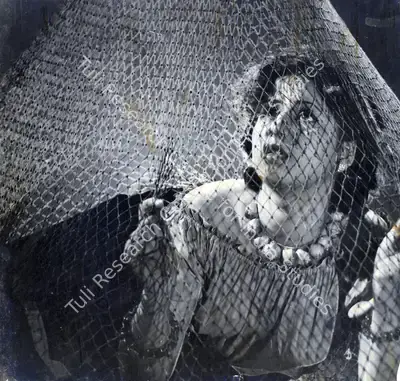
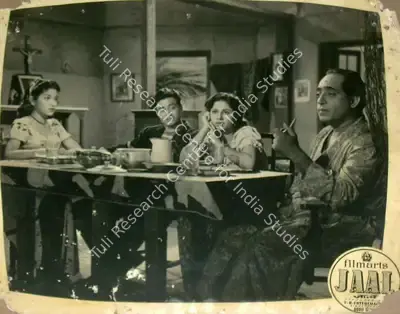
Jaal, Assistant Director, 1952
Jaal | Hindi | Assistant Director
1952 | Feature | Fiction | Black and White | India
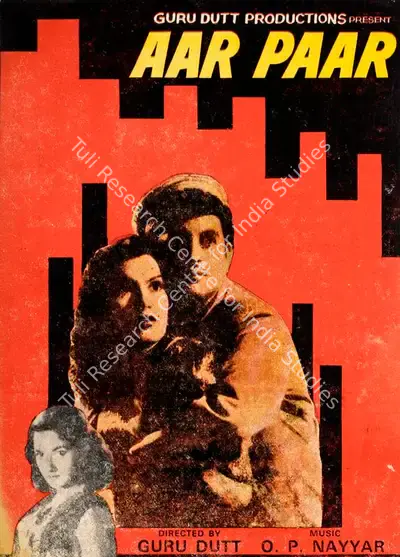
Aar Paar, Assistant Director, 1954
Aar Paar | Hindi | Assistant Director
1954 | Feature | Fiction | Black and White | India
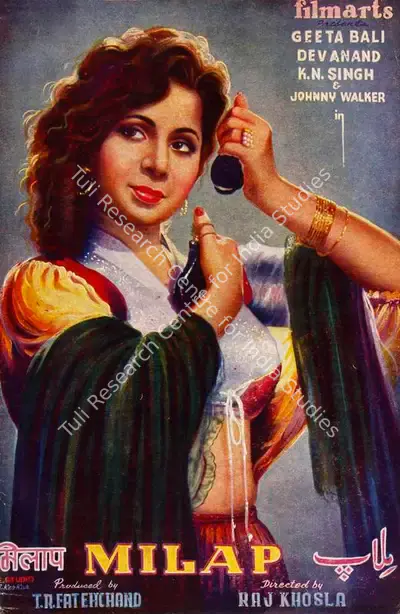
Milap, Screenplay Writer, Story Writer, Director, 1955
Milap | Hindi | Screenplay Writer, Story Writer, Director
1955 | Feature | Fiction | Black and White | India
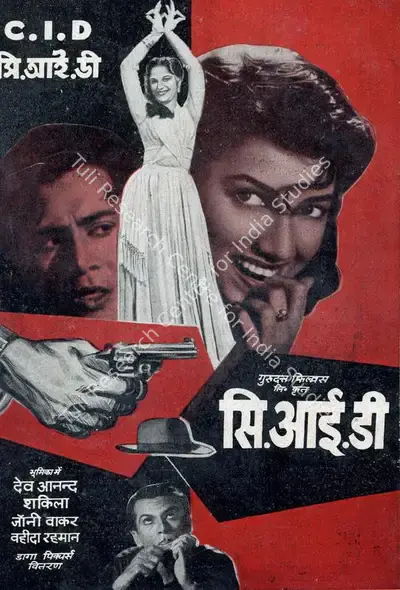
C I D, Director, 1956
C I D | Hindi | Director
1956 | Feature | Fiction | Black and White | 146 mins | India
Kala Paani, Director, 1958
Kala Paani | Hindi | Director
1958 | India
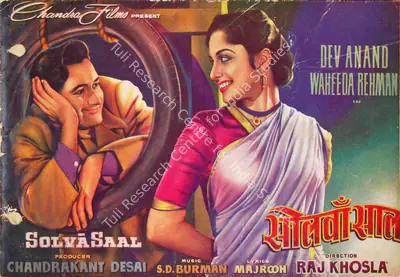
Solva Saal, Director, 1958
Solva Saal | Hindi | Director
1958 | India
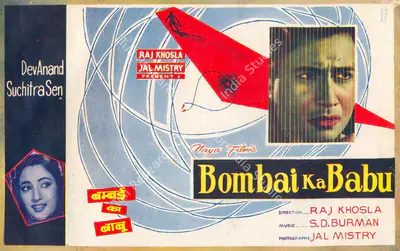
Bombai Ka Babu, Director, Presented by Personality, 1960
Bombai Ka Babu | Hindi | Director, Presented by Personality
1960 | Fiction | India
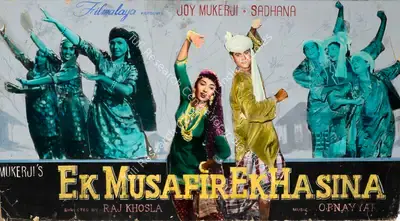
Ek Musafir Ek Hasina, Director, 1962
Ek Musafir Ek Hasina | Hindi | Director
1962 | India
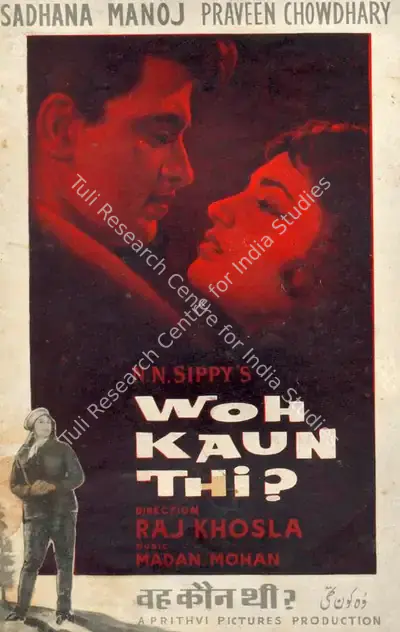
Woh Kaun Thi, Director, 1964
Woh Kaun Thi | Hindi | Director
1964 | Feature | Fiction | Black and White | India
Do Badan, Director, 1966
Do Badan | Hindi | Director
1966 | Feature | Fiction | Colour | India
Mera Saaya, Director, 1966
Mera Saaya | Hindi | Director
1966 | India
Anita, Story Writer, Producer, Director, 1967
Anita | Hindi | Story Writer, Producer, Director
1967 | Feature | Fiction | Colour | India
Do Raaste, Producer, Director, 1969
Do Raaste | Hindi | Producer, Director
1969 | Feature | Fiction | Colour | India
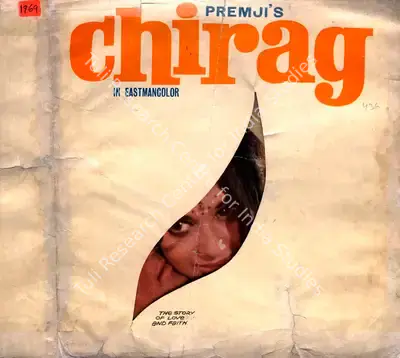
Chirag, Director, 1969
Chirag | Hindi | Director
1969 | India
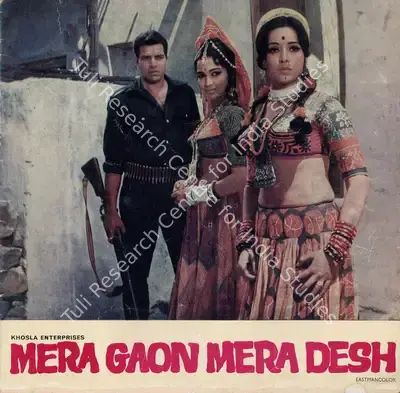
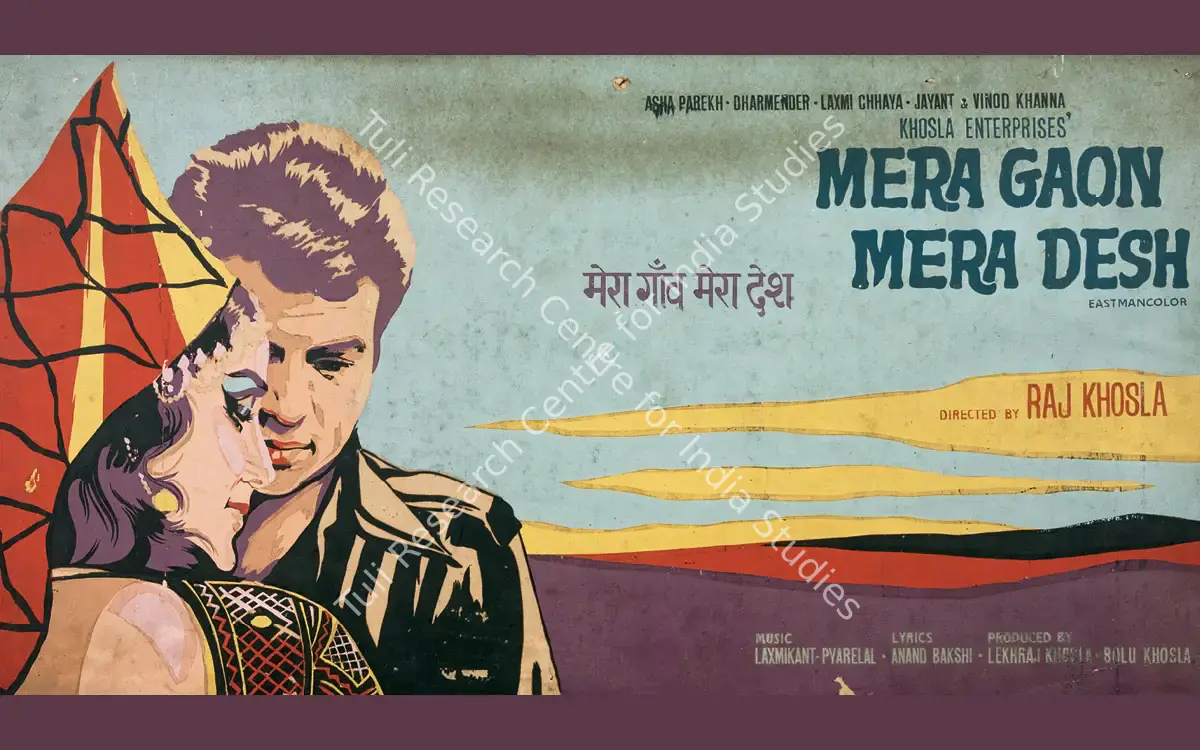
Mera Gaon Mera Desh, Director, 1971
Mera Gaon Mera Desh | Hindi | Director
1971 | India
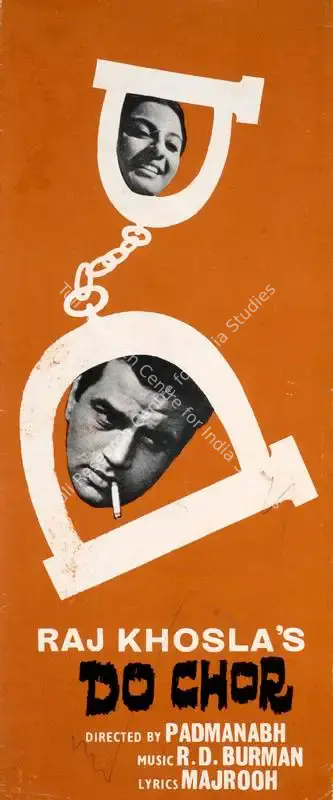
Do Chor, Producer, 1972
Do Chor | Hindi | Producer
1972 | India
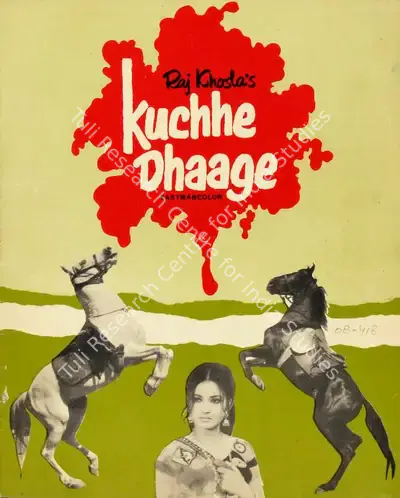
Kuchhe Dhaage, Producer, Director, 1973
Kuchhe Dhaage | Hindi | Producer, Director
1973 | India
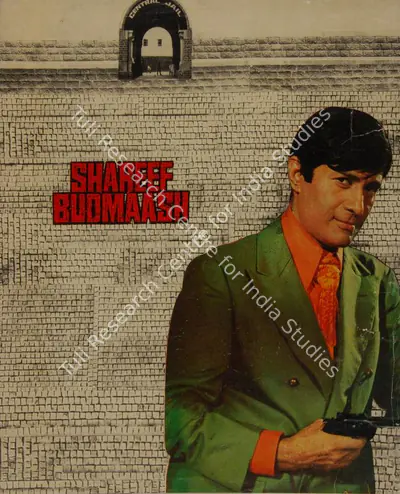
Shareef Budmaash, Director, 1973
Shareef Budmaash | Hindi | Director
1973 | Feature | Colour | India
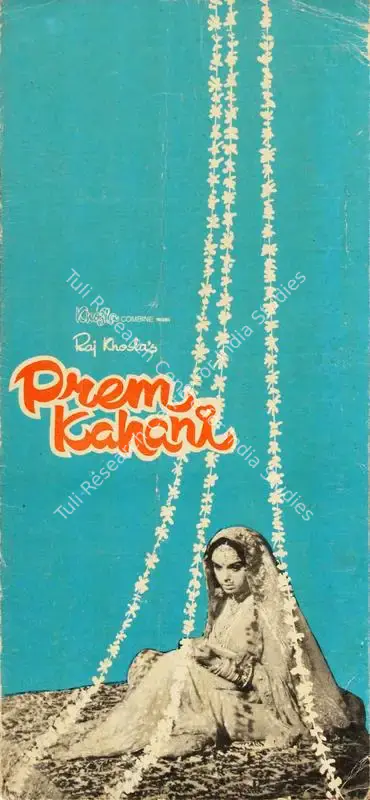
Prem Kahani, Director, 1975
Prem Kahani | Hindi | Director
1975 | India
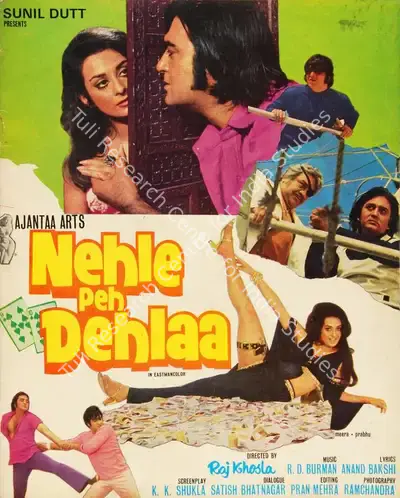
Nehle Peh Dehlaa, Director, 1976
Nehle Peh Dehlaa | Hindi | Director
1976 | India
20 of 29

Integrated Timeline

18 entries

Economics of Cinema

  1. 1979

    1. Filmfare Award

      Best Film · The Times Group

Research Centre
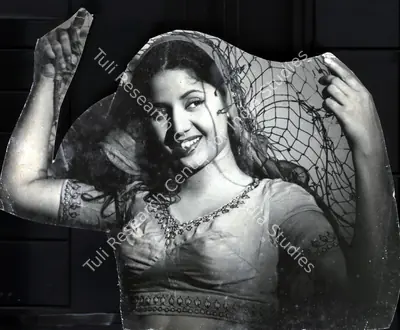
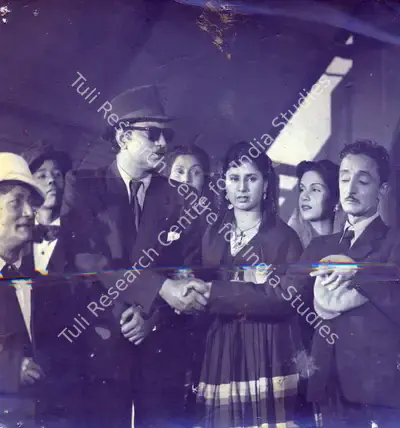
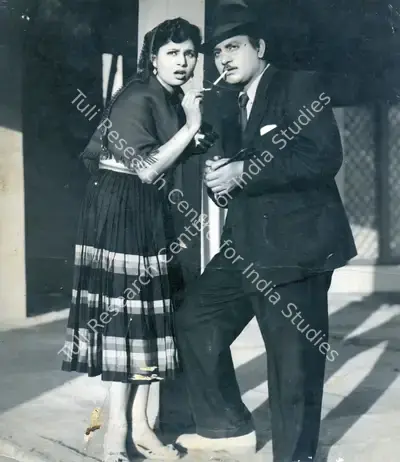
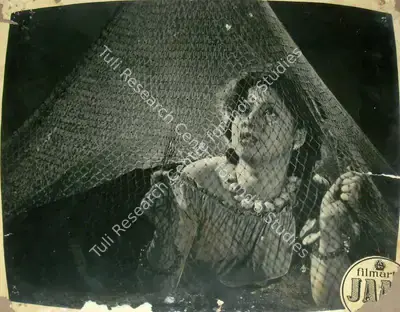
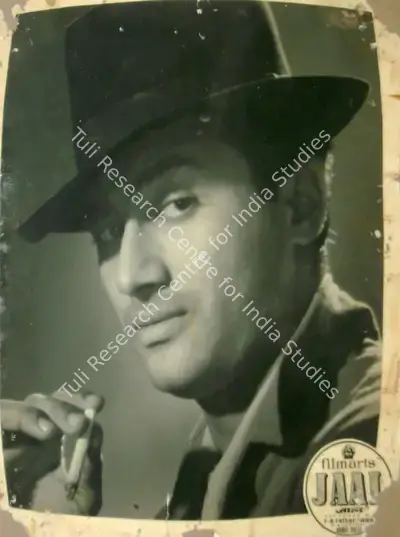
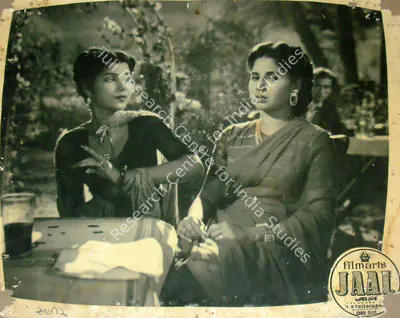
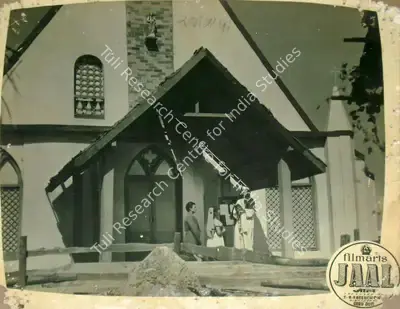
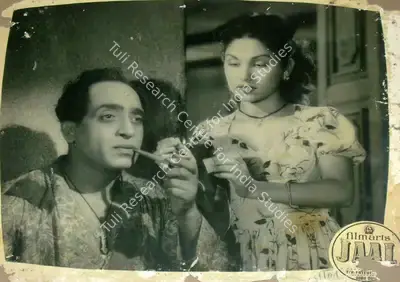
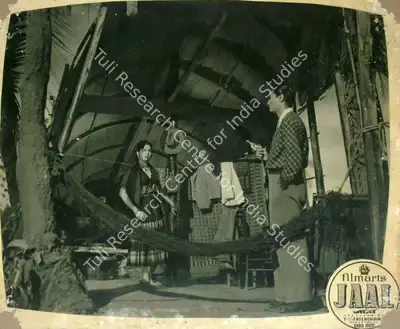
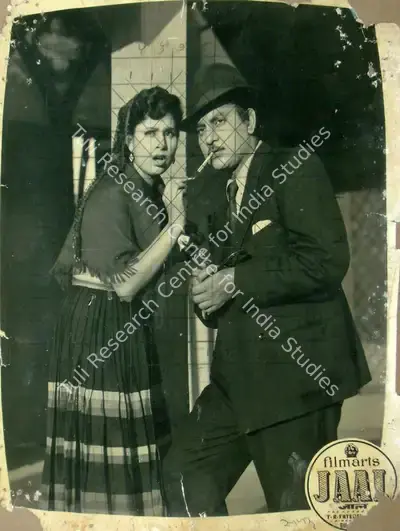
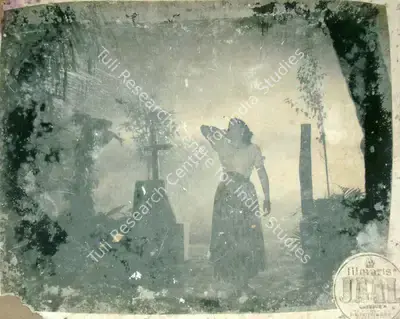
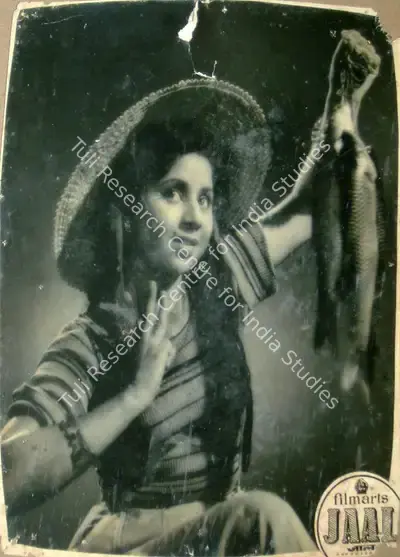
V.K. Murthy (Cinematographer), Jaal, 1952, Photographic Still
Murthy, V.K. (Cinematographer), Jaal, 1952 | Photographic Still
View full record
V.K. Murthy (Cinematographer), Jaal, 1952, Photographic Still
Murthy, V.K. (Cinematographer), Jaal, 1952 | Photographic Still
View full record
V.K. Murthy (Cinematographer), Jaal, 1952, Photographic Still
Murthy, V.K. (Cinematographer), Jaal, 1952 | Photographic Still
View full record
V.K. Murthy (Cinematographer), Jaal, 1952, Photographic Still
Murthy, V.K. (Cinematographer), Jaal, 1952 | Photographic Still
View full record
V.K. Murthy (Cinematographer), Jaal, 1952, Photographic Still
Murthy, V.K. (Cinematographer), Jaal, 1952 | Photographic Still
View full record
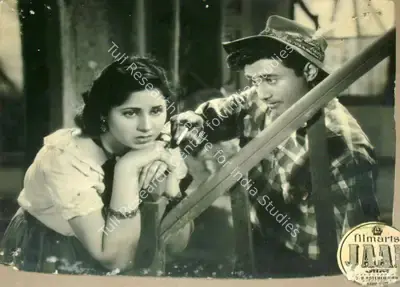
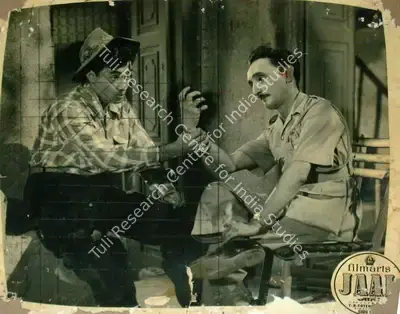
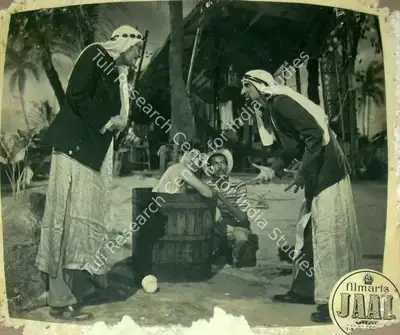
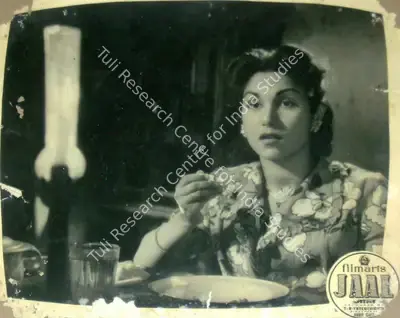
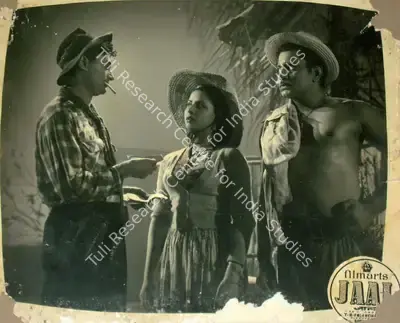
V.K. Murthy (Cinematographer), Jaal, 1952, Lobby Card
Murthy, V.K. (Cinematographer), Jaal, 1952 | Lobby Card
View full record
V.K. Murthy (Cinematographer), Jaal, 1952, Lobby Card
Murthy, V.K. (Cinematographer), Jaal, 1952 | Lobby Card
View full record
V.K. Murthy (Cinematographer), Jaal, 1952, Lobby Card
Murthy, V.K. (Cinematographer), Jaal, 1952 | Lobby Card
View full record
V.K. Murthy (Cinematographer), Jaal, 1952, Lobby Card
Murthy, V.K. (Cinematographer), Jaal, 1952 | Lobby Card
View full record
V.K. Murthy (Cinematographer), Jaal, 1952, Lobby Card
Murthy, V.K. (Cinematographer), Jaal, 1952 | Lobby Card
View full record
V.K. Murthy (Cinematographer), Jaal, 1952, Lobby Card
Murthy, V.K. (Cinematographer), Jaal, 1952 | Lobby Card
View full record
V.K. Murthy (Cinematographer), Jaal, 1952, Lobby Card
Murthy, V.K. (Cinematographer), Jaal, 1952 | Lobby Card
View full record
V.K. Murthy (Cinematographer), Jaal, 1952, Lobby Card
Murthy, V.K. (Cinematographer), Jaal, 1952 | Lobby Card
View full record
V.K. Murthy (Cinematographer), Jaal, 1952, Lobby Card
Murthy, V.K. (Cinematographer), Jaal, 1952 | Lobby Card
View full record
V.K. Murthy (Cinematographer), Jaal, 1952, Lobby Card
Murthy, V.K. (Cinematographer), Jaal, 1952 | Lobby Card
View full record
V.K. Murthy (Cinematographer), Jaal, 1952, Lobby Card
Murthy, V.K. (Cinematographer), Jaal, 1952 | Lobby Card
View full record
V.K. Murthy (Cinematographer), Jaal, 1952, Lobby Card
Murthy, V.K. (Cinematographer), Jaal, 1952 | Lobby Card
View full record
V.K. Murthy (Cinematographer), Jaal, 1952, Lobby Card
Murthy, V.K. (Cinematographer), Jaal, 1952 | Lobby Card
View full record
V.K. Murthy (Cinematographer), Jaal, 1952, Lobby Card
Murthy, V.K. (Cinematographer), Jaal, 1952 | Lobby Card
View full record
V.K. Murthy (Cinematographer), Jaal, 1952, Lobby Card
Murthy, V.K. (Cinematographer), Jaal, 1952 | Lobby Card
View full record
20 of 325
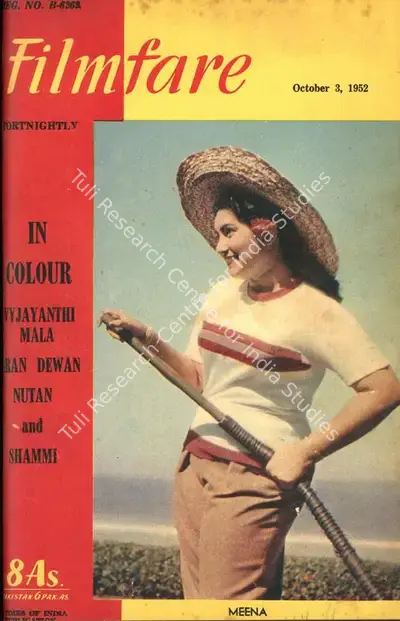
Frank Moraes (Editor), Filmfare, 1952, Magazine
Moraes, Frank (Editor). Filmfare, 03 October 1952 | Magazine | 00793121
View full record
Frank Moraes (Editor), Filmfare, 1952, Magazine
Moraes, Frank (Editor). Filmfare, 03 October 1952 | Magazine | 00793121
View full record
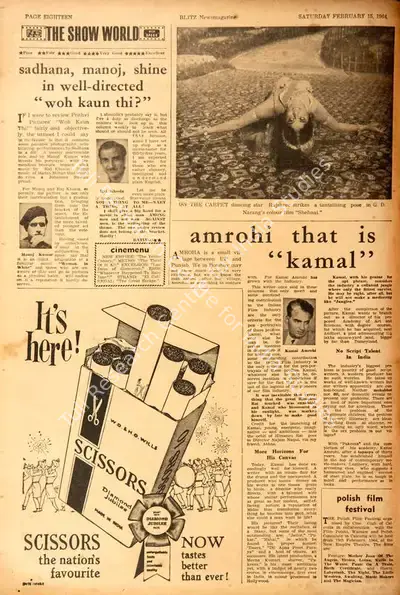
Sadhana, Manoj, Shine in Well-Directed "Woh Kaun Thi?", 1964, Film Review
Sadhana, Manoj, Shine in Well-Directed "Woh Kaun Thi?". In Blitz. 15 February 1964 | Film Review | 00144675
View full record
Amrohi That is "Kamal", 1964, Film Review
Amrohi That is "Kamal". In Blitz. 15 February 1964 | Film Review | 00144676
View full record
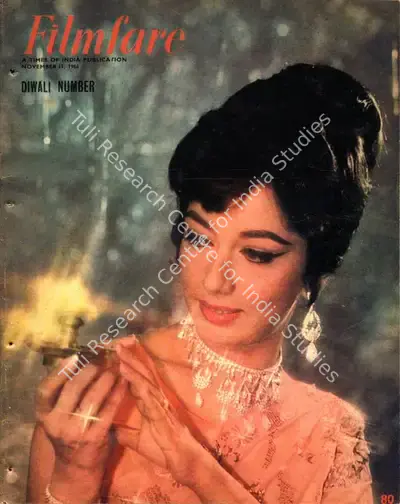
B.K. Karanjia (Editor), Filmfare, 1966, Magazine
Karanjia, B.K. (Editor). Filmfare, 11 November 1966 | Magazine | 00793344
View full record
D.V. Nadkarni (Reviewer), Six Songs of Longing and Lone Liness, 1966, Film Review
Nadkarni, D.V. (Reviewer). Six Songs of Longing and Lone Liness. In Blitz. 18 June 1966 | Film Review | 00142878
View full record
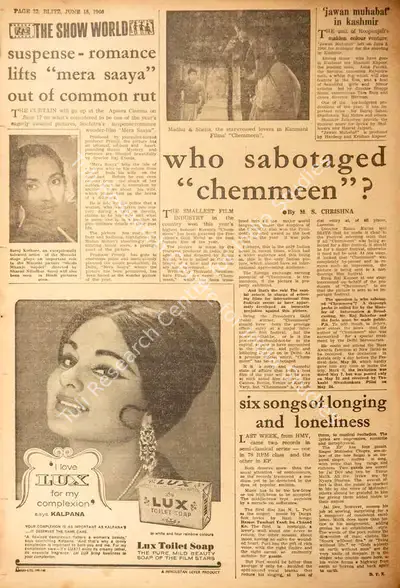
Suspense - Romance Lifts "Mera Saaya" Out of Common Rut, 1966, Film Review
Suspense - Romance Lifts "Mera Saaya" Out of Common Rut. In Blitz. 18 June 1966 | Film Review | 00142875
View full record
M.S. Chrishna (Reviewer), Who Sabotaged "Chemmeen" ?, 1966, Film Review
Chrishna, M.S. (Reviewer). Who Sabotaged "Chemmeen" ?. In Blitz. 18 June 1966 | Film Review | 00142876
View full record
Jawan Mohabbat' in Kashmir, 1966, Film Review
Jawan Mohabbat' in Kashmir. In Blitz. 18 June 1966 | Film Review | 00142877
View full record
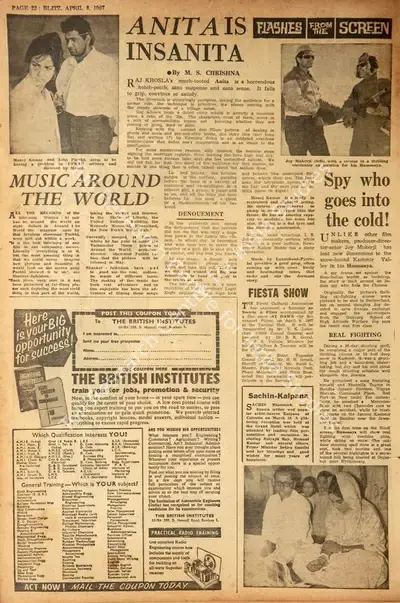
M.S. Chrishna (Reviewer), Anita is in Sanita, 1967, Film Review
Chrishna, M.S. (Reviewer). Anita is in Sanita. In Blitz. 08 April 1967 | Film Review | 00143003
View full record
Music Around the Wolrd , 1967, Film Review
Music Around the Wolrd . In Blitz. 08 April 1967 | Film Review | 00143004
View full record
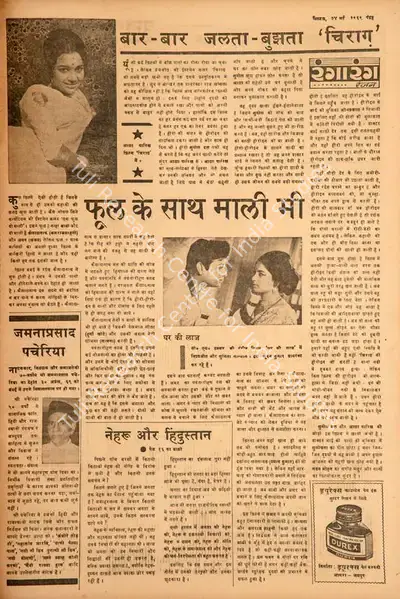
Ranjan (Columnist), Bar-Bar Jalta-Bujhta 'Chirag', 1969, Film Review
Ranjan (Columnist). Bar-Bar Jalta-Bujhta 'Chirag'. In Blitz. 24 May 1969 | Film Review | 00144522
View full record
Ranjan (Columnist), Phool Ke Sath Mali Bhi, 1969, Film Review
Ranjan (Columnist). Phool Ke Sath Mali Bhi. In Blitz. 24 May 1969 | Film Review | 00144523
View full record
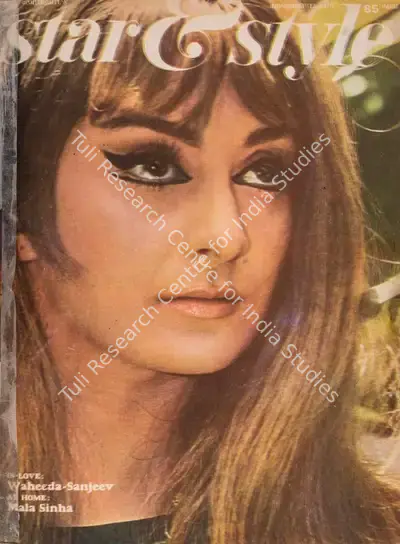
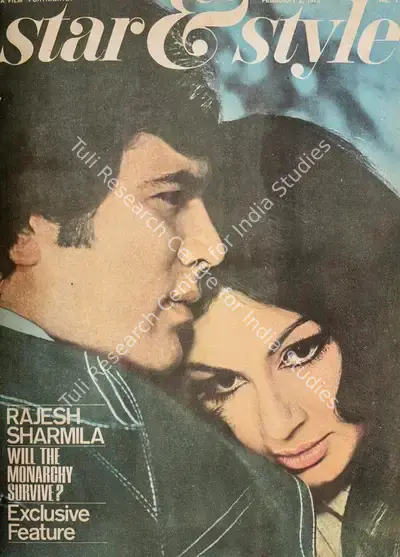
Gulshan Ewing (Editor), Star & Style, 1970, Magazine
Ewing, Gulshan (Editor). Star & Style, 13 November 1970 | Magazine | 00808492
View full record
Gulshan Ewing (Editor), Star & Style, 1970, Magazine
Ewing, Gulshan (Editor). Star & Style, 13 November 1970 | Magazine | 00808492
View full record
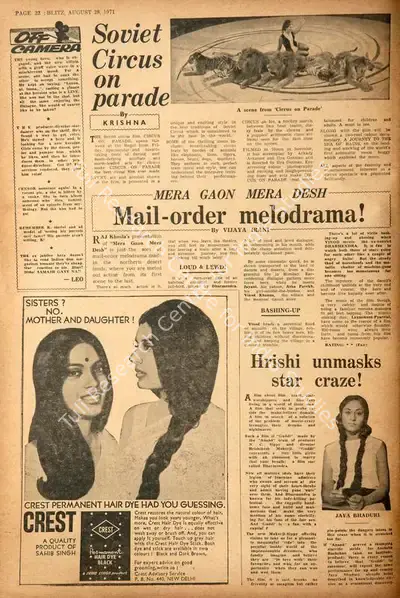
Vijaya Irani (Reviewer), Mera Gaon Mera Desh_x000d_
Mail-Order Melodarama !, 1971, Film Review
Irani, Vijaya (Reviewer). Mera Gaon Mera Desh_x000d_ Mail-Order Melodarama !. In Blitz. 28 August 1971 | Film Review | 00143293
View full record
Hrishi Unmasks Star Craze !, 1971, Film Review
Hrishi Unmasks Star Craze !. In Blitz. 28 August 1971 | Film Review | 00143294
View full record
Gulshan Ewing (Editor), Star & Style, 1973, Magazine
Ewing, Gulshan (Editor). Star & Style, 2 February 1973 | Magazine | 00808549
View full record
Gulshan Ewing (Editor), Star & Style, 1973, Magazine
Ewing, Gulshan (Editor). Star & Style, 2 February 1973 | Magazine | 00808549
View full record
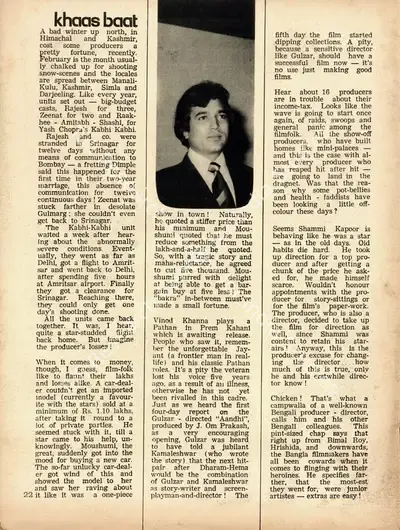
Khaas Baat, 1975, Column
Khaas Baat. In Sunday. 3(2). 23 March 1975 | Column | 00802353
View full record
20 of 31
V.K. Murthy (Cinematographer), Jaal, 1952, Photographic Still
Murthy, V.K. (Cinematographer), Jaal, 1952 | Photographic Still
View full record
V.K. Murthy (Cinematographer), Jaal, 1952, Photographic Still
Murthy, V.K. (Cinematographer), Jaal, 1952 | Photographic Still
View full record
V.K. Murthy (Cinematographer), Jaal, 1952, Photographic Still
Murthy, V.K. (Cinematographer), Jaal, 1952 | Photographic Still
View full record
V.K. Murthy (Cinematographer), Jaal, 1952, Photographic Still
Murthy, V.K. (Cinematographer), Jaal, 1952 | Photographic Still
View full record
V.K. Murthy (Cinematographer), Jaal, 1952, Photographic Still
Murthy, V.K. (Cinematographer), Jaal, 1952 | Photographic Still
View full record
V.K. Murthy (Cinematographer), Jaal, 1952, Lobby Card
Murthy, V.K. (Cinematographer), Jaal, 1952 | Lobby Card
View full record
V.K. Murthy (Cinematographer), Jaal, 1952, Lobby Card
Murthy, V.K. (Cinematographer), Jaal, 1952 | Lobby Card
View full record
V.K. Murthy (Cinematographer), Jaal, 1952, Lobby Card
Murthy, V.K. (Cinematographer), Jaal, 1952 | Lobby Card
View full record
V.K. Murthy (Cinematographer), Jaal, 1952, Lobby Card
Murthy, V.K. (Cinematographer), Jaal, 1952 | Lobby Card
View full record
V.K. Murthy (Cinematographer), Jaal, 1952, Lobby Card
Murthy, V.K. (Cinematographer), Jaal, 1952 | Lobby Card
View full record
V.K. Murthy (Cinematographer), Jaal, 1952, Lobby Card
Murthy, V.K. (Cinematographer), Jaal, 1952 | Lobby Card
View full record
V.K. Murthy (Cinematographer), Jaal, 1952, Lobby Card
Murthy, V.K. (Cinematographer), Jaal, 1952 | Lobby Card
View full record
V.K. Murthy (Cinematographer), Jaal, 1952, Lobby Card
Murthy, V.K. (Cinematographer), Jaal, 1952 | Lobby Card
View full record
V.K. Murthy (Cinematographer), Jaal, 1952, Lobby Card
Murthy, V.K. (Cinematographer), Jaal, 1952 | Lobby Card
View full record
V.K. Murthy (Cinematographer), Jaal, 1952, Lobby Card
Murthy, V.K. (Cinematographer), Jaal, 1952 | Lobby Card
View full record
V.K. Murthy (Cinematographer), Jaal, 1952, Lobby Card
Murthy, V.K. (Cinematographer), Jaal, 1952 | Lobby Card
View full record
V.K. Murthy (Cinematographer), Jaal, 1952, Lobby Card
Murthy, V.K. (Cinematographer), Jaal, 1952 | Lobby Card
View full record
V.K. Murthy (Cinematographer), Jaal, 1952, Lobby Card
Murthy, V.K. (Cinematographer), Jaal, 1952 | Lobby Card
View full record
V.K. Murthy (Cinematographer), Jaal, 1952, Lobby Card
Murthy, V.K. (Cinematographer), Jaal, 1952 | Lobby Card
View full record
V.K. Murthy (Cinematographer), Jaal, 1952, Lobby Card
Murthy, V.K. (Cinematographer), Jaal, 1952 | Lobby Card
View full record
20 of 289
Tuli Research Centre for India Studies (Editor). Music in the Films of Guru Dutt: Dreams, Desire, and Disillusionment, 31 August 2026 | In-house Video, 2026 · 1 Hour 15 min · Long-form Video
▶
Tuli Research Centre for India Studies (Editor). Music in the Films of Guru Dutt: Dreams, Desire, and Disillusionment, 31 August 2026 | In-house Video
2026 · 1 Hour 15 min · Long-form Video
Tuli Research Centre for India Studies (Editor). "Babuji Dheere Chalna" - More Than Just a Club Song, 31 August 2026 | In-house Video, 2026 · 14 min 52 sec · Long-form Video
▶
Tuli Research Centre for India Studies (Editor). "Babuji Dheere Chalna" - More Than Just a Club Song, 31 August 2026 | In-house Video

2026 · 14 min 52 sec · Long-form Video
Tuli Research Centre for India Studies (Editor). "Babuji Dheere Chalna" - A Song of Playful Defiance, 31 August 2026 | In-house Video, 2026 · 1 min 02 sec · Vertical Video
▶
Tuli Research Centre for India Studies (Editor). "Babuji Dheere Chalna" - A Song of Playful Defiance, 31 August 2026 | In-house Video
2026 · 1 min 02 sec · Vertical Video
Tuli Research Centre for India Studies (Editor). Poetry, Music and Melancholy in Guru Dutt’s Film Songs, 31 August 2026 | In-house Video, 2026 · 1 min 07 sec · Vertical Video
▶
Tuli Research Centre for India Studies (Editor). Poetry, Music and Melancholy in Guru Dutt’s Film Songs, 31 August 2026 | In-house Video
2026 · 1 min 07 sec · Vertical Video
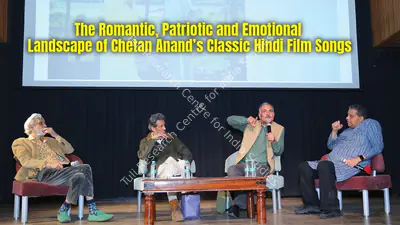
Tuli Research Centre for India Studies (Editor). The Romantic, Patriotic and Emotional Landscape of Chetan Anand’s Classic Hindi Film Songs, 21 July 2026 | In-house Video, 2026 · 1 hour 6 min · Long-form Video
▶
Tuli Research Centre for India Studies (Editor). The Romantic, Patriotic and Emotional Landscape of Chetan Anand’s Classic Hindi Film Songs, 21 July 2026 | In-house Video
2026 · 1 hour 6 min · Long-form Video
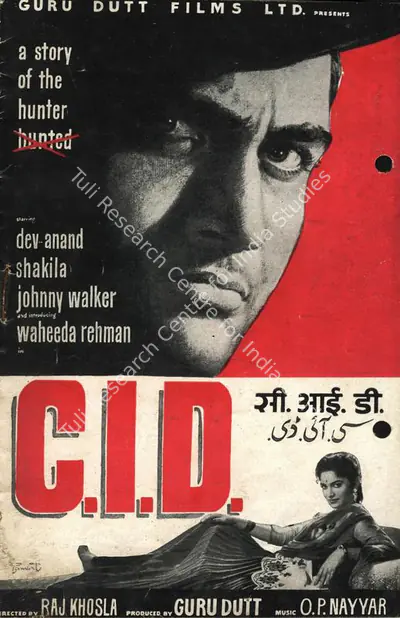
Guru Dutt (Producer), C I D, 1956, Song-Synopsis Booklet
Dutt, Guru (Producer), C I D, 1956 | Song-Synopsis Booklet
View full record
Guru Dutt (Producer), C I D, 1956, Song-Synopsis Booklet
Dutt, Guru (Producer), C I D, 1956 | Song-Synopsis Booklet
View full record
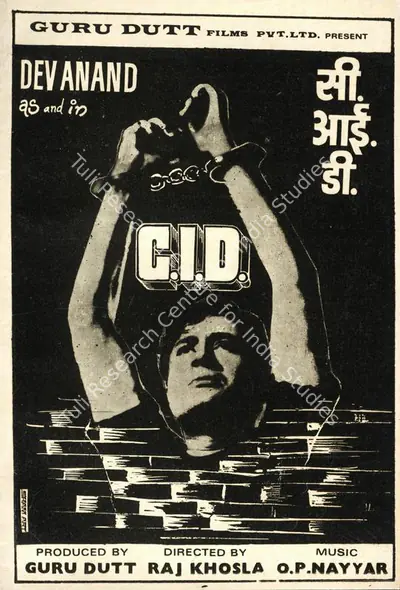
Guru Dutt (Producer), C I D, 1956, Full Sheet Poster
Dutt, Guru (Producer), C I D, 1956 | Full Sheet Poster
View full record
Chandrakant Desai (Producer), Solva Saal, 1958, Song-Synopsis Booklet
Desai, Chandrakant (Producer), Solva Saal, 1958 | Song-Synopsis Booklet
View full record
Raj Khosla (Director), Bombai Ka Babu, 1960, Song-Synopsis Booklet
Khosla, Raj (Director), Bombai Ka Babu, 1960 | Song-Synopsis Booklet
View full record
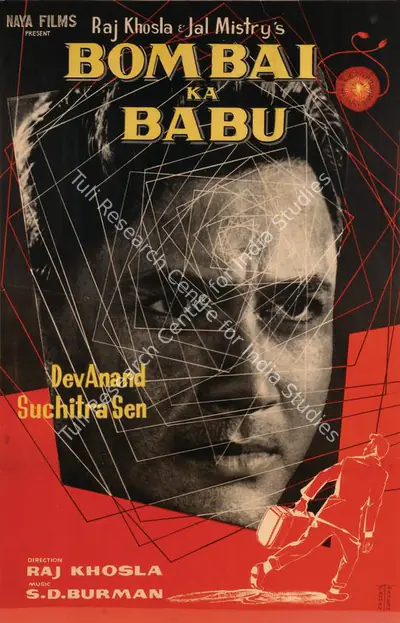
C. Mohan (Designer), Bombai Ka Babu, 1960, Half Sheet Poster
Mohan, C. (Designer), Bombai Ka Babu, 1960 | Half Sheet Poster
View full record
Raj Khosla (Producer), Anita, 1967, Song-Synopsis Booklet
Khosla, Raj (Producer), Anita, 1967 | Song-Synopsis Booklet
View full record
Premji (Producer), Chirag, 1969, Song-Synopsis Booklet
Premji (Producer), Chirag, 1969 | Song-Synopsis Booklet
View full record
Raj Khosla (Producer), Do Chor, 1972, Song-Synopsis Booklet
Khosla, Raj (Producer), Do Chor, 1972 | Song-Synopsis Booklet
View full record
Dev Anand (Producer), Shareef Budmaash, 1973, Song-Synopsis Booklet
Anand, Dev (Producer), Shareef Budmaash, 1973 | Song-Synopsis Booklet
View full record

Related

29

Films

17

Aar Paar (1954)Assistant Director
Anita 1967Story Writer · Film Producer
Bombai Ka Babu (1960)Film Director
C I D (1956)Film Director
Do Badan 1966Film Director
Do Chor 1972Film Producer
Do Raaste (1969)Film Producer
Ek Musafir Ek Hasina 1962Film Director
Jaal (1952)Assistant Director
Kala Paani 1958Film Director · Comparable Artworks
Kuchhe Dhaage 1973Film Producer
Main Tulsi Tere Aangan Ki 1978Film Producer
Milap 1955Screenplay · Story Writer +1
Naqab 1988Film Producer
Solva Saal 1958Film Director · Comparable Artworks
Teri Maang Sitaron Se Bhar Doon 1982Film Producer
Woh Kaun Thi 1964Film Director

Personalities

11

Dev AnandComparable Artworks
Dwarka DivechaComparable Artworks
Guru DuttComparable Artworks
Jal MistryComparable Artworks
Rajesh KhannaComparable Artworks
SadhanaComparable Artworks
Sharmila TagoreComparable Artworks
Sunil DuttComparable Artworks
Sunny DeolComparable Artworks
V.K. MurthyComparable Artworks
V.N. ReddyComparable Artworks

Themes

1

Blitz - India's National News MagazineComparable Artworks
Tuli Research Centre for India Studies
Tuli Research Centre
for India Studies

A free and open knowledge base for the modern and contemporary Indian arts, cinema, photography and cultural heritage.

Support

Contact Us

Discover

Tuli Research Centre for India StudiesVisionManifestoArchive & LibraryVanraja Sanctuary & Hospice
Legal

Privacy PolicyTerms & Conditions

Follow us

Youtube

Youtube

Instagram

Instagram

Facebook

Facebook

© Tuli Research Centre for India Studies 2026
Tuli Research Centre for India Studies
Tuli Research Centre
for India Studies

A free and open knowledge base for the modern and contemporary Indian arts, cinema, photography and cultural heritage.

Tuli Research Centre for India StudiesVisionManifestoArchive & LibraryVanraja Sanctuary & Hospice
Contact Us
Privacy PolicyTerms & Conditions

Follow us

YoutubeInstagramFacebook

© Tuli Research Centre for India Studies 2026

              Tuli Research Centre for India Studies (Editor). Music in the Films of Guru Dutt: Dreams, Desire, and Disillusionment, 31 August 2026 | In-house Video | CinemaEducation | 00891658
              1 Hour 15 min · Long-form Video

              Music in the Films of Guru Dutt: Dreams, Desire, and Disillusionment

              Tuli Research Centre for India Studies (Editor)

              Document TypeIn-house Video
              Date31 August 2026
              Duration1 Hour 15 min
              FormatLong-form Video
              Description
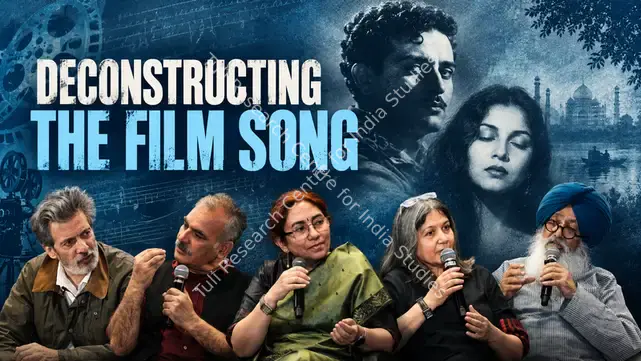
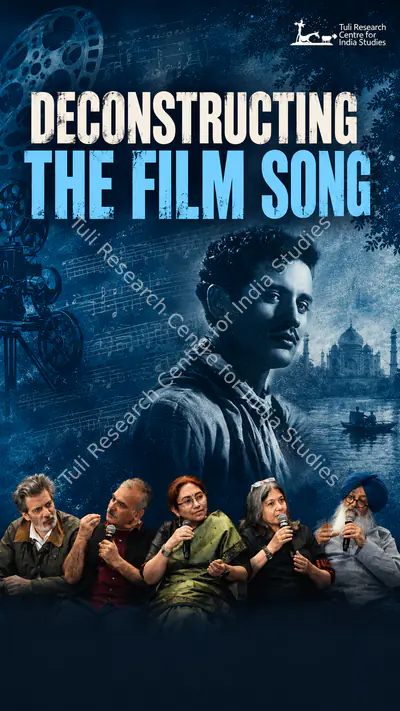
              Guru Dutt's cinema deconstructed through four of his most enduring songs, "Babuji Dheere Chalna" (Aar Paar, 1954), "Jaane Woh Kaise Log The" (Pyaasa, 1957), "Yeh Duniya Agar Mil Bhi Jaye" (Pyaasa, 1957), and "Waqt Ne Kiya Kya Haseen Sitam" (Kaagaz Ke Phool, 1959). Why did Mohammed Rafi go silent mid-line while recording "Jaane Woh Kaise Log The”, unable, as the story goes, to finish the sentence? Why does the poet in "Yeh Duniya Agar Mil Bhi Jaye" keep rising into the frame, again and again, in what one panelist calls "an act of reclamation"? And why is "Waqt Ne Kiya Kya Haseen Sitam," picturised through mirrors, the one Hindi film song where you don't just hear the music, you watch it being made? In this session, Madan Gopal Singh, Ravikant, Antara Mondal, Juhi Saklani and Neville Tuli examine the creative contributions of S.D. Burman, O.P. Nayyar, Sahir Ludhianvi, Majrooh Sultanpuri, Geeta Dutt and Mohammed Rafi; to explore how Guru Dutt's cinema used the film song as social critique, romance, longing and philosophical reflection, and why V.K. Murthy's cinematography and Guru Dutt's own restraint turned four songs into some of the most enduring moments in Indian cultural memory. Chapters: 0:00 — "Babuji Dheere Chalna" (Aar Paar, 1954) 3:30 — Discussion: O.P. Nayyar's sound, and a woman on the fringes of society 14:57 — "Jaane Woh Kaise Log The" (Pyaasa, 1957) 39:10 — Discussion: the national anthem's counter-song, Sahir's fallen women, Rafi's unfinished line 44:37 — "Yeh Duniya Agar Mil Bhi Jaye" (Pyaasa, 1957) 52:33 — "Waqt Ne Kiya Kya Haseen Sitam" (Kaagaz Ke Phool, 1959) 57:00 — Discussion: watching a song being made, V.K. Murthy, mirrors, and the third dimension of time This session was part of the series 'Deconstructing the Film Song: A Musical Glue for Nation-Building,' presented by the Tuli Research Centre for India Studies (T.R.I.S.) as part of the 7th Self-Discovery via Rediscovering India Festival.

              Related Links23

              Masterlist22
              Guru DuttDigital in House VideosSahir LudhianviKaifi AzmiSachin Dev BurmanGeeta DuttMajrooh SultanpuriV K MurthyWaheeda RehmanDeconstructing the Film Song 2026Neville TuliShyamaJohnny WalkerJagdeepO P NayyarRaj KhoslaShamshad BegumMohammad RafiMala SinhaMehmoodSulochanaAsha Bhosle
              Research Categories
              01Cinema as a Critical Educational Resource