

Introduction
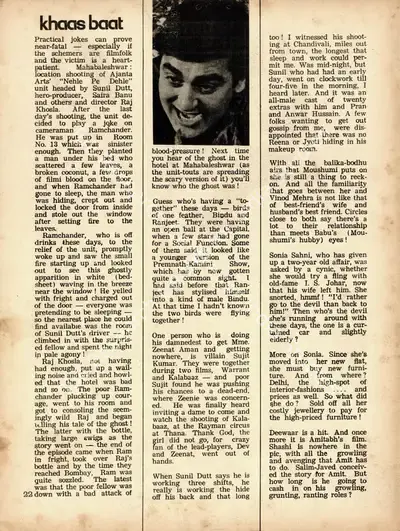
Raj Khosla (31 May 1925–9 June 1991) He was one of the most distinguished directors, producers, and screenwriters in the Hindi film industry from the 1950s to the 1980s. Renowned for introducing elements of neo-noir and sophisticated visual style into Indian cinema, he was equally celebrated as a “women's director” for creating powerful and memorable female characters. His films combined technical finesse, compelling narratives, and exceptional musical compositions, earning him a lasting place in the history of Indian cinema.
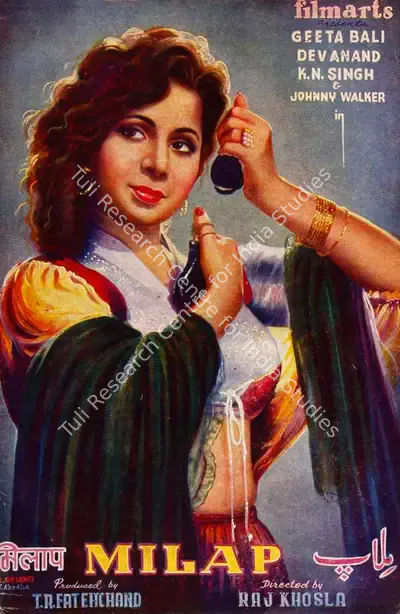
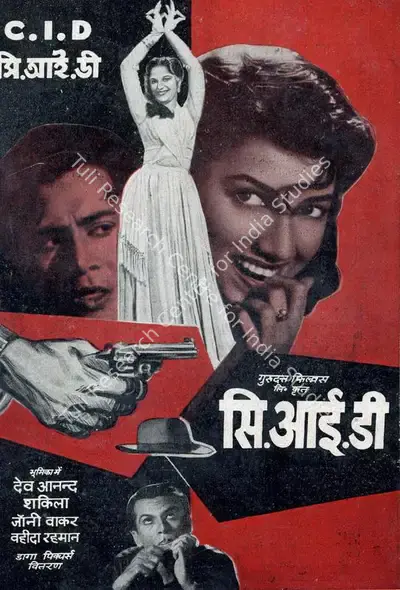
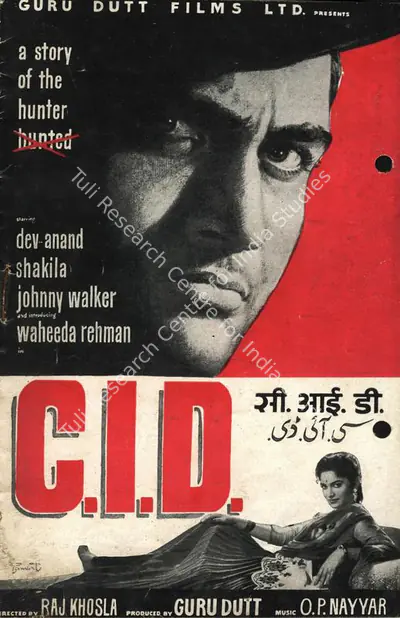
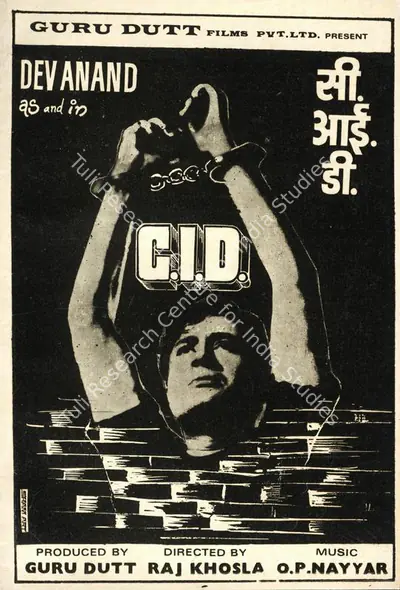
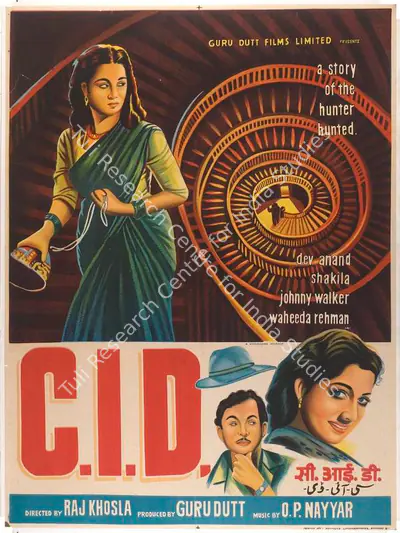
Born in Rahon, Punjab, Khosla received formal training in classical music and initially aspired to become a playback singer. After working briefly with All India Radio, he moved to Bombay in search of opportunities in the film industry. Recognizing his creative abilities, Dev Anand encouraged him to assist Guru Dutt, under whose mentorship Khosla developed his cinematic skills. His directorial debut, Milap (1954), failed commercially despite its acclaimed music, but his second film, C.I.D. (1956), established him as a major filmmaker.
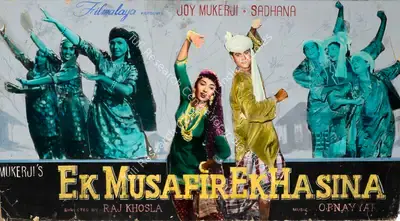
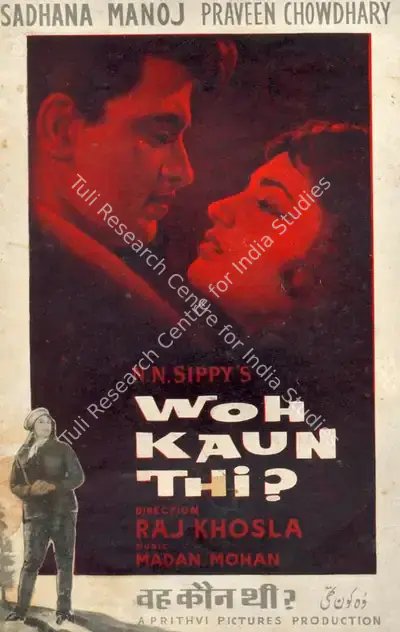
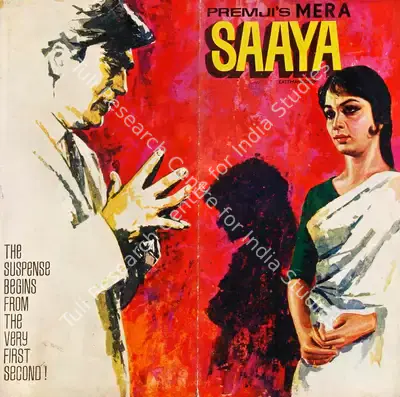
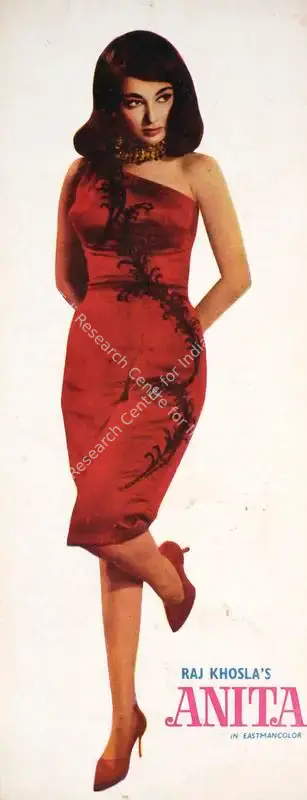
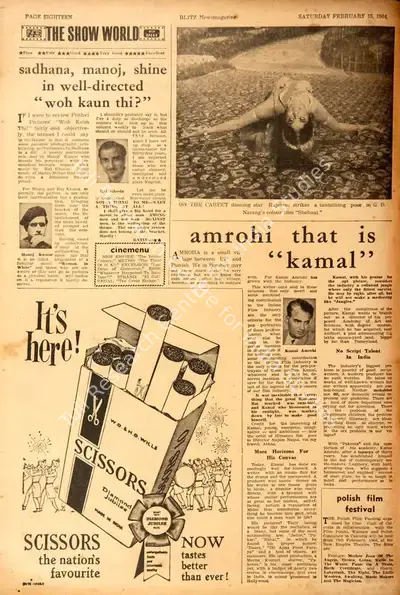
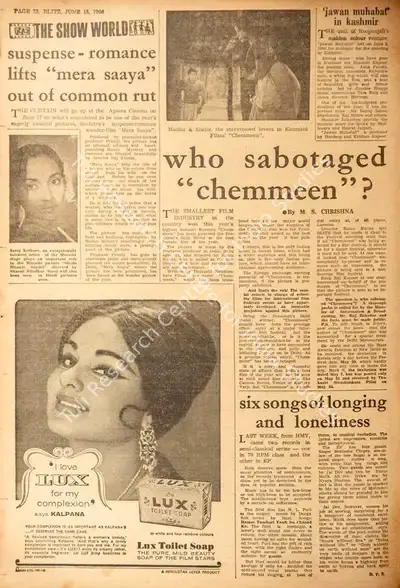
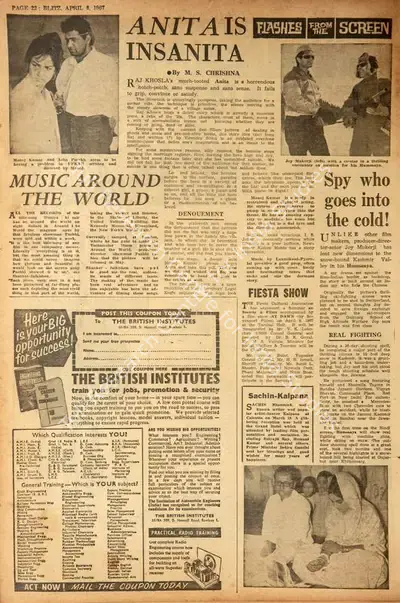
Inspired by the suspense and mystery techniques of Alfred Hitchcock, alongside contemporaries Guru Dutt and Vijay Anand, Khosla became known for his mastery of crime thrillers and suspense dramas. Films such as C.I.D., Woh Kaun Thi? (1964), Mera Saaya (1966), and Anita (1967) exemplified his ability to create psychological tension while maintaining strong emotional appeal. His musical background also influenced his remarkable song picturizations, with many films featuring compositions rooted in Indian folk traditions.
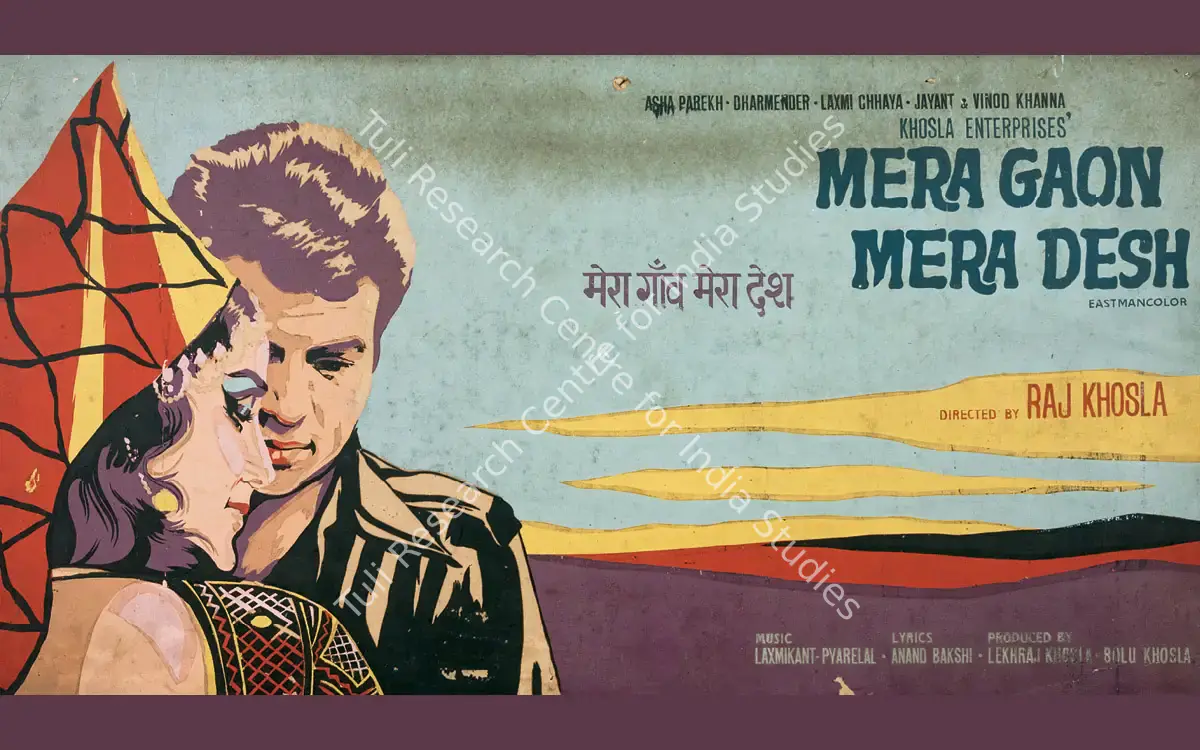
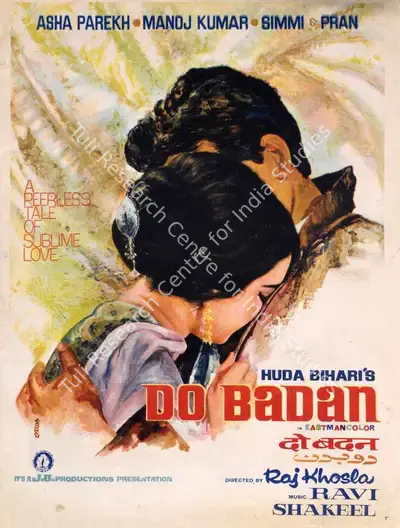
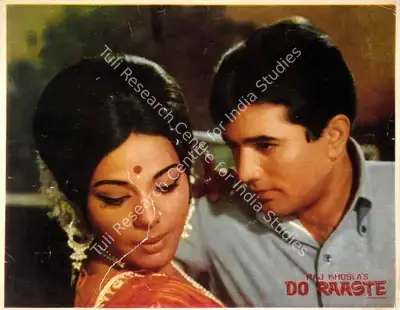
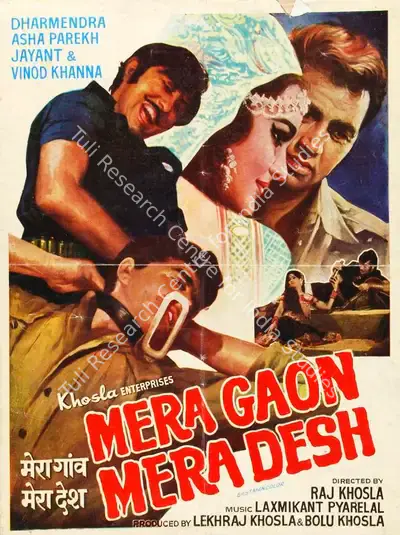
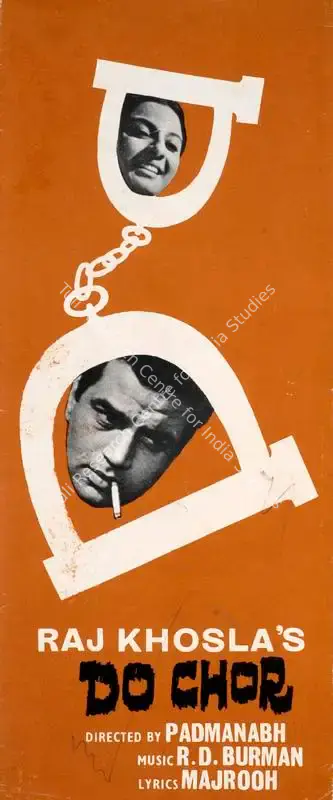
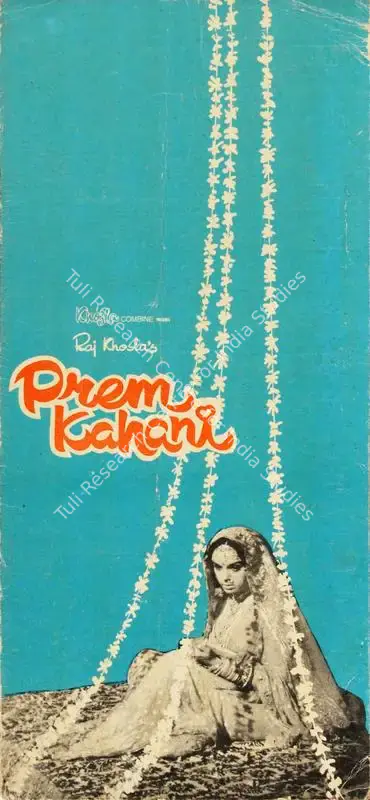
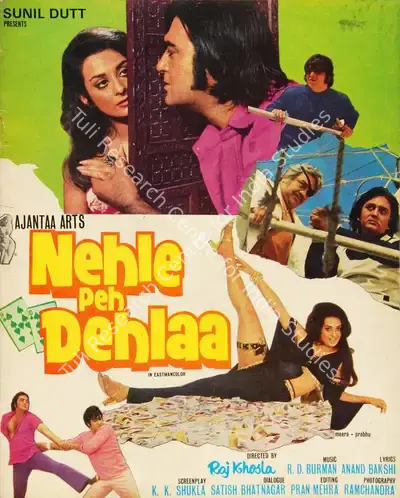
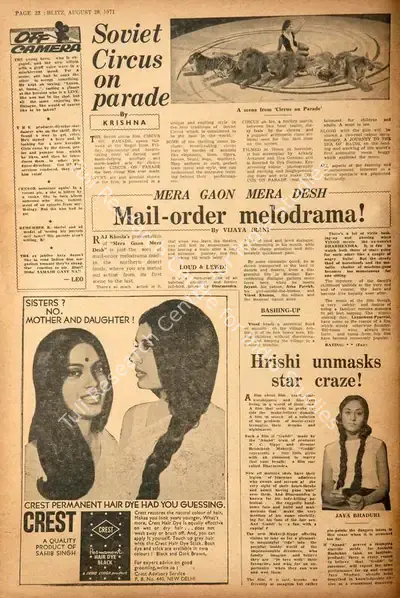
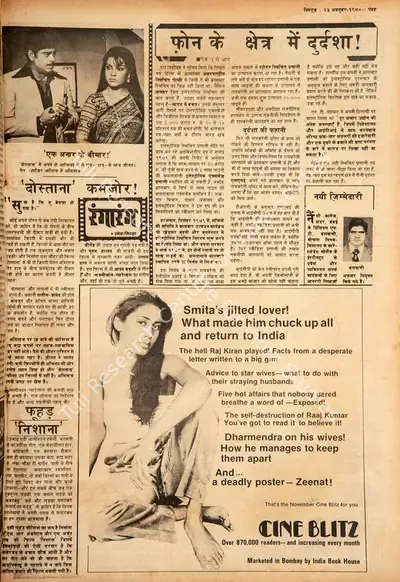
Beyond thrillers, Khosla demonstrated remarkable versatility by directing successful melodramas, musicals, and action films, including Do Badan (1966), Do Raaste (1969), Mera Gaon Mera Desh (1971), Prem Kahani (1975), Nehle Pe Dehla (1976), Main Tulsi Tere Aangan Ki (1978), and Dostana (1980). Mera Gaon Mera Desh is widely regarded as an important precursor to the iconic film Sholay (1975).
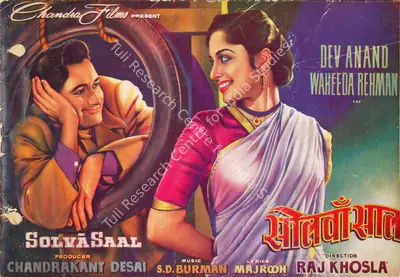
Khosla earned widespread recognition for his nuanced portrayal of women, presenting female protagonists with emotional complexity and narrative significance. His films played a pivotal role in shaping the careers of leading actresses such as Waheeda Rehman, Sadhana, Asha Parekh, Mumtaz, Nutan, and Simi Garewal. Main Tulsi Tere Aangan Ki particularly demonstrated his sensitivity by portraying the perspectives of both the wife and the mistress with empathy and dignity.
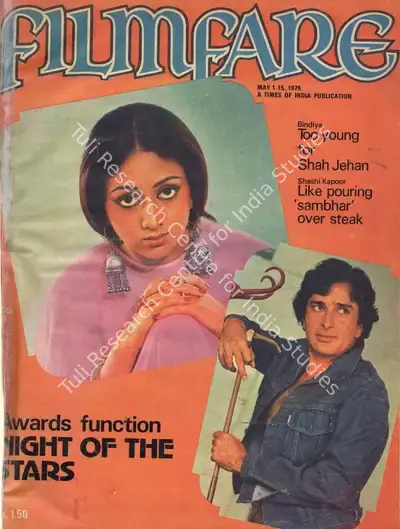
Raj Khosla's contributions to Hindi cinema remain unparalleled for their stylistic innovation, genre diversity, and artistic excellence. His film Main Tulsi Tere Aangan Ki won the Filmfare Award for Best Film and earned him a nomination for Best Director, following an earlier nomination for Do Raaste (1969). Although his later years were marked by professional setbacks, his pioneering work in suspense cinema, musical storytelling, and female-centric narratives continues to influence Indian filmmakers and secures his legacy as one of Hindi cinema's most accomplished directors.
पंजाब के राहों में जन्मे खोसला ने शास्त्रीय संगीत की औपचारिक ट्रेनिंग ली और शुरू में वे प्लेबैक सिंगर बनना चाहते थे। कुछ समय तक ऑल इंडिया रेडियो के साथ काम करने के बाद, वे फ़िल्म इंडस्ट्री में मौकों की तलाश में बॉम्बे चले गए। उनकी रचनात्मक क्षमताओं को पहचानते हुए, देव आनंद ने उन्हें गुरु दत्त की मदद ने प्रोत्साहित किया। गुरु दत्त के मार्गदर्शन में ही खोसला ने अपनी सिनेमैटिक स्किल्स को निखारा। उनकी पहली फ़िल्म 'मिलाप' (1954) का संगीत तो बहुत सराहा गया, लेकिन यह फ़िल्म कमर्शियली सफल नहीं हो पाई। हालाँकि, उनकी दूसरी फ़िल्म 'सी.आई.डी.' (1956) ने उन्हें एक बड़े फ़िल्ममेकर के तौर पर स्थापित कर दिया।
अल्फ्रेड हिचकॉक की सस्पेंस और मिस्ट्री वाली तकनीकों से प्रेरित होकर, और अपने समकालीन फ़िल्ममेकर्स गुरु दत्त और विजय आनंद के साथ काम करते हुए, खोसला क्राइम थ्रिलर और सस्पेंस ड्रामा में अपनी महारत के लिए जाने गए। 'सी.आई.डी.', 'वो कौन थी?' (1964), 'मेरा साया' (1966) और 'अनीता' (1967) जैसी फ़िल्मों में उनकी यह क़ाबिलियत दिखी कि वे मज़बूत इमोशनल अपील बनाए रखते हुए साइकोलॉजिकल टेंशन भी पैदा कर सकते थे। उनके संगीत की पृष्ठभूमि का असर उनके गानों के बेहतरीन फ़िल्मांकन पर भी दिखा। कई फ़िल्मों में भारतीय लोक परंपराओं पर आधारित संगीत का इस्तेमाल किया गया था।
थ्रिलर फ़िल्मों के अलावा, खोसला ने सफल मेलोड्रामा, म्यूज़िकल और एक्शन फ़िल्में बनाकर अपनी ज़बरदस्त क़ाबिलियत दिखाई। इनमें 'दो बदन' (1966), 'दो रास्ते' (1969), 'मेरा गाँव मेरा देश' (1971), 'प्रेम कहानी' (1975), 'नेहले पे दहला' (1976), 'मैं तुलसी तेरे आँगन की' (1978) और 'दोस्ताना' (1980) जैसी फ़िल्में शामिल हैं। 'मेरा गाँव मेरा देश' को मशहूर फ़िल्म 'शोले' (1975) के लिए एक अहम शुरुआती फ़िल्म माना जाता है।
खोसला को महिलाओं के किरदारों को बारीकी से दिखाने के लिए काफ़ी पहचान मिली। उन्होंने महिला किरदारों को भावनात्मक गहराई और कहानी में अहमियत के साथ पेश किया। उनकी फ़िल्मों ने वहीदा रहमान, साधना, आशा पारेख, मुमताज़, नूतन और सिमी गरेवाल जैसी बड़ी अभिनेत्रियों के करियर को संवारने में अहम भूमिका निभाई। 'मैं तुलसी तेरे आँगन की' फ़िल्म में उन्होंने पत्नी और प्रेमिका, दोनों के नज़रिए को सहानुभूति और सम्मान के साथ दिखाकर अपनी संवेदनशीलता का सबूत दिया।
हिंदी सिनेमा में राज खोसला का योगदान अपने अनोखे स्टाइल, अलग-अलग तरह की फ़िल्मों और कलात्मक उत्कृष्टता के कारण बेमिसाल है। उनकी फ़िल्म 'मैं तुलसी तेरे आँगन की' ने 'बेस्ट फ़िल्म' का फ़िल्मफ़ेयर अवॉर्ड जीता और उन्हें 'बेस्ट डायरेक्टर' के लिए नॉमिनेशन भी मिला। इससे पहले उन्हें 'दो रास्ते' (1969) के लिए भी नॉमिनेशन मिला था। भले ही उनके करियर के आख़िरी सालों में उन्हें कुछ मुश्किलों का सामना करना पड़ा, लेकिन सस्पेंस सिनेमा, म्यूज़िकल कहानी कहने के अंदाज़ और महिलाओं पर केंद्रित कहानियों में उनके नए और बेहतरीन काम ने भारतीय फ़िल्मकारों को प्रभावित करना जारी रखा है। इसी वजह से हिंदी सिनेमा के सबसे क़ामयाब निर्देशकों में उनकी पहचान बनी है।
- Date of Birth
- 31 May 1925
- Zodiac sign
- Gemini
- Date of Death
- 09 Jun 1991
- Age
- 66
- Nationality
- Indian
- Place of Birth
- Shri Hargobindpur, Gurdaspur, Punjab
- Place of Death
- Bombay, Maharashtra, India
- Spouse(s)
- Usha Chopra
- Year Marriage Registered
- 1954
- Children
- Uma Khosla KapurAnita Khosla KapurSonia KhoslaReena Khosla KatariaSunita KhoslaMilind Luthriab. 28 Jan 1968
- Parent(s)
- Atmaram KhoslaSaraswati Khosla
- Siblings
1942
- Anjuman-i-Islam, Bombay, India
1945
- Elphinstone College, Bombay, India
Filmography 29
Integrated Timeline
Economics of Cinema
1979
- Filmfare Award
Best Film · The Times Group
Research Centre
Related
29
Films
17
Personalities
11