

Introduction
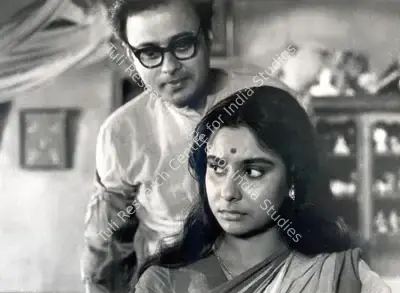
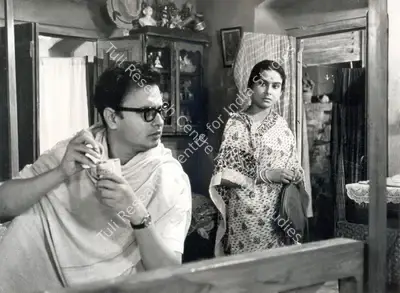
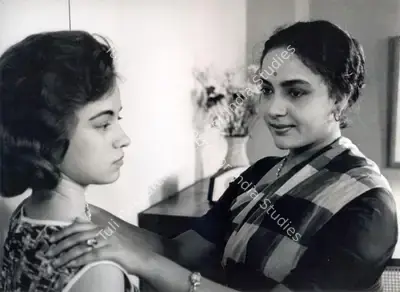
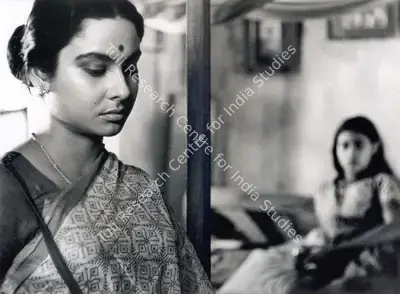
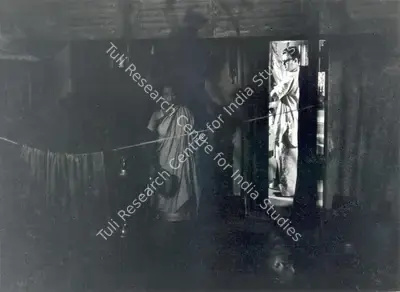
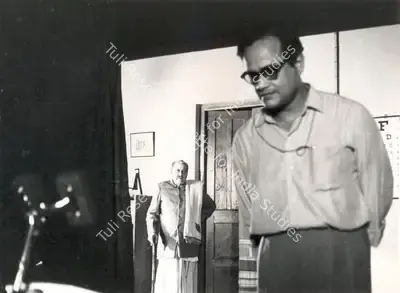
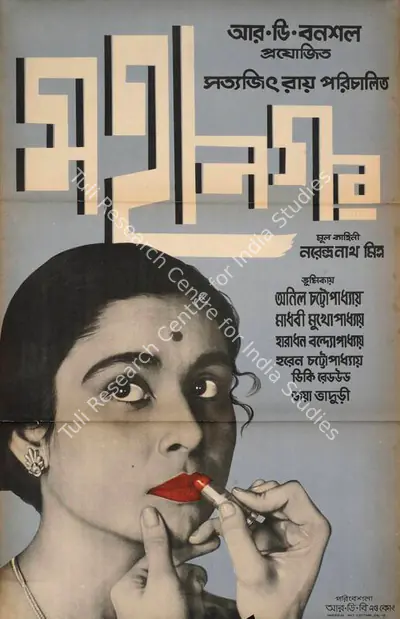
Mahanagar (The Big City, 1963) The quietly revolutionary Bengali-language drama written and directed by Satyajit Ray, stands as a luminous exploration of shifting gender roles and the silent tremors of social change in mid-century Kolkata. Loosely adapted from Abataranika, a short story by Narendranath Mitra, the film unfolds with quiet grace and growing intensity, tracing the metamorphosis of a middle-class housewife into a woman awakening to her own agency.
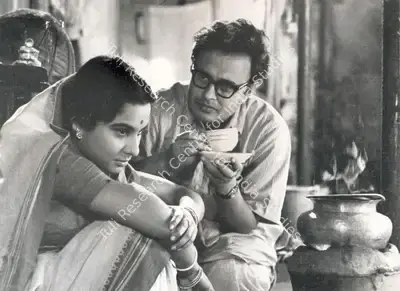
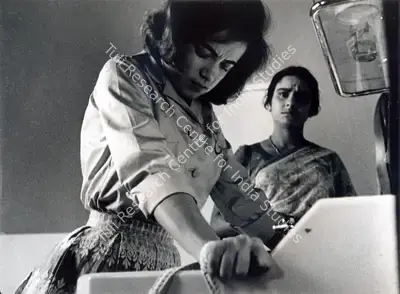
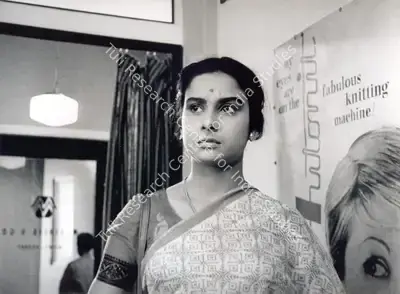
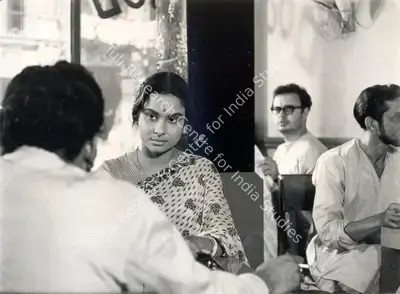
At its heart is Arati Mazumdar, portrayed with soul-stirring subtlety by Madhabi Mukherjee. A dutiful homemaker in a conservative household, Arati finds herself compelled by financial strain to step beyond the domestic threshold and into the unfamiliar world of paid labour, as a door-to-door saleswoman. What begins as an act of necessity slowly evolves into a journey of self-discovery, as she confronts not only the challenges of the workplace but also the brittle fragility of patriarchy within her own home.
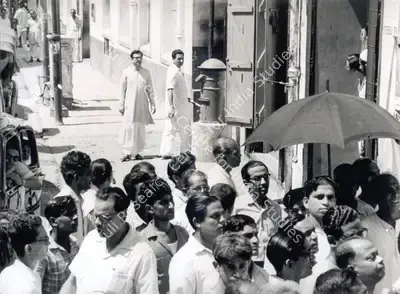
Ray, with his characteristically understated lens, charts Arati's inner awakening against the vibrant, chaotic pulse of 1950s Kolkata, a city teetering between tradition and modernity. Mahanagar is not merely a tale of individual emancipation, but a mirror held up to the anxieties and aspirations of a society in transition. Through Arati's quiet rebellion, Ray interrogates the shifting contours of respectability, economic survival, and female autonomy in an era where emancipation is no longer a romantic ideal but a pressing economic imperative.
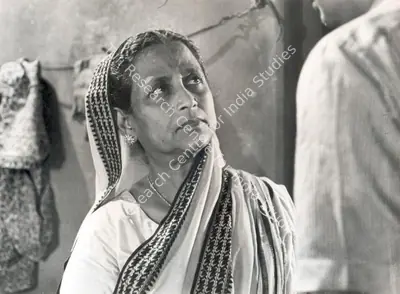
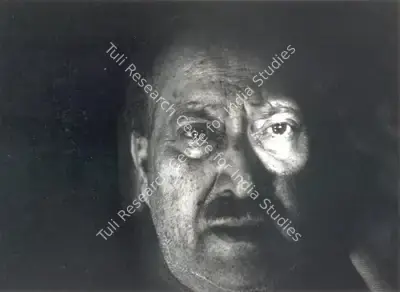
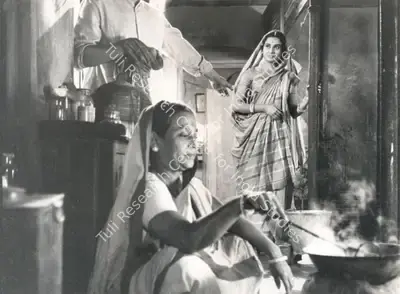
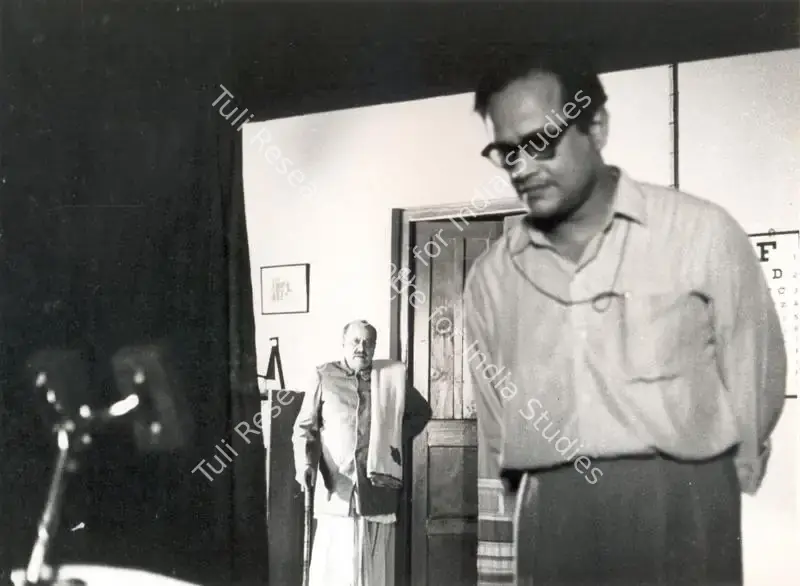
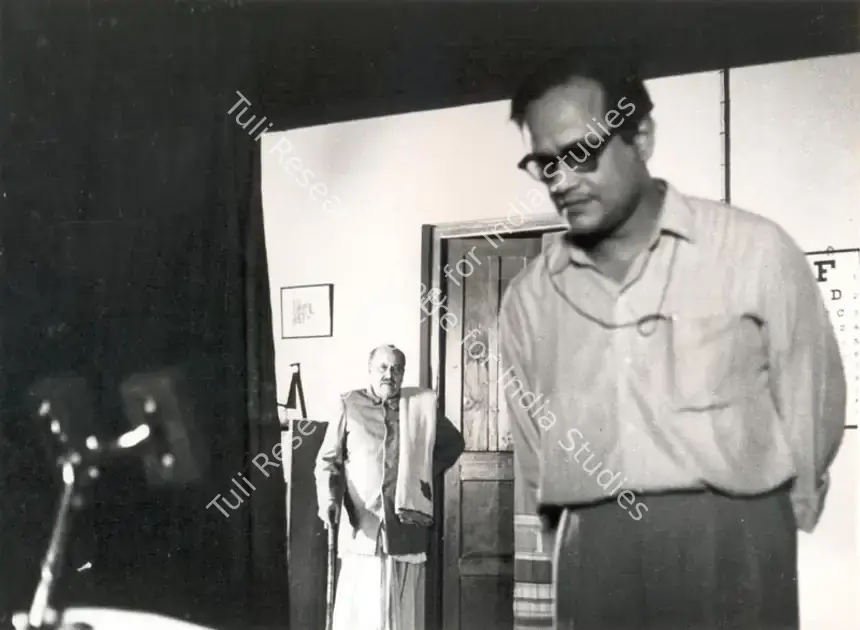
The ensemble cast is equally remarkable. Anil Chatterjee brings a poignant ambivalence to the role of Subrata “Bhombol” Mazumdar, Arati's conflicted husband, supportive yet stung by the erosion of his traditional role as sole provider. Haradhan Bannerjee portrays Himangshu Mukherjee, Arati's progressive employer, while Haren Chatterjee embodies the old-world moral rigidity of Subrata's father, Priyogopal. Vicky Redwood, as Edith Simmons, Arati's Anglo-Indian colleague, adds yet another layer to the film's nuanced commentary on identity and marginalisation. Jaya Bhaduri, in her screen debut, plays Bani, Subrata's younger sister, hinting at a new generation on the cusp of change. Other notable performances include Sefalika Devi as the anxious mother-in-law, Prosenjit Sarkar as the couple's son Pintu, and supporting turns by Shyamal Ghoshal, Gitali Roy, Shailen Mukherjee, and Subrata Sensharma.
Shot entirely in Calcutta, Mahanagar marked Ray's first film to be set exclusively in his native city. Through its muted colour palette and intimate camerawork, it evokes the physical and emotional textures of urban middle-class life with unerring precision. Here, the metropolis is not just a backdrop but a living organism, pressing in on its inhabitants, shaping their choices, dreams, and disillusionments.
Critically acclaimed from the outset, Mahanagar resonated deeply with international audiences. Upon its U.S. release in 1967, it garnered praise from film critics like Roger Ebert and Pauline Kael. Ebert called it “one of the most rewarding screen experiences of our time,” lauding the film's serene narrative style and emotionally astute performances. Bosley Crowther of The New York Times wrote admiringly: “There is nothing obscure or over-stylized about this characteristic work by Mr. Ray... another of his beautifully fashioned and emotionally balanced contemplations of change in the thinking, the customs and the manners of the Indian middle-class.”
In a 2013 review, Peter Bradshaw of The Guardian awarded the film five stars, describing it as “an utterly absorbing and moving drama about the changing worlds of work and home in 1950s India, and a hymn to uxorious love acted with lightness, intelligence and wit.”
The film earned Satyajit Ray the Silver Bear for Best Director at the 14th Berlin International Film Festival in 1964 and was selected as India's official submission for Best Foreign Language Film at the 36th Academy Awards—though it did not make the final shortlist. At home, it received the All India Certificate of Merit for Third Best Feature Film at the 11th National Film Awards and brought R.D. Bansal the inaugural Filmfare Award for Best Bengali Film in 1963.
Today, Mahanagar is often placed alongside Ray's towering Apu Trilogy as among the master's finest works. Philip French, the revered British film critic, regarded it as one of Ray's greatest achievements—a quietly radiant portrait of a woman and a world on the cusp of irreversible change.
इस कहानी के केंद्र में हैं आरती मजूमदार का किरदार जिस भूमिका को माधबी मुखर्जी ने अद्भुत कलाकारी और संवेदनशीलता के साथ पर्दे पर निभाया है। एक परम्परागत घर की आज्ञाकारी गृहिणी आरती कुटुम्ब पर पड़ते आर्थिक दबावों के चलते अपनी घर की चौखट पार कर पहली बार सार्वजनिक जीवन में कदम रखती है और एक नौकरी करना शुरु करती है। यह नौकरी है घर-घर जाकर सामान की बिक्री सुनिश्चित करनेवाली एक 'सेल्सवुमन' की। जिस नौकरी की शुरुआत एक ज़रूरत के चलते हुई थी वही धीरे-धीरे आरती के किरदार के लिए खुद की पहचान का ज़रिया बन जाती है। नौकरी करते हुए आरती को न सिर्फ़ अपने कार्यस्थल पर उपजी चुनौतियों का सामना करना पड़ता है बल्कि वह इस अनुभव के चलते अपने घर के भीतर जड़ें जमाए बैठी पितृसत्तात्मक व्यवस्था की संरचना को भी पहचानने लगती है।
निर्देशक राय ने अपनी विशिष्ट और संयत सिनेदृष्टि से आरती के किरदार की इस आन्तरिक जागृति को सन् 1950 के दशक के जीवन्त और अराजक कोलकाता की पृष्ठभूमि के सामने रखकर फ़िल्माया है। आज़ादी के फ़ौरन बाद का कोलकाता एक ऐसा शहर है जो परम्परा और आधुनिकता के बीच झूल रहा है। महानगर केवल व्यक्तिगत मुक्ति और पहचान की कहानी नहीं है बल्कि यह एक संक्रमणशील नागरिक समाज की आकांक्षाओं और उसकी फ़िक्रों का आईना भी है। आरती के मौन विद्रोह के माध्यम से राय उस दौर में सम्मान की कीमत, मध्यमवर्गीय आर्थिक संघर्ष और स्त्री स्वाधीनता की बदलती परिभाषाओं को टटोलते हैं। यह एक ऐसे दौर की तस्वीर है जब व्यक्ति की स्वाधीनता केवल एक रोमांटिक आदर्श न होकर आर्थिक ज़रूरत में बदल चुकी थी।
फ़िल्म के अन्य सहयोगी कलाकारों का काम भी उतना ही उल्लेखनीय है। अभिनेता अनिल चटर्जी ने आरती के पति सुब्रत “बोम्बोल” मजूमदार के किरदार में परम्परा और आधुनिकता के बीच रस्साकशी में उलझे एक मध्यमवर्गीय शहरी पुरुष के भीतरी द्वंद्व को पर्दे पर बखूबी जीवन्त कर दिया है। वह नवीन रास्तों पर चलती नायिका का सहयोगी भी है और परिवार के कमाऊ मुखिया की पारम्परिक भूमिका के क्षरण से आहत पुरुष भी। इसके अलावा अभिनेता हराधन बनर्जी ने फ़िल्म में प्रगतिशील नियोक्ता हिमांशु मुखर्जी की भूमिका निभाई है जबकि सुब्रत के पिता प्रियगोपाल की भूमिका में हरेन चटर्जी पुराने मूल्यों पर खड़ी नैतिकता के पैरोकार रहे। आरती की एंग्लो-इंडियन सहकर्मी एडिथ सिमंस की भूमिका में अभिनेत्री विक्की रेडवुड के किरदार ने पहचान के आधार पर भेद और अल्पसंख्यक पहचानों को हाशिए पर भेजे जाने पर फ़िल्म की सूक्ष्म टिप्पणी को दर्ज किया। इस फ़िल्म में तरुण जया भादुड़ी ने अपने सिनेमाई पदार्पण के रूप में सुब्रत की छोटी बहन बानी का किरदार निभाया है जिसके ज़रिये फ़िल्म बदलती पीढ़ी की ओर इशारा करती है। फ़िल्म की अन्य महत्वपूर्ण भूमिकाओं में शामिल हैं फ़िक्रमंद सास की भूमिका में शेफ़ालिका देवी, दम्पति के बेटे पिंटू की भूमिका में प्रसेनजित सरकार और अन्य सहायक भूमिकाओं में श्यामल घोषाल, गीताली रॉय, शैलेन मुखर्जी और सुब्रत सेनशर्मा।
पूरी तरह कोलकाता में फ़िल्माई गई महानगर राय की पहली ऐसी फ़िल्म थी जो विशेष रूप से उनके अपने गृहनगर में घटित हो रही थी। इसके धूसर श्वेत-श्याम रंग और आत्मीय कैमरा-शैली शहरी मध्यमवर्गीय जीवन की भौतिक गतिशीलता और भावनात्मक बुनावट को अद्भुत सटीकता से उभारती है। यहाँ महानगर मात्र पृष्ठभूमि भर नहीं है बल्कि एक ऐसी जीवन्त इकाई है जो अपने बाशिंदों की आन्तरिक बुनावट को रचती है। उनके चुनावों, उनके सपनों, उनकी आकांक्षाओं और उनके मोहभंग को आकार देती है।
इस फ़िल्म को शुरुआत से ही आलोचनात्मक प्रशंसा मिली और अंतरराष्ट्रीय दर्शकों पर इसका गहरा प्रभाव रहा। सन् 1967 में अमेरिका में रिलीज़ होने पर इसे रोज़र एबर्ट और पॉउलिन कील जैसे नामी आलोचकों से सराहना प्राप्त हुई। एबर्ट ने इसे “हमारे समय का सबसे संतोषप्रद सिनेमाई अनुभव” कहा और इसकी शांतचित्त कथावाचन शैली व भावनात्मक सटीकता की प्रशंसा की। 'दि न्यूयॉर्क टाइम्स' में बॉसली क्रॉथर ने लिखा, “राय की इस कृति में न तो कोई धुंधलापन है और न ही अतिशैलीकरण... यह भारतीय मध्यमवर्ग की सोच, रूढ़ियों और उसके तौर-तरीकों में आ रहे परिवर्तन पर उनकी सुंदर और संतुलित दृष्टि है।”
सन् 2013 में प्रकाशित समीक्षा में 'दि गार्जियन' अखबार के नामी समीक्षक पीटर ब्रैडशॉ ने इसे पाँच सितारे दिए और लिखा कि यह “सन् 1950 के दशक के भारत में कामकाज और घर के भीतर की बदलती दुनिया पर एक गहन और सम्मोहक टिप्पणी है। साथ ही यह वैवाहिक प्रेम पर नाज़ुक, बुद्धिमान और चुटीला हस्तक्षेप भी है।”
इस फ़िल्म ने सन् 1964 के चौदहवें 'बर्लिन अंतरराष्ट्रीय फ़िल्म महोत्सव' में राय को सर्वश्रेष्ठ निर्देशक का 'सिल्वर बीयर' पुरस्कार दिलवाया और यह छत्तीसवें एकेडेमी पुरस्कारों में सर्वश्रेष्ठ विदेशी भाषा की फ़िल्म के लिए भारत की आधिकारिक प्रविष्टि बनी, हालाँकि यह अन्तिम सूची तक नहीं पहुँच सकी। भारत में इसे ग्यारहवें राष्ट्रीय फ़िल्म पुरस्कारों में 'तीसरी सर्वश्रेष्ठ फ़ीचर फ़िल्म' का अखिल भारतीय वरीयता प्रमाणपत्र मिला और 'सर्वश्रेष्ठ बांग्ला फ़िल्म (1963)' होने का पहला फ़िल्मफ़ेयर पुरस्कार आर.डी. बंसल को हासिल हुआ।
आज महानगर को अक्सर राय की महान अपु त्रयी के साथ उनकी श्रेष्ठतम कृतियों में से एक गिना जाता है। ब्रिटिश आलोचक फ़िलिप फ़्रेंच ने इसे सत्यजित राय की सबसे बड़ी उपलब्धियों में से एक बताया है। एक स्त्री और एक समाज के हमेशा के लिए बदल जाने की दहलीज़ पर खड़े वक्त का निहायत ईमानदार, नाज़ुक और उजला चित्रण।
Body of Work
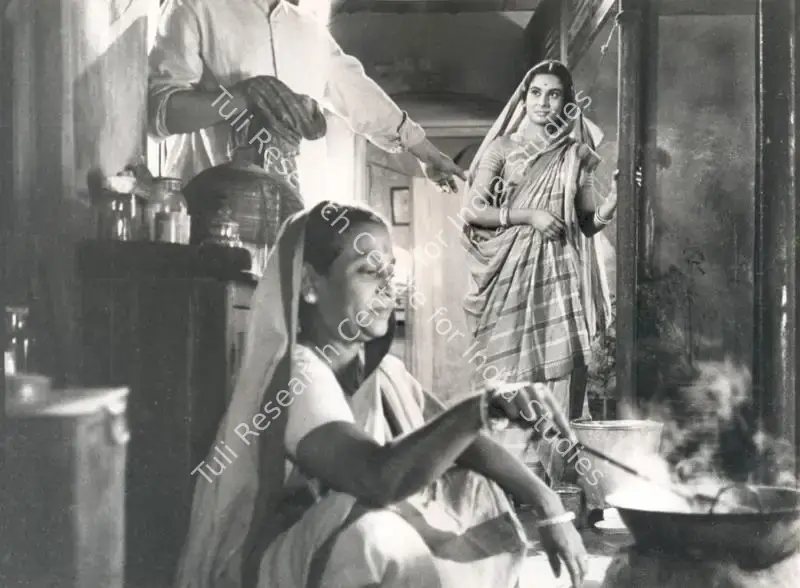
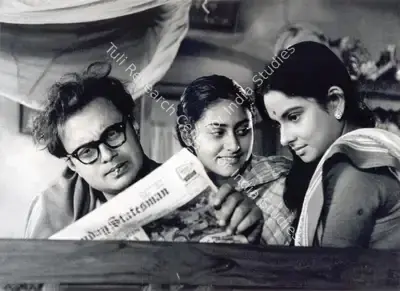
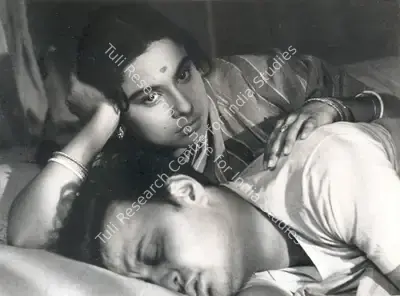
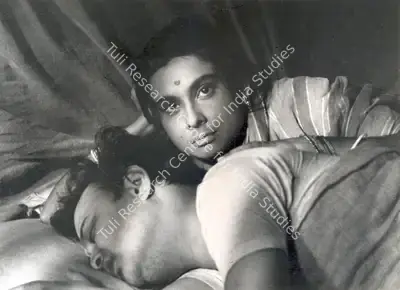
In the Big City, a lower middle class family finds itselffinancially strapped. The young, intelligent wife decides with he husband's consent to get a job and helpsupport the family. However it turnsout to be a decision that rocks the hosehold to its foundation, destabilising generations of carefully cultivated'tradition'. As the wife goes out to work , she discovers a new life, gains self-confidence and becomesanchor the holds the family together. Her husband Subratafeels insecure after he loses his job. He suffers as he watches her go out while he sits in bed and scans newspapers for jobs. Gradually they begin to drift apart. The plot narrativemay appear familiar but they are only the broad bush strokes of this film . Its real strengthlies its incredible wealth of carefully observed details of daily life.