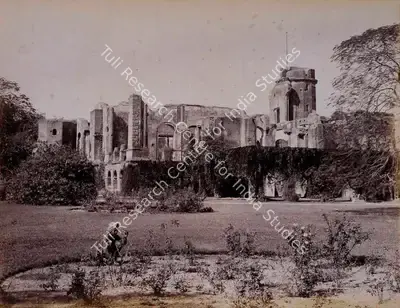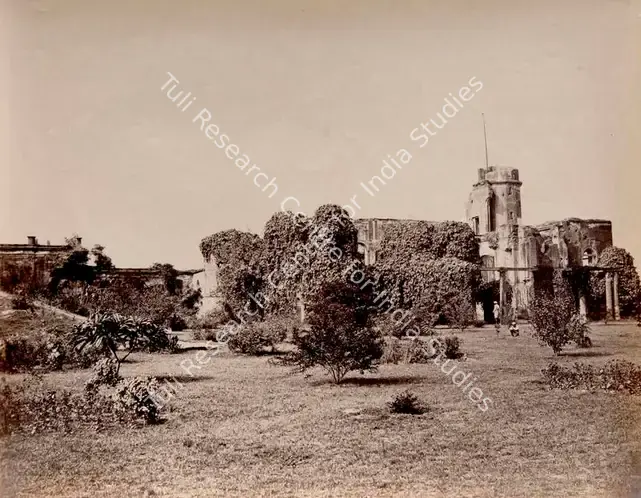
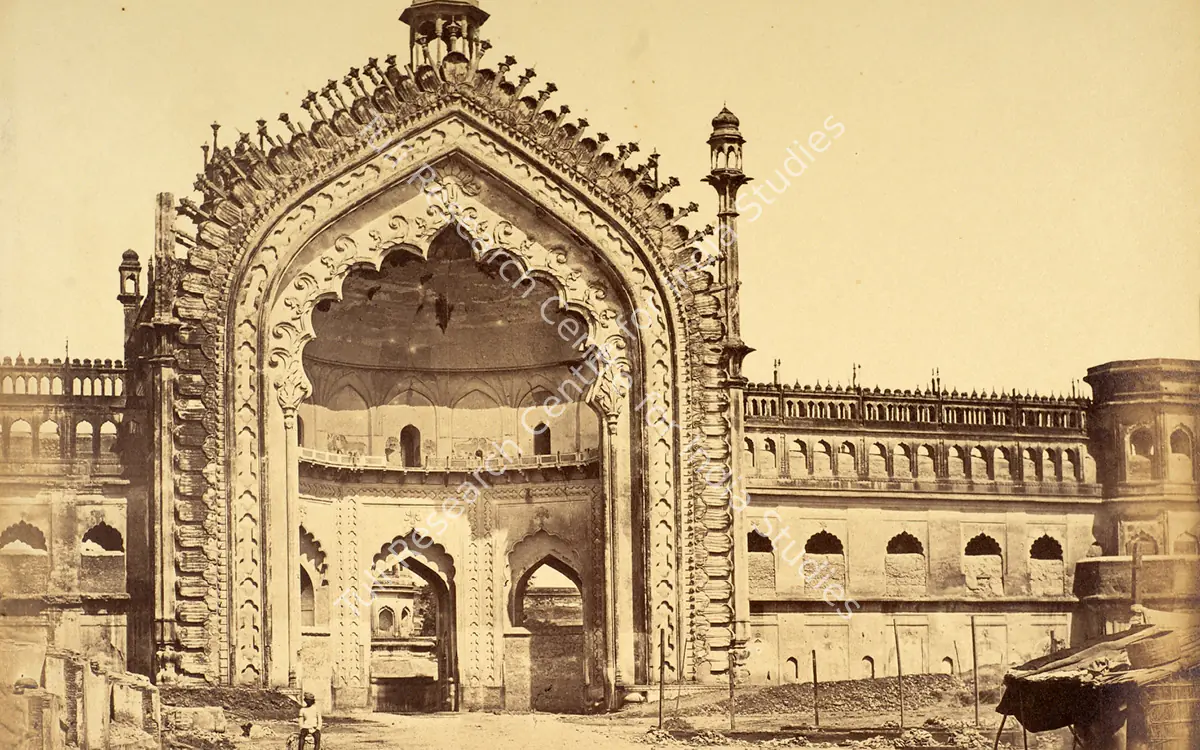
Introduction


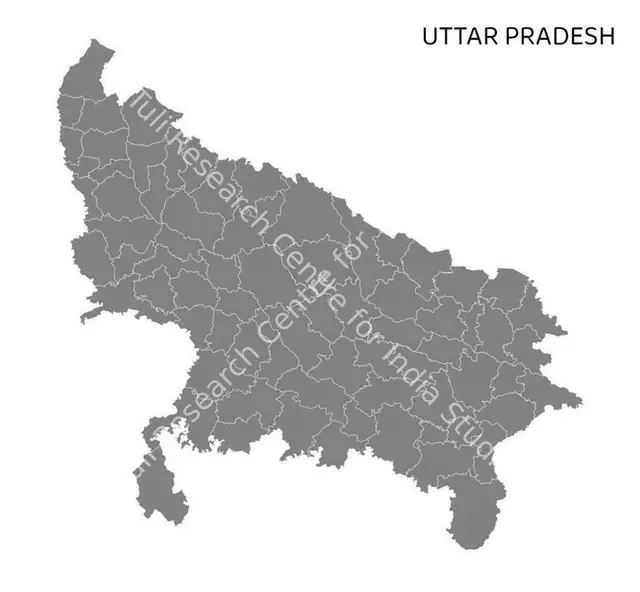
Geographical details
StateUttar Pradesh
CapitalYes
Longitude80.9462' E
Latitude26.8467' N
Population35,00,000
Area632 sq. km.
LanguagesAwadhi, Hindi, Urdu
RiversGomati River (Tributary of Ganga)
LakesKathuata jheel, Butler lake, Ghanta ghar talab
Demography
Spoken languages
Show figures
| Category | 2001 | 2011 | 2021 |
|---|---|---|---|
| Hindi | 9,00,000 | 9,00,000 | 9,00,000 |
| Awadhi | 8,50,000 | 8,50,000 | 8,50,000 |
| Urdu | 40,000 | 40,000 | 40,000 |
Population by gender
Show figures
| Category | 2001 | 2011 |
|---|---|---|
| Male | 19,32,317 | 23,94,476 |
| Female | 17,15,517 | 21,95,362 |
| Other | 191 | 504 |
Population by religion
Show figures
| Category | 2001 | 2011 |
|---|---|---|
| Hindu | 21,81,785 | 35,37,787 |
| Muslim | 5,43,045 | 9,85,070 |
| Christian | 13,155 | 20,493 |
| Buddhist | 19,688 | 23,883 |
| Sikh | 2,816 | 3,877 |
| Jain | 2,051 | 4,975 |
| Other | 261 | 13,753 |
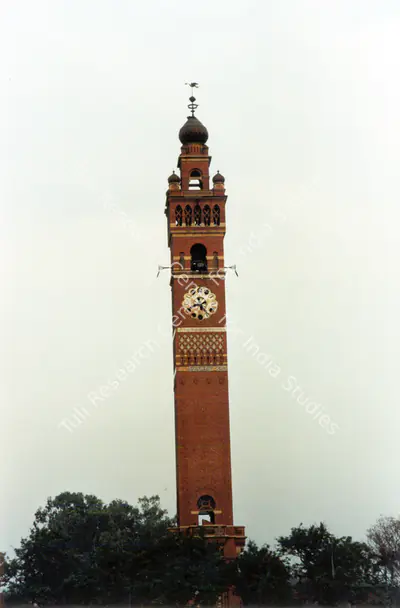
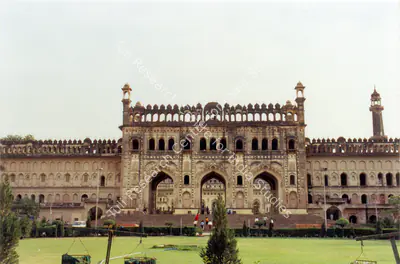
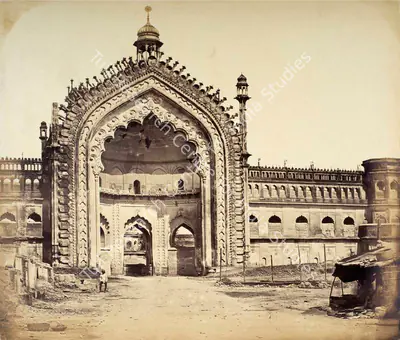
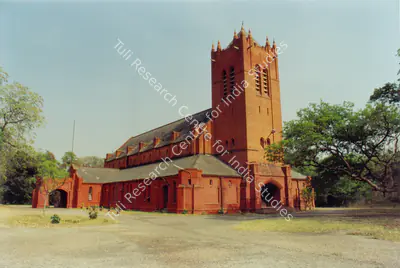
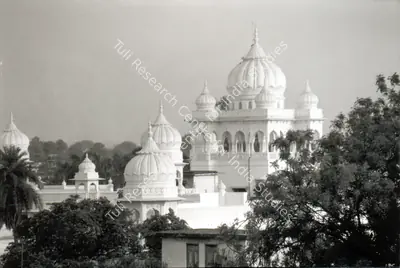
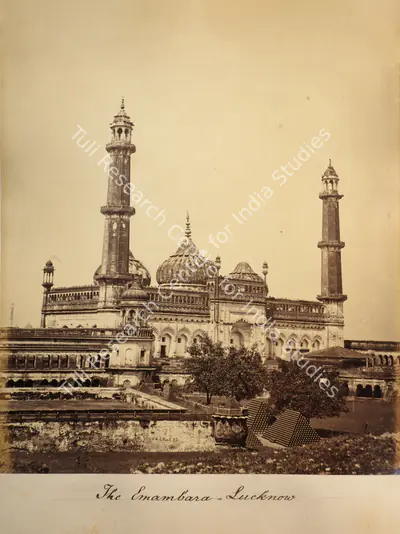
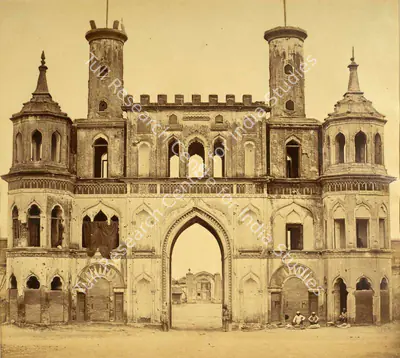
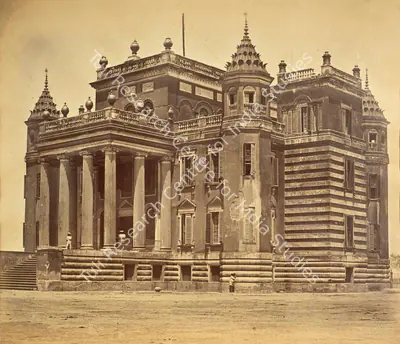
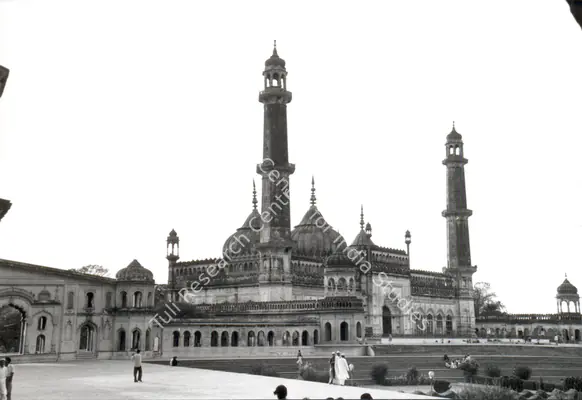
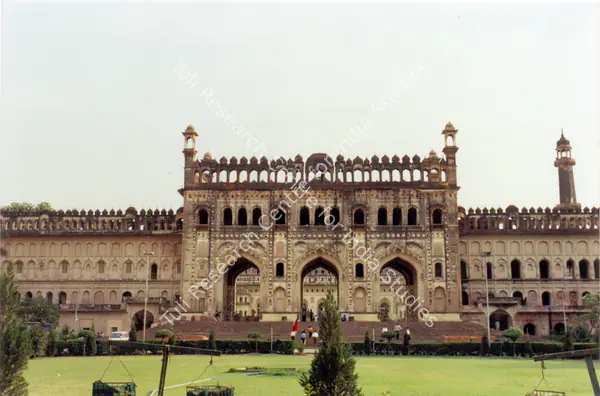
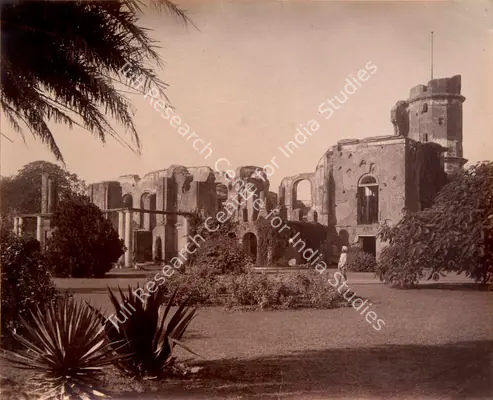
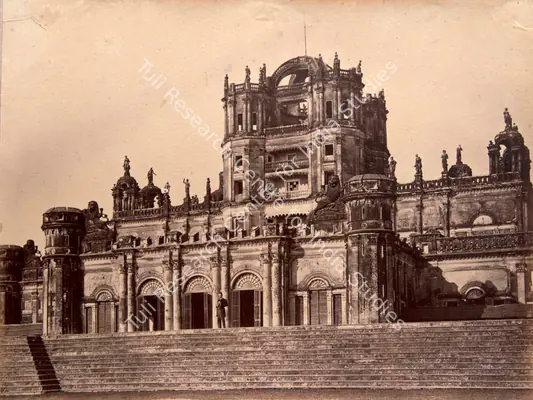
Architectural Landmarks
15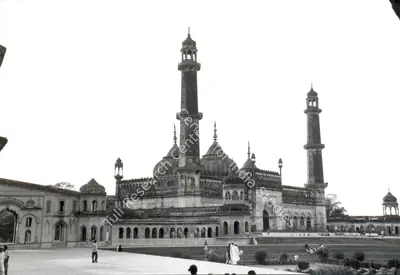
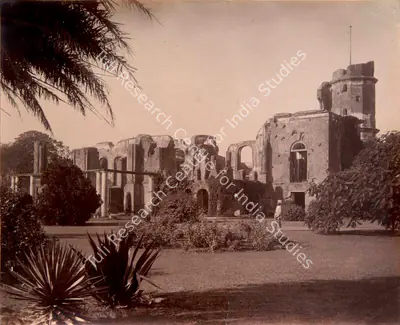
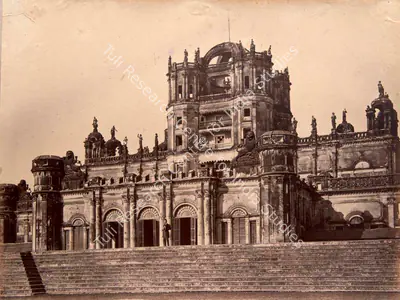
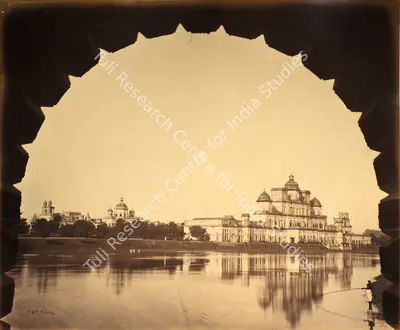
QR
Qadam Rasul
BK
Bibiapur Kothi
Body of Work
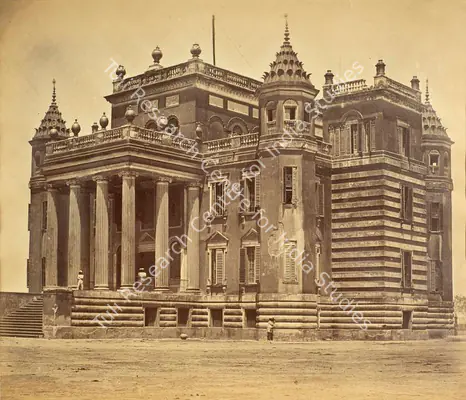
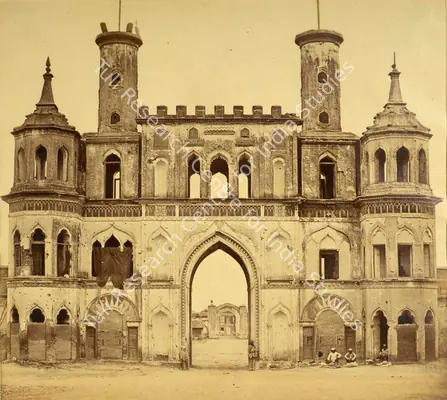
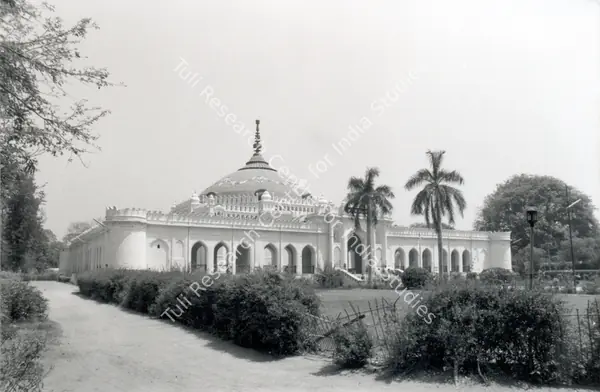
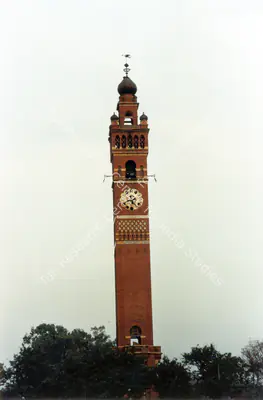
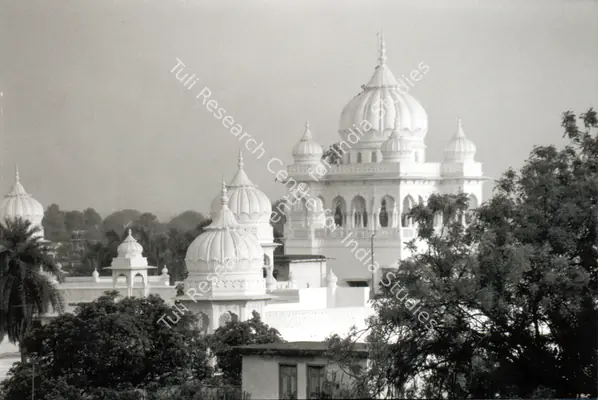
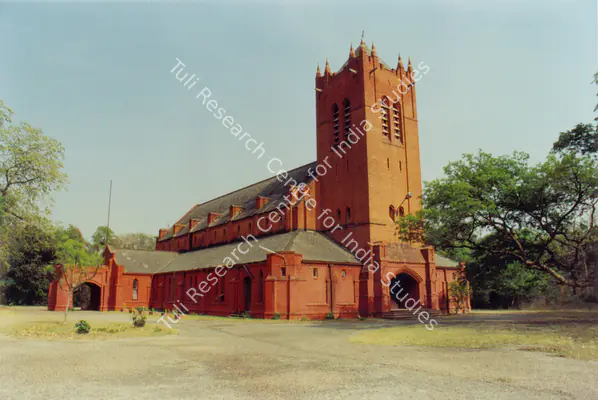
Research Centre
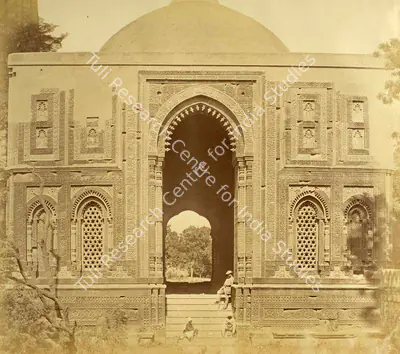
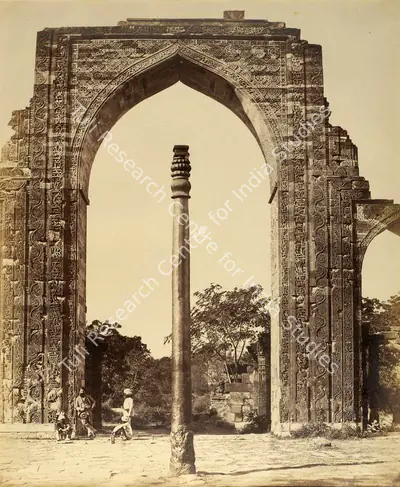
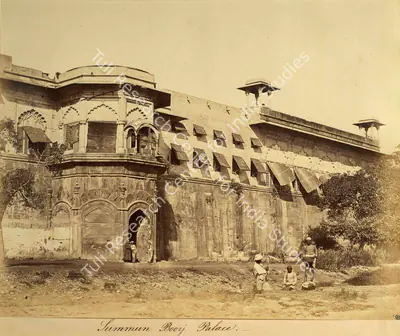
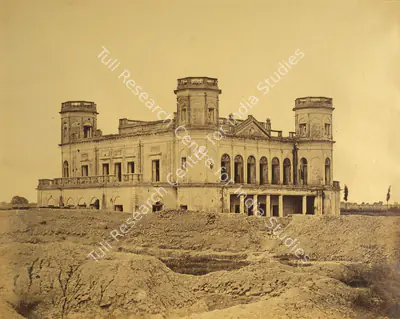
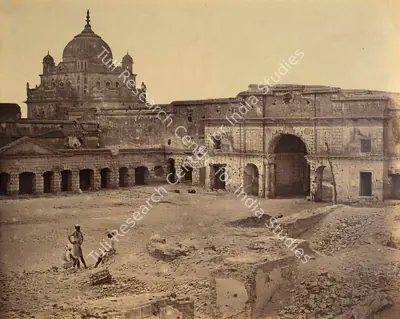
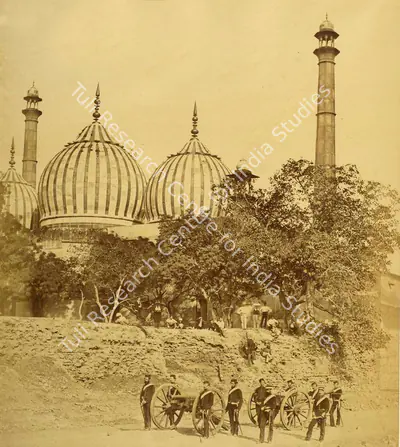
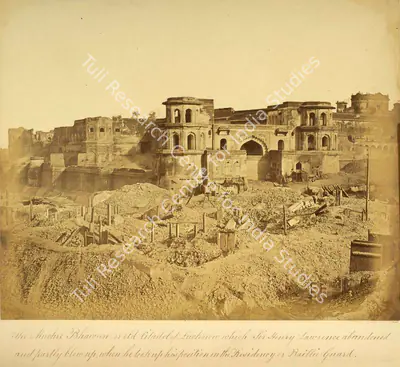
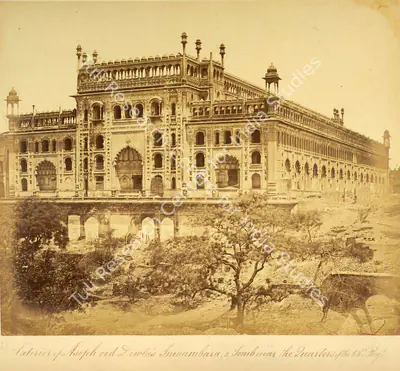
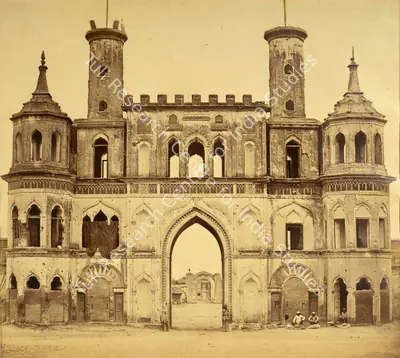
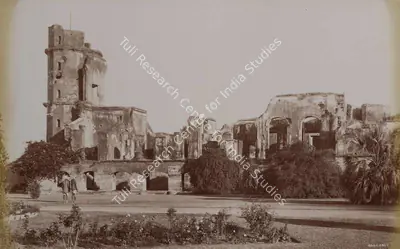
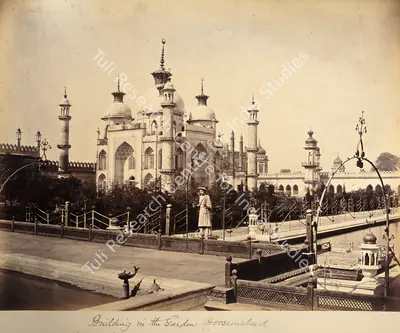
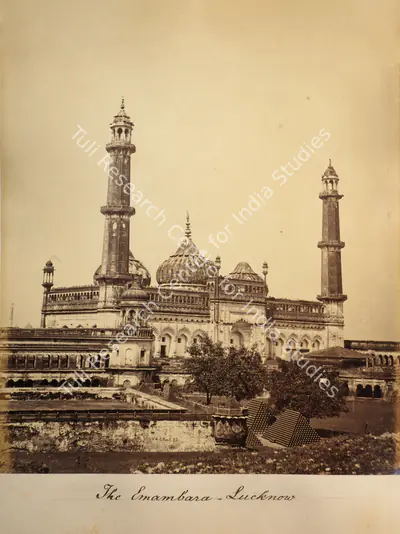
20 of 119
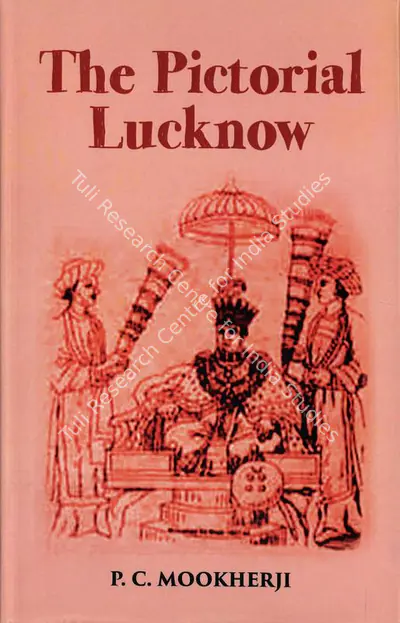
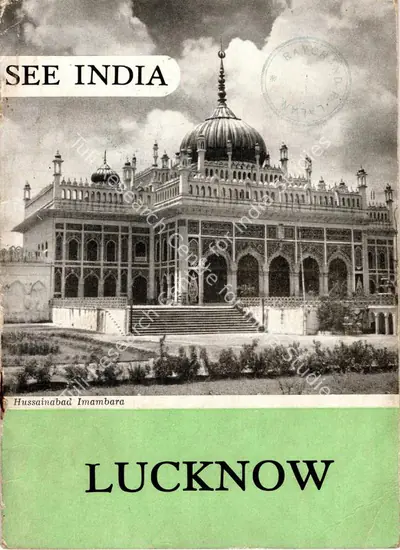
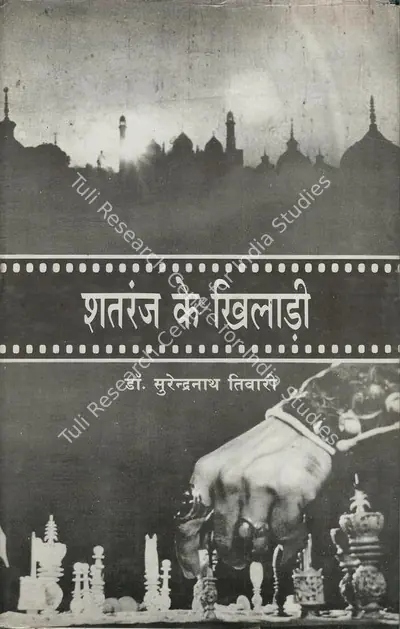
20 of 107
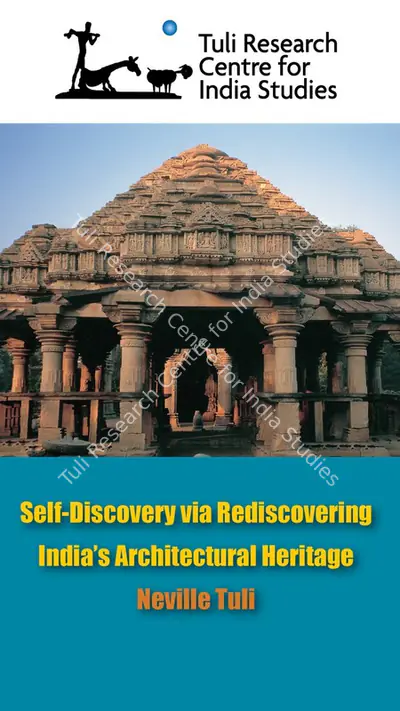
Posts 1
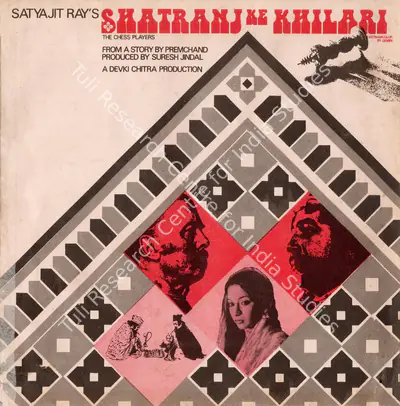
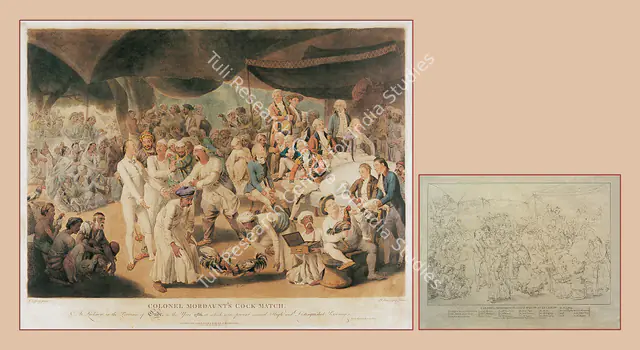
- Cockfights were a popular sport in India and other parts of the world in the late eighteenth-century. In 1786, the then Governor-General of India Warren Hastings commissioned German-born artist Johann Zoffany to paint the historic cockfight that had many British East India Company employees and Indian royalties in attendance. Several versions of the painting have thus been made and depicted in various mediums over the course of more than two centuries, including the cock-fight scene in Satyajit Ray's 1977 film Shatranj Ke Khilari.
Calendar 1
- ArchivedExhibitionProject 3Self Discover via Rediscovering India Series Part III History of Photography in India21st - 31st January 2025Self Discover via Rediscovering India Series Part IIIRead More →