
Introduction
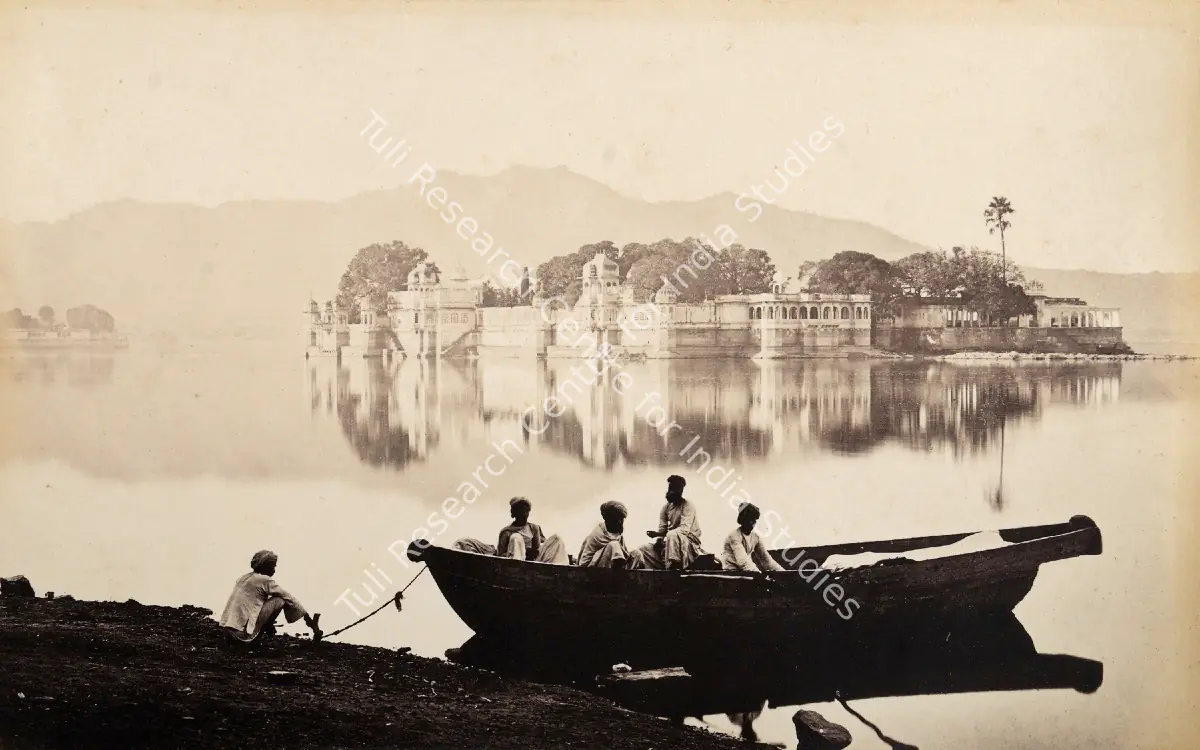
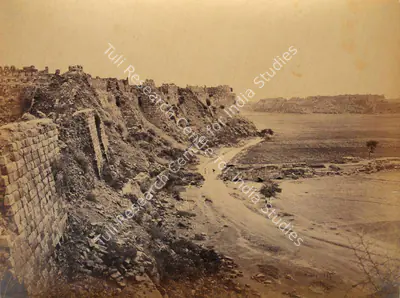
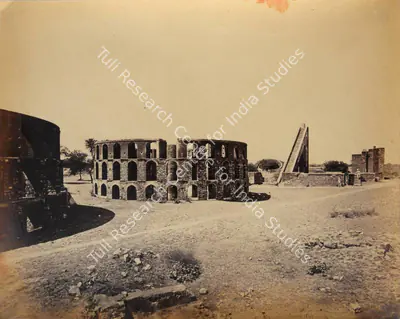
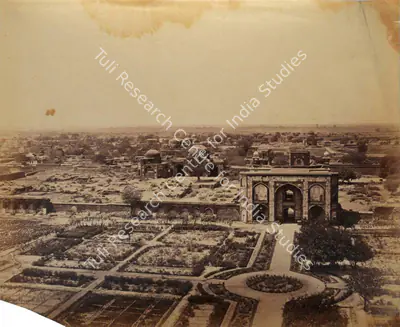
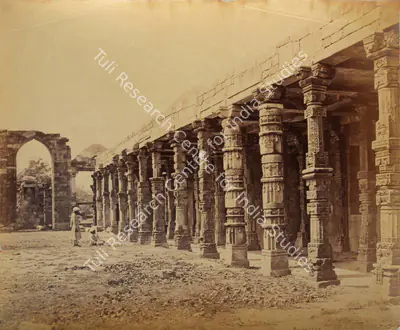
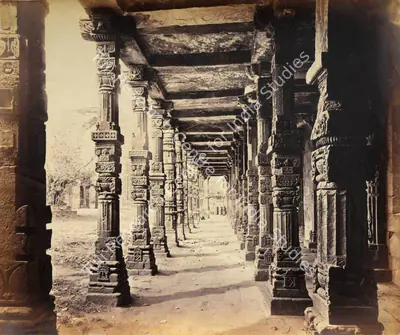
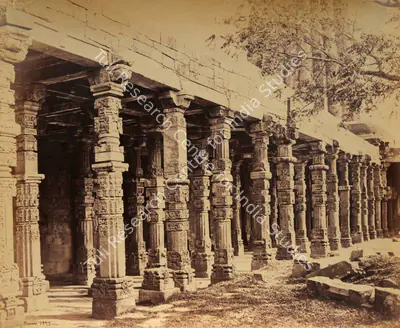
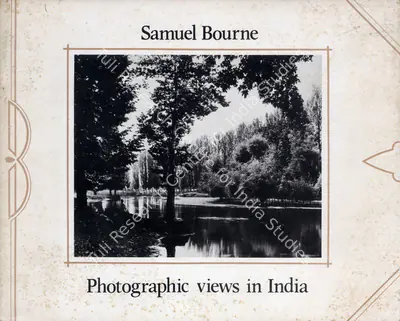
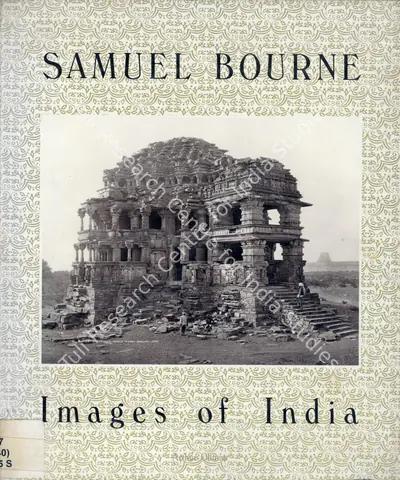
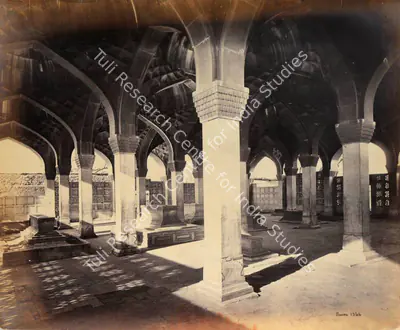
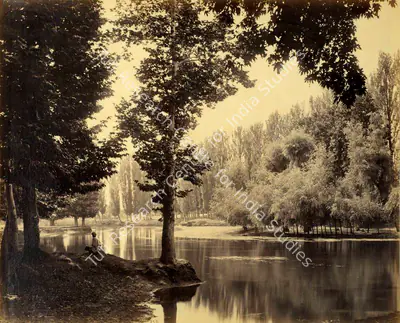
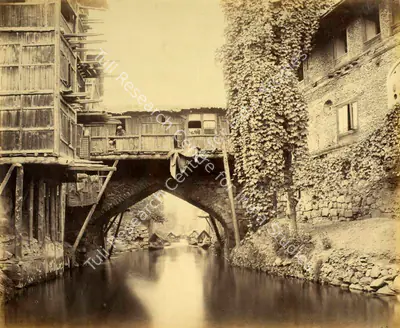
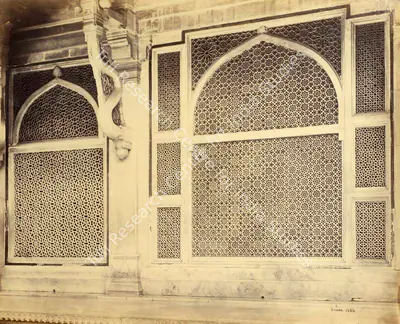
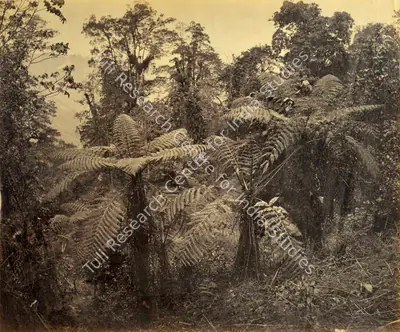
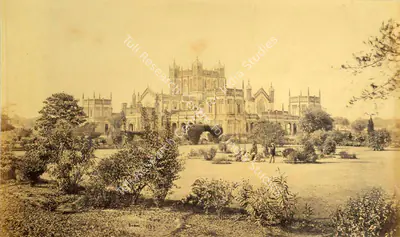
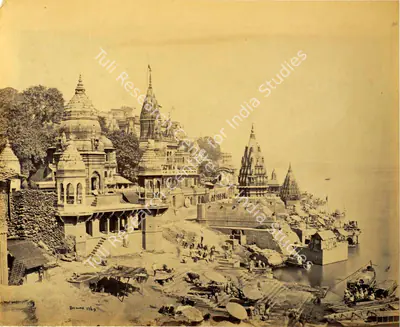
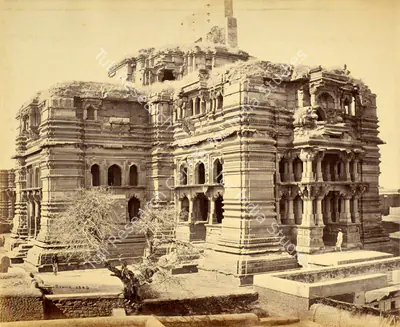
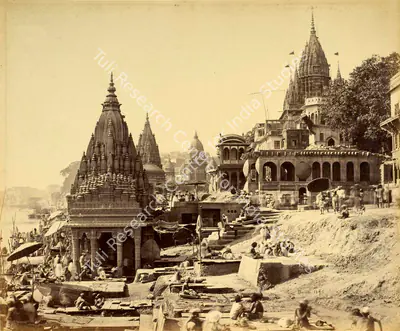
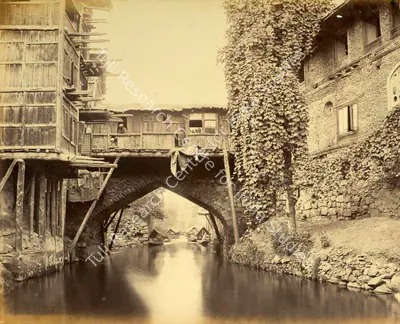
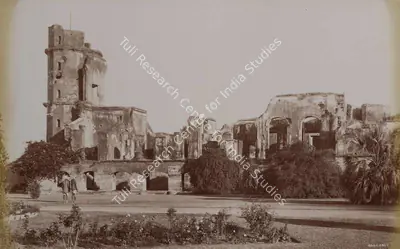
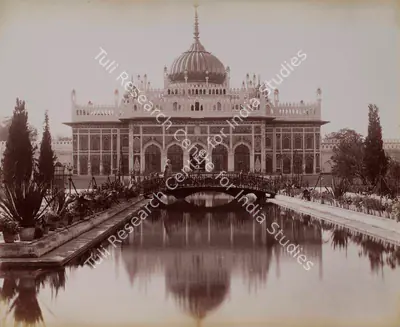
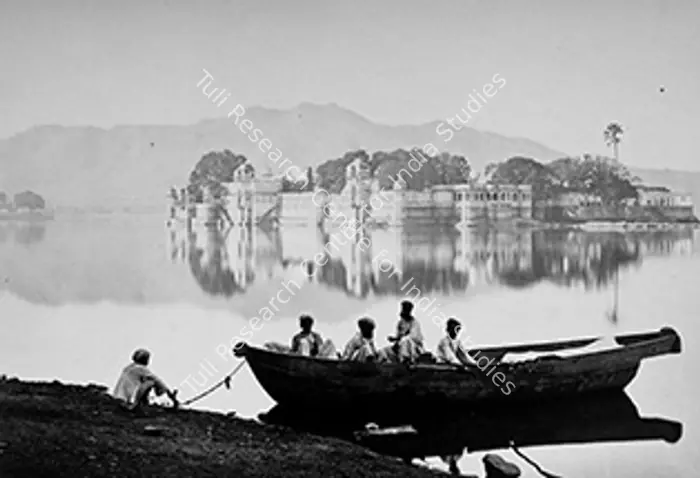
Samuel Bourne arrived in India, like several other European photographers, in search of the “picturesque” — that view of the decrepit, all-encompassing Indian landscape devoid of the ‘native’. He looked, in vain, for rustic bridges, ivy clad ruins and bodies of water which could be the foreground to his pictures and without which, he felt, his pictures could not be “pleasing and enjoyable”. He wanted to make views that he “would not be ashamed to send to England”.
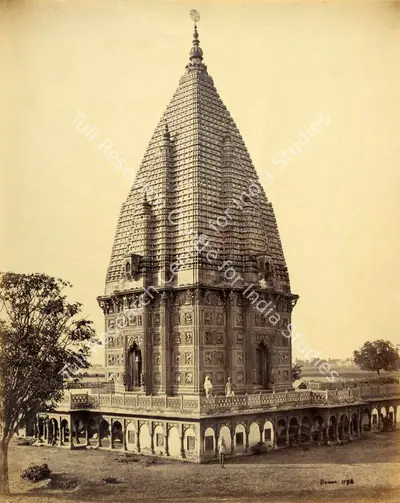
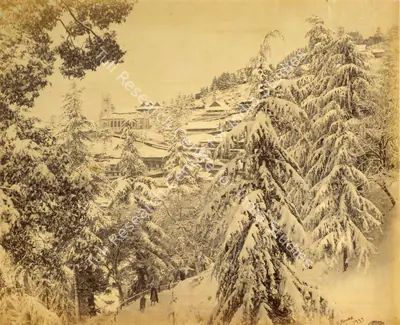
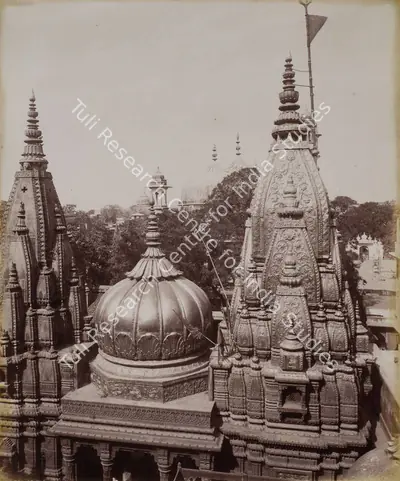
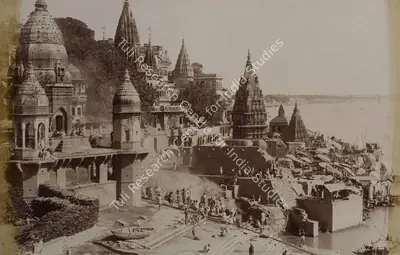
Bourne arrived in India in 1863 and soon afterwards travelled to Shimla and entered a partnership with Charles Shepherd; a partnership that ultimately became known as Bourne and Shepherd. Next, he travelled to Benares which he pronounced suitable for photography; its bazaars, narrow streets and mosques and the river Ganges appealed to his sense of ‘picturesque’ while the ‘native’ customs and people were looked at with disdain expressed through several letters.
Additional studios were opened subsequently in Calcutta and Bombay and were renowned for their series of topographical views of the Indian landscape.
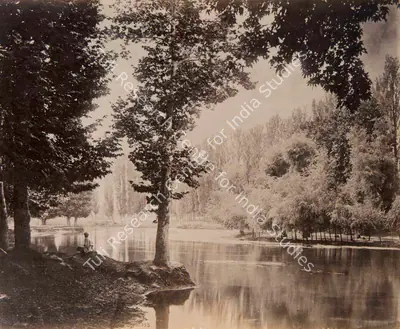
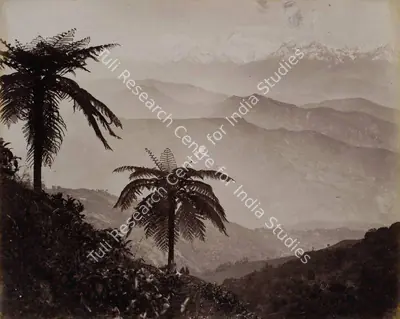
“For my part, I may say that before I commenced photography, I did not see half the beauties in nature as I do now”, Bourne had confessed. In expeditions taken to Kashmir and the Himalayas between 1863 and 1866, he produced a body of work which arranged the chaotic components of nature into tranquil and serene ‘balanced’ composition — the mountains appearing looming and vast, yet approachable, and for the Empire, conquerable. Despite the technical challenges of using the wet-collodion process in the Indian terrain, he was determined to use it. Bourne makes reference to the importance of ‘dreamlike’ states and the ‘magic’ of imagery, arguing for the idealization of space against the indexical power of photographic representation. A reference to images of the sinuous streets in Shimla or the Dal Lake in Kashmir marks such use of space.
- Date of Birth
- 30 Oct 1834
- Zodiac sign
- Scorpio
- Date of Death
- 24 Apr 1912
- Age
- 77
- Nationality
- British
- Place of Birth
- Staffordshire, UK
- Place of Death
- Nottingham, UK
- State Country of Birth
- UK
- State Country of Death
- UK
Research Centre
Calendar 1
- ArchivedExhibitionProject 3Self Discover via Rediscovering India Series Part III History of Photography in India21st - 31st January 2025Self Discover via Rediscovering India Series Part IIIRead More →
Related
1
Institutions
1