
Introduction
Charles Shepherd was an English photographer and printer who significantly contributed to 19th-century photography in India. In 1862, he partnered with Arthur Robertson to establish “Shepherd & Robertson” in Agra. The following year, he co-founded “Howard, Bourne & Shepherd” in Shimla with Samuel Bourne and William Howard. This partnership evolved into the renowned “Bourne & Shepherd” studio in 1863.
By 1866, the Kolkata (Calcutta) studio became the company’s headquarters. After Samuel Bourne returned to England in 1870, selling his shares to Colin Murray, Shepherd continued photographing and expanded the business, employing sixteen European assistants. From 1876 until his departure around 1879, he managed the Bombay studio, which operated until approximately 1902.
Bourne & Shepherd became the most successful commercial studio in 19th and early 20th-century India, with agencies across the country and outlets in London and Paris. They operated portrait studios in Shimla, Calcutta, and Bombay(Mumbai), catering to high-profile clients, including the Viceroy of India, Indian Maharajas and Maharanis, and British nobility.
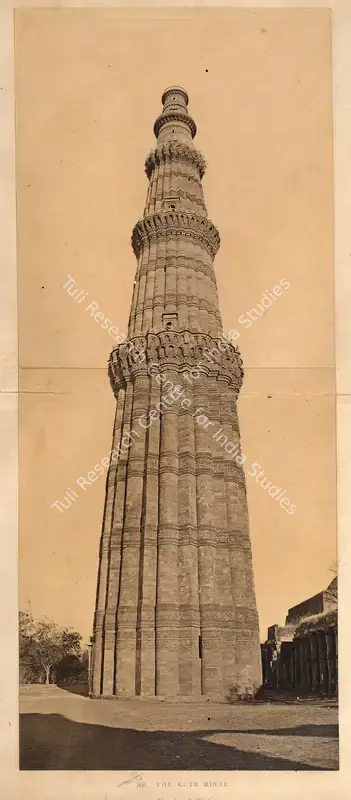
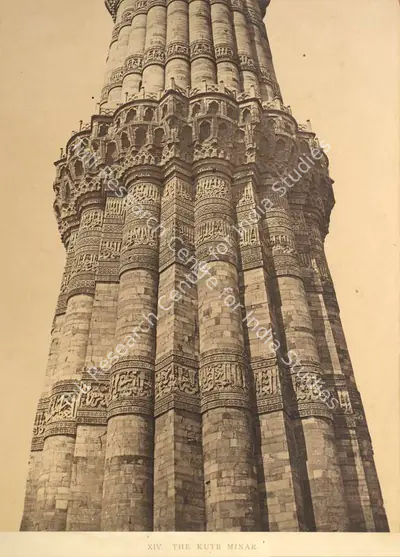
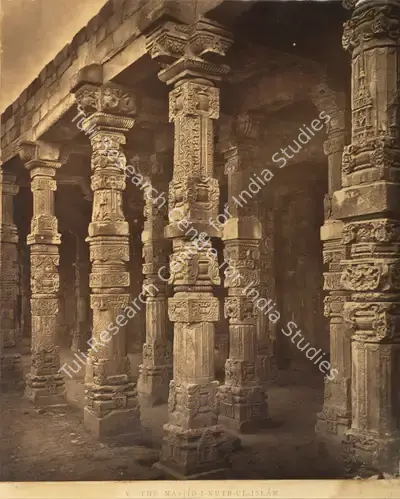
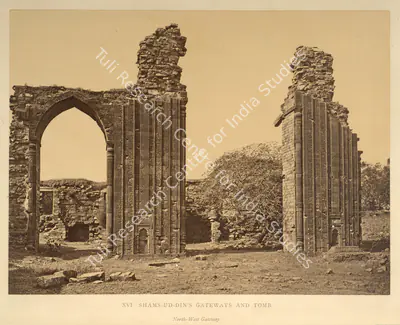
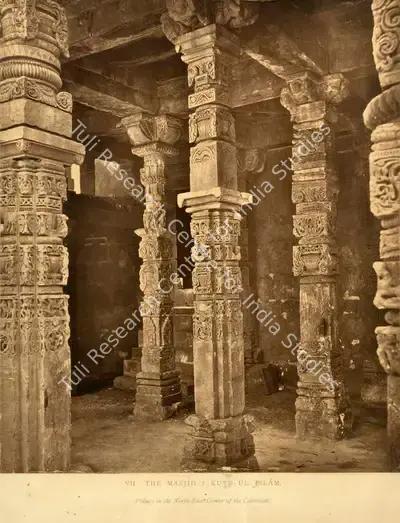
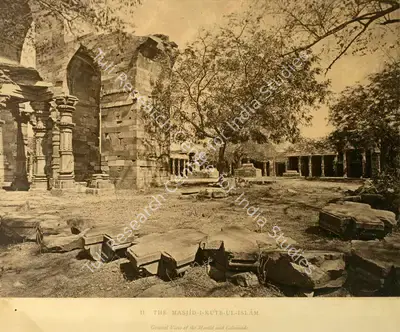
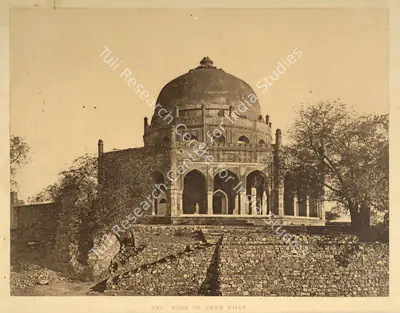
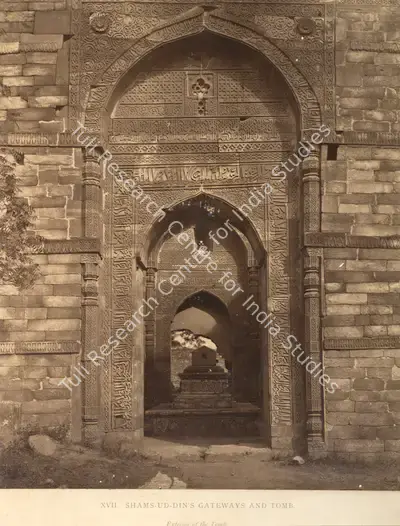
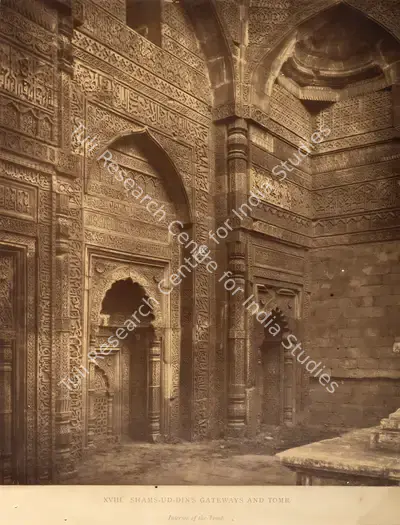
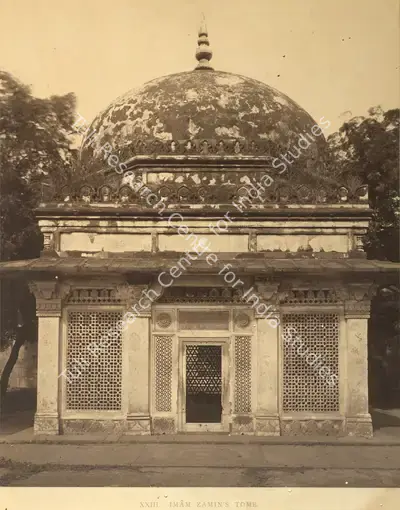
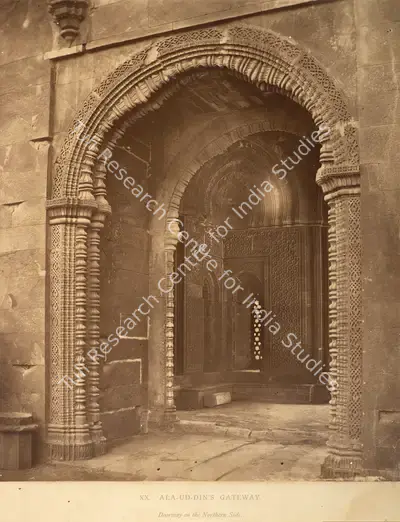
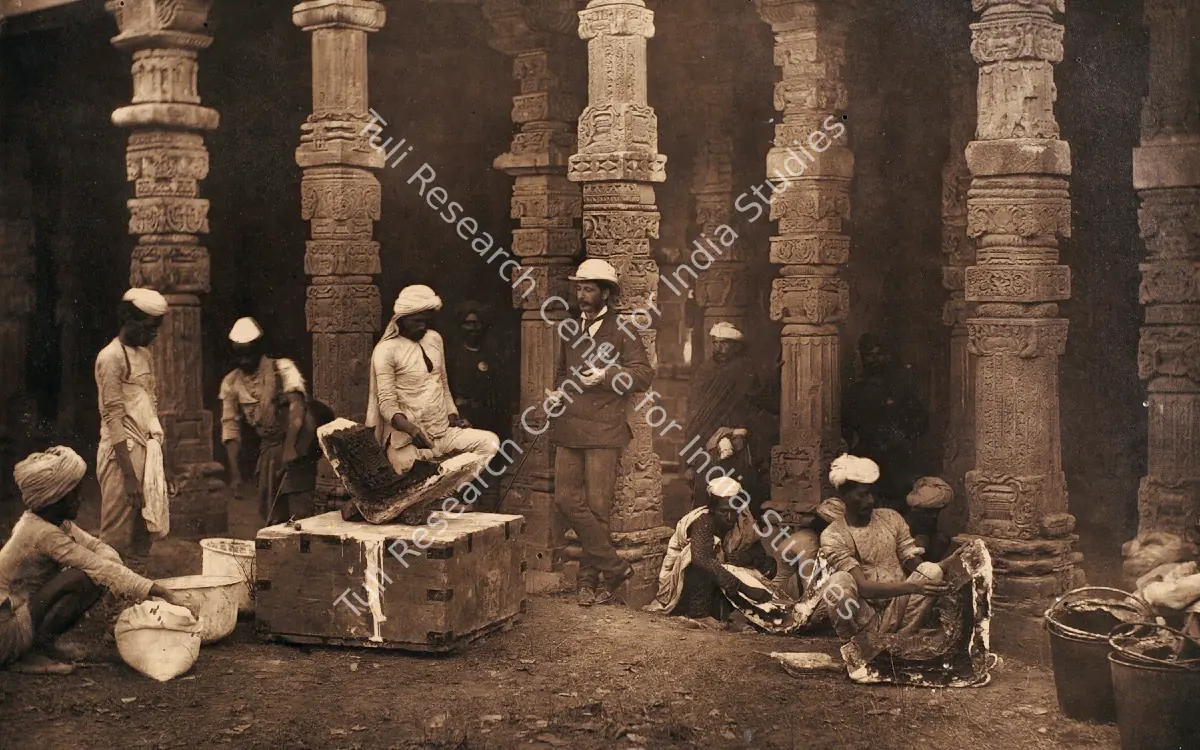
Shepherd was a skilled photographer and printer, managing the commercial distribution and printing aspects of the business from Shimla. His notable work includes Woodburytypes and Autotypes
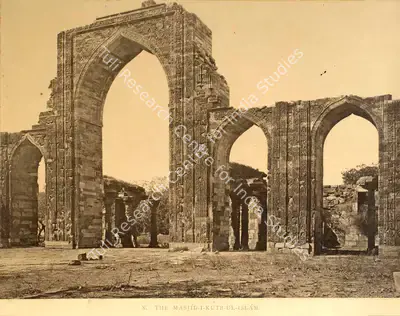
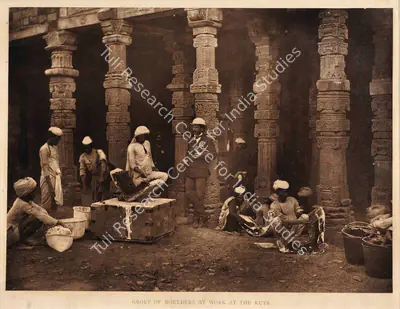
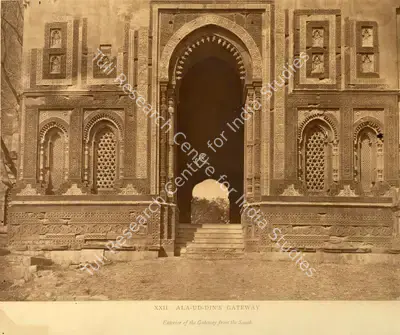
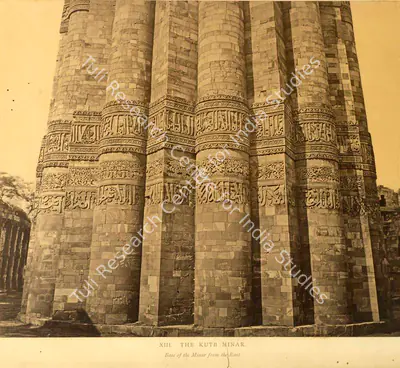
illustrating Henry Hardy Cole’s 1872 publication, “The Architecture of Ancient Delhi.”
The Bourne & Shepherd Company continued operations in Calcutta under Indian ownership until a fire destroyed it on February 6, 1991. It was one of the world’s oldest established photographic businesses.
By 1866, the Kolkata (Calcutta) studio became the company’s headquarters. After Samuel Bourne returned to England in 1870, selling his shares to Colin Murray, Shepherd continued photographing and expanded the business, employing sixteen European assistants. From 1876 until his departure around 1879, he managed the Bombay studio, which operated until approximately 1902.
Bourne & Shepherd became the most successful commercial studio in 19th and early 20th-century India, with agencies across the country and outlets in London and Paris. They operated portrait studios in Shimla, Calcutta, and Bombay(Mumbai), catering to high-profile clients, including the Viceroy of India, Indian Maharajas and Maharanis, and British nobility.
Shepherd was a skilled photographer and printer, managing the commercial distribution and printing aspects of the business from Shimla. His notable work includes Woodburytypes and Autotypes
illustrating Henry Hardy Cole’s 1872 publication, “The Architecture of Ancient Delhi.”
The Bourne & Shepherd Company continued operations in Calcutta under Indian ownership until a fire destroyed it on February 6, 1991. It was one of the world’s oldest established photographic businesses.
- Date of Birth
- 1858
- Date of Death
- 1878
- Age
- 20
- Nationality
- British
- Place of Birth
- , UK
- State Country of Birth
- UK