
TRIS logo image
Search275,000+ actors, artists, objects, artworks, films, exhibitions, archives

EN

EN

English

HI

Hindi

EN

EN

English

HI

Hindi

Tuli Research Centre for India Studies

Tuli Research Centre for India Studies

Vision

Manifesto

Archive & Library

Vanraja Sanctuary & Hospice

Home

Research Categories

Browse All

ICore

1_CinemaEducation_Cinema as a Critical Educational Resource

2_FineArts_Modern and Contemporary Indian Fine Arts

3_Photography_Photography in India

4_PopCulture_The Printed Image, Popular Arts, and Crafts

IIMaterial

5_ArcHeritage_India's Architectural Heritage as Inspiration

6_EconomicsArt_Economics of Art & Cultural Industry

7_Travel test value_Automobile, Transport and Travel Heritage

8_Uncertainty_Uncertainty

IIICritical

9_SocialDuty_Social Responsibility of the Creative Mind

10_Childhood_The Changing Smile of Childhood & Its Second Coming

11_Sensuality_The Sensual Discipline within Creativity

12_Scholarship_The History & Historiography of Scholarship in the Arts, Humanities, and Social Sciences

IVMeaningful

13_SeekJustice_Seeking Justice and Political Integrity

14_IndoWorld_India and her Relationship with the World

15_SpiritualPoetics_The Religious-Spiritual-Poetic-Philosophical Framework

16_Continuum_The Animal-Human-Nature Continuum

Explore

All

Posts

Masterlists

Calendar

Live | Upcoming

All Events

Timetable

Search275,000+ actors, artists, objects, artworks, films, exhibitions, archives

EN

EN

English

HI

Hindi

Lucknow

Lucknow

Uttar Pradesh

Location.Architectural Heritage Site
Contents
Introduction
Body of Work13
Research Centre119
Posts1
Calendar1
Home/5_ArcHeritage/Location/Lucknow
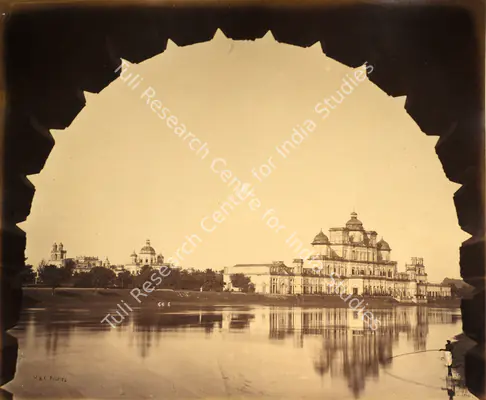
Lucknow — featured artwork

Introduction

Geographical details

StateUttar Pradesh
CapitalYes
Longitude80.9462' E
Latitude26.8467' N
Population35,00,000
Area632 sq. km.
LanguagesAwadhi, Hindi, Urdu
RiversGomati River (Tributary of Ganga)
LakesKathuata jheel, Butler lake, Ghanta ghar talab
Linked citiesKolkata, Mumbai, Chennai
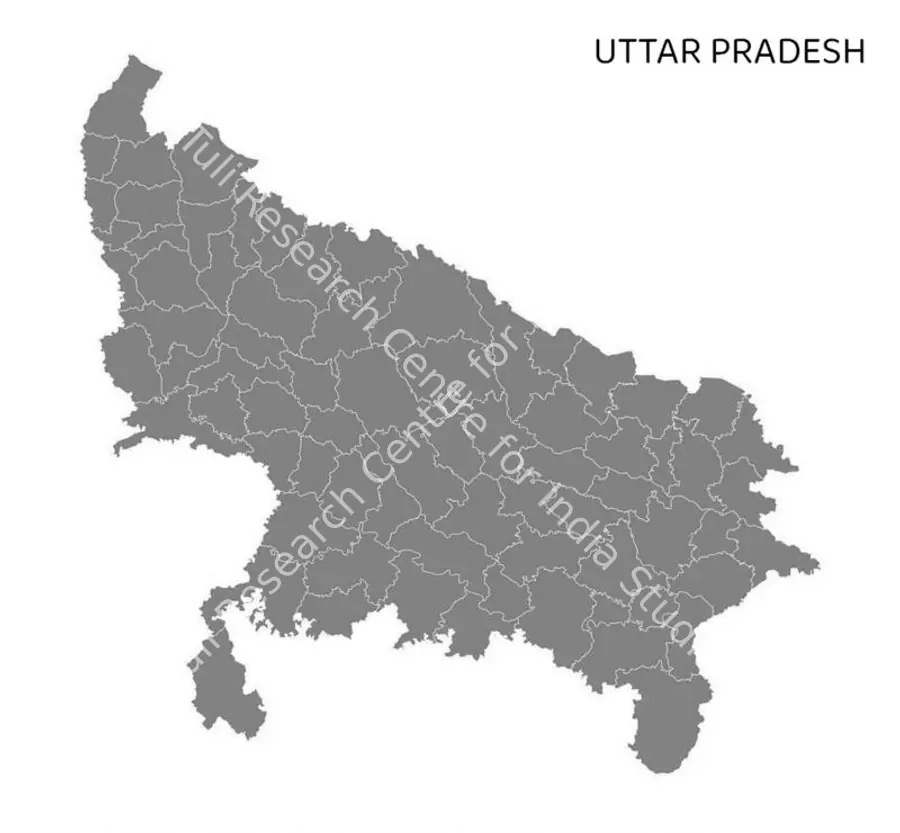
Map of Uttar Pradesh
Uttar Pradesh

Spoken languages

Show figures
Spoken languages
Category200120112021
Hindi9,00,0009,00,0009,00,000
Awadhi8,50,0008,50,0008,50,000
Urdu40,00040,00040,000

Population by gender

Show figures
Population by gender
Category20012011
Male19,32,31723,94,476
Female17,15,51721,95,362
Other191504

Population by religion

Show figures
Population by religion
Category20012011
Hindu21,81,78535,37,787
Muslim5,43,0459,85,070
Christian13,15520,493
Buddhist19,68823,883
Sikh2,8163,877
Jain2,0514,975
Other26113,753

Architectural Landmarks

15
Bara Imambara
Bara Imambara1784
The Residency
The Residency1800
La Martiniere College
La Martiniere College1800
Chhatar Manzil
Chhatar Manzil1781
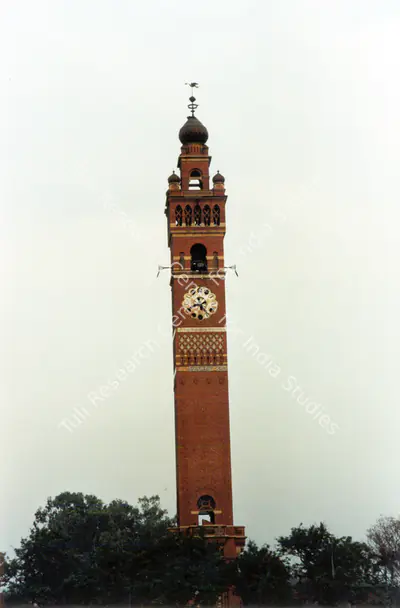
Hussainabad Clock Tower
Hussainabad Clock Tower1881
Gateway Of Bara Imambara
Gateway Of Bara Imambara1785
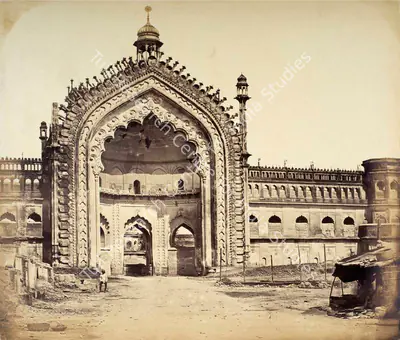
Rumi Darwaza
Rumi Darwaza1784
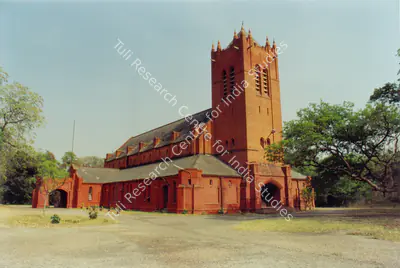
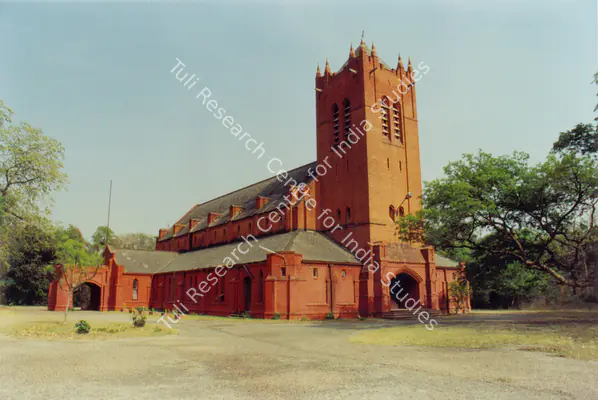
All Saints Garrison Church
All Saints Garrison Church1913
King Georges Medical College
King Georges Medical College1905
Asafi Masjid
Asafi Masjid1784
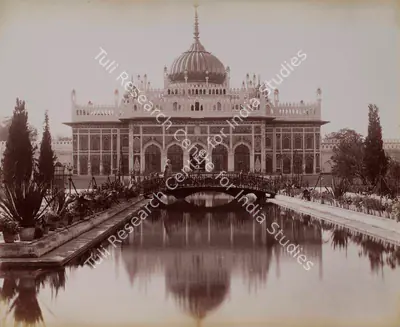
Moti Mahal
Moti Mahal1814
QR
Qadam Rasul
BK
Bibiapur Kothi
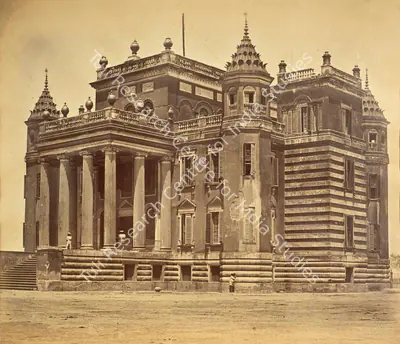
Dilkhusha Palace
Dilkhusha Palace1805
Shah Najaf Imambara
Shah Najaf Imambara1816

Body of Work

Chhatar Manzil, 1781
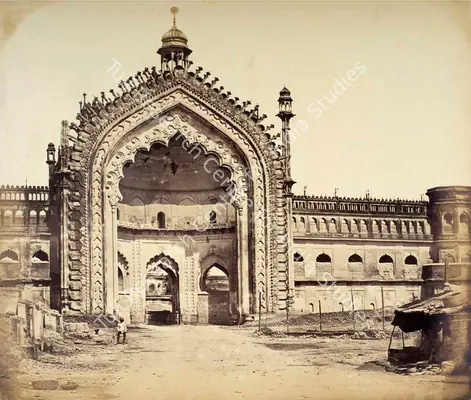
Rumi Darwaza, 1784
Rumi Darwaza, 1784
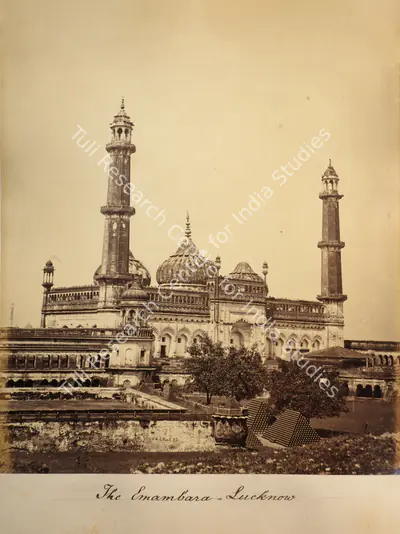
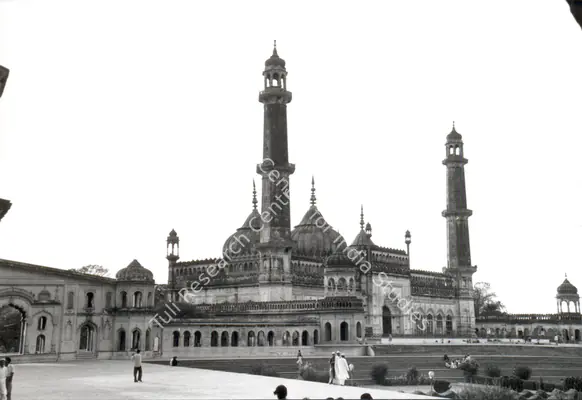
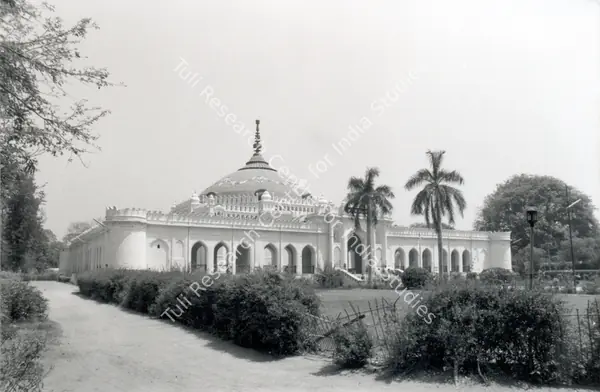
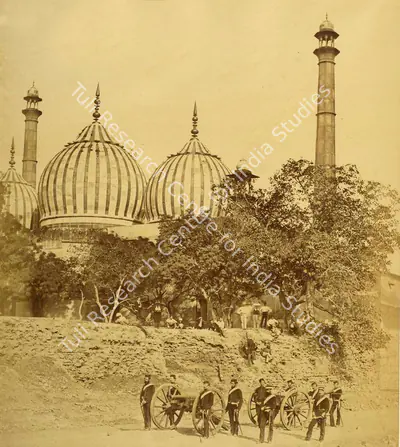
Asafi Masjid, 1784
Asafi Masjid, 1784
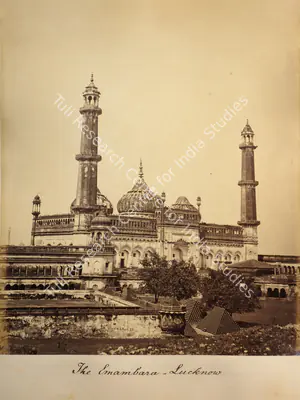
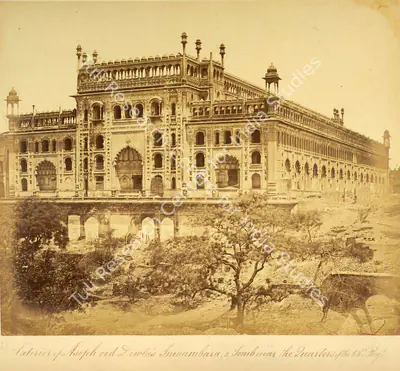
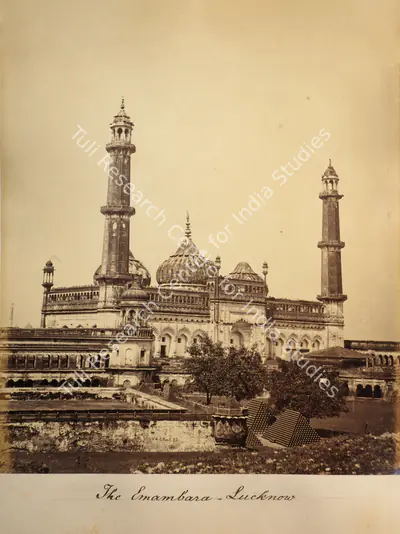
Bara Imambara, 1784
Bara Imambara, 1784
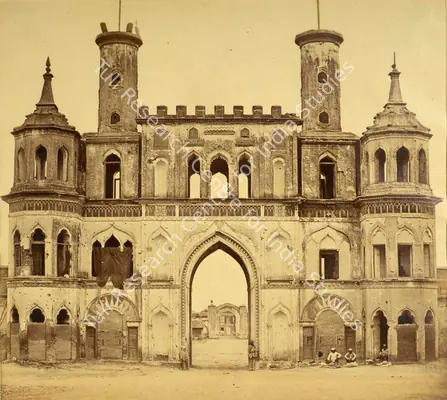
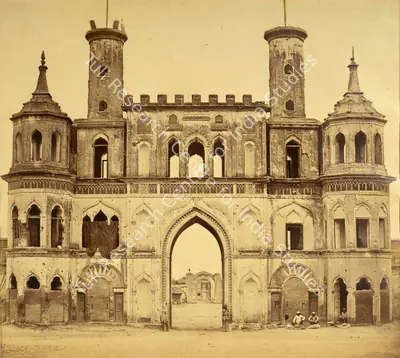
Gateway of Bara Imambara, 1785
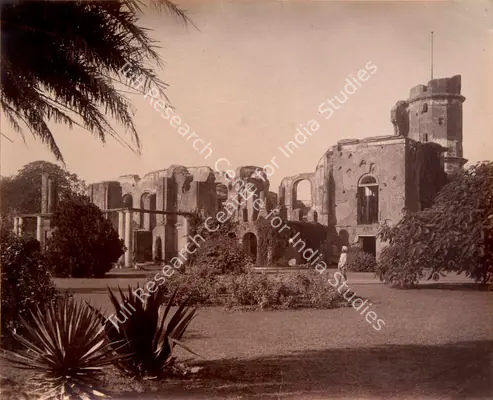
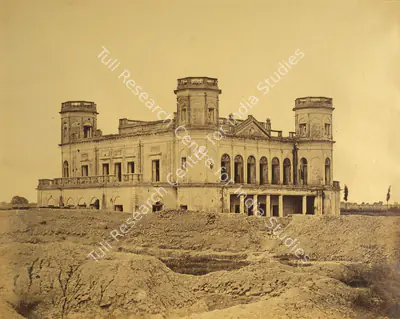
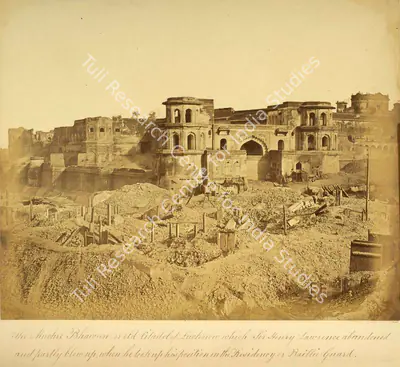
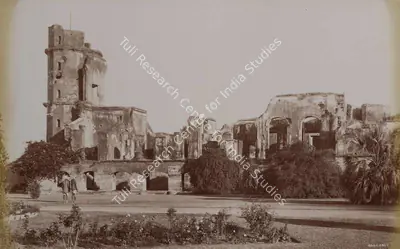
The Residency, 1800
The Residency, 1800
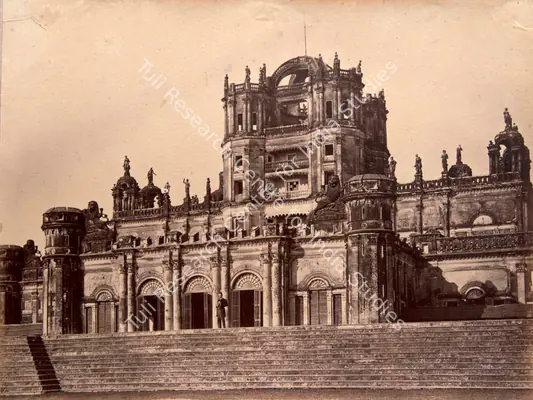
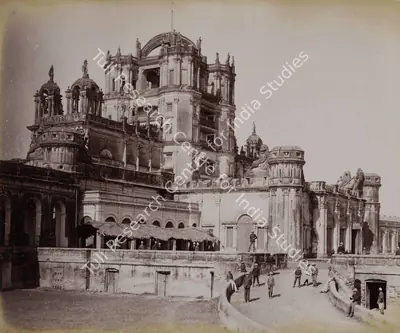
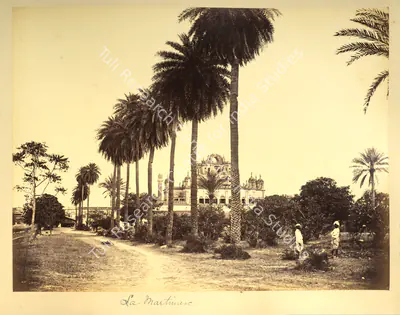
La Martiniere College, 1800
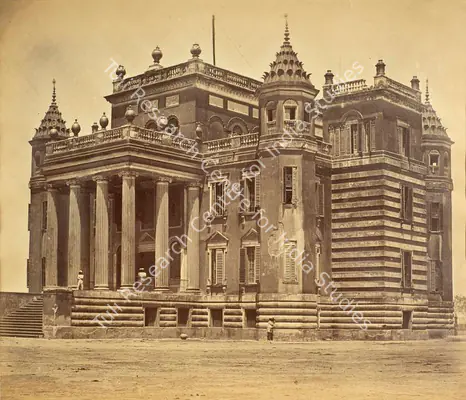
Dilkhusha Palace, 1805
Moti Mahal, 1814
Moti Mahal, 1814
Shah Najaf Imambara, 1816
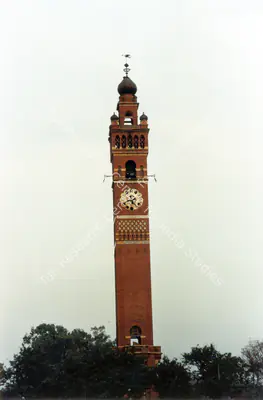
Hussainabad Clock Tower, 1881
King George's Medical College, 1905
All Saints Garrison Church, 1913

Research Centre
Posts 1

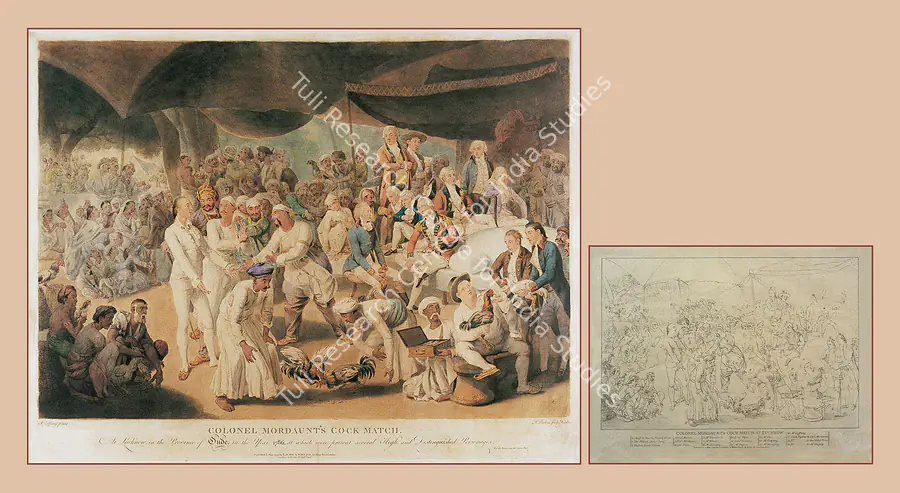
  1. Colonel Mordaunt's Cockfight
    Colonel Mordaunt's Cockfight
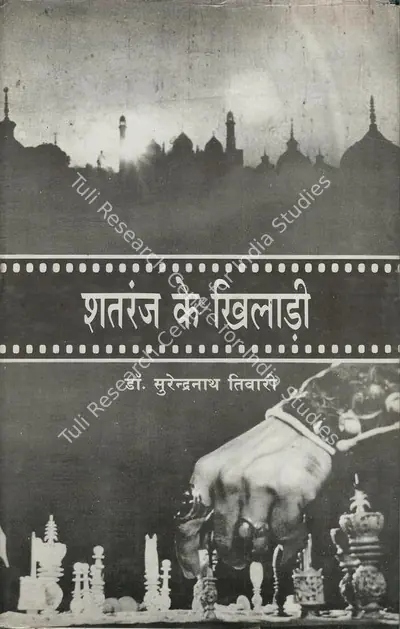
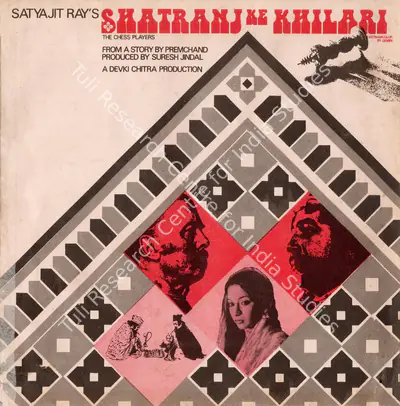
    Cockfights were a popular sport in India and other parts of the world in the late eighteenth-century. In 1786, the then Governor-General of India Warren Hastings commissioned German-born artist Johann Zoffany to paint the historic cockfight that had many British East India Company employees and Indian royalties in attendance. Several versions of the painting have thus been made and depicted in various mediums over the course of more than two centuries, including the cock-fight scene in Satyajit Ray's 1977 film Shatranj Ke Khilari.
    1_CinemaEducation2_FineArts4_PopCulture6_EconomicsArt
    Shatranj Ke KhilariSatyajit RayLucknowNemai Ghosh
    Read Post →

Calendar 1

View All →
  1. Self Discover via Rediscovering India Series Part III History of Photography in India
    ArchivedExhibitionProject 3
    Self Discover via Rediscovering India Series Part III History of Photography in India
    21st - 31st January 2025
    Self Discover via Rediscovering India Series Part III
    Read More →
    3_Photography·Select Highlights From The History Of Photography In India 22 January 1 February 2025 Project 3 Cal
    +28 more

Related

7

Personalities

6

Ebrahim Alkazi
Ebrahim AlkaziComparable Artworks
Felice Beato
Felice BeatoComparable Artworks
Nemai Ghosh
Nemai GhoshComparable Artworks
Samuel Bourne
Samuel BourneComparable Artworks
Satyajit Ray
Satyajit RayComparable Artworks
Soumendu Roy
Soumendu RoyComparable Artworks

Films

1

Shatranj Ke Khilari (1977)Shooting Location
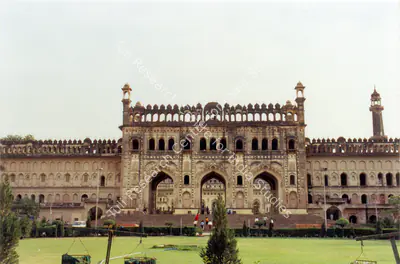
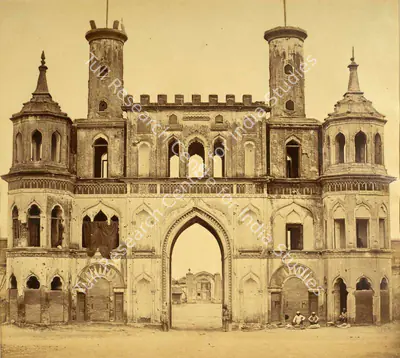
                          Gateway of Bara Imambara

                          Gateway of Bara Imambara

                          Patron
                          Commissioned by Nawab Asaf-ud-Daula.
                          Architectural style
                          Nawabi Awadh
                          Structure
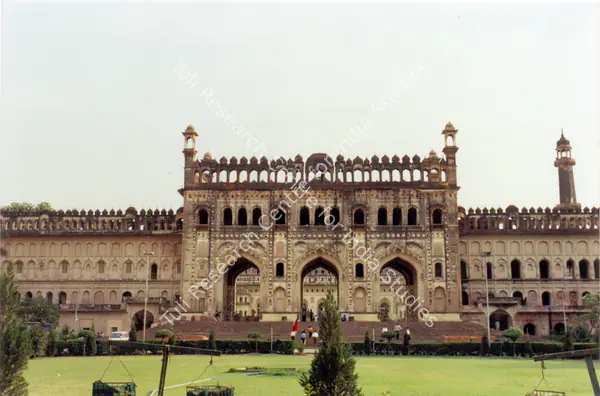
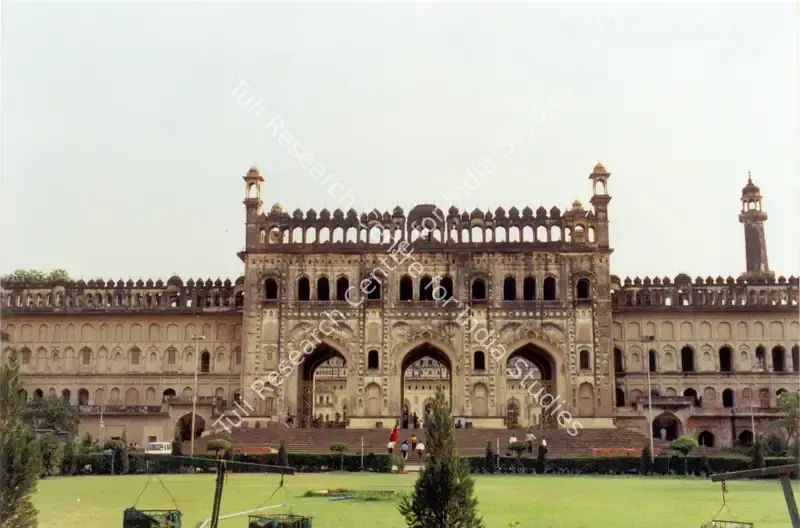
                          1. The main gateway has three arches and is rectangular resembling the tripolia of Mughal architecture. 2. There is a dual fish motif etched in the main gateway.
                          Layout
                          Arched windows and doorways were designed to allow free flow of air, as well as the symmetrical “umbrella” towers with small pikes on the tops.
                          Status
                          Archeological Survey of India, Centrally Protected
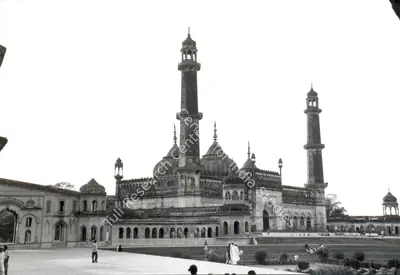
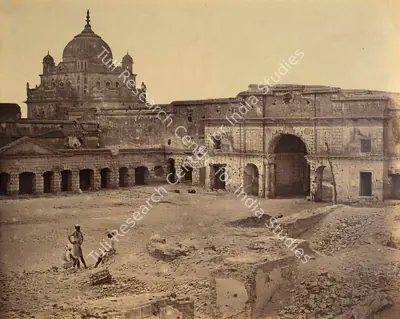
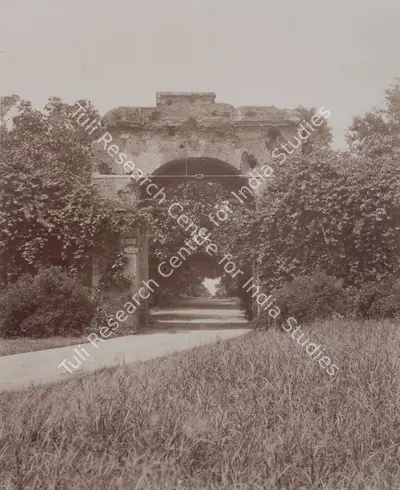
                          The Bara Imambara complex has three interlocked forecourts, each with numerous imposing gateways. The western boundary of the court is formed by Rumi Darwaza and on the eastern end lay a triple arched gateway composed of pointed arches with nine, superimposed, round-headed arches. The eastern part has since ceased to exist but based on the evidence of its style seems to have been anterior to the gateways to the second forecourt and main court of the Bara Imambara. The northern and sourthen boundaries of the first forecourt have enclosure walls, at the centre of which are two prominent gateways. The first forecourt has yet another gateway to its south-west which forms the entrance to the third forecourt. The entrance gateway to the main court is a grand triple-arched structure with small chambers on its upper level.