

Introduction
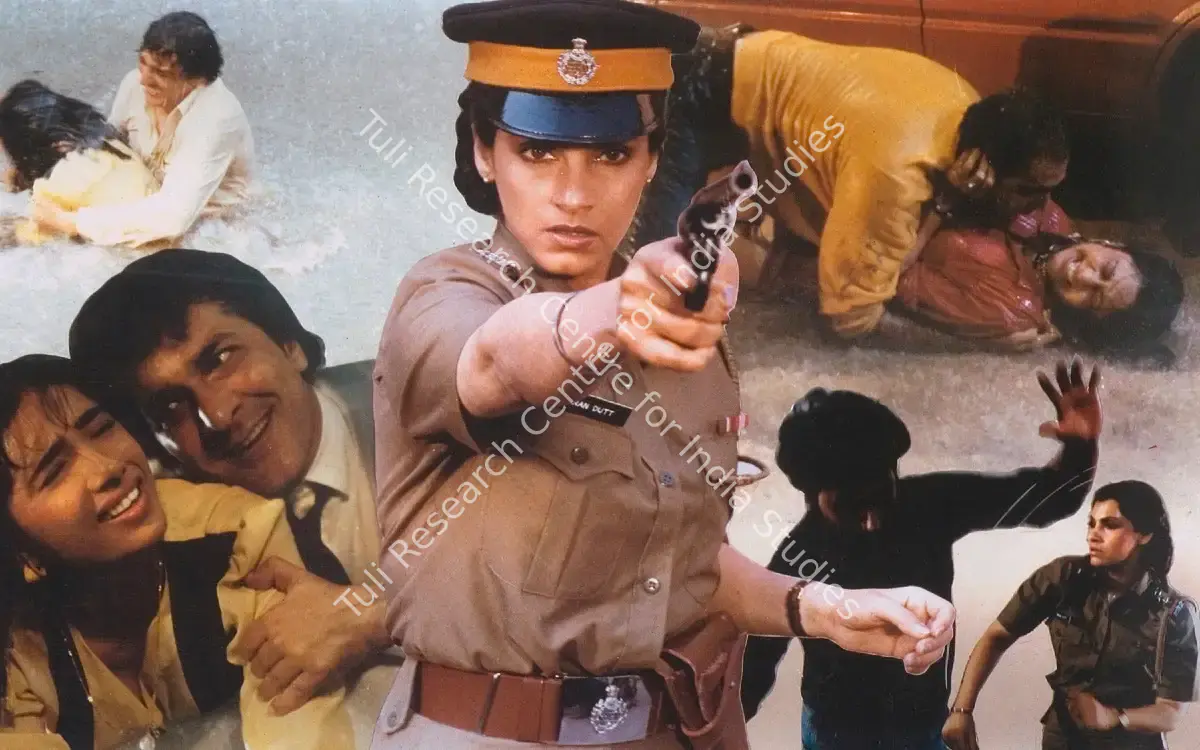
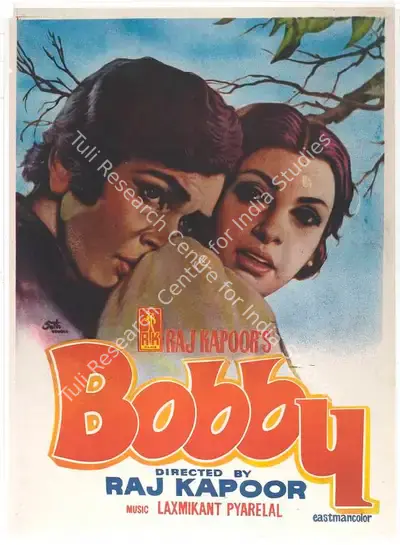
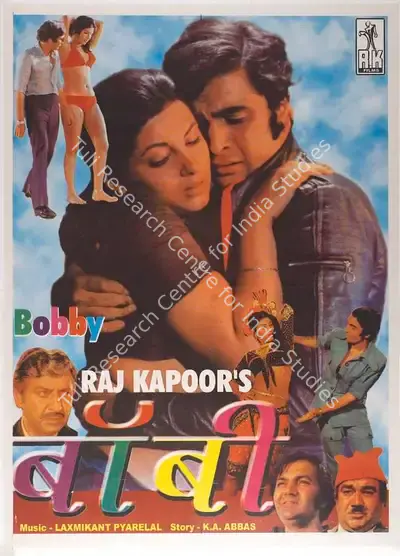
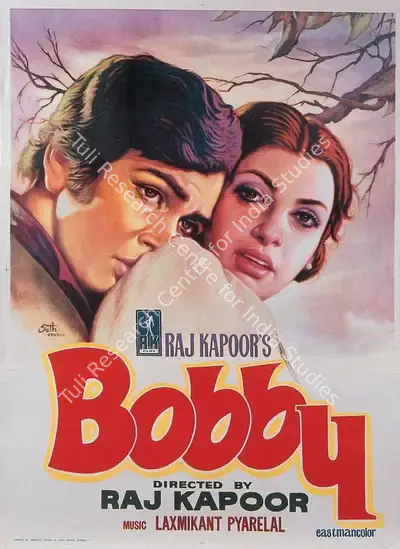
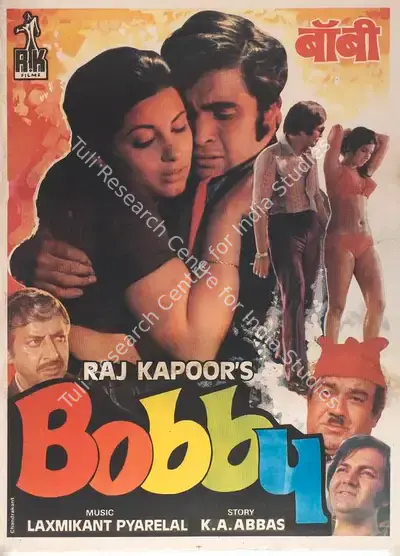
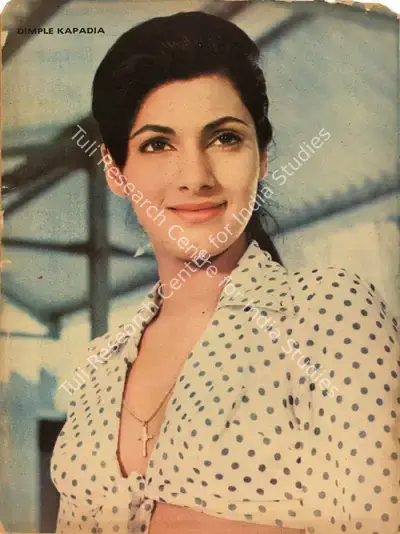
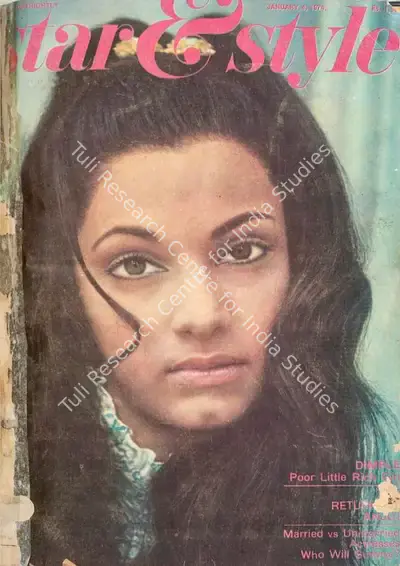
Dimple Kapadia (8 June 1957) She occupies a distinctive position in Hindi cinema as an actress whose career has traversed phases of early superstardom, prolonged absence, and critically acclaimed reinvention. Emerging as a cultural phenomenon with her debut in Bobby 1973, she swiftly became emblematic of youthful modernity in Indian popular culture. Her performances, marked by a combination of spontaneity and emotional acuity, have enabled her to sustain relevance across decades, culminating in recognition through a National Film Award and multiple Filmfare Awards.
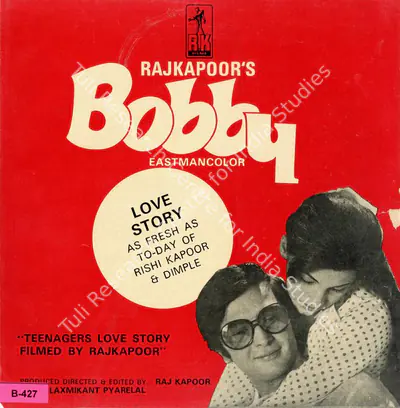
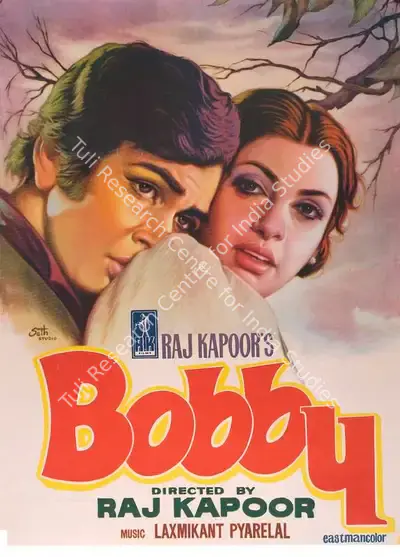
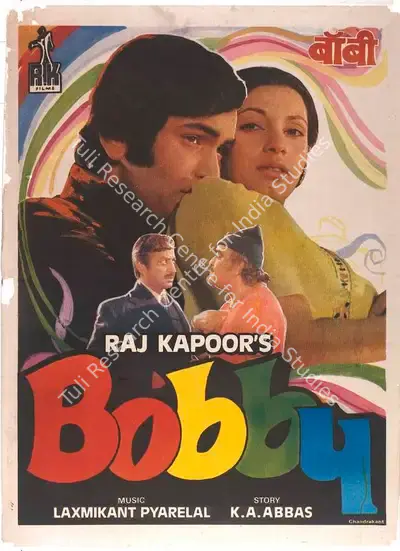
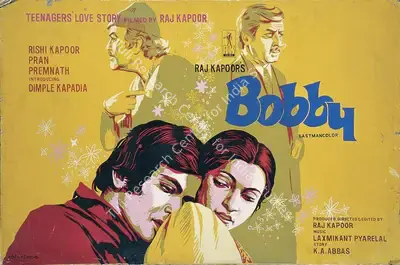
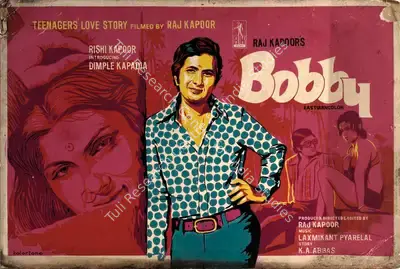
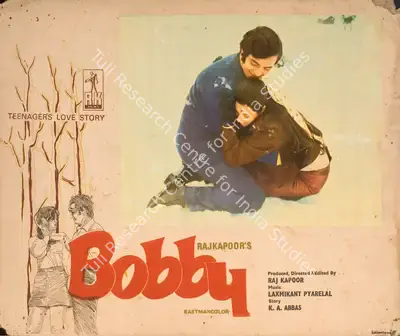
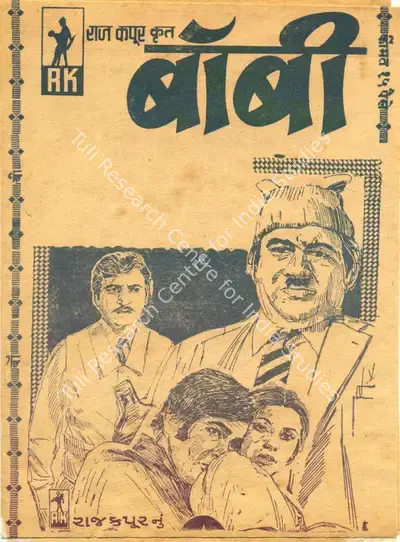
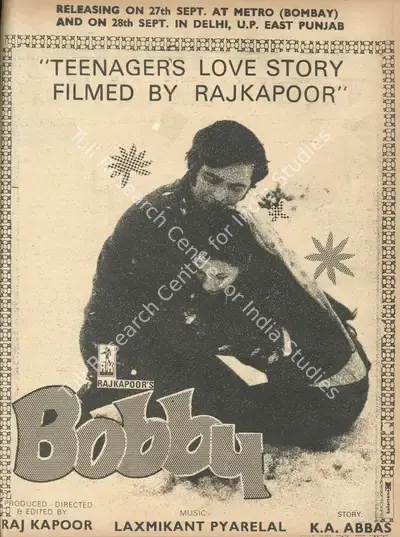
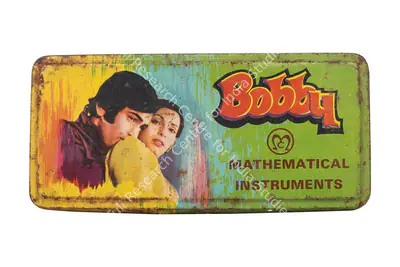
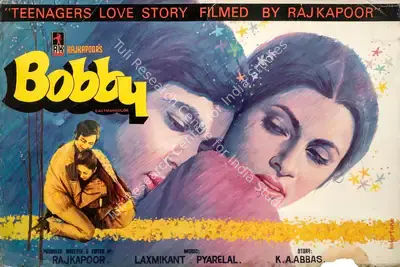
Born in Bombay to the Gujarati businessman Chunibhai Kapadia and his wife Bitti, Kapadia was raised in an affluent milieu that nevertheless intersected with the film industry through her father's social networks. Educated at St Joseph's Convent High School in Santacruz, she displayed an early inclination toward performance. At the age of fourteen, she was discovered by Raj Kapoor, who cast her in Bobby 1973 opposite Rishi Kapoor. The film, a romantic drama exploring class divides through the relationship between two adolescents, achieved extraordinary commercial success, becoming one of the highest-grossing films of its era and establishing Kapadia as an overnight star.
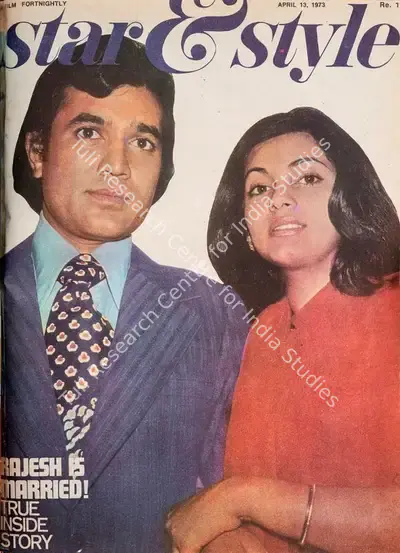
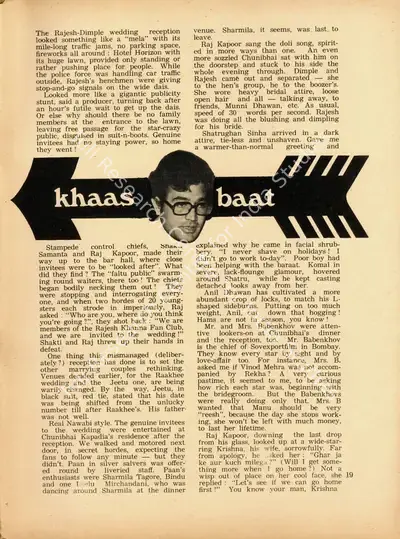
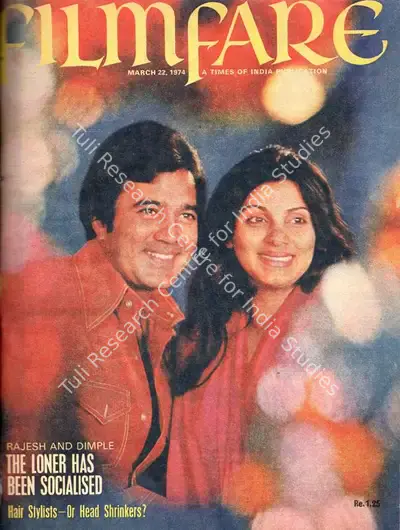
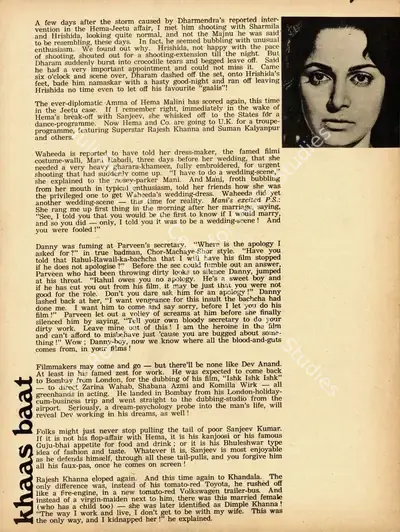
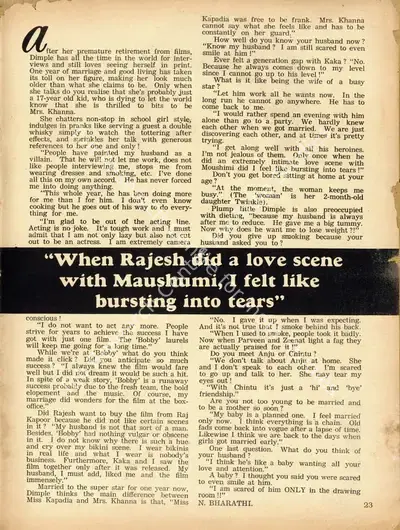
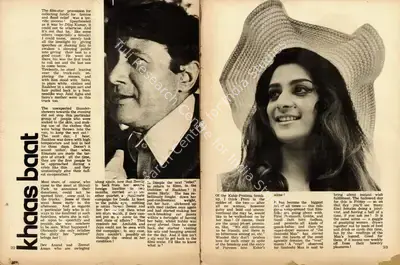
In a move that surprised the industry, she withdrew from acting shortly before the film's release following her marriage to the leading actor Rajesh Khanna in 1973. During this period, she devoted herself to family life, raising her daughters Twinkle and Rinke Khanna. Her absence from cinema extended over a decade, ending after her separation from Khanna in the early 1980s.
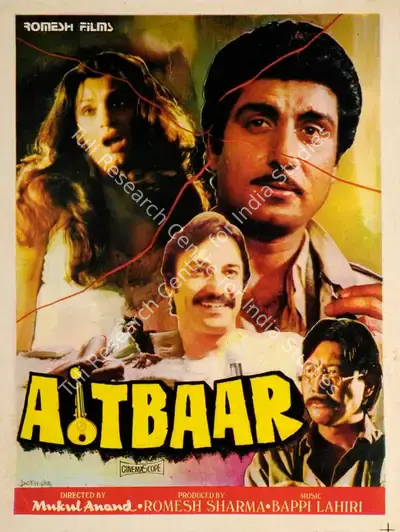
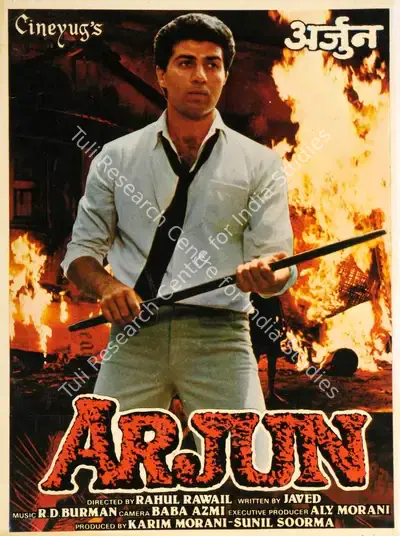
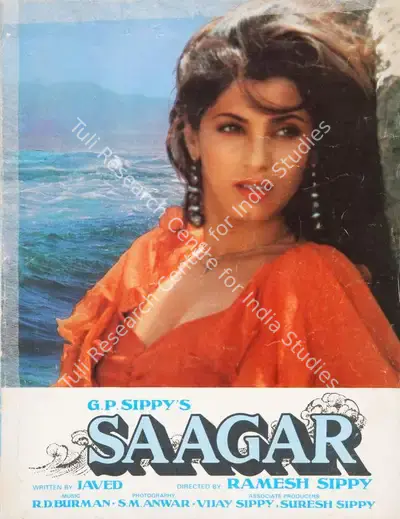
Kapadia's return to the screen marked a significant transformation in her artistic trajectory. Her comeback vehicle, Saagar 1985, directed by Ramesh Sippy, reunited her with Rishi Kapoor and garnered both critical acclaim and commercial success, earning her a Filmfare Award for Best Actress. Subsequent films such as Manzil Manzil 1984, Aitbaar 1985, and Arjun 1985 reintroduced her to audiences, but it was her deliberate shift toward more complex and layered roles that defined her second phase.
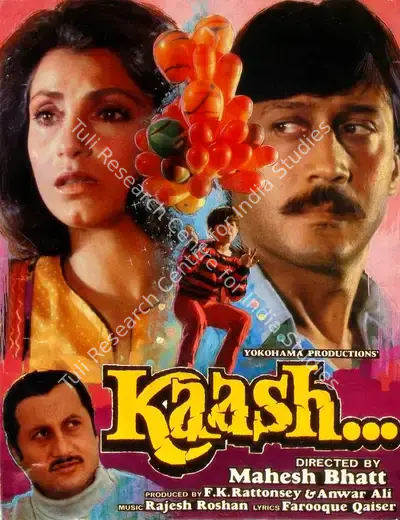
Throughout the late 1980s and early 1990s, Kapadia demonstrated a conscious departure from roles centred primarily on glamour, instead embracing characters marked by psychological depth and social realism. Films such as Kaash 1987, Drishti 1990, Lekin. 1991, and Rudaali 1993 exemplify this evolution. Her portrayal of a professional mourner in Rudaali 1993 earned her the National Film Award for Best Actress, consolidating her reputation as a performer of exceptional range. Parallel to these, she maintained a presence in mainstream cinema with supporting roles in Prahaar 1991, Angaar 1992, Gardish 1993, and Krantiveer 1994, the last earning her a Filmfare Award for Best Supporting Actress.
From the late 1990s onward, Kapadia adopted a more selective approach to her work, appearing in films that often interrogated age, desire, and identity. Notable among these films were Dil Chahta Hai 2001, Leela 2002, and the English-language independent film Being Cyrus 2006. Her later performances in Luck by Chance2009, Dabangg 2010, Cocktail 2012, and Finding Fanny 2014 further underscored her adaptability within evolving cinematic contexts.
In recent years, Kapadia has extended her presence to international and digital platforms, appearing in Christopher Nolan's Tenet 2020, the action spectacle Pathaan 2023, and the streaming series Saas, Bahu Aur Flamingo 2023. Alongside her acting career, she has pursued artistic interests in painting and sculpture and established a candle-making enterprise, reflecting a multifaceted creative identity.
Kapadia's enduring legacy lies in her capacity for reinvention, moving from a teenage icon to a mature performer of considerable depth, thereby securing her place among the most significant actresses in Indian cinema
मुंबई में गुजराती व्यापारी चुन्नीभाई कपाड़िया और उनकी पत्नी बिट्टी के घर जन्मीं कपाड़िया एक समृद्ध परिवार में पली-बढ़ीं। उनके पिता के सामाजिक संपर्कों के वजह से फ़िल्म उद्योग से गहरा संबंध था। सांताक्रूज़ के सेंट जोसेफ़ कॉन्वेंट हाई स्कूल में शिक्षा प्राप्त करने के दौरान, उनका रुझान बचपन से अभिनय के प्रति था। चौदह वर्ष की आयु में, राज कपूर ने उनके हूनर को परखा और उन्हें ऋषि कपूर के साथ फ़िल्म 'बॉबी' (1973) में कास्ट किया। यह फ़िल्म, दो किशोरों के संबंधों के माध्यम से वर्ग भेद को दर्शाने वाला एक रोमांटिक ड्रामा थी, जिसने असाधारण व्यावसायिक सफलता हासिल की और अपने समय की सबसे अधिक कमाई करने वाली फ़िल्मों में से एक बन गई, जिससे कपाड़िया रातोंरात स्टार बन गईं।
फ़िल्म जगत को चौंका देने वाले एक कदम में, उन्होंने 1973 में प्रमुख अभिनेता राजेश खन्ना से शादी के बाद फ़िल्म की रिलीज़ होने के कुछ समय पहले ही अभिनय से संन्यास ले लिया। इस दौरान उन्होंने अपना पूरा समय पारिवारिक जीवन को समर्पित कर दिया और अपनी बेटियों ट्विंकल और रिंकी खन्ना की परवरिश की। सिनेमा से उनकी अनुपस्थिति एक दशक से अधिक समय तक चली और 1980 के दशक की शुरुआत में खन्ना से अलग होने के बाद समाप्त हुई।
कपाड़िया की सिनेमा में वापसी ने उनके कलात्मक सफ़र में एक महत्वपूर्ण बदलाव ला दिया। रमेश सिप्पी द्वारा निर्देशित उनकी वापसी फ़िल्म 'सागर' (1985) में उन्होंने ऋषि कपूर के साथ फ़िर से काम किया और फ़िल्म को आलोचकों की प्रशंसा और व्यावसायिक सफलता दोनों मिली, जिसके लिए उन्हें सर्वश्रेष्ठ अभिनेत्री का फ़िल्मफ़ेयर पुरस्कार मिला। इसके बाद 'मंज़िल मंज़िल' (1984), 'ऐतबार' (1985) और 'अर्जुन' (1985) जैसी फ़िल्मों ने उन्हें दर्शकों के बीच फ़िर से स्थापित किया, लेकिन जटिल और बहुआयामी भूमिकाओं की ओर उनका जानबूझकर किया गया बदलाव ही उनके दूसरे चरण की पहचान बना।
1980 के दशक के अंत और 1990 के दशक के आरंभिक वर्षों में कपाड़िया ने ग्लैमर आधारित भूमिकाओं से हटकर मनोवैज्ञानिक गहराई और सामाजिक यथार्थवाद से भरपूर किरदारों को अपनाना शुरू किया। काश (1987), दृष्टि (1990), लेकिन (1991) और रुदाली (1993) जैसी फ़िल्में इस विकास का उदाहरण हैं। रुदाली (1993) में एक पेशेवर मातम मनाने वाली महिला के रूप में उनके अभिनय ने उन्हें सर्वश्रेष्ठ अभिनेत्री का राष्ट्रीय फ़िल्म पुरस्कार दिलाया, जिससे एक बहुमुखी कलाकार के रूप में उनकी प्रतिष्ठा और मज़बूत हुई। इसके साथ ही, उन्होंने प्रहार (1991), अंगार (1992), गर्दिश (1993) और क्रांतिवीर (1994) जैसी सहायक भूमिकाओं के साथ मुख्यधारा के सिनेमा में भी अपनी उपस्थिति बनाए रखी, क्रांतिवीर के लिए उन्हें सर्वश्रेष्ठ सहायक अभिनेत्री का फ़िल्मफ़ेयर पुरस्कार मिला।
1990 के दशक के अंत से, कपाड़िया ने अपने काम के प्रति अधिक चयनात्मक दृष्टिकोण अपनाया और ऐसी फ़िल्मों में अभिनय किया जो अक्सर उम्र, इच्छा और पहचान जैसे विषयों पर सवाल उठाती थीं। इन फ़िल्मों में उल्लेखनीय हैं: दिल चाहता है (2001), लीला (2002) और अंग्रेजी भाषा की स्वतंत्र फ़िल्म बीइंग साइरस (2006)। बाद में उनकी फ़िल्मों जैसे लक बाइ चांस (2009), दबंग (2010), कॉकटेल (2012) और फाइंडिंग फैनी (2014) ने बदलते सिनेमाई परिवेश में उनकी ढ़लने की क्षमता को भी रेखांकित किया।
हाल के वर्षों में कपाड़िया ने अंतरराष्ट्रीय और डिजिटल प्लेटफार्मों पर अपनी उपस्थिति को बढ़ाया है, और क्रिस्टोफ़र नोलन की फ़िल्म टेनेट (2020), एक्शन से भरपूर फ़िल्म पठान (2023), और स्ट्रीमिंग सीरीज़ सास, बहू और फ्लेमिंगो (2023) में दिखाई दी हैं। अपने अभिनय करियर के साथ-साथ, उन्होंने पेंटिंग और मूर्तिकला में कलात्मक रुचि विकसित की है और मोमबत्ती बनाने का एक उद्यम स्थापित किया है, जो उनकी बहुआयामी रचनात्मक पहचान को दर्शाता है।
कपाड़िया की स्थायी विरासत उनकी खुद को नए रूप में ढालने की क्षमता में निहित है, एक किशोरी आइकन से एक परिपक्व और गहन कलाकार के रूप में उनका सफ़र तय करते हुए, उन्होंने भारतीय सिनेमा की सबसे महत्वपूर्ण अभिनेत्रियों में अपना स्थान सुरक्षित कर लिया।
- Age
- 67
Filmography 76

Research Centre





Related
49
Personalities
29
Films
20