Shamshad Begum
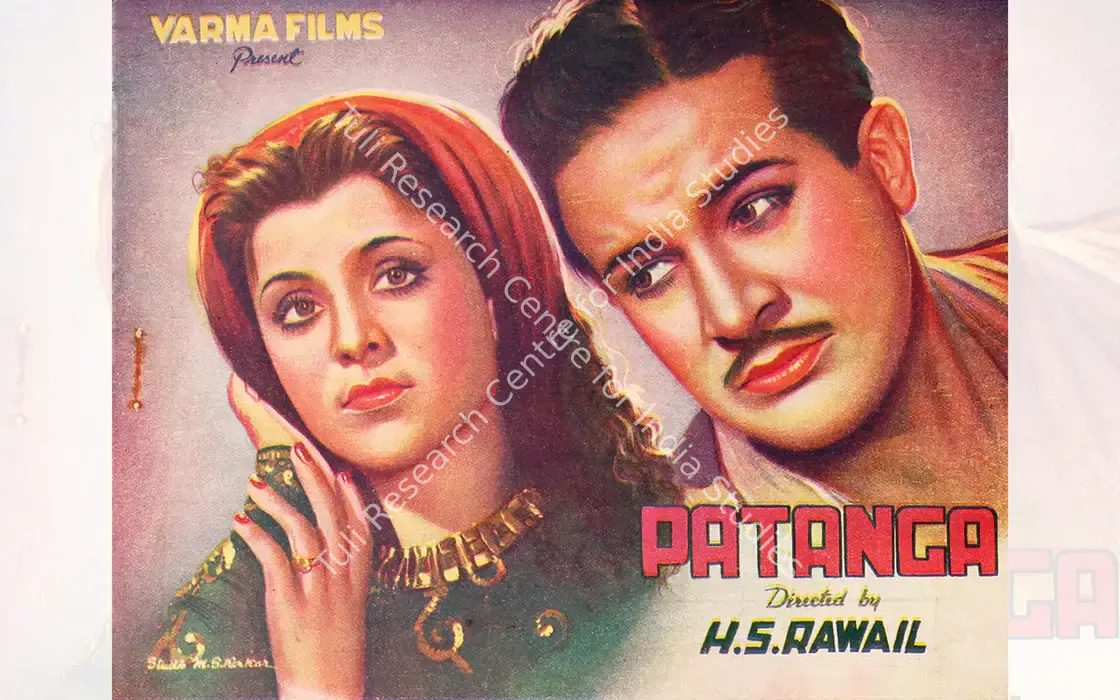
Shamshad Begum (14 April 1919 – 23 April 2013) was among the earliest and most influential playback singers in the Hindi film industry, widely regarded as a pioneering figure of its so-called Golden Age (1940s–1960s). Known for her distinctive, resonant voice and remarkable range, she recorded over 6,000 songs across multiple languages, including Hindustani, Bengali, Marathi, Gujarati, Tamil, and Punjabi; of these, approximately 1,287 were Hindi film songs. Her long and productive career included collaborations with leading composers such as Ghulam Haider, Naushad, O. P. Nayyar, C. Ramchandra, and S. D. Burman. Many of her recordings, produced between the 1940s and early 1970s, remain culturally resonant and continue to circulate in remixed and archival forms. Begum was born in Lahore, then part of British India, into a conservative Punjabi Muslim family. Her birth occurred in the immediate aftermath of the Jallianwala Bagh massacre, situating her early life within a period of political turbulence. Despite limited financial means—her father, Mian Hussain Baksh, worked as a mechanic—she demonstrated musical promise from a young age. By twelve, she was performing at weddings and community gatherings, although her family imposed strict conditions on her public appearances, including recording in a burqa and avoiding photography. A decisive moment in her career came in 1931, when Ghulam Haider recognised her talent and offered her a recording contract. This early endorsement enabled her to enter elite musical circles despite the absence of formal training. Her subsequent broadcasts on All India Radio in the late 1930s significantly expanded her audience and facilitated her transition into cinema. By the early 1940s, she had established herself as a leading playback singer, contributing to successful films such as Khazanchi (1941) and Khandan (1942). Between 1940 and 1955, she attained national prominence and became one of the highest-paid female playback singers in India. Begum's voice played a formative role in shaping the soundscape of early Hindi cinema. She demonstrated notable stylistic versatility, including participation in one of the earliest Western-influenced Hindi film songs, Meri Jaan… Sunday Ke Sunday. Her collaborations with major composers not only produced enduring hits but also contributed to their professional recognition. In particular, Naushad acknowledged her importance in establishing his reputation in the industry. Her influence extended to subsequent generations of singers. Emerging artists such as Lata Mangeshkar and Asha Bhosle were frequently encouraged to emulate her vocal style during their formative years, underscoring her impact on evolving playback aesthetics. Following the death of her husband, Ganpat Lal Batto, in 1955, Begum temporarily withdrew from professional activity. Nevertheless, she returned with a notable contribution to Mother India (1957), reaffirming her artistic stature. In later life, she adopted a reclusive lifestyle, largely withdrawing from public attention while her recordings continued to enjoy popularity on radio and in public memory. In recognition of her contributions to Indian music, she was awarded the Padma Bhushan in 2009. Begum died in Mumbai in 2013 at the age of 94. Her legacy endures as foundational to the development of playback singing and the musical identity of Hindi cinema.
Shamshad Begum (14 April 1919 – 23 April 2013) was among the earliest and most influential playback singers in the Hindi film industry, widely regarded as a pioneering figure of its so-called Golden Age (1940s–1960s). Known for her distinctive, resonant voice and remarkable range, she recorded over 6,000 songs across multiple languages, including Hindustani, Bengali, Marathi, Gujarati, Tamil, and Punjabi; of these, approximately 1,287 were Hindi film songs. Her long and productive career included collaborations with leading composers such as Ghulam Haider, Naushad, O. P. Nayyar, C. Ramchandra, and S. D. Burman. Many of her recordings, produced between the 1940s and early 1970s, remain culturally resonant and continue to circulate in remixed and archival forms. Begum was born in Lahore, then part of British India, into a conservative Punjabi Muslim family. Her birth occurred in the immediate aftermath of the Jallianwala Bagh massacre, situating her early life within a period of political turbulence. Despite limited financial means—her father, Mian Hussain Baksh, worked as a mechanic—she demonstrated musical promise from a young age. By twelve, she was performing at weddings and community gatherings, although her family imposed strict conditions on her public appearances, including recording in a burqa and avoiding photography. A decisive moment in her career came in 1931, when Ghulam Haider recognised her talent and offered her a recording contract. This early endorsement enabled her to enter elite musical circles despite the absence of formal training. Her subsequent broadcasts on All India Radio in the late 1930s significantly expanded her audience and facilitated her transition into cinema. By the early 1940s, she had established herself as a leading playback singer, contributing to successful films such as Khazanchi (1941) and Khandan (1942). Between 1940 and 1955, she attained national prominence and became one of the highest-paid female playback singers in India. Begum's voice played a formative role in shaping the soundscape of early Hindi cinema. She demonstrated notable stylistic versatility, including participation in one of the earliest Western-influenced Hindi film songs, Meri Jaan… Sunday Ke Sunday. Her collaborations with major composers not only produced enduring hits but also contributed to their professional recognition. In particular, Naushad acknowledged her importance in establishing his reputation in the industry. Her influence extended to subsequent generations of singers. Emerging artists such as Lata Mangeshkar and Asha Bhosle were frequently encouraged to emulate her vocal style during their formative years, underscoring her impact on evolving playback aesthetics. Following the death of her husband, Ganpat Lal Batto, in 1955, Begum temporarily withdrew from professional activity. Nevertheless, she returned with a notable contribution to Mother India (1957), reaffirming her artistic stature. In later life, she adopted a reclusive lifestyle, largely withdrawing from public attention while her recordings continued to enjoy popularity on radio and in public memory. In recognition of her contributions to Indian music, she was awarded the Padma Bhushan in 2009. Begum died in Mumbai in 2013 at the age of 94. Her legacy endures as foundational to the development of playback singing and the musical identity of Hindi cinema.
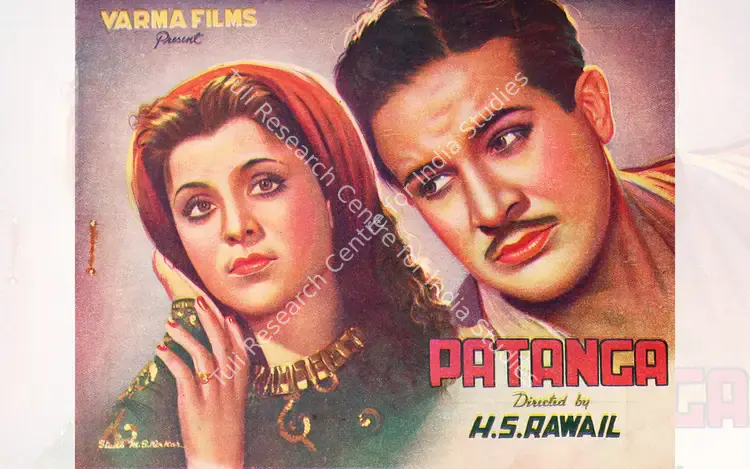
Shamshad Begum (14 April 1919 – 23 April 2013) was among the earliest and most influential playback singers in the Hindi film industry, widely regarded as a pioneering figure of its so-called Golden Age (1940s–1960s). Known for her distinctive, resonant voice and remarkable range, she recorded over 6,000 songs across multiple languages, including Hindustani, Bengali, Marathi, Gujarati, Tamil, and Punjabi; of these, approximately 1,287 were Hindi film songs. Her long and productive career included collaborations with leading composers such as Ghulam Haider, Naushad, O. P. Nayyar, C. Ramchandra, and S. D. Burman. Many of her recordings, produced between the 1940s and early 1970s, remain culturally resonant and continue to circulate in remixed and archival forms.
Begum was born in Lahore, then part of British India, into a conservative Punjabi Muslim family. Her birth occurred in the immediate aftermath of the Jallianwala Bagh massacre, situating her early life within a period of political turbulence. Despite limited financial means—her father, Mian Hussain Baksh, worked as a mechanic—she demonstrated musical promise from a young age. By twelve, she was performing at weddings and community gatherings, although her family imposed strict conditions on her public appearances, including recording in a burqa and avoiding photography.
A decisive moment in her career came in 1931, when Ghulam Haider recognised her talent and offered her a recording contract. This early endorsement enabled her to enter elite musical circles despite the absence of formal training. Her subsequent broadcasts on All India Radio in the late 1930s significantly expanded her audience and facilitated her transition into cinema. By the early 1940s, she had established herself as a leading playback singer, contributing to successful films such as Khazanchi (1941) and Khandan (1942). Between 1940 and 1955, she attained national prominence and became one of the highest-paid female playback singers in India.
Begum's voice played a formative role in shaping the soundscape of early Hindi cinema. She demonstrated notable stylistic versatility, including participation in one of the earliest Western-influenced Hindi film songs, Meri Jaan… Sunday Ke Sunday. Her collaborations with major composers not only produced enduring hits but also contributed to their professional recognition. In particular, Naushad acknowledged her importance in establishing his reputation in the industry.
Her influence extended to subsequent generations of singers. Emerging artists such as Lata Mangeshkar and Asha Bhosle were frequently encouraged to emulate her vocal style during their formative years, underscoring her impact on evolving playback aesthetics.
Following the death of her husband, Ganpat Lal Batto, in 1955, Begum temporarily withdrew from professional activity. Nevertheless, she returned with a notable contribution to Mother India (1957), reaffirming her artistic stature. In later life, she adopted a reclusive lifestyle, largely withdrawing from public attention while her recordings continued to enjoy popularity on radio and in public memory.
In recognition of her contributions to Indian music, she was awarded the Padma Bhushan in 2009. Begum died in Mumbai in 2013 at the age of 94. Her legacy endures as foundational to the development of playback singing and the musical identity of Hindi cinema.
Introduction
Filmography


Taqdeer | Hindi | Playback Singer
Feature | Fiction | Black and White | Booklet
Humayun | Hindi | Playback Singer
Feature | Fiction | Black and White | Booklet
Anmol Ghadi | Hindi | Playback Singer
Feature | Fiction | Black and White | Booklet
Duniya Ek Sarai | Hindi | Playback Singer
Feature | Fiction | Black and White | Booklet
Shahjehan | Hindi | Playback Singer
Feature | Fiction | Black and White | Booklet
Jugnu | Hindi | Playback Singer
Fiction | Booklet
Dard | Hindi | Playback Singer
Feature | Fiction | Black and White | Booklet
Mehandi | Hindi | Playback Singer
Feature | Fiction | Black and White
Anjuman | Hindi | Playback Singer
Feature | Fiction | Black and White
Anokhi Ada | Hindi | Playback Singer
Feature | Fiction | Black and White | Booklet
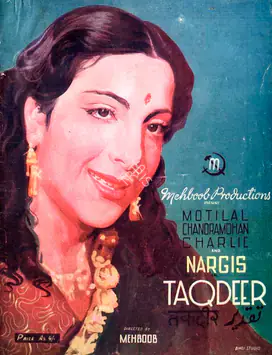
Mehboob (Producer), Taqdeer, 1943 | Song-Synopsis Booklet

Mehboob (Producer), Humayun, 1945 | Song-Synopsis Booklet
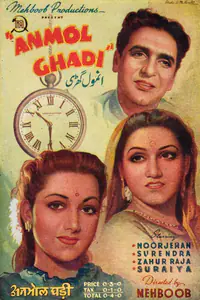
Mehboob (Producer), Anmol Ghadi, 1946 | Song-Synopsis Booklet
Research Centre
Sort By | Year (ASC)

Mehboob (Producer), Taqdeer, 1943 | Showcard

Mehboob (Producer), Taqdeer, 1943 | Showcard

Mehboob (Producer), Taqdeer, 1943 | Showcard

Mehboob (Producer), Taqdeer, 1943 | Showcard

Mehboob (Producer), Taqdeer, 1943 | Showcard

Mehboob (Producer), Taqdeer, 1943 | Showcard
Mehboob (Producer), Humayun, 1945 | Song-Synopsis Booklet

Irani, Faredoon A. (Cinematographer), Humayun, 1945 | Lobby Card

Irani, Faredoon A. (Cinematographer), Humayun, 1945 | Photographic Still

Irani, Faredoon A. (Cinematographer), Humayun, 1945 | Photographic Still
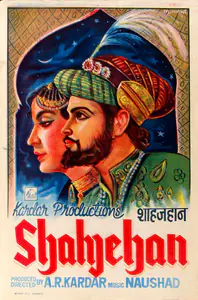
Manohar (Designer), Shahjehan, 1946 | Half Sheet Poster
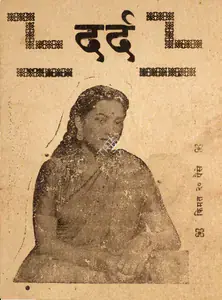
Kardar, A.R. (Producer), Dard, 1947 | Cyclostyled Lyrics Leaflet
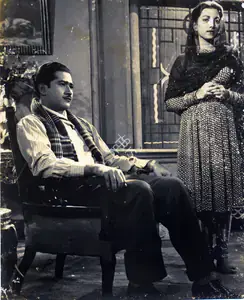
Kardar, A.R. (Producer), Dard, 1947 | Photographic Still
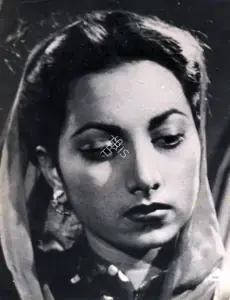
Kardar, A.R. (Producer), Dard, 1947 | Photographic Still
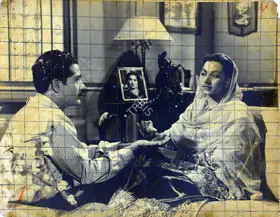
Kardar, A.R. (Producer), Dard, 1947 | Photographic Still
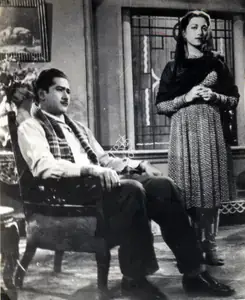
Kardar, A.R. (Producer), Dard, 1947 | Photographic Still
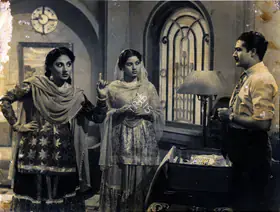
Kardar, A.R. (Producer), Dard, 1947 | Photographic Still

Mehboob (Producer), Anokhi Ada, 1948 | Song-Synopsis Booklet

Kapoor, Raj (Producer), Aag, 1948 | Song-Synopsis Booklet
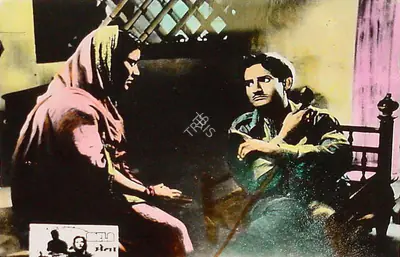
Mistry, Fali (Cinematographer), Mela, 1948 | Lobby Card
Loading...
Sort By | Year (ASC)

Plaudits from Press All Over India. In Blitz. 02 August 1952 | Film Review | 00144157
Close-Ups and Long Shots. In Blitz. 02 August 1952 | Film Review | 00144156
At Aan's Bombay Premiere…. In Blitz. 02 August 1952 | Film Review | 00144155

Aan . In Blitz. 26 July 1952 | Film Review | 00144153
No more items to load
Sort By | Year (ASC)
Mehboob (Producer), Taqdeer, 1943 | Showcard
Mehboob (Producer), Taqdeer, 1943 | Showcard
Mehboob (Producer), Taqdeer, 1943 | Showcard
Mehboob (Producer), Taqdeer, 1943 | Showcard
Mehboob (Producer), Taqdeer, 1943 | Showcard
Mehboob (Producer), Taqdeer, 1943 | Showcard
Mehboob (Producer), Humayun, 1945 | Song-Synopsis Booklet
Irani, Faredoon A. (Cinematographer), Humayun, 1945 | Lobby Card
Irani, Faredoon A. (Cinematographer), Humayun, 1945 | Photographic Still
Irani, Faredoon A. (Cinematographer), Humayun, 1945 | Photographic Still
Manohar (Designer), Shahjehan, 1946 | Half Sheet Poster
Kardar, A.R. (Producer), Dard, 1947 | Cyclostyled Lyrics Leaflet
Kardar, A.R. (Producer), Dard, 1947 | Photographic Still
Kardar, A.R. (Producer), Dard, 1947 | Photographic Still
Kardar, A.R. (Producer), Dard, 1947 | Photographic Still
Kardar, A.R. (Producer), Dard, 1947 | Photographic Still
Kardar, A.R. (Producer), Dard, 1947 | Photographic Still
Mehboob (Producer), Anokhi Ada, 1948 | Song-Synopsis Booklet
Kapoor, Raj (Producer), Aag, 1948 | Song-Synopsis Booklet
Mistry, Fali (Cinematographer), Mela, 1948 | Lobby Card
No more items to load

EN
EN