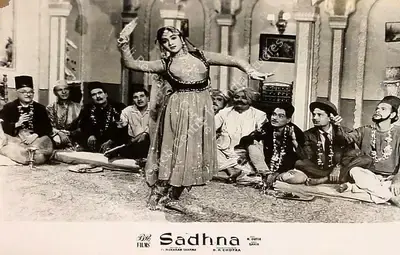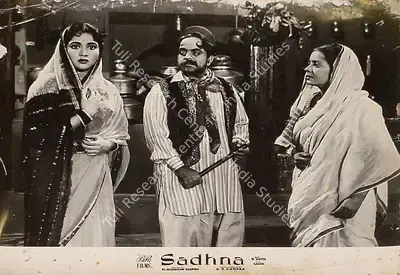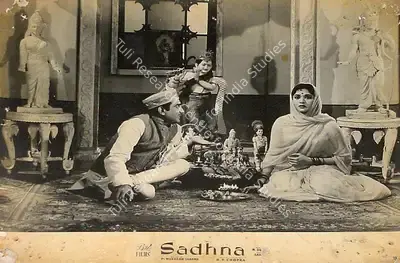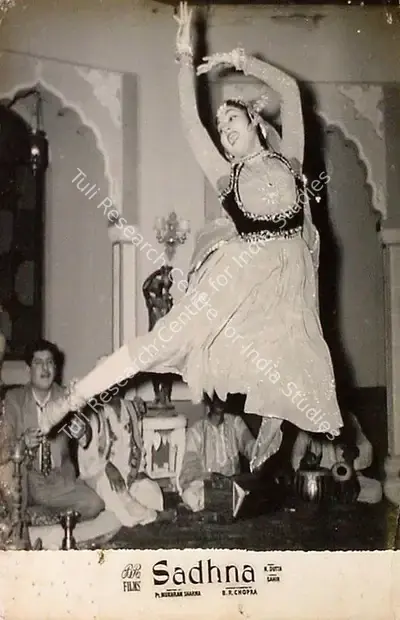

Sadhana

Sadhana
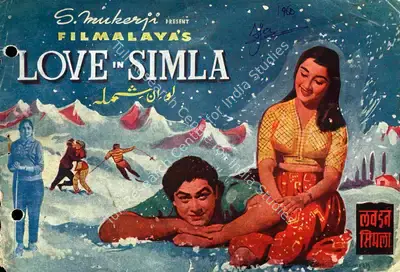
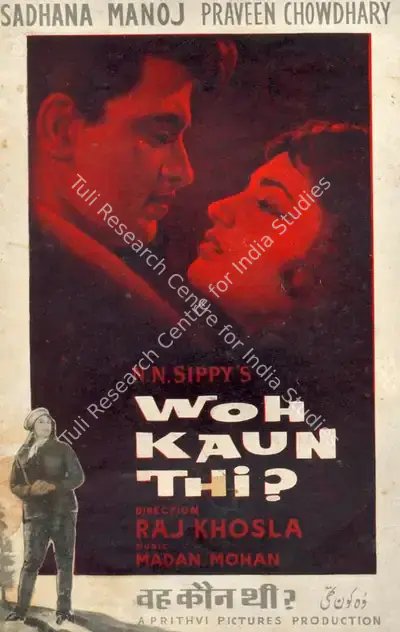
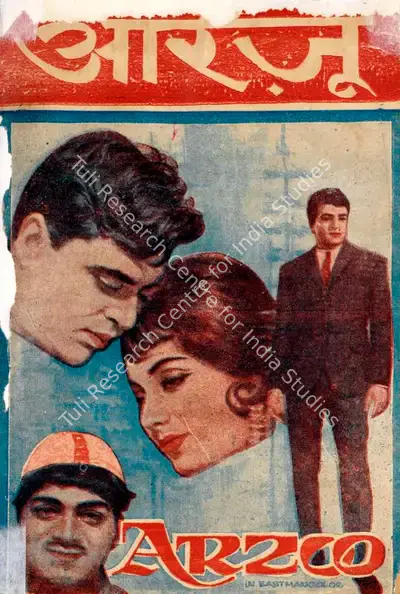
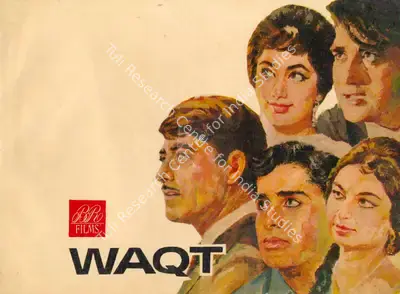
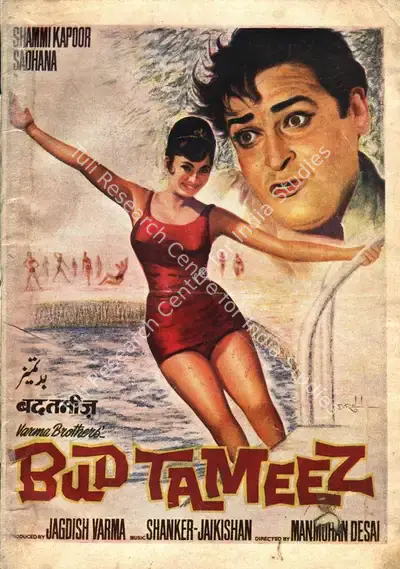
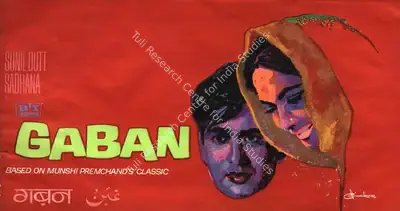
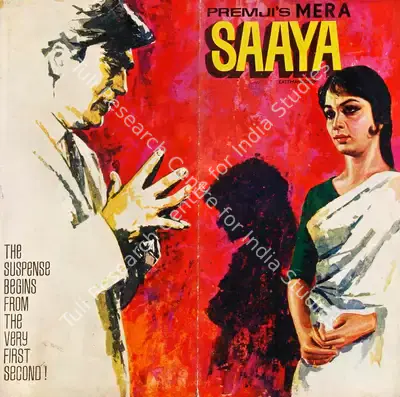
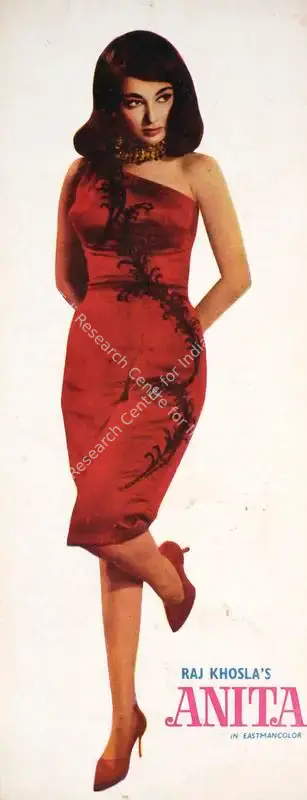
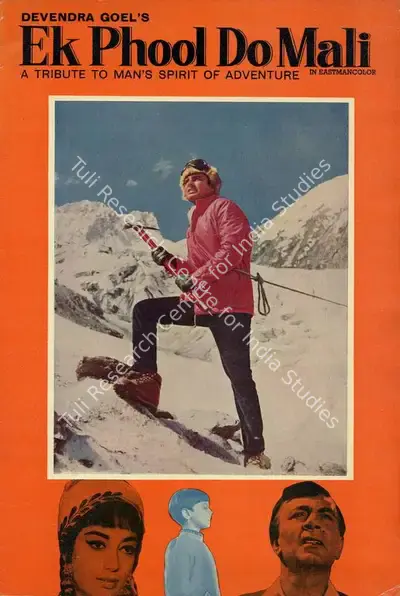
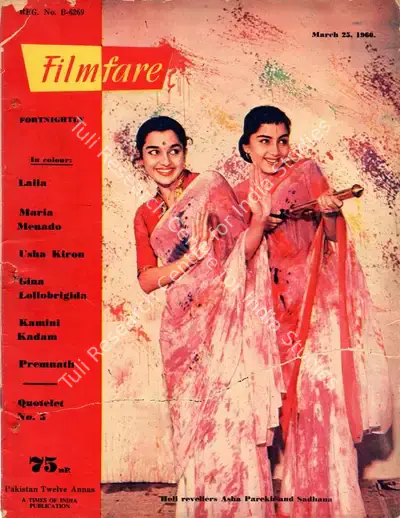
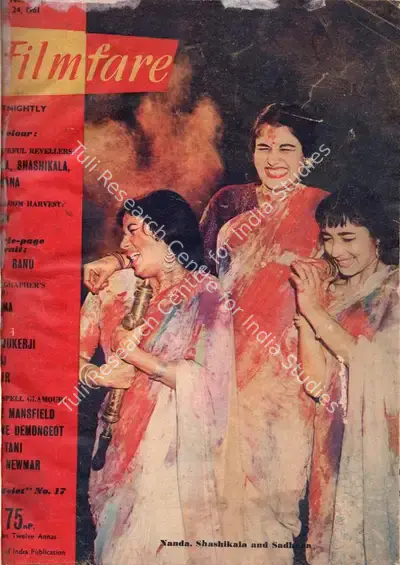
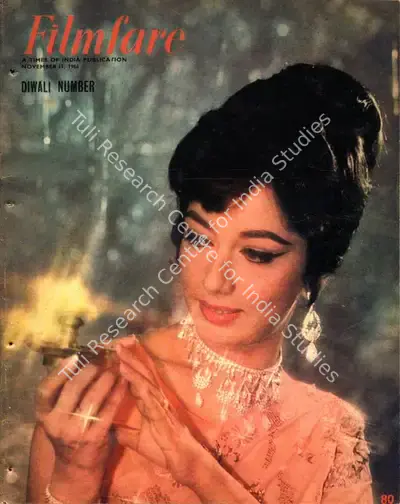
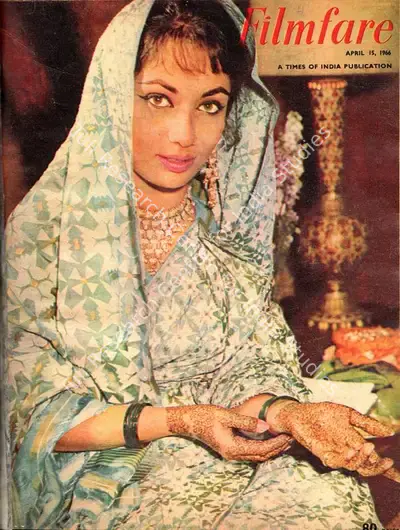
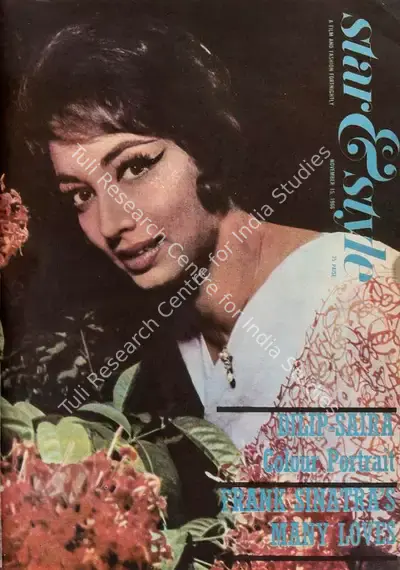
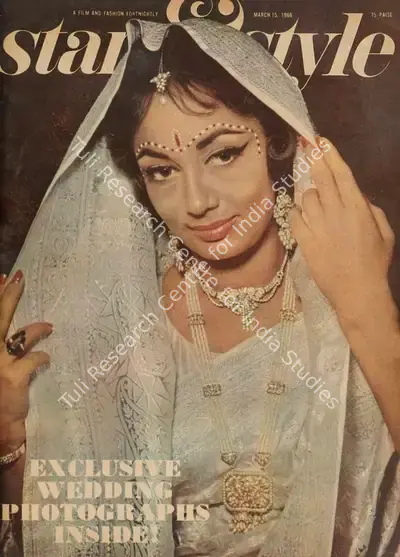
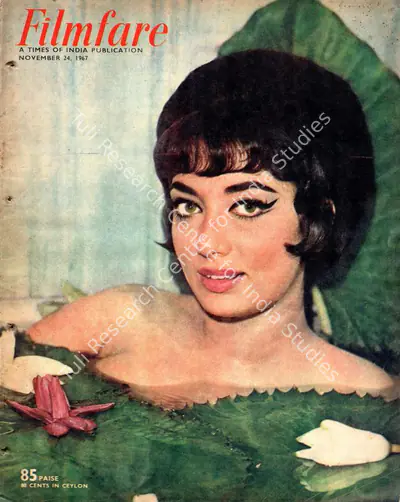
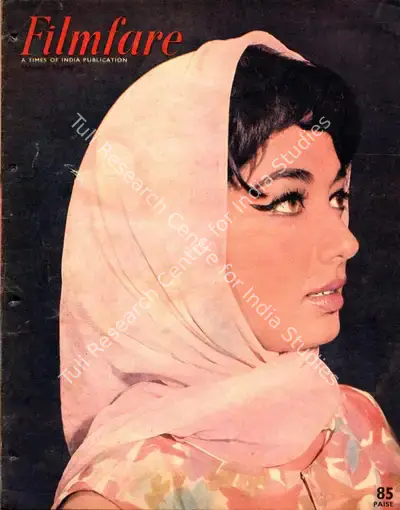
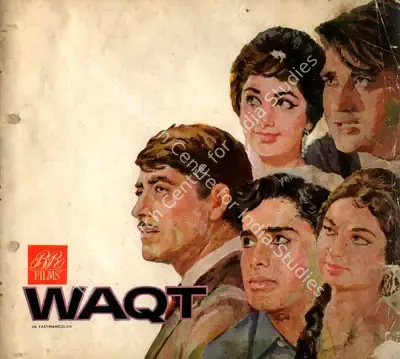
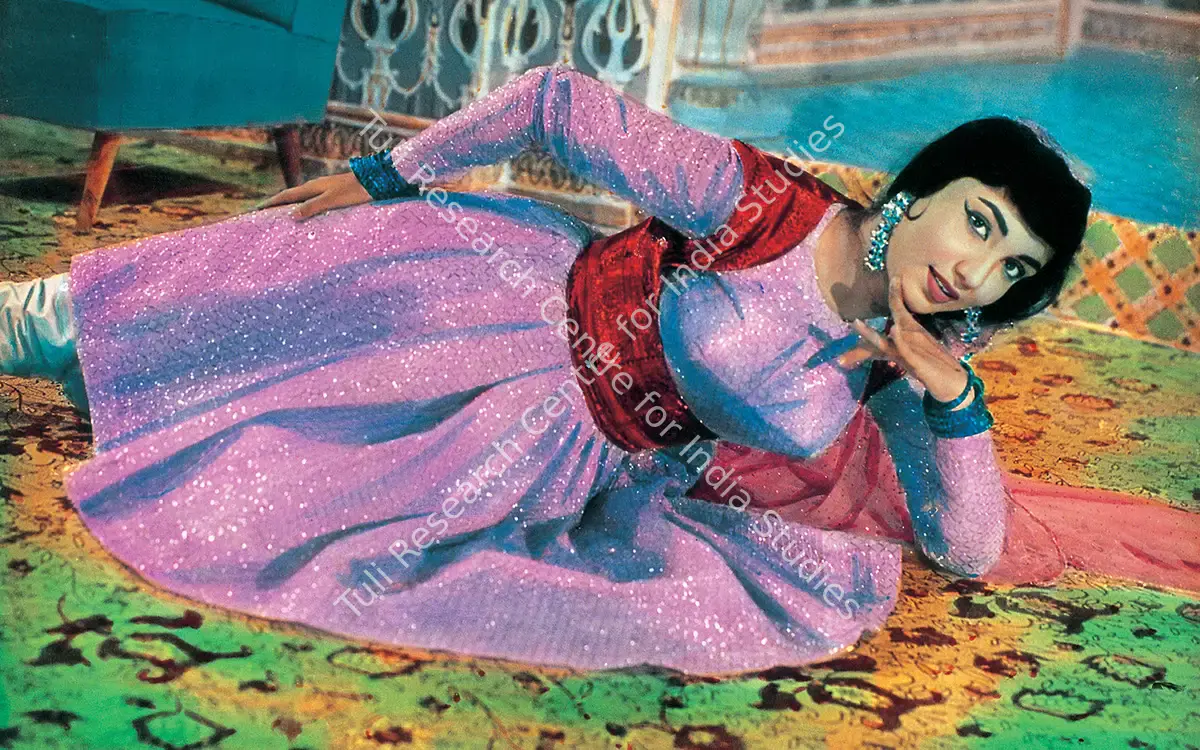
Sadhana Shivdasani (2 September 1941 – 25 December 2015) known mononymously as Sadhana, she remains an icon of Hindi cinema, celebrated for her ethereal beauty, trend-setting style, and formidable screen presence. Born in Karachi into a Sindhi Hindu family, she migrated with her family to Bombay following the Partition of India. Initially home-schooled, she later attended Auxilium Convent School and Jai Hind College, where she discovered her passion for performance, participating in plays while supporting her family as a typist. Sadhana's cinematic journey began with an uncredited role in Shree 420 (1955), but her first major break came with Abaana (1958), India's first Sindhi film, where she played a supporting role. Discovered by producer Sashadhar Mukherjee, she trained at his acting school alongside Joy Mukherjee, eventually debuting in a leading role in Love in Simla (1960) under the direction of R. K. Nayyar, who later became her husband. Here, Sadhana introduced the iconic fringe hairstyle, popularly known as the Sadhana cut, inspired by Audrey Hepburn. The film was a commercial hit and established her as a fashion trendsetter. Her subsequent work in Parakh (1960) directed by Bimal Roy, Hum Dono (1961), Asli-Naqli (1962), and Ek Musafir Ek Haseena (1962) consolidated her reputation as a versatile performer. Sadhana gained the moniker "Mystery Girl" through her collaboration with Raj Khosla in the suspense-thriller trilogy comprising Woh Kaun Thi? (1964), Mera Saaya (1966), and Anita (1967). She continued to set trends with her fashion choices, notably introducing tight churidar-kurtas in Yash Chopra's ensemble Waqt (1965), influencing styles through the 1970s. Despite health challenges due to hyperthyroidism in the late 1960s, she returned with hits like Ek Phool Do Mali (1969) and Intaqam (1969). She made her directorial debut with Geetaa Mera Naam (1974) before gradually withdrawing from acting. Her final film appearance was in the delayed release Ulfat Ki Nayi Manzilein (1994). Sadhana received the IIFA Lifetime Achievement Award in 2002. Married to R. K. Nayyar in 1966, their union lasted until his death in 1995. Childless, she lived a reclusive life in Mumbai, remaining close to contemporaries such as Asha Parekh, Waheeda Rehman, Nanda, Shammi, and Helen. Widely regarded as one of Hindi cinema's most remarkable actresses, she appeared five times on Box Office India's Top Actresses list in the 1960s, topping it twice, and was ranked eighth in a 2011 poll of the greatest actresses of all time. Sadhana was admitted to Hinduja Hospital on 24 December 2015 and died the following day at the age of 74. While the precise cause of her illness was not officially disclosed, media reports indicated she had succumbed to cancer, leaving behind a legacy defined by elegance, innovation, and cinematic excellence.
Sadhana
Sadhana Shivdasani (2 September 1941 – 25 December 2015) known mononymously as Sadhana, she remains an icon of Hindi cinema, celebrated for her ethereal beauty, trend-setting style, and formidable screen presence. Born in Karachi into a Sindhi Hindu family, she migrated with her family to Bombay following the Partition of India. Initially home-schooled, she later attended Auxilium Convent School and Jai Hind College, where she discovered her passion for performance, participating in plays while supporting her family as a typist. Sadhana's cinematic journey began with an uncredited role in Shree 420 (1955), but her first major break came with Abaana (1958), India's first Sindhi film, where she played a supporting role. Discovered by producer Sashadhar Mukherjee, she trained at his acting school alongside Joy Mukherjee, eventually debuting in a leading role in Love in Simla (1960) under the direction of R. K. Nayyar, who later became her husband. Here, Sadhana introduced the iconic fringe hairstyle, popularly known as the Sadhana cut, inspired by Audrey Hepburn. The film was a commercial hit and established her as a fashion trendsetter. Her subsequent work in Parakh (1960) directed by Bimal Roy, Hum Dono (1961), Asli-Naqli (1962), and Ek Musafir Ek Haseena (1962) consolidated her reputation as a versatile performer. Sadhana gained the moniker "Mystery Girl" through her collaboration with Raj Khosla in the suspense-thriller trilogy comprising Woh Kaun Thi? (1964), Mera Saaya (1966), and Anita (1967). She continued to set trends with her fashion choices, notably introducing tight churidar-kurtas in Yash Chopra's ensemble Waqt (1965), influencing styles through the 1970s. Despite health challenges due to hyperthyroidism in the late 1960s, she returned with hits like Ek Phool Do Mali (1969) and Intaqam (1969). She made her directorial debut with Geetaa Mera Naam (1974) before gradually withdrawing from acting. Her final film appearance was in the delayed release Ulfat Ki Nayi Manzilein (1994). Sadhana received the IIFA Lifetime Achievement Award in 2002. Married to R. K. Nayyar in 1966, their union lasted until his death in 1995. Childless, she lived a reclusive life in Mumbai, remaining close to contemporaries such as Asha Parekh, Waheeda Rehman, Nanda, Shammi, and Helen. Widely regarded as one of Hindi cinema's most remarkable actresses, she appeared five times on Box Office India's Top Actresses list in the 1960s, topping it twice, and was ranked eighth in a 2011 poll of the greatest actresses of all time. Sadhana was admitted to Hinduja Hospital on 24 December 2015 and died the following day at the age of 74. While the precise cause of her illness was not officially disclosed, media reports indicated she had succumbed to cancer, leaving behind a legacy defined by elegance, innovation, and cinematic excellence.

Introduction


Age

84


Age

84


Filmography

Print
filter
1959

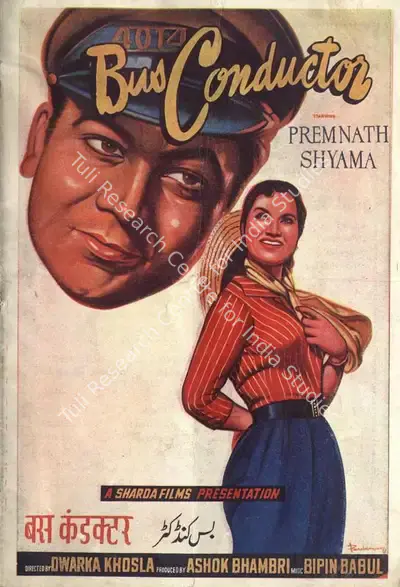
Bus Conductor | Hindi | Actor

Booklet
1960

Love In Simla | Hindi | Actor

Feature | Fiction | Black and White | Booklet
1960

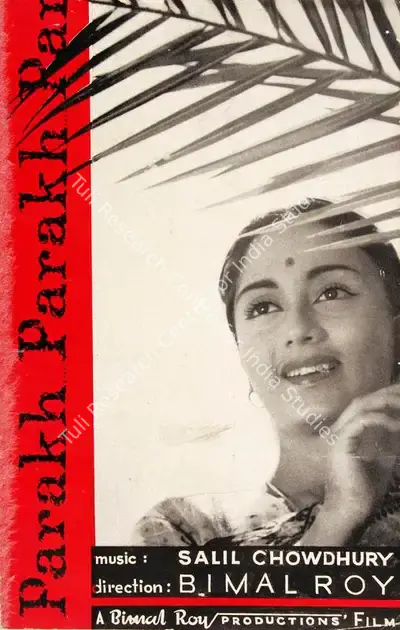
Parakh | Hindi | Actor

Feature | Fiction | Black and White | Booklet
1961

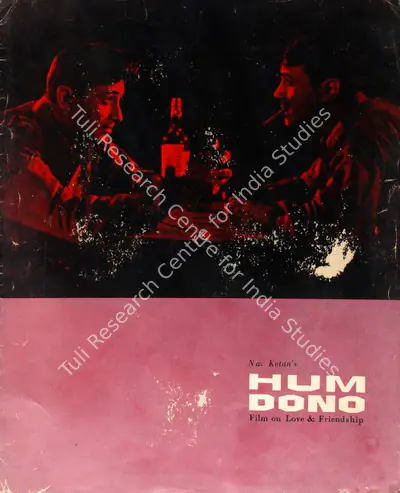
Hum Dono | Hindi | Actor

Fiction | Booklet
1962

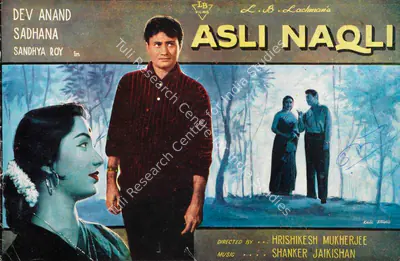
Asli Naqli | Hindi | Actor

Feature | Fiction | Black and White | Booklet
1962

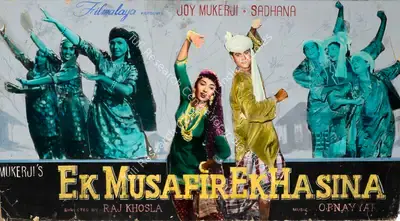
Ek Musafir Ek Hasina | Hindi | Actor

Booklet
1962

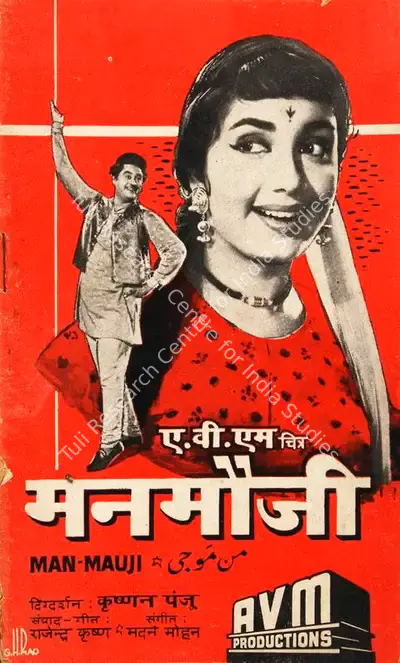
Man Mauji | Hindi | Actor

Feature | Fiction | Black and White | Booklet
1962

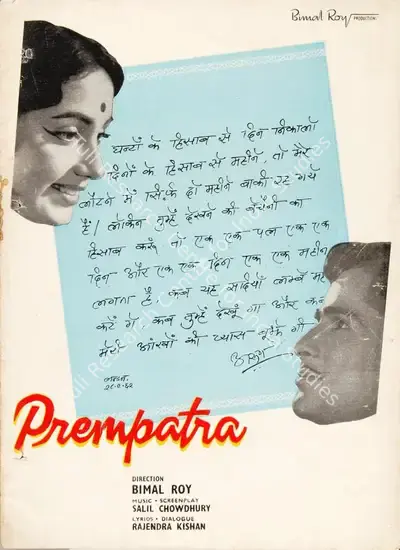
Prem Patra | Hindi | Actor

Feature | Fiction | Black and White | Booklet
1962

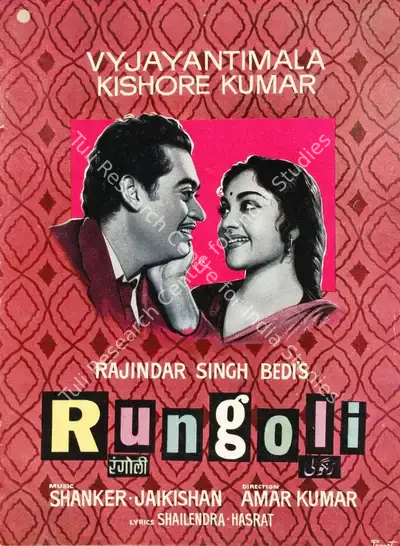
Rungoli | Hindi | Actor

Feature | Fiction | Black and White | Booklet
1963

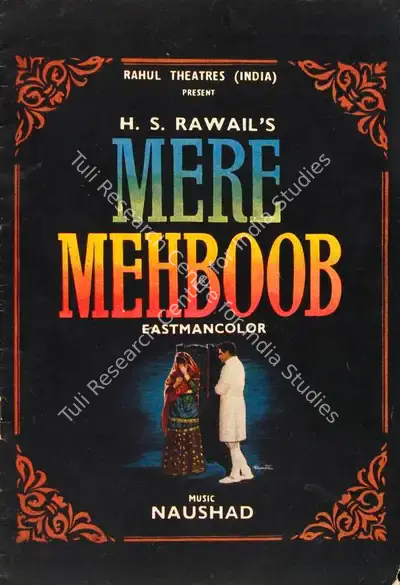
Mere Mehboob | Urdu | Actor

Feature | Fiction | Colour | Booklet

Research Centre
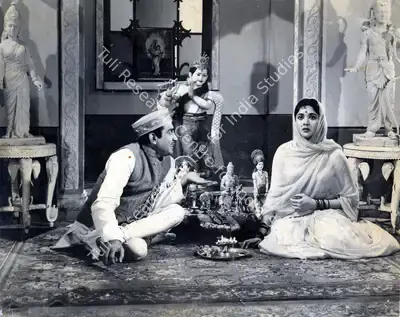
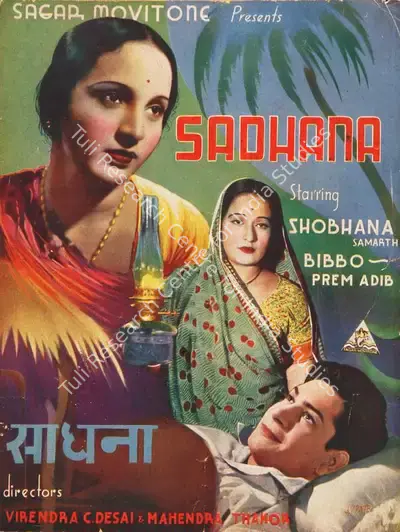
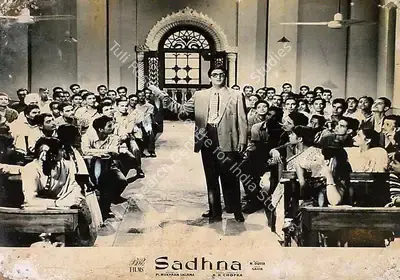
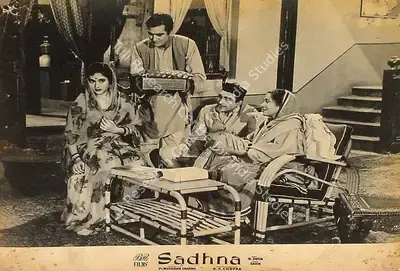
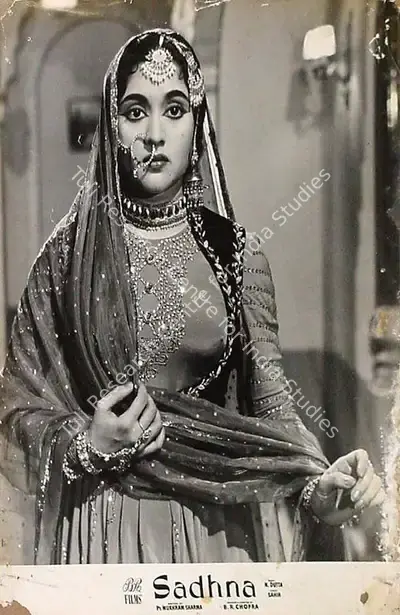
Thakur, Mahendra (Director), Sadhana, 1939 | Song-Synopsis Booklet

Thakur, Mahendra (Director), Sadhana, 1939 | Song-Synopsis Booklet

Bhambri, Ashok (Producer), Bus Conductor, 1959 | Song-Synopsis Booklet

Bhambri, Ashok (Producer), Bus Conductor, 1959 | Song-Synopsis Booklet

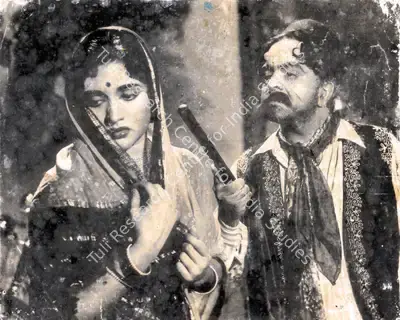
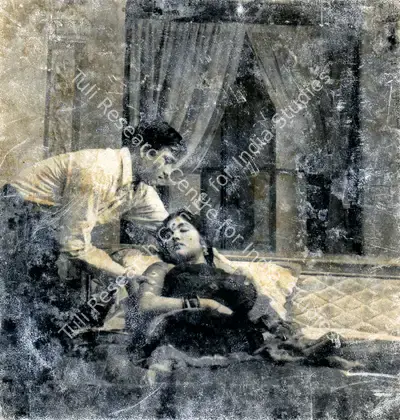
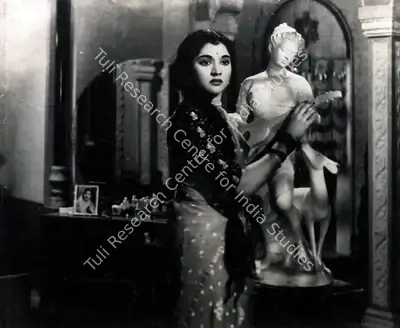
Bhambri, Ashok (Producer), Bus Conductor, 1959 | Photographic Still

Bhambri, Ashok (Producer), Bus Conductor, 1959 | Photographic Still

Bhambri, Ashok (Producer), Bus Conductor, 1959 | Photographic Still

Bhambri, Ashok (Producer), Bus Conductor, 1959 | Photographic Still

Bhambri, Ashok (Producer), Bus Conductor, 1959 | Photographic Still

Bhambri, Ashok (Producer), Bus Conductor, 1959 | Photographic Still

Bose, Kamal (Cinematographer), Parakh, 1960 | Lobby Card

Bose, Kamal (Cinematographer), Parakh, 1960 | Lobby Card

Bose, Kamal (Cinematographer), Parakh, 1960 | Lobby Card

Bose, Kamal (Cinematographer), Parakh, 1960 | Lobby Card

Dhuri, D.K. (Cinematographer), Love In Simla, 1960 | Lobby Card
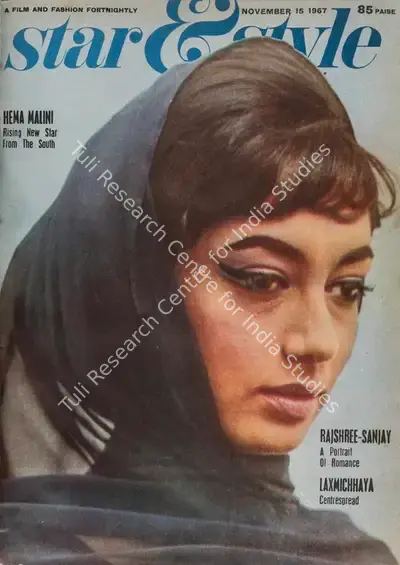
Dhuri, D.K. (Cinematographer), Love In Simla, 1960 | Lobby Card

Dhuri, D.K. (Cinematographer), Love In Simla, 1960 | Lobby Card

Dhuri, D.K. (Cinematographer), Love In Simla, 1960 | Lobby Card

Dhuri, D.K. (Cinematographer), Love In Simla, 1960 | Lobby Card

Dhuri, D.K. (Cinematographer), Love In Simla, 1960 | Lobby Card

Roy, Bimal (Director), Parakh, 1960 | Song-Synopsis Booklet

Roy, Bimal (Director), Parakh, 1960 | Song-Synopsis Booklet

Mukerjee, S. (Producer), Love In Simla, 1960 | Song-Synopsis Booklet

Mukerjee, S. (Producer), Love In Simla, 1960 | Song-Synopsis Booklet

Mukerjee, S. (Producer), Love In Simla, 1960 | Full Sheet Poster

Mukerjee, S. (Producer), Love In Simla, 1960 | Full Sheet Poster

Mohan, B. (Designer), Love In Simla, 1960 | Half Sheet Poster

Mohan, B. (Designer), Love In Simla, 1960 | Half Sheet Poster

Mukerjee, S. (Producer), Love In Simla, 1960 | Showcard

Mukerjee, S. (Producer), Love In Simla, 1960 | Showcard

Mukerjee, S. (Producer), Love In Simla, 1960 | Showcard

Mukerjee, S. (Producer), Love In Simla, 1960 | Showcard

Mukerjee, S. (Producer), Love In Simla, 1960 | Showcard

Mukerjee, S. (Producer), Love In Simla, 1960 | Showcard

Mukerjee, S. (Producer), Love In Simla, 1960 | Showcard

Mukerjee, S. (Producer), Love In Simla, 1960 | Showcard

Mukerjee, S. (Producer), Love In Simla, 1960 | Showcard

Mukerjee, S. (Producer), Love In Simla, 1960 | Showcard

Dhuri, D.K. (Cinematographer), Love In Simla, 1960 | Photographic Still Mounted on Lobby Card

Dhuri, D.K. (Cinematographer), Love In Simla, 1960 | Photographic Still Mounted on Lobby Card

Loading...
TRIS logo image