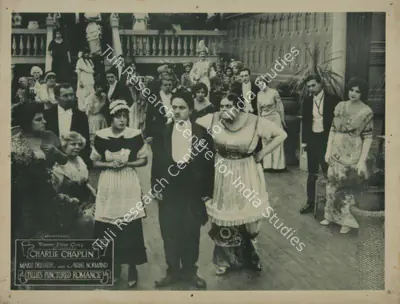
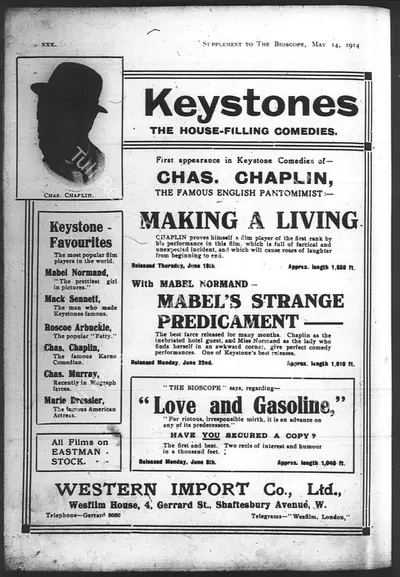
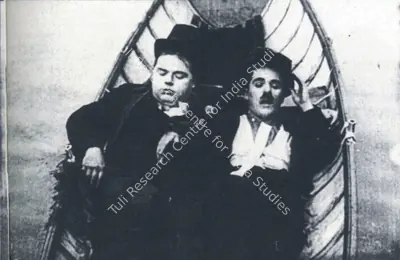
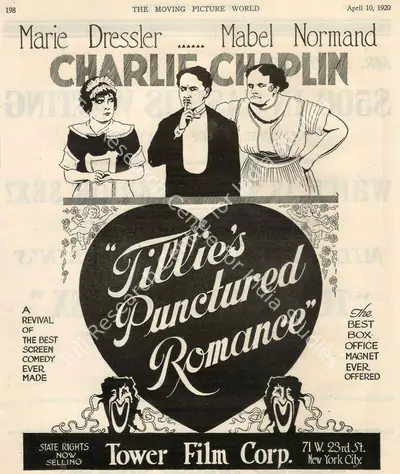
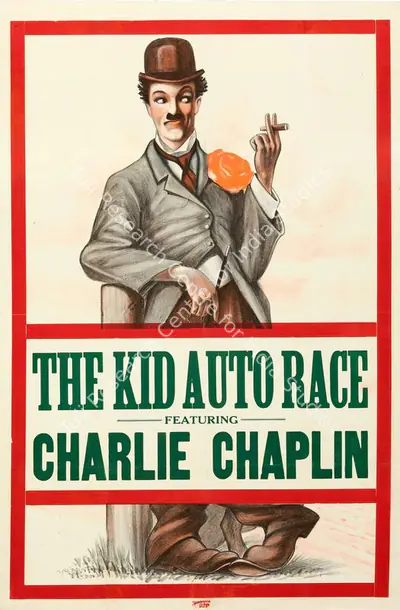
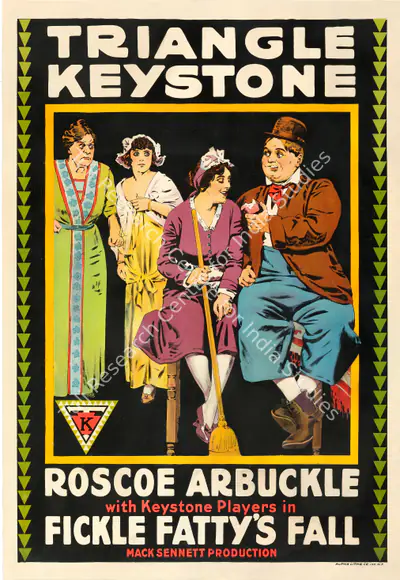
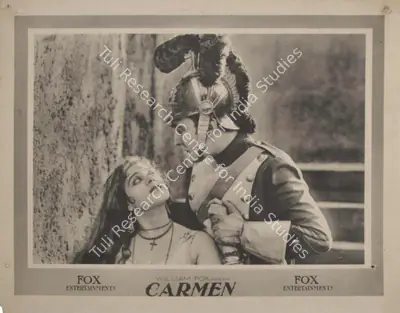
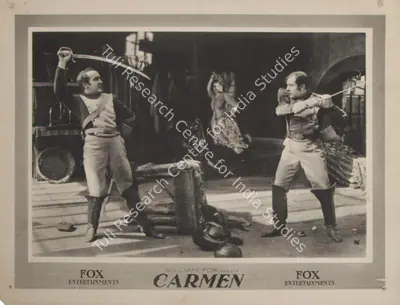
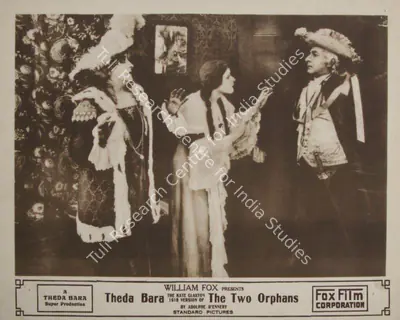
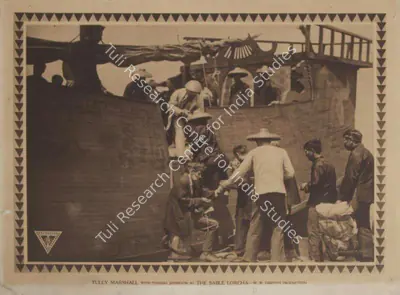
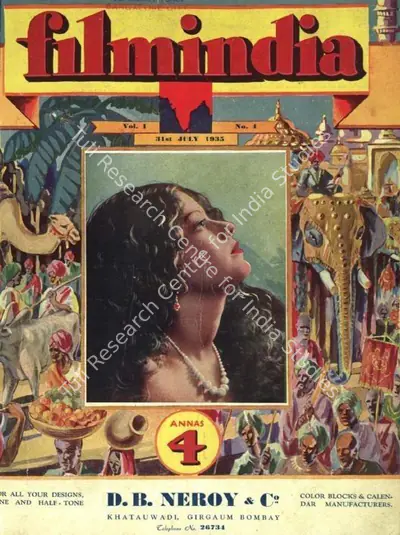
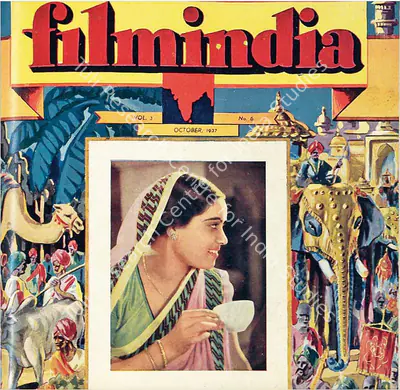
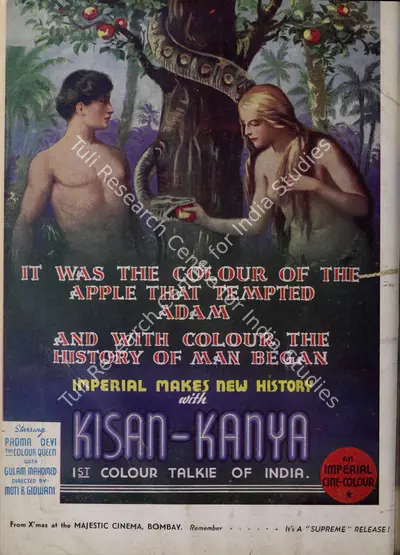
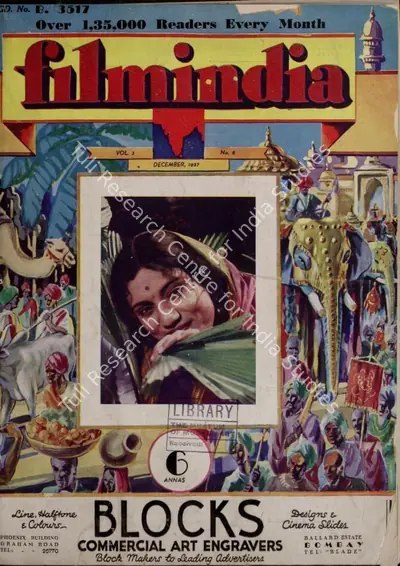
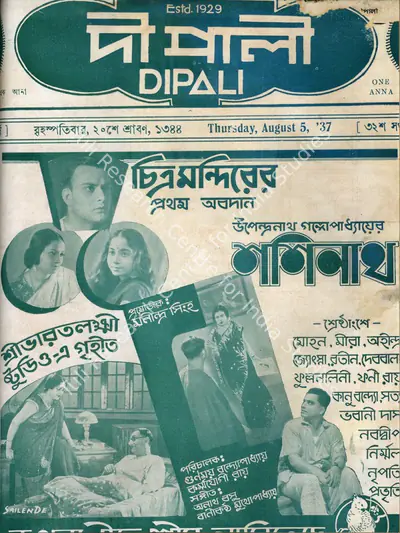
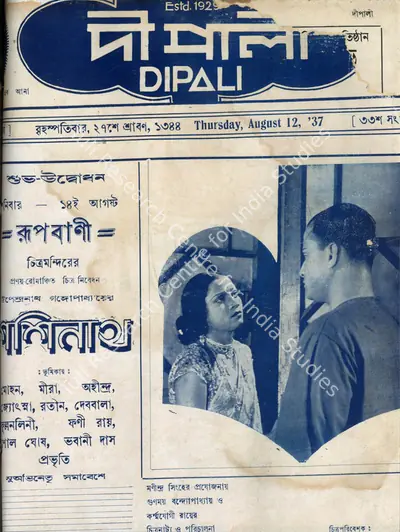
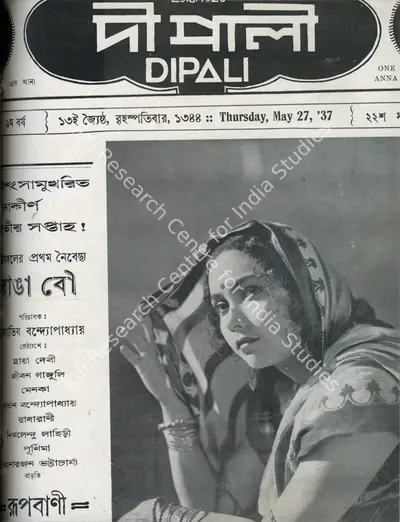
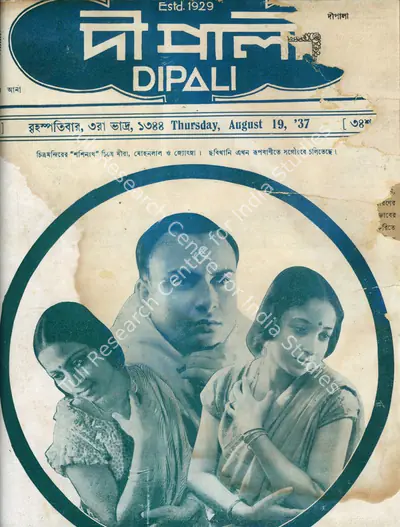
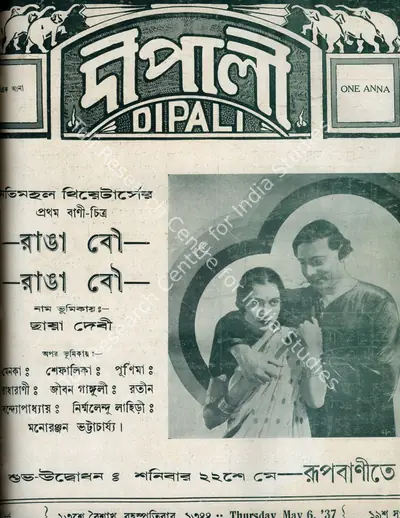
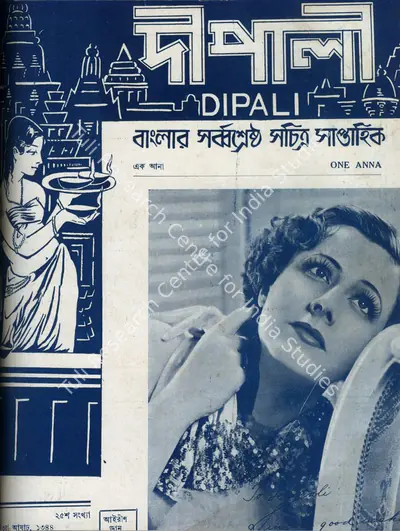
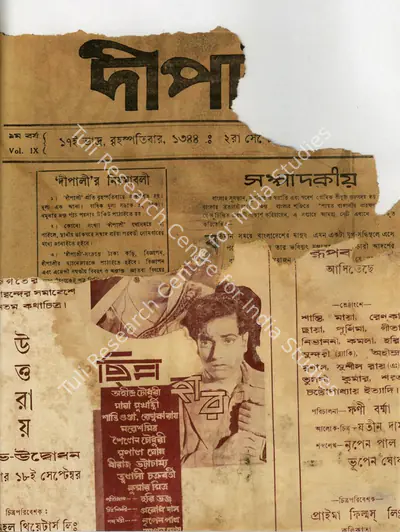
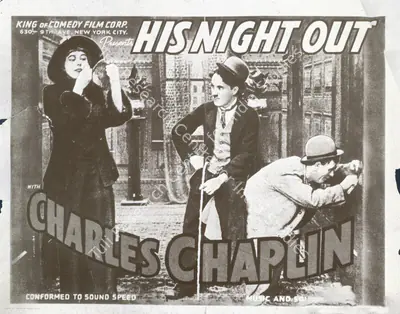
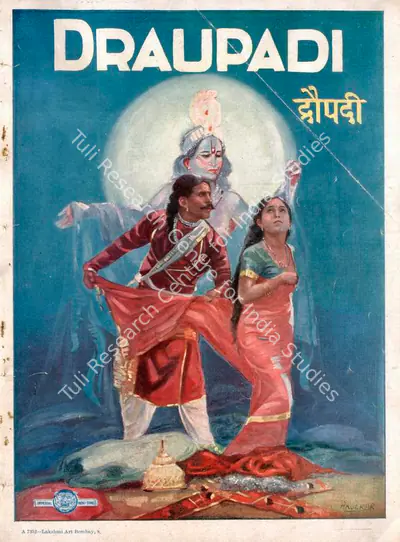
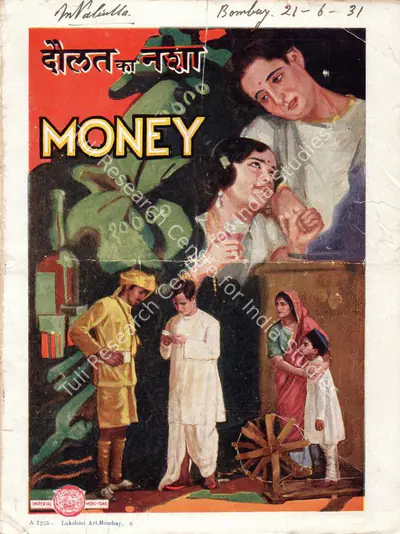
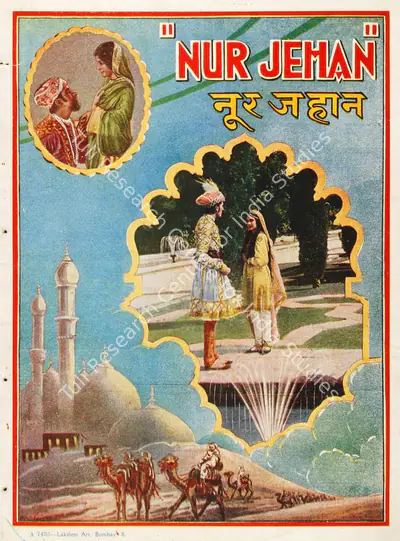
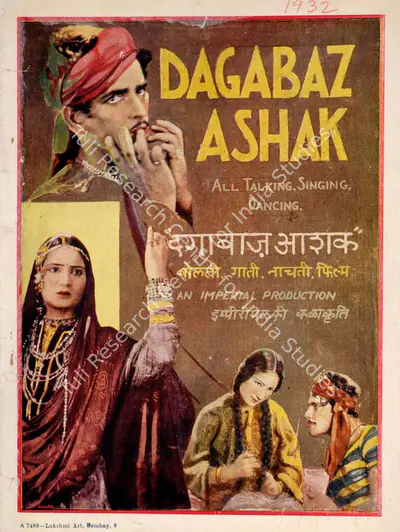
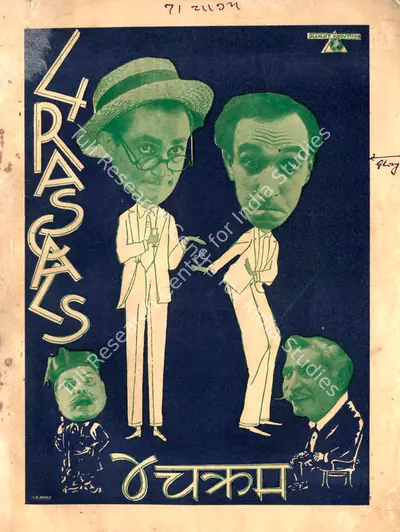
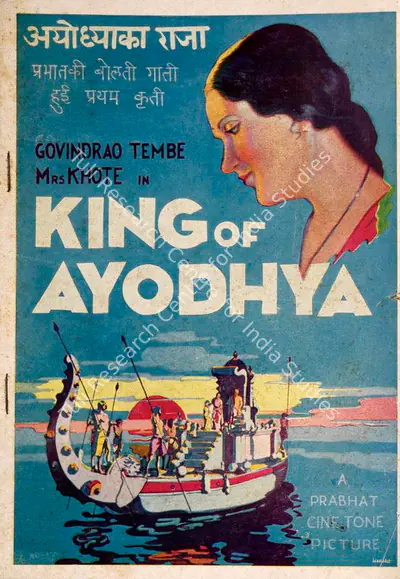
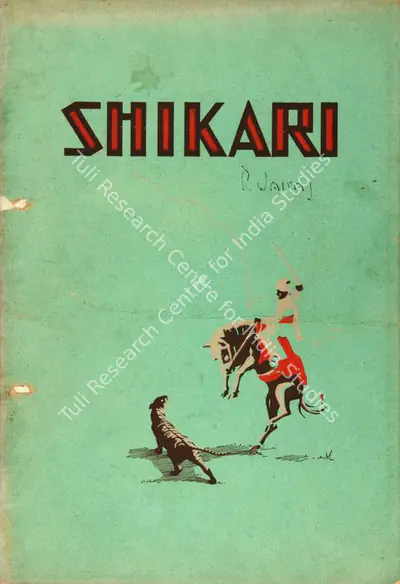
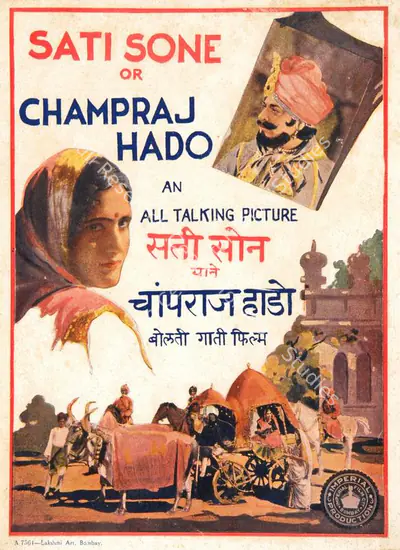
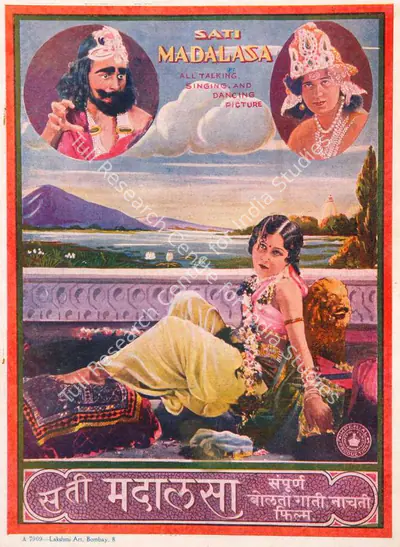
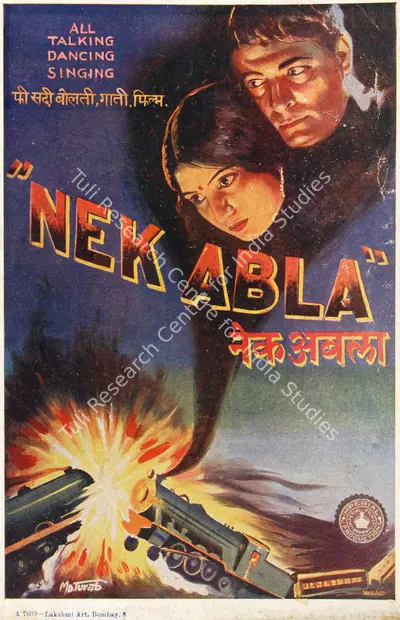
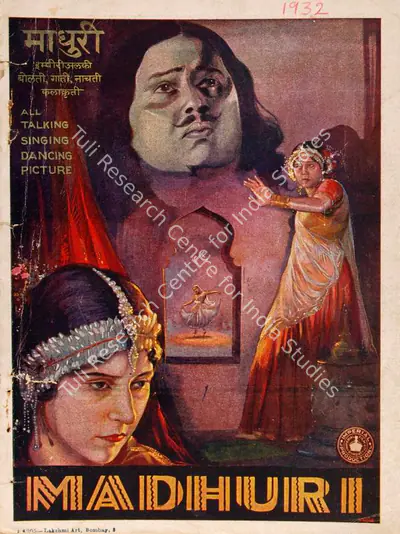
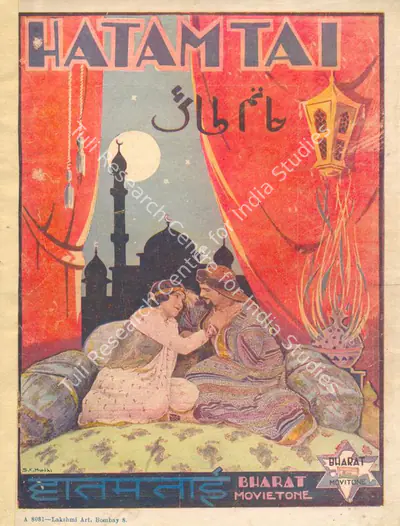
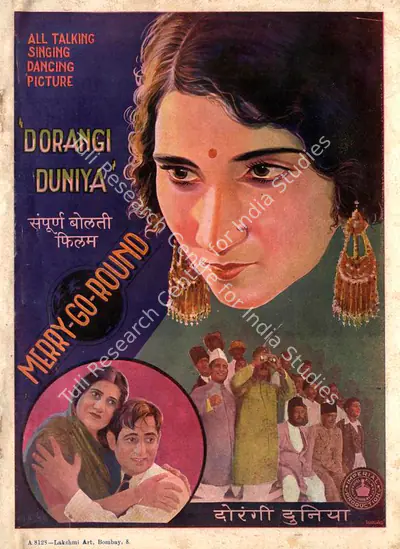
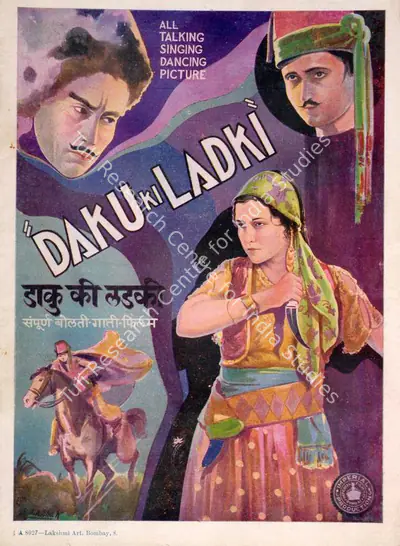
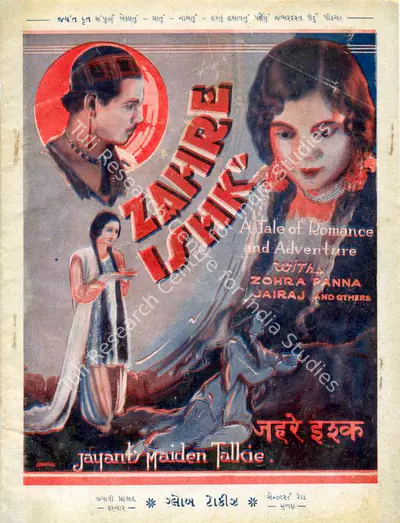
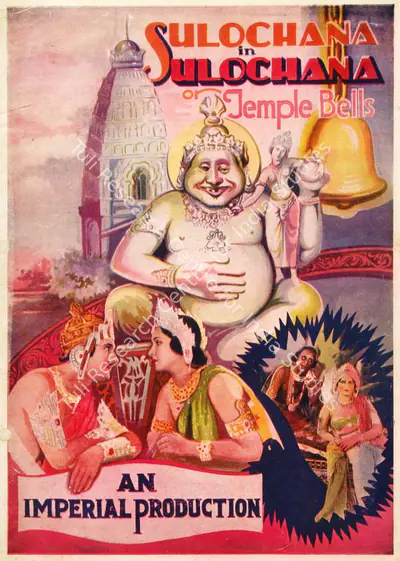
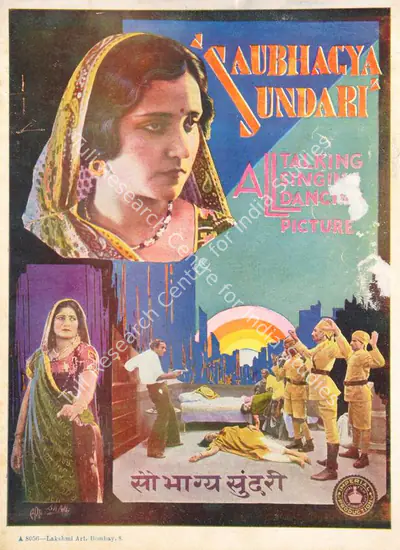
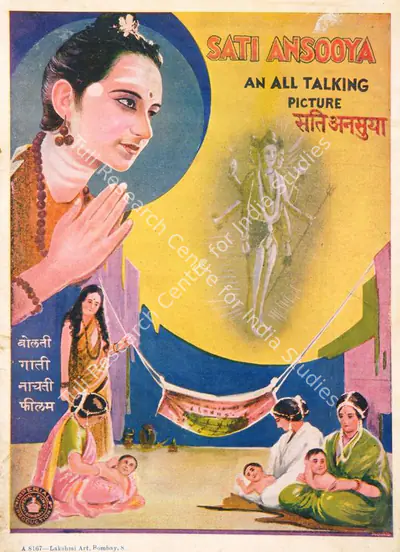
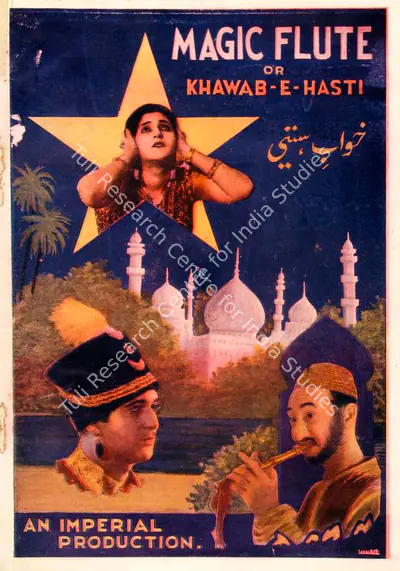
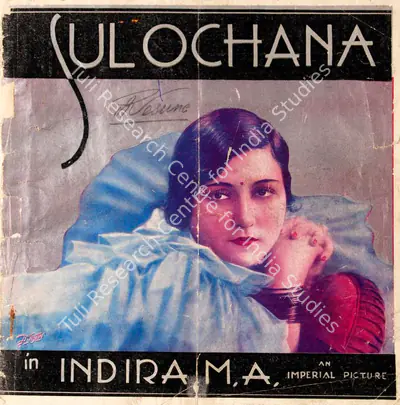
Cinema as a Critical Educational Resource focuses on gaining an understanding of India through the lens of cinema. It deals with rare gems from Indian cinema and beyond to chronicle the history and culture of India and investigates how cinema captures the nuances of Indian life, portraying the experiences, struggles and aspirations of its people. Using critical resources such as film publicity material, including booklets, lobby cards and posters, this research area offers unique insights into its cultural diversity, social fabric and historical evolution.
"Din Hai Bahar Ke" - The Coming Together of Folk and Modern Sensibilities
Tuli Research Centre for India Studies (Editor)
Document TypeIn-house Video
Date31 August 2026
Duration1 min 01 sec
FormatVertical Video
Description
Among the most charming romantic duets of the 1960s, "Din Hai Bahar Ke" from Waqt (1965) offers a vibrant portrait of youthful love, modern aspirations, and changing social sensibilities.
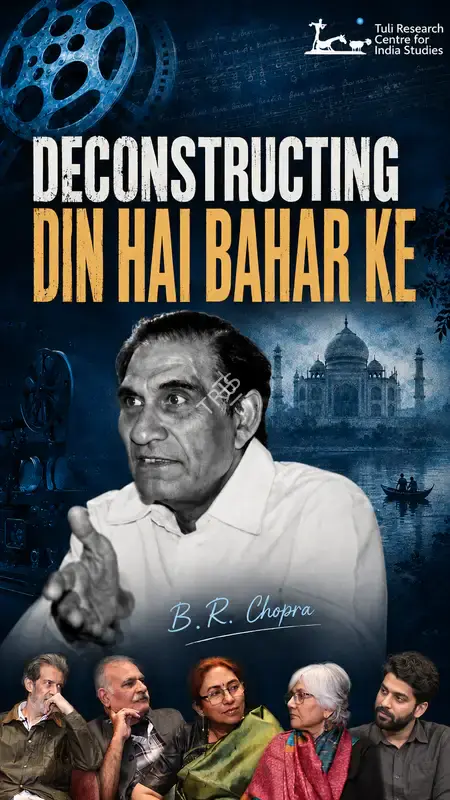
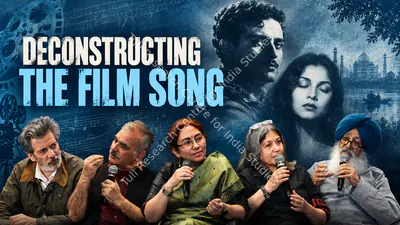
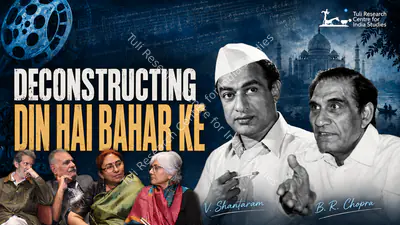
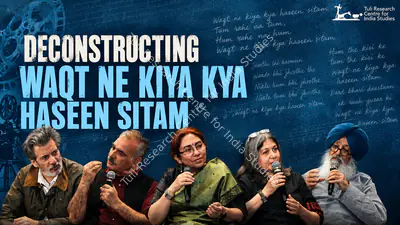
Bringing together Shikha Jhingan, Ravikant, Antara Mondal, and Neville Tuli, this session of 'A Musical Glue for Nation-Building: Deconstructing the Film Song' explored the many layers of this playful romantic duet.
Produced by B.R. Chopra and directed by Yash Chopra, the song was composed by Ravi, written by Sahir Ludhianvi, and sung by Asha Bhosle and Mahendra Kapoor. The song is picturised on Shashi Kapoor and Sharmila Tagore aboard a boat, creating a vibrant portrait of youthful romance. The discussion reflected on the song's fusion of folk influences with emerging modern musical styles, as well as the ways in which costume, choreography, setting, and performance convey the urban sensibilities of the period.
As part of our ongoing exploration of Cinema as a Critical Educational Resource, these excerpts invite us to engage with the Film Song as a valuable lens through which to understand changing ideas of modernity, identity, and popular culture in India.